
Simple German Mohnkuchen (Poppy Seed Cake) You Can Bake

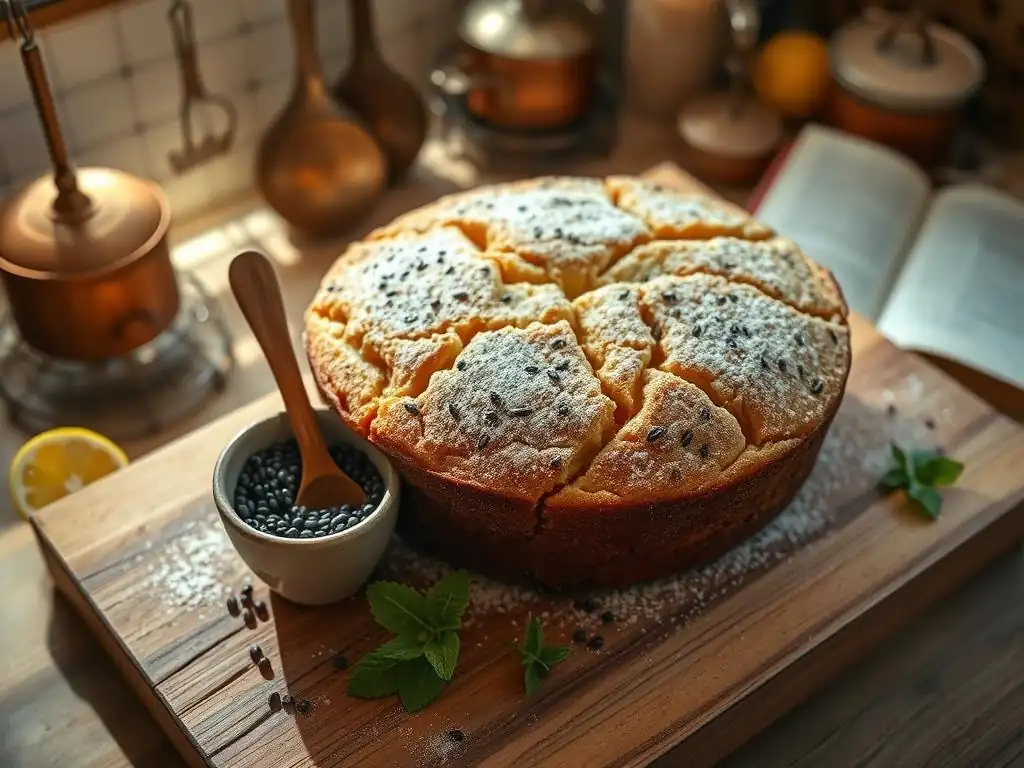
Welcome to BakeWithEase, where baking becomes a joy, not a chore! Ever dreamt of recreating authentic German flavors in your own kitchen? Then you're in the right place. Dive into our latest exploration of Regional & Cultural Baking and discover just how simple it can be to bake a truly delectable Easy German Poppy Seed Cake. But what makes this Mohnkuchen so special, and what's the secret to that perfect, moist crumb? Keep reading to find out!
- Understanding German Mohnkuchen
- Why This Mohnkuchen Recipe is Great
- Mohnkuchen Recipe: Step-by-Step Guide
- Tips for Perfect Mohnkuchen
- Serving and Storing
- Exploring German Baking
- Enjoy Your Mohnkuchen!
-
Frequently Asked Questions
- What makes this German Mohnkuchen recipe "easy" compared to others?
- Can I substitute the poppy seeds with something else if I don't have them?
- What kind of flour is best to use for this Simple German Mohnkuchen?
- How do I know when the cake is done baking?
- How should I store the leftover Mohnkuchen to keep it fresh?
- Final Reflection: The Enduring Charm of Simple Pleasures
- Unleash Your Inner Baker: Bake This Mohnkuchen Today!
Understanding German Mohnkuchen
What is Mohnkuchen?
Mohnkuchen, literally translating to "poppy seed cake," is a beloved staple in German bakeries and homes. At its heart, it's a cake featuring a rich, often creamy, filling made primarily from ground poppy seeds.
While variations exist, the classic version typically consists of a simple yeast dough or shortcrust pastry base, a thick layer of this distinctive poppy seed filling, and sometimes a streusel topping or a lattice made from the dough. The filling itself is key; it's not just plain poppy seeds but a cooked mixture usually containing milk or cream, sugar, and often flavorings like lemon zest, vanilla, or rum, creating a dense, slightly chewy, and aromatic layer.
This traditional German poppy seed cake is more than just a dessert; it's a cultural icon, frequently found at Kaffeeklatsch (coffee and cake gatherings) throughout the afternoon. Its unique texture and flavor profile, distinct from cakes in many other cultures, make it instantly recognizable. A typical slice offers a delightful contrast between the soft, slightly sweet dough and the moist, intensely flavored poppy seed layer. While some recipes can be complex, focusing on an easy German poppy seed cake means simplifying the dough or filling preparation without sacrificing the essential taste and texture that define authentic Mohnkuchen.
History of Mohnkuchen
The history of Mohnkuchen is deeply intertwined with the cultivation and use of poppy seeds (Mohn) in Central and Eastern European countries, including Germany, Austria, and Poland. Poppy seeds have been used in baking and cooking in this region for centuries, valued for their nutritional content and distinct flavor. Historically, poppy seeds were a readily available crop, making them a common ingredient, especially during colder months when other fresh ingredients were scarce. Early versions of poppy seed pastries were likely simpler, perhaps just ground seeds mixed with honey or sugar wrapped in dough.
Over time, these simple preparations evolved into the more elaborate cakes and pastries we see today. The development of the cooked, creamy Mohnfüllung (poppy seed filling) is a significant step in the history of Mohnkuchen, transforming it into a rich, decadent dessert. This evolution reflects advancements in baking techniques and the availability of ingredients like milk, butter, and sugar.
While it's difficult to pinpoint an exact origin date, variations of poppy seed cakes have been documented for hundreds of years, becoming firmly established in German culinary tradition, particularly in regions known for their rich baking heritage. The traditional German poppy seed cake remains a testament to this long history.
Why This Mohnkuchen Recipe is Great
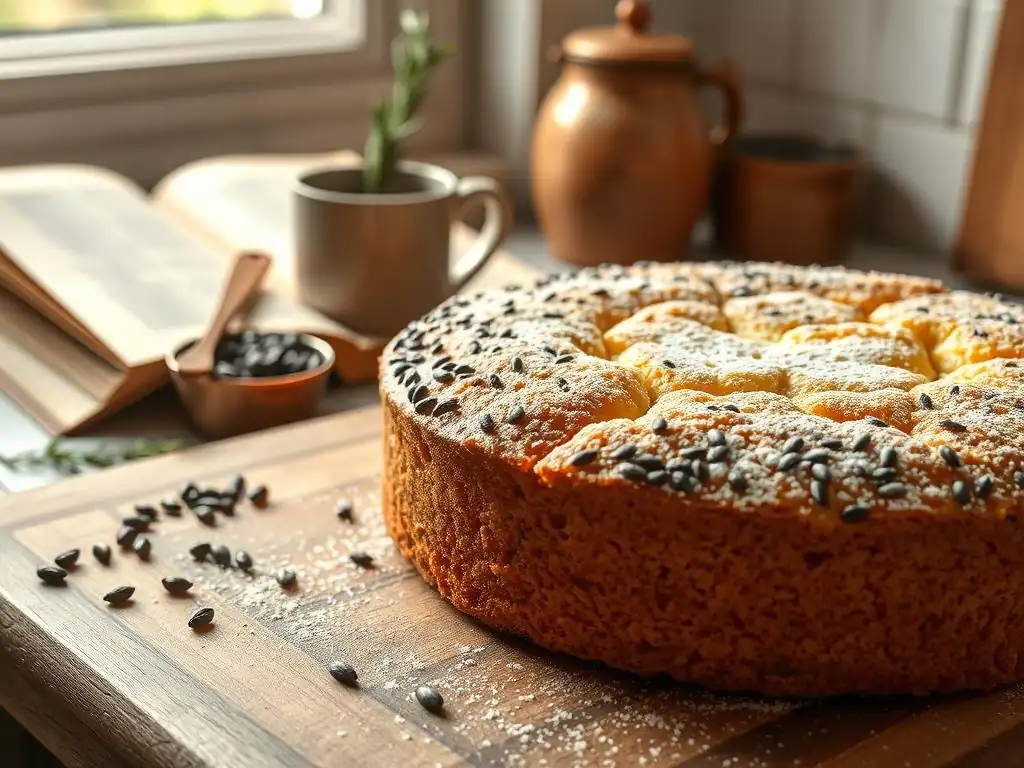
Simple Ingredients for Authentic Flavor
Creating an easy German poppy seed cake doesn't mean compromising on authenticity. This recipe focuses on using straightforward, accessible ingredients commonly found in German pantries and easily sourced elsewhere. For the filling, you'll need ground poppy seeds (often available pre-ground, or you can grind your own), milk or cream, sugar, and a few flavorings like vanilla extract and lemon zest. The dough is typically a simple shortcrust or yeast dough requiring basic pantry staples like flour, butter, sugar, eggs, and perhaps some milk or yeast.
The beauty of traditional German baking often lies in the quality and combination of simple components rather than complex or exotic ingredients. By using fresh butter, good quality flour, and flavorful poppy seeds, you can achieve that classic, deeply satisfying taste. This approach makes the simple Mohnkuchen not only achievable for home bakers but also ensures that the resulting cake tastes just like the one you might find in a German Konditorei (pastry shop), proving that authentic flavor can indeed come from simple means.
Easy Preparation
One of the primary goals of this recipe is to make baking a traditional German poppy seed cake less intimidating. While some Mohnkuchen recipes involve multiple complex steps and long proofing times, this version streamlines the process. The poppy seed filling, often perceived as tricky, is simplified into a few straightforward steps: cooking the ingredients together until thickened. The dough is designed to be manageable, whether it's a quick-to-mix shortcrust or a yeast dough with minimal kneading and proofing time.
The step-by-step guide is broken down into clear, actionable instructions, making it easy for even novice bakers to follow along. We focus on techniques that minimize fuss, such as preparing the filling while the dough chills or proofs, optimizing workflow. By breaking down the process into logical stages – preparing the filling, making the dough, assembling, and baking – this easy German poppy seed cake recipe demystifies what might seem like a complicated bake, allowing you to enjoy the process and the delicious result without unnecessary stress.
Minimal Equipment Required
You don't need a professional bakery setup to make this simple Mohnkuchen. Most of the necessary equipment is standard in a typical home kitchen. For preparing the dough and filling, you'll need mixing bowls, measuring cups and spoons, a saucepan for the filling, and basic tools like a whisk or wooden spoon. A hand mixer or stand mixer can be helpful for the dough but is often not strictly necessary, depending on the dough type used in the specific recipe variation.
Baking the cake requires a standard baking pan – commonly a springform pan (24-26 cm diameter) for a round cake or a rectangular sheet pan (approx. 20x30 cm) for a sheet cake version. Parchment paper is useful for lining the pan but not always essential if the pan is properly greased and floured. The emphasis is on using readily available kitchen items, making this easy German poppy seed cake accessible to anyone with a basic set of baking tools. This minimal equipment requirement further contributes to the ease and simplicity of the recipe.
Mohnkuchen Recipe: Step-by-Step Guide
Gathering Ingredients
Before you begin baking your easy German poppy seed cake, ensure you have all your ingredients measured and ready. This mise en place approach makes the baking process much smoother and prevents last-minute scrambling.
Here's a general list of ingredients you'll need for a classic Mohnkuchen (exact quantities will vary slightly by specific recipe version, but this gives you an idea):
- For the Poppy Seed Filling (Mohnfüllung):
- Ground poppy seeds: Approx. 250-300g
- Milk or cream: Approx. 500ml
- Sugar: Approx. 100-150g
- Semolina or breadcrumbs (as a thickener): Approx. 30-50g
- Butter: Approx. 30-50g
- Lemon zest: From 1/2 to 1 lemon
- Vanilla extract: 1-2 teaspoons
- Optional: Rum, chopped almonds, raisins
- For the Cake Dough (Shortcrust or Yeast Dough):
- All-purpose flour: Approx. 250-350g
- Sugar: Approx. 70-100g
- Butter (cold, cubed for shortcrust; softened for yeast): Approx. 125-175g
- Egg(s): 1-2
- (For Yeast Dough): Fresh yeast (approx. 15-20g) or dry yeast (approx. 5-7g), warm milk (approx. 50-100ml)
Step 1: Preparing the Poppy Seed Filling (Mohnfüllung)
The heart of the traditional German poppy seed cake is its distinctive filling. Preparing it is simple but crucial for the final texture and flavor.
Preparing the Poppy Seeds
If you have whole poppy seeds, you'll need to grind them first. While some older recipes suggest soaking them overnight and then grinding, using pre-ground poppy seeds or grinding them fresh in a dedicated spice or coffee grinder works perfectly for an easy German poppy seed cake. Ensure they are finely ground to release their flavor and create a smooth texture. If using pre-ground, check the package date for freshness, as poppy seeds can go rancid. For approximately 250g of ground seeds, you might start with slightly more whole seeds.
Once ground, the poppy seeds are ready to be cooked. Some recipes recommend a brief soak in hot milk before cooking, which can help soften them further, but for a simpler approach, you can often add them directly to the cooking liquid. The key is to ensure they are evenly distributed and don't clump together before heating.
Combining Ingredients for the Filling
In a medium saucepan, combine the milk (or cream) and sugar. Heat gently over medium heat, stirring until the sugar dissolves. Bring the mixture just to a simmer, then reduce the heat to low. Add the ground poppy seeds, semolina (or breadcrumbs), butter, lemon zest, and vanilla extract. Stir continuously to prevent sticking and ensure all ingredients are well combined.
Cook the mixture for about 5-10 minutes, stirring frequently, until it thickens to a consistency resembling thick porridge. The semolina or breadcrumbs help absorb excess moisture and give the filling body. Remove from heat and stir in any optional additions like rum, chopped almonds, or raisins. Let the filling cool completely before assembling the cake. Cooling is essential; a warm filling can make the dough difficult to handle.
Step 2: Making the Cake Dough
The base of your easy German poppy seed cake can be a simple shortcrust or a straightforward yeast dough. This guide outlines the general steps for either.
Combining Dry Ingredients
For a shortcrust dough, whisk together the flour and sugar in a large mixing bowl. If making a yeast dough, combine the flour, sugar, and salt in a bowl. If using dry yeast, you might mix it directly with the dry ingredients or activate it separately with warm milk and a pinch of sugar depending on package instructions. If using fresh yeast, crumble it into a small bowl, add a pinch of sugar and a little warm milk (from the recipe's total liquid), stir, and let it sit for 5-10 minutes until frothy before adding to the dry ingredients.
Ensure the dry ingredients are well-mixed before adding the wet components. This helps distribute leavening agents (if using yeast) and flavors evenly throughout the dough, leading to a consistent texture in your simple Mohnkuchen.
Adding Wet Ingredients
For shortcrust, add cold, cubed butter to the dry ingredients. Use your fingertips, a pastry blender, or a food processor to cut the butter into the flour until the mixture resembles coarse crumbs. Then, add the egg(s) and bring the dough together quickly, being careful not to overwork it. Wrap in plastic wrap and chill for at least 30 minutes.
For yeast dough, add the softened butter, egg(s), and the activated yeast mixture (if prepared separately) to the dry ingredients. Gradually add the remaining warm milk while mixing, either by hand or with a mixer fitted with a dough hook, until a smooth dough forms. Knead for about 5-10 minutes until elastic. Place the dough in a lightly oiled bowl, cover, and let it rise in a warm place until doubled in size, which usually takes 1-1.5 hours. This rising step is key for the texture of the traditional German poppy seed cake base.
Step 3: Assembling and Baking
Once the filling is cool and the dough is ready (chilled for shortcrust, risen for yeast), it's time to assemble your easy German poppy seed cake.
Layering Dough and Filling
Preheat your oven to the temperature specified in your specific recipe (typically around 180°C or 350°F). Grease and flour your baking pan, or line it with parchment paper. If using shortcrust, divide the dough into two portions, usually 2/3 for the base and 1/3 for the top (if making a lattice or streusel). Roll out the larger portion to fit the bottom and slightly up the sides of the pan. Gently spread the cooled poppy seed filling evenly over the dough base.
If using yeast dough, roll out the risen dough to fit the pan. Place it in the pan, pressing it gently up the sides. Spread the cooled filling over the dough. For the top layer, you can roll out the remaining dough to cover the filling entirely, cut it into strips for a lattice pattern, or crumble it with extra flour, sugar, and butter to make a streusel topping. Seal the edges well.
Baking Instructions
Place the assembled simple Mohnkuchen in the preheated oven. The baking time will vary depending on the size and type of pan, as well as your specific recipe and oven, but it generally ranges from 40 to 60 minutes. The cake is ready when the top is golden brown and a skewer inserted into the dough part (avoiding the filling) comes out clean.
Baking at the correct temperature ensures the dough cooks through without the filling drying out or the top browning too quickly. If the top starts getting too dark, you can loosely cover it with aluminum foil. Once baked, remove the cake from the oven and let it cool in the pan for at least 15-20 minutes before attempting to remove it. A traditional German poppy seed cake is often best served after it has cooled completely, allowing the filling to set properly.
Tips for Perfect Mohnkuchen
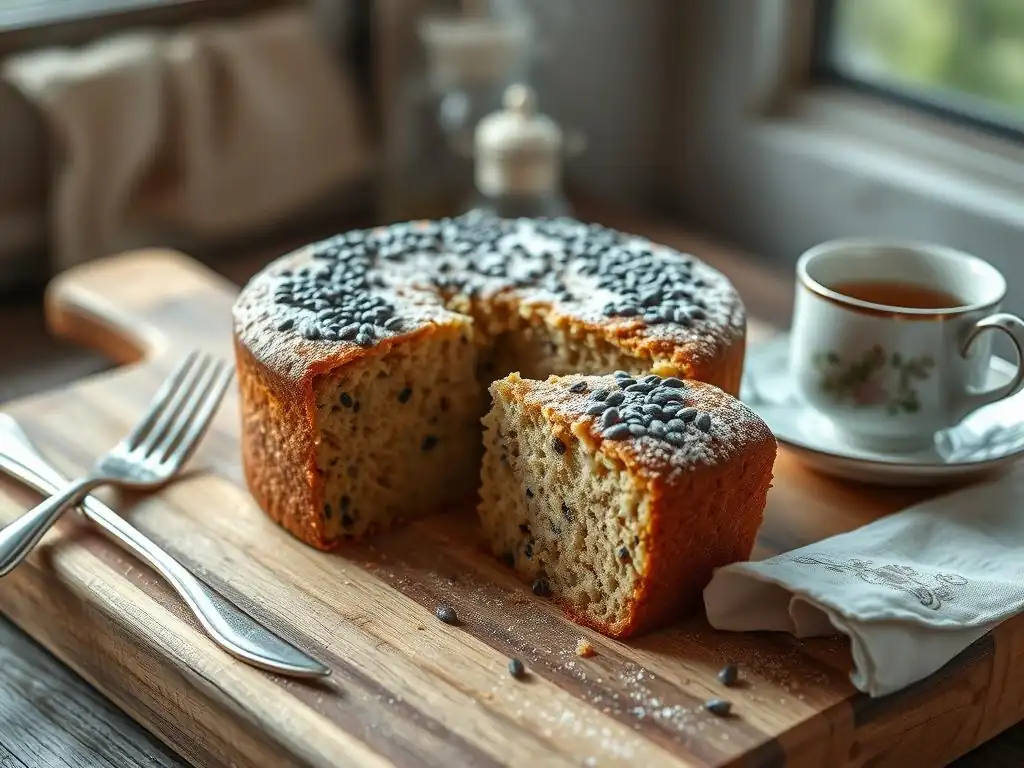
Achieving Optimal Moisture
The key to a perfect easy German poppy seed cake lies in the moisture balance, particularly in the filling. An overly dry filling can make the cake crumbly and less enjoyable. Ensure your poppy seed filling is cooked until thickened but not excessively dry. Using enough milk or cream and incorporating a thickener like semolina helps achieve a creamy texture. Some recipes also add mashed potato or quark (a type of fresh cheese) to the filling, which adds moisture and richness.
Another factor is the baking time. Over-baking can dry out both the dough and the filling. Keep an eye on the cake during the last 15-20 minutes of baking. If the edges look done but the center seems wobbly (apart from the natural give of the filling), it might need a few more minutes, but avoid baking until the entire cake seems rigid. Allowing the cake to cool completely before slicing is also vital; this allows the filling to set and retain its moisture, resulting in clean slices of your traditional German poppy seed cake.
Enhancing Flavor
While poppy seeds provide the primary flavor, subtle additions can elevate your simple Mohnkuchen. Lemon zest is a classic pairing, providing a bright counterpoint to the richness of the poppy seeds. Use fresh zest for the best aroma. Vanilla, either extract or seeds from a vanilla bean, adds warmth and depth. A splash of dark rum is another traditional flavoring that complements poppy seeds wonderfully, adding a sophisticated note.
Consider adding a small amount of ground almonds or almond extract to the filling; almond and poppy seed flavors pair beautifully in German baking. A pinch of cinnamon can also add warmth, especially in autumn versions. Don't be afraid to adjust the sugar level in the filling to your preference, though remember the dough also contributes sweetness. Tasting the filling before adding eggs (if your recipe uses them) or after cooking allows you to adjust sweetness and flavorings.
Variations and Substitutions
The beauty of a traditional German poppy seed cake is its adaptability. Once you master the basic easy German poppy seed cake recipe, you can explore numerous variations. Common additions to the filling include raisins (often soaked in rum), chopped nuts (almonds, walnuts), or even a layer of applesauce or plums beneath the filling. The topping can vary from simple powdered sugar dusting to a full streusel or a drizzle of icing.
Gluten-Free Mohnkuchen
Adapting Mohnkuchen for a gluten-free diet is possible. The dough can be made using a gluten-free flour blend designed for baking, sometimes requiring slight adjustments to liquid or binder (like xanthan gum). The poppy seed filling is naturally gluten-free, provided the thickener used is also gluten-free (e.g., using gluten-free breadcrumbs or increasing the poppy seed quantity slightly instead of semolina, or using a gluten-free starch like cornstarch). Baking time might need slight adjustment when using gluten-free doughs.
Vegan Mohnkuchen
Creating a vegan simple Mohnkuchen involves substituting animal products. For the dough, butter can be replaced with vegan margarine or coconut oil, and eggs can be substituted with egg replacers like flax eggs, applesauce, or commercial vegan egg substitutes, depending on the dough type. For the filling, use plant-based milk (soy, almond, oat) instead of dairy milk, and vegan butter. Ensure the sugar used is vegan-friendly. The poppy seed filling itself is largely plant-based, making the adaptation relatively straightforward compared to some other cakes.
Serving and Storing
Serving Suggestions
Traditional German poppy seed cake is most commonly served as part of Kaffeeklatsch, the afternoon coffee break. It pairs perfectly with a cup of filter coffee or tea. While delicious on its own, a slice of Mohnkuchen is often served plain. However, some enjoy it with a dollop of whipped cream (Schlagsahne) on the side, which adds a touch of lightness and creaminess that contrasts nicely with the dense filling.
Ensure the cake has cooled completely before slicing for the neatest presentation. The filling needs time to set properly. A sharp knife is recommended for clean cuts through the dense poppy seed layer. Serve slices at room temperature for the best texture and flavor experience of your easy German poppy seed cake.
Storing for Freshness
To keep your simple Mohnkuchen fresh, store it properly. If left at room temperature, cover it loosely with plastic wrap or aluminum foil, or keep it in a cake carrier. It will typically stay fresh for 2-3 days this way. For longer storage, especially if the filling contains dairy, it's best to refrigerate it.
Refrigerated Mohnkuchen should be stored in an airtight container or well-wrapped to prevent it from drying out or absorbing odors. It can last in the refrigerator for up to a week. Before serving chilled Mohnkuchen, allow slices to come to room temperature for about 20-30 minutes to soften the filling and enhance the flavors. Mohnkuchen also freezes well; wrap individual slices or the whole cake tightly in plastic wrap and then aluminum foil. It can be frozen for up to 2-3 months. Thaw in the refrigerator overnight before bringing to room temperature.
Exploring German Baking
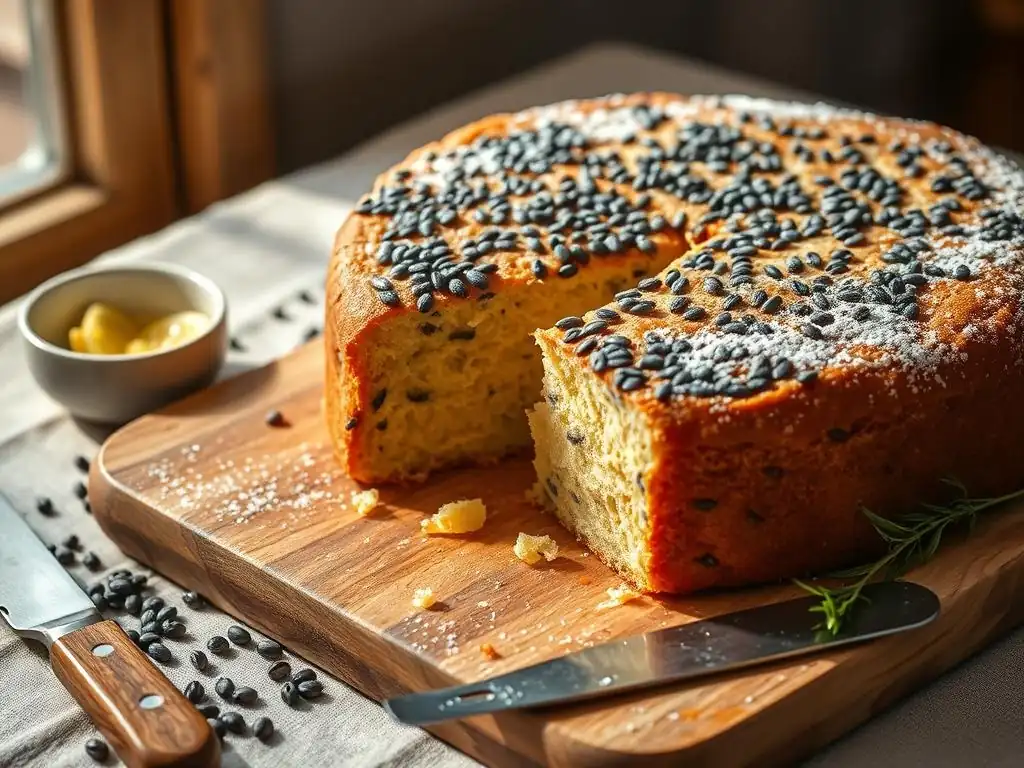
Mastering an easy German poppy seed cake is a great stepping stone into the wider world of German baking delights. If you enjoyed making Mohnkuchen, you might also like to try other popular German cakes and pastries. Consider trying a classic Käsekuchen (German cheesecake), which is often less sweet and uses quark for a unique texture, or a simple Streuselkuchen (crumb cake), which features a delicious crumb topping often paired with fruit like plums or apples.
Other related recipes include Mohnschnecken (poppy seed snails), which are sweet rolls filled with poppy seeds, or Mohnzöpfe (poppy seed braids). Exploring these recipes will deepen your understanding of how poppy seeds are used in different forms of traditional German baking and expand your repertoire beyond just cake, showcasing the versatility of this unique ingredient.
Regional Specialties
German baking is incredibly rich and diverse, with many regional specialties. While Mohnkuchen is popular nationwide, its preparation and form can vary slightly by region. For example, in some areas, the filling might be thicker or flavored differently, or the type of dough used for the base might be specific to local tradition.
Exploring regional variations like Schwarzwälder Kirschtorte (Black Forest Cherry Cake) from the Black Forest region, or Bee sting cake (Bienenstich) which is popular across many areas, offers a glimpse into the culinary heritage of different parts of Germany. Each region boasts its own unique cakes, breads, and pastries, often tied to local ingredients or historical events. Learning about these regional specialties provides fascinating context for traditional German baking as a whole.
Enjoy Your Mohnkuchen!
Frequently Asked Questions
What makes this German Mohnkuchen recipe "easy" compared to others?
This recipe focuses on simple steps and easy-to-find ingredients, making it accessible even for beginner bakers. It also avoids complicated techniques often found in traditional recipes.
Can I substitute the poppy seeds with something else if I don't have them?
While poppy seeds are the key ingredient, you could try using ground nuts like almonds or walnuts as a substitute, but the flavor will be different. The authentic taste relies on the unique poppy seed flavor.
What kind of flour is best to use for this Simple German Mohnkuchen?
All-purpose flour is generally recommended as it provides a good balance of structure and tenderness for the cake. Using cake flour may result in a more delicate crumb.
How do I know when the cake is done baking?
Insert a toothpick into the center of the cake. If it comes out clean or with just a few moist crumbs attached, the cake is done. Avoid overbaking for a moist cake.
How should I store the leftover Mohnkuchen to keep it fresh?
Store leftover cake in an airtight container at room temperature for up to 3 days or in the refrigerator for up to a week. Proper storage will prevent it from drying out.
Final Reflection: The Enduring Charm of Simple Pleasures
The humble poppy seed cake, a seemingly simple dessert, speaks volumes about the power of tradition and the joy found in uncomplicated recipes. Its enduring popularity, especially in German culture, highlights a deeper yearning for comforting familiarity in a fast-paced world. This easy-to-bake Mohnkuchen isn't just a recipe; it's a connection to heritage and a celebration of accessible deliciousness.
Baking this cake, with its fragrant poppy seeds and subtly sweet crumb, was more than just following instructions; it was a journey into the heart of German culinary tradition. The process itself became a meditative experience, a quiet counterpoint to the constant demands of modern life. The best things in life are simple.
This adage rings particularly true when considering the enduring appeal of this classic cake, a testament to the power of simple ingredients transformed into something truly special.
Now, I invite you to embrace the simplicity of this recipe. Don't be intimidated by the seemingly foreign ingredients; they are readily available, and the process itself is remarkably straightforward. Bake this cake, share it with loved ones, and experience the quiet satisfaction of creating something beautiful and delicious from scratch. Let the aroma of warm poppy seeds fill your kitchen, and allow yourself to savor the simple pleasures life offers. You might be surprised by the joy it brings.
Unleash Your Inner Baker: Bake This Mohnkuchen Today!
Thanks for taking the time to explore the wonderful world of German Mohnkuchen with us! We hope you gained a delicious new recipe and a newfound confidence in your baking abilities. Ready to take the next step?
- Bake your own Mohnkuchen! This recipe is easier than you think, and the rewarding aroma will fill your kitchen with joy.
- Share your baking triumph! Post a picture of your masterpiece on social media and tag BakeWithEase – we'd love to see it!
- Experiment with variations! Try adding different fruits or spices to personalize your Mohnkuchen. What creative twist will you add?
So, what delicious adventure awaits you in the kitchen? Let's hear about your baking experience in the comments below!