
Simple German Zimtschnecken (Cinnamon Rolls) from Your Kitchen

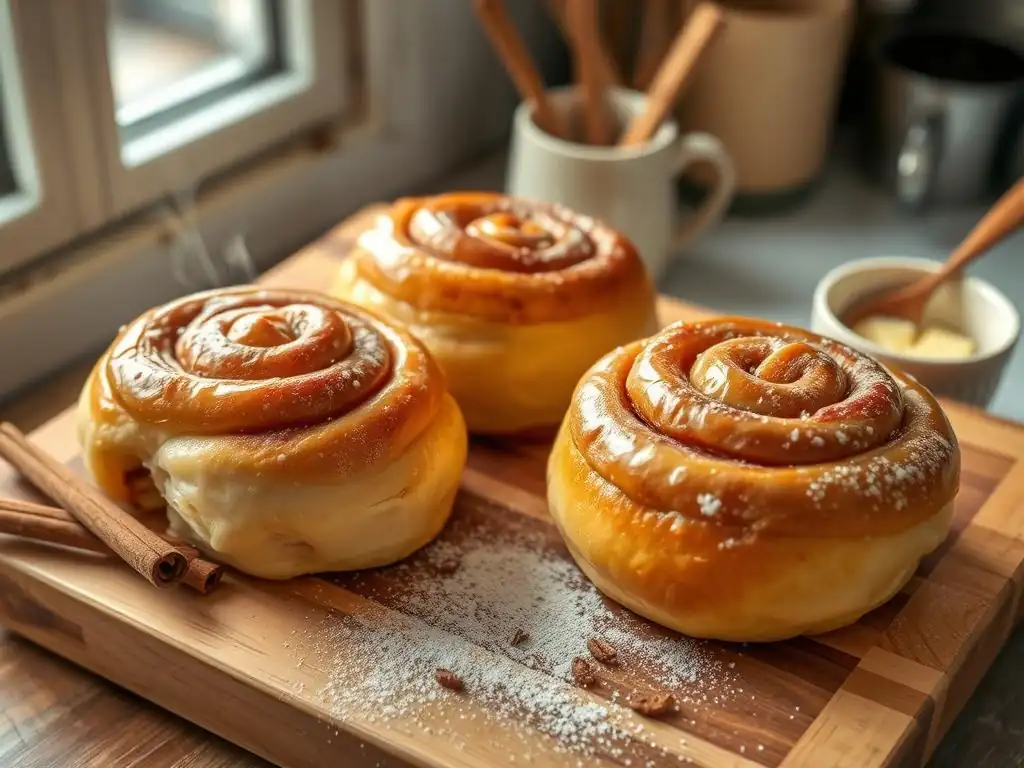
Welcome to BakeWithEase, your trusted guide to delicious homemade baking! Ever dreamed of effortlessly creating those perfect, pillowy soft German treats? Then you're in the right place. Discover our Easy German Cinnamon Roll Recipe and unlock the secrets to authentic Zimtschnecken right from your own kitchen. Get ready to fill your home with the irresistible aroma of cinnamon and sugar – the baking adventure begins now!
- Introduction to Easy German Cinnamon Rolls: A BakeWithEase Delight
- Easy German Cinnamon Roll Recipe: Step-by-Step Baking Guide
- Tips & Tricks for the Best Easy German Cinnamon Rolls
- Variations on the Classic German Cinnamon Roll Recipe
- Serving Suggestions for Your Homemade German Zimtschnecken
- Conclusion: Enjoying Your Easy Homemade German Cinnamon Rolls
- Frequently Asked Questions
- Final Reflection: The Sweet Simplicity of Tradition
- Unleash Your Inner Baker: Bake Amazing Zimtschnecken Today!
Introduction to Easy German Cinnamon Rolls: A BakeWithEase Delight
What Makes This German Cinnamon Roll Recipe So Easy?
Our approach to this classic Easy German cinnamon roll recipe focuses on simplifying techniques without sacrificing flavor or texture. We break down each step, from kneading the dough to adding the final glaze, into manageable tasks perfect for home bakers. Unlike some traditional methods that can involve complex dough handling or multiple long proofs, this recipe streamlines the process, allowing you to achieve delicious results with minimal stress. We use readily available ingredients and provide clear visual cues to help you navigate each stage successfully.
The emphasis on ease means less time worrying about intricate details and more time enjoying the process of baking. We guide you through achieving a perfectly soft and pliable dough, a common hurdle for many. By focusing on simple mixing and rising techniques, even beginners can confidently produce light, airy Zimtschnecken. This simple German cinnamon roll method is designed for busy kitchens, proving that authentic taste doesn't require hours of complicated work – just a clear, easy-to-follow guide.
Why Zimtschnecken Are a Must-Try for Home Bakers
Zimtschnecken, the German cousins of cinnamon rolls, offer a delightful combination of soft, sweet dough and warm, spiced filling. They are incredibly rewarding to bake, filling your home with an irresistible aroma that promises comfort and deliciousness. Mastering an easy German cinnamon roll recipe like this provides a versatile skill, allowing you to create impressive treats for breakfast, brunch, or dessert with relative ease. It's a fantastic way to explore European baking traditions from your own kitchen.
Beyond the wonderful taste, baking Zimtschnecken is a truly enjoyable experience. The tactile process of kneading dough, the anticipation as it rises, and the magic of seeing them puff up and turn golden in the oven are incredibly satisfying. Furthermore, homemade Zimtschnecken are often far superior to store-bought versions, offering unparalleled freshness and the ability to customize ingredients to your preference. This easy cinnamon roll method makes trying this classic pastry accessible to everyone.
Easy German Cinnamon Roll Recipe: Step-by-Step Baking Guide

Ingredients for Authentic German Zimtschnecken
Getting the right ingredients is the first step to success with any Easy German cinnamon roll recipe. We focus on common pantry staples to keep things simple. Accuracy in measurement is key, especially for baking, so we recommend using a kitchen scale for best results, particularly for flour.
Using fresh ingredients, like active dry yeast and good quality cinnamon, will significantly impact the flavor and texture of your final Zimtschnecken. Don't underestimate the difference fresh spices can make; cinnamon loses potency over time. Ensure your butter is softened correctly – not melted – for optimal dough consistency and filling spreadability.
Dough Ingredients: The Foundation of Your Cinnamon Rolls
The dough is the heart of your Zimtschnecken, providing the soft, fluffy base for the delicious filling. This simple German cinnamon roll dough recipe uses standard ingredients you likely already have.
Here's what you'll need for the dough:
- All-purpose flour: Approximately
500 grams(about 4 cups) - Sugar:
75 grams(about 1/3 cup) - Salt:
1 teaspoon - Active dry yeast:
7 grams(about 2 1/4 teaspoons) - Warm milk:
250 ml(about 1 cup), heated to around 40-45°C (105-115°F) - Eggs:
2 large, at room temperature - Unsalted butter:
75 grams, softened
Using milk warmed to the correct temperature is crucial for activating the yeast effectively. If the milk is too hot, it can kill the yeast; too cool, and the yeast won't activate properly. Room temperature eggs integrate better into the dough, resulting in a smoother consistency.
Filling Ingredients: Sweet and Spicy Cinnamon Goodness
The filling is where the signature cinnamon flavor shines. A generous amount of cinnamon mixed with sugar and butter creates that classic, irresistible swirl.
For the filling, gather these ingredients:
- Unsalted butter:
100 grams, softened - Granulated sugar:
150 grams(about 3/4 cup) - Ground cinnamon:
2-3 tablespoons, depending on how strong you like it
Softened butter is essential here as it allows the sugar and cinnamon to mix into a spreadable paste. If the butter is too cold, the filling will be lumpy; if melted, it will run out of the rolls during baking. A typical ratio is 1 part cinnamon to 5-6 parts sugar, but feel free to adjust the cinnamon quantity to your personal taste.
Icing Ingredients: The Perfect Finishing Touch
A simple glaze adds sweetness and moisture to the baked Zimtschnecken. This easy German cinnamon roll icing comes together in minutes.
You will need:
- Powdered sugar (confectioners' sugar):
150 grams(about 1 1/4 cups) - Milk or water:
2-3 tablespoons - Vanilla extract (optional):
1/2 teaspoon
The consistency of the icing is easily adjustable by adding more or less liquid. Start with 2 tablespoons of milk or water and add more a teaspoon at a time until you reach your desired pourable or spreadable consistency. Using milk gives a slightly richer glaze than water.
Preparing the Dough: A Simple German Cinnamon Roll Dough Recipe
Making the dough is a straightforward process in this easy German cinnamon roll recipe. We'll walk you through activating the yeast, mixing, and the first rise.
A key element to success is ensuring all your wet ingredients (milk, eggs, butter) are at the right temperature to interact correctly with the yeast and flour. Patience during the rising phases is also vital for developing flavor and achieving a light texture.
Activating the Yeast: The Key to a Light and Fluffy Dough
Activating the yeast is the first critical step. This ensures your dough will rise properly, giving you those wonderfully light and fluffy Zimtschnecken.
- Warm the milk to
40-45°C (105-115°F). It should feel warm, not hot, to the touch. - Pour the warm milk into a small bowl.
- Stir in
1 teaspoonof the sugar from the dough ingredients. - Sprinkle the
7 gramsof active dry yeast over the milk. - Let stand for
5-10 minutes.
After 5-10 minutes, the yeast mixture should be foamy and bubbly on top. This foam indicates that the yeast is active and ready to work its magic. If it doesn't foam, your milk might have been too hot or too cold, or the yeast might be old. In that case, discard the mixture and start again with fresh yeast and correctly warmed milk.
Mixing the Dough: Achieving the Perfect Consistency
Now it's time to bring all the dough ingredients together to form a cohesive, elastic dough. This can be done by hand or with a stand mixer.
Combine the flour, remaining sugar, and salt in a large mixing bowl or the bowl of a stand mixer fitted with a dough hook. Add the activated yeast mixture, the two room temperature eggs, and the softened 75 grams of butter. Mix on low speed or stir with a wooden spoon until a shaggy dough forms. Then, knead the dough.
If using a stand mixer, increase the speed to medium-low and knead for 6-8 minutes until the dough is smooth, elastic, and pulls away from the sides of the bowl. If kneading by hand, turn the dough out onto a lightly floured surface and knead for 8-10 minutes, adding minimal flour if necessary, until it is smooth and springs back slightly when poked. The dough should be soft and slightly tacky, but not excessively sticky.
First Rise: Letting the Dough Develop Flavor
The first rise, also known as the bulk fermentation, is crucial for developing flavor and texture in your easy German cinnamon roll dough.
Lightly grease a clean large bowl with oil or cooking spray. Place the kneaded dough in the bowl, turning it to coat all sides. Cover the bowl tightly with plastic wrap or a clean kitchen towel. Place the bowl in a warm, draft-free place. A slightly warm oven (turned off) or near a sunny window works well.
Let the dough rise for 60-90 minutes, or until it has doubled in size. The exact time will depend on the temperature of your room. You can test if the dough has risen enough by gently poking it with your finger; if the indentation remains, it's ready. This slow rise allows the yeast to produce gases that make the dough light and also enhances the overall flavor profile.
Assembling the Zimtschnecken: A Visual Guide
Assembling the Zimtschnecken is arguably the most fun part of this easy German cinnamon roll recipe. It's where the dough transforms into those iconic swirls.
Having a lightly floured surface ready and potentially a ruler or measuring tape can help ensure your rectangle is the correct size for even rolls. A sharp knife or dental floss is helpful for cutting.
Rolling Out the Dough: Creating the Cinnamon Roll Canvas
Once the dough has completed its first rise, it's ready to be shaped.
Turn the dough out onto a lightly floured surface. Gently punch it down to release some of the air. Shape the dough into a rough rectangle. Using a rolling pin, roll the dough into a large rectangle, approximately 40x50 cm (16x20 inches) and about 0.5 cm (1/4 inch) thick. Try to keep the edges as straight as possible.
The key here is to roll the dough evenly so that the thickness is consistent across the entire rectangle. This ensures that all your Zimtschnecken bake uniformly. If the dough is resistant, let it rest for 5-10 minutes covered with a towel; this allows the gluten to relax, making it easier to roll.
Spreading the Filling: Layering in the Flavor
With the dough rolled out, it's time to add the delicious cinnamon filling.
In a small bowl, combine the 100 grams of softened butter, 150 grams of granulated sugar, and 2-3 tablespoons of ground cinnamon. Mix until you have a smooth, spreadable paste. Using an offset spatula or the back of a spoon, spread this mixture evenly over the entire surface of the rolled-out dough, leaving a small 1-2 cm (1/2-1 inch) border along one of the long edges.
Ensure the filling is spread from edge to edge (except for the one border) to get cinnamon goodness in every bite. Pay special attention to getting the filling close to the edges of the rectangle to maximize the swirl when cut. The un-buttered border will help seal the roll later.
Rolling and Cutting: Shaping Your German Cinnamon Rolls
Shaping the rolls is next. Careful rolling and cutting will give you beautifully formed Zimtschnecken.
Starting from the long edge opposite the un-buttered border, tightly roll the dough into a log. Try to keep the roll even as you go. Once rolled, gently pinch the seam closed along the un-buttered edge to seal the log. Position the log seam-side down.
To cut the rolls, you have a few options: a sharp knife or dental floss. If using a knife, slice the log into 12-15 equal-sized rolls, approximately 3-4 cm (1.5 inches) thick. For a cleaner cut, especially with soft dough, slide a piece of dental floss under the log, cross the ends over the top where you want to cut, and pull the ends to slice through the dough. Place the cut rolls into a prepared baking dish (typically a 9x13 inch rectangular pan or a round pan, lightly greased or lined with parchment paper), leaving a little space between them as they will expand during the second rise and baking.
Baking Your German Cinnamon Rolls to Perfection
The final steps before enjoying your simple German cinnamon rolls are the second rise and baking.
Preheating your oven correctly is vital for even baking and achieving that lovely golden-brown color. Make sure your oven rack is in the center position.
Second Rise: Ensuring a Light and Airy Texture
The second rise gives the rolls their final lift and airy texture before baking.
Cover the baking dish containing the cut Zimtschnecken loosely with plastic wrap or a clean kitchen towel. Place the dish in a warm, draft-free spot, similar to the first rise location.
Let the rolls rise for 30-45 minutes, or until they have visibly puffed up and are touching or almost touching each other. They should look soft and pillowy. Don't over-proof them, as this can cause them to collapse during baking. A gentle poke should show a slow rebound.
Baking Time and Temperature: Achieving Golden Brown Perfection
Baking transforms the dough and filling into delicious, soft, and golden Zimtschnecken.
Preheat your oven to 180°C (350°F). Once preheated and the rolls have completed their second rise, place the baking dish in the center of the preheated oven.
Bake for 18-25 minutes. The exact time will vary depending on your oven. The rolls are done when they are golden brown on top and cooked through. You can check for doneness by gently lifting one roll; the bottom should also be lightly browned. An internal temperature of around 90-95°C (195-205°F) indicates they are fully baked.
Adding the Icing: The Sweetest Finish
Adding the icing is the final, delicious step to complete your easy German cinnamon rolls.
Applying the icing while the rolls are still warm allows some of the glaze to melt slightly and seep into the rolls, adding extra moisture and sweetness.
Preparing the Icing: A Simple Glaze for Your Zimtschnecken
Making the icing is quick and easy while the rolls are baking or cooling slightly.
In a small bowl, whisk together the 150 grams of powdered sugar with 2 tablespoons of milk or water and the 1/2 teaspoon of vanilla extract (if using).
Whisk until the mixture is smooth and free of lumps. If the icing is too thick, add a few more drops of liquid until it reaches your desired consistency. If it's too thin, whisk in a little more powdered sugar.
Icing Your Warm Cinnamon Rolls: Maximizing Flavor
Apply the prepared icing to the warm, baked Zimtschnecken.
Once the rolls are out of the oven, let them cool in the baking dish for 5-10 minutes. This prevents the icing from melting completely off the rolls. Then, drizzle or spread the icing generously over the warm rolls using a spoon or spatula.
Allow the icing to set slightly before serving. The warmth of the rolls will make the icing slightly gooey, which is absolutely delicious. Applying it while warm ensures maximum flavor infusion.
Tips & Tricks for the Best Easy German Cinnamon Rolls
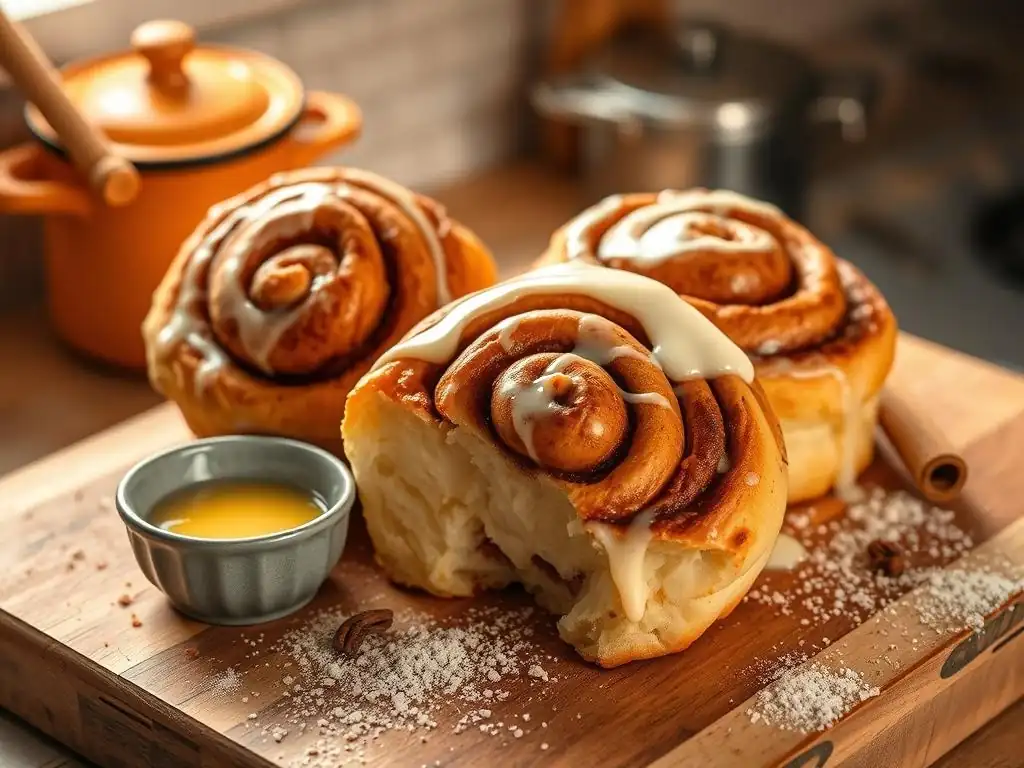
Making homemade Zimtschnecken is rewarding, and a few tips can elevate your results from good to outstanding.
- Always use fresh yeast. Check the expiration date!
- Measure your flour correctly, preferably by weight (
grams) for consistency. - Don't rush the rising times; patience pays off in texture.
[ ] Use fresh ingredients
[ ] Measure accurately (especially flour)
[ ] Ensure yeast is active
[ ] Knead dough thoroughly
[ ] Allow sufficient rise time
[ ] Bake until golden brown
[ ] Ice while warm
Baking Tips for Achieving a Perfect Rise
Achieving a good rise is fundamental to light and fluffy Zimtschnecken. Temperature plays a significant role.
Your kitchen temperature affects rise time. In a cooler environment (below 20°C / 68°F), the dough will take longer to rise, potentially 90-120 minutes or even more for the first rise. In a warmer kitchen ( 24-26°C / 75-79°F), it might be ready in 60 minutes. A pro tip is to create a warm environment by turning your oven on to its lowest setting for just a minute or two, then turning it off, and placing the covered dough inside. Ensure it's not hot, just comfortably warm.
Proper kneading also contributes to a good rise. Kneading develops the gluten structure in the flour, which acts like a net to trap the gases produced by the yeast. If the dough is not kneaded enough, it won't hold its shape or rise properly. An adequately kneaded dough should be smooth, elastic, and pass the "windowpane test" – you should be able to gently stretch a small piece of dough thin enough to see light through it without it tearing.
Ingredient Substitutions: Customizing Your Zimtschnecken
This easy German cinnamon roll recipe is versatile! You can make simple substitutions based on dietary needs or preferences.
For a dairy-free version, you can substitute the milk with a plant-based milk like almond or oat milk, ensuring it's warmed correctly. Use a dairy-free butter substitute in both the dough and the filling. Ensure your margarine or plant-based butter is suitable for baking. Egg substitutes can be used, but they might slightly affect the texture and richness of the dough.
If you don't have active dry yeast, you can use instant yeast. Instant yeast can often be mixed directly with the dry ingredients without proofing in warm milk, though proofing can still help verify its freshness. Use the same amount ( 7 grams). The rise times might be slightly shorter with instant yeast. Always check yeast packaging for specific instructions.
Storing and Reheating Your German Cinnamon Rolls
Proper storage keeps your homemade Zimtschnecken fresh and delicious.
Store leftover cinnamon rolls in an airtight container at room temperature for 1-2 days. For longer storage, refrigerate them for up to 5 days. If you won't eat them within a few days, freezing is a great option. Place cooled rolls in a single layer on a baking sheet to freeze individually, then transfer to a freezer-safe bag or container. They can be frozen for up to 1-2 months.
To reheat, microwave individual rolls for 20-30 seconds until warm and soft. From the refrigerator, you can also warm them in a preheated oven at 150°C (300°F) for 5-10 minutes. Frozen rolls can be reheated directly from the freezer in a 150°C (300°F) oven for 15-20 minutes or microwaved for 45-60 seconds (or longer, depending on your microwave).
Variations on the Classic German Cinnamon Roll Recipe
While the classic easy German cinnamon roll recipe is wonderful, don't hesitate to experiment!
Adding extra elements or changing spices can create exciting new flavor profiles. Think about textures and complementary tastes.
Adding Nuts or Raisins: Enhancing Texture and Flavor
Introducing nuts or raisins adds delightful texture and bursts of flavor to your Zimtschnecken.
After spreading the cinnamon filling, sprinkle a generous handful (about 50-75 grams) of chopped nuts like walnuts or pecans, or raisins evenly over the filling before rolling up the dough. Raisins add a chewy sweetness, while nuts provide a satisfying crunch.
If using nuts, lightly toasting them beforehand can enhance their flavor significantly. Spread them on a baking sheet and bake at 175°C (350°F) for 5-7 minutes until fragrant. Let them cool completely before chopping and adding to the filling. This simple addition elevates the complexity of your simple German cinnamon rolls.
Using Different Spices: Exploring New Flavor Profiles
Cinnamon is traditional, but other warm spices can create unique Zimtschnecken variations.
Consider adding 1-2 teaspoons of ground cardamom, nutmeg, or ginger to the cinnamon filling mixture. Cardamom is a classic pairing with cinnamon in many Scandinavian and European baked goods and offers a slightly floral, intense warmth. A pinch of ground cloves ( 1/4 teaspoon) can add depth.
You could even create a "Lebkuchen" inspired filling by using a blend of cinnamon, ginger, cloves, and a touch of star anise. Experiment with ratios starting with cinnamon as the base and adding smaller amounts of the other spices until you find a blend you love. This allows you to make your easy German cinnamon roll recipe truly your own.
Chocolate Cinnamon Rolls: A Decadent Twist
For chocolate lovers, adding chocolate to your Zimtschnecken is a simple way to create a decadent treat.
After spreading the cinnamon filling, sprinkle about 100-150 grams of chocolate chips or finely chopped chocolate over the filling before rolling the dough. Dark, milk, or even white chocolate can be used depending on your preference.
Alternatively, you could create a chocolate-cinnamon filling by melting 50 grams of butter with 50 grams of chocolate and mixing it with the sugar and cinnamon instead of using just butter. Spread this mixture as usual. This variation turns the simple German cinnamon roll into a richer, more indulgent pastry.
Serving Suggestions for Your Homemade German Zimtschnecken

Your easy German cinnamon rolls are ready! How best to enjoy them?
They are wonderfully versatile and can be enjoyed at various times of the day. The warmth of the rolls fresh from the oven with melting icing is hard to beat.
Perfect Pairings: Coffee, Tea, and More
Zimtschnecken pair beautifully with a warm beverage.
A classic pairing is a strong cup of coffee, which cuts through the sweetness and complements the spice. Tea, whether black, herbal, or green, also makes a lovely accompaniment. For a more indulgent treat, pair them with a glass of cold milk or a dollop of whipped cream.
In Germany, they are often enjoyed with a simple filter coffee during the afternoon 'Kaffee und Kuchen' (coffee and cake) time. The simple, comforting nature of the homemade Zimtschnecken makes them ideal for this relaxed ritual.
Zimtschnecken for Breakfast, Brunch, or Dessert
These versatile rolls fit perfectly into any meal or snack time.
While often seen as a breakfast or brunch item, especially when served warm with coffee, Zimtschnecken are also fantastic as a dessert. Serve them warm with a scoop of vanilla ice cream or a drizzle of custard for a truly special end to a meal.
They are also a wonderful afternoon treat with a cup of tea, perfect for a cozy moment. The beauty of an easy German cinnamon roll recipe is that you can whip up a batch whenever the craving strikes, making any time a good time for Zimtschnecken.
Conclusion: Enjoying Your Easy Homemade German Cinnamon Rolls
You've successfully baked a batch of delicious easy German cinnamon rolls! This simple German cinnamon roll recipe provides a straightforward path to enjoying this classic pastry right from your own kitchen. From activating the yeast to applying the final glaze, each step is designed for ease and maximum flavor.
Whether you stick to the classic recipe or try one of the suggested variations, making homemade Zimtschnecken is a rewarding experience. The aroma filling your home and the taste of warm, soft rolls are simply unbeatable. We hope this guide helps you master the art of easy German baking and encourages you to make Zimtschnecken a regular part of your baking repertoire. Happy baking!
Frequently Asked Questions
What makes this German cinnamon roll recipe "easy" compared to others?
This recipe focuses on simplified techniques and readily available ingredients, making it accessible even for beginner bakers. We skip complex steps and provide clear instructions.
Can I substitute any of the ingredients in this Zimtschnecken recipe?
While we recommend using the listed ingredients for the best results, you can often substitute plant-based milk alternatives for dairy milk. Minor adjustments to flour may be needed depending on the type.
How do I ensure my cinnamon rolls are soft and not dry?
Avoid overbaking! Keep a close eye on the oven. The rolls should be golden brown but still slightly soft to the touch when done. A milk wash before baking also helps.
Can I make these cinnamon rolls ahead of time?
Yes, you can prepare the dough up to the point of baking, then refrigerate it overnight. Allow the dough to warm up slightly before baking the next day.
What's the best way to store leftover Zimtschnecken?
Store them in an airtight container at room temperature for up to two days, or in the refrigerator for longer storage. Reheat gently before serving.
Final Reflection: The Sweet Simplicity of Tradition
The enduring appeal of home-baked goods, particularly those steeped in cultural heritage, transcends mere culinary satisfaction; it's a connection to history, family, and the comforting embrace of tradition. This exploration of a simple German Zimtschnecken recipe highlights not just the ease of creating these delightful cinnamon rolls, but also the power of accessible recipes to bridge cultural divides and foster a sense of shared experience in the kitchen. The seemingly simple act of baking becomes a powerful act of connection.
The influence of recipes like this extends far beyond the individual baker. They represent a tangible link to generations past, carrying with them the stories and memories associated with family gatherings and cherished moments. Food is symbolic of love when words are inadequate.
- Alan D. Wolfelt. This quote perfectly encapsulates the emotional weight carried by simple recipes, transforming a mundane task into an act of love and sharing, a legacy passed down through the generations. The aroma alone evokes feelings of warmth and belonging, a testament to the enduring power of culinary tradition.
Now, I invite you to roll up your sleeves, gather your ingredients, and embark on your own Zimtschnecken journey. Don't be intimidated by the seemingly complex process; embrace the simplicity, savor the aroma, and allow yourself to be transported to a cozy German kitchen, where the warmth of family and the sweetness of cinnamon rolls intertwine. Let this recipe be more than just a set of instructions; let it be a gateway to connection, creativity, and the enduring magic of home-baked happiness.
Unleash Your Inner Baker: Bake Amazing Zimtschnecken Today!
Thanks for joining us on this delicious journey into the world of German Zimtschnecken! We hope you've gained the confidence to tackle this classic recipe. Now it's time to get baking!
- Master the Art of Zimtschnecken: Use this recipe as your foundation and experiment! Try different fillings, glazes, or even shapes. Let your creativity shine.
- Share Your Sweet Success: Post a picture of your Zimtschnecken on social media and tag us – we'd love to see your creations!
- Explore More Easy Baking Recipes: Head over to our website and discover a world of delightful treats waiting to be baked.
What's your favorite twist on a classic cinnamon roll? Share your ideas in the comments below!