
Mastering German Streuselkuchen (Crumb Cake) with Effortless Steps

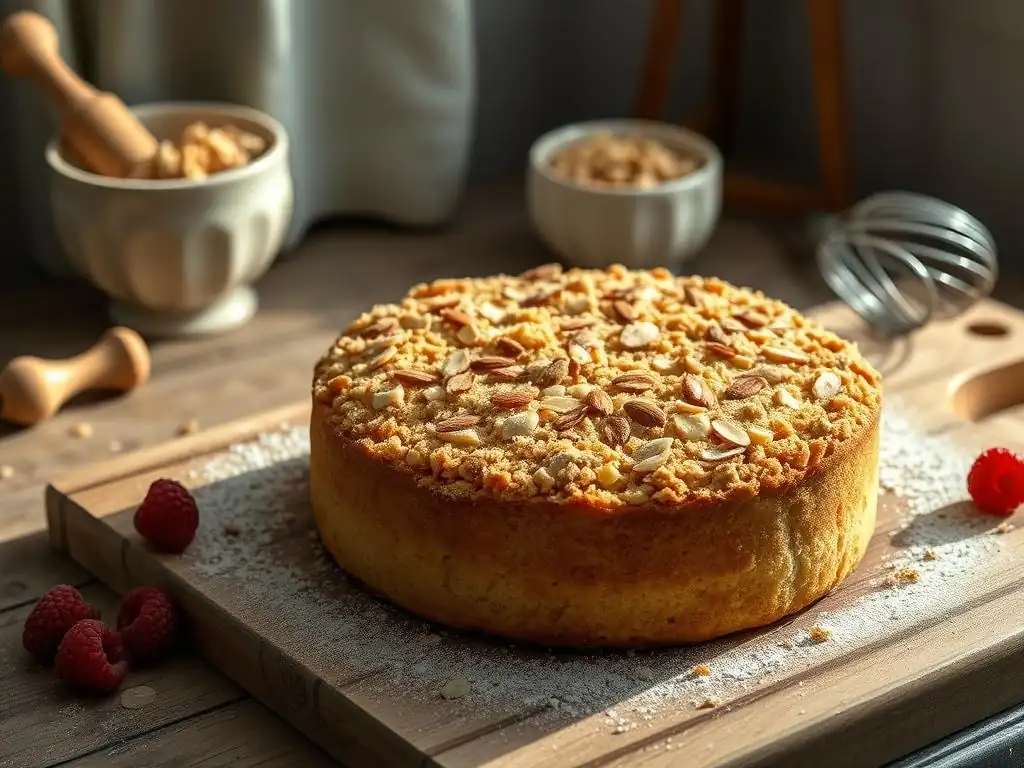
Welcome to BakeWithEase, where baking becomes a joy! Are you ready to experience the delightful simplicity of German baking? Discover the secret to creating the perfect Easy German Streuselkuchen, a crumb cake that will transport your taste buds straight to a German Kaffeehaus. Intrigued? Let's unlock the secrets to this classic dessert and show you just how easy it can be to master. Prepare to be amazed!
- Welcome to BakeWithEase: Your Guide to German Baking Delights
- What is Streuselkuchen? An Introduction to German Crumb Cake
- The Easiest German Streuselkuchen Recipe You'll Ever Need
- Step-by-Step Guide to Baking Delicious German Streuselkuchen
- Tips and Tricks for Baking the Best Streuselkuchen
- Troubleshooting Common Streuselkuchen Baking Problems
- Variations on the Classic Streuselkuchen Recipe
- Enjoy Your Homemade Easy German Streuselkuchen!
-
Frequently Asked Questions
- What is Streuselkuchen, and why is it called "crumb cake"?
- What makes the BakeWithEase recipe for Streuselkuchen "easy"?
- Can I substitute ingredients in the Streuselkuchen recipe?
- How do I prevent the streusel topping from becoming soggy?
- How long does Streuselkuchen typically last, and how should I store it?
- Final Reflection: The Sweetness of Tradition, the Simplicity of Mastery
- Unlock Your Inner Bäcker: Bake the Perfect Streuselkuchen!
Welcome to BakeWithEase: Your Guide to German Baking Delights
Welcome to BakeWithEase, your friendly corner for exploring the wonderful world of baking! Today, we're embarking on a delightful journey into German baking with a true classic: Streuselkuchen, or crumb cake. This beloved treat is a staple in German households, known for its simple ingredients and incredibly satisfying texture contrast between the tender cake base and the generous, buttery streusel topping.
Whether you're new to German pastries or looking for an easy German Streuselkuchen recipe to perfect, you're in the right place. We're here to guide you through creating this delicious cake with simple, step-by-step instructions that make baking effortless.
Our goal at BakeWithEase is to make every baking project approachable and enjoyable. The Easy German Streuselkuchen recipe we're sharing is designed for bakers of all levels. We'll break down the process, explain the purpose of each ingredient, and share tips passed down through generations of bakers. By the end of this guide, you'll be ready to bake a stunning Streuselkuchen that tastes just like it came from a traditional German bakery. Get ready to fill your kitchen with the comforting aroma of freshly baked crumb cake!
What is Streuselkuchen? An Introduction to German Crumb Cake
Streuselkuchen is a traditional German cake characterized by its thick layer of streusel (crumb topping) baked over a simple yeast dough base or sometimes a simple sponge cake base. The word "Streusel" itself means "sprinkles" or "crumbs" in German, perfectly describing the cake's defining feature. Unlike many elaborate European pastries, Streuselkuchen is known for its rustic charm and straightforward composition. It's often enjoyed plain, though fruit variations like apple, cherry, or plum are also very popular, adding a layer of flavor beneath the signature crumbs.
This cake embodies the German concept of "Kaffee und Kuchen" (coffee and cake), a cherished afternoon tradition where friends and family gather to socialize over baked goods and coffee. Streuselkuchen is a frequent star of these gatherings due to its comforting nature and ability to feed a crowd. Its simplicity makes it a perfect canvas for seasonal fruits and a go-to recipe for everyday baking. Understanding what makes a great Streuselkuchen is the first step to mastering this easy German Streuselkuchen recipe.
Exploring the Origins of Traditional German Streuselkuchen
The origins of Streuselkuchen are generally traced back to the Silesia region (now largely part of Poland) and Saxony in Germany, with early versions appearing as far back as the 17th or 18th century. Initially, these cakes were likely very simple, often made with basic pantry staples like flour, sugar, butter, and yeast, reflecting the available ingredients and the need for economical baking.
The concept of a crumb topping wasn't unique to Germany, but the German Streuselkuchen developed its distinct identity with its specific ratios and the use of a yeast dough base, which sets it apart from crumb cakes made with batter.
Historically, Streuselkuchen was often baked on large sheet pans, particularly in bakeries and for community gatherings, as it's easy to scale up. The emphasis was on the generous layer of streusel, which provided texture and richness. Over time, regional variations developed, but the core concept of a simple base topped with buttery crumbs remained constant. This historical context highlights the enduring appeal of this humble yet delicious cake, making our easy German Streuselkuchen recipe a continuation of a long-standing tradition.
Why Streuselkuchen is a Baking Staple in Germany
Streuselkuchen holds a special place in German baking for several key reasons. Firstly, its simplicity and reliance on common ingredients (flour, sugar, butter, yeast, eggs, milk) made it accessible to households across different economic strata. It didn't require expensive or exotic components, making it a practical choice for regular baking, especially for the traditional "Kaffee und Kuchen" ritual enjoyed in the afternoon. This cultural significance solidifies its status as a staple; it's a cake deeply intertwined with daily life and social customs.
Secondly, the contrast in textures – the soft, slightly chewy yeast dough base against the crisp, buttery, crumbly topping – creates a uniquely satisfying eating experience that is widely loved. It's comforting and familiar. Furthermore, the basic recipe is incredibly versatile, easily adapted with the addition of seasonal fruits like apples in autumn (Apfelstreuselkuchen) or cherries in summer (Kirschstreuselkuchen). This adaptability ensures its relevance throughout the year, cementing its position as a perennial favorite and making an easy German Streuselkuchen recipe a valuable addition to any baker's repertoire.
The Easiest German Streuselkuchen Recipe You'll Ever Need
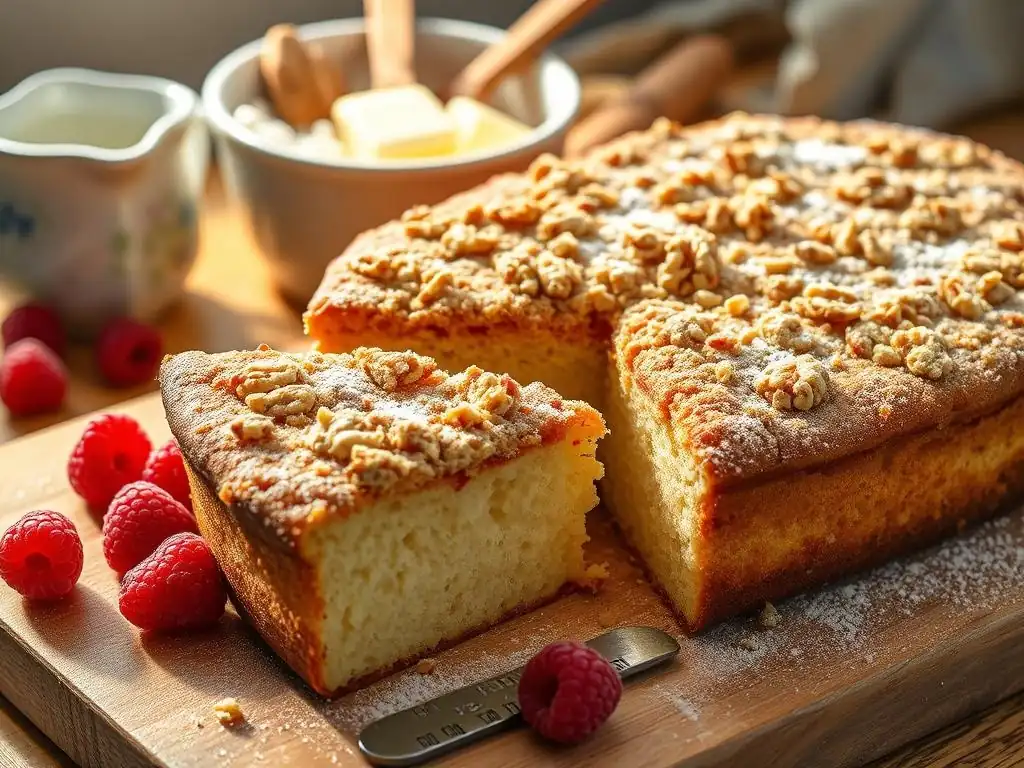
Ready to bake? This easy German Streuselkuchen recipe is designed to be straightforward, minimizing complexity while maximizing flavor and texture. We'll guide you through creating a tender yeast dough base and the perfect crumbly streusel topping. Forget complicated techniques; our approach focuses on clear steps and reliable results, perfect for anyone looking for a simple German crumb cake recipe.
This recipe yields a cake typically baked in a standard 24-26 cm (approx. 9-10 inch) springform pan, serving about 8-10 people generously. The total active preparation time is roughly 30-40 minutes, with additional time needed for the dough to rise (usually 60-90 minutes) and for baking (around 30-40 minutes). This makes it a perfect project for a lazy weekend afternoon or even a weeknight treat if you plan ahead.
BakeWithEase's Simplified Streuselkuchen Approach
Our simplified approach to this easy German Streuselkuchen recipe breaks the process into two main components: the yeast dough base and the streusel topping. We use active dry yeast, which is readily available and easy to work with for beginners. Instead of complex kneading methods, we focus on ensuring the dough is well-mixed and allowed sufficient time to rise, which is crucial for a light texture. We provide clear indicators for when the dough is ready, taking the guesswork out of fermentation.
For the streusel, we stick to the classic three main ingredients: flour, sugar, and butter. The key to perfect streusel is using cold butter and working it into the dry ingredients until distinct crumbs form. We'll share the ideal ratio and technique to achieve that signature crumbly texture that makes Streuselkuchen so irresistible. This method is designed to be forgiving, ensuring that even if you're new to baking with yeast or making streusel, you'll achieve delicious results with this simple German crumb cake recipe.
Key Ingredients for a Perfect Streuselkuchen
To make this easy German Streuselkuchen recipe, you'll need a few basic ingredients, most of which are likely already in your pantry. Using good quality ingredients makes a difference in the final taste, especially for something as simple as Streuselkuchen.
- For the Yeast Dough:
- 250 grams (about 2 cups) All-Purpose Flour
- 50 grams (about 1/4 cup) Granulated Sugar
- 7 grams (1 packet) Active Dry Yeast
- A pinch of Salt
- 50 grams (about 3.5 tablespoons) Unsalted Butter, melted and slightly cooled
- 1 large Egg
- 125 ml (about 1/2 cup) Lukewarm Milk (around 40-45°C / 105-115°F)
- For the Streusel Topping:
- 150 grams (about 1 1/4 cups) All-Purpose Flour
- 100 grams (about 1/2 cup) Granulated Sugar
- 100 grams (about 7 tablespoons) Unsalted Butter, cold and cut into small cubes
These quantities are calibrated to give you a balanced cake with a generous layer of streusel. Using lukewarm milk is crucial for activating the yeast effectively, while using cold butter for the streusel ensures the crumbs hold their shape during baking. Having all your ingredients measured out before you begin will make the process even smoother for this effortless streuselkuchen.
Step-by-Step Guide to Baking Delicious German Streuselkuchen
Let's get baking! Follow these simple steps to create your own delicious Easy German Streuselkuchen recipe.
Step 1: Preparing the Sweet Yeast Dough Base
The foundation of our Streuselkuchen is a sweet, tender yeast dough. Getting this right is the first step to a perfect crumb cake.
In a large mixing bowl, whisk together the flour, sugar, dry yeast, and salt. In a separate bowl, whisk together the lukewarm milk, melted butter, and egg. Pour the wet ingredients into the dry ingredients and mix with a wooden spoon or a stand mixer fitted with a dough hook until a shaggy dough forms. Turn the dough out onto a lightly floured surface and knead for about 5-7 minutes, or use the stand mixer for 4-5 minutes on medium speed, until the dough is smooth and elastic. It should spring back slowly when gently pressed.
Lightly grease the large mixing bowl with a little oil or butter. Place the dough in the bowl, turning to coat. Cover the bowl tightly with plastic wrap or a clean kitchen towel. Let the dough rise in a warm place, free from drafts, for 60-90 minutes, or until it has doubled in size. A warm oven turned off but with the light on is often a good spot. This rising time is essential for developing the dough's flavor and texture, contributing to a light and fluffy base for your easy German Streuselkuchen recipe.
Understanding the Role of Yeast in Streuselkuchen
Yeast is a microscopic fungus that is the leavening agent in this easy German Streuselkuchen recipe's dough. When activated by warmth and moisture (the lukewarm milk) and fed by sugar, it produces carbon dioxide gas. This gas gets trapped within the gluten network of the dough, causing it to rise and expand. This process, called fermentation, not only makes the dough light and airy but also develops complex flavors that are characteristic of traditional yeast-based cakes.
For optimal yeast activity, the milk temperature is critical – too cold and the yeast won't activate; too hot (above 55°C / 130°F) and it will die. Aiming for 40-45°C (105-115°F) is usually perfect. The rising time allows the yeast to work its magic, creating those tiny air pockets that give the finished cake its tender crumb structure. A well-risen dough is the secret to avoiding a dense, heavy base in your simple German crumb cake recipe.
Tips for Achieving a Light and Fluffy Dough
Achieving a light and fluffy dough for your easy German Streuselkuchen recipe requires attention to a few details. Firstly, ensure your yeast is fresh. You can test active dry yeast by dissolving it in a little warm water with a pinch of sugar; it should become foamy within 5-10 minutes. If it doesn't, your yeast may be dead. Secondly, knead the dough sufficiently to develop the gluten. This structure is what traps the gas produced by the yeast, allowing the dough to rise properly and hold its shape.
Thirdly, provide a warm, consistent environment for the dough to rise. Drafts or cold temperatures can slow down or stop fermentation. If your kitchen is cool, placing the covered bowl in a turned-off oven with the light on can provide the necessary warmth, typically reaching around 25-30°C (77-86°F). Don't rush the rising process; let the dough double in size naturally. Over-rising can lead to a dough that collapses, while under-rising results in a dense cake. Patience during this step is key to a delightful, effortless streuselkuchen.
Step 2: Crafting the Perfect Streusel Topping
The star of the show in any Easy German Streuselkuchen recipe is the streusel topping. It's surprisingly simple to make, but the technique is important for achieving the right texture.
In a medium bowl, combine the flour and sugar for the streusel. Add the cold butter cubes. Using your fingertips, a pastry blender, or a fork, work the butter into the dry ingredients until the mixture resembles coarse crumbs. Some larger crumbs are desirable, as they will bake up beautifully crisp. Avoid overworking the mixture until it becomes a paste. The goal is distinct crumbs.
You can also use a food processor for this step. Pulse the flour, sugar, and cold butter cubes a few times until large crumbs form. Be careful not to over-process. Once the streusel is ready, set it aside while you prepare the dough for baking. Keeping the butter cold is essential for creating those lovely, separate crumbs that define a classic simple German crumb cake recipe.
The Secret to Buttery, Crumbly Streusel
The secret to achieving perfectly buttery and crumbly streusel lies in using cold butter and the method you use to combine it with the dry ingredients. When cold butter is cut into the flour and sugar, it creates small pockets of fat coated in the dry mixture. As the streusel bakes, these butter pieces melt slowly, creating steam that pushes the surrounding flour and sugar outwards, forming distinct, crisp crumbs.
If you use soft or melted butter, it will coat the flour too evenly, resulting in a paste-like mixture rather than crumbs. The goal is to work the butter in just until crumbs form, leaving some pea-sized pieces of butter visible. This ensures a delightful variation in texture, from fine crumbs to larger, crisp clusters, which is the hallmark of a great streusel topping for an easy German Streuselkuchen recipe.
Streusel Variations: Adding Nuts, Spices, or Chocolate
While the classic streusel (flour, sugar, butter) is delicious on its own, you can easily customize it to add extra flavor dimension to your easy German Streuselkuchen recipe. A common variation is to add spices like cinnamon or vanilla sugar. For the amount of streusel in this recipe, you could add 1-2 teaspoons of ground cinnamon or the contents of one packet of vanilla sugar (typically about 8 grams).
You can also incorporate chopped nuts for added crunch and flavor. About 50-75 grams of finely chopped almonds, hazelnuts, or walnuts can be mixed into the dry ingredients before cutting in the butter. For a touch of decadence, add about 30-50 grams of mini chocolate chips or finely chopped chocolate to the streusel mixture after the butter is cut in, just before sprinkling it over the cake. These variations allow you to personalize your simple German crumb cake recipe.
Step 3: Assembling and Baking Your Streuselkuchen
With the dough risen and the streusel ready, it's time to assemble and bake your easy German Streuselkuchen recipe!
Preheat your oven to 180°C (350°F). Lightly grease and flour a 24-26 cm (9-10 inch) springform pan, or line it with parchment paper. Punch down the risen dough gently to release the air. On a lightly floured surface, roll or press the dough into a circle roughly the size of your prepared pan. Carefully transfer the dough circle into the pan and gently press it evenly across the bottom and slightly up the sides (about 1-2 cm / 0.5-1 inch).
Once the dough base is in the pan, evenly distribute the streusel topping over the dough. Try to cover the entire surface of the dough right up to the edges. Don't press the streusel down; you want it to remain crumbly. Place the assembled cake in the preheated oven.
How to Properly Spread the Streusel
Spreading the streusel topping evenly is important for ensuring every slice of your Easy German Streuselkuchen recipe has that signature crumbly layer. The key is to sprinkle the streusel over the dough rather than dumping it all in the center. Use your hands to gently scatter the crumbs across the entire surface of the dough base, making sure there are no large bare spots.
You can use your fingertips to break up any extra-large clumps if needed, but remember that some larger pieces are desirable for texture. Aim for a relatively even layer, but don't worry about perfection – the rustic look is part of the charm of this simple German crumb cake recipe. Avoid pressing the streusel into the dough; letting it sit lightly on top allows the heat to circulate and bake the crumbs to a perfect crispness.
Baking Time and Temperature for Streuselkuchen Perfection
Baking time and temperature are crucial for ensuring your easy German Streuselkuchen recipe is cooked through with a golden-brown, crisp topping and a tender base. Preheat your oven to 180°C (350°F). Place the cake on a rack in the center of the oven. The typical baking time for a cake of this size is between 30 and 40 minutes.
You'll know the cake is done when the streusel topping is golden brown and the cake base is cooked through. You can test the base by inserting a wooden skewer or toothpick into the cake part (avoiding the streusel layer); it should come out clean. If the streusel is browning too quickly but the cake isn't done, you can loosely tent the top with aluminum foil for the remaining baking time. Allow the cake to cool in the pan for 10-15 minutes before carefully releasing the springform ring.
Tips and Tricks for Baking the Best Streuselkuchen
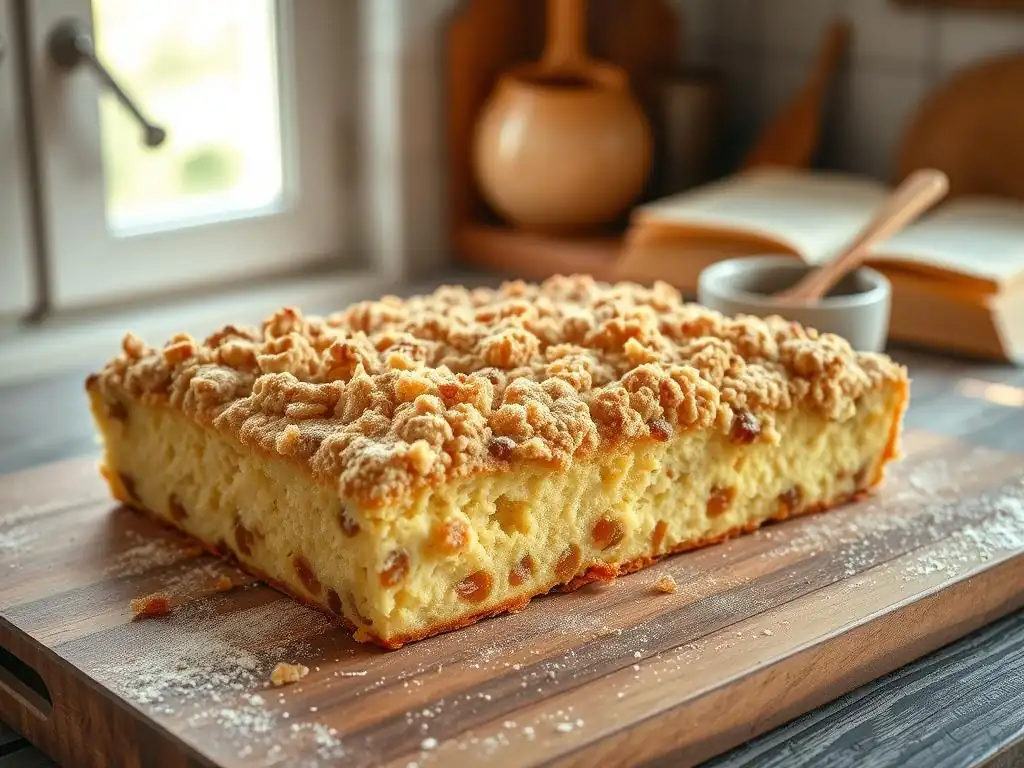
Baking a delicious Easy German Streuselkuchen recipe is quite straightforward, but a few tips can elevate your results from good to outstanding.
Achieving the Ideal Crumb-to-Cake Ratio
A great Streuselkuchen is all about the balance between the tender cake base and the generous, buttery streusel topping. The recipe provided aims for a ratio where the weight of the streusel is roughly equal to or slightly less than the weight of the dry ingredients in the dough (around 250g streusel vs. 250g flour + 50g sugar in dough). This ensures a substantial layer of crumbs.
If you prefer an even more dominant streusel layer, you can increase the streusel ingredients by 25-50% while keeping the dough ingredients the same. Just make sure you have enough space in your pan! Conversely, if you prefer a less crumb-heavy cake, slightly reduce the streusel amount. Experimenting with this ratio is part of perfecting your personal simple German crumb cake recipe.
Preventing a Soggy Streuselkuchen
Nobody wants a soggy bottom on their Streuselkuchen! This can happen if the dough is underbaked or if the cake is left in a steamy pan for too long after baking. To prevent this, ensure the cake is fully baked by using the skewer test mentioned earlier. The base should be cooked through, not wet or doughy.
Once baked, allow the cake to cool in the pan for about 10-15 minutes on a wire rack. Then, carefully remove the springform ring and transfer the cake (still on the base) to the wire rack to cool completely. Cooling on a rack allows air to circulate underneath, preventing condensation that can lead to sogginess. If adding fruit, consider tossing it with a tablespoon of cornstarch or breadcrumbs before adding it to the dough; this helps absorb excess moisture, especially with juicy fruits like plums or cherries, ensuring your effortless streuselkuchen stays perfect.
Storing and Serving Your Homemade Streuselkuchen
Your freshly baked Easy German Streuselkuchen recipe is best enjoyed on the day it's baked, ideally slightly warm or at room temperature. The streusel is at its crispiest shortly after cooling.
To store leftovers, allow the cake to cool completely. Store it in an airtight container at room temperature for up to 2-3 days. The streusel may lose some of its crispness over time. For longer storage, you can refrigerate the cake for up to 5 days, though this can sometimes dry out the dough slightly. You can also freeze cooled, sliced Streuselkuchen wrapped tightly in plastic wrap and then aluminum foil for up to 2-3 months. Thaw slices at room temperature. Reheating slices briefly in a toaster oven can help crisp up the streusel again.
Troubleshooting Common Streuselkuchen Baking Problems
Even with an easy German Streuselkuchen recipe, sometimes things don't go exactly as planned. Here are solutions to a few common issues.
My Dough Didn't Rise! What to Do?
If your yeast dough hasn't risen after the recommended time (60-90 minutes), there are a few potential culprits. The most common reasons are dead yeast, the liquid (milk) being too cold or too hot, or the environment being too cold.
- Dead Yeast: If your yeast didn't foam when tested or is past its expiration date, it likely won't activate. Unfortunately, you'll need to start over with fresh yeast.
- Incorrect Liquid Temperature: If the milk was too cold, the yeast is dormant. If it was too hot, you might have killed it. If it was just a bit too cool, you can try placing the bowl in a warmer spot (like a turned-off oven with the light on) and giving it more time (up to another hour). If it still doesn't rise, the yeast may be dead.
- Cold Environment: Ensure your rising spot is warm (around 25-30°C / 77-86°F). If it's cold, the yeast activity will be very slow. Try moving it to a warmer location.
If after troubleshooting, the dough still shows no signs of rising after extended time, you might have to discard it and start again, ensuring your yeast is active and your milk temperature is correct for your next effortless streuselkuchen attempt.
Streusel Topping is Too Dry or Too Wet
The texture of your streusel topping depends heavily on the butter-to-dry ingredient ratio and how you incorporate the butter.
- Too Dry/Floury: If your streusel feels too dry and doesn't form clumps easily, you likely need more butter. Add a few more small cubes of cold butter and work them in until the mixture comes together in larger crumbs.
- Too Wet/Paste-like: This usually means your butter was too soft or you overworked the mixture, warming the butter too much. The butter should be cold and cut in until coarse crumbs form, not a smooth paste. If it's too wet, you can try adding a tablespoon or two more flour and gently mixing, or pop the bowl in the refrigerator for 10-15 minutes to firm up the butter before attempting to create crumbs again. Using cold ingredients is key to a perfect simple German crumb cake recipe streusel.
Cake is Burning on Top But Still Raw Inside
This common baking issue means your oven temperature might be too high, or the cake is placed too close to the heating element.
Ensure your oven thermostat is accurate (an oven thermometer can help). If the streusel is browning rapidly, the oven might be too hot; try reducing the temperature by 10-15°C (25-35°F). Also, check the oven rack position; the middle rack is usually best for even baking. If the top is browning before the cake is cooked through, loosely tent the cake with aluminum foil. This reflects heat away from the top, allowing the rest of the cake to bake without the streusel burning. This simple trick can save your easy German Streuselkuchen recipe from disaster.
Variations on the Classic Streuselkuchen Recipe
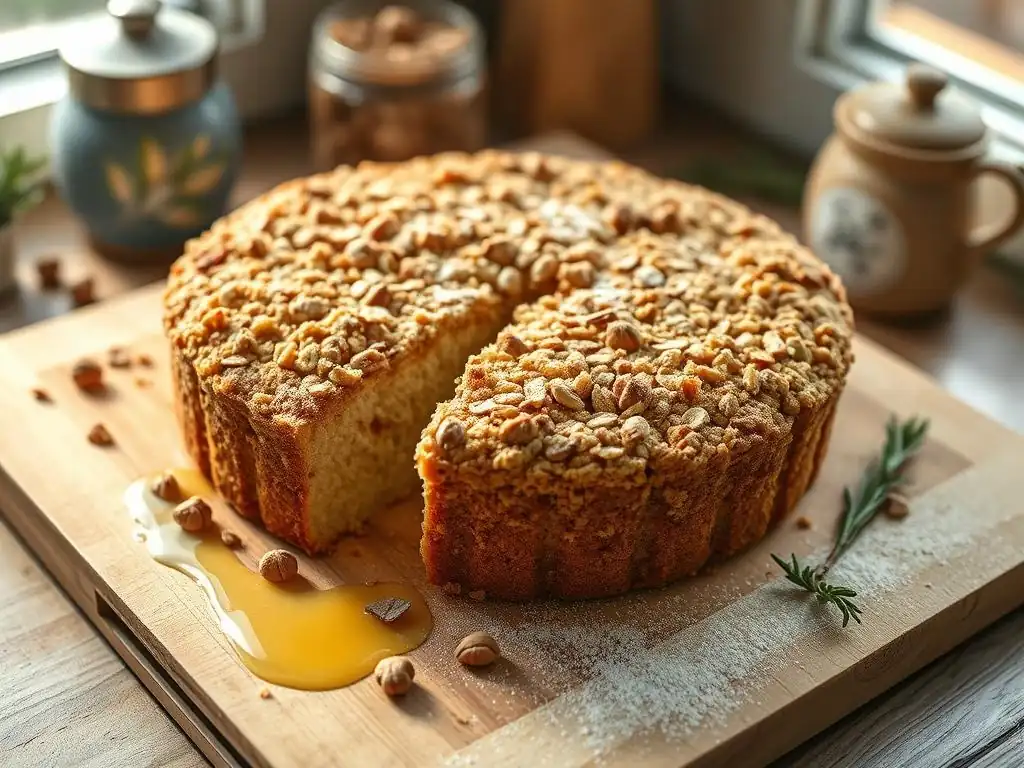
One of the joys of an Easy German Streuselkuchen recipe is how easily it can be adapted, particularly with the addition of fruit. Adding a layer of fruit between the dough base and the streusel topping is a very popular variation.
Apple Streuselkuchen: A Fall Favorite
Apple Streuselkuchen (Apfelstreuselkuchen) is arguably the most popular fruity variation, especially beloved in the autumn when apples are in season. To make this version, prepare the yeast dough and streusel as directed. Peel, core, and slice about 500-700 grams (about 1-1.5 lbs) of firm, tart apples (like Granny Smith or Honeycrisp). You can toss the apple slices with 1-2 tablespoons of sugar and 1 teaspoon of cinnamon.
Once the dough is pressed into the pan, arrange the apple slices evenly over the dough base. Sprinkle the streusel topping over the apples. Bake as directed, possibly adding a few extra minutes to ensure the apples soften. The moisture from the apples makes preventing a soggy bottom even more important, so consider dusting the dough base lightly with breadcrumbs or cornstarch before adding the apples for your effortless streuselkuchen.
Cherry Streuselkuchen: A Fruity Twist
Cherry Streuselkuchen (Kirschstreuselkuchen) is a delightful summer variation, using either fresh or canned sour cherries. If using fresh cherries, pit about 300-400 grams (about 0.7-1 lb). If using canned sour cherries (drained weight), about 300-400 grams is also appropriate.
Arrange the cherries over the dough base in the pan. If using fresh cherries, you might toss them with a tablespoon of sugar and a teaspoon of cornstarch to help manage moisture. Sprinkle the streusel generously over the cherries. Bake until golden brown and the dough is cooked through, typically within the 30-40 minute range. The tartness of the cherries pairs wonderfully with the sweet, buttery streusel in this simple German crumb cake recipe variation.
Plum Streuselkuchen: A Taste of Summer
Plum Streuselkuchen (Zwetschgenkuchen mit Streusel) is another classic, particularly popular in late summer and early autumn when plums are ripe. Use about 500-700 grams (1-1.5 lbs) of firm plums (like Italian prune plums), halved and pitted.
Arrange the plum halves, cut-side up or down depending on preference (cut-side up can release more moisture, cut-side down can make slicing easier), over the dough base. Sprinkle the streusel generously over the plums. Plums release a lot of juice, so tossing them with a tablespoon or two of breadcrumbs or cornstarch before arranging them on the dough is highly recommended to prevent a soggy bottom.
Bake until the streusel is golden and the dough is cooked through, usually 40-50 minutes due to the extra moisture from the fruit. This variation is a perfect way to enjoy seasonal fruits with your easy German Streuselkuchen recipe.
Enjoy Your Homemade Easy German Streuselkuchen!
Congratulations! You've just baked a delicious, homemade Easy German Streuselkuchen recipe. The aroma filling your kitchen is the first reward, and the taste is even better. This simple German crumb cake recipe is perfect for sharing with family and friends over a cup of coffee or tea, embodying the cozy "Kaffee und Kuchen" tradition.
Cutting into your cake, you'll see the beautiful contrast between the tender yeast base and the crumbly streusel topping. Whether you made the classic version or added fruit, this effortless streuselkuchen is a testament to the beauty of simple, traditional baking.
We love seeing your baking creations! Share photos of your beautiful Easy German Streuselkuchen recipe on social media and tag BakeWithEase. Let us know which variation you tried or if you added your own special touch. Your success is our inspiration, and sharing your journey helps others feel confident in trying this simple German crumb cake recipe themselves. Happy baking!
More German Baking Recipes to Explore
Loved making Streuselkuchen? There's a whole world of German baking delights waiting for you on BakeWithEase! Explore other classic recipes like Bee Sting Cake (Bienenstich), Black Forest Cake (Schwarzwälder Kirschtorte), or simple Butterkuchen (Butter Cake). Each offers a unique taste of Germany's rich baking heritage. Keep practicing your skills, and soon you'll be a master of German pastries!
Frequently Asked Questions
What is Streuselkuchen, and why is it called "crumb cake"?
Streuselkuchen is a traditional German cake characterized by a sweet, buttery topping made of streusel crumbs. It's called "crumb cake" because of these distinctive crumbly streusel topping.
What makes the BakeWithEase recipe for Streuselkuchen "easy"?
The BakeWithEase recipe focuses on simple, step-by-step instructions and uses easily accessible ingredients found in most kitchens, making it beginner-friendly. It avoids complicated techniques.
Can I substitute ingredients in the Streuselkuchen recipe?
While the recipe is optimized for best results, some substitutions are possible. For example, you might be able to use different types of flour or alternative sweeteners, but be aware this can impact the final texture and taste.
How do I prevent the streusel topping from becoming soggy?
To avoid a soggy streusel topping, ensure the ingredients are cold before mixing and that the cake is baked at the correct temperature. You can also add a layer of jam between the cake and streusel.
How long does Streuselkuchen typically last, and how should I store it?
Streuselkuchen is best enjoyed fresh, but it can last for 2-3 days when stored properly. Keep it in an airtight container at room temperature or in the refrigerator.
Final Reflection: The Sweetness of Tradition, the Simplicity of Mastery
Mastering the art of German Streuselkuchen isn't just about baking a delicious cake; it's about connecting with a rich culinary heritage in a surprisingly accessible way. The seemingly simple act of combining flour, butter, and sugar into a crumbly topping, then layering it over a fragrant, subtly sweet base, unlocks a world of tradition and flavor. This recipe, designed for ease and accessibility, proves that even the most seemingly complex pastries can be within reach of any home baker.
The enduring appeal of Streuselkuchen lies not only in its delightful taste but also in its ability to evoke feelings of warmth, comfort, and shared experiences. It's a recipe passed down through generations, a symbol of home and family gatherings. The process itself, from the rhythmic crumbling of the streusel to the golden-brown hue achieved in the oven, is a meditative experience. As I often find myself reflecting on the words of Julia Child, Find something you're passionate about and keep tremendously interested in it.
This passion for baking, and specifically mastering this classic German cake, has been a rewarding journey.
Now, it's your turn. Don't be intimidated by the seemingly intricate nature of this beloved cake. Embrace the simplicity of the recipe, allow yourself to be transported by the aromas filling your kitchen, and savor the joy of creating something beautiful and delicious. The next time you crave a comforting treat, remember the ease and satisfaction of making your own German Streuselkuchen. Let the process become your own moment of mindful baking, a sweet escape from the everyday, and a testament to the power of simple pleasures.
Unlock Your Inner Bäcker: Bake the Perfect Streuselkuchen!
Thanks for joining us on this delicious journey into the world of German Streuselkuchen! We hope you've gained the confidence to tackle this classic recipe. Now it's time to put your new skills to the test!
- Bake your masterpiece: Try out the Streuselkuchen recipe today! Don't be afraid to experiment with different fruits or spices.
- Share your creation: Post a picture of your Streuselkuchen on social media using #BakeWithEaseStreusel and tag us! Let's inspire each other.
- Explore our other recipes: Dive deeper into German baking traditions with our collection of classic recipes on BakeWithEase.com.
What unique twist will you add to your Streuselkuchen to make it truly your own? Let's hear about it in the comments!