
Faschingskrapfen (German Doughnuts) Made Easy for Carnival Fun

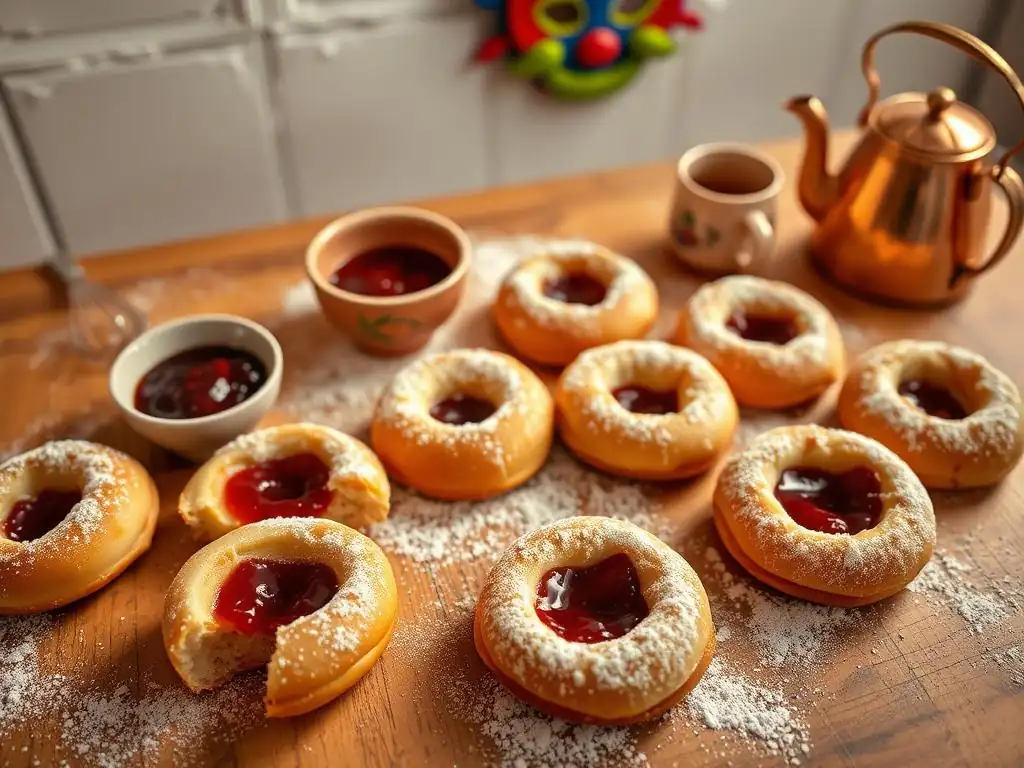
Welcome to BakeWithEase, where the joy of baking meets simplicity! Ever dreamt of creating those pillowy, melt-in-your-mouth German carnival treats? Get ready to unlock the secrets with our Easy German carnival doughnuts recipe and bring a taste of authentic Fasching fun to your kitchen. Curious about the simple steps and delicious secrets? Let's get baking!
- Faschingskrapfen (German Doughnuts) Made Easy for Carnival Fun - BakeWithEase
- Introduction to Faschingskrapfen: A Classic German Carnival Treat
-
The Ultimate Faschingskrapfen Recipe: Your Step-by-Step Guide
- Gathering Your Ingredients for Perfect Faschingskrapfen
- Step 1: Activating the Yeast and Preparing the Dough Base: The Foundation of a Great Doughnut
- Step 2: Kneading the Dough: Developing Structure
- Step 3: First Rise and Shaping: Preparing for Frying
- Step 4: Frying the Doughnuts: Golden Perfection
- Step 5: Filling and Dusting: The Final Touches
- Tips and Tricks for Perfect Faschingskrapfen Every Time
- Storing and Enjoying Your Homemade Faschingskrapfen
- Conclusion: Enjoy Your Perfect Batch of Homemade Faschingskrapfen
- Frequently Asked Questions
- Final Reflection: The Sweet Taste of Tradition and Connection
- Unleash Your Inner Baker: Master the Art of Faschingskrapfen!
Faschingskrapfen (German Doughnuts) Made Easy for Carnival Fun - BakeWithEase
Introduction to Faschingskrapfen: A Classic German Carnival Treat
What are Faschingskrapfen? Exploring the History of this Beloved Carnival Treat
Faschingskrapfen, also known by regional names like Berliner Pfannkuchen or Krapfen, are classic German doughnuts traditionally enjoyed during the Carnival season (Fasching or Karneval) leading up to Lent. These delightful pastries are typically made from a rich, yeasted dough, deep-fried until golden brown, and then filled with jam or other sweet fillings before being dusted generously with powdered sugar. They are a quintessential part of the festive atmosphere in Germany, often found at bakeries, street stalls, and family gatherings during this time of year.
The tradition dates back centuries, evolving from simple fried dough preparations to the filled, sugary treats we know today. Historically, making and consuming rich foods like Krapfen was a way to use up ingredients like fat, sugar, and eggs before the fasting period of Lent began.
The shape and preparation of Faschingskrapfen are quite distinct. Unlike some ring-shaped doughnuts, Krapfen are round and spherical, fried in hot oil until they develop a characteristic light-colored ring around their middle, indicating proper proofing and frying technique. This ring is often considered a sign of a well-made Krapfen.
While the most traditional filling is red jam, such as raspberry or strawberry, variations abound, including plum butter, vanilla cream, chocolate, or even savory fillings in some modern interpretations, though the sweet versions remain the classic for Carnival. Mastering an easy German carnival doughnuts recipe allows you to bring this festive tradition right into your kitchen.
Why Bake Faschingskrapfen at Home? Easy Homemade Goodness for Carnival
Baking Faschingskrapfen at home offers a uniquely rewarding experience, especially during the festive Carnival season. While bakeries throughout Germany are filled with these treats, making them yourself allows for unparalleled freshness and the joy of sharing warm, homemade doughnuts straight from the fryer. You have complete control over the quality of ingredients, ensuring the best possible flavor and texture.
Furthermore, tackling an easy German carnival doughnuts recipe at home is often more cost-effective than purchasing them, especially if you plan to make a large batch for a party or family gathering. The aroma of the frying dough and the sweet promise of the filling create a truly festive atmosphere in your home.
Beyond the practical benefits, there's immense satisfaction in mastering a traditional recipe like Faschingskrapfen. It connects you to a rich cultural heritage and provides a tangible way to participate in Carnival festivities, even if you can't be in Germany. Following an easy German carnival doughnuts recipe breaks down the process into manageable steps, making it accessible even for bakers who might be new to working with yeast dough or deep frying. The result is a batch of incredibly soft, light, and flavorful doughnuts that taste infinitely better than store-bought versions, perfectly capturing the spirit of German Carnival.
The Ultimate Faschingskrapfen Recipe: Your Step-by-Step Guide
Gathering Your Ingredients for Perfect Faschingskrapfen
Key Ingredients: Flour, Yeast, Eggs, Butter, Milk, and Sugar
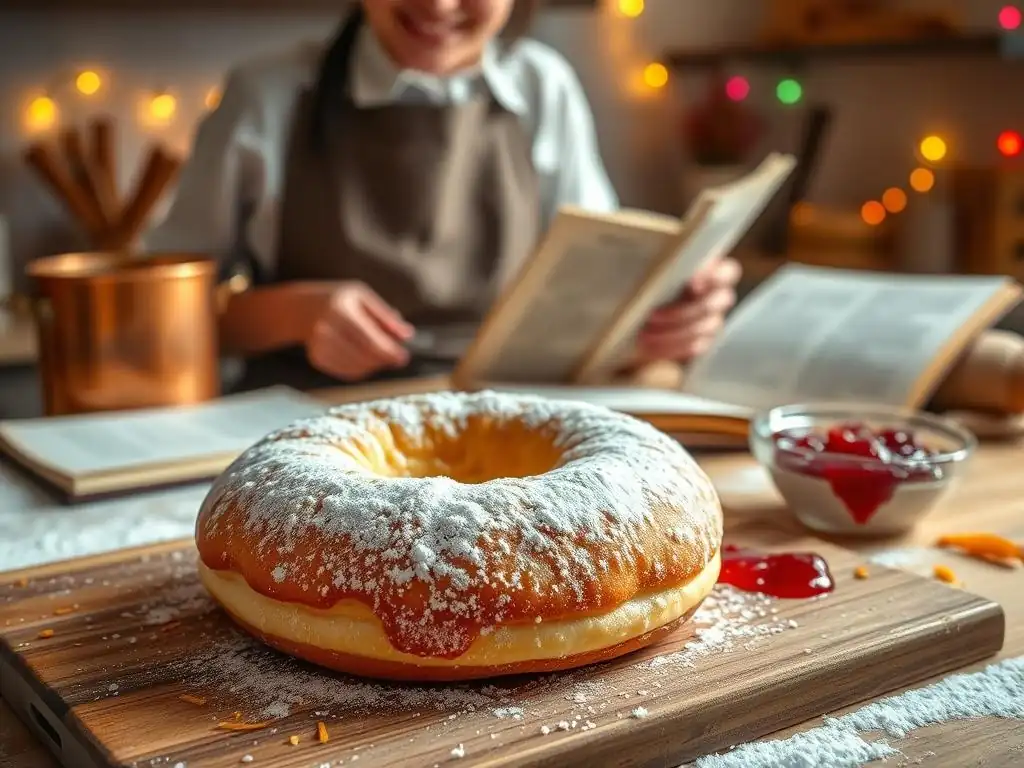
To embark on crafting delicious Faschingskrapfen, you'll need a few essential ingredients that form the base of the rich, yeasted dough. High-quality all-purpose flour is crucial, providing the structure for the doughnuts. You'll also need active dry yeast or fresh yeast to give the dough its characteristic rise and lightness; approximately 7 grams of active dry yeast is typically sufficient for a batch yielding about 12-15 Krapfen.
Eggs add richness and help create a tender crumb, while softened butter contributes flavor and softness. Warm milk is necessary to activate the yeast and bring the dough together, and granulated sugar provides sweetness and aids in the yeast's activity. A pinch of salt is also vital to balance the sweetness and enhance the overall flavor profile.
Choosing Your Filling: Jam, Cream, or Other Delights?
The choice of filling is where you can truly personalize your Faschingskrapfen. The classic choice is a smooth, seedless red jam, such as raspberry or strawberry. Approximately 200-300 grams of jam are usually needed for a standard batch. Plum butter (Pflaumenmus) is another very traditional German filling, offering a deeper, slightly tart flavor.
For a richer experience, some recipes call for vanilla pastry cream (Vanillecreme). Other popular options include apricot jam, chocolate ganache, or even apple sauce. Consider the consistency of your filling; it should be smooth enough to easily pipe into the doughnuts without being too runny, which could make the Krapfen soggy. For an easy German carnival doughnuts recipe, starting with a good quality store-bought jam is perfectly acceptable and delicious.
Step 1: Activating the Yeast and Preparing the Dough Base: The Foundation of a Great Doughnut
Achieving the Right Consistency: A Smooth, Elastic Dough
The first crucial step in making Faschingskrapfen is activating the yeast and bringing together the initial dough base. Begin by warming the milk to a lukewarm temperature, ideally between 105°F and 115°F (40°C to 46°C). If the milk is too hot, it will kill the yeast; too cold, and the yeast won't activate properly.
Sprinkle the yeast and a pinch of sugar into the warm milk, give it a gentle stir, and let it sit for about 5-10 minutes. You should see the mixture become foamy and bubbly, indicating the yeast is active and ready to work. If it doesn't foam, your yeast might be old or the milk temperature was off, and you should start this step again.
Once the yeast is active, combine it with the flour, sugar, salt, eggs, and softened butter in a large mixing bowl. You can mix this by hand or using a stand mixer with a dough hook attachment. Begin mixing on a low speed until the ingredients just come together, then increase the speed slightly and continue mixing. The goal is to achieve a smooth, elastic dough that pulls away from the sides of the bowl.
This process typically takes about 8-10 minutes in a stand mixer. The dough should be soft but not overly sticky. This easy German carnival doughnuts recipe relies on properly developed gluten for a light and airy texture.
Adding Eggs, Butter, and Flavorings: Enriching the Dough
After the initial mixing, you'll incorporate the eggs, softened butter, and any desired flavorings into the dough. Add the eggs one at a time, ensuring each is fully incorporated before adding the next. This gradual addition helps the dough absorb the richness evenly. Next, add the softened butter in small pieces, allowing the mixer to work it into the dough. This process enriches the dough significantly, contributing to the tender crumb and delicious flavor of the final Krapfen. Don't be alarmed if the dough seems a bit sticky at first; continue kneading, and it should become smooth and pliable.
This is also the stage to add flavorings if desired, although traditional Faschingskrapfen often rely solely on the richness of the dough and filling. A splash of rum or a bit of lemon zest can add a wonderful complexity. Ensure all ingredients are well combined and the dough is smooth and elastic before proceeding. The dough should pass the windowpane test – when a small piece is stretched thinly, it should become translucent without tearing easily. This indicates sufficient gluten development, crucial for the doughnuts to rise properly and achieve that signature light ring when fried.
Step 2: Kneading the Dough: Developing Structure
Flour and Salt: The Essential Pair
While flour provides the bulk and structure of the dough, salt plays an equally critical, though often overlooked, role. Salt is essential for controlling yeast activity, preventing the dough from rising too quickly and developing off-flavors. It also strengthens the gluten network, which is vital for creating the airy texture of Faschingskrapfen.
When combining dry ingredients initially, ensure the salt is mixed into the flour before adding the wet ingredients, particularly if using fresh yeast, as direct contact can sometimes inhibit yeast activity. For a typical easy German carnival doughnuts recipe using around 500 grams of flour, about 5-7 grams of salt (roughly a teaspoon) is the right balance.
The interaction between flour and salt during kneading is key. As the dough is kneaded, the gluten proteins in the flour develop and align, creating a strong, elastic network. Salt helps regulate this process, ensuring the gluten develops properly without becoming too tight or tough. This allows the dough to trap the carbon dioxide produced by the yeast during proofing, resulting in light and fluffy doughnuts. Proper kneading ensures that the salt is evenly distributed throughout the dough, guaranteeing consistent flavor and texture in every Krapfen.
Kneading to Develop Gluten: Avoiding Undereating
Kneading is perhaps the most physically demanding but rewarding step in making yeast dough. Whether by hand or mixer, the goal is to develop the gluten network sufficiently. If kneading by hand, turn the dough out onto a lightly floured surface and knead by pushing the dough away from you with the heels of your hands, folding it back over, and repeating. This process takes about 10-15 minutes until the dough is smooth, elastic, and no longer sticky. Using a stand mixer with a dough hook simplifies this, requiring about 8-10 minutes on medium speed.
Undereating the dough is a common mistake that results in dense, heavy Krapfen. The dough needs sufficient kneading time for the gluten to develop fully, which provides the structure needed to hold its shape and rise properly during proofing and frying. You can test for sufficient kneading by performing the windowpane test mentioned earlier.
A well-kneaded dough should also feel smooth and resilient. Don't be tempted to add too much extra flour during kneading if the dough is sticky; a slightly sticky dough is preferable to a dry, tough one. A properly kneaded dough is the secret to achieving that coveted light texture in your easy German carnival doughnuts recipe.
Step 3: First Rise and Shaping: Preparing for Frying
Allowing the Dough to Rise: Double in Size
After kneading, the dough needs time to rise, a process called bulk fermentation or the first rise. Place the dough in a lightly greased bowl, turning it once to coat all sides. Cover the bowl tightly with plastic wrap or a clean kitchen towel to prevent the surface from drying out.
Place the bowl in a warm, draft-free place. An oven with the light on (but not heated) is an ideal spot, maintaining a temperature around 75-80°F (24-27°C). The dough should double in size, which typically takes about 1 to 1.5 hours, but this can vary depending on the room temperature and the activity of your yeast.
This rising period allows the yeast to produce carbon dioxide, which inflates the dough and develops flavor. Don't rush this step; a proper first rise is essential for the final texture and lightness of the Faschingskrapfen. You'll know the dough has risen enough when you gently poke it with your finger and the indentation remains. If it springs back immediately, it needs more time. This proofing stage is critical for ensuring your easy German carnival doughnuts recipe yields fluffy results.
Shaping the Doughnuts: Creating the Classic Krapfen Form
Once the dough has doubled, gently punch it down to release the accumulated gas. Turn the dough out onto a lightly floured surface. You have a couple of options for shaping the classic round Krapfen.
The traditional method involves rolling the dough about 1-1.5 cm (around 1/2 inch) thick and cutting out rounds using a cookie cutter or a glass rim. A size of about 7-8 cm (3 inches) in diameter is standard. Another method, which some find easier for maintaining a smooth surface, is to divide the dough into equal portions (about 50-60 grams each) and then shape each portion into a smooth ball by pulling the edges underneath and rolling it gently between your palm and the work surface.
Arrange the shaped doughnuts on baking sheets lined with parchment paper, leaving enough space between them as they will rise again. Cover the baking sheets loosely with plastic wrap or a clean towel to prevent drying. The shaped doughnuts now need a second rise (proofing) before frying. This second rise is crucial for developing that characteristic light ring around the middle when fried. They should look visibly puffy and light, almost doubled in size again, which takes about 30-45 minutes depending on the warmth of your environment.
Step 4: Frying the Doughnuts: Golden Perfection
Achieving the Right Oil Temperature
Frying is the defining step for Faschingskrapfen, transforming the proofed dough into golden, fluffy doughnuts. The key to success is maintaining the correct oil temperature. Use a neutral oil with a high smoke point, such as vegetable oil, canola oil, or sunflower oil. You'll need enough oil to allow the Krapfen to float freely, typically several inches deep in a heavy-bottomed pot or deep fryer. Heat the oil to a temperature of 320°F to 340°F (160°C to 170°C). It's highly recommended to use a thermometer to monitor the oil temperature accurately.
If the oil is too hot, the outside of the doughnuts will brown too quickly while the inside remains raw dough. If the oil is too cool, the doughnuts will absorb excessive oil, becoming greasy and heavy. Frying at the correct temperature ensures the Krapfen cook through evenly and develop that beautiful golden crust and the distinctive white ring. For an easy German carnival doughnuts recipe, temperature control is paramount for perfect results.
Frying Time: Tips for Perfectly Cooked Doughnuts
Carefully place a few doughnuts into the hot oil using a slotted spoon or spider, ensuring not to overcrowd the pot, which would lower the oil temperature. Fry for about 2-3 minutes per side. The Krapfen should puff up and turn a lovely golden brown. You'll often see the white ring forming around the middle as they fry. Flip them gently using the slotted spoon to ensure even browning on both sides.
Once golden brown on both sides and cooked through, remove the doughnuts from the oil using the slotted spoon and place them on a wire rack set over a baking sheet lined with paper towels. The paper towels will help absorb excess oil. You can check if a doughnut is cooked through by carefully cutting one open; the inside should be light and airy with no raw dough visible.
Adjust frying time slightly as needed based on your oil temperature and the size of your Krapfen. Frying in batches ensures the oil temperature remains relatively stable, contributing to consistent results for your easy German carnival doughnuts recipe.
Step 5: Filling and Dusting: The Final Touches
Filling the Krapfen: Injecting Sweetness
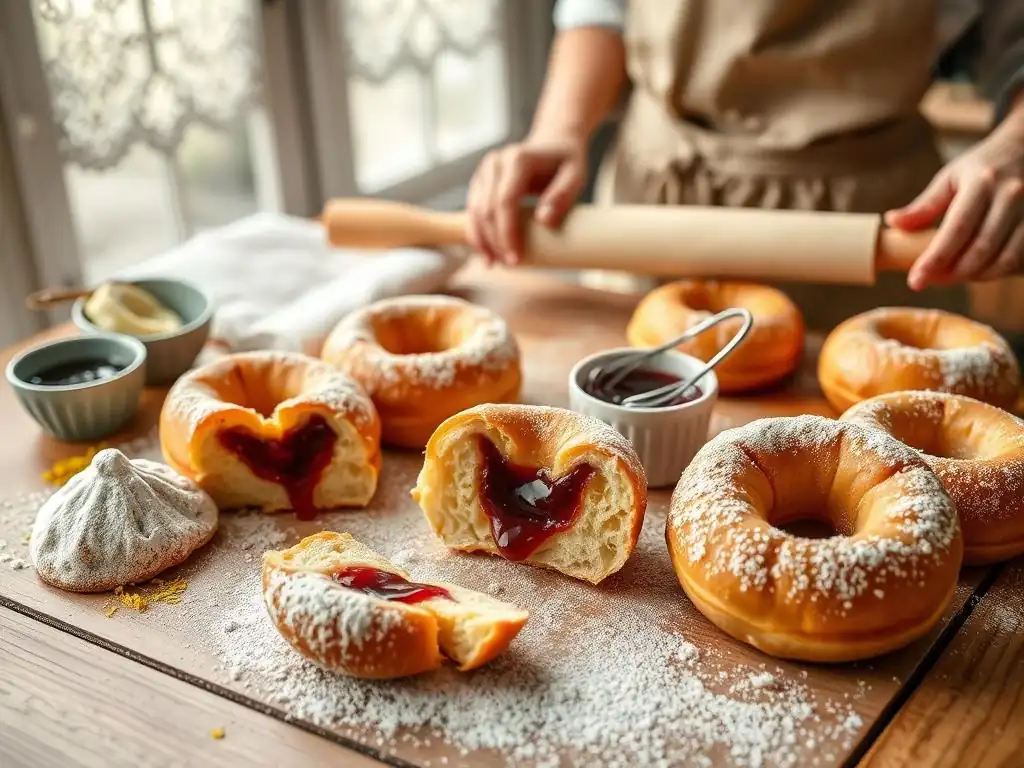
Once the fried Faschingskrapfen have cooled slightly but are still warm (they are easiest to fill when warm), it's time for the sweet surprise inside. The most common method for filling is using a piping bag fitted with a long, narrow nozzle, often specifically designed for filling doughnuts or pastries. Carefully insert the nozzle into the side of each Krapfen, wiggling it slightly to create a space inside. Gently squeeze the piping bag to inject the filling until you feel the doughnut become slightly heavier or see a small amount of filling start to ooze out.
Be careful not to overfill, which can cause the Krapfen to burst. For a standard-sized Krapfen, about 1-2 tablespoons of jam or cream is usually sufficient. If you don't have a specialized nozzle, you can use a skewer or chopstick to poke a hole and create a cavity inside before spooning or piping in the filling, though this can be a bit messier. This step is essential for transforming a plain fried dough into the iconic filled Faschingskrapfen, a highlight of any easy German carnival doughnuts recipe.
Tips and Tricks for Perfect Faschingskrapfen Every Time
Troubleshooting Common Doughnut Problems
Doughnuts Absorbing Too Much Oil? Common Issues and Solutions
A common frustration when frying doughnuts is them becoming greasy and heavy, soaking up too much oil. This is almost always due to the oil temperature being too low. When the oil isn't hot enough (below 320°F or 160°C), the dough cooks slowly and has more time to absorb the fat before the exterior forms a seal. Ensure your oil is within the recommended temperature range (320°F-340°F or 160°C-170°C) and use a thermometer to monitor it throughout the frying process. Fry in small batches to prevent the oil temperature from dropping significantly when cold dough is added.
Another factor can be insufficient proofing. If the doughnuts are under-proofed, they won't expand properly in the oil and can become dense and oily. Ensure your shaped Krapfen have had their second rise and are visibly puffy before frying. Finally, ensure you drain the fried doughnuts properly on a wire rack set over paper towels immediately after removing them from the oil. This allows excess oil to drip away. Addressing these points will significantly improve your easy German carnival doughnuts recipe results, yielding light, non-greasy Krapfen.
Doughnuts Not Rising Properly? Preventing and Correcting the Problem
If your Faschingskrapfen aren't rising as expected during proofing or frying, several factors could be at play. The most common culprit is inactive yeast. Ensure your yeast is fresh and active by proofing it in warm, not hot, milk with a pinch of sugar before adding it to the dry ingredients. If it doesn't foam, get new yeast. Another reason could be cold dough or a cold environment. Yeast is most active in warm conditions, ideally around 75-80°F (24-27°C). Ensure your milk is warm and the dough is rising in a warm, draft-free spot.
Undereating the dough can also hinder rising; the gluten network needs to be sufficiently developed to trap the gas produced by the yeast. Knead the dough until it is smooth and elastic. Finally, ensure you are giving the dough enough time for both the first and second rises. Patience is key with yeast dough! If your dough is stubbornly not rising, you can try placing the covered bowl or shaped doughnuts in a slightly warmer spot or giving them a bit more time. While troubleshooting takes practice, understanding these common issues helps perfect your easy German carnival doughnuts recipe.
Variations and Customizations: Making Your Faschingskrapfen Unique
Different Fillings and Toppings: Enhancing Flavor and Presentation
While the classic red jam filling is beloved, don't hesitate to experiment with different fillings to customize your Faschingskrapfen. As mentioned earlier, plum butter or vanilla cream are traditional alternatives. You could also try a rich chocolate ganache, a tangy lemon curd, or even a spiced apple filling. For a festive touch, consider a cherry or berry compote. Ensure your chosen filling has a smooth consistency suitable for piping.
Beyond the filling, consider different toppings instead of just powdered sugar. While a generous dusting of powdered sugar is the standard and easiest finish for an easy German carnival doughnuts recipe, you could also glaze them with a simple powdered sugar glaze, dip them in melted chocolate, or sprinkle them with granulated sugar while still warm for a slightly crunchy exterior. These variations allow you to tailor the Krapfen to your personal taste or match the theme of your Carnival celebration.
Exploring Dough Variations: Quark Dough, Potato Dough
While the basic yeasted dough is the most common for Faschingskrapfen, regional or family recipes sometimes feature interesting dough variations. One notable variation uses Quark, a type of fresh dairy product similar to cottage cheese or Greek yogurt. Quark dough Krapfen are often quicker to make as they don't always rely on yeast and can sometimes use baking powder instead, resulting in a denser, cake-like texture compared to the airy yeast version.
Another traditional, though less common today, variation incorporates cooked, mashed potatoes into the dough. This adds moisture and creates an incredibly tender crumb. Exploring these dough variations can offer a different texture and flavor profile to your easy German carnival doughnuts recipe repertoire. While the classic yeast dough remains the most popular for achieving that light, fluffy texture and signature ring, trying these alternatives can be a fun way to delve deeper into German baking traditions.
Storing and Enjoying Your Homemade Faschingskrapfen
Best Practices for Storing Doughnuts to Maintain Freshness
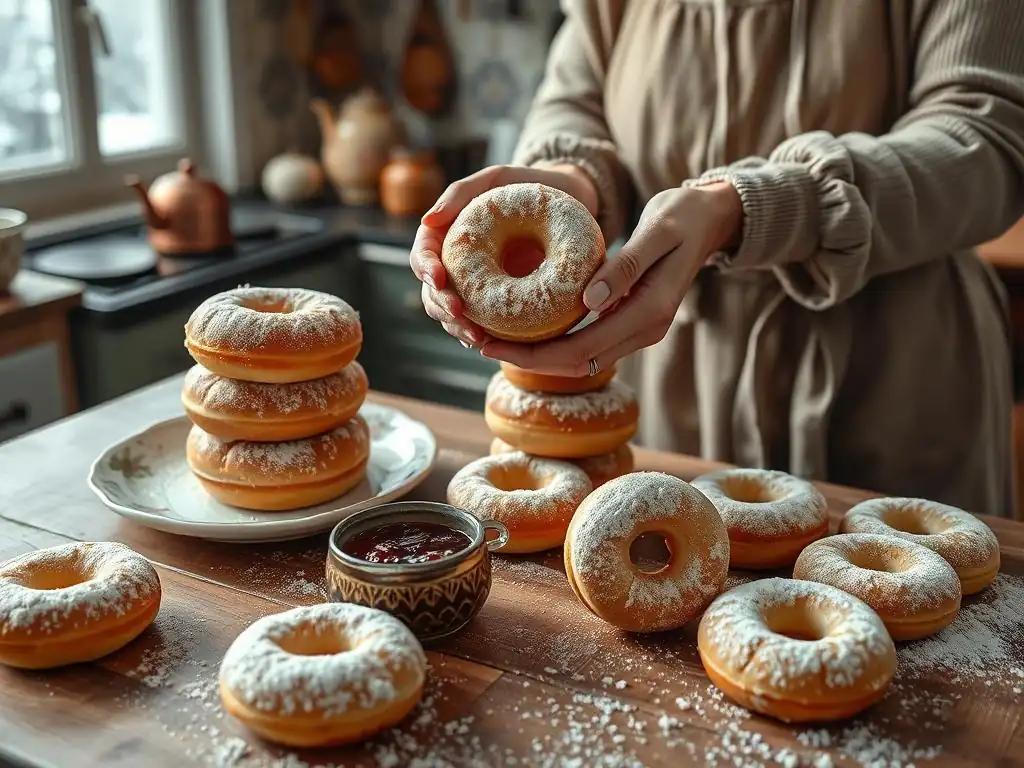
Faschingskrapfen are undoubtedly best enjoyed fresh, ideally within a few hours of frying and filling. However, if you have leftovers, proper storage is key to maintaining their quality. Allow the doughnuts to cool completely before storing them. Store them in a single layer in an airtight container at room temperature. Avoid stacking them if they are filled, as this can cause the filling to squeeze out and the powdered sugar to become messy.
Stored correctly, Faschingskrapfen can remain relatively fresh for about 1-2 days. The texture may become slightly less soft than when freshly made, but the flavor will still be good. Avoid refrigerating Krapfen made with yeast dough, as this can dry them out and make them dense. If they are filled with cream or a perishable filling, refrigeration might be necessary for safety, but be aware it will impact the texture. For an easy German carnival doughnuts recipe, planning to enjoy them shortly after making is the best approach.
Serving Suggestions: Enjoying Your Doughnuts to the Fullest
Serving Faschingskrapfen is simple – they are typically enjoyed as is, perhaps with an extra dusting of powdered sugar just before serving. They are a perfect treat for breakfast, brunch, or an afternoon snack during the Carnival season. Pair them with a cup of coffee, tea, or hot chocolate for a cozy experience.
If you've made a variety of fillings, offer a selection so everyone can choose their favorite. For a festive presentation, arrange them on a platter and perhaps garnish with a few fresh berries if using a fruit jam filling. Homemade Faschingskrapfen are meant to be shared and enjoyed with friends and family, embracing the joyful, indulgent spirit of Carnival. An easy German carnival doughnuts recipe makes this sharing experience readily achievable at home.
Conclusion: Enjoy Your Perfect Batch of Homemade Faschingskrapfen
Making Faschingskrapfen from scratch might seem daunting at first, but by following a clear, step-by-step guide, it becomes a rewarding and achievable baking project. This easy German carnival doughnuts recipe provides the foundation for creating these delightful treats in your own kitchen. From activating the yeast and kneading the dough to mastering the oil temperature for frying and finally filling and dusting, each step contributes to the final delicious result. The effort is well worth it when you bite into a warm, fluffy Krapfen filled with sweet jam or cream, dusted with powdered sugar.
Embracing the tradition of baking Faschingskrapfen at home is a wonderful way to participate in the German Carnival festivities, bringing a taste of this joyful season into your home. Whether you stick to the classic jam filling or experiment with variations, the process of making these doughnuts is a culinary adventure. So, gather your ingredients, set aside some time, and get ready to fry up a batch of these traditional German delights. Your friends and family will thank you!
We love seeing your baking creations! If you try this easy German carnival doughnuts recipe, snap a photo of your beautiful Faschingskrapfen and share it with us on social media. Tag us or use the hashtag #BakeWithEase so we can celebrate your Carnival baking success! Your experience can inspire others in our baking community to try this festive recipe. Happy baking and Happy Carnival!
Frequently Asked Questions
What exactly are Faschingskrapfen?
Faschingskrapfen are traditional German doughnuts often enjoyed during Carnival season. They are usually fried, filled with jam or cream, and dusted with powdered sugar.
Are Faschingskrapfen recipes difficult to make?
Not with BakeWithEase! Our Faschingskrapfen recipe focuses on easy-to-follow steps and readily available ingredients. We break down the process to make it manageable for all skill levels.
What kind of filling is typically used in Faschingskrapfen?
Traditionally, Faschingskrapfen are filled with apricot or plum jam. However, you can also use other fillings like vanilla cream or chocolate.
Can I bake Faschingskrapfen instead of frying them?
While traditionally fried, baking can be an option. However, the texture will differ; baked doughnuts will be less airy and more cake-like. The fried version is more authentic.
What are some tips for making sure my Faschingskrapfen turn out perfectly?
Ensure your yeast is active for a good rise, maintain the correct oil temperature during frying, and don't overfill the doughnuts. Fresh ingredients and careful adherence to the recipe are key.
Final Reflection: The Sweet Taste of Tradition and Connection
The simple act of making Faschingskrapfen transcends a mere recipe; it's a bridge connecting generations, cultures, and the joy of shared experiences. These delightful doughnuts, traditionally enjoyed during Carnival, offer more than just a sugary treat; they represent a tangible link to heritage and the spirit of celebration. Their ease of preparation makes them accessible to everyone, regardless of baking experience, further amplifying their power to bring people together.
The enduring popularity of Faschingskrapfen speaks volumes about the human need for simple pleasures and the comforting familiarity of tradition. These aren't just doughnuts; they're a symbol of community, a shared culinary experience passed down through families. Food is symbolic of love when words are inadequate.
– Alan D. Wolfelt. This quote perfectly encapsulates the emotional resonance of sharing these homemade treats, fostering connection and warmth in a way that store-bought pastries simply cannot. The process of making them, from kneading the dough to the satisfying "plop" into the hot oil, becomes a meditative act, a moment of mindful creation.
Now, I invite you to embrace the spirit of Carnival and try your hand at making these easy-to-follow Faschingskrapfen. Don't be intimidated by the recipe; let the process be a source of joy and connection. Share your creations with loved ones, savor the sweet taste of tradition, and experience the magic of bringing a little bit of Carnival into your own home. The memories you create while making and sharing these doughnuts will be as delicious as the doughnuts themselves.
Unleash Your Inner Baker: Master the Art of Faschingskrapfen!
Thanks for joining us on this delicious journey into the world of Faschingskrapfen! We hope you’ve gained the confidence to tackle this seemingly complex treat. Now it's time to put your newfound skills to the test!
- Bake a batch of your own Faschingskrapfen! Use our recipe as a springboard – experiment with fillings and glazes to create your signature Carnival treat.
- Share your creations! Post a picture of your masterpiece on social media and tag us – we’d love to see your delicious results!
- Challenge a friend to a Faschingskrapfen baking duel! Who can create the most impressive and tasty doughnuts?
Ready to transform your kitchen into a Carnival celebration? What unique twist will you add to your Faschingskrapfen?