
Easy Nussschnecken (Nut Swirls) for an Authentic German Treat

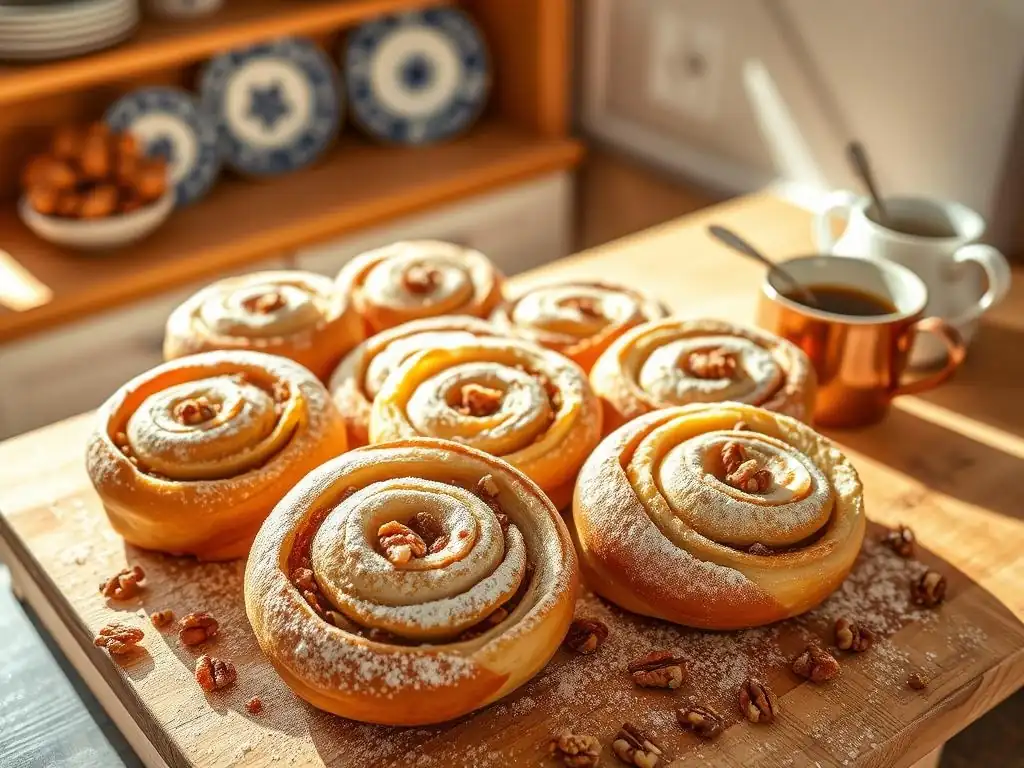
Welcome to BakeWithEase, your friendly guide to baking bliss! Ever dreamt of effortlessly creating authentic German pastries? Unlock the secrets to our Easy German Nut Swirl recipe and discover how surprisingly simple it is to bake these delightful treats at home. Get ready to impress your friends and family with a taste of Germany – let's get baking!
- Easy Nussschnecken (Nut Swirls) for an Authentic German Treat - BakeWithEase.com
- Introduction: Discover the Delight of Homemade German Nut Swirls
- Easy German Nut Swirl Recipe: Ingredients You'll Need
-
Step-by-Step Guide: Baking Your Own Authentic Nussschnecken
- Preparing the Sweet Yeast Dough: The Foundation of Perfect Nut Swirls
- Crafting the Delicious Nut Filling: A Key to Authentic Flavor
- Assembling the Nussschnecken: Shaping the Perfect Swirl
- Baking to Golden Perfection: Getting the Right Color and Texture
- Adding the Finishing Touch: Glazing for Extra Shine and Flavor (Optional)
- Tips and Tricks for Baking the Best German Nut Swirls
- Serving Suggestions: Enjoying Your Homemade Nussschnecken
- More German Baking Delights to Explore on BakeWithEase
- Conclusion: Enjoy the Taste of Germany with This Easy Nut Swirl Recipe
- Frequently Asked Questions
- Final Reflection: The Enduring Charm of Simple Pleasures
- Unlock the Secrets to Perfect Nussschnecken!
Easy Nussschnecken (Nut Swirls) for an Authentic German Treat - BakeWithEase.com
Introduction: Discover the Delight of Homemade German Nut Swirls
What are Nussschnecken? An Introduction to this Classic German Pastry
Nussschnecken, which translates literally to "nut snails," are a beloved classic in German bakeries and coffee shops. These delightful pastries feature a soft, sweet yeast dough generously filled with a rich, aromatic nut paste, typically made from ground hazelnuts or walnuts. Shaped into spirals that resemble a snail's shell, they are often finished with a simple sugar glaze, adding an extra layer of sweetness and shine. They are a staple for Kaffee und Kuchen (coffee and cake) time, a cherished German tradition enjoyed in the afternoon.
This pastry is deeply rooted in German and Central European baking traditions, often found alongside other popular yeast-based treats like Rosinenbrötchen (raisin rolls) or Streuselkuchen (crumb cake). While the basic concept of a sweet dough filled with nuts remains consistent, regional variations exist, sometimes incorporating ingredients like marzipan, cinnamon, or a touch of rum in the filling. The key to an authentic Nussschnecke lies in the contrast between the tender, slightly sweet dough and the moist, flavorful nut filling.
Why This Easy German Nut Swirl Recipe is Perfect for Home Baking
Creating delicious, authentic German pastries at home might seem daunting, but this easy German nut swirl recipe simplifies the process, making it accessible for bakers of all levels. We've broken down each step, from preparing the yeast dough to crafting the filling and shaping the swirls, ensuring a smooth and enjoyable baking experience. Unlike some complex recipes, this approach focuses on straightforward techniques and readily available ingredients, minimizing potential pitfalls.
This particular easy German nut swirl recipe is designed to yield consistently good results, even if you're new to working with yeast dough. We provide clear instructions on activating the yeast, kneading the dough, and allowing it to rise properly – crucial steps for achieving that characteristic light and airy texture. Furthermore, the nut filling is simple to prepare, requiring minimal effort for maximum flavor impact. By following this guide, you can confidently recreate the taste of a German bakery in your own kitchen, perfect for impressing friends and family or simply treating yourself.
Easy German Nut Swirl Recipe: Ingredients You'll Need
Dough Ingredients:
- 300g All-Purpose Flour
- 7g Instant Dry Yeast
- 50g Sugar
- 150ml Milk, lukewarm
- 50g Butter, melted
- 1 Egg
- 1/2 tsp Salt
Nut Filling Ingredients:
- 200g Ground Hazelnuts
- 75g Sugar
- 75ml Milk
- 50g Butter, melted
- 1 tsp Cinnamon
- 1 tbsp Rum (optional)
Glaze Ingredients (Optional):
- 50g Powdered Sugar
- 2-3 tbsp Milk or Lemon Juice
Step-by-Step Guide: Baking Your Own Authentic Nussschnecken

Preparing the Sweet Yeast Dough: The Foundation of Perfect Nut Swirls
Achieving a light and tender yeast dough is the first crucial step for this easy German nut swirl recipe. Yeast dough requires warmth, moisture, and time to develop its structure and flavor. Using lukewarm milk and ensuring your yeast is active are key factors in this initial stage. The combination of flour, sugar (which feeds the yeast), milk, butter, and egg creates a rich dough that bakes up soft and slightly sweet, providing the perfect base for the flavorful nut filling.
The process involves combining the dry ingredients, then incorporating the wet ingredients to form a cohesive dough. Kneading is essential to develop the gluten, which gives the dough its elasticity and structure, allowing it to rise properly. While hand kneading is traditional and effective, using a stand mixer with a dough hook can make this step much easier, typically taking around 5-8 minutes to achieve a smooth, elastic dough that springs back slightly when poked.
Activating the Yeast: Ensuring a Light and Fluffy Dough
While instant dry yeast doesn't strictly require activation, blooming it first in a warm liquid with a pinch of sugar is a great way to confirm its vitality and give it a head start. For this easy German nut swirl recipe, you'll combine the instant dry yeast with the lukewarm milk (around 35-40°C or 95-105°F – comfortable to the touch, not hot) and a teaspoon of the sugar from the recipe. Let this mixture stand for about 5-10 minutes.
If the yeast is active, the mixture will become foamy and bubbly on the surface. This visual confirmation tells you that your yeast is alive and ready to work its magic, producing the carbon dioxide gas that will make your dough light and fluffy during rising and baking. If the mixture doesn't foam, your yeast may be expired or the milk was too hot or cold, and you should start again with fresh yeast and properly tempered milk.
Mixing the Dough: Achieving the Right Consistency
Once your yeast is activated (or simply combined with the dry ingredients if using instant yeast directly), it's time to mix the main dough. In a large bowl, whisk together the flour, remaining sugar, and salt. If you didn't activate the yeast separately, stir the instant dry yeast into the dry ingredients now. Create a well in the center of the dry ingredients.
Pour the lukewarm milk (with activated yeast, if applicable), melted butter, and lightly beaten egg into the well. Using a wooden spoon or a stand mixer with a dough hook, begin mixing from the center outwards, gradually incorporating the dry ingredients into the wet. Continue mixing and kneading until a smooth, elastic dough forms. It should be slightly sticky but should pull away from the sides of the bowl. This typically takes about 5-8 minutes by mixer or 10-15 minutes by hand kneading on a lightly floured surface.
First Rise: Letting the Dough Develop Flavor
After kneading, the dough needs time to rise – this is called the first fermentation or bulk fermentation. Shape the dough into a ball and place it in a lightly oiled bowl, turning it to coat the surface. Cover the bowl tightly with plastic wrap or a damp kitchen towel to prevent the dough from drying out. Place the bowl in a warm, draft-free spot. An oven with just the light on is often a perfect environment.
The dough should double in size during this rise. The exact time can vary significantly depending on the temperature of your room and the vitality of your yeast, but it typically takes around 60 to 90 minutes. A simple test to see if the dough has risen enough is to gently poke it with a finger; if the indentation remains, it's ready. This slow rise allows the yeast to produce more complex flavors, contributing to the overall deliciousness of your easy German nut swirl recipe.
Crafting the Delicious Nut Filling: A Key to Authentic Flavor
The nut filling is what gives Nussschnecken their distinctive taste and texture. While hazelnuts are traditional, walnuts or a combination can also be used. The key is to create a paste that is rich, moist, and aromatic. This easy German nut swirl recipe uses ground nuts, sugar, milk, melted butter, and cinnamon, with an optional touch of rum for added depth of flavor, a common addition in many German pastries.
The process is straightforward: simply combine all the filling ingredients in a bowl and mix until well combined. The mixture should be thick and spreadable, not runny. If it seems too dry, add a tiny splash more milk; if too wet, a tablespoon of ground nuts or breadcrumbs can help absorb excess moisture. Preparing this filling while the dough is undergoing its first rise is efficient, ensuring everything is ready for assembly.
Grinding the Nuts: Achieving the Right Texture
For the most authentic texture in your easy German nut swirl recipe, using freshly ground nuts is preferable to pre-ground nut meal, which can sometimes be too fine or less flavorful. You can easily grind whole hazelnuts (or walnuts) using a food processor or a nut grinder. Pulse the nuts until they are finely ground but stop before they turn into a paste or butter – you want a texture similar to coarse sand, not completely smooth.
Typically, 200g of whole hazelnuts will yield roughly the same amount of finely ground nuts. If using pre-ground nuts, ensure they are fresh for the best flavor. The texture of the ground nuts is important; too fine, and the filling can become pasty; too coarse, and it might not spread evenly. Aim for a consistency that allows the nuts to bind together when mixed with the other ingredients but still retains some granular texture.
Combining Filling Ingredients: Creating a Rich and Aromatic Paste
With the nuts ground to the right texture, the next step for the filling in this easy German nut swirl recipe is to combine them with the remaining ingredients. In a medium bowl, mix the 200g ground hazelnuts with 75g sugar, 75ml milk, 50g melted butter, 1 tsp cinnamon, and the optional 1 tbsp rum. Use a spoon or spatula to mix everything together thoroughly.
The goal is to create a homogenous, spreadable paste. The melted butter and milk help bind the nuts and sugar together, while the cinnamon and rum infuse the mixture with warm, inviting aromas. Taste the filling and adjust the cinnamon or sugar if desired. This simple combination creates the signature sweet and nutty core of the Nussschnecken, making each bite a delight.
Assembling the Nussschnecken: Shaping the Perfect Swirl
Once the dough has doubled in size, it's time to roll it out, spread the filling, and shape your Nussschnecken. This stage is where the "snail" shape comes to life. Working on a lightly floured surface prevents sticking and makes handling the dough easier. Gently punch down the risen dough to release the air, then turn it out onto your work surface.
The assembly process involves rolling the dough into a large rectangle, spreading the nut filling evenly over the surface, and then rolling the dough tightly into a log. Cutting this log into slices reveals the beautiful spiral pattern. Precision isn't strictly necessary; even slightly imperfect swirls will bake up into delicious pastries, proving just how forgiving and easy this German nut swirl recipe can be.
Rolling Out the Dough: Creating a Thin and Even Layer
After punching down the dough from its first rise, place it on a lightly floured surface. Use a rolling pin to roll the dough into a large rectangle. Aim for a thickness of about 3-5 mm (approximately 1/8 to 1/4 inch). The size of the rectangle isn't fixed, but something around 30x40 cm (about 12x16 inches) is a good target, depending on how many swirls you want and their size.
Try to keep the edges relatively straight as you roll, as this will make rolling the log easier later on. If the dough springs back too much, let it rest for 5-10 minutes, covered, to allow the gluten to relax, then continue rolling. An evenly rolled dough ensures that each Nussschnecke has a consistent amount of dough and filling.
Spreading the Nut Filling: Ensuring Every Bite is Flavorful
With the dough rolled out, it's time to generously spread the prepared nut filling over the entire surface, leaving a small border (about 1-2 cm or 1/2 inch) along one of the long edges. This border will help seal the log later. Use an offset spatula or the back of a spoon to spread the filling evenly from edge to edge (except for the border).
Ensure the filling is spread relatively thickly so that every bite of your easy German nut swirl is packed with nutty goodness. Distributing the filling evenly prevents some swirls from being mostly dough and others overly filled. Take your time with this step to get good coverage across the rectangle.
Rolling and Cutting: Forming the Signature Swirl Shape
Once the filling is spread, starting from the long edge opposite the border you left plain, tightly roll the dough into a log. Try to roll it as tightly as possible without tearing the dough, maintaining an even thickness throughout the log. This tight roll is key to achieving the distinct spiral shape of the Nussschnecken.
Once rolled, use a sharp knife or, preferably, dental floss (unwaxed, unflavored) to cut the log into slices about 2-3 cm (around 1 inch) thick. To use floss, slide a piece under the log, cross the ends over the top, and pull to slice cleanly through the dough and filling. This method often yields cleaner cuts than a knife, preventing the swirls from squishing. Place the cut swirls onto baking sheets lined with parchment paper, leaving space between them as they will expand during the second rise and baking.
Baking to Golden Perfection: Getting the Right Color and Texture
Baking is the final stage where your easy German nut swirls transform from doughy spirals into golden, aromatic pastries. The correct oven temperature and baking time are crucial for ensuring the dough is fully cooked through while the filling remains moist and the exterior develops a beautiful golden-brown color. Using parchment paper on your baking sheets prevents sticking and makes cleanup easier.
Allowing the shaped swirls a short second rise before baking gives them a final lift, resulting in a lighter texture. This typically takes about 15-20 minutes while your oven preheats. Once they look slightly puffy, they are ready for the oven. Baking them at the right temperature ensures they cook evenly without burning the edges or remaining raw in the center.
Preheating the Oven: Setting the Stage for Success
Proper oven preheating is essential for successful baking, especially with yeast doughs. It ensures that the pastries begin baking immediately at the correct temperature, which helps them rise properly and set their structure. For this easy German nut swirl recipe, preheat your oven to 180°C (350°F). It's wise to give your oven at least 15-20 minutes to reach and stabilize at the target temperature, even if the indicator light suggests it's ready sooner.
Placing the baking sheets in a properly preheated oven also helps achieve the desired golden-brown crust. If the oven isn't hot enough, the pastries can spread too much before the crust sets, resulting in flatter Nussschnecken. A reliable oven thermometer can be helpful to verify your oven's actual temperature.
Baking Time and Temperature: Achieving a Golden-Brown Crust
Bake the Nussschnecken in the preheated oven at 180°C (350°F) for approximately 15-20 minutes. The exact baking time will depend on your oven and the size of your swirls. You'll know they are done when they are beautifully golden brown on top and around the edges. The dough should look cooked through, not pale or doughy.
If they seem to be browning too quickly on top, you can loosely tent the baking sheet with aluminum foil for the last few minutes of baking. Once baked, carefully remove the Nussschnecken from the oven and transfer them to a wire rack to cool slightly before glazing. Allowing them to cool on a rack prevents the bottoms from becoming soggy.
Adding the Finishing Touch: Glazing for Extra Shine and Flavor (Optional)
While delicious plain, a simple glaze adds extra sweetness and gives the Nussschnecken a classic bakery finish. This step is entirely optional for this easy German nut swirl recipe, but highly recommended for that authentic look and taste. A basic glaze is quick to whip up and can be applied while the pastries are still warm or after they have cooled.
The glaze is traditionally a simple mixture of powdered sugar and a liquid, such as milk or lemon juice. The consistency can be adjusted to your preference – a thicker glaze will be more opaque, while a thinner one will create a lighter sheen. Applying the glaze adds a lovely sweet finish that complements the rich nut filling beautifully.
Preparing the Glaze: A Simple Way to Enhance the Pastry
To prepare the simple optional glaze for your easy German nut swirls, sift 50g of powdered sugar into a small bowl. Gradually add 2-3 tablespoons of milk or lemon juice, one tablespoon at a time, whisking until you achieve a smooth, pourable consistency. If you prefer a thicker glaze, use less liquid; for a thinner glaze, add a few more drops until it's just right.
Using milk results in a classic sweet glaze, while lemon juice adds a slight tang that cuts through the sweetness and brightness. Ensure there are no lumps of powdered sugar left in the mixture. This quick glaze takes less than a minute to prepare but makes a significant difference in the final appearance and taste of the pastries.
Applying the Glaze: Adding a Touch of Sweetness
Once the glaze is ready, you can apply it to the baked Nussschnecken. You can do this while they are still warm (this allows the glaze to melt slightly and seep into the pastry) or after they have cooled completely (for a more defined glaze). Use a spoon or a pastry brush to drizzle or brush the glaze over the tops of the swirls.
Ensure the glaze is evenly distributed over the surface. You can apply a thin layer for just a hint of sweetness or a thicker layer for a more pronounced sugary crust. Let the glaze set for a few minutes before serving. This simple finishing touch elevates the presentation and flavor of your homemade easy German nut swirls.
Tips and Tricks for Baking the Best German Nut Swirls
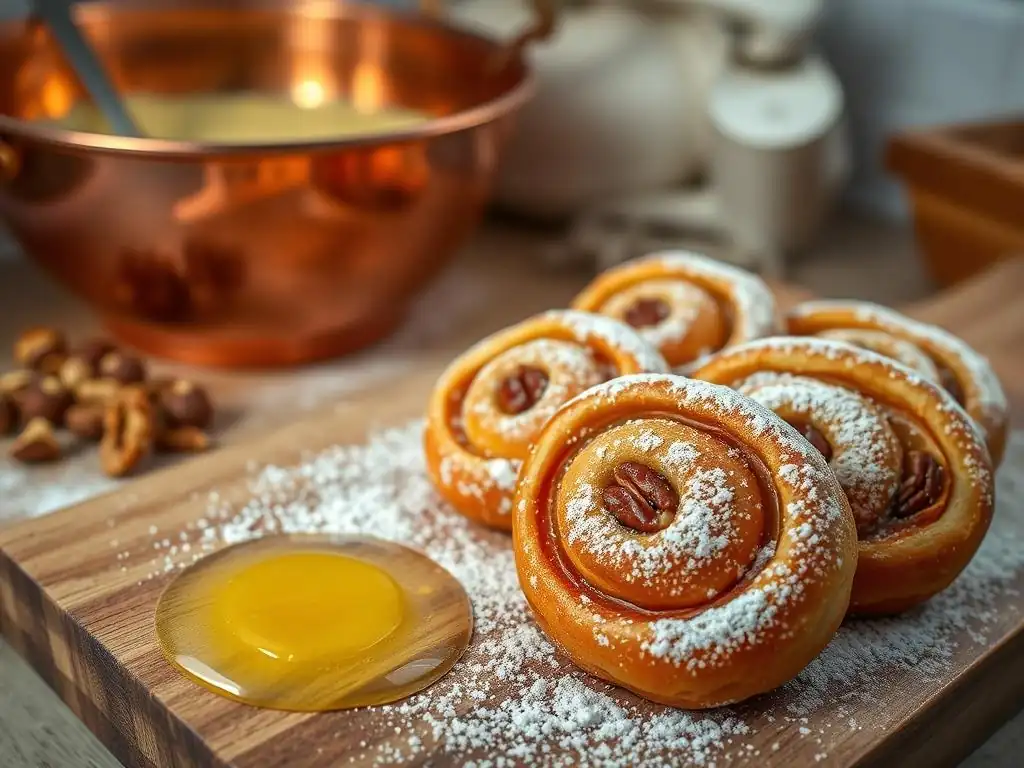
Dough Troubleshooting: Common Issues and How to Fix Them
Working with yeast dough can sometimes present minor challenges, but most are easily overcome. If your dough isn't rising, check the temperature of your milk (too hot or cold can kill the yeast) and the freshness of your yeast. Ensure your rising environment is warm and draft-free; cold temperatures significantly slow down fermentation. If the dough is too sticky after mixing, try adding a tablespoon or two more flour while kneading, but be careful not to add too much, which can result in a dry pastry.
If your dough is too dry and crumbly, it likely needs more liquid. Add a tablespoon of lukewarm milk at a time while kneading until it becomes more pliable and comes together into a smooth ball. Over-kneading can make the dough tough, while under-kneading won't develop enough gluten for a good rise. Aim for a dough that is smooth, elastic, and springs back when poked. These simple adjustments can save your batch and ensure your easy German nut swirl recipe turns out perfectly.
Nut Filling Variations: Exploring Different Flavor Combinations
While ground hazelnuts are traditional for this easy German nut swirl recipe, feel free to experiment with other nuts or flavorings to customize your filling. Ground walnuts are a popular alternative, offering a slightly more robust flavor. You could also try a mix of hazelnuts and almonds. For a different twist, add a tablespoon of cocoa powder to the nut mixture for chocolate-nut swirls.
Other flavor additions could include a pinch of cardamom alongside the cinnamon, or swapping the rum for vanilla extract or a splash of orange juice for a non-alcoholic option. Incorporating a few tablespoons of fine breadcrumbs or cookie crumbs (like ground speculoos) can help absorb moisture and add texture if your filling seems too wet. These variations allow you to put your own spin on the classic German nut swirl recipe.
Storage and Reheating: Keeping Your Nussschnecken Fresh
Homemade Nussschnecken are best enjoyed fresh on the day they are baked, but they can be stored to enjoy later. Once cooled, store them in an airtight container at room temperature for up to 2-3 days. To keep them fresh longer, you can refrigerate them for up to a week.
For longer storage, baked and cooled Nussschnecken freeze very well. Wrap individual swirls tightly in plastic wrap, then place them in a freezer-safe bag or container. They can be frozen for up to 2-3 months. To reheat, thaw frozen swirls overnight in the refrigerator or at room temperature, then warm them gently in a microwave for 15-30 seconds or in a preheated oven at 150°C (300°F) for about 5-10 minutes until soft and warm. This easy German nut swirl recipe's quality holds up well with proper storage.
Serving Suggestions: Enjoying Your Homemade Nussschnecken
Pairing with Coffee or Tea: A Classic German Tradition
Nussschnecken are the quintessential accompaniment to Kaffee und Kuchen, the German afternoon coffee break. The rich, sweet pastry pairs perfectly with a hot cup of coffee, whether it's a strong filter coffee, an espresso, or a creamy cappuccino. The bitterness of the coffee balances the sweetness of the swirl and the nut filling.
Alternatively, they are also delightful served with a cup of black tea or herbal infusion. The warmth of the beverage enhances the flavors of the cinnamon and nuts in the filling. Serving your homemade easy German nut swirls with a hot drink is the simplest and most traditional way to enjoy them, evoking the cozy atmosphere of a German café.
Making Nussschnecken for Special Occasions
While simple enough for a weekend treat, your easy German nut swirl recipe is also perfect for special occasions. Their appealing spiral shape and delicious flavor make them a welcome addition to brunch spreads, holiday baking platters (like for Christmas or Easter), or as a sweet offering at potlucks and parties. Baking a batch for guests shows thoughtfulness and provides a unique, homemade treat.
Consider making a double batch for larger gatherings, as they tend to disappear quickly! You can arrange them decoratively on a platter or in a basket. For a festive touch, you could sprinkle the glaze with chopped nuts or a dusting of powdered sugar after it sets. Sharing these homemade German nut swirls is a wonderful way to celebrate.
More German Baking Delights to Explore on BakeWithEase
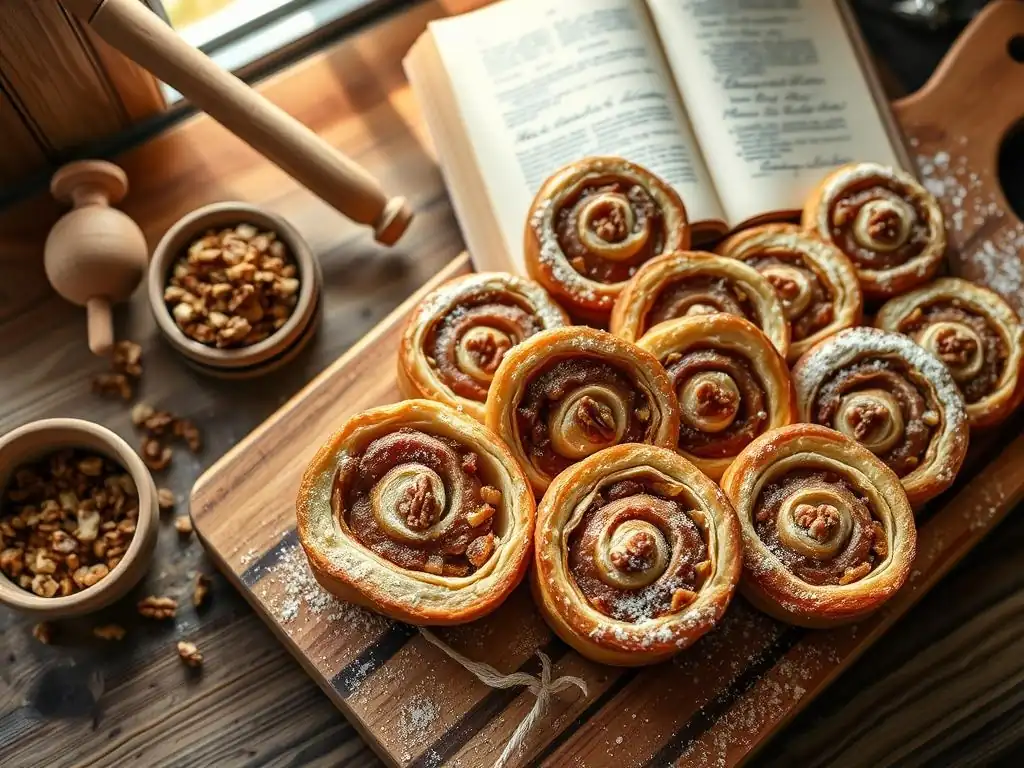
Baked goods are a cornerstone of German culture, from hearty breads to intricate cakes and pastries. If you enjoyed making this easy German nut swirl recipe, you might want to explore other German baking traditions available here on BakeWithEase.
Our collection includes recipes for classic German cakes like Schwarzwalder Kirschtorte (Black Forest Cake) or simple sheet cakes like Zitronenkuchen (Lemon Cake). We also delve into popular holiday treats such as Lebkuchen (gingerbread) or Stollen (fruit and nut bread). Exploring these recipes will further enrich your understanding and appreciation of German baking.
Conclusion: Enjoy the Taste of Germany with This Easy Nut Swirl Recipe
You've now mastered the art of making authentic Nussschnecken right in your own kitchen with this easy German nut swirl recipe. From preparing the tender yeast dough to crafting the rich nut filling and shaping those iconic swirls, you've created a delicious piece of German baking tradition. The aroma filling your home as they bake is a reward in itself, promising a delightful treat.
Whether you enjoy them warm from the oven, cooled with a cup of coffee, or share them with loved ones, these homemade German nut swirls are sure to bring a taste of Germany to your table. Don't hesitate to make this easy German nut swirl recipe a regular part of your baking repertoire. Happy baking!
Frequently Asked Questions
What exactly are Nussschnecken?
Nussschnecken are a type of German pastry characterized by their swirled shape and nut-based filling. They're a popular treat often enjoyed with coffee or as a snack.
Is this "Easy German nut swirl recipe" truly beginner-friendly?
Yes! The recipe is designed with simplicity in mind, focusing on easy-to-find ingredients and clear, step-by-step instructions making it perfect for novice bakers.
What kind of nuts are best to use in this recipe?
While the recipe offers some flexibility, walnuts or hazelnuts are traditionally used. You can also experiment with almonds or pecans for a slightly different flavor profile.
Can I freeze the Nussschnecken after baking?
Absolutely! Allow the Nussschnecken to cool completely, then wrap them tightly in plastic wrap and foil. Freezing helps preserve freshness for up to three months.
What's the secret to getting a perfectly soft and fluffy dough?
The key is to avoid over-mixing the dough. A gentle hand and proper kneading are crucial for developing the gluten structure without making the dough tough.
Final Reflection: The Enduring Charm of Simple Pleasures
The seemingly simple act of baking a Nussschnecken transcends mere culinary creation; it's a journey into tradition, a celebration of shared moments, and a testament to the enduring power of uncomplicated joy. In a world often obsessed with complexity and speed, the ease with which these delightful nut swirls come together offers a refreshing counterpoint. The recipe, designed for accessibility and success, proves that authentic flavors and heartwarming experiences don't require hours of intricate work.
The influence of simple, comforting foods like Nussschnecken on our cultural landscape is profound. They represent a connection to heritage, a shared experience across generations, and a tangible link to a slower, more deliberate pace of life. Food is symbolic of love when words are inadequate.
- Alan D. Wolfelt. This quote perfectly encapsulates the emotional resonance of baking and sharing these treats; they become more than just food, they become a symbol of connection and care.
Now, I invite you to consider the impact of simple pleasures in your own life. Perhaps it's not baking Nussschnecken, but maybe it's taking a moment to savor a cup of tea, spending quality time with loved ones, or simply appreciating the beauty of a sunset. Embrace the ease and joy of uncomplicated moments; they are the building blocks of a rich and fulfilling life. Try this recipe, share it with someone you care about, and experience the magic of simple pleasures firsthand.
Unlock the Secrets to Perfect Nussschnecken!
Thanks for joining us on this delicious journey into the world of authentic German Nussschnecken! We hope you gained a new appreciation for this classic treat and feel inspired to bake your own. Now, it's time to transform that inspiration into delicious reality!
- Bake your own batch of Nussschnecken: Use the recipe you just learned and tailor it to your taste. Don't be afraid to experiment with different nuts or spices! This is your chance to shine!
- Share your creations: Post a picture of your beautiful Nussschnecken on social media and tag us—we’d love to see your baking masterpiece!
- Explore more German baking recipes: Dive deeper into our collection of traditional German sweets on BakeWithEase. We have many more delectable treats waiting for you!
What unique twist will you add to your Nussschnecken to make them truly your own? Let us know in the comments below!