
Simple Guide to Baking German Layer Cakes (Schichttorten)

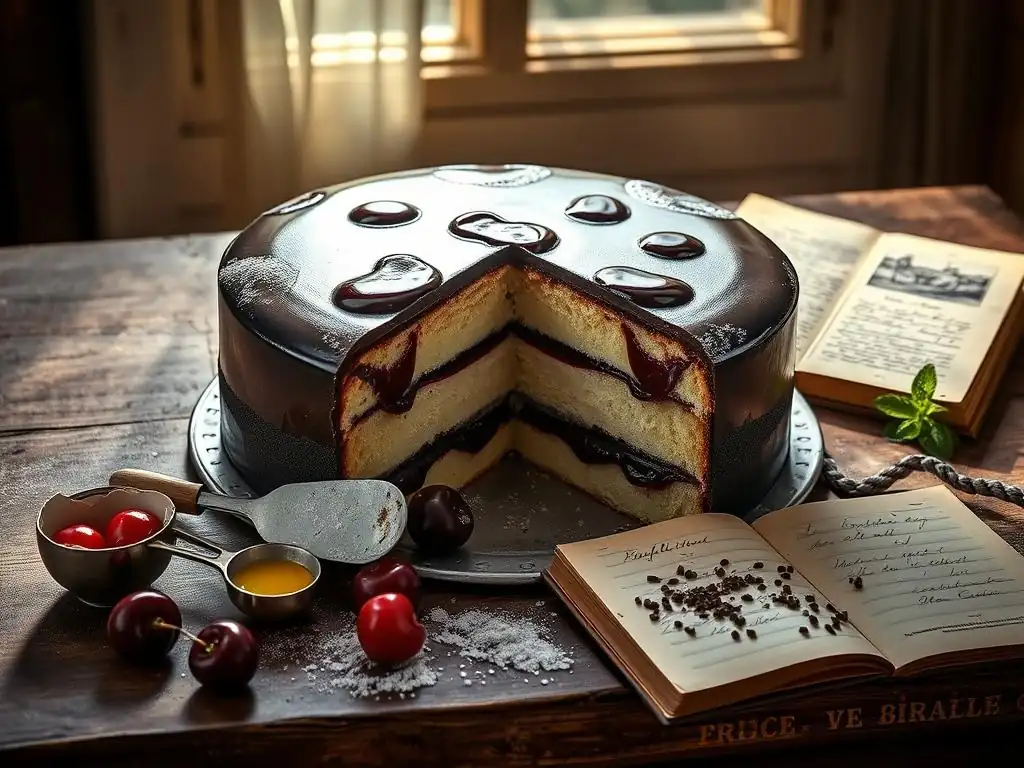
Welcome to BakeWithEase, where delicious baking becomes delightfully simple! Ever dreamt of creating a show-stopping Schichttorte, the magnificent German layer cake? We're about to unlock the secrets to this impressive dessert. Discover our German layer cake baking tips and prepare to wow your friends and family with a masterpiece. Intrigued? Let's get baking!
- Introduction to Schichttorten: A German Baking Delight
- Essential Equipment for German Layer Cake Baking Success
- Schichttorte Recipe: Step-by-Step German Layer Cake Baking Guide
- Tips and Tricks for Perfecting Your Schichttorte
- Mastering the Baumkuchen Technique for Schichttorte
- Advanced Schichttorte Techniques and Variations
- Troubleshooting Common Schichttorte Baking Issues
- Conclusion: Your Journey to German Layer Cake Baking Mastery
-
Frequently Asked Questions
- What makes a German Layer Cake (Schichttorte) unique?
- What are some common mistakes to avoid when baking a Schichttorte?
- What kind of batter is best suited for a German Layer Cake?
- How do I ensure each layer of my Schichttorte is evenly baked under the broiler?
- What are some variations I can make to my German Layer Cake?
- Final Reflection: The Enduring Allure of the Schichttorte
- Unlock Your Inner Bäckerin: Bake Your Own Schichttorte!
Introduction to Schichttorten: A German Baking Delight
What is Schichttorte? Exploring the King of German Layer Cakes
Schichttorte, translating literally to "layer cake," is a classic German confection renowned for its distinctive appearance and rich flavor. Unlike many conventional layer cakes where large cake rounds are stacked with filling, Schichttorte is traditionally created by applying thin layers of batter one by one and baking each layer individually before adding the next.
This unique process, often done under a broiler in modern home kitchens, results in a cake with numerous thin, golden-brown layers that resemble the rings of a tree trunk when sliced – hence its alternative name, Baumkuchen (tree cake), though Schichttorte typically refers to the home-baked, non-spit version.
This meticulous layering technique gives Schichttorte a denser, more uniform texture compared to airier sponge cakes. The layers are typically bound together and often coated with a rich filling or ganache, and the entire cake is frequently enrobed in chocolate or a simple glaze. Mastering the art of baking Schichttorte is a rewarding challenge that yields a truly impressive dessert, a testament to the precision and tradition found in German baking. It's a cake that not only tastes wonderful but also tells a story with its unique structure.
Why Bake a Schichttorte? The Allure of German Layer Cake Baking
Baking a Schichttorte offers a unique and deeply satisfying experience. For starters, the final product is visually stunning. The hundreds of visible layers create a captivating pattern that is sure to impress guests and make any occasion feel special. It's a conversation starter and a centerpiece dessert all in one. Beyond aesthetics, the texture is delightfully different – slightly chewy and dense, with a concentrated flavor that comes from the thin, individually baked layers.
Furthermore, tackling a Schichttorte allows you to delve into a specific, somewhat specialized area of German layer cake baking. It requires patience, attention to detail, and a willingness to learn a technique that differs significantly from standard cake recipes. Successfully baking your first Schichttorte provides a great sense of accomplishment and significantly expands your baking repertoire. It's an excellent way to hone your precision baking skills and explore the rich heritage of German pastries, making it a worthwhile endeavor for any enthusiastic baker seeking new challenges and delicious rewards.
BakeWithEase's Guide to Mastering Schichttorte
Welcome to BakeWithEase's comprehensive guide designed to help you master the art of baking German layer cakes, specifically the elegant Schichttorte. We've broken down the process into manageable steps, offering practical German layer cake baking tips and techniques suitable for home bakers. From selecting the right tools to understanding the unique broiling method for creating those signature layers, we cover everything you need to know.
Our goal is to demystify this seemingly complex cake and make it accessible for bakers of all levels. We'll provide clear instructions, troubleshooting advice, and insights into achieving perfect results. Whether you're new to German baking or looking to refine your Schichttorte skills, this guide is your essential resource. Let's embark on this delicious journey together and discover the satisfaction of creating a beautiful, authentic German layer cake right in your own kitchen.
Essential Equipment for German Layer Cake Baking Success
Must-Have Tools for Baking Schichttorten
Successful German layer cake baking, particularly when it comes to Schichttorte, relies on having the right tools at your disposal. A sturdy stand mixer or hand mixer is essential for creating the smooth, airy batter required. You'll also need a good set of mixing bowls in various sizes, heatproof spatulas for spreading the batter evenly, and a reliable oven with a broiler function.
- Stand mixer or hand mixer
- Mixing bowls (medium and large)
- Heatproof rubber spatulas
- Wire cooling rack
- Offset spatula (for spreading filling and frosting)
- Pastry brush (optional, for moistening layers)
Beyond the basics, precision is key. An oven thermometer can help ensure your broiler temperature is consistent, which is critical for baking thin layers quickly without burning. Having parchment paper cut to fit your pan bottom will also make removing the finished cake much easier. These tools, while standard in many baking kitchens, are particularly important for the unique layering process of Schichttorte.
Choosing the Right Baking Pans for Perfect Layers
Selecting the correct baking pan is crucial for achieving the ideal shape and size for your Schichttorte. A round springform pan is typically the preferred choice, as its removable sides make unmolding the finished cake significantly easier without damaging the delicate layers. Common sizes range from 8 to 10 inches (approximately 20-25 cm) in diameter. A pan with straight sides is better than one with sloped sides to ensure uniform layer thickness.
When using a springform pan, ensure it is well-greased and floured, or lined with parchment paper on the bottom, to prevent sticking. Some bakers also line the sides with a strip of parchment paper. While round is traditional, square or rectangular pans can also be used, especially for variations or for easier slicing into uniform portions. The key is to use a pan that can withstand the heat of the broiler and allows for easy application and removal of the numerous thin layers.
Ingredient Preparation Tools: Scales, Bowls, and More
Accurate ingredient measurement is paramount in German baking, and Schichttorte is no exception. A digital kitchen scale is highly recommended for weighing flour, sugar, butter, and other dry ingredients, as measuring by volume can be less precise and lead to variations in batter consistency. Consistency in batter is vital for achieving uniform, thin layers.
- Digital kitchen scale
- Measuring cups and spoons (for liquids and smaller quantities)
- Small bowls for separating eggs or holding pre-measured ingredients
- Sifter or whisk (for aerating dry ingredients)
You'll also need various small bowls or containers to separate egg whites and yolks, melt butter, or hold other ingredients as you prepare the batter. Having all your ingredients measured and ready before you begin mixing (mise en place) is a fundamental step that contributes significantly to a smooth and successful baking process, particularly when you're working quickly under the broiler.
Schichttorte Recipe: Step-by-Step German Layer Cake Baking Guide
Preparing the Schichttorte Batter: A Detailed Recipe
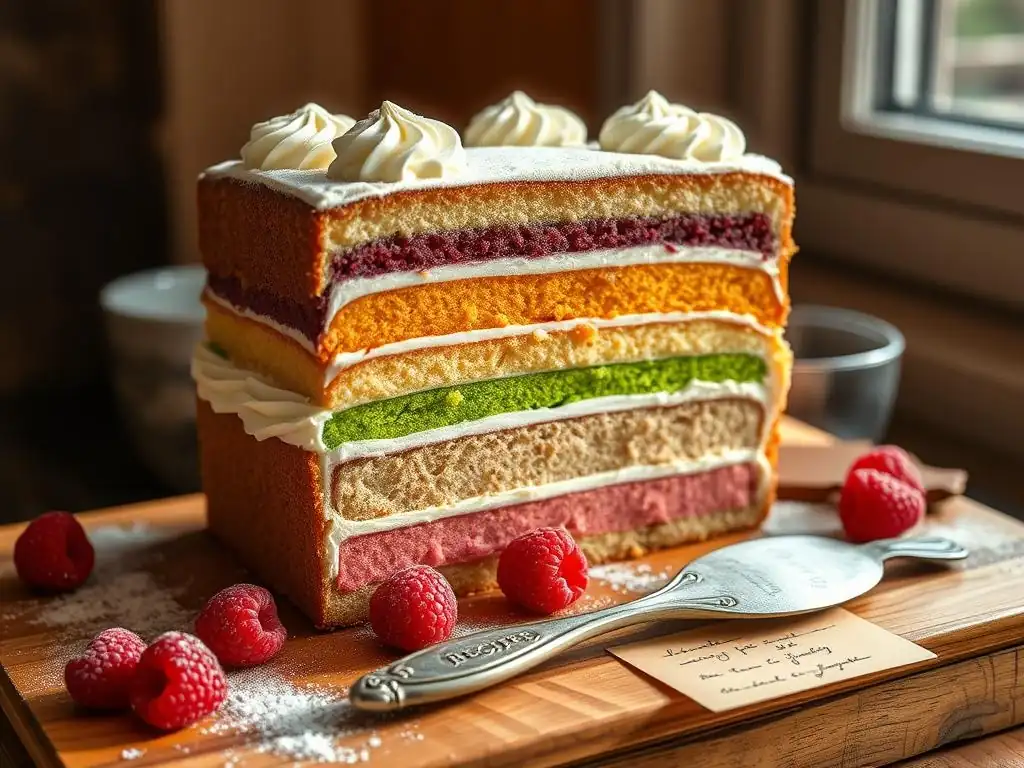
A classic Schichttorte batter is similar to a rich pound cake or a dense sponge, relying heavily on butter, sugar, and eggs. A typical recipe for an 8-inch cake might call for around 250g of unsalted butter, 250g of sugar, 6-8 large eggs, 250g of all-purpose flour, and a touch of vanilla extract. Some recipes also include a small amount of baking powder (perhaps 1-2 teaspoons) for a slightly lighter crumb, though traditionally it's minimal or absent.
Begin by creaming the softened butter and sugar together until light and fluffy, usually for 5-7 minutes, ensuring plenty of air is incorporated. Then, add the egg yolks one by one, mixing well after each addition. In a separate bowl, whisk the flour (and baking powder, if using) together. Gradually add the dry ingredients to the butter-egg yolk mixture, alternating with any liquid components like milk or cream if the recipe calls for it, mixing until just combined. Finally, gently fold in stiffly beaten egg whites. The resulting batter should be smooth, relatively thick but spreadable.
Baking the Layers: Achieving Uniformity and Perfection
This is the signature step in German layer cake baking for Schichttorte. Set your oven rack about 6-8 inches (15-20 cm) from the broiler element and preheat the broiler to medium-high. Prepare your pan (an 8 or 9-inch springform works well), lining the bottom with parchment paper and greasing the sides. Spoon a thin layer of batter into the bottom of the pan – aim for just 2-3 tablespoons for an 8-inch pan, spreading it thinly and evenly to cover the base.
Place the pan under the preheated broiler. Watch it constantly. The thin layer will bake and turn golden brown very quickly, typically within 2-5 minutes depending on your broiler's intensity. Once golden, remove the pan from the oven, add another thin layer of batter directly on top of the baked layer, spread it evenly, and return it to the broiler. Repeat this process, layer by layer, until all the batter is used. You might achieve 15-20 thin layers or even more, depending on how thinly you spread the batter. This careful, repetitive broiling is key to the distinct rings.
Making the Filling: Complementing the Cake Layers
The filling for Schichttorte plays a vital role in both flavor and moisture, binding the many layers together. A popular choice is a simple chocolate ganache, made by heating about 200-300g of heavy cream and pouring it over an equal weight of chopped dark or milk chocolate, stirring until smooth. This ganache can be used as a filling between layers and also as an outer coating.
Other traditional fillings include apricot jam, warmed and strained to remove lumps, which adds a pleasant tartness that contrasts with the rich cake. Vanilla pastry cream (crème pâtissière) or a simple buttercream are also sometimes used. The filling should be smooth enough to spread easily but firm enough to hold the layers together. Ensure the filling is at a spreadable consistency – ganache might need to cool and thicken slightly, while jam or pastry cream should be warm or room temperature.
Assembling the Schichttorte: Layering Techniques for Visual Appeal
Once all the cake layers are baked in the pan and have cooled slightly, carefully release the springform sides. The cake will be a stack of thin, individually baked layers. If using a filling between layers (besides the outer coating), you can slice the cake horizontally into 2-4 thicker sections if desired, though traditionally the filling is primarily an outer layer or glaze, letting the baked layers be the focus. For a classic look, simply ensure the top layer is relatively flat.
If you are adding filling between the thin, baked layers within the cake (less traditional for Schichttorte itself, more for general German layer cakes), you would spread a thin, even layer of filling on the first baked layer, then place the next layer on top, and repeat. However, for true Schichttorte, the beauty is in the baked layers themselves. The assembly typically involves applying the main filling/coating to the exterior. Place the cooled layered cake on a wire rack set over a tray to catch drips.
Frosting and Decoration: Finishing Your German Layer Cake
The final step in creating your beautiful German layer cake is the frosting or coating. A classic finish for Schichttorte is a generous pour of chocolate ganache or a simple chocolate glaze. Gently warm the ganache if it has set too much, and pour it over the top and sides of the cooled cake, letting it drip down naturally. Use an offset spatula to help spread it evenly if needed.
Alternatively, a simple powdered sugar glaze mixed with a little water or lemon juice can be used for a lighter finish. Some traditional versions are simply dusted with powdered sugar or decorated with chocolate shavings. The goal is often to highlight the structure of the cake when sliced, so overly thick or elaborate frosting is less common than a smooth, elegant coating. Allow the coating to set completely before slicing your stunning, multi-layered creation.
Tips and Tricks for Perfecting Your Schichttorte
Achieving Even Layers: German Baking Secrets Revealed
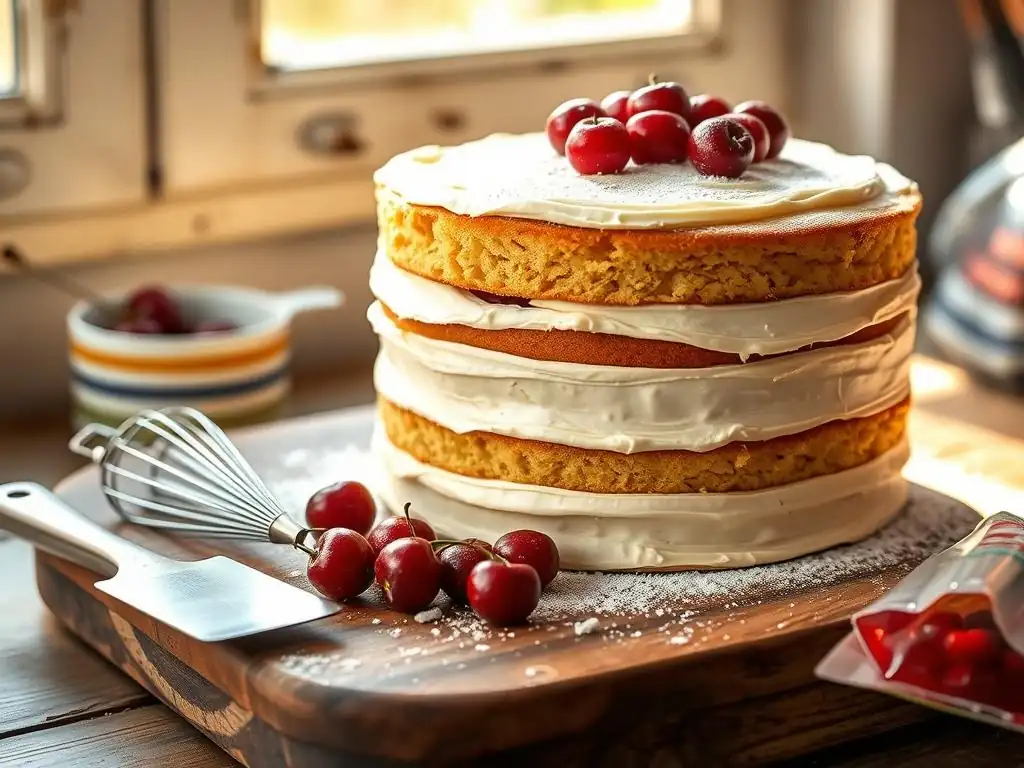
Achieving perfectly even, thin layers is perhaps the most challenging but rewarding aspect of German layer cake baking for Schichttorte. The key lies in consistently measuring the same small amount of batter for each layer – using a measuring spoon (like 2-3 tablespoons) or a small scoop can help. Once the batter is in the pan, use a heatproof offset spatula or the back of a spoon to spread it quickly and evenly to the edges before placing it under the broiler.
Speed and consistency are crucial here. Work relatively quickly between layers so the previously baked layer doesn't cool down too much, which can affect adhesion. Also, ensure your broiler heat is consistent and monitor the baking constantly. Layers bake in mere minutes, and they can go from golden to burnt very fast. Practice makes perfect; your first few layers might be uneven, but you'll quickly develop a feel for the right amount of batter and the broiling time.
Preventing Common Baking Problems: Troubleshooting Your Schichttorte
Several issues can arise when baking Schichttorte, but most can be prevented with careful attention.
- Burnt Layers: This is the most common problem. Ensure your oven rack is at the correct distance from the broiler element (usually 6-8 inches) and never leave the oven door unattended while broiling layers. Reduce broiler heat if necessary.
- Uneven Browning: This could indicate hot spots in your broiler. Try rotating the pan 180 degrees halfway through the baking time for each layer, but be quick!
- Layers Sticking: Ensure your pan is properly greased and floured, or lined with parchment paper on the bottom and sides.
- Batter Too Thick/Thin: Double-check your ingredient measurements, ideally using a scale. Batter consistency is key for easy spreading.
Addressing these potential pitfalls proactively will significantly improve your German layer cake baking results and reduce frustration.
Flavor Variations: Exploring Different Filling and Frosting Options
While chocolate ganache and apricot jam are classic pairings for Schichttorte, don't hesitate to experiment with other flavors. A coffee-flavored buttercream, a white chocolate ganache, or a berry compote filling could offer delightful twists. Consider adding extracts like almond or rum to the batter itself for an extra layer of flavor.
For frosting, beyond chocolate, you could use a simple vanilla glaze, a cream cheese frosting (though less traditional), or even dust the cake with cocoa powder. The beauty of German layer cake baking is that the base cake provides a sturdy foundation for various flavor profiles. Think about complementary flavors – for instance, a hint of orange zest in the batter pairs wonderfully with a dark chocolate coating.
Storing Your Schichttorte: Maintaining Freshness and Flavor
Proper storage is essential to keep your beautiful German layer cake fresh and delicious. Once assembled and coated, Schichttorte can be stored at room temperature for 2-3 days if covered properly, especially if it's coated in ganache or a glaze that doesn't require refrigeration. Use a cake dome or wrap it loosely in plastic wrap once the coating has set.
If your filling or frosting is perishable (like pastry cream or cream cheese frosting), the cake should be stored in the refrigerator. Allow it to come to room temperature for about 30-60 minutes before serving to ensure the best texture and flavor. Schichttorte also freezes well. Slice the cake into portions, wrap each slice tightly in plastic wrap, and then store in an airtight container for up to 2-3 months. Thaw slices overnight in the refrigerator.
Mastering the Baumkuchen Technique for Schichttorte
Understanding the Baumkuchen Method: Building Layers Under the Broiler
The technique used for home-baked Schichttorte is a clever adaptation of the traditional German Baumkuchen method. True Baumkuchen is baked on a spit that rotates over an open flame or heat source, with thin layers of batter poured or brushed onto the rotating spit and cooked one by one. This creates concentric rings inside the cake, mimicking tree rings.
For home bakers, replicating this with a spit is impractical. The Schichttorte method substitutes the spit and open flame with a baking pan and the oven's broiler. By spreading thin layers of batter in a pan and broiling each one until set and golden before adding the next, you achieve a similar effect of building up multiple distinct layers. While the shape is different (round cake vs. log-like Baumkuchen), the core principle of baking layer by layer is the same, making it accessible for German layer cake baking enthusiasts at home.
Achieving the Signature Rings: Mastering the Broiling Technique
The signature "tree rings" of Schichttorte are a direct result of the careful broiling of each individual layer. To master this, pay close attention to your broiler's heat intensity. Start with a medium setting if possible, as high heat can burn the thin layers instantly. Position your oven rack correctly, usually one notch below the highest position.
- Spread batter thinly and evenly, covering the previous layer completely.
- Place pan under broiler, keeping the oven door slightly ajar (check your oven manual, some require this for broiling safety/airflow).
- Watch the layer continuously. It should bubble slightly and turn a light to medium golden brown. This takes only 2-5 minutes.
- Remove immediately once golden. Do not wait for it to brown darkly, as it will continue to cook slightly from residual heat.
- Repeat quickly and consistently for each layer.
Consistency in batter amount and broiling time per layer is key to achieving layers of similar thickness and color, which makes the rings prominent when sliced.
Adapting the Baumkuchen Technique for Home Baking
Adapting the traditional spit-roasting of Baumkuchen to home oven Schichttorte requires patience and adjustment. The main difference is working with a static pan rather than a rotating spit. This means you need to be diligent in spreading the batter evenly to the edges of the pan for each layer.
While you won't get the exact conical shape of a spit-baked Baumkuchen, the essence of building layer upon layer through controlled heat is successfully translated. The broiler provides intense top-down heat, mimicking the browning effect of the flame. Mastering this adaptation allows home bakers to create a cake with the characteristic layered structure and rich flavor profile of its traditional relative, making German layer cake baking accessible and rewarding.
Advanced Schichttorte Techniques and Variations
Exploring Traditional German Schichttorte Recipes
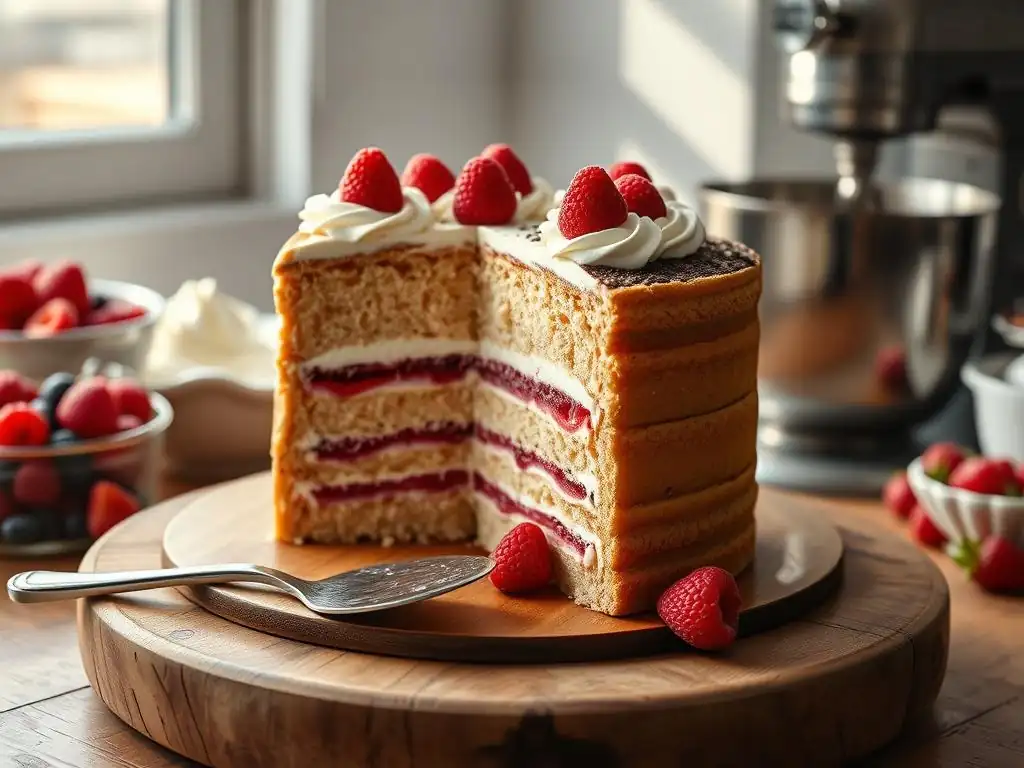
Traditional German Schichttorte recipes often emphasize simplicity and quality ingredients. The batter is typically a rich blend of butter, sugar, eggs, and flour, sometimes flavored with vanilla or lemon zest. Fillings are usually limited to apricot jam or a simple chocolate coating. These recipes often call for a high ratio of butter and eggs, contributing to the cake's dense, moist texture.
Some very traditional methods might still reference baking on a spit, though most modern home recipes focus on the broiler method. Researching older German cookbooks or regional variations can reveal subtle differences in batter composition or preferred coatings, offering insights into the history and evolution of this fascinating German layer cake baking technique.
Modern Twists on Classic German Layer Cakes
Contemporary bakers are putting exciting new spins on the classic Schichttorte. While maintaining the signature layered structure, they are experimenting with different batter flavors, such as adding cocoa powder for a chocolate version, incorporating ground nuts like almonds or hazelnuts, or infusing the batter with spices like cinnamon or cardamom.
Fillings and coatings also offer opportunities for innovation. Think about using a raspberry coulis for a tart contrast, a coffee ganache for depth of flavor, or even a salted caramel drizzle. Some bakers are also playing with the exterior decoration, using tempered chocolate designs or adding textures. These modern variations keep the spirit of German layer cake baking alive while offering exciting new taste experiences.
Creating Unique Flavor Combinations for Your Schichttorte
Developing unique flavor combinations for your Schichttorte involves pairing complementary tastes and textures. Consider the richness of the dense cake layers as your base.
- Chocolate and Orange: Add orange zest to the batter and coat with dark chocolate ganache.
- Hazelnut and Coffee: Incorporate finely ground hazelnuts into the batter and use a coffee-flavored white chocolate ganache.
- Almond and Cherry: Add almond extract and serve with a warm cherry compote on the side, or use a thin layer of cherry jam between sections if slicing.
- Spice and Apple: Add cinnamon, nutmeg, and clove to the batter and pair with a spiced apple butter filling or glaze.
Experimenting with these combinations allows you to personalize your German layer cake baking and create a signature Schichttorte that reflects your own palate.
Troubleshooting Common Schichttorte Baking Issues
Cake Layers Too Dry? Solutions for Moist Schichttorte
If your Schichttorte layers turn out drier than desired, several factors could be at play. Over-baking each layer is a primary culprit – remember they bake very quickly under the broiler, often in just 2-5 minutes. Watch for golden brown, not dark brown. Ensure your batter isn't overmixed, which can develop too much gluten, leading to a tougher, drier cake.
One effective tip is to brush each baked layer very lightly with a simple syrup (equal parts sugar and water, heated until sugar dissolves, then cooled) as soon as it comes out from under the broiler, before adding the next batter layer. This adds moisture directly into the cake structure. Using a recipe with a higher ratio of butter and eggs also contributes to a moister crumb. Pay close attention to these German layer cake baking tips for a tender result.
Filling Too Runny? Thickening Techniques for Perfect Consistency
A runny filling can cause your Schichttorte to become unstable or seep out when sliced. If using chocolate ganache, ensure the ratio of chocolate to cream is correct (usually 1:1 or slightly more chocolate for a firmer set) and that it has been chilled sufficiently to reach a spreadable consistency, similar to thick pudding or soft butter.
For pastry cream fillings, ensure you've cooked it long enough for the starch to thicken it properly. If it's still too thin after cooling, you can gently whisk in a bit of softened butter or cream cheese, or in some cases, gently reheat it and cook for another minute or two while whisking vigorously (be careful not to scorch).
For jam, ensure it's a thick, good-quality preserve, and if necessary, gently heat it with a teaspoon of cornstarch mixed with a tablespoon of water, stirring until slightly thickened, then cool. These adjustments are key German layer cake baking tips for successful assembly.
Uneven Layering? Tips for Achieving a Smooth Finish
Uneven layers can affect both the appearance and stability of your Schichttorte. The main reason for unevenness is typically inconsistent spreading of the batter in the pan for each layer. Practice using your offset spatula to quickly and smoothly push the small amount of batter right to the edges of the pan, aiming for uniform thickness across the entire surface.
Another factor can be an uneven broiler element or inconsistent distance from the heat. Try rotating the pan 180 degrees halfway through the broiling time for each layer to promote even browning. Don't worry if your first few layers aren't perfect; the skill improves with practice. Remember, the beauty of Schichttorte is in the multitude of layers, and slight imperfections are part of its handmade charm. Consistent application of these German layer cake baking tips will lead to a more visually appealing cake.
Conclusion: Your Journey to German Layer Cake Baking Mastery
Celebrate Your Baking Success with a Delicious Schichttorte
Congratulations on embarking on the journey of German layer cake baking and potentially mastering the art of Schichttorte! You've learned about the unique technique, the essential tools, and detailed steps from batter to decoration. Successfully baking a Schichttorte is a significant achievement, yielding a cake that is as rewarding to behold as it is to eat.
Take a moment to appreciate the numerous thin layers you've created – a testament to your patience and precision. Share your creation with friends and family, explaining the fascinating process behind this traditional German delight. Savor the rich flavor and unique texture that sets Schichttorte apart from other cakes. You've not just baked a cake; you've created a piece of edible art and connected with a rich baking tradition.
Further Resources for German Baking Enthusiasts at BakeWithEase.com
Your exploration of German layer cake baking doesn't have to end with Schichttorte. BakeWithEase.com offers a wealth of resources for enthusiasts eager to dive deeper into the world of German pastries and breads. Discover recipes for other regional specialties like Black Forest Cake (Schwarzwälder Kirschtorte), Bee Sting Cake (Bienenstich), or traditional German Christmas cookies (Plätzchen).
We provide step-by-step guides, ingredient explanations, and more expert baking tips to help you expand your skills. Whether you're interested in mastering yeasted doughs, exploring fruit tarts, or perfecting delicate cookies, you'll find plenty of inspiration and guidance on our site. Continue practicing your German layer cake baking tips and explore the vast and delicious landscape of German baked goods.
We love seeing what our community bakes! Once you've successfully baked your Simple Guide to Baking German Layer Cakes (Schichttorten), we encourage you to share photos of your beautiful creation. Tag us on social media and use the hashtag #BakeWithEase so we can admire your work.
Sharing your results is a great way to connect with other baking enthusiasts, inspire others to try their hand at German layer cake baking, and celebrate your success. Don't be shy – whether it's your first attempt or your tenth, every Schichttorte is a masterpiece in its own right. We can't wait to see your stunning layers!
Frequently Asked Questions
What makes a German Layer Cake (Schichttorte) unique?
A Schichttorte is unique due to its distinctive layering technique. Thin layers of batter are baked consecutively under a broiler, creating a visually striking and delicious cake.
What are some common mistakes to avoid when baking a Schichttorte?
One common mistake is using too much batter per layer, resulting in thick, uneven layers. Also, forgetting to rotate the cake under the broiler can lead to uneven browning.
What kind of batter is best suited for a German Layer Cake?
A batter with a high butter content and a relatively low gluten development is ideal. This helps to create a tender and melt-in-your-mouth texture in each layer.
How do I ensure each layer of my Schichttorte is evenly baked under the broiler?
Ensure even baking by rotating the cake frequently under the broiler. Also, keep a close eye on the cake to prevent burning, adjusting the broiler rack position if needed.
What are some variations I can make to my German Layer Cake?
Variations include adding different flavorings to the batter, such as almond extract or citrus zest. You can also incorporate different types of jams or fillings between the layers for added flavor.
Final Reflection: The Enduring Allure of the Schichttorte
The art of baking a perfect German layer cake, a seemingly simple process, reveals a profound connection to tradition and a testament to the power of meticulous technique. From the careful selection of ingredients to the precise layering and frosting, each step in creating a Schichttorte is a journey into a rich culinary history. The enduring popularity of this cake, even in our fast-paced modern world, speaks volumes about the timeless appeal of handcrafted goodness.
The meticulous nature of Schichttorte baking mirrors the dedication and patience required in many aspects of life. The delicate balance of flavors and textures, the careful attention to detail – these are lessons that extend far beyond the kitchen. The best things in life are worth waiting for,
a sentiment perfectly embodied in the slow, deliberate process of creating a truly exceptional Schichttorte. The resulting cake isn't just a dessert; it's a symbol of commitment and the reward of careful effort.
Now, I invite you to consider your own approach to baking, and indeed, to life. Will you embrace the challenge of mastering a classic technique, savoring the journey as much as the destination? Perhaps the next time you face a complex task, you'll remember the patience and precision required to create a perfect Schichttorte, and approach it with renewed focus and a deeper appreciation for the process. Don't just bake a cake; bake an experience.
Unlock Your Inner Bäckerin: Bake Your Own Schichttorte!
Thanks for joining us on this delicious journey into the world of German layer cakes! We hope you’ve gained the confidence and knowledge to tackle these impressive treats. Now it’s time to put your newfound skills to the test.
- Bake your own masterpiece! Try out one of the recipes from the article, or get creative and develop your own flavor combinations. Don't be afraid to experiment!
- Share your baking journey! Post a picture of your finished Schichttorte on social media and tag us – we'd love to see your creations.
- Explore more German baking traditions: Discover new recipes and techniques on BakeWithEase.com (this would be a live link on the actual website) for even more baking adventures.
Ready to unleash your inner Bäckerin and create a Schichttorte that will wow your friends and family? What unique flavor combination will you try first?