
Frankfurter Kranz (Frankfurt Crown Cake): Easy Steps to Regal Baking

Welcome to BakeWithEase, your guide to transforming simple ingredients into delectable masterpieces! Ever dreamed of creating a show-stopping cake that's both impressive and surprisingly easy? Then you're in the right place. Dive into our Frankfurter Kranz cake recipe and unlock the secrets to this classic German treat. Discover how to achieve that perfect crown shape and irresistible buttercream frosting – all with our step-by-step guide. Ready to bake like royalty? Let's get started!
- Frankfurter Kranz (Frankfurt Crown Cake): Easy Steps to Regal Baking | BakeWithEase.com
- Discover the Frankfurter Kranz Cake: A German Baking Delight
- The Ultimate Frankfurter Kranz Cake Recipe: Bake With Ease
- Step-by-Step Guide to Baking the Perfect Frankfurter Kranz
- Tips and Tricks for Frankfurter Kranz Success
- Frankfurter Kranz Variations and Adaptations
- Enjoying Your Frankfurter Kranz: Serving Suggestions
- Mastering German Baking: Explore More Recipes from BakeWithEase
-
Frequently Asked Questions
- What makes the Frankfurter Kranz cake recipe on BakeWithEase.com "easy"?
- What are the key ingredients needed for the Frankfurter Kranz cake according to BakeWithEase.com?
- Does the Frankfurter Kranz recipe on BakeWithEase.com include instructions for making the buttercream?
- Can the Frankfurter Kranz cake recipe on BakeWithEase.com be modified for dietary restrictions?
- What level of baking experience is required to successfully make the Frankfurter Kranz cake using the BakeWithEase.com recipe?
- Final Reflection: The Enduring Majesty of the Frankfurter Kranz
- Unlock Your Inner Baker: Create a Stunning Frankfurter Kranz!
Frankfurter Kranz (Frankfurt Crown Cake): Easy Steps to Regal Baking | BakeWithEase.com
Discover the Frankfurter Kranz Cake: A German Baking Delight
What is Frankfurter Kranz? Exploring the History and Tradition
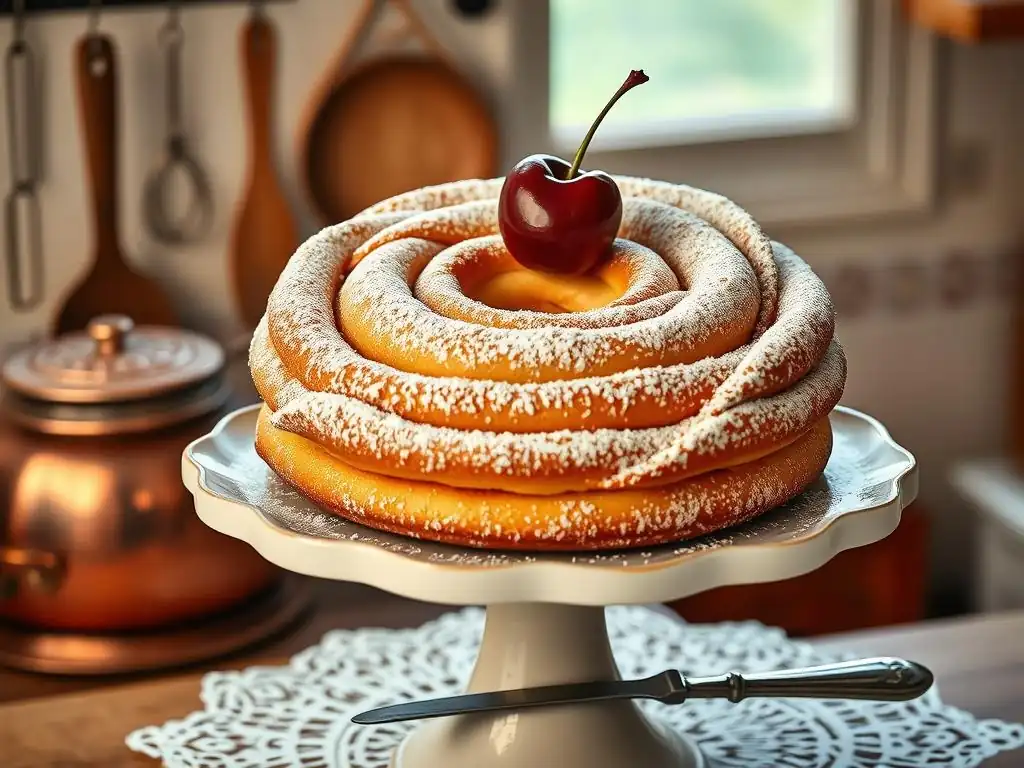
The Frankfurter Kranz, translating literally to "Frankfurt Crown," is a classic German layer cake originating from the city of Frankfurt am Main. Its distinctive ring shape, golden brittle coating, and red cherry garnishes are designed to resemble a royal crown, paying homage to Frankfurt's historical status as the coronation city of the Holy Roman Emperors.
This cake is more than just a dessert; it's a symbol of regional pride and a staple of German "Kaffee und Kuchen" culture. The tradition of making and serving Frankfurter Kranz is deeply rooted in German culinary heritage, often gracing tables on special occasions, birthdays, and Sunday afternoons.
While the exact origins are debated, the Frankfurter Kranz is widely believed to have been created in the 1930s by a confectioner in Frankfurt. It quickly gained popularity for its rich flavors and impressive appearance. The traditional construction involves a light sponge cake sliced into layers, filled with a generous amount of German buttercream (often vanilla or coffee flavored), and then coated entirely in more buttercream.
The exterior is then covered in crunchy brittle, typically krokant made from caramelized nuts like hazelnuts or almonds, adding a delightful texture contrast to the smooth cake and cream. The final touch is the placement of candied cherries or red currant jelly dollops around the top, mimicking the jewels on a crown.
Why Bake a Frankfurter Kranz? Reasons to Try this Classic German Cake
Baking a Frankfurter Kranz is a rewarding experience that connects you with a rich baking tradition and results in a truly spectacular cake. Unlike many modern, overly sweet desserts, the Frankfurter Kranz offers a balanced profile with the lightness of the sponge, the creamy richness of the buttercream, and the nutty crunch of the brittle. It's a cake that impressive guests with its appearance and delights them with its taste. Mastering the Frankfurter Kranz cake recipe, even with easy steps, gives you a tangible skill and a delicious outcome that's perfect for sharing.
Furthermore, baking this classic German cake provides an opportunity to practice fundamental baking techniques, from making a stable sponge cake to preparing a classic German buttercream. While it might seem complex due to its multiple components, breaking down the Frankfurter Kranz cake recipe into manageable steps, as we do here at BakeWithEase, makes it accessible even for intermediate bakers. The sense of accomplishment when you finish decorating your own "crown" is immense, and the joy of sharing this piece of German culinary history with friends and family is unparalleled. It's a cake that truly embodies celebration.
The Ultimate Frankfurter Kranz Cake Recipe: Bake With Ease
Gathering Your Ingredients: What You'll Need for a Perfect Kranz
Creating a magnificent Frankfurter Kranz starts with having the right ingredients on hand. Quality ingredients make a significant difference in the final taste and texture of this classic German cake. You'll need staples for the sponge cake, key components for the authentic German buttercream, and specific items for the signature brittle and decoration. Sourcing fresh eggs, good quality butter, and fine sugar are crucial for the sponge's lightness and the buttercream's richness. For the brittle, using fresh nuts like hazelnuts or almonds will ensure the best flavor and crunch.
Don't be intimidated by the list; most items are standard pantry ingredients. The specific quantities listed in the next section are typically calibrated for a standard ring cake pan, usually around 24 to 26 centimeters in diameter, yielding a cake that serves approximately 12-16 people depending on slice size. Having everything measured and ready before you begin baking streamlines the process and helps prevent errors, making your journey through this Frankfurter Kranz cake recipe much smoother and more enjoyable.
Frankfurter Kranz Cake Ingredients List:
- For the Sponge Cake:
- 250g unsalted butter, softened
- 250g granulated sugar
- 1 packet vanilla sugar (approx. 8g) or 1 tsp vanilla extract
- 6 large eggs
- 250g all-purpose flour
- 2 tsp baking powder
- Pinch of salt
- 50ml milk
- For the German Buttercream (Butterkrem):
- 500ml milk
- 100g granulated sugar
- 1 packet vanilla pudding powder (for cooking, approx. 37-40g)
- 375g unsalted butter, softened
- Optional: 1-2 tbsp strong coffee or espresso for coffee variation
- For the Brittle (Krokant):
- 150g chopped hazelnuts or almonds
- 100g granulated sugar
- 2 tbsp water
- For Decoration:
- Candied cherries (approx. 8-12)
- Optional: Red currant jelly
Equipment Checklist: Tools for Baking Success
Having the right tools makes baking the Frankfurter Kranz significantly easier and helps ensure professional-looking results. While you don't need highly specialized equipment, a few key items are essential for executing this Frankfurter Kranz cake recipe effectively. A stand mixer or a good quality hand mixer will be invaluable for creaming the butter and sugar, whipping the eggs, and especially for making the smooth German buttercream. The buttercream requires thorough beating, and a mixer handles this task effortlessly.
You will also need a specific cake pan: a ring or Bundt pan is traditional for the Frankfurter Kranz, typically in the 24-26 cm diameter range. This shape is fundamental to creating the "crown."
Other necessary tools include standard baking equipment like measuring cups and spoons, mixing bowls of various sizes, a rubber spatula for folding, a whisk, a fine-mesh sieve for flour and baking powder, a wire rack for cooling the cakes, a sharp serrated knife or cake leveler for slicing the sponge layers, and an offset spatula for spreading the buttercream. Having these items ready before you start will make the process flow smoothly.
Step-by-Step Guide to Baking the Perfect Frankfurter Kranz
Part 1: Preparing the Sponge Cake Layers
Step 1: Mixing the Cake Batter for Frankfurter Kranz
Begin by preheating your oven to 180°C (350°F) and greasing and flouring your ring cake pan. In a large bowl, cream together the softened unsalted butter, granulated sugar, and vanilla sugar (or extract) until the mixture is light and fluffy. This process typically takes about 3-5 minutes with an electric mixer on medium speed. The goal is to incorporate air, which contributes to the cake's texture. Add the eggs one at a time, beating well after each addition to ensure they are fully incorporated into the batter. Scrape down the sides of the bowl as needed.
In a separate bowl, whisk together the all-purpose flour, baking powder, and salt. Gradually add the dry ingredients to the wet ingredients, alternating with the milk, beginning and ending with the dry ingredients. Mix on low speed only until just combined. Be careful not to overmix, as this can result in a tough cake. The batter should be smooth but thick. Pour the batter evenly into the prepared ring pan and smooth the top with a spatula.
Step 2: Baking the Sponge Cake Layers to Golden Perfection
Place the filled cake pan in the preheated oven. The baking time for a Frankfurter Kranz sponge typically ranges from 25 to 35 minutes, depending on your oven and the specific size of your pan. Start checking for doneness around the 25-minute mark. You can test if the cake is ready by inserting a clean toothpick or a thin skewer into the deepest part of the cake; if it comes out clean, the cake is done.
The cake should be golden brown on top and slightly pulled away from the sides of the pan. Avoid opening the oven door too frequently during the first 20 minutes of baking, as this can cause the cake to sink. Once baked, carefully remove the cake from the oven. The aroma filling your kitchen will be a delightful hint of the delicious Frankfurter Kranz to come.
Step 3: Cooling the Cake Layers: Preventing a Soggy Kranz
After removing the cake from the oven, let it cool in the pan for about 10-15 minutes. This allows the cake to set slightly before being transferred. Attempting to remove it too soon might cause it to break apart. After the initial cooling in the pan, carefully invert the cake onto a wire cooling rack. Ensure the cake is completely cool before you attempt to slice it into layers. This step is crucial for achieving clean cuts and preventing the layers from tearing.
Allowing the cake to cool fully on the wire rack permits air circulation around it, preventing moisture buildup on the bottom, which could lead to a soggy texture. Depending on the temperature of your kitchen, this cooling process can take anywhere from 1 to 2 hours. Once completely cool, use a long serrated knife or a cake leveler to carefully slice the ring cake horizontally into two or three even layers. Three layers are traditional for a truly regal Frankfurter Kranz.
Part 2: Crafting the Buttercream Filling
Step 1: Making the Classic Buttercream for Frankfurter Kranz
The heart of the Frankfurter Kranz is its rich, smooth German buttercream (Butterkrem). This isn't a simple frosting; it's a custard-based buttercream. First, prepare the vanilla pudding according to package instructions, but use the 500ml milk and 100g sugar specified in the ingredients list rather than the package's recommended amounts. Cook the pudding until very thick, stirring constantly to prevent lumps.
Once cooked, immediately transfer the hot pudding to a clean bowl and cover the surface directly with plastic wrap to prevent a skin from forming. Let the pudding cool completely to room temperature. It is absolutely vital that the pudding and the butter are at the exact same room temperature before combining them.
Once the pudding is completely cool, cream the softened butter in a large bowl using an electric mixer until it is very light and fluffy. This should take several minutes. Then, gradually add the cooled pudding, one tablespoon at a time, to the creamed butter, beating continuously on medium speed. Beat until the mixture is smooth, creamy, and well combined. If the mixture appears curdled, continue beating on high speed for a few minutes; it should come together. This process ensures a stable and luxurious buttercream perfect for filling and frosting your Frankfurter Kranz.
Step 2: Adding Flavor: Coffee Buttercream Variation
While classic vanilla German buttercream is traditional for the Frankfurter Kranz, a popular and delicious variation is coffee buttercream. To make this, follow the instructions for the classic buttercream in Step 1. Once the base buttercream is smooth and ready, you can incorporate instant coffee or strongly brewed espresso.
Dissolve 1-2 tablespoons of instant coffee in a minimal amount of hot water (just enough to dissolve) or use 1-2 tablespoons of cooled, strong espresso. Gradually add the coffee mixture to the finished buttercream while beating on low speed. Add a little at a time until you achieve the desired coffee flavor intensity.
Be careful not to add too much liquid, as it can destabilize the buttercream. Beat until the coffee is fully incorporated and the buttercream is smooth again. This coffee-flavored buttercream adds an extra layer of complexity and richness that pairs wonderfully with the cake and brittle components of the Frankfurter Kranz cake recipe.
Part 3: Assembling the Frankfurter Kranz Crown
Step 1: Layering the Cake and Buttercream: Creating the Kranz Shape
Place the bottom layer of the cooled sponge cake on your serving plate or cake board. If you sliced your cake into three layers, this will be the thickest bottom piece. Use an offset spatula to spread a generous layer of German buttercream evenly over the surface of the cake layer, extending it to the edges. Aim for a layer about 1 to 1.5 cm thick for a classic look.
Carefully place the second cake layer (the middle layer if you have three) on top of the buttercream. Gently press down to ensure it adheres. Spread another generous layer of buttercream over this second layer. If you have a third layer (the top piece of the original cake), place it on top of the second buttercream layer. If you only sliced into two layers, simply place the top layer on the first buttercream layer. Ensure the layers are aligned to maintain the ring shape of the Frankfurter Kranz.
Step 2: Sealing the Kranz: Preparing for the Final Touches
Once the layers are stacked with buttercream in between, use the remaining buttercream to cover the entire exterior of the Frankfurter Kranz cake – the top, sides, and the inside ring. Apply a thin "crumb coat" first; this is a thin layer of buttercream used to trap any loose crumbs. Chill the cake in the refrigerator for about 15-20 minutes until the crumb coat is firm.
After the crumb coat has set, apply a thicker, final layer of buttercream, striving for a smooth and even finish all around the cake. Use an offset spatula to smooth the top, sides, and inner edge of the ring. This smooth buttercream surface is essential for the brittle to adhere properly and gives the Frankfurter Kranz its polished, regal appearance before the final decoration steps are applied according to this Frankfurter Kranz cake recipe.
Part 4: Decorating the Frankfurter Kranz: The Crowning Glory
Step 1: Coating with Buttercream: Achieving a Smooth Surface
As mentioned in the previous step, achieving a smooth buttercream coating is key to the final look of your Frankfurter Kranz. After applying the crumb coat and chilling, take your time to apply the final layer of buttercream. Use a generous amount of buttercream and work with an offset spatula. Start by applying buttercream to the sides, then the top, and finally the inner ring.
Dip your spatula in hot water and wipe it dry frequently to help smooth the buttercream surface. The goal is a relatively even layer that completely covers the cake. While perfection isn't necessary for a home-baked cake, a smooth surface allows the brittle to adhere uniformly and makes the red decorations stand out beautifully against the creamy background of your finished Frankfurter Kranz cake recipe creation.
Step 2: Adding the Brittle: The Signature Kranz Decoration
Preparing the brittle (krokant) is a crucial step for the authentic Frankfurter Kranz. In a heavy-bottomed pan, combine the sugar and water. Heat over medium heat, stirring until the sugar dissolves. Then, stop stirring and let the syrup boil until it turns a deep amber caramel color. This usually takes about 5-8 minutes. Be careful, as caramel burns quickly. Once the caramel reaches the desired color, stir in the chopped nuts. Immediately pour the mixture onto a baking sheet lined with parchment paper or a silicone mat. Spread it thinly.
Let the brittle cool completely until hard, which takes about 15-20 minutes. Once cooled, break the brittle into smaller pieces and place them in a plastic bag. Use a rolling pin or meat mallet to crush the brittle into coarse crumbs. This krokant is the signature coating for the Frankfurter Kranz.
Gently press the brittle crumbs onto the sides and top of the buttercream-coated cake. You can do this by holding the cake plate and carefully pressing the crumbs against the sides, or by spooning and pressing them onto the top and inside ring. Ensure the cake is well-covered for that classic look.
Step 3: Candied Cherries: A Traditional Garnishing Touch
The final touch that transforms your Frankfurter Kranz into a true "crown" is the addition of candied cherries. These bright red cherries are placed around the top of the cake, often spaced evenly to mimic jewels. The traditional placement is usually around the outer edge of the top surface of the ring.
Arrange about 8 to 12 candied cherries symmetrically around the cake. You can lightly press them into the buttercream on top to secure them. Some traditional recipes also use dollops of red currant jelly instead of or in addition to the cherries, placed between the cherries or along the inner edge. This adds another touch of red and a slightly tart flavor contrast. These simple garnishes complete the iconic look of this classic Frankfurter Kranz cake recipe.
Tips and Tricks for Frankfurter Kranz Success
Achieving the Perfect Sponge Cake Texture
A light and airy sponge cake is the foundation of a great Frankfurter Kranz. To achieve this, ensure your ingredients, especially butter and eggs, are at room temperature before you begin. Creaming the butter and sugar sufficiently incorporates air, which helps with leavening alongside the baking powder. Beat the eggs in one at a time, ensuring each is fully emulsified before adding the next.
When combining wet and dry ingredients, mix only until the flour streaks disappear. Overmixing develops gluten, resulting in a dense or tough cake. Use a gentle hand when folding in the last additions. Baking at the correct temperature is also vital; if your oven runs hot or cold, consider using an oven thermometer. Check for doneness with a toothpick towards the end of the suggested baking time, but avoid opening the oven door too early. Proper cooling on a wire rack is also essential to prevent condensation and maintain a good texture.
Preventing Buttercream Problems: Troubleshooting Tips
German buttercream can be sensitive, but most issues can be avoided or fixed. The most common problem is curdling. This almost always happens if the cooked pudding and the softened butter are not at the same temperature when combined. Both must be at room temperature – not cold, not warm. If your buttercream curdles, continue beating it on medium-high speed for several minutes. Often, the continuous beating will help it come together and become smooth.
If it still hasn't come together after several minutes of beating, you can try gently warming a small portion of the buttercream in a separate bowl over a double boiler or in the microwave for just a few seconds until slightly melted (be very careful not to overheat). Add this slightly warmed portion back to the main batch while beating.
Alternatively, if it's too soft, you can try chilling the buttercream in the refrigerator for 15-20 minutes and then beating it again. Patience and consistent beating are often the keys to fixing a troubled batch for your Frankfurter Kranz cake recipe.
Storing Your Frankfurter Kranz Cake: Keeping it Fresh
Once assembled and decorated, your Frankfurter Kranz is best stored in the refrigerator due to its buttercream filling. Place the cake in an airtight cake carrier or loosely cover it with plastic wrap to prevent it from drying out or absorbing odors from the refrigerator. Stored correctly, the cake will remain fresh for 3-4 days.
For the best taste and texture, it's recommended to take the Frankfurter Kranz out of the refrigerator about 30-60 minutes before serving. This allows the buttercream and sponge cake to soften slightly, bringing out their full flavor and creamy texture. While you can technically freeze leftover slices (wrap them individually in plastic wrap and then foil), the texture of the buttercream and brittle might change slightly upon thawing. Enjoying it fresh is always the preferred method for this classic Frankfurter Kranz cake recipe.
Frankfurter Kranz Variations and Adaptations
Chocolate Frankfurter Kranz: A Decadent Twist
While the traditional Frankfurter Kranz cake recipe features vanilla or coffee buttercream and a plain sponge, a popular and decadent variation is the Chocolate Frankfurter Kranz. This adaptation incorporates chocolate into various components for a richer flavor profile.
To make a chocolate version, you can adapt the sponge cake by replacing a small amount of the flour (e.g., 20-30g) with unsweetened cocoa powder. Sieve the cocoa powder with the flour, baking powder, and salt. For the buttercream, you can melt about 100-150g of good quality dark or milk chocolate and let it cool slightly before gradually beating it into the finished German buttercream from Part 2, Step 1.
Ensure the chocolate is not hot when added. The brittle can also be adapted by adding a handful of chocolate chips to the hot caramel just before pouring it out, or by drizzling melted chocolate over the finished krokant after it cools and hardens. These simple changes create a delicious chocolate take on the classic Frankfurter Kranz.
Enjoying Your Frankfurter Kranz: Serving Suggestions
Pairing Suggestions: What to Serve with Your Kranz
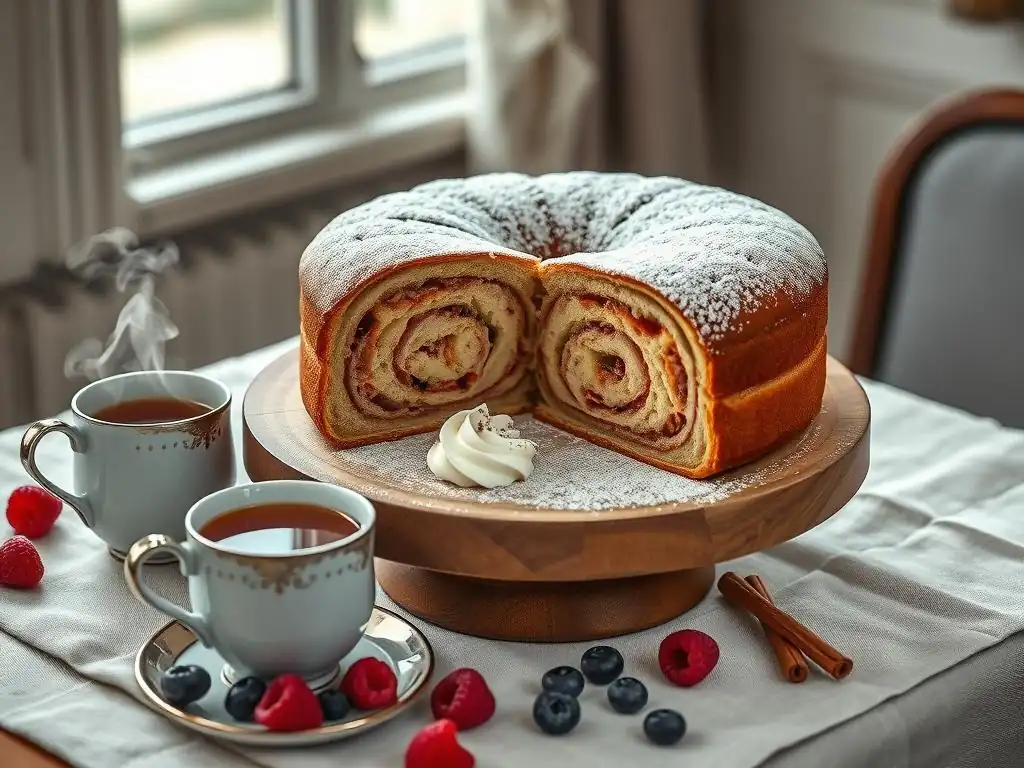
The Frankfurter Kranz is traditionally enjoyed as part of the German "Kaffee und Kuchen" (coffee and cake) tradition, typically in the afternoon. The richness of the cake and buttercream pairs wonderfully with a hot beverage.
Classic pairings include freshly brewed coffee, espresso, or a strong black tea. The bitterness of these drinks provides a perfect counterpoint to the sweetness and creaminess of the cake. For a non-caffeinated option, a glass of cold milk is also a simple yet satisfying pairing, especially for younger guests. During festive occasions, some might pair it with a small glass of dessert wine or a traditional German spirit, but the most common and beloved accompaniment remains a good cup of coffee.
Frankfurter Kranz: A Cake for Every Occasion
Despite its regal appearance and historical significance, the Frankfurter Kranz is a versatile cake suitable for many occasions. It's a beloved centerpiece for birthday celebrations, particularly in Germany, where it's a common sight on festive tables. Its impressive look makes it ideal for holiday gatherings, family reunions, or any time you want to bake something special to share.
Beyond formal celebrations, baking a Frankfurter Kranz can simply be a wonderful way to spend a weekend afternoon and treat yourself, friends, or family to a taste of German baking tradition. Serving it for Sunday Kaffee und Kuchen is a perfect way to embrace the cultural context of this delicious Frankfurter Kranz cake recipe. It's a cake that brings a touch of elegance and comfort to any moment.
Mastering German Baking: Explore More Recipes from BakeWithEase
Frequently Asked Questions
What makes the Frankfurter Kranz cake recipe on BakeWithEase.com "easy"?
The recipe focuses on simple ingredients and step-by-step instructions, making it accessible even for beginner bakers. It breaks down the process into manageable parts.
What are the key ingredients needed for the Frankfurter Kranz cake according to BakeWithEase.com?
The recipe utilizes common baking staples like flour, butter, sugar, eggs, and often includes ingredients for buttercream and jam filling. Specifics can be found on BakeWithEase.com.
Does the Frankfurter Kranz recipe on BakeWithEase.com include instructions for making the buttercream?
Yes, the recipe provides detailed instructions for creating the buttercream, which is a crucial component of the Frankfurter Kranz cake. Variations might also be suggested.
Can the Frankfurter Kranz cake recipe on BakeWithEase.com be modified for dietary restrictions?
While the base recipe is traditional, BakeWithEase.com might offer suggestions for substitutions like gluten-free flour or dairy-free butter, but results may vary.
What level of baking experience is required to successfully make the Frankfurter Kranz cake using the BakeWithEase.com recipe?
The recipe is designed for bakers of all levels, with a focus on clear instructions and helpful tips to guide even beginners through the baking process.
Final Reflection: The Enduring Majesty of the Frankfurter Kranz
The art of baking, particularly the creation of a show-stopping cake like the Frankfurter Kranz, transcends mere culinary skill; it's an act of love, patience, and a celebration of tradition. This recipe, designed for accessibility, aims to bring the regal beauty of this iconic German cake to home kitchens everywhere, proving that achieving culinary excellence isn't reserved for professional pastry chefs. The detailed steps and clear instructions empower even novice bakers to create a masterpiece.
The Frankfurter Kranz, with its intricate layers of delicate pastry cream and the satisfying crunch of its almond-studded ring, represents more than just a dessert; it embodies a rich cultural heritage. It's a cake that evokes memories of family gatherings, special occasions, and the comforting warmth of tradition passed down through generations. Baking is at once child's play and adult joy. And love, of course.
– This sentiment perfectly encapsulates the experience of making, and sharing, a Frankfurter Kranz.
Now, I invite you to consider the power of baking, not just as a means to create delicious treats, but as a way to connect with your heritage, express your creativity, and share joy with those you love. Don't be intimidated by the seemingly complex structure of the Frankfurter Kranz; embrace the challenge, follow the steps, and experience the profound satisfaction of creating something truly magnificent. The journey is as rewarding as the destination, and the taste of your homemade Frankfurter Kranz will be a testament to your dedication and skill.
Unlock Your Inner Baker: Create a Stunning Frankfurter Kranz!
Thanks for joining us on this delicious journey into the world of the Frankfurter Kranz! We hope you've gained a newfound appreciation for this classic cake's elegant simplicity and rich flavor. Ready to take your baking skills to the next level?
- Bake your own masterpiece! Gather your ingredients and follow our recipe – the detailed steps will guide you to a perfectly layered and flawlessly decorated Frankfurter Kranz. You'll be amazed at how achievable this seemingly complex cake is.
- Share your baking triumph! Post a picture of your creation on social media and tag us @BakeWithEase – we'd love to see your results and share them with our community!
- Explore other regal recipes: Dive deeper into our collection of impressive yet accessible cakes and desserts on BakeWithEase.com for more baking inspiration.
So, what delicious adventure will you embark on next? What other impressive treats will you master?