
Egg Allergy? No Problem! How to Bake Delicious Desserts Without Eggs

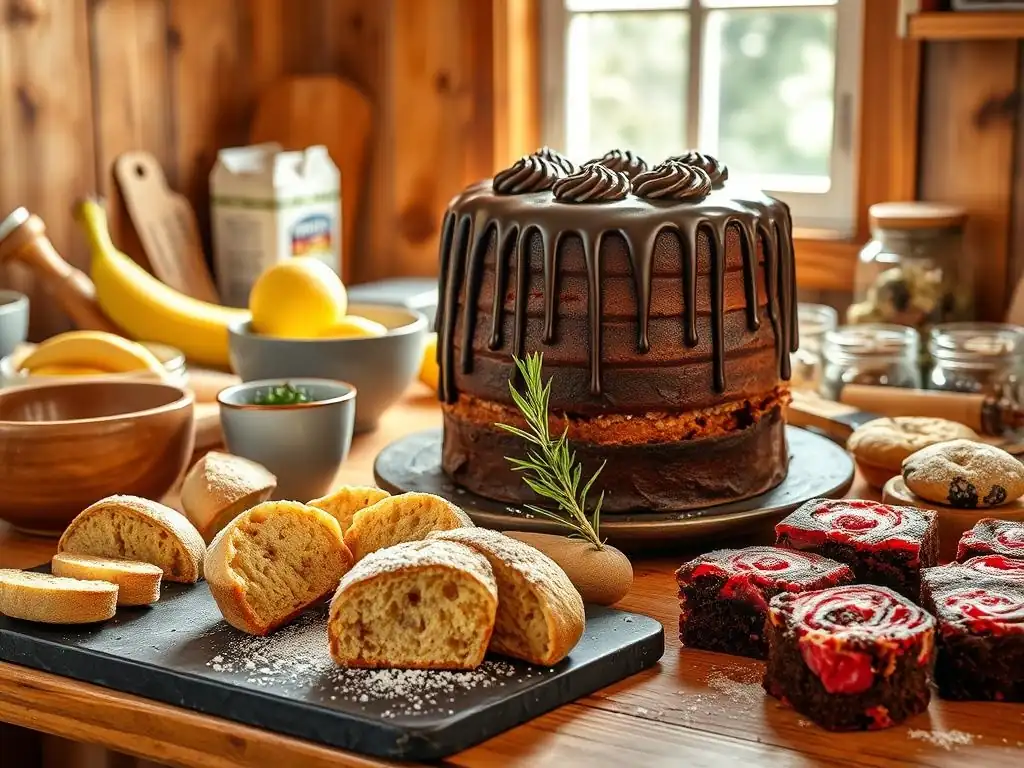
Welcome to BakeWithEase, your kitchen companion for conquering the sweet world of baking! Ever wondered if you could achieve perfectly delicious desserts without eggs? You're in the right place. Dive in and discover our collection of eggfree baking recipes desserts that prove you don't need eggs to create mouthwatering masterpieces. Get ready to unlock a whole new world of possibilities – the secret to delectable, allergy-friendly treats awaits!
- Introduction to Egg-Free Baking for Delicious Desserts
- Essential Egg Substitutes for Baking Success
- Mastering Egg-Free Baking Techniques
- Delicious Egg-Free Dessert Recipes to Try at Home
- Troubleshooting Common Egg-Free Baking Problems
- Tips and Tricks for Enhancing Your Egg-Free Baking
- Conclusion: Enjoying Delicious Desserts, Egg-Free!
-
Frequently Asked Questions
- What are some common substitutes for eggs in egg-free baking recipes?
- Can I still bake cakes and cookies if I have an egg allergy?
- Where can I find reliable egg-free baking recipes for desserts?
- Do egg-free desserts taste different from desserts made with eggs?
- Are there any specific tips for successful egg-free baking?
- Final Reflection: Embracing Egg-Free Baking: A Sweet Revolution
- Unleash Your Egg-Free Baking Genius!
Introduction to Egg-Free Baking for Delicious Desserts
Welcome to the wonderful world of egg-free baking! Whether you're dealing with an egg allergy, baking for someone who is, or simply exploring new ways to create delicious treats, mastering egg-free baking opens up a whole realm of possibilities. You can still enjoy moist cakes, chewy cookies, and fluffy muffins without a single egg. It's all about understanding the role eggs play and finding creative substitutes that perform similar functions. This guide is designed to walk you through the essentials, providing practical tips and tempting egg-free baking recipes desserts that everyone can enjoy.
Diving into egg-free baking doesn't mean sacrificing flavor or texture. In fact, it can be a fantastic opportunity to experiment with alternative ingredients and discover new favorites. Many common pantry staples can act as excellent egg substitutes, offering unique characteristics that can even enhance your baked goods. We'll explore everything from simple fruit purees to specialized commercial replacers, giving you the confidence to tackle any recipe and create delightful egg-free dessert recipes right in your own kitchen.
Why Explore Egg-Free Dessert Recipes?
Exploring egg-free dessert recipes is essential for inclusivity in baking. An estimated 1-2% of young children have an egg allergy, making it one of the most common food allergies. While many children outgrow it, some carry the allergy into adulthood. This means that for gatherings, parties, or even just everyday treats, having reliable egg-free options ensures that friends, family, and guests with this dietary restriction can safely indulge alongside everyone else. It's about creating a welcoming environment where delicious desserts are accessible to all, regardless of dietary needs.
Beyond allergies, many people choose to explore egg-free baking for ethical or dietary reasons, such as following a vegan lifestyle. This growing interest has fueled innovation in the baking world, leading to a wider availability of ingredients and techniques tailored for baking without eggs. Embracing these methods not only caters to specific needs but also broadens your baking horizons, encouraging creativity and a deeper understanding of how different ingredients interact to create the desired texture, structure, and flavor in your finished desserts.
Understanding Egg Allergies and Baking
An egg allergy is an immune system reaction to proteins in eggs, typically ovalbumin, ovomucoid, conalbumin, and lysozyme. Reactions can range from mild symptoms like hives or digestive issues to severe anaphylaxis. For someone with an egg allergy, even trace amounts of egg protein can trigger a reaction, which is why strict avoidance is crucial. This makes understanding how eggs are used in baking and identifying reliable substitutes paramount for safe egg-free baking recipes desserts. Cross-contamination is also a significant concern in shared kitchens, requiring careful cleaning of utensils and surfaces.
In baking, eggs serve multiple critical functions: they act as binders, helping ingredients hold together; they provide moisture; they contribute to leavening (rise) when whipped or combined with leavening agents; they add richness and flavor; and they contribute to the overall structure and color of the finished product. When you remove eggs from a recipe, you need substitutes that can replicate these roles.
Simply omitting the egg without replacement will likely result in a dense, dry, or crumbly baked good. Successful egg-free baking involves strategically choosing substitutes that can compensate for the specific functions the egg would have performed in that particular recipe.
Essential Egg Substitutes for Baking Success
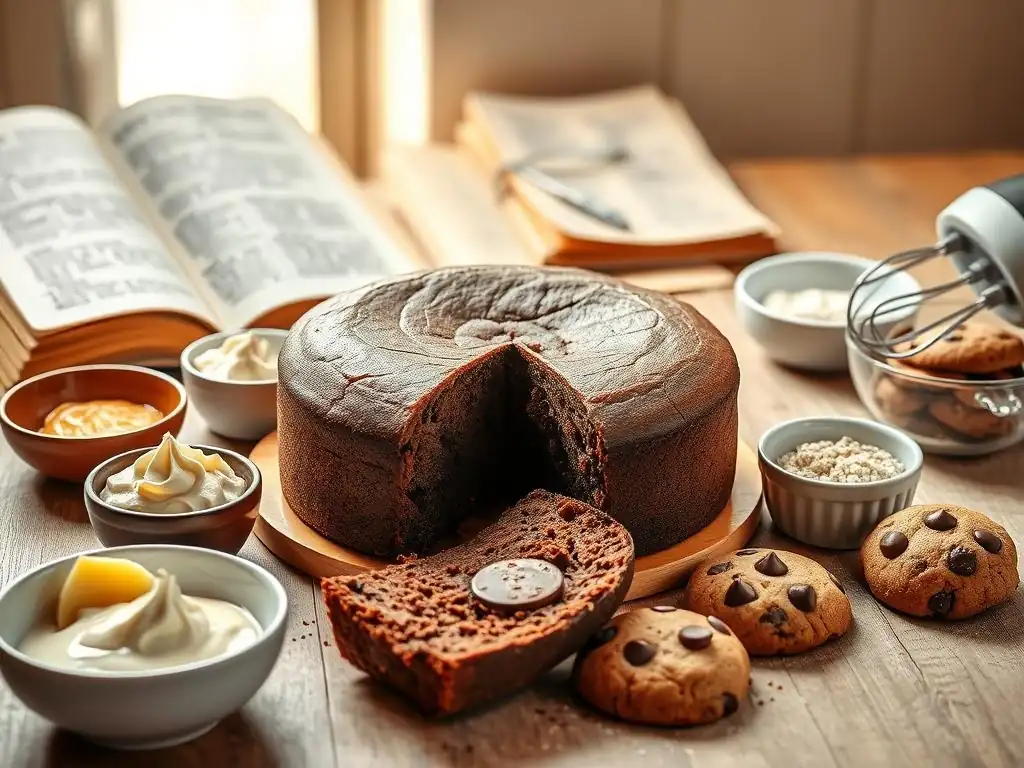
Finding the right egg substitute is key to successful egg-free baking recipes desserts. The best choice often depends on what the original recipe intended the egg to do – bind, moisten, or leaven. Fortunately, there are many effective options readily available. Experimentation is part of the fun, as different substitutes can yield slightly different results in terms of texture and flavor.
Here are some of the most popular and effective egg substitutes you can use to create fantastic egg-free dessert recipes:
Fruit Purees: Applesauce, Banana, and More
Fruit purees like applesauce, mashed banana, and pumpkin puree are excellent for adding moisture and binding power to baked goods, making them popular choices in egg-free baking recipes desserts. A common ratio is roughly 1/4 cup (about 60g) of puree per egg replaced. Applesauce, particularly unsweetened, is a neutral option that doesn't significantly alter the flavor of the dessert, making it versatile for cakes, muffins, and quick breads. It contributes moisture and a tender crumb.
Mashed banana, on the other hand, adds a distinct banana flavor and sweetness, best suited for recipes where that profile is welcome, such as banana bread or muffins. It also provides good binding and moisture. Pumpkin puree functions similarly to applesauce but adds a subtle earthy flavor and orange hue, perfect for spiced cakes or muffins. While these purees add moisture and some binding, they don't provide significant leavening, so you might need to slightly increase chemical leaveners like baking soda or baking powder in recipes relying heavily on eggs for rise.
Seeds: Chia Seeds and Flaxseed "Eggs"
Chia seeds and flaxseeds are powerhouse egg substitutes, particularly effective as binders in egg-free baking recipes desserts. When ground and mixed with water, they form a gelatinous mixture often referred to as a "chia egg" or "flax egg." The typical ratio is 1 tablespoon of ground seeds mixed with 3 tablespoons of water, left to sit for about 5-10 minutes until thickened. This mixture replaces one egg.
These seed "eggs" are fantastic in recipes where binding is the primary role of the egg, such as cookies, muffins, brownies, and some cakes. They provide essential structure and help hold ingredients together. Flax eggs tend to have a slightly nuttier flavor than chia eggs, and both can leave tiny specks in lighter-colored baked goods, which is something to consider depending on the desired appearance. While they offer excellent binding, they don't contribute much to leavening, so recipes relying on fluffy, airy textures might require additional leavening support.
Commercial Egg Replacers: A Review
Commercial egg replacers are specially formulated products designed to mimic the functions of eggs in baking, offering convenience and reliable results for many egg-free baking recipes desserts. These products are typically made from a blend of starches (like potato or tapioca), leavening agents (like baking soda and cream of tartar), and sometimes binding gums (like cellulose or xanthan gum). They are usually mixed with water according to package instructions to create a paste or liquid substitute for each egg.
Brands like Ener-G Egg Replacer or Bob's Red Mill Egg Replacer are popular examples. They are versatile and work well in a variety of baked goods, from cookies and muffins to cakes. Because they contain leavening agents, they can help provide some lift, though often not as much as a whipped egg. They are often neutral in flavor and don't add significant moisture or fat compared to eggs, which might require slight adjustments elsewhere in the recipe. Following the specific instructions on the packaging is crucial for optimal results when using these convenient alternatives in your egg-free dessert recipes.
Other Common Substitutes: Yogurt, Silken Tofu, and Aquafaba
Several other common ingredients can serve as effective egg substitutes in egg-free baking recipes desserts, each with unique properties. Plain dairy or non-dairy yogurt (like soy or coconut yogurt) can replace eggs, typically using about 1/4 cup (around 60g) per egg. Yogurt adds moisture, richness, and some acidity which can react with baking soda to aid leavening. It works well in muffins, cakes, and quick breads, contributing to a tender texture.
Silken tofu, when blended until smooth, can also replace eggs, offering moisture and binding. About 1/4 cup (roughly 60g) of pureed silken tofu can substitute for one egg. It's relatively neutral in flavor but adds density, making it suitable for richer, moister baked goods like brownies, cheesecakes (vegan versions), or dense cakes.
Aquafaba, the liquid from canned chickpeas, is a remarkable substitute, especially for recipes requiring whipped egg whites. It can be whipped into stiff peaks just like meringue, making it perfect for mousses, meringues, or adding lightness to cakes and macarons in egg-free dessert recipes. Approximately 3 tablespoons of aquafaba can replace one egg.
Mastering Egg-Free Baking Techniques
Successful egg-free baking recipes desserts often require more than just swapping ingredients; understanding how to adjust techniques is key. Eggs perform critical structural roles, and replicating these without them can be a nuanced process. It's about balancing ingredients and handling the batter or dough correctly to achieve the desired outcome.
Here are some techniques to help you master the art of baking delicious desserts without eggs:
Adjusting Recipes for Egg Omission
When converting a traditional recipe to be egg-free, simply replacing the egg with a substitute is the first step, but often not the only one. Consider what the egg was primarily doing. If it was for binding and moisture in cookies, a flax egg or applesauce might work well.
If it was for leavening and structure in a cake, you might need a combination of a binder (like commercial replacer or puree) and potentially a slight increase in baking powder or baking soda to ensure adequate rise. For instance, if a recipe calls for 2 eggs in a cake, you might use 1/2 cup applesauce plus an extra teaspoon of baking powder to help with lift.
Also, pay attention to the liquid content. Some substitutes like purees or yogurt add significant moisture, while others like commercial replacers do not. You might need to slightly reduce other liquids (like milk or water) if using a moist substitute or add a splash more if using a dry one.
The fat content can also differ; eggs add richness, so adding a tablespoon of oil or vegan butter might be beneficial in some recipes to compensate for this in your egg-free baking recipes desserts. Start with a reliable egg-free dessert recipes specifically designed to be egg-free, as these will already have the ratios properly balanced.
The Role of Eggs in Baking: Structure, Moisture, and Leavening
Understanding the multifaceted role of eggs is fundamental to successful egg-free baking recipes desserts. Eggs are like the unsung heroes in many traditional baked goods. The proteins in eggs coagulate when heated, creating a network that provides structure and stability to cakes, muffins, and breads. This protein network also helps trap air, contributing to leavening alongside chemical agents. The yolks, rich in fat and emulsifiers, add moisture, richness, and tenderness, while contributing to a smooth texture and golden color.
Without eggs, achieving the right balance of structure and tenderness can be challenging. Substitutes like flax or chia eggs provide binding structure. Purees and yogurts add moisture and tenderness. Chemical leaveners like baking soda (which needs an acid to react, like vinegar or buttermilk/plant-based milk with lemon juice) and baking powder are crucial for lift. Sometimes, combining substitutes is necessary; for example, using a fruit puree for moisture and a commercial replacer for some structure and leavening. Mastering egg-free dessert recipes involves learning how to effectively combine these alternative ingredients to mimic the complex functions of the humble egg.
Tips for Achieving Perfect Texture in Egg-Free Desserts
Achieving the perfect texture in egg-free baking recipes desserts is entirely possible with a few key tips. One common challenge is preventing dryness or a gummy texture. Overmixing batter is a frequent culprit for toughness in egg-free baked goods, as it can overdevelop gluten. Mix just until ingredients are combined. The type and amount of substitute also play a role; too much puree can make things gummy, while not enough binder can lead to crumbling.
Baking time and temperature are also critical. Egg-free baked goods can sometimes bake faster or slower than their traditional counterparts depending on the substitute used. Keep a close eye on them and use the toothpick test – it should come out clean or with a few moist crumbs, not wet batter. Allowing baked goods to cool properly is also essential; they might be fragile when hot. Cooling on a wire rack allows air circulation, preventing a soggy bottom. Embracing these techniques will help you consistently produce beautifully textured egg-free dessert recipes.
Delicious Egg-Free Dessert Recipes to Try at Home
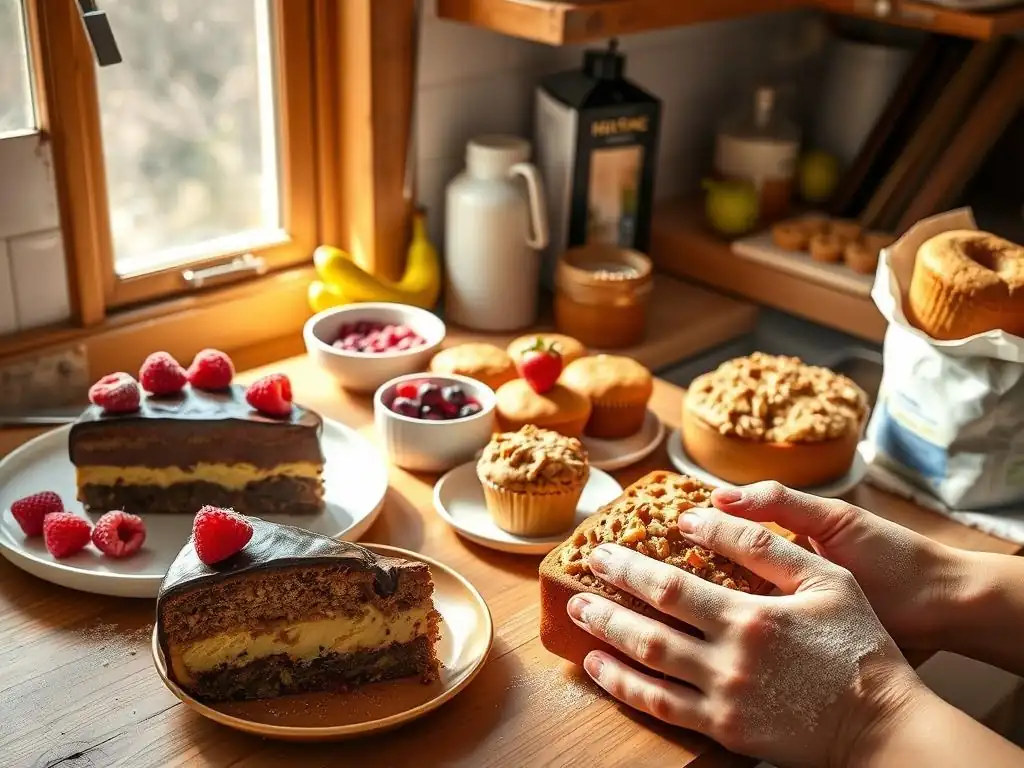
Ready to put your egg-free baking knowledge to the test? Here are some classic dessert recipes adapted to be completely egg-free, proving that you don't need eggs to bake something truly delicious. These egg-free baking recipes desserts are perfect starting points for building your confidence.
Let's get baking!
Egg-Free Chocolate Cake Recipe: A Classic Reinvented
This moist and decadent chocolate cake uses simple pantry staples to create a rich, satisfying dessert without a single egg. The combination of baking soda and vinegar provides excellent lift, resulting in a surprisingly light texture for an egg-free dessert recipes staple.
Ingredients for the Egg-Free Chocolate Cake
- 1 1/2 cups all-purpose flour
- 1 cup granulated sugar
- 1/4 cup unsweetened cocoa powder
- 1 teaspoon baking soda
- 1/2 teaspoon salt
- 1 cup plant-based milk (like almond or soy)
- 1/3 cup vegetable oil or melted vegan butter
- 1 teaspoon vanilla extract
- 1 tablespoon white vinegar
Step-by-Step Baking Instructions
Here is a simple process for baking this delicious egg-free chocolate cake:
- [ ] Preheat oven to 350°F (175°C). Grease and flour an 8x8 inch baking pan.
- [ ] In a large bowl, whisk together the dry ingredients: flour, sugar, cocoa powder, baking soda, and salt.
- [ ] In a separate bowl, whisk together the wet ingredients: plant-based milk, oil, and vanilla extract.
- [ ] Pour the wet ingredients into the dry ingredients and mix until just combined. Do not overmix.
- [ ] Add the white vinegar to the batter and stir quickly. The batter may look slightly bubbly. This reaction helps with leavening.
- [ ] Pour the batter into the prepared pan.
- [ ] Bake for 30-35 minutes, or until a toothpick inserted into the center comes out clean.
- [ ] Let the cake cool in the pan for 10 minutes before inverting onto a wire rack to cool completely.
- [ ] Frost once completely cool. Enjoy your delightful egg-free dessert recipes creation!
Vegan Vanilla Cupcakes: Light and Fluffy Without Eggs
These vegan vanilla cupcakes are incredibly light and fluffy, proving that you can achieve a tender crumb in egg-free baking recipes desserts. They use a combination of leavening agents and plant-based ingredients to replace the function of eggs.
Creating the Perfect Vanilla Cupcake Batter
The key to light vegan cupcakes lies in the reaction between acid and baking soda and careful mixing. Using a combination of baking powder and baking soda (activated by an acid like vinegar or lemon juice added to the plant milk) provides the necessary lift. Creaming vegan butter and sugar properly incorporates air, contributing to a tender texture. Overmixing the batter will develop gluten, resulting in tough cupcakes, so mix only until the dry ingredients are just incorporated into the wet. The consistency should be smooth but not overworked.
Using a quality plant-based milk (like soy or oat) and a neutral oil or melted vegan butter also contributes to the moistness and flavor. Vanilla extract is crucial for that classic vanilla taste. Ensure all ingredients are at room temperature for better emulsification and a smoother batter. This attention to detail in preparing the batter is essential for achieving light and airy egg-free dessert recipes like these cupcakes.
Baking and Frosting Your Egg-Free Cupcakes
Fill cupcake liners about two-thirds full to prevent overflowing. Bake in a preheated oven, typically around 350°F (175°C), for 18-22 minutes, or until a toothpick inserted comes out clean. Baking time can vary slightly depending on your oven and the size of the cupcakes. Avoid opening the oven door too early, as this can cause them to sink.
Once baked, remove the cupcakes from the oven and let them cool in the muffin tin for a few minutes before transferring them to a wire rack to cool completely. Frosting warm cupcakes will cause the frosting to melt. A simple vegan buttercream (made with vegan butter, powdered sugar, and plant-based milk) is a perfect topping for these egg-free dessert recipes. Ensure the cupcakes are entirely cool before piping or spreading your chosen frosting.
Egg-Free Brownies: Fudgy and Irresistible
Achieving fudgy brownies without eggs might seem like a challenge, but it's entirely possible! The key is using ingredients that provide moisture and richness, mimicking the role of egg yolks, while ensuring enough structure to hold them together. These egg-free baking recipes desserts focus on fat and sugar ratios for that classic fudgy chew.
Achieving the Ideal Brownie Texture
Fudgy brownies rely on a high fat-to-flour ratio and minimal leavening compared to cakey brownies. Melted vegan butter or oil and cocoa powder contribute significantly to the fudgy texture and intense chocolate flavor. Using a binding agent like applesauce (about 1/4 cup per egg replaced) or a flax egg helps hold the brownies together without making them cakey. Some recipes even use silken tofu blended smooth, which adds moisture and richness, contributing to a dense, fudgy texture.
Mixing technique is also important; avoid overmixing after adding the dry ingredients. Baking time is crucial – fudgy brownies are slightly underbaked in the center when removed from the oven. The edges should look set, but the center might still seem a little soft. They will continue to set as they cool. Baking for too long is the quickest way to end up with dry, crumbly brownies instead of the desired fudgy egg-free dessert recipes.
Adding Variations: Nuts, Chocolate Chips, and More
Enhancing your egg-free brownies with mix-ins is a great way to customize them. Stir in 1/2 cup to 1 cup of vegan chocolate chips into the batter before baking for extra pockets of melted chocolate. Chopped nuts like walnuts or pecans (about 1/2 cup) add a delightful crunch and nutty flavor. For a touch of saltiness, sprinkle flakey sea salt over the top before baking.
Other additions could include dried fruit like cherries, swirls of vegan caramel or peanut butter added just before baking, or even a dash of espresso powder in the batter to deepen the chocolate flavor. Just be mindful that adding too many wet mix-ins (like fruit purees beyond the egg substitute) could alter the texture. These variations make your egg-free baking recipes desserts even more exciting!
Cookies are a beloved treat, and making them egg-free is surprisingly simple! The key functions of eggs in cookies are typically binding and adding moisture. Many common substitutes work wonderfully, resulting in chewy, crispy, or soft cookies depending on the recipe. Exploring easy egg-free cookie recipes is a great way to start your egg-free baking journey.
Tips for Baking Egg-Free Cookies
For chewy cookies, using a moist binder like applesauce (about 1/4 cup per egg) or mashed banana works well, and often requires slightly longer baking at a lower temperature. For crispier cookies, a commercial egg replacer or flax egg provides enough binding without excess moisture. Creaming vegan butter and sugar thoroughly is essential for incorporating air and contributing to spread and texture.
Chilling the dough is often crucial in egg-free cookie recipes. Doughs made with alternative binders can sometimes spread more than traditional doughs. Chilling helps solidify the fats and allows the flavors to meld, resulting in better-shaped cookies and improved texture. Bake cookies on parchment paper to prevent sticking and ensure even baking. Watch them closely as baking times can vary; cookies are often done when the edges are golden and the centers look slightly underbaked.
Recipe variations: Chocolate Chip, Oatmeal, Peanut Butter
- Egg-Free Chocolate Chip Cookies: Replace eggs with 1/4 cup applesauce or a flax egg (1 tbsp ground flax + 3 tbsp water) per egg called for in a standard recipe. Use vegan chocolate chips. Chill dough for at least 30 minutes before baking.
- Egg-Free Oatmeal Cookies: Similar to chocolate chip cookies, use applesauce or a flax egg. The oats themselves also provide some binding. Adding a touch more moisture, like a tablespoon of plant-based milk, can help if the dough seems dry.
- Egg-Free Peanut Butter Cookies: Many traditional peanut butter cookie recipes are naturally egg-free or require minimal modification, often using just peanut butter, sugar, and flour. If a recipe calls for an egg, a small amount of applesauce (perhaps 2 tablespoons) or a commercial replacer can work, but often the peanut butter provides sufficient binding. These are some of the easiest egg-free baking recipes desserts to adapt!
Troubleshooting Common Egg-Free Baking Problems
Even experienced bakers encounter issues, and egg-free baking can sometimes present unique challenges. Understanding common problems and their solutions will save you frustration and help you refine your egg-free baking recipes desserts.
Here's how to tackle some frequent hurdles:
Dry or Crumbly Desserts: Solutions and Prevention
If your egg-free baking recipes desserts, like cakes or muffins, turn out dry or crumbly, it's often due to a lack of moisture or insufficient binding. Possible causes include:
- Not enough liquid: Some egg substitutes don't add much moisture. Ensure your recipe has enough liquid overall.
- Too much flour: Accurate measurement is key. Too much dry ingredient absorbs excess moisture.
- Overbaking: Baking for too long at too high a temperature dries out baked goods quickly.
- Insufficient binder: The substitute didn't effectively hold the ingredients together.
To prevent this, ensure you are using the correct amount of a suitable, moist substitute (like puree or yogurt) if the recipe needs moisture. Measure flour accurately, preferably by weight if possible. Always test for doneness using a toothpick and remove from the oven as soon as they are ready. If a recipe consistently turns out dry, try slightly increasing the amount of the moist substitute or adding a tablespoon or two of extra liquid (like plant milk or oil) in your next attempt at those egg-free dessert recipes.
Dense or Gummy Textures: How to Avoid Them
Dense or gummy textures are another common issue in egg-free baking recipes desserts. This can happen when the batter or dough is too heavy, lacks sufficient leavening, or is overmixed.
- Lack of leavening: Eggs contribute to lift. Ensure your recipe has adequate chemical leaveners (baking soda/powder) and that they are fresh. Combining baking soda with an acid (like vinegar or lemon juice) is crucial for activation.
- Too much binder/moisture: Using too much of a dense substitute like puree or silken tofu can weigh down the batter and make it gummy.
- Overmixing: Developing too much gluten by overmixing creates a tough, dense texture. Mix only until ingredients are just combined.
- Incorrect baking temperature: Baking at too low a temperature can prevent proper rise and structure development.
To avoid density, double-check leavener amounts and freshness. Use the appropriate amount of egg substitute – often 1/4 cup per egg is sufficient for most substitutes. Fold wet and dry ingredients together gently until just combined. Ensure your oven is preheated correctly. Adjusting your approach based on these factors will help you achieve lighter, more tender egg-free dessert recipes.
Addressing Flavor Issues in Egg-Free Baking
Sometimes, egg substitutes can impart a slight flavor to your egg-free baking recipes desserts. Flax eggs can taste slightly nutty, and some commercial replacers might have a starchy undertone.
To mitigate unwanted flavors:
- Choose neutral substitutes: Unsweetened applesauce or blended silken tofu are generally neutral. Some commercial replacers are also designed to be flavorless.
- Enhance flavors with extracts and spices: Vanilla extract, almond extract, cinnamon, nutmeg, and cocoa powder can help mask subtle off-flavors from substitutes.
- Use strong flavor profiles: Recipes featuring chocolate, citrus, or strong spices are excellent for masking subtle flavors from substitutes. Brownies, spice cakes, or lemon muffins are great candidates for egg-free dessert recipes where this is less of an issue.
Experimenting with different substitutes and flavorings will help you find combinations that work best for your palate and specific egg-free baking recipes desserts.
Tips and Tricks for Enhancing Your Egg-Free Baking
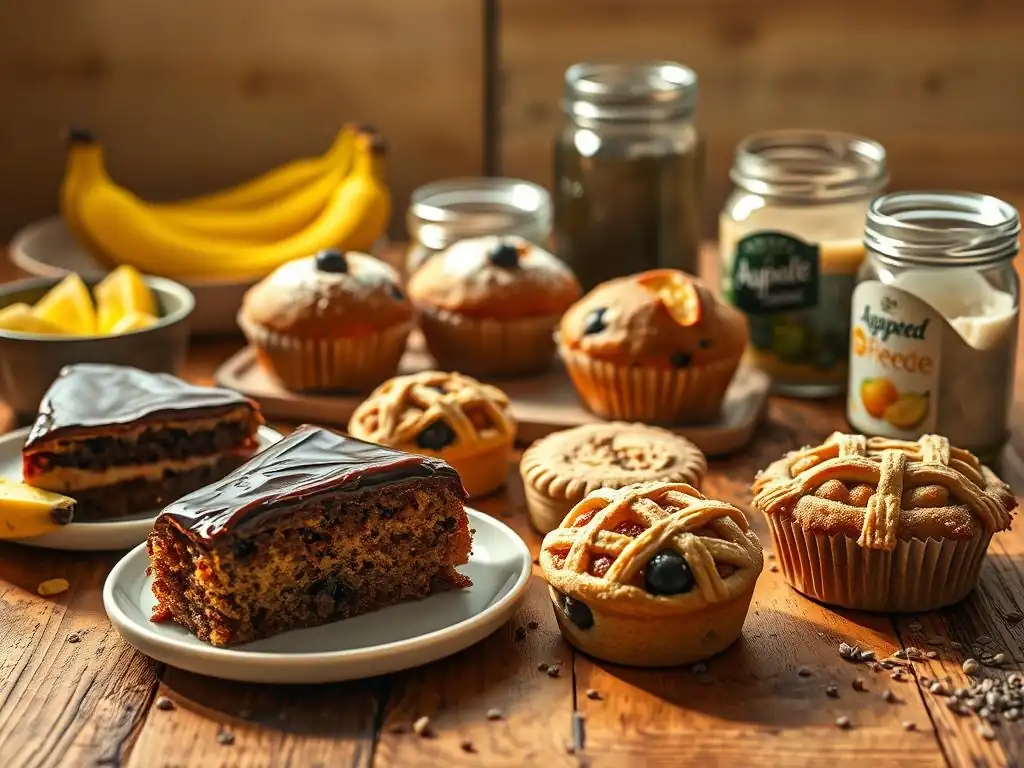
Beyond just substituting eggs, there are many ways to elevate your egg-free baking recipes desserts and make them truly spectacular. Small additions and techniques can make a big difference in flavor, texture, and appearance.
Here are some simple tips to enhance your egg-free creations:
Using Extracts and Spices to Add Flavor
Extracts and spices are your best friends in egg-free baking recipes desserts. Since you might not have the richness or subtle flavor contribution of eggs, intensifying other flavors is important. Don't be shy with vanilla extract; use a good quality one, as it enhances sweetness and overall flavor. Almond extract pairs wonderfully with vanilla or fruit flavors. Citrus zests (lemon, orange) add brightness and complexity.
Spices like cinnamon, nutmeg, ginger, cloves, and cardamom are fantastic in cakes, muffins, and cookies, especially those using fruit purees or oatmeal as binders. Cocoa powder is essential for chocolate egg-free baking recipes desserts. Consider using Dutch-process cocoa for a smoother, richer chocolate flavor. A pinch of salt, even in sweet recipes, helps balance sweetness and bring out other flavors.
Incorporating Chocolate and Other Mix-Ins
Just like in traditional baking, chocolate chips, chunks, or swirls are excellent additions to egg-free baking recipes desserts. Ensure you are using vegan chocolate if necessary. Melting chocolate and swirling it into brownie batter or adding chunks to cookies adds pockets of intense flavor and gooey texture.
Other popular mix-ins include:
- Nuts (walnuts, pecans, almonds) for crunch.
- Dried fruits (cranberries, cherries, raisins) for chewiness and bursts of flavor.
- Shredded coconut for texture and tropical flavor.
- Zests (citrus) for brightness.
- Streusel toppings for added texture and sweetness on muffins or coffee cakes.
These additions not only enhance flavor and texture but also make your egg-free dessert recipes more visually appealing and interesting.
Storage Tips for Egg-Free Baked Goods
Proper storage is important for maintaining the freshness and texture of your egg-free baking recipes desserts. Since egg-free goods can sometimes dry out faster than those made with eggs, airtight storage is key.
- Cakes, Muffins, and Quick Breads: Store at room temperature in an airtight container for 2-3 days. For longer storage, wrap tightly in plastic wrap and then foil, and freeze for up to 2-3 months. Thaw at room temperature.
- Cookies and Brownies: Store in an airtight container at room temperature for 3-5 days. Most cookies and brownies also freeze well for up to 3 months when stored in a freezer-safe container or bag.
- Refrigeration: Some egg-free desserts, especially those with perishable fillings or frostings (like cream cheese style vegan frosting), may need refrigeration. However, refrigeration can sometimes dry out cakes and breads, so use an airtight container to minimize moisture loss.
Following these storage tips will help ensure that your delicious egg-free dessert recipes stay fresh and enjoyable for as long as possible.
Conclusion: Enjoying Delicious Desserts, Egg-Free!
Congratulations! You've taken a fantastic step into the world of egg-free baking recipes desserts. By understanding the role of eggs and exploring the many versatile substitutes available, you are well-equipped to create a wide variety of delicious treats that are safe and enjoyable for everyone, including those with egg allergies. Baking without eggs is not a limitation, but rather an invitation to experiment, learn, and discover new favorite ways to bake.
From fudgy brownies to fluffy cupcakes, the possibilities in egg-free baking recipes desserts are vast. Don't be discouraged if your first few attempts aren't perfect; baking is a skill that improves with practice. Each batch is a learning opportunity. Embrace the process, have fun with it, and enjoy the rewarding experience of bringing delightful, inclusive desserts to your table.
The Future of Egg-Free Baking
The landscape of egg-free baking is constantly evolving. As demand grows due to increasing awareness of allergies, dietary choices like veganism, and a desire for more sustainable food options, innovation in this area is booming. We're seeing new and improved commercial egg replacers, creative uses of plant-based ingredients, and a wealth of new egg-free baking recipes desserts being developed by talented bakers and food scientists.
This ongoing development means that egg-free dessert recipes are becoming easier, more reliable, and even more delicious than ever before. Ingredients like aquafaba, which was once discarded, are now celebrated for their unique properties. As research continues, we can expect to see even more exciting and effective substitutes and techniques emerge, making it simpler than ever to bake fantastic desserts without eggs.
Embrace the Possibilities of Egg-Free Dessert Recipes
Ultimately, the most important takeaway is to embrace the possibilities that egg-free baking recipes desserts offer. Don't view egg-free as a compromise, but as a different, equally valid, and often incredibly creative way to bake. Whether you're whipping up a batch of chewy egg-free chocolate chip cookies, baking a moist egg-free vanilla cake, or perfecting fudgy egg-free brownies, the joy of baking and sharing delicious treats remains the same.
So, stock up on some substitutes, pick an egg-free dessert recipes that appeals to you, and get baking! You might just discover a new favorite recipe that happens to be entirely egg-free. Happy baking!
Frequently Asked Questions
What are some common substitutes for eggs in egg-free baking recipes?
Common egg substitutes include applesauce, mashed banana, and flaxseed meal mixed with water. These help to provide moisture and binding in your baked goods.
Absolutely! With the right egg-free recipes and substitutions, you can bake delicious cakes and cookies that are just as enjoyable as traditional versions.
Where can I find reliable egg-free baking recipes for desserts?
BakeWithEase.com offers a wide range of egg-free dessert recipes suitable for all skill levels. Look for recipes specifically designed for egg-free baking.
Do egg-free desserts taste different from desserts made with eggs?
The taste can differ slightly depending on the egg substitute used. However, with careful recipe selection, you can create egg-free desserts that are incredibly flavorful and satisfying.
Are there any specific tips for successful egg-free baking?
Yes! Be sure to measure ingredients accurately and don't overmix the batter. Also, consider using a combination of egg substitutes for the best results.
Final Reflection: Embracing Egg-Free Baking: A Sweet Revolution
The rising prevalence of egg allergies and dietary restrictions, coupled with a growing demand for inclusive recipes, makes egg-free baking not just a niche interest, but a vital culinary skill. Mastering egg-free baking isn't about limitation; it's about expanding possibilities and creating delicious, accessible desserts for everyone.
This journey into the world of egg-free baking has been a personal revelation. It's shown me the incredible creativity and adaptability of baking, proving that deliciousness isn't dependent on a single ingredient. The best things in life are unexpected.
This sentiment rings true when discovering the surprising textures and flavors achievable without eggs. The challenge of adapting classic recipes has pushed my culinary boundaries and deepened my appreciation for the science behind baking.
Now, it's your turn. Consider the possibilities that open up when you embrace egg-free baking. Experiment with the recipes provided, adapt them to your own tastes, and most importantly, share the joy of delicious, inclusive desserts with those around you. Let's continue to bake a world where everyone can enjoy a sweet treat, regardless of dietary needs.
Unleash Your Egg-Free Baking Genius!
Thanks for exploring the world of egg-free baking with us! We hope you've discovered delicious new possibilities for your favorite desserts. Now it's time to put your newfound knowledge into action!
- Bake your dream egg-free dessert: Choose your favorite recipe (or try a new one!) from the article and get baking. Let your creativity shine!
- Share your egg-cellent creations: Post a picture of your masterpiece on social media and tag us – we'd love to see what you've made!
- Challenge a friend: Nominate a friend to try egg-free baking too – it's more fun together!
Ready to amaze yourself (and others) with your baking skills? What egg-free recipe will you tackle first?