
Start Baking Right: Best Ovens for Beginners

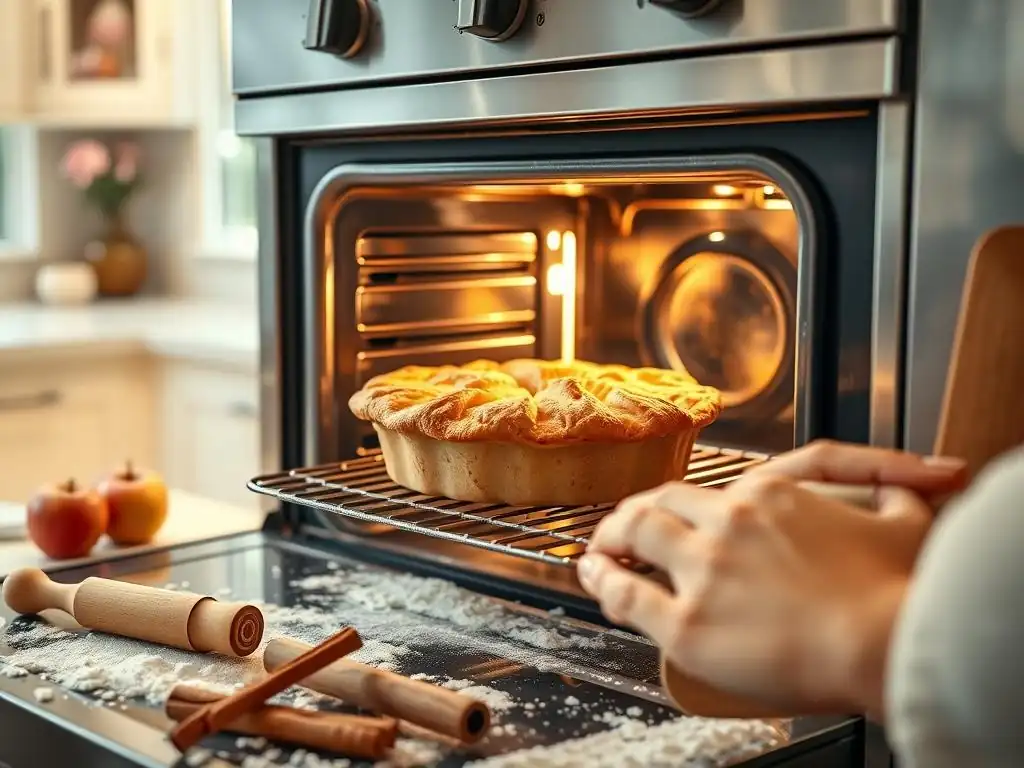
Welcome to BakeWithEase, your gateway to delicious homemade treats! Ready to ditch the kitchen chaos and finally master the art of baking? Choosing the right equipment is crucial, and that's why we're diving deep into the world of best ovens for beginner bakers. Finding the perfect oven can be daunting, but we've got you covered with our expert guide. Discover which models offer the most user-friendly features, consistent temperatures, and ultimately, set you up for baking success. Ready to heat things up? Let's get started!
- Choosing the Right Oven: A Beginner's Guide to Baking Success
-
Top 5 Best Ovens for Beginner Bakers: Reviews and Recommendations
- 1. Panasonic NN-SN686S Countertop Microwave Oven: The Versatile All-Rounder
- 2. BLACK+DECKER TO3215SS Extra Wide Crisp 'N Bake Air Fry Toaster Oven: Compact and Powerful
- 3. Oster Digital Countertop Convection Oven: Budget-Friendly Baking
- 4. Breville BOV800XL Smart Oven: Advanced Features for Growing Bakers
- 5. COSORI CO130-AO Air Fryer Toaster Oven Combo: The Multi-Functional Marvel
- Understanding Oven Types: Convection vs. Conventional for Beginner Bakers
- Essential Baking Tools for Your New Oven: Maximize Your Baking Potential
- Tips and Tricks for Beginner Oven Baking: Achieving Baking Success
- Conclusion: Choosing the Best Beginner Oven for Your Baking Journey
-
Frequently Asked Questions
- What are the most important features to look for in an oven for beginner bakers?
- Are convection ovens necessary for beginner bakers?
- What is the ideal size oven for someone just starting to bake?
- How much should I expect to spend on a good oven for a beginner?
- What are some common mistakes beginner bakers make when using an oven?
- Final Reflection: The Sweetest Beginnings: Finding Your Perfect Oven
- Unleash Your Inner Baker: Get Baking Today!
Choosing the Right Oven: A Beginner's Guide to Baking Success
Why the Right Oven Matters for New Bakers
For anyone just starting their baking journey, the oven isn't just another appliance; it's the heart of the baking process. The difference between a perfectly risen loaf of bread and a dense, flat one, or between golden-brown cookies and unevenly baked hockey pucks, often comes down to the oven's performance. A reliable oven provides consistent, accurate heat distribution, which is absolutely crucial for recipes that rely on precise temperatures and timing.
Without this consistency, beginners face an uphill battle, often troubleshooting issues that stem from the equipment rather than their technique. Investing in one of the best ovens for beginner bakers can significantly reduce frustration and build confidence.
Think about your first batch of chocolate chip cookies. A good oven will bake them evenly from edge to center, resulting in a consistent texture and color across the entire tray. A poor-performing oven, however, might burn the edges while leaving the centers raw, or bake items unevenly from one side of the rack to the other.
This inconsistency makes it difficult for beginners to learn from their mistakes or reproduce successful results. Choosing an oven designed with ease of use and reliability in mind sets a new baker up for success, allowing them to focus on mastering recipes and techniques rather than battling their equipment. Finding the best ovens for beginner bakers means finding a partner that supports your learning process.
Key Features to Consider When Buying Your First Oven
When searching for the best ovens for beginner bakers, several features stand out as particularly beneficial. First and foremost is temperature accuracy and consistency. Look for ovens with reliable thermostats that maintain the set temperature without significant fluctuations. Features like convection (though we'll discuss this more later) can help with even heat distribution, but a solid conventional heating element is the baseline requirement. Another critical feature is intuitive controls; digital displays with clear settings for temperature and time are often easier for beginners to navigate than complex dials or multiple knobs.
Size is also a practical consideration. Will you primarily be baking small batches of cookies or cupcakes, or do you envision baking larger items like full-sized cakes or loaves of bread? Countertop ovens are excellent for small spaces and single bakers, while full-sized range ovens offer more capacity.
For the best ovens for beginner bakers, features like an internal light to check on your progress without opening the door (and losing heat) and multiple rack positions for flexibility are also highly valuable. These seemingly small details contribute significantly to the ease of the baking process for someone learning the ropes.
Top 5 Best Ovens for Beginner Bakers: Reviews and Recommendations
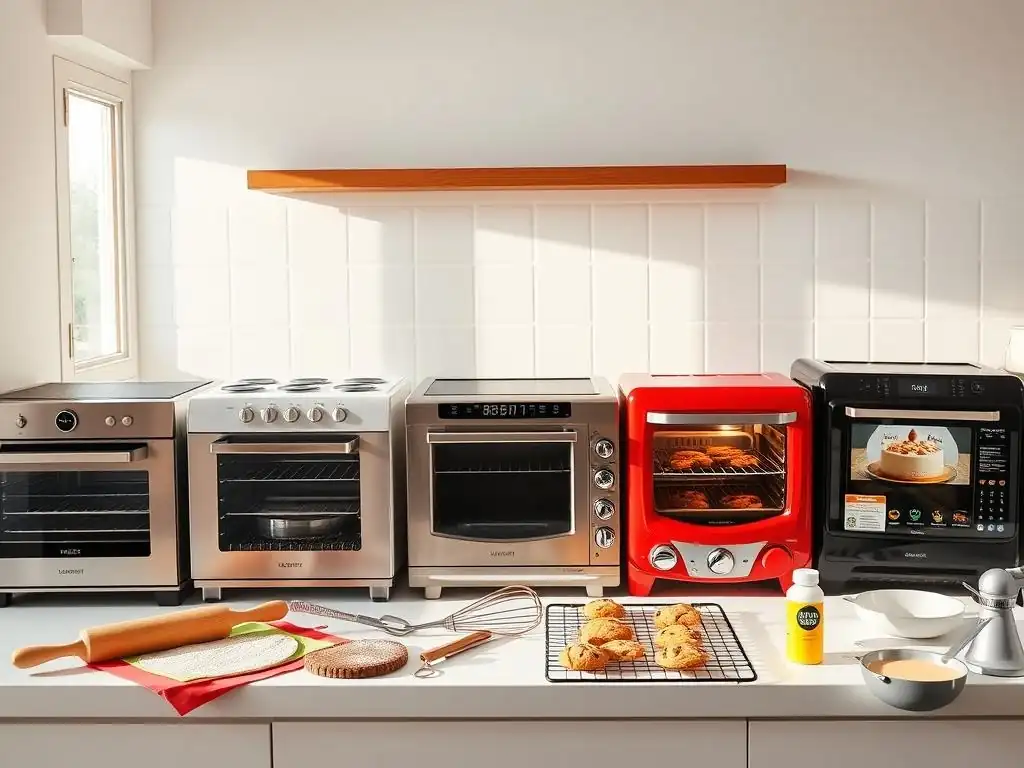
1. Panasonic NN-SN686S Countertop Microwave Oven: The Versatile All-Rounder
Features of the Panasonic NN-SN686S for Beginner Baking
While primarily known as a microwave, the Panasonic NN-SN686S boasts inverter technology, which provides a consistent, steady stream of power, unlike traditional microwaves that cycle on and off. This inverter technology, combined with its ability to function as a convection oven (though often labeled as "broil" or specific presets), allows for more even cooking and browning than you might expect from a microwave-centric appliance. It typically offers around 1200 watts of power and a capacity of about 1.2 cubic feet, sufficient for smaller baking tasks like muffins, brownies, or even a small cake.
This model also often includes various pre-programmed settings for specific foods, which can be helpful for beginners who want to follow simple instructions. The control panel is usually digital and relatively straightforward. While it won't replace a dedicated full-sized oven for large-scale baking, its ability to handle smaller baking tasks with more consistency than a standard microwave makes it a surprisingly capable option for beginners who are short on space or primarily bake small items.
Why It's Great for New Bakers: Ease of Use and Consistent Results
The Panasonic NN-SN686S is appealing to beginners due to its multi-functionality and relatively simple interface. For someone just dipping their toes into baking, having an appliance that can handle simple microwave tasks and offer some baking capability without requiring a large footprint is a significant advantage. The inverter technology contributes to more even heat distribution compared to typical microwaves, which translates to more predictable results for small baking projects. This predictability is key for beginners building confidence.
Its size makes it ideal for single servings or small batches, which is perfect for practicing new recipes without committing to large quantities. The pre-programmed settings can guide beginners through specific tasks, reducing guesswork. While not a full-fledged baking oven, its convenience and ability to produce reasonably consistent results for modest baking needs make it a contender among versatile appliances that can serve as beginner ovens for baking.
Potential Downsides: Size Considerations
The primary limitation of the Panasonic NN-SN686S for baking purposes is its size and capacity. At around 1.2 cubic feet, it's suitable for a standard 9x13 inch pan or a few smaller ramekins, but you won't be baking multiple trays of cookies or a large Thanksgiving turkey in it. The internal dimensions can also be restrictive for taller items like elaborate layer cakes.
Furthermore, while its convection-like function is better than nothing, it doesn't offer the same level of precise temperature control and even browning as a dedicated convection oven or even a good countertop toaster oven designed specifically for baking. Beginners looking to bake larger items or achieve professional-level browning and crust development will likely find this model limiting as they advance. It's a versatile starting point, but not a long-term solution for serious baking enthusiasts.
2. BLACK+DECKER TO3215SS Extra Wide Crisp 'N Bake Air Fry Toaster Oven: Compact and Powerful
Perfect for Small Kitchens and Single-Batch Baking
The BLACK+DECKER TO3215SS is designed with a spacious interior relative to its countertop footprint, often advertised as being able to fit a 9x13 inch pan. This "extra wide" design is a significant advantage for beginners in smaller kitchens or apartments, allowing them to bake standard-sized casseroles, brownies, or a decent batch of cookies on a single tray. Its compact nature means it doesn't require dedicated installation space like a full-sized range, making it an accessible option for many.
This toaster oven is ideal for baking single items or small batches, which is perfect for beginners practicing recipes without overwhelming themselves. Whether it's a few muffins for breakfast or a small loaf of quick bread, the TO3215SS handles these tasks efficiently. Its ability to accommodate standard bakeware makes it a practical choice for those just starting to build their collection of baking tools.
Key Features: Air Frying and Precise Temperature Control
A standout feature of the BLACK+DECKER TO3215SS is its multi-functionality, notably including air frying alongside traditional baking, broiling, toasting, and warming. While the air frying function isn't directly related to traditional baking, having versatility in a beginner appliance adds value. For baking, it offers temperature control, often ranging from 200°F to 450°F, covering the typical range needed for most beginner recipes from low and slow meringues to high-heat roasting.
Many models in this line feature user-friendly dials or basic electronic controls for setting temperature, time, and cooking mode. While not always as precise as high-end digital ovens, they are generally reliable enough for beginner baking tasks. The inclusion of multiple functions in one unit makes it a cost-effective choice for those starting out and looking for the best ovens for beginner bakers that offer more than just basic baking.
Pros and Cons: A Budget-Friendly Option with Reliable Performance
- Pros:
- Affordable price point, making it accessible for beginners on a budget.
- Compact size, suitable for small kitchens and limited counter space.
- Extra-wide interior accommodates standard 9x13 inch bakeware.
- Multi-functional (baking, broiling, toasting, air frying), offering versatility.
- Relatively simple controls, easy for new users to understand.
- Cons:
- Temperature accuracy and consistency can sometimes be less precise than higher-end models (using an oven thermometer is recommended).
- Limited capacity compared to full-sized ovens, not suitable for large-scale baking.
- May not offer advanced features like convection baking or precise digital programming on all models.
Overall, the BLACK+DECKER TO3215SS is a solid, budget-friendly option among beginner ovens for baking. It provides reliable performance for common baking tasks and its multi-functionality adds extra value, making it a practical choice for those just starting out.
3. Oster Digital Countertop Convection Oven: Budget-Friendly Baking
Affordable Baking: Getting Started Without Breaking the Bank
The Oster Digital Countertop Convection Oven often falls into a sweet spot for beginners: offering useful features like convection at a very accessible price. For someone unsure if baking will become a long-term hobby, investing in a costly full-sized range or high-end countertop oven might feel daunting. This Oster model provides an opportunity to experience baking with more advanced features like convection without a significant financial commitment. It allows beginners to test the waters, bake a variety of recipes, and learn fundamental techniques using equipment that offers better heat distribution than basic models.
Its affordability makes it one of the best ovens for beginner bakers who are price-conscious but still want a step up from the most basic toaster ovens. This means more aspiring bakers can get started sooner, experimenting with cookies, cakes, breads, and pastries without needing a large upfront investment in their baking equipment. It proves that you don't need to spend a fortune to start producing delicious baked goods at home.
Features and Limitations: Understanding the Trade-offs
This Oster model typically features digital controls for setting temperature and time, offering more precision than manual dials found on some budget ovens. A key feature is its convection setting, which uses a fan to circulate hot air for more even and often faster baking. It usually offers a temperature range suitable for most baking needs, often up to 450°F. Capacity varies but is often sufficient for a 9x13 inch pan or multiple smaller items.
However, as a budget-friendly option, there are trade-offs. The overall build quality might not be as robust as more expensive models, and the temperature accuracy, while generally good, might still benefit from verification with an external oven thermometer. The convection fan might not be as powerful or quiet as in premium ovens. While it offers convection, the overall baking performance might not be as consistent or powerful as a dedicated, higher-wattage convection oven.
Ideal for Simple Recipes and Small-Scale Baking Projects
The Oster Digital Countertop Convection Oven is well-suited for beginners tackling simple recipes like muffins, cupcakes, cookies, brownies, and smaller casseroles. Its size and features make it perfect for baking a single batch or item without heating a large full-sized oven. The convection feature, even if not top-tier, helps beginners understand the benefits of air circulation for more even results and potentially shorter baking times on certain recipes.
It’s a practical choice for individuals or small families. For those who bake occasionally or are just exploring different types of baked goods, this oven provides the necessary functionality without being overly complicated or expensive. It allows beginners to practice fundamental skills like measuring, mixing, and understanding baking times and temperatures in a forgiving environment.
4. Breville BOV800XL Smart Oven: Advanced Features for Growing Bakers
Stepping Up Your Baking Game: Convection and Precision
The Breville BOV800XL Smart Oven represents a significant step up for beginners who are ready to invest in more advanced features and precision. This oven utilizes element IQ technology, which directs power to where and when it's needed to create the ideal baking environment. This intelligent distribution of heat, combined with true convection (using a separate heating element with the fan), results in exceptionally even baking and consistent results, which is invaluable as beginners tackle more complex recipes.
The precision offered by this oven allows beginners to trust that the temperature they set is the temperature inside the oven, reducing one major variable in the baking process. The convection feature ensures that heat reaches all parts of the oven cavity uniformly, preventing hot spots and promoting even browning on cookies, cakes, and pastries. This level of control and consistency empowers beginners to experiment and learn more effectively.
Key Features: Digital Controls and Pre-Programmed Settings
The Breville BOV800XL is packed with features designed for ease of use and versatility. It boasts a large, clear LCD display and intuitive digital controls, allowing users to easily select temperature, time, and one of several pre-set functions (like bake, broil, roast, cookies, pizza, reheat, warm). These pre-programmed settings can be particularly helpful for beginners, providing a starting point for common items. The oven also remembers your last settings, simplifying repeat tasks.
It typically offers a wide temperature range, often from 120°F (for warming or proofing) up to 450°F or higher. The interior is usually large enough to fit a 13-inch pizza or multiple slices of toast, and often a standard 9x13 inch pan. Features like an internal light and multiple rack positions add to its functionality. The combination of precise digital control and helpful presets makes it very user-friendly for someone learning to bake.
Why It's a Good Investment: Long-Term Value and Versatility
While more expensive than the budget options, the Breville BOV800XL is often considered one of the best ovens for beginner bakers looking for long-term value. Its robust build quality and reliable performance mean it can handle a beginner's learning curve and continue to perform consistently as their skills develop. The precision and even baking capabilities are features that bakers of all levels appreciate, making it an appliance that won't need to be replaced as soon as skills improve.
Its versatility extends beyond basic baking; the ability to roast, broil, toast, and even dehydrate (on some models) makes it a powerful all-in-one countertop appliance. For a beginner who sees baking as a potentially serious hobby, the Breville offers the features and consistency needed to tackle a wider range of recipes and techniques, proving to be a worthwhile investment that supports growth in the kitchen.
5. COSORI CO130-AO Air Fryer Toaster Oven Combo: The Multi-Functional Marvel
More Than Just Baking: Air Frying and Other Cooking Options
The COSORI CO130-AO is a prime example of a modern, multi-functional countertop appliance that includes baking among its many capabilities. While its "Air Fryer Toaster Oven Combo" title highlights its air frying prowess, this unit is designed to perform a variety of cooking tasks, effectively combining several appliances into one. For beginners, this means getting a unit that can handle baking cakes and cookies, toasting bread, broiling meats, and even air frying crispy foods, all within a single footprint.
This multi-functionality is a major draw for beginners, especially those with limited kitchen space. Instead of needing separate appliances for different cooking methods, the COSORI offers a comprehensive solution. Its capacity is often generous for a countertop unit, typically fitting a whole chicken or multiple slices of toast, and suitable for standard baking pans.
Features: Dehydrate, Toast, and More
Beyond basic baking and air frying, the COSORI CO130-AO usually offers an impressive array of pre-set functions accessible via a digital control panel. These might include settings for pizza, cookies, roast, broil, toast, bagel, warm, ferment, and dehydrate. The inclusion of functions like ferment (useful for proofing bread dough) and dehydrate adds significant value for a beginner looking to explore different culinary techniques.
The digital display is typically large and easy to read, with intuitive button controls for selecting functions, adjusting time, and temperature. The temperature range is usually wide, covering everything from low temperatures for dehydrating or proofing to high temperatures for searing or broiling, suitable for most baking and cooking needs. Multiple rack positions and included accessories like a baking pan, wire rack, and air fryer basket further enhance its versatility.
Versatility for Beginners: Expanding Your Culinary Horizons
The COSORI CO130-AO is an excellent choice for beginners who are not only interested in baking but also want a versatile appliance for general cooking. Its multiple functions allow new cooks and bakers to experiment with a wide range of recipes and techniques using a single piece of equipment. For instance, a beginner might bake cookies one day, air fry chicken wings the next, and proof bread dough using the ferment function.
This versatility makes it one of the best ovens for beginner bakers who appreciate convenience and want to maximize the utility of their kitchen appliances. It provides a solid platform for learning various cooking methods, including baking, making it a valuable tool for anyone starting their culinary journey. The specific pre-set functions can also serve as helpful guides for beginners tackling new types of recipes.
Understanding Oven Types: Convection vs. Conventional for Beginner Bakers
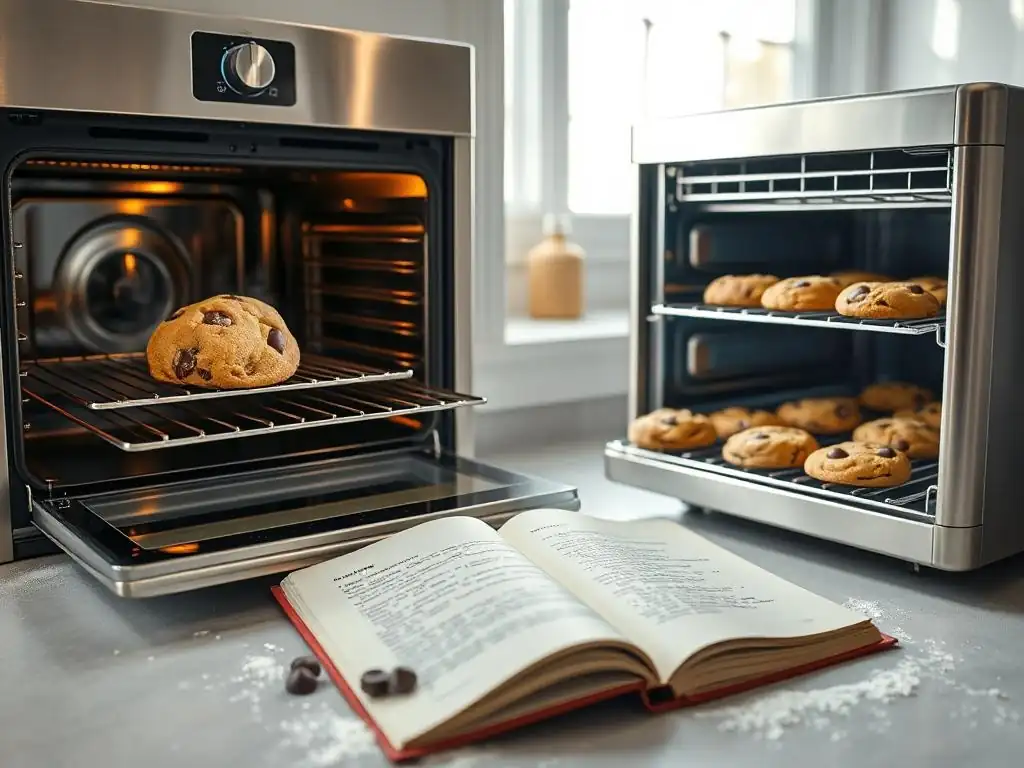
The Difference Between Convection and Conventional Ovens: What You Need to Know
When exploring the best ovens for beginner bakers, you'll often encounter two main types: conventional and convection. A conventional oven relies solely on heating elements (usually at the top and bottom) to heat the air inside the oven cavity. Heat radiates from these elements and circulates naturally, which can sometimes lead to hot and cold spots. This is the traditional type of oven most people are familiar with.
A convection oven, on the other hand, has a fan (and sometimes an additional heating element) that actively circulates the hot air throughout the oven. This forced air movement helps to distribute heat more evenly, reducing hot spots and ensuring that the temperature is consistent in all areas of the oven. For beginners, understanding this difference is key because it affects baking times, temperatures, and the outcome of your baked goods.
When to Use Convection Baking: Tips and Tricks for Beginners
Convection baking is particularly useful for certain types of baked goods and situations. Because the circulating air transfers heat more efficiently, convection typically leads to faster cooking times and more even browning. It's excellent for baking multiple trays of cookies or muffins at once, as the circulating air reaches all items equally, unlike a conventional oven where items on different racks might bake at different rates.
Convection is also great for achieving crispy exteriors on items like roasted vegetables or certain types of bread. However, the intense heat circulation can sometimes cause delicate items like soufflés or certain cakes to rise unevenly or dry out. A general rule of thumb for beginners using convection is to reduce the recipe's temperature by about 25°F (around 15°C) and/or reduce the baking time by 10-15%. Always keep a close eye on your food the first time you use convection for a specific recipe.
Mastering Conventional Baking: Simple Techniques for Consistent Results
While convection offers benefits, mastering conventional baking is equally important and often simpler for beginners to start with. Conventional ovens are perfectly capable of producing excellent baked goods; they just require a slightly different approach. Because heat rises and there can be hot spots, it's often recommended to bake on a single rack in the center of the oven for the most even results.
If baking multiple trays, you'll likely need to rotate the trays halfway through the baking time (swapping top and bottom racks and turning the trays front to back) to ensure even baking. Pay attention to your oven's specific quirks – some might have a hotter spot towards the back or front. Learning to work with your conventional oven's unique heating patterns through practice and observation is a fundamental skill for any beginner baker. Many classic recipes are written assuming conventional oven use, so starting here can make following instructions easier.
Essential Baking Tools for Your New Oven: Maximize Your Baking Potential
Baking Sheets and Pans: Choosing the Right Ones for Each Recipe
Once you've chosen one of the best ovens for beginner bakers, you'll need the right bakeware to go with it. Baking sheets (also known as cookie sheets) are flat or have shallow edges and are essential for cookies, scones, and roasting vegetables. Look for heavy-gauge aluminum ones, often referred to as "half-sheet pans" (roughly 18x13 inches) and "quarter-sheet pans" (roughly 9x13 inches), as they conduct heat evenly. Avoid dark-coated pans initially, as they can cause bottoms to brown too quickly.
You'll also need various baking pans depending on what you want to bake. Standard sizes include 8x8 inch or 9x13 inch rectangular pans for brownies and casseroles, 8 or 9 inch round cake pans, loaf pans (typically 9x5 inches) for bread and quick breads, and muffin tins (standard 12-cup). Having a few basic sizes in good quality, light-colored metal is a great starting point for any beginner.
Oven Thermometers: Ensuring Accurate Temperatures for Perfect Baking
Perhaps one of the most crucial, yet often overlooked, tools for a beginner baker is an inexpensive oven thermometer. Oven thermostats, especially in budget or older models, can be notoriously inaccurate, sometimes off by as much as 25-50°F. Baking recipes are developed based on specific temperatures, and if your oven is significantly hotter or colder than the setting indicates, your results will suffer.
An oven thermometer hangs or stands on a rack inside your oven and provides a real-time reading of the internal temperature. By using one, you can calibrate your oven's dial (e.g., if you set it to 350°F but the thermometer reads 325°F, you know to set it to 375°F next time) or at least be aware of the actual temperature your food is baking at. This simple tool removes a major variable and helps beginners achieve consistent, predictable results.
Parchment Paper and Silicone Baking Mats: Preventing Sticking and Promoting Even Baking
Parchment paper and silicone baking mats are invaluable tools for beginner bakers using any of the best ovens for beginner bakers. Parchment paper is treated paper that is non-stick and heat-resistant. Lining baking sheets or cake pans with parchment prevents food from sticking, making cleanup a breeze. It also helps with even browning on the bottom of cookies and makes transferring delicate items easy.
Silicone baking mats (like Silpat) are reusable alternatives to parchment paper. They provide an excellent non-stick surface and offer slight insulation, which can help prevent the bottoms of cookies from burning. Both parchment paper and silicone mats promote more even heat distribution across the surface of the baking sheet, contributing to consistently baked goods. Having a roll of parchment paper and perhaps one or two silicone mats is highly recommended for a smooth baking experience.
Tips and Tricks for Beginner Oven Baking: Achieving Baking Success
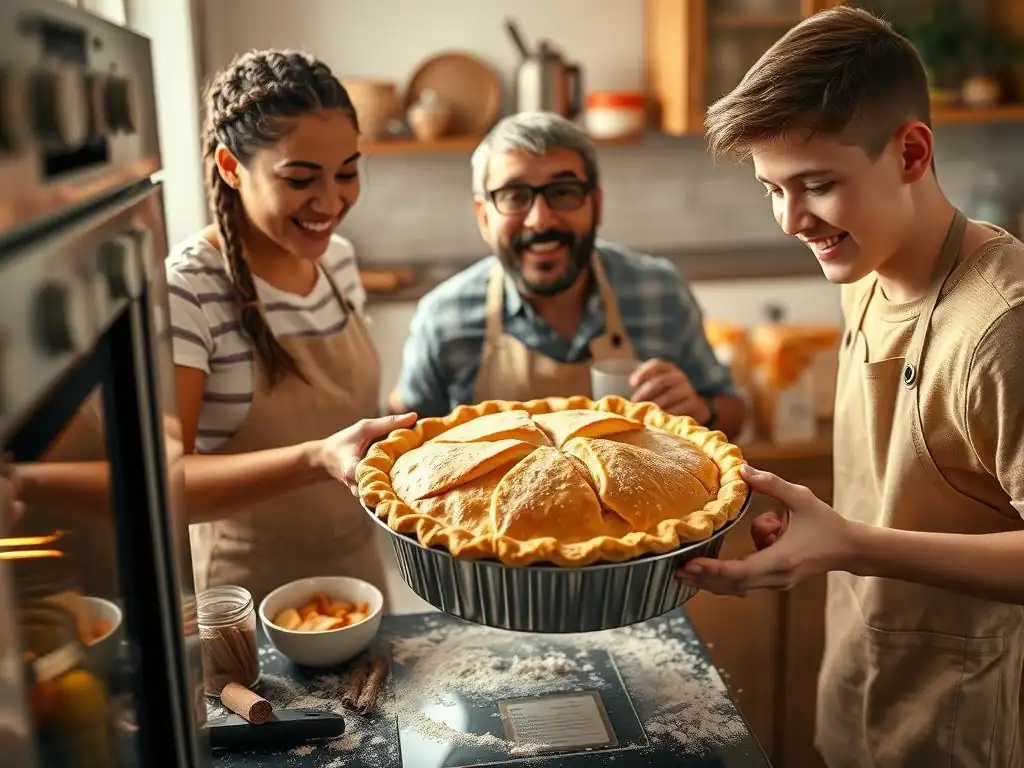
Preheating Your Oven: The Key to Consistent Results
One of the most fundamental steps in baking, often emphasized when discussing the best ovens for beginner bakers, is proper preheating. Almost every baking recipe calls for a preheated oven for a reason. Placing dough or batter into an oven that hasn't reached the correct temperature will significantly impact the outcome. Cookies will spread too much before setting, cakes might not rise properly, and bread crusts won't develop correctly.
Allow your oven sufficient time to preheat. Don't just wait for the preheat indicator light or beep to turn on; this often just means the oven has reached the set temperature, not that the entire cavity and racks are uniformly hot. For most ovens, allowing an extra 10-15 minutes after the indicator goes off ensures the heat is stable and even throughout. Using an oven thermometer during this time will show you when the oven is truly ready. This simple step is critical for consistent baking.
Oven Rack Placement: Optimizing Heat Distribution
Where you place your baking pan in the oven can significantly affect how your food bakes. Heat distribution varies depending on the oven type (conventional vs. convection) and the position of the heating elements. For most conventional ovens and recipes, the middle rack is the ideal spot. This position typically provides the most even heat exposure from both the top and bottom heating elements.
If you're baking multiple items or using a convection oven, you might use more than one rack. When using multiple racks in a conventional oven, remember to rotate them halfway through baking as mentioned earlier. In a convection oven, multiple racks are often less problematic due to air circulation, but observing how your specific oven bakes and adjusting rack position or rotation based on results is part of the learning process for a beginner baker.
Avoiding Common Baking Mistakes: Troubleshooting Tips for New Bakers
Beginning bakers often encounter common pitfalls. One is overmixing dough or batter, which can lead to tough cookies or dense cakes. Mixing until just combined is often key. Another is inaccurate ingredient measurement; using a kitchen scale for dry ingredients like flour is far more accurate than volume cups. Using ingredients at the wrong temperature (e.g., cold butter when it should be softened) is another common issue.
Finally, opening the oven door too frequently to check on progress is detrimental, especially for items that rely on steam and consistent temperature to rise, like cakes, soufflés, or bread. Each time you open the door, the oven temperature can drop by 25-50°F, prolonging baking time and potentially affecting texture. Trust your timer and use the oven light if you have one. If you must check, do so quickly towards the end of the minimum baking time specified in the recipe. Patience and observation are key skills for any beginner baker.
Conclusion: Choosing the Best Beginner Oven for Your Baking Journey
Finding the Perfect Oven for Your Needs and Budget
Choosing the best oven for beginner bakers depends heavily on your individual needs, available space, and budget. For those with limited space or who primarily bake small items, a versatile countertop model like the Panasonic or a multi-functional toaster oven like the BLACK+DECKER or COSORI could be ideal. If you're looking for a budget-friendly entry into convection baking, the Oster offers a good starting point. For beginners ready to invest in precision and long-term performance, the Breville Smart Oven stands out.
Consider how frequently you plan to bake, the types of recipes you're most interested in, and the amount of space you have. Don't feel pressured to buy the most expensive model right away. Many affordable ovens can produce excellent results for beginners. The most important factor is finding an oven that is reliable, offers reasonably consistent temperatures (verified with an oven thermometer! ), and has controls you find easy to use.
Start Baking with Ease Today!
Armed with the knowledge of what makes the best ovens for beginner bakers and the essential tools and tips to get started, you're ready to embark on your baking adventure. Remember that baking is a skill that improves with practice. Don't be discouraged by initial setbacks; every baker has had a collapsed cake or flat cookies. Learn from each attempt, pay attention to your oven's performance, and most importantly, have fun!
Choosing the right oven is just the first step. With a reliable appliance and a willingness to learn, you'll be well on your way to mastering the art of baking and enjoying delicious homemade treats baked right in your own kitchen. Explore simple recipes, practice techniques, and build your confidence one bake at a time. The world of baking is waiting for you!
Frequently Asked Questions
What are the most important features to look for in an oven for beginner bakers?
Beginner bakers should prioritize ovens with accurate temperature control, a simple interface, and even heat distribution to avoid burnt or undercooked results.
Are convection ovens necessary for beginner bakers?
While not strictly necessary, convection ovens can be beneficial. They promote even baking and can reduce cooking time, but beginners should understand how to adjust recipes accordingly.
What is the ideal size oven for someone just starting to bake?
A standard-sized oven is generally recommended. Smaller ovens may limit the types of recipes you can try, while larger ovens can be more expensive and take longer to preheat.
How much should I expect to spend on a good oven for a beginner?
Entry-level ovens with the essential features can range from $300-$700. Focus on functionality and reliability rather than splurging on advanced features you might not use initially.
What are some common mistakes beginner bakers make when using an oven?
Common mistakes include not preheating the oven properly, opening the oven door too frequently, and incorrect rack placement, all affecting the final baking outcome.
Final Reflection: The Sweetest Beginnings: Finding Your Perfect Oven
Choosing the right oven is not just about baking a cake; it's about embarking on a journey of culinary exploration. The perfect oven, as this article has highlighted, can be the difference between frustrating failures and joyful successes, especially for beginner bakers. Finding that perfect match empowers you to confidently tackle new recipes and discover the immense satisfaction of creating something delicious from scratch.
The impact of accessible baking technology on our culture is undeniable. Baking has become a cherished hobby, a creative outlet, and a way to connect with loved ones. Baking is at once child's play and adult joy. And love, of course.
This quote perfectly captures the essence of what we've explored: the simple act of baking can bring immense happiness, but having the right tools – in this case, the right oven – significantly enhances the experience and reduces the initial hurdles. The ovens discussed here represent a spectrum of options, catering to various budgets and needs, making the dream of baking accessible to a wider audience.
Now, it's your turn. Consider the features and functionalities discussed throughout this article. Reflect on your baking aspirations, your budget, and your kitchen space. Don't be afraid to invest in a tool that will empower you to create, to experiment, and to share the joy of baking with others. The perfect oven awaits, ready to be the cornerstone of your baking journey. Find yours, and let the sweet beginnings commence!
Unleash Your Inner Baker: Get Baking Today!
Thanks for taking the time to explore the world of ovens with us! We hope you now feel confident in choosing the perfect appliance to kickstart your baking journey. Ready to get those delicious smells wafting through your kitchen?
- Find your perfect oven: Use the information we've provided to browse and compare models that match your needs and budget. Remember to check those customer reviews!
- Share your baking dreams: Tell us in the comments below what kind of treats you plan to bake first! We love hearing about your baking adventures.
- Discover more baking tips: Explore our website (bakewithease.com) for more beginner-friendly guides and recipes to help you on your culinary adventure.
What incredible recipe will you bake first with your new oven?