
Startup Costs for Your Home Bakery: What to Budget For


Welcome to BakeWithEase, your trusted companion on the journey to baking brilliance! Are you dreaming of turning your passion for baking into a thriving home business? But what does it really cost to get started? This article dives deep into the essential home bakery startup costs budget, providing a clear roadmap to help you understand and manage your initial investment. Prepare to uncover the secrets to launching your sweet success story – let's get baking!
- Introduction: Planning Your Home Bakery Budget for Success
- Understanding Initial Home Bakery Startup Costs
- Detailed Breakdown of Home Bakery Startup Expenses
- Estimating Your Total Home Bakery Startup Costs
- Financing Your Home Bakery Startup
- Minimizing Home Bakery Startup Costs
- Conclusion: Investing Wisely in Your Home Bakery Dream
-
Frequently Asked Questions
- What are the main categories of startup costs for a home bakery?
- How can I minimize equipment costs when starting a home bakery?
- What's the best way to budget for ingredients in a home bakery startup?
- What are some low-cost marketing strategies for a home bakery?
- What permits and licenses do I need to operate a home bakery legally?
- Final Reflection: Baking Your Dreams into Reality
- Ready to Bake Your Dream Bakery?
Introduction: Planning Your Home Bakery Budget for Success
Embarking on the journey of starting a home bakery is an exciting venture, filled with the aroma of fresh bread and sweet treats. However, turning your passion into a profitable business requires careful planning, especially when it comes to finances. Understanding the home bakery startup costs budget is perhaps the most critical first step. A well-defined budget helps you anticipate necessary expenditures, avoid unexpected financial hurdles, and ensures you have the resources to get your business off the ground effectively.
Creating a detailed home bakery startup costs budget allows you to visualize where your initial capital will be allocated. This isn't just about buying ingredients; it involves everything from necessary equipment and legal fees to marketing and initial inventory. By meticulously itemizing each potential cost, you gain clarity on the total investment required and can make informed decisions about sourcing funds and prioritizing expenses. This foundational financial plan sets the stage for sustainable growth and helps you manage cash flow from day one.
Understanding Initial Home Bakery Startup Costs
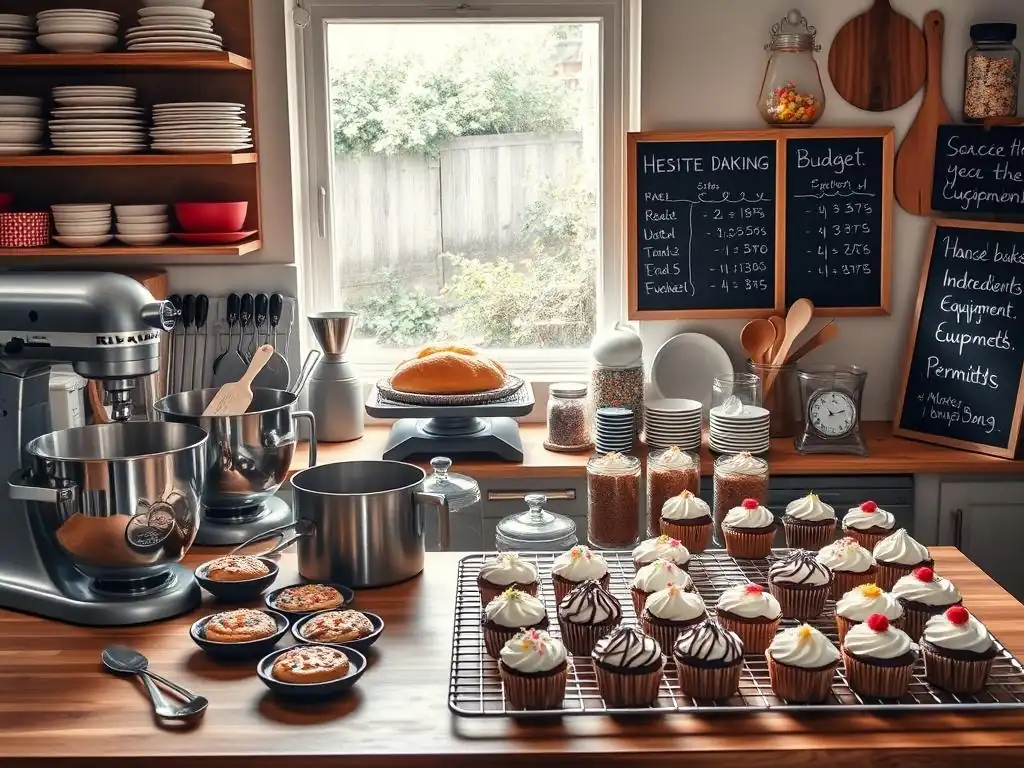
Getting a clear picture of the financial outlay required is paramount when planning your home bakery startup costs budget. These initial expenses typically fall into several key categories, each demanding careful consideration. Identifying these areas early helps prevent underestimation of the total investment needed to launch and operate legally and efficiently from your home kitchen. It's more than just mixing bowls and spatulas; it's about building a legitimate business structure.
The initial phase of establishing your home bakery involves costs that are often one-time or occur infrequently in the first year. These include significant purchases like reliable equipment, necessary legal registrations and permits, and setting up basic marketing materials. While these costs can seem substantial upfront, they are essential investments that form the backbone of your operation and contribute to your long-term success and credibility in the market.
Essential Equipment Costs for Your Home Bakery
Investing in the right equipment is fundamental to producing consistent, high-quality baked goods. While you might already own some basic kitchen items, a dedicated home bakery operation often requires more robust or specialized tools. The cost here can vary significantly depending on whether you opt for commercial-grade equipment or high-quality domestic appliances, and whether you buy new or used.
For instance, a reliable stand mixer capable of handling large batches of dough or batter is often a significant initial investment, potentially ranging from $200 for a sturdy domestic model to over $600 for higher-capacity or commercial-style units. Ovens are another major consideration; while you might start with your existing home oven, scaling up or requiring more consistent temperatures might necessitate exploring the cost of a second oven or a convection model, which could add $500 to $2,000 or more to your home bakery startup costs budget.
Baking Supplies: Budgeting for Ingredients
Beyond equipment, a substantial portion of your initial home bakery startup costs budget will be dedicated to acquiring the ingredients and supplies needed to start baking. This includes stocking up on staples like flour, sugar, butter, and eggs, as well as potentially more expensive or specialty items depending on your niche. Effective inventory management and smart sourcing are key to controlling these recurring costs.
Initial ingredient costs will depend heavily on the volume and variety of products you plan to offer from the outset. For example, stocking enough basic ingredients for a few popular items might cost $100-$300 initially. However, if you plan to offer a wider range or specialize in items requiring premium ingredients like imported chocolate or organic flours, this initial outlay could easily exceed $500. Don't forget packaging materials – boxes, bags, labels, and ribbons – which are essential for presenting your products professionally and can add another $50-$150+ to your initial supply budget.
Legal and Licensing Fees for Your Home Bakery Startup
Operating legally is non-negotiable for a home bakery and involves navigating various permits, licenses, and regulations, which come with associated fees. These requirements vary significantly by state, county, and even city, making it crucial to research the specific rules applicable to your location. Ignoring these steps can lead to costly penalties down the line.
Common legal costs include registering your business name (potentially $25-$150 depending on structure and location), obtaining a cottage food operation permit (fees can range from minimal or free in some states to $50-$200+ in others), and possibly a food handler's permit or certification for yourself and any employees (typically $10-$100 per person). Some jurisdictions may also require a home kitchen inspection, which could involve a fee, adding to the initial home bakery startup costs budget. Researching your local requirements thoroughly is vital.
Marketing and Branding Expenses for Your New Bakery
Introducing your home bakery to the world requires a budget for marketing and branding. This isn't just an optional expense; it's how you attract your first customers and build recognition. Initial marketing efforts don't have to break the bank, but they do require a dedicated portion of your home bakery startup costs budget.
Essential initial marketing costs might include designing a logo (ranging from free using online tools to $50-$500+ for a professional designer), printing business cards and flyers ($30-$100+), and potentially setting up a simple website or online store ($0 for basic social media presence to $100-$500+ for a simple platform like Etsy or Shopify). Consider a small budget for initial social media advertising, perhaps $50-$200, to boost visibility in your local area or target demographic.
Detailed Breakdown of Home Bakery Startup Expenses
Breaking down the larger categories into specific items provides a more granular view of your expected home bakery startup costs budget. This level of detail helps in accurate forecasting and ensures that no critical expense is overlooked before you even bake your first batch for a customer. Understanding the nuances within each category is key to effective financial planning.
This section dives deeper into the components of the initial investment. From the specific types of equipment you might need and their potential costs to the various legal hurdles and marketing avenues, a detailed breakdown allows for more precise budgeting. It enables you to make informed choices about where to spend and where you might be able to save without compromising quality or legality.
Baking Equipment: From Mixers to Ovens
The heart of your home bakery is its equipment. While you might leverage some existing kitchen tools, a business often demands more capacity, durability, and precision. Carefully selecting and budgeting for these items is a significant part of your home bakery startup costs budget.
Choosing the right tools impacts efficiency and the quality of your output. For example, attempting to bake large quantities of cookies with small sheet pans will slow you down significantly. Similarly, a mixer that struggles with dough will limit your bread-making capabilities. Prioritizing equipment based on your planned product offerings is a smart approach to managing these costs effectively.
Stand Mixer Costs: Choosing the Right Model
A powerful stand mixer is often considered an essential workhorse for a busy home bakery. The cost varies significantly based on brand, capacity, and motor strength. For a small operation focusing on cakes and cookies, a 4.5 or 5-quart tilt-head mixer might suffice, costing between $200 and $400 for reputable brands.
If you plan on baking large batches, particularly bread dough or stiff batters, a 6-quart or larger bowl-lift model with a more powerful motor is advisable. These heavy-duty mixers typically range from $350 to $600 or even higher for professional-grade versions. Factoring this specific appliance into your home bakery startup costs budget is crucial due to its impact on production capacity.
Oven Considerations: Existing vs. Convection
Your existing home oven is a good starting point, but its limitations in terms of capacity, temperature consistency, and recovery time might become apparent as orders increase. While using your current oven keeps initial costs low, planning for a potential upgrade or addition is wise for scaling your business.
Adding a second standard oven could cost $500-$1500+, while a dedicated convection oven, known for even heat distribution and faster baking, might range from $800 to $2500+. Convection ovens are particularly beneficial for items like pastries and multiple trays of cookies. Evaluate your product mix and anticipated volume to determine if upgrading your oven setup should be part of your initial or phased home bakery startup costs budget.
Smallwares and Tools: Essential Baking Utensils
Beyond the major appliances, numerous smaller tools are indispensable for a home bakery. These include measuring cups and spoons, mixing bowls of various sizes, spatulas, whisks, baking pans, cooling racks, parchment paper, and piping bags and tips if you decorate.
While individual items are inexpensive, the cumulative cost of stocking a full set of reliable smallwares can add up. Budgeting $100-$300 for these essential tools is a reasonable estimate for a new home bakery. Opting for durable, good-quality items initially can save money in the long run by avoiding frequent replacements.
Ingredient Budgeting: Planning for Recipes and Inventory
The cost of ingredients is an ongoing expense, but the initial stock-up is a significant part of the home bakery startup costs budget. Efficient ingredient budgeting involves estimating the quantities needed for your initial menu and finding cost-effective sourcing methods.
Planning your initial inventory prevents both shortages and excessive waste. Knowing which ingredients are used across multiple recipes allows for strategic bulk purchasing. Considering seasonality and shelf life when stocking up on perishable items is also important to manage costs effectively.
Flour, Sugar, and Other Staples: Bulk Buying Strategies
Staple ingredients like flour, sugar, salt, baking soda, and baking powder are used in almost every baked good. Purchasing these in larger quantities, such as 25lb or 50lb bags of flour and sugar, is often more cost-effective per unit than buying small retail bags.
Initial investment in these staples might range from $50 to $150 depending on the scale of your planned initial production. Finding local restaurant supply stores, wholesale clubs like Costco or Sam's Club, or even direct suppliers for bulk purchases can significantly reduce your ingredient costs over time, impacting your overall home bakery startup costs budget.
Specialty Ingredients: Sourcing and Pricing
If your menu includes items requiring specialty ingredients like almond flour, high-quality chocolate, specific extracts, or organic produce, these will likely have a higher cost per unit than staples. Sourcing these ingredients reliably and affordably is key.
Research suppliers for specialty items, comparing prices from local shops, online retailers, and potentially wholesale distributors if your volume is high enough. Initial stock of specialty ingredients might add $50-$200+ to your budget, depending on your niche. Be sure to factor in the cost per serving when pricing your final products.
Packaging Costs: Boxes, Bags, and Labels
Presentation is vital for baked goods, and professional packaging protects your products and enhances their appeal. This includes cake boxes, pastry boxes, cookie bags, bread bags, cupcake containers, and labels for branding and ingredient information.
Initial investment in packaging materials can range from $50 to $150 or more, depending on the types and quantities you need for your launch menu. Buying in slightly larger quantities might reduce the per-unit cost. Designing and printing custom labels or stickers will also add to this cost, potentially $30-$100+ for an initial batch. These costs are a necessary part of the home bakery startup costs budget for a polished presentation.
Operating a home bakery legally requires specific permits and licenses, which protect both you and your customers. The requirements vary significantly by location, primarily governed by state-level cottage food laws, but sometimes involving county or city regulations.
Failing to secure the necessary legal documentation can result in fines, forced closure, or legal liabilities. Understanding and budgeting for these fees upfront is essential for a compliant and stress-free launch. Researching your specific local requirements is the first step.
Cottage Food Operation Permit: State Requirements
Most states have cottage food laws that allow certain low-risk foods, including many baked goods, to be made and sold from a home kitchen. Obtaining a cottage food permit or registration is often required to operate legally under these laws.
The fees for a cottage food permit vary widely. Some states, like Texas, have no fee, while others, like California, might charge around $50-100 for initial registration. Renewal fees may also apply later. This specific permit is a critical item in your home bakery startup costs budget.
Food Handler's Permit: Certification Costs
Many jurisdictions require anyone preparing food for sale to have a food handler's permit or certification. This demonstrates a basic understanding of food safety principles.
Online courses for food handler certification are widely available and typically cost between $10 and $30. The certification is usually valid for 2-3 years. Budgeting for this small but essential fee for yourself and any helpers is important for compliance.
Kitchen Inspection Fees: Meeting Health and Safety Standards
Depending on your state's cottage food laws and local regulations, your home kitchen might be subject to inspection to ensure it meets specific health and safety standards for commercial food production.
Some areas may charge a fee for these inspections. While not universal, inspection fees, if applicable, could range from minimal to over $100. Confirming whether inspections are required and if there's an associated fee is necessary when planning your home bakery startup costs budget.
Marketing Your Home Bakery: Reaching Your Target Audience
Once your home bakery is legally established and equipped, you need to let people know you exist! Marketing is how you connect with potential customers and build your brand identity. While ongoing marketing is a recurring expense, initial efforts require a specific budget allocation.
Effective initial marketing helps you generate early sales and build momentum. This can involve online strategies, local outreach, or a combination of both. Prioritizing cost-effective methods that reach your target demographic is key when you have a limited home bakery startup costs budget.
Website Development Costs: Building an Online Presence
Having an online presence is almost essential in today's market. A simple website or dedicated social media pages serve as your digital storefront, showcasing your products, pricing, and contact information.
Creating a basic business page on platforms like Facebook or Instagram is free. Setting up a simple e-commerce store on platforms like Etsy or Square Online might have minimal initial costs (listing fees or basic subscription tiers, potentially under $50/month) or transaction fees. Building a dedicated website can range from a few hundred dollars for a template-based site using platforms like WordPress or Shopify (plus hosting, ~$10-$30/month) to several thousand for custom design, which is likely beyond a typical home bakery startup costs budget. Start simple and scale up.
Social Media Marketing: Budgeting for Ads and Content
Social media is a powerful tool for home bakeries, allowing you to share mouth-watering photos, announce specials, and interact with customers. While organic posting is free, paying for targeted advertising can significantly increase your reach.
Starting with a small budget for social media ads, perhaps $50-$100 per month initially, can help boost visibility for your launch or special promotions. This allows you to target potential customers in your local area interested in baked goods. Allocate a small amount in your home bakery startup costs budget for experimenting with paid social media.
Local Advertising: Flyers, Business Cards, and Community Events
Don't underestimate the power of local, offline marketing for a home-based business. Distributing flyers in your neighborhood, leaving business cards with local complementary businesses (like coffee shops or florists), and participating in local farmers' markets or community events can be very effective.
Printing costs for business cards and flyers are relatively low, perhaps $30-$100 for initial batches. Fees for participating in farmers' markets or events vary widely, from $20-$100+ per event. Budgeting for a few local marketing initiatives is a tangible way to connect with your immediate community and build your customer base.
Estimating Your Total Home Bakery Startup Costs

Pulling together all the potential expenses discussed allows you to arrive at an estimated total for your home bakery startup costs budget. This figure provides a realistic target for the capital you'll need to raise or allocate from savings. It's a crucial number for planning your launch timeline and financial strategy.
The total cost will vary significantly based on your location, the scale of your initial operation, the types of products you offer, and whether you buy new or used equipment. A small, basic home bakery might launch with $500-$1500 in initial costs, while a more ambitious setup with some new equipment and robust initial marketing could require $2000-$5000 or more.
Creating a Comprehensive Budget Spreadsheet
To manage your home bakery startup costs budget effectively, create a detailed spreadsheet listing every anticipated expense category and item. Assign an estimated cost to each item. Research local prices for ingredients, equipment, and fees to make these estimates as accurate as possible.
Organize your spreadsheet by category (Equipment, Supplies, Legal, Marketing) and include columns for Estimated Cost, Actual Cost (to track spending), and Notes. This living document will help you track expenditures against your budget and identify areas where you might be over or under budget.
Factoring in Contingency Funds: Unexpected Expenses
It's highly recommended to include a contingency fund in your home bakery startup costs budget. Unexpected expenses are almost inevitable when starting a new business. This fund acts as a buffer for unforeseen costs or items you might have initially overlooked.
A common practice is to add 10-20% of your total estimated costs as a contingency fund. If your estimated total is $2000, adding $200-$400 provides a safety net. This prevents minor setbacks from derailing your launch and gives you peace of mind.
Financing Your Home Bakery Startup
Once you have a solid estimate for your home bakery startup costs budget, the next step is to figure out how you will fund these expenses. Several options are available, each with its own advantages and considerations. Choosing the right financing method depends on your financial situation and comfort level with borrowing.
Funding your startup can come from personal resources, loans, or contributions from others. Understanding the pros and cons of each option is vital for making a sustainable financial decision for your new home bakery business.
Personal Savings: Using Your Own Resources
Using personal savings is often the most straightforward way to fund your home bakery startup, provided you have sufficient funds available. This avoids taking on debt and means you have full control over your business without repayment pressures or interest costs.
However, it's crucial not to deplete your entire savings, ensuring you retain funds for personal emergencies. Clearly define how much you are willing and able to invest from your savings into your home bakery startup costs budget.
Microloans: Exploring Funding Options
Microloans are small loans, typically under $50,000 (often much less for a home bakery), offered by non-profit organizations or online lenders, often aimed at supporting small businesses and entrepreneurs who may not qualify for traditional bank loans.
Organizations like the Small Business Administration (SBA) partner with lenders to offer microloan programs. Interest rates and terms vary. Researching microloan options in your area can provide access to necessary capital if your personal savings are insufficient to cover your home bakery startup costs budget.
Friends and Family: Seeking Initial Investment
Borrowing money or accepting investments from friends and family is another potential source of funding. This can be less formal than traditional loans and may come with more flexible terms.
If you choose this route, treat it professionally. Clearly define the terms of the loan or investment in writing to avoid misunderstandings and potential strain on relationships. Discuss repayment schedules or equity details upfront as part of securing funds for your home bakery startup costs budget.
Minimizing Home Bakery Startup Costs

While you need to budget for essential expenses, there are strategies to minimize your initial outlay without compromising quality or legality. Being resourceful and strategic can help you launch your home bakery more affordably, making your home bakery startup costs budget more manageable.
Reducing initial costs allows you to conserve capital for ongoing expenses or future investments. Smart choices upfront can significantly impact the financial viability of your new business in its early stages.
Buying Used Equipment: Finding Deals on Essential Tools
Purchasing used equipment is an excellent way to reduce significant expenses like stand mixers or even ovens. Look for used commercial kitchen equipment suppliers, restaurant supply auctions, or online marketplaces like Craigslist or Facebook Marketplace.
You might find high-quality, durable equipment at a fraction of the new price. For example, a used commercial-grade mixer that costs $800-$1500 new might be found for $300-$600 used. Always inspect used equipment carefully before purchasing to ensure it's in good working condition, helping you save on your home bakery startup costs budget.
Starting Small: Scaling Up as You Grow
You don't need to offer a massive menu or produce huge volumes from day one. Start with a limited selection of your best products and gradually expand as your customer base and revenue grow.
This "start small" approach reduces initial ingredient costs, packaging needs, and the immediate pressure to invest in high-capacity equipment. You can reinvest profits back into the business to purchase more equipment or expand your offerings over time, making your initial home bakery startup costs budget much more approachable.
Bartering and Networking: Leveraging Your Skills and Connections
Consider bartering your baking skills for services you need. Could you trade baked goods for graphic design services for your logo or help with setting up your website? Networking within your community can also reveal opportunities for cost savings.
Connect with other small business owners, especially those in complementary fields. They might offer insights, resources, or even collaborative opportunities that can help you reduce initial marketing or operational costs. Leveraging your network is a valuable, low-cost strategy for managing your home bakery startup costs budget.
Conclusion: Investing Wisely in Your Home Bakery Dream
Launching a home bakery is a fulfilling endeavor that combines passion with entrepreneurship. A crucial ingredient for success is a realistic and well-managed home bakery startup costs budget. By carefully planning for essential equipment, ingredient stocking, legal compliance, and initial marketing efforts, you lay a strong financial foundation for your business.
Understanding where your money will go, exploring financing options if needed, and actively seeking ways to minimize initial expenses will help you launch your home bakery dream without undue financial stress. Remember that investing wisely upfront sets the stage for sustainable growth and allows you to focus on what you love most: baking delicious goods for your customers.
Frequently Asked Questions
What are the main categories of startup costs for a home bakery?
The primary categories include equipment, ingredients, and marketing. Also, consider licensing and permits required by your local jurisdiction.
How can I minimize equipment costs when starting a home bakery?
Start with essential equipment you already have. Consider purchasing used equipment or renting larger appliances initially to save money.
What's the best way to budget for ingredients in a home bakery startup?
Calculate ingredient costs per recipe. Buy in bulk when possible to reduce individual unit prices and track your inventory carefully to minimize waste.
What are some low-cost marketing strategies for a home bakery?
Utilize social media marketing and create a website. Offer local promotions and consider participating in community events to gain visibility.
What permits and licenses do I need to operate a home bakery legally?
Research your local regulations regarding food handling permits and business licenses. Contact your local health department for specific requirements in your area.
Final Reflection: Baking Your Dreams into Reality
The rising popularity of home bakeries reflects a growing desire for personalized, high-quality goods, but success hinges on careful financial planning. Ignoring the initial investment can quickly derail even the most delicious dreams. This article highlighted the often-overlooked costs associated with launching a home bakery, from essential equipment to crucial permits and insurance. Understanding these upfront costs is not just about avoiding debt; it's about setting yourself up for sustainable growth and long-term success.
The journey of starting a home bakery is a deeply personal one, blending passion with practicality. It's about more than just the financial investment; it's about investing in yourself and your vision. The process of researching and budgeting forces a level of self-reflection and planning that strengthens the foundation of your business. As Maya Angelou wisely said, Nothing can dim the light which shines from within.
This applies not only to the quality of your baked goods but also to the unwavering belief in your ability to succeed, fueled by careful planning and a realistic understanding of the costs involved.
Now, it's your turn. Take the insights from this article and apply them to your own baking aspirations. Don't let the fear of financial uncertainty stifle your creativity. Instead, use this knowledge to build a solid business plan, secure your resources, and confidently embark on your journey of transforming passion into profit. Your delicious future awaits – bake it wisely!
Ready to Bake Your Dream Bakery?
Thanks for taking the time to explore the exciting world of starting your own home bakery! We hope this article gave you a clearer picture of the startup costs involved. Now it's time to turn those dreams into delicious reality.
- Develop your initial menu and pricing strategy: This is your foundational step – carefully consider your recipes, production costs, and target market to create a profitable and appealing menu.
- Share your bakery vision: Tell your friends and family about your exciting venture! Spread the word through social media – let your passion inspire others.
- Explore local resources: Investigate licensing requirements and potential collaborations with local farmers' markets or community events. This can lead to unexpected opportunities and valuable connections.
What's your biggest hurdle to getting started, and how can we help you overcome it?