
Elevate Your Baking: Top Convection Ovens Reviewed

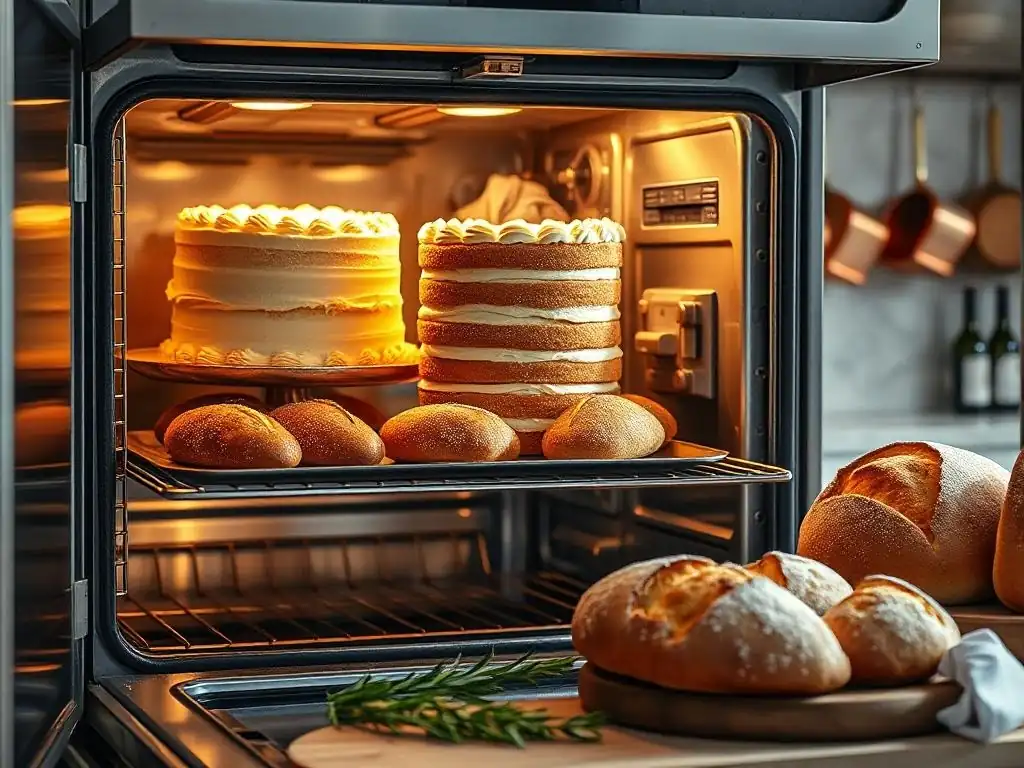
Welcome to BakeWithEase, your trusted companion in the kitchen! Ever wondered how to unlock the full potential of your convection oven? This guide dives into the world of convection oven baking tips, revealing secrets that will transform your baked goods. Discover how to achieve perfectly even results, faster cooking times, and unparalleled flavor. Prepare to elevate your baking game – the journey to convection oven mastery starts now!
- BakeWithEase Presents: Mastering Baking with Convection Ovens
- Understanding Convection Oven Baking: Tips and Benefits
- Top Convection Ovens for Baking Enthusiasts: A Detailed Review
- Optimizing Your Baking with Convection Ovens: Advanced Techniques
- Choosing the Right Convection Oven: Key Considerations
- Conclusion: Elevate Your Baking with the Perfect Convection Oven
-
Frequently Asked Questions
- What exactly is a convection oven, and how does it differ from a conventional oven?
- What are some key benefits of using a convection oven for baking?
- Are there any types of baked goods that don't benefit from convection baking?
- How do I adjust baking times and temperatures when using a convection oven?
- What are some essential convection oven baking tips for beginners?
- Final Reflection: The Sweet Science of Convection Baking
- Unlock Your Inner Pastry Chef!
BakeWithEase Presents: Mastering Baking with Convection Ovens
Welcome back to BakeWithEase! We're thrilled to guide you through another essential topic in your baking journey. Understanding your tools is just as important as mastering your ingredients and techniques. Today, we're diving deep into the world of convection ovens, exploring how these powerful appliances can truly elevate your baking results. Whether you're aiming for perfectly crisp cookies, evenly risen cakes, or beautifully browned roasts, a convection oven can be your secret weapon.
In this comprehensive guide, we'll unpack the science behind convection baking, share essential convection oven baking tips, compare top models on the market, and help you choose the perfect oven for your kitchen and baking style. Get ready to transform your baking with the power of convection!
Understanding Convection Oven Baking: Tips and Benefits
What is Convection Baking and Why Choose It?
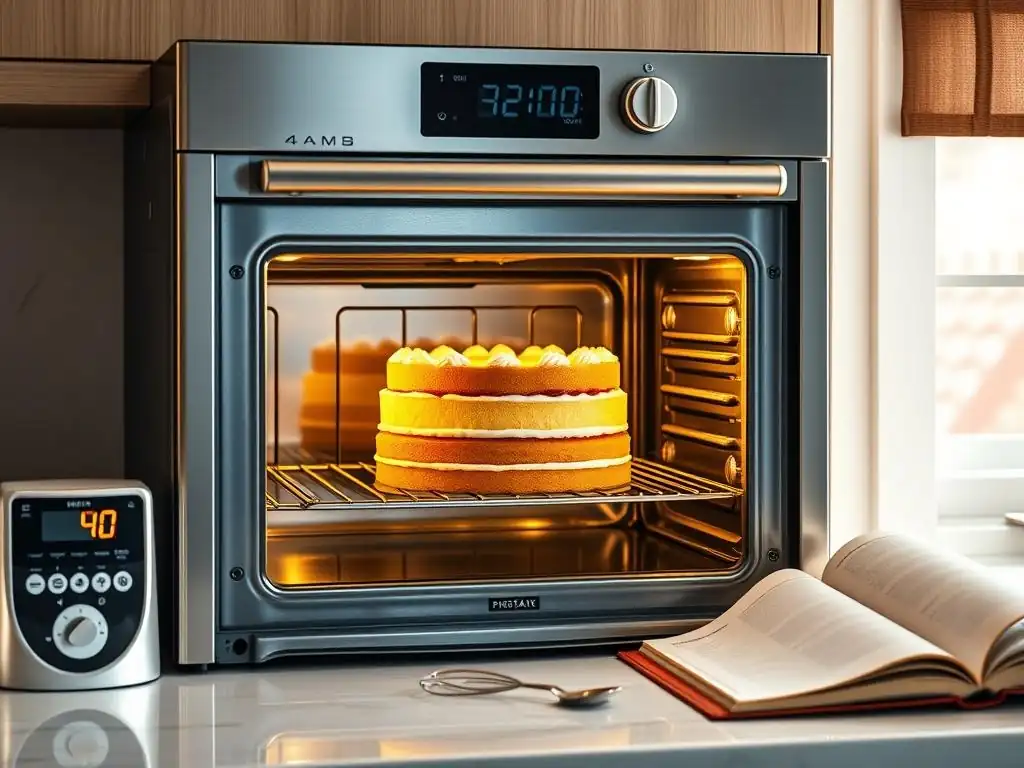
Convection baking utilizes a fan, typically located at the back of the oven cavity, to circulate hot air around the food. Unlike traditional ovens that rely on static heat rising from the element, convection ensures that the temperature is consistent throughout the entire oven space. This constant movement of air eliminates hot and cold spots, leading to more even cooking and baking.
Choosing convection offers several compelling advantages. One major benefit is faster cooking times. Because the circulating air transfers heat more efficiently to the food, items often bake 25% faster than in a conventional oven. This can save significant time, especially when preparing multiple batches.
Another key benefit is achieving superior browning and crisping. The moving air helps to quickly evaporate moisture from the surface of the food, promoting the Maillard reaction (responsible for browning) and creating delightful textures, from crispy chicken skin to golden-brown bread crusts. Mastering some simple convection oven baking tips can unlock these benefits for everything you bake.
Convection Oven Baking Tips for Perfect Results
Adapting to convection baking requires a few adjustments from traditional methods, but the results are well worth it. The most crucial convection oven baking tip is often reducing the temperature or the baking time specified in a recipe designed for a conventional oven. A common guideline is to decrease the temperature by about 25°F (approx. 15°C) or reduce the cooking time by 25%. For instance, if a recipe calls for baking cookies at 350°F (175°C) for 12 minutes in a conventional oven, you might try 325°F (160°C) for 9-10 minutes in a convection oven.
Another important tip is to use baking pans with lower sides or skip covering dishes with foil unless absolutely necessary. The circulating air needs to reach the food's surface for optimal browning and even cooking. Overcrowding the oven is also detrimental; ensure there is adequate space around baking sheets or dishes for the hot air to flow freely.
For delicate items like custards or soufflés, sometimes using the convection setting can cause them to set too quickly on the outside before the inside is cooked, so it's essential to understand which recipes benefit most from this setting. Practice and experimentation with these convection oven baking tips will help you find the perfect settings for your favorite recipes.
Convection Oven vs. Conventional Oven: Key Differences Explained
The fundamental difference lies in how heat is distributed. A conventional oven relies on radiant heat from elements and natural convection (hot air rising). This results in temperature variations within the oven cavity, often hotter near the heating element and cooler towards the top. This is why recipes often recommend rotating baking sheets halfway through cooking in a conventional oven.
In contrast, a convection oven uses a fan to actively circulate hot air, creating a much more uniform temperature environment. This forced air movement is the key differentiator. While a conventional oven might have a temperature range of 25-50°F (approx. 14-28°C) across different shelves, a convection oven can maintain temperatures within a much tighter range, perhaps only 5-10°F (approx. 3-6°C) variation. This consistency is invaluable for baking multiple racks of cookies simultaneously or ensuring a large cake bakes evenly from edge to center. Understanding these differences helps you apply the best convection oven baking tips.
Top Convection Ovens for Baking Enthusiasts: A Detailed Review
Choosing the right convection oven can significantly impact your baking success. We've reviewed some popular models known for their performance and features relevant to bakers.
1. Breville Smart Oven Air Fryer Pro: The Baker's Choice for Even Heat
Considered a powerhouse countertop oven, the Breville Smart Oven Air Fryer Pro is a favorite among many home bakers for its precision and versatility. Its compact size belies its capability, offering a range of functions beyond just convection baking.
Features of Breville: Precise Temperature Control and More
This model boasts Element IQ® technology, which intelligently directs power to where it's needed most, ensuring precise and even heating. It features 13 cooking functions, including Toast, Bagel, Broil, Bake, Roast, Warm, Pizza, Proof, Air Fry, Reheat, Cookies, Slow Cook, and Dehydrate. The integrated convection fan has two speeds, standard and super, allowing for gentle baking or powerful air frying.
Its interior light is a practical addition, letting you check on your bake without opening the door and losing heat. Users often report that the temperature probe, included with some versions, is highly accurate, ensuring meats and loaves reach the perfect internal temperature.
The oven cavity is lined with a non-stick coating for easier cleanup, and it typically includes multiple accessories like a baking pan, broiling rack, air fry basket, and pizza pan. The digital display is intuitive, making it easy to select functions, adjust temperature, and set timers. Its capacity is generous for a countertop model, often accommodating a 12-cup muffin tin or a 14-pound turkey (though baking a turkey might be pushing the definition of 'baking' for this audience! ).
Baking Performance: Cakes, Cookies, and Breads Tested
In baking tests, the Breville Smart Oven Air Fryer Pro consistently delivers impressive results. Cakes bake evenly with a level top and consistent crumb structure. Cookies brown beautifully and uniformly across the entire baking sheet, even when baking two trays simultaneously using the convection setting.
Artisan bread loaves develop a satisfyingly crisp crust thanks to the circulating air, while the interior crumb remains soft and airy. The proofing function is a notable benefit for bread bakers, maintaining a warm, consistent temperature (around 85°F or 30°C) perfect for dough rising, often cutting proofing time significantly compared to room temperature proofing, maybe by 30-40 minutes for a standard loaf.
The oven's ability to maintain a stable temperature is crucial for delicate baked goods like macarons or cheesecakes. Users report minimal temperature fluctuations, often staying within 5°F (approx. 3°C) of the set temperature once preheated. This precision, combined with effective air circulation, makes it a reliable choice for various baking tasks, from delicate pastries to robust loaves.
Pros and Cons: Is Breville Right for You?
Pros:
- Excellent temperature accuracy and even heat distribution.
- Versatile with numerous cooking functions, including proofing and air frying.
- Intuitive digital controls and display.
- Generous capacity for a countertop model.
- Durable build quality.
Cons:
- Higher price point compared to basic toaster ovens.
- Takes up significant counter space.
- Can generate considerable heat, requiring adequate ventilation space around it.
Where to Buy: Affiliate Link to Amazon
Find the link here.
2. KitchenAid Smart Oven+: Tech-Driven Baking Perfection
KitchenAid is a brand synonymous with baking, and their Smart Oven+ aims to bring advanced technology into the kitchen appliance space. This built-in wall oven offers smart features alongside robust baking performance.
Smart Features: Wi-Fi Connectivity and Recipe Integration
The KitchenAid Smart Oven+ stands out with its smart capabilities. It connects to Wi-Fi, allowing control via a smartphone app. This means you can preheat the oven from another room, check cooking progress, and even receive notifications when your food is ready. A key feature is integration with recipe platforms, allowing you to send cooking instructions directly to the oven, which then sets the correct temperature and time automatically. It also features a powered hub that can connect to various attachments, like a powered grill or steamer, expanding its cooking versatility beyond standard oven functions.
The oven often includes features like a temperature probe that communicates with the app, ensuring you hit precise internal temperatures for roasts or bread. Some models include a self-cleaning cycle, using high heat to burn off spills, reducing the need for manual scrubbing. The large touchscreen interface provides a modern user experience, guiding you through settings and functions.
Baking Performance: Pizza, Roasting, and Dehydrating Capabilities
The convection system in the KitchenAid Smart Oven+ is designed for even heat distribution across multiple racks, making it suitable for baking large batches. While excellent for standard baking tasks like cakes and cookies, its performance shines in its specialized functions. The pizza function often utilizes a specific heating pattern and convection setting to produce crispy crusts and evenly cooked toppings.
The roasting function leverages convection to brown meats beautifully while keeping them moist inside. The dehydrating capability, while not strictly baking, utilizes low heat and consistent airflow to preserve fruits, vegetables, or make jerky – a function valuable to versatile home cooks.
Users report reliable and consistent baking results. For example, baking four sheets of sugar cookies simultaneously often yields evenly golden cookies on all racks, something challenging in conventional ovens. Large items like sheet cakes or multiple loaves of bread also benefit from the uniform heat. The convection roast setting can reduce cooking time for a large chicken by 15-20% compared to conventional roasting.
Pros and Cons: Is the Smart Technology Worth the Price?
Pros:
- Advanced smart features and app control.
- Versatile with powered attachments expanding functionality.
- Excellent convection performance for even multi-rack baking.
- Large capacity suitable for families or entertaining.
- Modern design and user interface.
Cons:
- Significantly higher price point due to smart features and size.
- Requires installation as it's a built-in unit.
- Reliance on technology might not appeal to all users.
- Some advanced features might have a learning curve.
Where to Buy: Affiliate Link to KitchenAid
Find the link here.
3. Cuisinart TOA-60 Convection Toaster Oven Air Fryer: Compact Powerhouse for Small Spaces
For those with limited counter space or smaller baking needs, the Cuisinart TOA-60 offers a compelling combination of convection baking, toasting, and air frying in a relatively compact footprint.
Features of Cuisinart: Space-Saving Design and Versatility
The Cuisinart TOA-60 is designed to be a multi-functional appliance that can replace several others, saving valuable counter space. It typically offers seven functions: Air Fry, Convection Bake, Convection Broil, Bake, Broil, Warm, and Toast. Its convection fan is crucial for both the "Convection Bake" and "Air Fry" settings, promoting faster, more even cooking. The internal capacity is smaller than the Breville, often fitting about 6 slices of toast or a 4-pound chicken, but it's sufficient for many everyday baking tasks.
Controls are usually dial-based, offering a simpler, perhaps less precise, interface than digital models, but easy to understand. It includes a baking pan and an air fryer basket. The interior is often non-stick for easier cleaning. Its smaller size means it preheats very quickly compared to full-sized ovens, often reaching baking temperature in under 5 minutes.
Baking Performance: Quick Breads, Muffins, and Small Cakes
The Cuisinart TOA-60 performs well for smaller baking projects. Quick breads, like banana bread or muffins, bake with a nicely browned exterior and moist interior. Small cakes or cupcakes also benefit from the convection setting, achieving even rising and baking. While you won't be baking large sheet cakes or multiple batches of cookies simultaneously, it's perfectly adequate for a batch of a dozen cookies or a single loaf of bread. The convection bake setting helps achieve a crispier crust on items like dinner rolls or small pizzas compared to using the standard bake setting.
Due to its smaller cavity, it can sometimes lead to faster browning on the top, so monitoring might be needed, especially for delicate items. However, for its size, the convection heating is effective at circulating air around smaller items, ensuring they cook through without burning the edges, provided you apply basic convection oven baking tips like slightly adjusting temperature or time.
Pros and Cons: Ideal for Small Spaces, but Limitations Exist
Pros:
- Compact size, ideal for small kitchens or dorm rooms.
- Versatile with multiple functions, including air frying.
- Quick preheating time.
- More affordable price point.
Cons:
- Limited capacity for larger baking tasks.
- Dial controls may offer less precise temperature setting than digital.
- Can generate significant external heat when in use.
- May require more careful monitoring due to smaller cavity and potentially stronger airflow relative to size.
Where to Buy: Affiliate Link to Williams Sonoma
Find the link here.
Optimizing Your Baking with Convection Ovens: Advanced Techniques
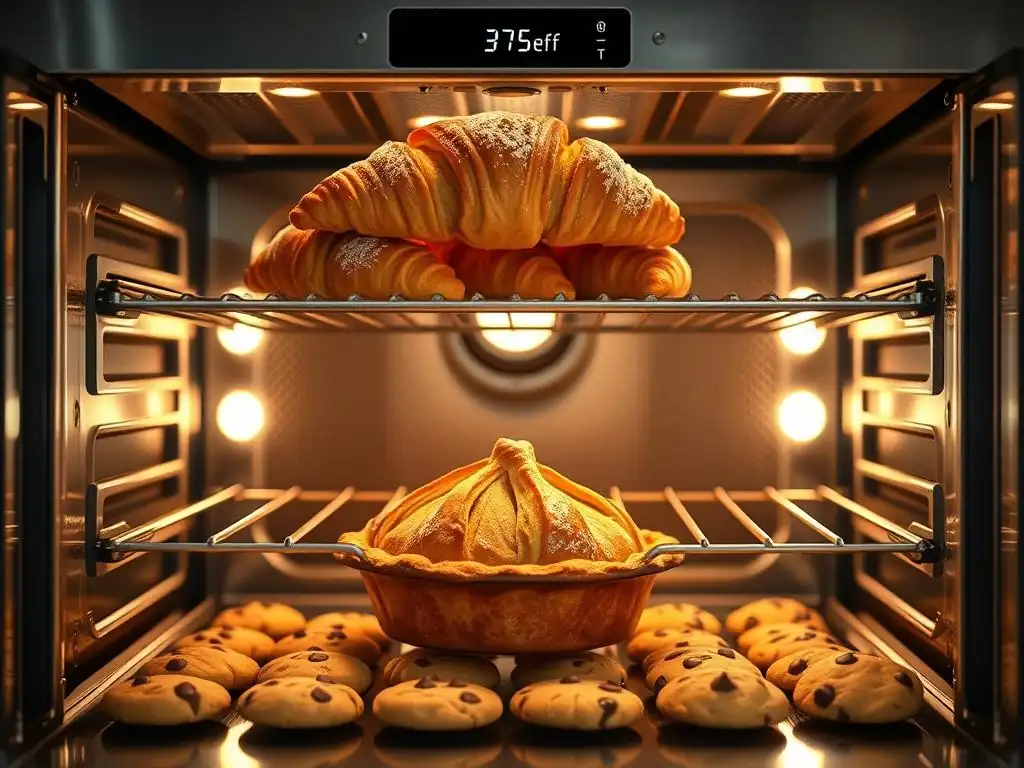
Once you're comfortable with the basics, you can explore advanced convection oven baking tips and techniques to further refine your results.
Convection Conversion Charts: Adjusting Recipes for Best Results
Converting recipes designed for conventional ovens to convection can sometimes feel like an art, but using a conversion chart provides a great starting point. As mentioned earlier, reducing the temperature by 25°F (approx. 15°C) is a common rule of thumb. For example, a recipe calling for 375°F (190°C) conventional might become 350°F (175°C) convection. Another approach is to keep the temperature the same but reduce the baking time by 25%. So, a 20-minute bake at 350°F (175°C) conventional might become a 15-minute bake at 350°F (175°C) convection.
It's important to remember these are guidelines, not strict rules. Factors like the specific oven model, the type of food, and the pan used can all influence the outcome. Delicate items like soufflés or cheesecakes might require less time reduction, while robust items like roasted vegetables might handle full convection time and temperature. Always start checking for doneness a few minutes before the estimated time and adjust as needed. Keeping a log of your adjustments for specific recipes can be incredibly helpful for future baking sessions.
Troubleshooting Common Convection Baking Problems
Even with the best convection oven baking tips, you might encounter issues. One common problem is over-browning, especially around the edges of cookies or cakes. This is usually a sign that either the temperature is too high or the baking time is too long. Try reducing the temperature by another 10-15°F (approx. 5-8°C) or significantly shortening the baking time. If the tops are browning too quickly while the inside isn't done, you might need to tent the item loosely with foil for the last portion of the bake.
Another issue can be uneven rising in cakes or quick breads. While convection is designed for even heat, sometimes placement in the oven or overcrowding can still affect airflow. Ensure there is adequate space around your baking pans. If one side consistently browns faster, try rotating the pan halfway through the bake, even in a convection oven. For items that require a moist environment, like some custards or breads, the drying effect of convection can be problematic. Using a water bath or ensuring the item is adequately covered can help counteract this.
Cleaning and Maintaining Your Convection Oven for Longevity
Proper cleaning and maintenance are key to keeping your convection oven performing at its best and extending its lifespan. For ovens with a self-cleaning cycle, follow the manufacturer's instructions carefully. Be aware that self-cleaning uses very high temperatures and can sometimes produce fumes, so ensure adequate ventilation.
For manual cleaning, tackle spills as soon as the oven cools down. Baked-on messes become much harder to remove later. Use oven-safe cleaners designed for the specific interior material of your oven. Pay special attention to the area around the fan; while you shouldn't directly spray into the fan housing, ensuring the surrounding area is clean is important for unimpeded airflow.
Regularly wipe down the oven door and seals to prevent residue buildup, which can affect the seal's effectiveness over time. For countertop models, also clean the exterior and check the crumb tray regularly. A well-maintained oven ensures you continue to get the best results from your convection oven baking tips.
Choosing the Right Convection Oven: Key Considerations
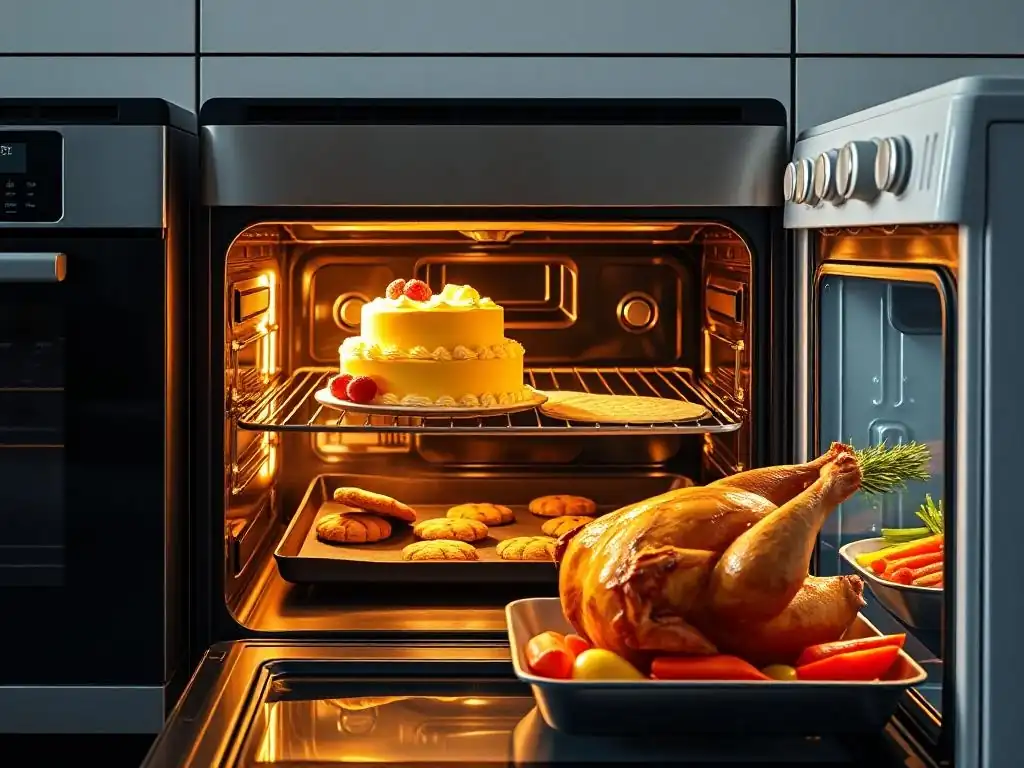
Selecting the perfect convection oven involves balancing your needs, space, and budget.
Budget: Finding the Best Value for Your Money
Convection ovens range significantly in price, from under $100 for basic countertop models to thousands for high-end built-in units. Determine how much you're willing to invest based on how frequently you'll use the convection feature and the types of baking you plan to do.
- Entry-level: Countertop convection toaster ovens ($100 - $300) are great for small batches and basic convection baking.
- Mid-range: More advanced countertop models or some smaller built-in ovens ($300 - $800) offer more features and better performance.
- High-end: Full-sized built-in ovens with advanced features and smart technology ($800+) provide maximum capacity and precision.
Consider the long-term value. A slightly more expensive oven that consistently delivers excellent results and lasts longer might be a better investment than a cheaper model that frustrates you with uneven baking.
Size and Capacity: Selecting the Appropriate Oven for Your Needs
Oven size is perhaps the most practical consideration. Do you need a full-sized wall oven to replace your current one, or would a countertop model suffice?
- Countertop: Ideal for individuals, couples, small kitchens, or as a secondary oven. Capacity is limited, typically fitting a 9x13 inch pan at most, often smaller. They heat up quickly but can't handle large roasts or multiple full-sized baking sheets simultaneously.
- Built-in/Full-size Range: Necessary for larger families, frequent entertaining, or baking multiple items at once. Offers maximum capacity, often fitting multiple baking sheets or large roasting pans. Requires dedicated kitchen space and professional installation for built-in models.
Think about the largest items you typically bake or cook and ensure the oven you choose can comfortably accommodate them with space for air circulation.
Features and Functionality: Matching the Oven to Your Baking Style
Beyond basic convection, consider which additional features are important for your baking habits.
- Proofing Function: Essential for serious bread bakers, providing a controlled environment for dough rising.
- Temperature Probe: Useful for achieving precise internal temperatures for roasts or large loaves of bread.
- Multiple Racks/Levels: Allows for baking more items at once; ensure adequate spacing for airflow.
- Self-Cleaning: A convenience feature that saves time and effort on maintenance.
- Smart Features (Wi-Fi, App Control): For those who love technology and remote control capabilities.
- Specific Modes: Look for dedicated settings like Pizza, Cookies, or Roast if you frequently make those items.
- Dual Convection: Some high-end ovens have two fans for even more powerful and consistent air circulation.
Make a list of your must-have features versus nice-to-have ones based on your baking interests. This will help narrow down your choices and ensure the oven meets your specific needs, helping you apply those crucial convection oven baking tips effectively.
Conclusion: Elevate Your Baking with the Perfect Convection Oven
Incorporating a convection oven into your kitchen can truly be a game-changer for your baking. The consistent, circulating heat ensures more even results, faster cooking times, and superior browning and crisping compared to traditional ovens. By understanding the principles of convection and applying key convection oven baking tips like adjusting temperature and time, you can achieve professional-level results right at home.
Whether you opt for a versatile countertop model like the Breville Smart Oven Air Fryer Pro, a high-tech built-in unit such as the KitchenAid Smart Oven+, or a space-saving option like the Cuisinart TOA-60, choosing the right oven for your space, budget, and baking style is key. We hope this guide helps you make an informed decision and empowers you to elevate your baking to new heights. Happy baking with ease!
Frequently Asked Questions
What exactly is a convection oven, and how does it differ from a conventional oven?
A convection oven uses a fan to circulate hot air, resulting in more even cooking compared to a conventional oven which relies on radiant heat. This circulating air helps food cook faster and more uniformly.
What are some key benefits of using a convection oven for baking?
Convection ovens offer several advantages, including faster cooking times, more even browning, and a crisper texture, making them ideal for pastries and breads.
Are there any types of baked goods that don't benefit from convection baking?
While convection is great for many items, delicate items like some cakes or soufflés might bake unevenly. Reducing the temperature or disabling the fan can help.
How do I adjust baking times and temperatures when using a convection oven?
Generally, you should reduce the baking temperature by 25°F and check for doneness earlier than the recipe suggests, as convection ovens cook faster.
What are some essential convection oven baking tips for beginners?
Start by experimenting with simple recipes, like cookies or roasted vegetables, to understand your oven's performance. Always preheat the oven properly and use oven-safe cookware.
Final Reflection: The Sweet Science of Convection Baking
The art of baking, once a mysterious alchemy, is now increasingly accessible thanks to the power of convection ovens. Mastering this technology isn't just about perfectly browned crusts; it's about unlocking a world of culinary creativity and consistently delicious results, regardless of your skill level. This revolution in home cooking deserves celebration and continued exploration.
The impact of convection ovens extends far beyond the individual kitchen. They've democratized baking, allowing home cooks to achieve professional-quality results without specialized training. This accessibility fosters a sense of empowerment and encourages experimentation, leading to a richer culinary landscape for everyone. The best things in life are homemade,
a sentiment made truer and easier by the consistent performance of a good convection oven. This simple truth resonates deeply, highlighting the connection between technology and the enduring human desire to create and share delicious food.
Now, it's your turn. Consider the possibilities unlocked by understanding the nuances of convection baking. Don't be afraid to experiment with different recipes, temperatures, and techniques. Embrace the learning process, and remember that even small adjustments can yield significant improvements in your baking. The journey to mastering convection baking is a rewarding one, filled with delicious discoveries and the satisfaction of creating something truly special. So, preheat your oven, gather your ingredients, and let the sweet science begin!
Unlock Your Inner Pastry Chef!
Thanks for joining us on this delicious journey through the world of convection ovens! We hope you now feel equipped to choose the perfect oven to elevate your baking game. Ready to take the next step?
- Invest in your baking dreams: Research the top-rated convection oven we highlighted that best suits your needs and budget. Don't wait—your next culinary masterpiece awaits!
- Share your favorite baking tips and tricks with our community in the comments below. Let's inspire each other!
- Challenge yourself! Try a new recipe using your new-found convection oven knowledge. What delicious creation will you bake first?
What's the first recipe you'll conquer with your new convection oven?