
Beginner's Guide to Spiced Citrus Curd Tarts

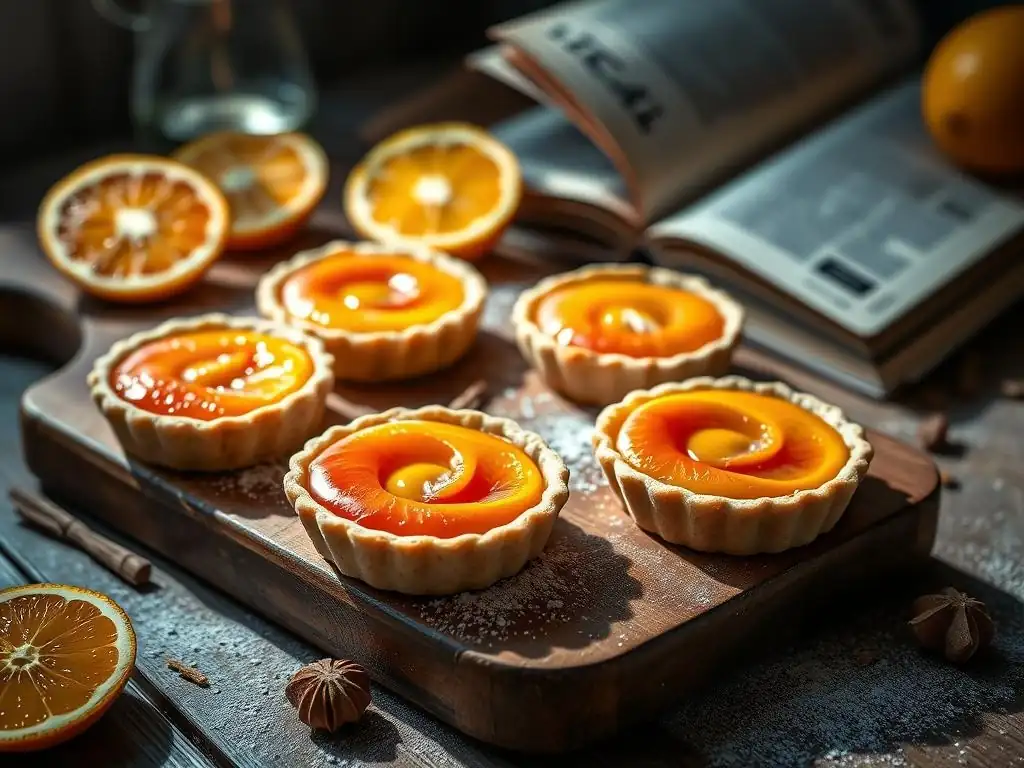
Welcome to BakeWithEase, your kitchen companion for all things baking! Ready to transform simple ingredients into something extraordinary? Ever dreamt of creating picture-perfect tarts bursting with flavour? Our Beginner's Guide to Spiced Citrus Curd Tarts will walk you through each step. Discover the secrets to a tangy, spiced citrus curd, a perfectly crisp pastry, and techniques that will elevate your baking game. Intrigued? Let's get baking and unlock the delicious potential of these Easy spiced citrus curd tarts!
- Introduction to Meyer Lemon Tartlets: A Winter Dessert
- Understanding the Key Ingredients for Meyer Lemon Tartlets
- Step-by-Step Guide to Making Meyer Lemon Tartlets
- Tips and Tricks for Perfect Meyer Lemon Tartlets
- Variations and Adaptations: Customizing Your Lemon Tartlets
- Serving and Enjoying Your Meyer Lemon Tartlets
- Mastering the Art of Lemon Curd: Further Baking Adventures.
- Frequently Asked Questions
- Final Reflection: The Enduring Allure of Simple Baking
- Unlock Your Inner Pastry Chef: Make Your First Spiced Citrus Curd Tart!
Introduction to Meyer Lemon Tartlets: A Winter Dessert
Meyer lemon tartlets offer a burst of bright, sunny flavor that is particularly welcome during the colder months. Unlike the more common Eureka or Lisbon lemons, Meyer lemons are a hybrid, believed to be a cross between a lemon and a mandarin orange. This gives them a slightly sweeter, less acidic profile and a wonderfully fragrant aroma, making them ideal for delicate desserts like curd tartlets. Paired with a warm, spicy ginger snap crust, these easy Meyer lemon tartlets create a perfect harmony of sweet, tart, and spiced notes, embodying the cozy spirit of winter baking.
These charming individual tartlets are not just delicious; they are also visually appealing. Their vibrant yellow filling contrasts beautifully with the golden-brown crust. Making them in individual portions also makes them perfect for entertaining, allowing guests to easily enjoy a perfectly sized dessert. The combination of simple ingredients and straightforward steps makes this recipe for easy Meyer lemon tartlets an excellent starting point for anyone looking to explore the world of citrus curds and pastry.
Why Meyer Lemon Tartlets are Perfect for Winter Baking
Winter often calls for comforting, warm flavors, and while spices like cinnamon and ginger fit this perfectly, the addition of bright citrus provides a much-needed contrast and lift. Meyer lemons are typically in season during the winter months, from late fall through early spring, meaning they are at their peak freshness and flavor during this time. Using seasonal fruit ensures the most vibrant taste in your easy citrus curd tartlets.
The richness of a creamy lemon curd is balanced by the zesty tang of the Meyer lemons, while the ginger snap crust adds that essential winter spice component. This blend of flavors feels seasonally appropriate and provides a refreshing counterpoint to heavier winter meals. Furthermore, the process of baking these easy Meyer lemon tartlets can be a wonderfully warming activity on a cold afternoon, filling your home with delightful aromas.
What Makes This Recipe Beginner-Friendly?
This recipe for easy Meyer lemon tartlets is designed specifically with novice bakers in mind. It breaks down the process into three manageable parts: making the crust, making the filling, and assembling/baking. Each step is relatively simple and doesn't require specialized equipment beyond basic kitchen tools like a food processor or rolling pin, a saucepan, and tartlet pans.
The ginger snap crust is a press-in crust, which is significantly easier than working with traditional pastry dough that requires chilling, rolling, and blind baking. The Meyer lemon curd filling uses a straightforward stovetop method, and with careful attention to temperature, it's quite forgiving. This step-by-step approach, focusing on clear instructions and common ingredients, ensures that even those new to baking can achieve impressive and delicious results with these easy spiced citrus curd tartlets.
Understanding the Key Ingredients for Meyer Lemon Tartlets
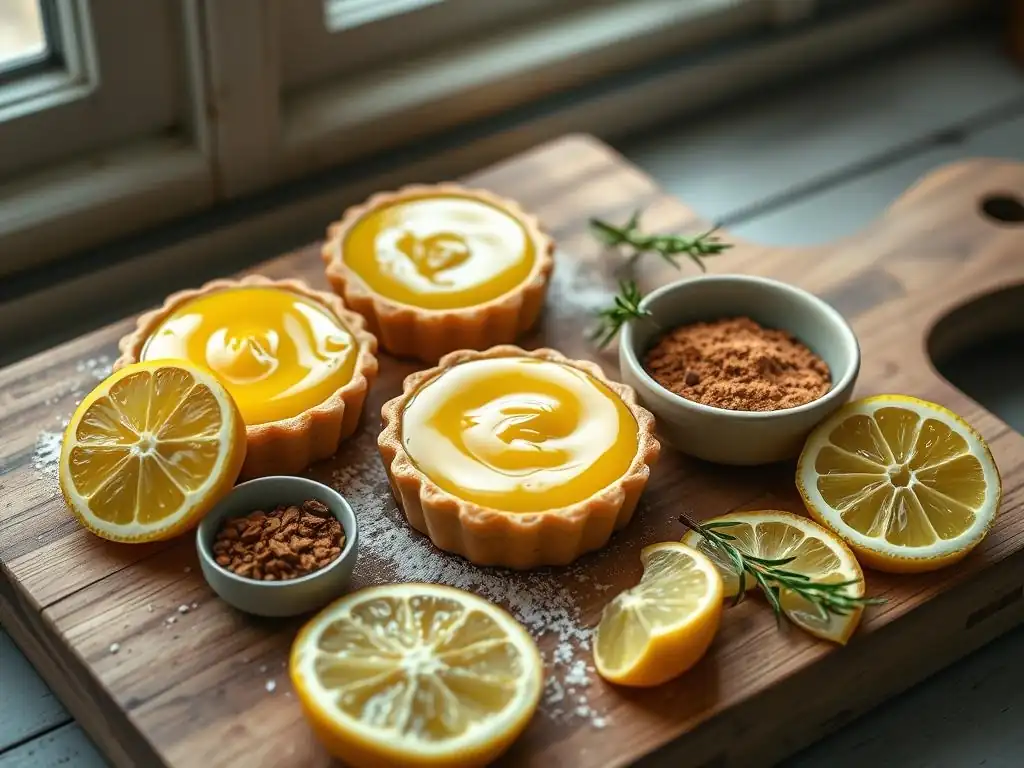
The success of these easy Meyer lemon tartlets hinges on the quality and preparation of a few core ingredients. Each component plays a vital role in achieving the desired flavor, texture, and structure of the final dessert. Understanding why certain ingredients are chosen and how to select them properly is key to mastering this beginner-friendly recipe.
From the star ingredient, the Meyer lemons, to the humble ginger snap cookies that form the base, each element contributes significantly. The richness of butter, the emulsifying power of eggs, and the sweetness of sugar come together to create the luscious, smooth Meyer lemon curd that is the heart of these delightful tartlets. Paying attention to these details will elevate your easy citrus tartlets from good to truly exceptional.
The Importance of Meyer Lemons: Choosing Ripe and Fragrant Fruit
Meyer lemons are the cornerstone of these tartlets, offering a distinct flavor profile that is less acidic and slightly sweeter than standard lemons. Their unique floral aroma also contributes significantly to the overall sensory experience. To get the best results for your easy Meyer lemon tartlets, it's crucial to select ripe and fragrant fruit. Look for Meyer lemons that have smooth, thin skin and are a deep yellow-orange color, sometimes with a slight blush.
A ripe Meyer lemon will feel heavy for its size, indicating it's full of juice. Gently scratch the skin; it should release a noticeable, sweet, citrusy scent. Avoid lemons that are very hard, pale yellow, or have blemishes, as they may be underripe or past their prime. Using fresh, high-quality Meyer lemons ensures your curd will have the brightest, most authentic citrus flavor.
The ginger snap crust provides the perfect spiced counterpoint to the bright citrus curd in these easy spiced citrus curd tartlets. The right ginger snap cookie is essential. You want a cookie that is crisp enough to crumble easily but also has a strong, spicy ginger flavor. Look for cookies that are relatively thin and have a good snap when broken.
Avoid soft or chewy ginger cookies, as they won't create the desired crumbly texture for the crust. The spice level is also important; choose a brand that offers a noticeable ginger kick, maybe with hints of cinnamon or cloves, as these spices complement the lemon beautifully. About 5-6 ounces (approximately 1 ½ cups of crumbs) of good quality ginger snaps will typically be needed for a batch of 12 standard tartlets.
The Role of Butter, Eggs, and Sugar in a Smooth Lemon Curd
Butter, eggs, and sugar are the foundational ingredients that transform Meyer lemon juice and zest into a creamy, smooth curd. Unsalted butter is generally preferred as it allows you to control the salt level, but salted butter can be used if that's all you have, just omit any added salt in the recipe. The butter provides richness and helps create a luxurious, velvety texture as it melts into the cooked mixture.
Eggs, specifically both yolks and sometimes whole eggs, are crucial for thickening the curd. The proteins in the eggs coagulate when heated gently, turning the liquid mixture into a semi-solid state. Egg yolks contribute richness and a beautiful yellow color, while whole eggs add structure. Sugar balances the tartness of the Meyer lemons and helps create a smooth consistency by preventing the egg proteins from coagulating too quickly or tightly. A typical ratio might involve ¾ cup sugar, 2 large eggs, and 2-3 egg yolks for the curd for about 1 ½ cups of Meyer lemon juice.
Step-by-Step Guide to Making Meyer Lemon Tartlets
Creating these easy Meyer lemon tartlets is a straightforward process broken down into logical steps. Following this guide will help ensure success, even if you're new to making citrus curd or working with tartlet crusts. We'll start with preparing the simple ginger snap base, move on to crafting the vibrant Meyer lemon curd, and finish with the assembly and baking.
Each part builds upon the last, making the overall process manageable. Don't feel intimidated; this recipe for easy spiced citrus curd tartlets is designed to be approachable. Taking your time and paying attention to the details in each step will lead to delicious results that you'll be proud to share.
Part 1: Preparing the Ginger Snap Crust
The ginger snap crust is the simple yet flavorful foundation for these easy Meyer lemon tartlets. It requires minimal effort and no chilling or rolling, making it perfect for beginners. The key is to get the cookie crumbs to the right consistency and ensure they are properly mixed with melted butter before pressing them into the tartlet pans. This creates a sturdy base that holds the filling beautifully.
You'll need about 1 ½ cups of fine ginger snap crumbs, which usually comes from about 5-6 ounces of cookies. Combined with melted butter, these crumbs bind together to form a fragrant, spicy crust. Preparing this crust takes only a few minutes and sets you up for the next step of making the delicious Meyer lemon curd filling.
Crushing the Ginger Snaps: Achieving a Fine Crumble
To make the ginger snap crust, you first need to turn the cookies into fine crumbs. The easiest way to achieve a uniform, fine crumble is by using a food processor. Simply pulse the ginger snap cookies until they resemble fine sand with no large pieces remaining. This usually takes about 30-60 seconds of pulsing.
If you don't have a food processor, you can place the cookies in a sturdy zip-top bag and crush them using a rolling pin or the bottom of a heavy glass. While this method requires a bit more effort, aim for a consistency similar to fine graham cracker crumbs, ensuring there are no large chunks that would make the crust uneven. Measure out about 1 ½ cups of these fine crumbs.
Pressing the Crust into Tartlet Pans: Creating a Firm Base
Once you have your fine ginger snap crumbs, transfer them to a bowl and combine them with about ¼ to ⅓ cup of melted unsalted butter. Stir the mixture with a fork until the crumbs are evenly moistened and resemble wet sand. This butter acts as the glue that will hold the crust together once baked.
Spoon the crumb mixture into your tartlet pans. For standard 3-4 inch tartlet pans, about 2-3 tablespoons of crumb mixture per pan is usually sufficient. Use the bottom of a small glass or measuring cup to firmly press the crumbs evenly into the bottom and up the sides of each tartlet pan. Ensure the crust is packed tightly and evenly for a sturdy base. This step is crucial for preventing the crust from crumbling when you remove the tartlets later.
Part 2: Crafting the Meyer Lemon Curd Filling
The Meyer lemon curd is the star of these easy Meyer lemon tartlets, providing that signature bright, tangy, and slightly sweet flavor. Making curd on the stovetop requires gentle heat and constant stirring to prevent the eggs from scrambling and to achieve a smooth, thick consistency. Using fresh Meyer lemon zest and juice is key to maximizing the flavor.
This process involves whisking together the wet ingredients with sugar and cooking the mixture until it thickens enough to coat the back of a spoon. While it might seem intimidating, paying attention to the heat level and stirring continuously makes it a very achievable step for beginners tackling easy citrus curd tartlets.
Zesting and Juicing the Meyer Lemons: Maximizing Flavor
The flavor of your Meyer lemon curd comes from both the juice and the zest. Zest contains the fragrant oils of the lemon peel, which are packed with intense citrus flavor. Before juicing, carefully zest the Meyer lemons using a microplane or fine grater, making sure to only remove the bright yellow part of the peel and avoid the bitter white pith underneath. You'll typically need the zest of 2-3 medium Meyer lemons, yielding about 1 tablespoon of zest.
After zesting, juice the lemons. Meyer lemons are quite juicy, and 3-4 medium lemons should yield about 1 ½ cups of juice, which is usually enough for the curd recipe. Strain the juice through a fine-mesh sieve to remove any seeds or pulp, ensuring a smooth curd texture. Measure out the required amount precisely.
Combining the Ingredients: Achieving the Perfect Curd Consistency
In a medium non-reactive saucepan (stainless steel or enamel works well, avoid aluminum), whisk together the sugar, fresh Meyer lemon juice, Meyer lemon zest, eggs, and egg yolks. Whisk until the mixture is well combined and the sugar has mostly dissolved. Some recipes also call for a pinch of salt to balance the sweetness, around ¼ teaspoon.
Adding cubed cold butter to the mixture before heating is a common technique; the butter will melt as the curd cooks. The combination of eggs and heat will cause the mixture to thicken, creating the custard-like consistency of the curd. The goal is a smooth, homogenous liquid before you even turn on the heat.
Cooking the Curd: Tips for Preventing Burning and Overcooking
Place the saucepan over medium-low heat. This is a crucial step for achieving smooth Meyer lemon curd. Do not use high heat, as this can cause the eggs to scramble. Whisk the mixture constantly and gently, scraping the bottom and sides of the pan, as it heats. The curd will gradually thicken over about 8-12 minutes.
You'll know the curd is done when it's thick enough to coat the back of a spoon, and when you run your finger through the coating on the spoon, the line holds without the curd running back into it. The temperature should reach around 170°F (77°C), but you don't necessarily need a thermometer; the spoon test is sufficient for easy lemon tartlets.
Once thickened, immediately remove the pan from the heat. If you see any small lumps, you can press the hot curd through a fine-mesh sieve for an extra smooth finish before stirring in the butter, if it wasn't added earlier.
Part 3: Assembling and Baking the Meyer Lemon Tartlets
With the crust prepped and the Meyer lemon curd made, the final step is assembling and baking these easy Meyer lemon tartlets. This involves filling the pre-baked or unbaked crust shells with the warm curd and baking them just long enough for the curd to set completely. The baking time is relatively short, as the curd is already partially cooked.
This final stage brings everything together, transforming the individual components into finished, delightful easy spiced citrus curd tartlets. Careful handling during filling and monitoring the baking process will ensure perfectly set and visually appealing tartlets.
Filling the Tartlet Shells: Achieving a Uniform Layer
Once the ginger snap crusts are pressed into the tartlet pans (some recipes call for a short pre-bake of 8-10 minutes at 350°F/175°C for extra crispness before filling; check your specific recipe instructions), they are ready for the Meyer lemon curd. Pour or spoon the warm (but not boiling hot) lemon curd into each tartlet shell, filling them almost to the brim.
Aim for a uniform layer of curd in each tartlet to ensure even baking and a consistent look. Gently tap the pan on the counter a couple of times to help the curd settle and remove any air bubbles. Be careful not to overfill, as the curd might spill over during baking.
Baking Time and Temperature: Ensuring a Set Curd
Place the filled tartlet pans on a baking sheet (this makes them easier to handle and catches any potential spills). Bake the easy Meyer lemon tartlets in a preheated oven, typically at a moderate temperature like 325°F (160°C) or 350°F (175°C), for about 10-15 minutes.
The exact baking time will depend on the size of your tartlets and your oven. You'll know the curd is set when the edges appear slightly firmer or matte, but the center still has a slight wobble when gently shaken. The curd will continue to set as it cools. Avoid overbaking, which can result in a rubbery texture. Once baked, carefully remove from the oven and let them cool completely on a wire rack before attempting to remove them from the pans.
Tips and Tricks for Perfect Meyer Lemon Tartlets
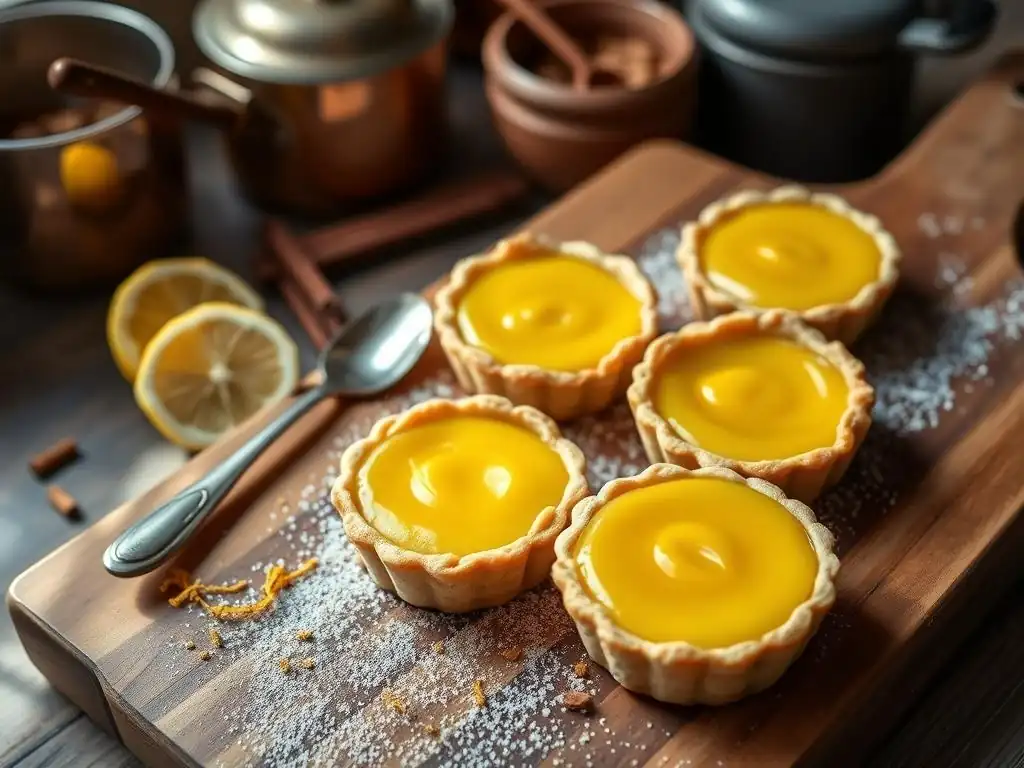
Even with a beginner-friendly recipe for easy Meyer lemon tartlets, a few common issues can arise. Knowing how to troubleshoot problems and incorporating simple tips can make a big difference in the final outcome. These pointers will help you achieve beautifully set curd, a perfectly crisp crust, and ensure your delicious easy spiced citrus curd tartlets last as long as possible.
From salvaging a runny curd to getting that ideal golden crust, these tips are designed to help you navigate potential challenges and elevate your baking skills. Storing your finished tartlets properly is also key to maintaining their freshness and texture.
Troubleshooting Common Curd Problems: Runny or Overcooked Curd
One common issue when making citrus curd is achieving the right consistency. If your Meyer lemon curd is too runny after cooking and cooling, it likely didn't cook long enough or wasn't heated gently enough to allow the egg proteins to thicken it properly. You can try returning it to the saucepan and heating it very gently over low heat, stirring constantly, for a few more minutes until it reaches the desired thickness (coating the back of a spoon). Be extremely careful not to overheat.
On the other hand, if the curd appears lumpy or grainy, it might have been heated too quickly or overcooked, causing the eggs to scramble. While you can't fully reverse scrambled eggs in curd, you can sometimes improve the texture by pressing the warm curd through a fine-mesh sieve. This won't fix the taste but can remove the solid lumps. Prevention is key: use low heat and stir constantly.
Achieving a Perfectly Golden-Brown Crust
The ginger snap crust should be firm and slightly golden after baking, whether you pre-bake it or bake it with the filling. If your crust seems pale after the suggested baking time, it might need a few more minutes in the oven. Keep a close eye on it to prevent burning, especially around the edges.
If you are pre-baking the crust and notice the edges are browning too quickly, you can loosely tent the tartlet pan with aluminum foil for the last few minutes of baking. Ensure the crumbs are firmly pressed into the pan initially; a loose crust is more likely to fall apart. Using the right amount of melted butter is also crucial for binding the crumbs effectively.
How to Store Your Meyer Lemon Tartlets
Once your easy Meyer lemon tartlets have cooled completely, they should be stored in the refrigerator due to the egg-based curd filling. Place them in an airtight container in a single layer if possible, or stack them carefully with parchment or wax paper in between layers to prevent them from sticking together.
Properly stored in the refrigerator, these tartlets will typically last for 3-4 days. The crust may soften slightly over time, but the curd should remain smooth and delicious. For longer storage, you can freeze the baked and cooled tartlets for up to 1-2 months. Thaw them overnight in the refrigerator before serving.
Variations and Adaptations: Customizing Your Lemon Tartlets
While the classic easy Meyer lemon tartlets with ginger snap crust are delightful, this recipe is also incredibly adaptable. Once you've mastered the basic technique, you can easily experiment with different crusts, add complementary flavors to the curd, or modify the recipe to suit dietary needs. This allows you to put your own spin on these easy citrus tartlets.
Exploring variations keeps baking exciting and allows you to tailor the dessert to different tastes or occasions. Whether you swap out the cookie or introduce a new extract, the core technique for the Meyer lemon curd remains the same, making these adaptations simple for beginners.
The ginger snap crust provides a lovely spiced element, but you can easily substitute other types of cookies for a different flavor profile. Graham cracker crumbs are a classic choice for tart crusts, offering a slightly less spicy, more neutral base that lets the bright Meyer lemon flavor shine. You'll need about 1 ½ cups of graham cracker crumbs mixed with ¼ to ⅓ cup of melted butter.
Another excellent option is using shortbread cookies. Their buttery richness creates a tender, decadent crust that pairs beautifully with the tangy curd. Crush shortbread cookies into fine crumbs (about 1 ½ cups) and mix with slightly less melted butter than graham crackers, as shortbread is already quite buttery (start with ¼ cup). Press into pans and bake as directed.
Adding Other Flavors: Vanilla, Almond Extract
While Meyer lemons have a wonderful inherent flavor, you can add other extracts to the curd to create subtle variations. A splash of pure vanilla extract (about ½ teaspoon added at the end of cooking) can enhance the overall sweetness and aroma of the curd without overpowering the delicate lemon flavor.
For a different twist, consider adding a small amount of almond extract (start with ¼ teaspoon). Almond and citrus flavors pair surprisingly well, adding a subtle nutty undertone to the bright lemon curd. Add extracts after the curd has finished cooking and is off the heat, stirring well to combine.
Gluten-Free Options: Adapting the Recipe for Dietary Needs
Making these easy Meyer lemon tartlets gluten-free is relatively simple, primarily involving swapping out the crust. Instead of using traditional ginger snaps, look for gluten-free ginger snap cookies, which are widely available in many grocery stores. Ensure they are crisp enough to crumble properly.
Alternatively, you can create a gluten-free crust using almond flour or a blend of gluten-free flours mixed with sugar and melted butter, similar to a shortbread-style crust. A common ratio is 1 ½ cups almond flour, ¼ cup sugar, and ⅓ cup melted butter, pressed into pans and baked. The Meyer lemon curd itself is naturally gluten-free.
Serving and Enjoying Your Meyer Lemon Tartlets
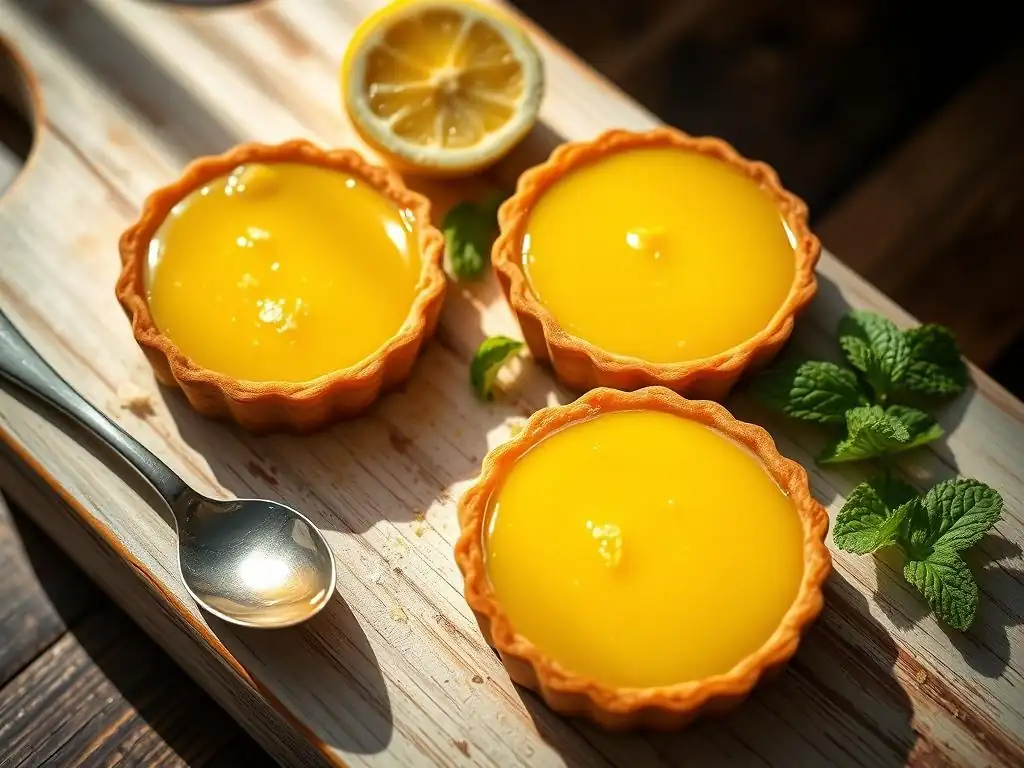
Once your easy Meyer lemon tartlets have cooled completely and are set, the final step is the most rewarding: serving and enjoying them! These tartlets are delicious on their own, but adding simple garnishes can enhance their visual appeal and add extra layers of flavor and texture. Thinking about what beverages pair well can also elevate the dessert experience.
Presenting your easy spiced citrus curd tartlets beautifully makes them even more special, whether you're serving them for a casual treat or a more formal gathering. These simple serving suggestions will help you make the most of your homemade creation.
Garnishing Ideas: Fresh Berries, Whipped Cream, or Candied Ginger
Garnishes can add a pop of color and complementary flavors to your Meyer lemon tartlets. Fresh raspberries or blueberries are a classic pairing with lemon, adding a touch of sweetness and acidity. A dollop of freshly whipped cream is another simple yet elegant option, providing a creamy contrast to the tangy curd.
For a nod back to the ginger snap crust, a sprinkle of finely chopped candied ginger or a few thin slices can reinforce the spiced theme and add a chewy texture. A dusting of powdered sugar or a twist of fresh lemon zest can also add a simple, beautiful finish.
Pairing Suggestions: Tea, Coffee, or Dessert Wine
The bright, tangy flavor of Meyer lemon tartlets pairs well with a variety of beverages. For a warm, comforting combination, serve them with a cup of black tea, like Earl Grey or a simple English Breakfast. Coffee, particularly a lighter roast, can also be a good match, its slight bitterness balancing the tartness of the curd.
If you're looking for an alcoholic pairing, consider a sweet dessert wine that won't be overpowered by the lemon. A Moscato d'Asti or a late-harvest Riesling with its fruity and slightly sweet profile can complement the tartlets beautifully.
Mastering the Art of Lemon Curd: Further Baking Adventures.
Frequently Asked Questions
What makes this Spiced Citrus Curd Tart recipe "easy" for beginners?
The recipe focuses on simplified techniques and uses easily accessible ingredients. The crust can even be made using a food processor for extra convenience.
Can I substitute the citrus fruits in the curd?
Yes, you can! While the recipe calls for a specific blend, you can experiment with different citrus combinations like lime and grapefruit, but the flavor profile will change.
What spices are used in the "spiced" citrus curd?
The recipe typically uses warm spices like cinnamon, nutmeg, and cloves to complement the citrus. The exact amounts can be adjusted to your personal preference.
How do I prevent the tart crust from shrinking during baking?
Blind baking the crust with pie weights is crucial. Also, chilling the dough before baking helps to minimize shrinkage.
How long can I store the finished Spiced Citrus Curd Tarts?
Stored properly in the refrigerator, these tarts will last for about 3-4 days. Make sure to keep them covered to prevent them from drying out.
Final Reflection: The Enduring Allure of Simple Baking
The art of baking, even at its most ambitious, often finds its truest expression in simplicity. This beginner's guide to spiced citrus curd tarts proves that point, demonstrating how accessible and rewarding the creation of truly delicious treats can be. The ease of the recipe, coupled with the vibrant flavors and beautiful presentation, makes it a perfect entry point for aspiring bakers of all skill levels.
The enduring appeal of homemade baked goods lies not just in the taste, but in the process itself. The act of carefully measuring ingredients, the satisfying aroma filling the kitchen, the pride in presenting a beautiful and delicious creation – these are experiences that connect us to a rich culinary heritage and foster a sense of accomplishment. Baking is at once child's play and adult joy. And love, of course.
– Alma Flor Ada. This quote perfectly encapsulates the joy and satisfaction found in creating these tarts, a joy that transcends the simple act of following a recipe.
Now, I invite you to roll up your sleeves and embark on your own spiced citrus curd tart adventure. Don't be intimidated by the seemingly complex flavors; the recipe is designed to guide you every step of the way. More importantly, remember the joy inherent in the process. Let the aroma of warming spices and zesty citrus fill your kitchen, and savor the moment of creation. The result? Not just a delicious tart, but a memory made sweeter by the experience of making it.
Unlock Your Inner Pastry Chef: Make Your First Spiced Citrus Curd Tart!
Thanks for joining us on this delicious journey into the world of spiced citrus curd tarts! We hope you've gained the confidence to tackle this seemingly complex treat. Now it's time to put your newfound skills to the test.
- Bake your own masterpiece! Use the recipe and tips from this article to create your very first spiced citrus curd tart. Let the fragrant aroma fill your kitchen!
- Share your creation! Snap a picture of your finished tart and post it on social media using #BakeWithEaseSpicedCitrus. Let's inspire each other!
- Experiment with flavors: Try substituting different citrus fruits or spices to personalize your curd. What unique combination will you discover?
Ready to unleash your inner pastry chef and create a stunning (and delicious!) tart?