
Your Guide to the Best Dough Consistency for SliceandBake Cookies

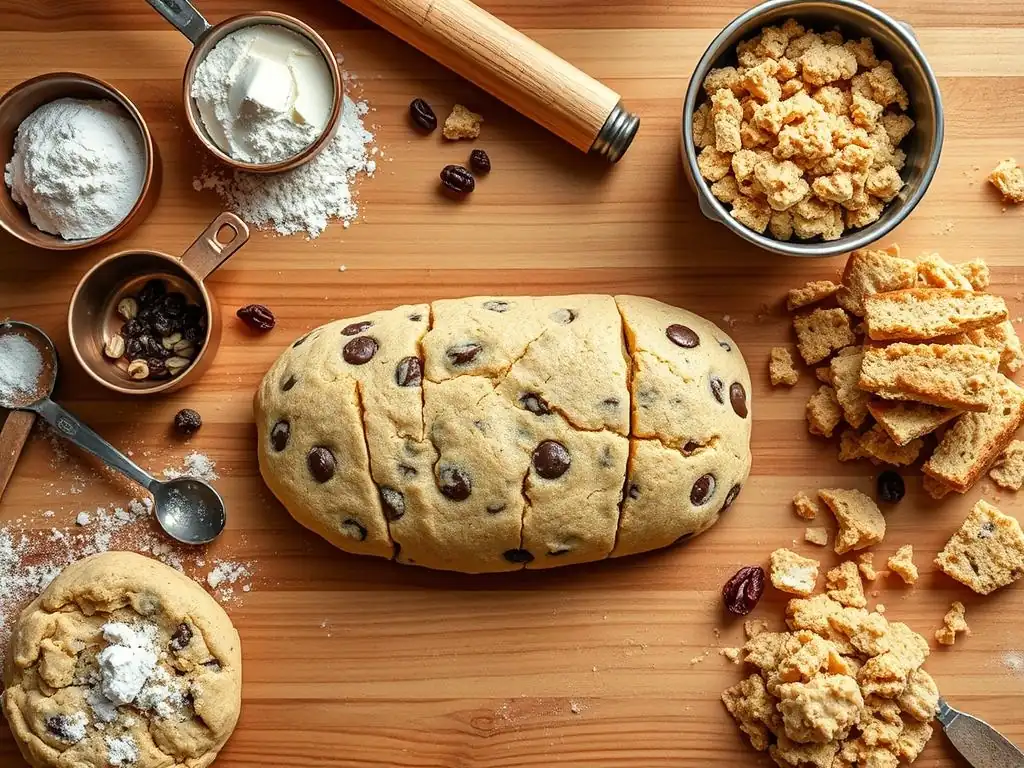
Welcome to BakeWithEase, your companion on a delicious baking journey! Ever wondered if the secret to perfectly slice-and-bake cookies lies solely in chilling the dough? It's more than that! This guide reveals the nuances of achieving the best dough consistency for those irresistible treats. Unlock the secrets to slice-and-bake success and discover how the right texture transforms ordinary cookies into extraordinary delights. Ready to bake with confidence? Let's get started!
- Understanding Dough Consistency for Perfect Slice-and-Bake Cookies
- Achieving the Perfect Dough Consistency: A Step-by-Step Guide
- Troubleshooting Common Dough Consistency Problems
- Slice-and-Bake Cookie Recipe Variations and Dough Consistency
- Best Practices for Storing Slice-and-Bake Cookie Dough
- Mastering Slice-and-Bake: Achieving the Perfect Cookie Texture Every Time
-
Frequently Asked Questions
- How important is dough consistency for slice-and-bake cookies?
- What does "best" dough consistency for slice-and-bake cookies actually mean?
- What happens if my slice-and-bake cookie dough is too dry?
- Conversely, what happens if my dough is too wet or sticky?
- What are some visual cues to look for when determining dough consistency?
- Final Reflection: The Perfect Crumble: Mastering Dough Consistency for Slice-and-Bake Success
- Unleash Your Inner Cookie Master!
Why Dough Consistency Matters for Slice-and-Bake Success
Achieving the best dough consistency slice bake is paramount for cookies that hold their shape and bake evenly. Unlike drop cookies that are meant to spread, slice-and-bake cookies rely on a firm, stable dough that can be formed into a log, chilled, and then sliced into uniform rounds. If the dough is too soft or sticky, it will be impossible to roll into a log that maintains its structure. When sliced, overly soft dough can squish and distort, leading to misshapen cookies before they even hit the oven.
Furthermore, improper consistency directly impacts how the cookie bakes. A dough that is too dry and crumbly won't bind together properly, potentially falling apart during slicing or baking. Conversely, a dough that is too wet can spread excessively in the oven, resulting in thin, crispy cookies that lack the desired chewiness and thickness characteristic of many slice-and-bake varieties. Mastering the dough's texture ensures predictable results batch after batch, making your baking experience much more enjoyable and successful.
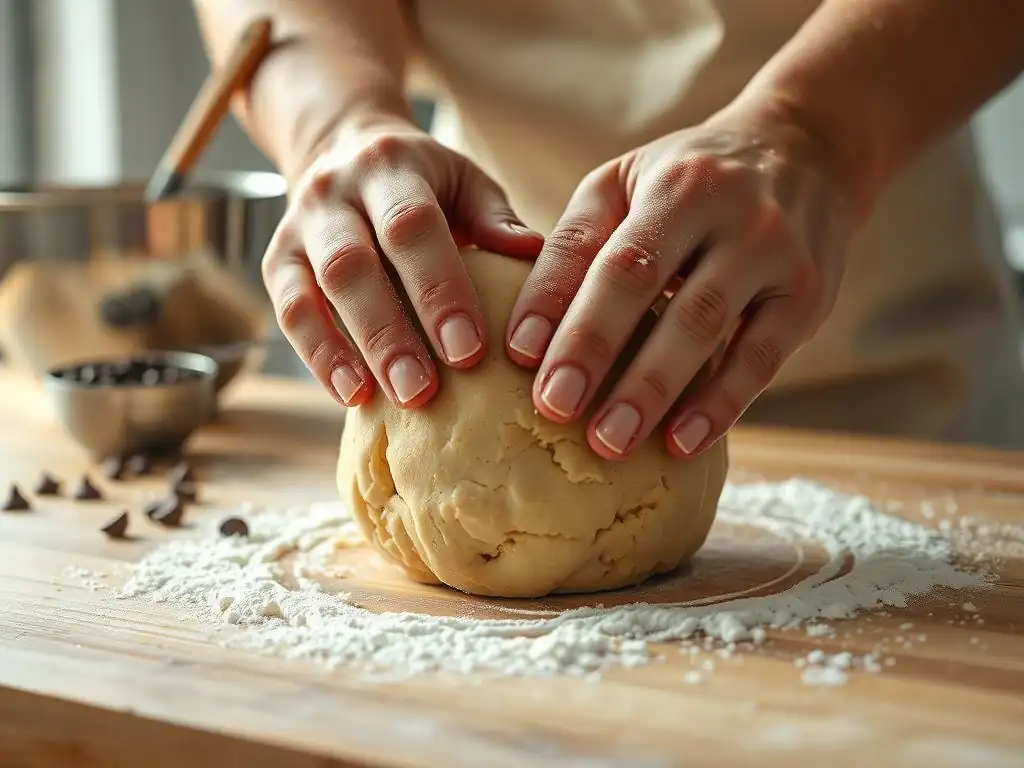
The ideal texture for best dough consistency slice bake is firm yet pliable. Think of it as being similar to playdough – it should be easy to shape without sticking excessively to your hands or the work surface, but also not so dry that it crumbles when you try to manipulate it. When you press it, it should give slightly but hold its form. This balance is critical for the dough's ability to be rolled into a log and then sliced cleanly after chilling.
Specifically, the dough should be cohesive; when you gather it, it should come together into a single mass rather than falling apart into small pieces. After chilling, a properly consistent dough log should feel solid and firm, almost like a roll of refrigerated butter. When sliced with a sharp knife, the cuts should be clean, leaving smooth edges on the cookie rounds. This firm, sliceable state is the hallmark of dough ready for perfect slice-and-bake cookies.
Achieving the Perfect Dough Consistency: A Step-by-Step Guide
Step 1: Selecting the Right Ingredients for Slice-and-Bake Dough
Choosing Flour for Optimal Cookie Dough Consistency
The type and amount of flour are fundamental to achieving the best dough consistency slice bake. All-purpose flour is the standard choice for most cookie recipes due to its moderate protein content (typically 10-12%). This protein level allows for some gluten development, providing structure to the cookie, but not so much that the cookie becomes tough. Using too little flour will result in a sticky, wet dough that spreads too much, while too much flour will lead to a dry, crumbly dough that doesn't hold together.
Measuring flour accurately is also crucial. Scooping flour directly from the bag with your measuring cup can pack it down, adding significantly more flour than intended – sometimes up to 25% more. The recommended method is to lightly spoon the flour into the measuring cup and level it off with a straight edge. This ensures you're using the amount specified in the recipe, which is calibrated to produce the correct dough consistency.
The Role of Butter in Slice-and-Bake Cookie Texture
Butter is a key player in both the flavor and texture of slice-and-bake cookies, significantly impacting the best dough consistency slice bake. Most recipes call for softened butter, which means the butter should be pliable but still cool to the touch, around 65°F (18°C). Softened butter creams easily with sugar, incorporating air that contributes to the cookie's lift and texture. Using butter that is too cold makes creaming difficult, resulting in less aeration.
Using butter that is too warm or melted, however, is detrimental to slice-and-bake consistency. Melted butter doesn't cream with sugar in the same way and leads to a much softer, greasier dough that is difficult to shape into a log and will spread excessively during baking. The fat in the butter also solidifies when chilled, providing the firmness necessary for slicing. Therefore, ensuring your butter is at the correct softened temperature is a critical first step.
Sugar's Impact on Dough Consistency and Cookie Spread
Sugar not only provides sweetness but also affects the dough's structure and moisture. Granulated sugar is commonly used and contributes to spread and crispness. It also helps create structure when creamed with butter. Brown sugar, on the other hand, contains molasses, which adds moisture and chewiness to the cookie. Recipes often use a combination of both sugars to balance these characteristics.
The amount of sugar relative to other ingredients influences the dough's hydration and firmness. Too much sugar can make the dough sticky and cause excessive spreading during baking because sugar melts at oven temperatures and encourages flow. Too little sugar might result in a tougher, less tender cookie. Understanding how different sugars behave helps predict and control the final best dough consistency slice bake.
Step 2: Mixing Techniques for Consistent Slice-and-Bake Dough
Creaming Butter and Sugar: The Foundation for Perfect Texture
The creaming method, where softened butter and sugar are beaten together until light and fluffy, is fundamental for many cookie recipes, including slice-and-bake. This process incorporates tiny air pockets into the mixture. These air pockets expand in the oven, contributing to the cookie's leavening and creating a tender texture. Proper creaming typically takes 2-3 minutes with an electric mixer on medium speed, or longer by hand.
Under-creaming won't incorporate enough air, potentially leading to denser cookies. Over-creaming, while less common, can sometimes warm the butter too much or incorporate too much air, though the main risk in cookie dough comes later. The goal here is a pale, fluffy mixture that serves as a stable base for the rest of your ingredients, setting the stage for the best dough consistency slice bake.
Incorporating Dry Ingredients: Avoiding Overmixing
Once the wet ingredients (creamed butter/sugar, eggs, vanilla) are combined, the dry ingredients (flour, baking soda/powder, salt) are added. This step is crucial for developing the final dough consistency. The key is to mix the dry ingredients just until they are combined with the wet ingredients and no streaks of dry flour remain. This usually takes less than a minute on low speed with a mixer, or a few gentle folds by hand.
Overmixing the dough after adding flour develops gluten, the protein network in flour that gives structure to bread. While essential for bread, too much gluten development in cookies results in a tough, dense texture. For the best dough consistency slice bake, you want just enough structure to hold the cookie together, not a chewy, bread-like texture. Stop mixing as soon as the ingredients are incorporated.
Why Chilling is Crucial for Slice-and-Bake Cookies
Chilling is a non-negotiable step for achieving the best dough consistency slice bake. When the dough is chilled, the fat (butter) solidifies. This hardening of the fat is what transforms the relatively soft, mixed dough into a firm mass that can be easily rolled into a log and, more importantly, sliced cleanly without distorting its shape. Without sufficient chilling, the dough will be too soft to slice uniformly, and the cookies will spread excessively when baked.
Beyond making the dough sliceable, chilling also allows the dry ingredients, particularly the flour, to fully hydrate. This hydration process helps create a more uniform texture throughout the dough. Furthermore, chilling deepens the flavors of the cookie dough as the ingredients meld together over time. It's a simple step that has a profound impact on both the workability of the dough and the quality of the final cookie.
The Ideal Chilling Time for Different Dough Types
The ideal chilling time depends on the recipe and the desired firmness, but a minimum of 1-2 hours in the refrigerator is typically required for the dough to become firm enough to handle and slice cleanly. For the absolute best dough consistency slice bake and ease of slicing, chilling for at least 3-4 hours, or even overnight, is often recommended. This extended chilling time ensures the butter is thoroughly solidified throughout the log.
Thicker logs might require slightly longer chilling than thinner ones. If you're in a hurry, you can speed up the chilling process by placing the dough in the freezer for 20-30 minutes, but be careful not to freeze it solid if you intend to slice it immediately afterward. The goal is a firm, sliceable texture, not a frozen brick.
Tips for Even Slicing of Chilled Cookie Dough
Once your dough log is properly chilled to the best dough consistency slice bake, slicing requires a sharp knife and a steady hand for uniform cookies. A large, sharp chef's knife or a serrated knife works well. Use a decisive, downward motion to slice through the log rather than sawing back and forth, which can cause the dough to crumble or squish. Aim for slices of consistent thickness, typically between 1/4 inch and 1/2 inch, depending on the recipe and your preference.
Rotating the log as you slice can help maintain its round shape. If the log has flattened slightly on one side during chilling, you can gently reshape it before slicing. If the dough is so cold it's difficult to slice, let it sit at room temperature for just 5-10 minutes to soften slightly, but don't let it get too warm. Consistent slice thickness is key to ensuring all cookies on the baking sheet bake at the same rate.
Baking Time and Temperature for Different Cookie Thicknesses
Baking time and temperature are directly related to the thickness of your cookie slices and crucial for achieving the desired texture. Most slice-and-bake cookies are baked in a preheated oven between 350°F (175°C) and 375°F (190°C). Thinner cookies (around 1/4 inch) will bake faster, typically in 8-10 minutes, resulting in a crisper cookie. Thicker cookies (around 1/2 inch) will take longer, perhaps 10-14 minutes, yielding a chewier center.
Always start checking for doneness at the lower end of the time range. Cookies are usually ready when the edges are lightly golden brown and the centers look set but may still appear slightly soft. They will continue to set as they cool on the baking sheet for a few minutes before being transferred to a wire rack. Adjusting baking time based on the thickness you achieved from your best dough consistency slice bake log is essential for perfect results.
Troubleshooting Common Dough Consistency Problems
Dough is Too Crumbly: Solutions for Dry Slice-and-Bake Dough
A crumbly dough indicates there isn't enough moisture to bind the ingredients together, preventing you from achieving the best dough consistency slice bake. This can happen if too much flour was added, or if the dry ingredients weren't properly incorporated. Trying to roll a crumbly dough into a log will result in it falling apart.
Adding Moisture to Revive Crumbly Dough
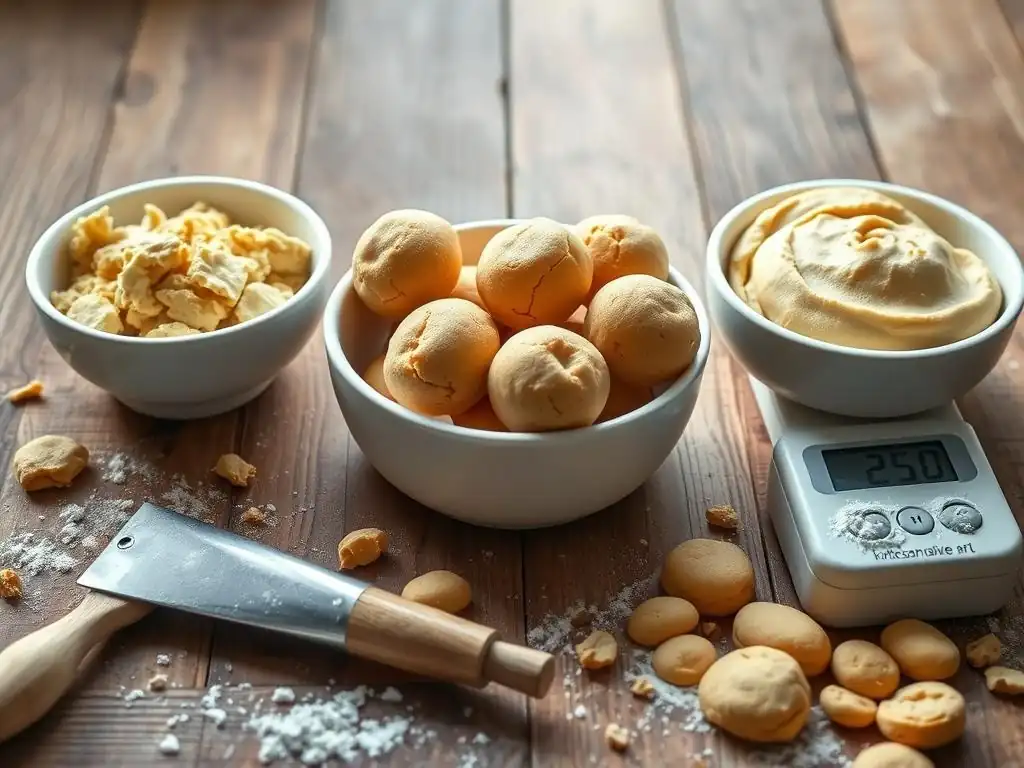
To fix crumbly dough, you need to carefully introduce more liquid or fat. Start by adding a very small amount of liquid, such as 1/2 to 1 teaspoon of milk or a neutral oil (like vegetable oil), or a tiny piece of softened butter (about 1/2 teaspoon). Knead it gently into the dough with your hands until it just comes together.
Avoid adding too much at once; you can always add a tiny bit more if needed. The goal is to make it just moist enough to cohere into a smooth mass when pressed, allowing you to form the log.
Dough is Too Sticky: How to Fix Wet Slice-and-Bake Dough
Sticky dough is often the result of too little flour, too much butter (especially if it was too warm), or not enough chilling time. Sticky dough is difficult to handle, sticks to surfaces, and won't hold its shape when sliced, preventing the best dough consistency slice bake.
Incorporating More Flour to Achieve the Right Consistency
If your dough is too sticky right after mixing, you can carefully add a small amount of additional flour. Add flour 1 tablespoon at a time, kneading it gently into the dough until it is no longer excessively sticky and you can handle it without it clinging to your hands. Be cautious not to add too much flour, as this will make the cookies tough.
Once the dough feels workable, proceed with forming the log and chilling thoroughly. Chilling is often the best remedy for slightly sticky dough, as it firms up the butter and makes the dough much easier to handle and slice.
Sometimes, dough that has been chilled for a very long time, perhaps overnight or longer, can become excessively hard, making it difficult or impossible to slice without cracking or crumbling. While firmness is needed for the best dough consistency slice bake, being rock hard is not ideal.
Techniques for Bringing Dough Back to the Right Temperature
If your dough log is too hard to slice, let it sit at room temperature for 10-15 minutes. Check its consistency periodically. It should soften just enough around the edges to allow a sharp knife to cut through cleanly without excessive force. Alternatively, you can briefly microwave the log on a very low power setting (e.g., 10-20% power) for just 5-10 second intervals, rotating it each time, until it is pliable enough to slice. Be extremely careful not to melt the butter, which would ruin the texture. Gentle warming is the key.
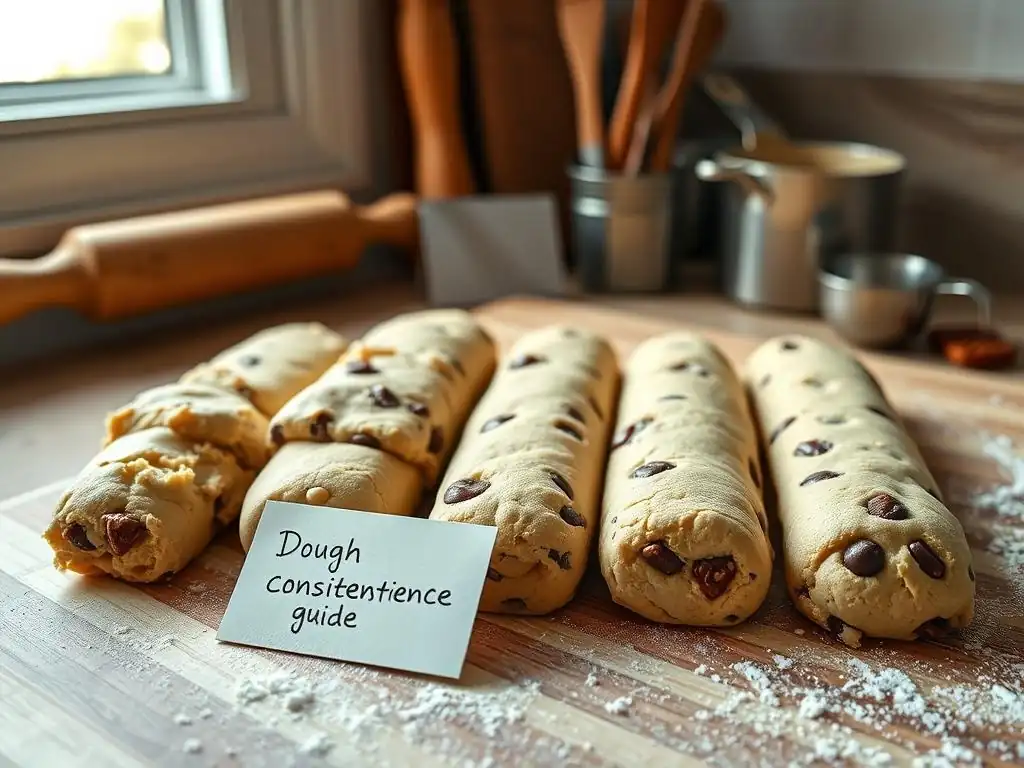
Classic sugar cookie dough for slice-and-bake should be quite firm but still workable. It relies heavily on the creaming method and accurate flour measurement for the best dough consistency slice bake. The dough should be stiff enough to hold a sharp edge when sliced and maintain its shape during baking. If it's too soft, the cookies will spread into amorphous blobs; if too dry, they will crack when rolled and crumble when sliced. Ensuring the butter is properly softened and the flour is measured correctly are the most critical steps here.
Chocolate chip cookie dough designed for slice-and-bake needs to be firmer than a standard drop cookie version to achieve the best dough consistency slice bake. The addition of chocolate chips can sometimes make the dough harder to slice if the chips are very large or unevenly distributed. The base dough should be firm enough to form a log that doesn't fall apart, but also have enough moisture (often from brown sugar and eggs) to prevent it from being overly dry or crumbly around the chips. Uniformly distributing the chips helps significantly during slicing.
Peanut butter adds fat and protein but can sometimes make dough feel drier or more crumbly than traditional butter-based doughs. The best dough consistency slice bake for peanut butter cookies is still firm but might feel slightly less cohesive than a sugar cookie dough due to the properties of peanut butter. Ensure the dough is not too dry by using the specified amount of peanut butter and fat.
If it feels too crumbly when forming the log, a tiny splash of milk might help, but be cautious as peanut butter already contains a lot of fat. Chilling is particularly important for peanut butter dough to firm it up for slicing.
Oatmeal cookie dough for slice-and-bake presents a unique challenge because the oats absorb moisture over time. For the best dough consistency slice bake, the dough might feel slightly softer or even a bit wet right after mixing, especially if using quick oats which absorb liquid faster than old-fashioned oats.
It's crucial to give this dough adequate chilling time (at least 2-4 hours) to allow the oats to fully hydrate and soften, and the dough to firm up sufficiently for slicing. If sliced too early, the dough might be too soft; if chilled too long with insufficient moisture, it could become too hard.
Proper Storage Techniques to Maintain Dough Consistency
Storing your slice-and-bake cookie dough correctly is vital for maintaining the best dough consistency slice bake until you're ready to bake. After forming the log(s), wrap them tightly in plastic wrap, pressing out any air bubbles. A double layer of plastic wrap is recommended. You can then wrap the plastic-wrapped log again in aluminum foil for extra protection against freezer burn or absorbing odors from the refrigerator. Proper wrapping prevents the dough from drying out or becoming too hard on the exterior while remaining soft inside.
Store the well-wrapped logs in the coldest part of your refrigerator or in the freezer. Labeling the logs with the type of cookie and the date is a helpful practice.
How Long Does Slice-and-Bake Dough Last?
Properly stored slice-and-bake cookie dough can last for a considerable time, allowing for fresh-baked cookies on demand. In the refrigerator, tightly wrapped dough logs are typically good for up to 1 week. This is perfect for making a batch ahead of time for baking over a few days.
For longer storage, the freezer is your best friend. Tightly wrapped and possibly double-wrapped dough logs can be frozen for 2 to 3 months without significant loss of quality or the desired best dough consistency slice bake after thawing/tempering. When ready to bake from frozen, you can often slice the log while still partially frozen (letting it sit at room temp for 10-15 mins first) or transfer it to the refrigerator overnight to thaw before slicing.
Achieving the best dough consistency slice bake boils down to a few critical factors: accurate ingredient measurement, particularly flour and butter temperature; proper mixing techniques, avoiding overmixing; and sufficient chilling time to firm the dough for clean slicing. Troubleshooting common issues like crumbly or sticky dough involves small, careful adjustments. Understanding how different ingredients and chilling affect the dough's texture is key to consistent, delicious results.
Further Resources for Perfecting Your Baking Skills at BakeWithEase.com
Explore more recipes and techniques on BakeWithEase.com to continue your baking journey. Find simple guides for beginner recipes, tips for mastering bread baking, and detailed steps for various pastries and desserts. Our goal is to make baking accessible and enjoyable for everyone, helping you achieve perfect results, whether you're working on best dough consistency slice bake cookies or tackling a complex cake.
Frequently Asked Questions
Dough consistency is absolutely crucial for slice-and-bake cookies. The right consistency ensures even slicing and consistent baking, leading to perfectly shaped and textured cookies.
The "best" consistency typically refers to a dough that is firm enough to hold its shape when sliced but soft enough to be easily worked with. It should be slightly tacky, not sticky.
If the dough is too dry, the cookies may crumble during slicing or baking. You can try adding a small amount of liquid (milk or water) to the dough to reach the desired consistency.
Conversely, what happens if my dough is too wet or sticky?
A dough that is too wet will spread too much during baking, resulting in thin, flat cookies. Try adding a small amount of flour until the dough reaches a manageable, less sticky consistency.
What are some visual cues to look for when determining dough consistency?
Look for a dough that is smooth and pliable, easily forms into a log, and holds its shape without sagging significantly. A slight tackiness is acceptable, but it should not stick excessively to your hands.
Final Reflection: The Perfect Crumble: Mastering Dough Consistency for Slice-and-Bake Success
The quest for the perfect slice-and-bake cookie hinges entirely on achieving the ideal dough consistency—a balance of firmness and pliability that ensures even baking and delightful texture. This seemingly simple detail dramatically impacts the final product, transforming a potentially crumbly disaster into a batch of perfectly crisp-edged, chewy-centered delights. The right consistency isn't just about following a recipe; it's about understanding the interplay of ingredients and how they behave.
The journey of mastering dough consistency has been a personal one, filled with both triumphs and failures. I've learned that even slight variations in ingredient temperature or mixing technique can significantly alter the final result. The difference between something good and something great is attention to detail.
This quote perfectly encapsulates the essence of achieving perfect slice-and-bake cookies. The seemingly small details, like the precise amount of chilling time or the subtle nuances of dough texture, collectively contribute to the overall baking experience and the final product's quality. This pursuit of perfection extends beyond the kitchen; it reflects a broader appreciation for precision and the rewarding nature of mastering a craft.
Now, it's your turn. Don't just bake cookies; understand your dough. Experiment with different consistencies, paying close attention to how each adjustment affects the final product. Embrace the learning process, celebrate your successes, and learn from your "mistakes"—they are invaluable stepping stones on the path to mastering the art of the perfect slice-and-bake cookie. The journey is as rewarding as the destination, and the delicious results will be a testament to your dedication and newfound expertise.
Thanks for joining us on this delicious journey into the world of perfect slice-and-bake cookies! You now have the knowledge to conquer dough consistency and bake cookies that are consistently amazing. Ready to put your new skills to the test?
- Bake a batch of your favorite slice-and-bake cookies today, using your newfound dough expertise! Experiment with different flours or add-ins to see what works best.
- Share your baking triumphs (and even your flops!) with the BakeWithEase community on our social media channels. Let's inspire each other!
- Consider trying a new slice-and-bake recipe – you'll be amazed at the variety out there!
What unique twist will you add to your next batch of perfectly consistent slice-and-bake cookies?