
Explore Different Italian Focaccia Styles with Ease

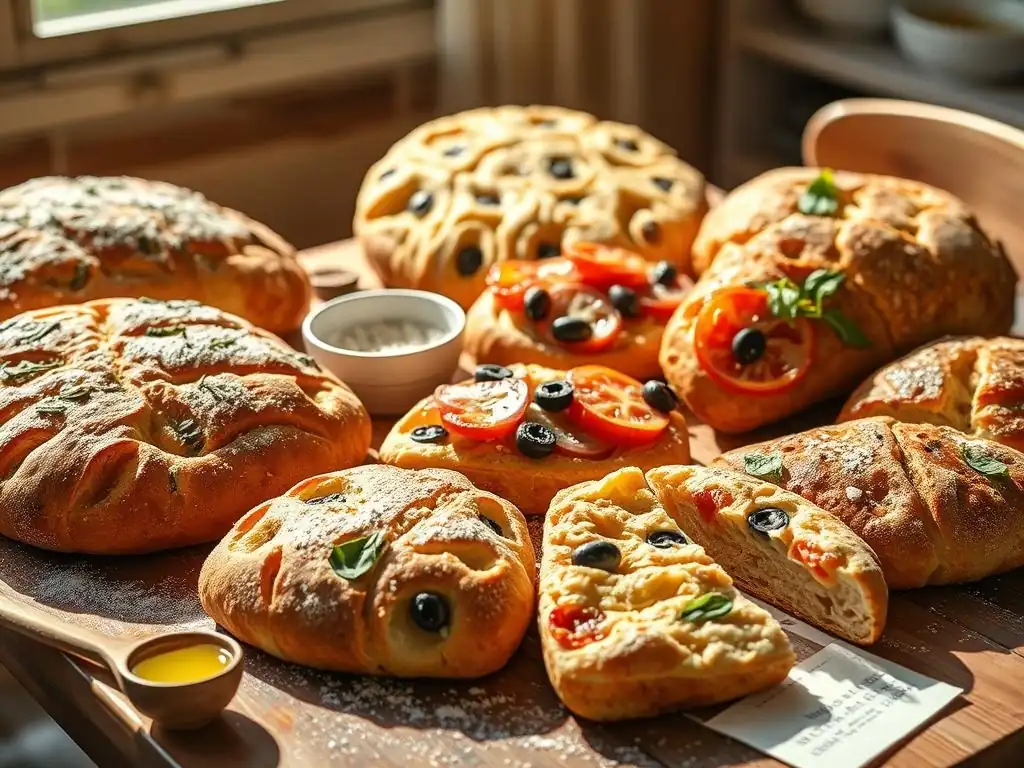
Welcome to BakeWithEase, your guide to effortless baking!
Craving that rustic, oven-fresh aroma and the satisfying crunch of perfectly baked bread? Dive into our world of Easy Italian Focaccia Recipes and discover how simple it is to create authentic flavors right in your own kitchen. But which focaccia style will become your new favorite? Explore regional variations, uncover secret techniques, and prepare to be amazed by the versatility of this beloved Italian classic. Let's get baking!
- BakeWithEase: Your Guide to Mastering Easy Italian Focaccia Recipes
- Understanding the Basics of Focaccia Baking
- Regional Variations of Italian Focaccia: A Culinary Journey
- Easy Italian Focaccia Recipes for Home Bakers
- Mastering the Art of Focaccia Dough: Tips and Tricks
- Elevate Your Baking: Beyond Basic Focaccia
- Frequently Asked Questions
- Final Reflection: The Enduring Allure of Easy Italian Focaccia
- Unleash Your Inner Focaccia Artist!
BakeWithEase: Your Guide to Mastering Easy Italian Focaccia Recipes
Welcome to BakeWithEase, your friendly corner for discovering the joy of baking! Today, we're diving into the wonderful world of Italian focaccia. This versatile flatbread is a staple of Italian cuisine, loved for its soft, airy interior and crisp, golden crust. Whether you're a complete novice or looking to expand your baking repertoire, mastering easy Italian focaccia recipes is an achievable and rewarding goal. With just a few simple ingredients and techniques, you can bring the taste of Italy right into your kitchen.
Our goal is to demystify focaccia baking, making it accessible and enjoyable for everyone. We'll walk you through the fundamentals, explore some delicious regional variations, and provide easy-to-follow recipes that guarantee success. Get ready to impress yourself and your loved ones with freshly baked focaccia that's perfect for dipping in olive oil, serving alongside meals, or enjoying on its own. Let's embark on this flavorful journey to baking perfect, easy Italian focaccia.
Understanding the Basics of Focaccia Baking
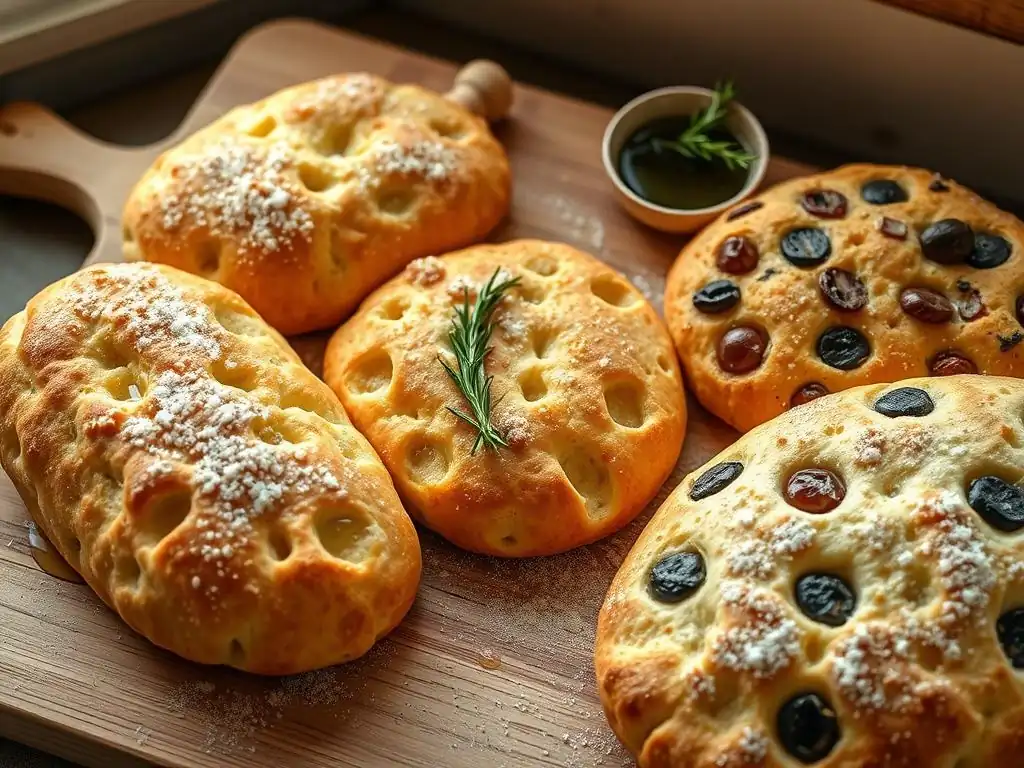
What is Focaccia? A Beginner's Guide
Focaccia is a type of Italian flatbread, typically baked in a shallow pan and often topped with olive oil, salt, and sometimes herbs or other ingredients. Its name is believed to derive from the Latin word "panis focacius," meaning "hearth bread," reflecting its ancient origins possibly baked on a hearth or hot stones. Unlike some other breads, focaccia is known for its relatively high hydration dough, which contributes to its characteristic airy crumb structure.
The texture of focaccia can vary significantly depending on the region and recipe, ranging from thin and crispy to thick and spongy. However, a common thread is the generous use of olive oil, both in the dough and drizzled over the top before baking. This not only adds flavor but also helps create that desirable golden, slightly crispy crust while keeping the interior moist. It's a bread that celebrates simplicity and quality ingredients, making easy Italian focaccia recipes a fantastic starting point for anyone new to bread baking.
Essential Ingredients for Authentic Focaccia
Creating authentic Italian focaccia relies on a few fundamental ingredients, each playing a crucial role in the final product. The base typically consists of high-quality bread flour (or a mix including some durum wheat), water, yeast, salt, and, most importantly, extra virgin olive oil. The type of flour used can influence the texture; for example, using Italian "Tipo 00" flour can result in a very tender crumb, while bread flour provides good structure. Water hydration is key; many traditional recipes use a high percentage of water relative to flour, sometimes 70% or even 80% hydration.
Yeast, whether active dry or instant, is necessary for leavening, giving the focaccia its rise and airy texture. Salt is vital for flavor and controlling yeast activity. Extra virgin olive oil is not just a lubricant; it's a flavor enhancer and contributes significantly to the focaccia's texture and crust. Using a good quality, fruity olive oil will make a noticeable difference. Beyond these staples, variations might include a pinch of sugar to help the yeast, but the core ingredients remain simple, allowing the quality of each to shine through in easy Italian focaccia recipes.
Key Techniques for Achieving Focaccia Perfection
Achieving that perfect focaccia texture – a tender, airy interior with a crisp exterior – relies on a few key techniques. First is proper dough development, often involving minimal kneading and relying more on time and folding (autolyse and stretch-and-folds) to build gluten strength, especially with high-hydration doughs. This gentle handling helps create larger air pockets, contributing to the focaccia's characteristic open crumb.
Another critical step is proofing. Focaccia dough requires adequate time to rise, often involving a long, slow fermentation, sometimes even overnight in the refrigerator, which develops deeper flavors. The final proof in the baking pan is essential for achieving height and tenderness. Finally, the iconic dimpling technique, where you press your fingers into the dough before baking, is crucial. These dimples prevent the focaccia from rising too much in the center and create wells for the olive oil and toppings, ensuring a flavorful and perfectly textured crust. Mastering these simple techniques makes baking easy Italian focaccia recipes incredibly rewarding.
Regional Variations of Italian Focaccia: A Culinary Journey
Focaccia Genovese: The Classic Ligurian Style
Focaccia Genovese, hailing from Genoa in the Liguria region, is arguably the most famous style of focaccia. It's typically thinner than some other variations, with a distinctively crisp bottom crust and a soft, chewy interior. The dough is often made with a high hydration level and a generous amount of olive oil incorporated directly into the dough, in addition to being drizzled on top.
What truly sets Focaccia Genovese apart is the preparation before baking. After the final proof in the pan, the surface is generously drizzled with a brine solution (often water, olive oil, and salt) which settles into the dimples. This brine creates little pockets of intense flavor and contributes to the unique texture and slightly salty crust that is characteristic of this classic easy Italian focaccia. It's traditionally enjoyed plain or simply with a sprinkle of coarse sea salt and rosemary.
Achieving the Signature Dimples and Salty Crust of Focaccia Genovese
The signature dimples of Focaccia Genovese are not just for aesthetics; they serve a functional purpose. After the dough has had its final rise in the pan, you use your fingertips (often oiled) to gently but firmly press down through the dough to the bottom of the pan. This deflates the dough slightly in specific spots, creating depressions that capture the olive oil and brine mixture added before baking.
The salty crust is achieved by drizzling a mixture of water, olive oil, and salt generously over the dimpled surface. As the focaccia bakes, the water evaporates, leaving behind concentrated salt and oil in the dimples. This creates those irresistible pockets of crispy, salty goodness that define authentic Focaccia Genovese. Using flaky sea salt or coarse kosher salt for the final sprinkle enhances this effect, adding bursts of saltiness with every bite of this classic easy Italian focaccia.
Focaccia Barese: Discovering the Flavors of Puglia
Moving south to the Puglia region, we encounter Focaccia Barese, a thicker, softer, and often more richly topped variation. This focaccia is traditionally made with a dough that includes mashed potatoes (or potato flour) and/or semola rimacinata (double-milled durum wheat flour), which contribute to its incredibly soft and moist crumb. It's typically baked in a round pan, giving it a distinct shape.
Focaccia Barese is famous for its vibrant toppings, most notably fresh tomatoes (often cherry tomatoes, halved and pressed into the dough) and olives (often local Bari olives). These toppings are added before the final proof in the pan, allowing them to nestle into the dough as it rises. The generous amount of olive oil used, combined with the moisture from the tomatoes and the unique flour blend, results in a focaccia that is wonderfully tender and flavorful, a delightful variation on easy Italian focaccia recipes.
Using Semola Rimacinata in Focaccia Barese
One of the secrets to the unique texture of Focaccia Barese is the inclusion of semola rimacinata. This finely ground durum wheat flour absorbs less water than regular bread flour and contributes to a dough that is both strong and tender. When used in combination with mashed potato, as is common in many traditional recipes, it creates a dough that yields an exceptionally soft, almost cake-like interior crumb.
Incorporating semola rimacinata into your Focaccia Barese dough requires slightly different hydration considerations than using just all-purpose or bread flour. The dough might feel slightly different to handle, often requiring a bit more water to achieve the desired consistency, which is typically quite wet and sticky. The result, however, is well worth the effort, producing a focaccia that stays moist for longer and has that characteristic rich, golden hue, making it a standout among easy Italian focaccia recipes.
Focaccia Toscana: A Simple and Rustic Delight
From the rolling hills of Tuscany comes Focaccia Toscana, a simpler, often thinner style compared to its Ligurian or Puglian cousins. This variation emphasizes the quality of the flour and olive oil, often resulting in a rustic, slightly irregular shape as it's sometimes stretched by hand directly onto a baking sheet or stone rather than a pan.
Focaccia Toscana is typically less about elaborate toppings and more about the pure flavor of the bread itself. It's commonly topped simply with coarse salt and perhaps a drizzle of olive oil before baking. Its charm lies in its straightforward preparation and honest taste, reflecting the Tuscan culinary philosophy of using excellent ingredients minimally to let their natural flavors shine. It's a perfect example of how easy Italian focaccia recipes can be both simple and profoundly delicious.
Exploring the Unique Characteristics of Tuscan Focaccia
The unique characteristics of Tuscan focaccia stem from its minimalist approach and often higher baking temperature. While Focaccia Genovese uses brine and Focaccia Barese includes potato and specific toppings, Focaccia Toscana keeps it basic: flour, water, yeast, salt, and olive oil. The dough might be slightly lower in hydration than Genovese style, leading to a less open crumb but a satisfying chew.
Baking Tuscan focaccia, especially on a hot baking stone, can result in a wonderfully crisp bottom crust and a slightly irregular, bubbly top. The focus is on achieving a beautiful golden color and allowing the natural flavors of the fermented dough and the quality olive oil to be the stars. It's a humble yet deeply satisfying bread, embodying the rustic elegance of Tuscan cuisine and providing another accessible option for easy Italian focaccia recipes.
Easy Italian Focaccia Recipes for Home Bakers
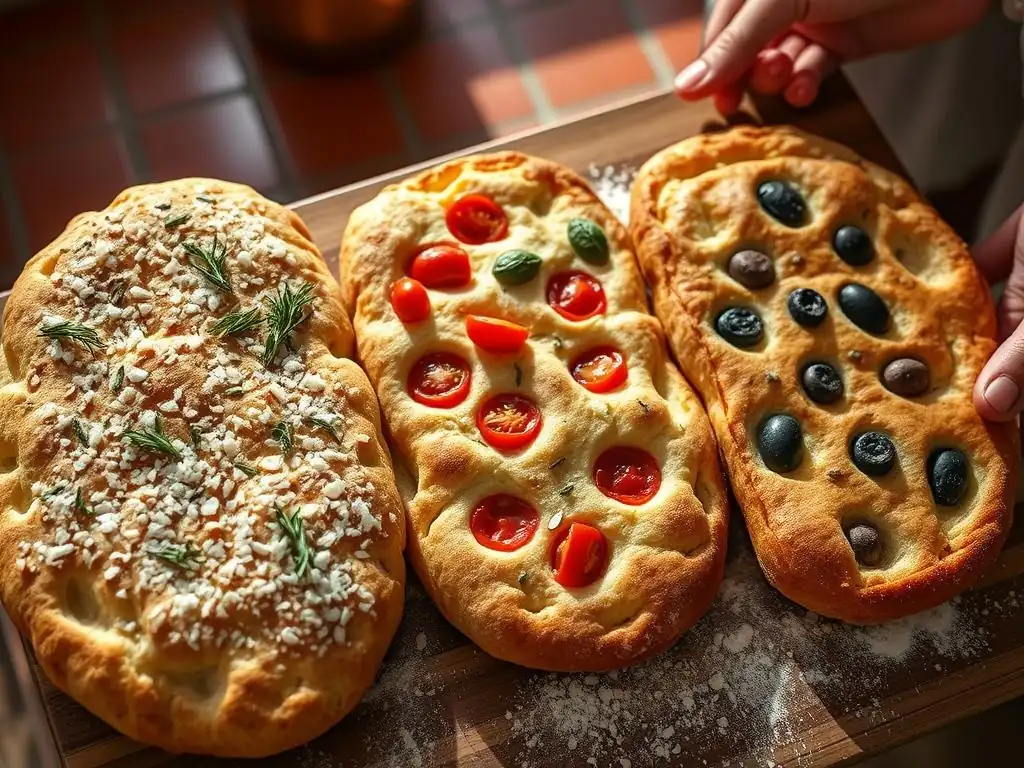
Quick and Easy Focaccia Recipe for Beginners
For those new to bread baking, an easy Italian focaccia recipe is an excellent starting point. A simple recipe typically involves mixing flour, warm water, yeast, salt, and olive oil, allowing it to rise, transferring it to a pan, dimpling, and baking. Using instant yeast can speed up the process significantly, allowing you to have fresh focaccia ready in just a few hours, including rising time.
This beginner-friendly approach often uses standard all-purpose or bread flour and requires minimal kneading. The emphasis is on hydration and proofing time to develop flavor and texture. By starting with a straightforward recipe, bakers can gain confidence in handling dough and understanding the basic principles of yeast baking before tackling more complex variations. It's a perfect way to introduce yourself to the delights of homemade focaccia.
Step-by-Step Instructions for a Simple Focaccia
Here's a simplified breakdown for an easy Italian focaccia recipe:
- Mix Ingredients: In a large bowl, combine 500g bread flour, 10g salt, 7g instant yeast. Add 400ml warm water and 2-3 tablespoons of olive oil. Mix with a spoon or spatula until just combined and no dry flour remains. The dough will be shaggy and sticky.
- First Rise: Cover the bowl and let the dough rise at room temperature for 1-2 hours, or until doubled in size. Alternatively, for more flavor, refrigerate for 8-24 hours.
- Transfer to Pan: Generously oil a 9x13 inch baking pan (or similar size) with olive oil. Gently transfer the dough into the pan. Drizzle more olive oil over the top.
- Second Rise & Dimpling: Let the dough rest in the pan for 20-30 minutes. Then, using oiled fingers, gently press deep dimples all over the surface, trying not to tear the dough. Let it rise again in the pan for another 30-60 minutes, or until puffy.
- Add Toppings (Optional): Drizzle with more olive oil and sprinkle with flaky sea salt. Add optional toppings like rosemary sprigs or cherry tomatoes.
- Bake: Bake in a preheated oven at 400°F (200°C) for 20-30 minutes, or until golden brown and cooked through.
Tips for Baking Focaccia in a Standard Oven
Baking beautiful focaccia is absolutely achievable in a standard home oven. One key tip is to ensure your oven is fully preheated to the correct temperature before you put the focaccia in. This helps the bread achieve a good initial rise and develop a crisp crust quickly. Using a baking stone or steel, if you have one, can also help create a more evenly heated surface, leading to a better bottom crust, though it's not strictly necessary for easy Italian focaccia recipes.
Another helpful tip is to position your baking rack in the middle or lower-middle of the oven. This allows the bottom of the focaccia to cook and crisp up properly without the top browning too quickly. Keep an eye on the focaccia during the last 5-10 minutes of baking; if the top is browning faster than you like, you can loosely tent it with aluminum foil. A perfectly baked focaccia should be deeply golden brown on top and sound hollow when tapped on the bottom.
Focaccia with Toppings: Creative Ideas and Combinations
While classic focaccia with just olive oil and salt is divine, adding toppings opens up a world of culinary possibilities. Focaccia serves as a wonderful canvas for flavors, turning a simple bread into a complete dish or a spectacular appetizer. The key is not to overload the dough, especially with wet ingredients, which can make it soggy. Most toppings are added after the final dimpling, often pressed gently into the dough.
Think about complementary flavor profiles. Herbs like rosemary, thyme, and oregano are classic choices. Vegetables such as cherry tomatoes, olives, caramelized onions, roasted bell peppers, or thin slices of potato work beautifully. Cheeses like mozzarella, provolone, or even dollops of ricotta can be added. For something more substantial, pieces of prosciutto or anchovies are traditional in some regions. Experimentation is part of the fun when exploring easy Italian focaccia recipes with toppings!
Exploring Different Topping Options for Focaccia
The range of toppings for focaccia is vast, limited only by your imagination and taste preferences. Simple additions like fresh rosemary sprigs and flaky sea salt are timeless. For a burst of color and sweetness, halved cherry tomatoes pressed into the dough are popular, especially in the style of Focaccia Barese. Olives, particularly cured Italian varieties like Taggiasca or Castelvetrano, add a briny counterpoint.
More elaborate toppings can include thinly sliced red onion, which caramelizes slightly as it bakes, or roasted garlic cloves for a mellow, sweet flavor. You can also add thinly sliced zucchini or eggplant. For a heartier option, crumbled sausage or even leftover cooked vegetables can find a delicious home on focaccia. Remember to use good quality ingredients; for instance, using authentic San Marzano tomatoes or Kalamata olives will significantly enhance the flavor of your easy Italian focaccia.
Focaccia with Caramelized Onions and Balsamic Glaze
One of the most popular and flavorful focaccia toppings is caramelized onions. Slow-cooking onions brings out their natural sweetness, which pairs wonderfully with the savory bread. To make this topping, thinly slice 2-3 large yellow onions and cook them slowly in olive oil over low heat for 30-45 minutes, stirring occasionally, until they are soft, deeply golden brown, and sweet.
After dimpling your focaccia dough in the pan and before the final rise, scatter the caramelized onions evenly over the surface. Bake as usual. For an extra touch of elegance and flavor, you can drizzle the baked focaccia with a balsamic glaze (simply reduced balsamic vinegar) just before serving. The combination of the sweet, savory onions, the rich balsamic, and the tender focaccia creates a truly unforgettable bite, elevating your easy Italian focaccia recipe.
Focaccia with Prosciutto and Arugula
For a delicious combination of salty, peppery, and savory flavors, try topping your focaccia with prosciutto and fresh arugula after it has baked. Bake your plain focaccia with just olive oil and salt until golden and cooked through. Let it cool slightly on a wire rack.
Just before serving, arrange thin slices of high-quality prosciutto crudo over the warm (not hot) focaccia. The heat from the bread will gently warm the prosciutto, enhancing its flavor. Top generously with a pile of fresh arugula leaves, which provide a peppery, slightly bitter contrast. A final drizzle of good quality extra virgin olive oil over the arugula completes this sophisticated yet easy Italian focaccia creation, perfect as an appetizer or light meal.
Mastering the Art of Focaccia Dough: Tips and Tricks
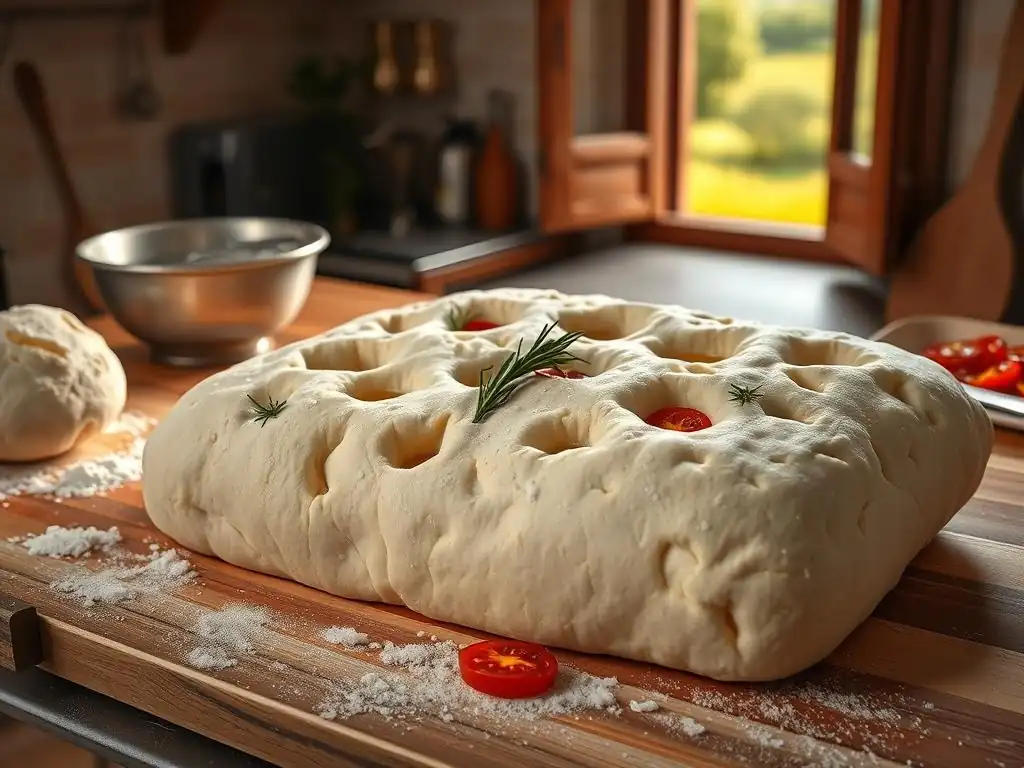
Achieving the Perfect Focaccia Dough Consistency
The key to a light and airy focaccia lies in the dough's consistency, which is typically quite wet and sticky. Don't be afraid of high hydration doughs; they are what contribute to the open crumb structure. Aim for a dough that is too wet to knead extensively by hand in the traditional way. Many recipes for easy Italian focaccia recommend hydration levels from 70% to 85% (water weight relative to flour weight).
Instead of vigorous kneading, focus on gentler techniques like the "stretch and fold" method. After the initial mixing, let the dough rest for 20-30 minutes (autolyse), then perform a set of stretch and folds every 30-45 minutes for the first 1.5-2 hours of the bulk fermentation. This develops gluten strength without deflating the dough, encouraging larger air bubbles. The dough should become smoother and more elastic with each set of folds, eventually holding its shape somewhat but still remaining soft and pliable.
Understanding the Importance of Proofing Time for Focaccia
Proper proofing is absolutely essential for achieving a well-textured and flavorful focaccia. The first rise (bulk fermentation) allows the yeast to produce carbon dioxide, expanding the dough, and more importantly, allows enzymes to break down starches and proteins, developing complex flavors. A long, slow rise, especially in the refrigerator overnight (12-24 hours), significantly enhances the taste and digestibility of the focaccia.
The second rise (final proof) in the pan is where the focaccia gains its final volume and airy structure. This rise should continue until the dough looks visibly puffy and has spread to fill the pan. When you gently press a finger into the dough, the indentation should spring back slowly, not immediately (under-proofed) or remain completely (over-proofed). Adequate proofing ensures a light, tender crumb and prevents a dense or gummy texture in your easy Italian focaccia.
Troubleshooting Common Focaccia Baking Problems
Even with easy Italian focaccia recipes, you might encounter common issues. If your focaccia is dense or flat, it's likely due to insufficient proofing or underdeveloped gluten. Ensure your yeast is active, give the dough ample time to rise, and use the stretch and fold technique to build structure. If the crust is too hard or dry, you might not be using enough olive oil, either in the dough, the pan, or as a drizzle on top. Baking at too high a temperature or for too long can also contribute to a tough crust.
If the bottom crust is soggy, the pan might not have been heated sufficiently, or the oven temperature was too low. Baking on a preheated baking stone or steel can help. Another issue can be toppings that release too much moisture; try pre-roasting very wet vegetables like zucchini or eggplant. By understanding the role of ingredients, proofing, and baking temperature, you can troubleshoot these issues and consistently bake delicious, easy Italian focaccia.
Elevate Your Baking: Beyond Basic Focaccia
Exploring Sourdough Focaccia: A Deeper Dive
For those looking to explore beyond commercial yeast, making sourdough focaccia is a rewarding next step. Using a mature sourdough starter introduces complex tangy flavors and creates a focaccia with an even more open and airy crumb structure. The process is similar to regular focaccia but relies entirely on the natural yeast and bacteria in the starter for leavening.
Sourdough focaccia typically requires longer fermentation times, both for the bulk rise and the final proof, often stretching over 12-24 hours or more, much of it in the refrigerator to control fermentation speed and develop flavor. The high hydration dough benefits greatly from multiple sets of stretch and folds. While it takes more time and patience than easy Italian focaccia recipes using instant yeast, the resulting depth of flavor and unique texture are well worth the effort for sourdough enthusiasts.
Adding Herbs and Spices to Enhance Focaccia Flavor
Enhancing the flavor of your focaccia is simple and effective by incorporating herbs and spices. Classic additions include fresh rosemary, which is often pressed into the dimples before baking. Other fresh herbs like thyme, oregano, or sage can also be used, either individually or in combination. Gently chopping the herbs and mixing them with the final olive oil drizzle before baking helps distribute their flavor.
Dried herbs can also be used, though fresh herbs generally provide a brighter, more intense flavor. Spices like red pepper flakes can add a touch of heat, while a sprinkle of black pepper adds pungency. Consider incorporating dried herbs into the dough itself during the initial mixing for a more integrated flavor. These simple additions can transform an easy Italian focaccia recipe into something truly special.
Serving Suggestions: Pairing Focaccia with Your Favorite Dishes
Focaccia is incredibly versatile and can be served in numerous ways. It's perfect on its own, perhaps dipped in high-quality extra virgin olive oil and balsamic vinegar. It makes a fantastic accompaniment to soups and stews, perfect for soaking up flavorful broths.
Focaccia also serves as an excellent base for sandwiches or as part of an antipasto platter alongside cured meats, cheeses, and marinated vegetables. Warm slices are wonderful with a simple green salad or as a side dish to pasta or grilled meats. The possibilities are endless, making easy Italian focaccia recipes a staple for any home baker looking to add a touch of Italian flair to their meals.
Frequently Asked Questions
What makes focaccia different from other Italian breads like pizza?
Focaccia is distinguished by its high oil content and dimpled surface, which creates pockets for oil and flavor. Pizza dough is typically thinner and less oily, with a smoother surface.
Are there different regional styles of Italian focaccia?
Yes, different regions in Italy have their own variations. Some focaccia styles are thinner and crispier (like Focaccia Genovese), while others are thicker and more airy (like Focaccia Barese).
What kind of flour is best for making easy Italian focaccia?
For a great focaccia, use bread flour or a strong all-purpose flour. These flours have a higher protein content, leading to a better structure and a chewier texture.
Can I customize my focaccia with different toppings?
Absolutely! Focaccia is highly customizable. Popular toppings include rosemary, olives, tomatoes, onions, and sea salt. Experiment and create your own signature flavor combinations!
How can I ensure my focaccia is light and airy?
Proper proofing is crucial. Make sure to give the dough sufficient time to rise both before and after shaping. Also, don't be afraid of generously oiling the baking pan!
Final Reflection: The Enduring Allure of Easy Italian Focaccia
The simple act of baking focaccia, once a culinary ritual reserved for Italian nonnas, has become a surprisingly accessible and deeply satisfying experience for home cooks everywhere. This accessibility, fueled by readily available ingredients and increasingly user-friendly recipes, has democratized this delicious bread, transforming it from a specialty item to a common joy. The ease of creation, however, doesn't diminish the profound satisfaction of biting into a perfectly crisp, airy, and flavorful loaf.
The journey through diverse focaccia styles, from the classic Genovese to the more modern rosemary and sea salt variations, highlights the rich tapestry of Italian culinary heritage. It's a testament to the adaptability of a simple recipe, a canvas upon which countless flavors and textures can be painted. This adaptability mirrors the spirit of Italian cuisine itself – a blend of tradition and innovation. Food is symbolic of love when words are inadequate.
– Alan D. Wolfelt. This sentiment rings true for focaccia; it's a tangible expression of care and creativity, whether shared with loved ones or enjoyed in quiet solitude.
Now, I invite you to take this newfound knowledge and embark on your own focaccia adventure. Don't be afraid to experiment, to deviate from the recipe, to add your own personal touch. The beauty of focaccia lies in its simplicity and its capacity for endless customization. Let the aroma of baking bread fill your kitchen, and savor the delicious results – a testament to your culinary journey and a celebration of the enduring allure of easy Italian focaccia.
Unleash Your Inner Focaccia Artist!
Thanks for joining us on this delicious journey through the world of focaccia! We hope you've gained some inspiration and newfound confidence in tackling this versatile bread. Ready to take your baking skills to the next level?
- Bake your own masterpiece! Try one of the focaccia recipes we shared – you might be surprised at how easy it is to create a stunning and flavorful loaf.
- Share your focaccia creations! Tag us on social media – we'd love to see your beautiful bakes and celebrate your success!
- Explore our other bread recipes. We have a wide variety that you might enjoy, from sourdough to pretzels.
So, what unique twist will you add to your next focaccia adventure?