
Unlock the Magic of Easy Scones


Welcome to BakeWithEase, your key to unlocking a world of delicious possibilities! Ever dreamed of perfectly flaky, warm scones straight from your oven? You're in the right place. Today, we're diving into the secrets of an easy homemade scone recipe, offering tips and tricks that will transform you into a scone-baking master. But that's just the beginning! Curious about what makes the difference between a good scone and a great scone? Read on and let's bake with ease!
- Unlock the Magic of Easy Scones: BakeWithEase's Guide to Perfect Homemade Scones
- Bake Delicious Scones with Ease: A Beginner's Guide
- Why This Easy Homemade Scone Recipe is Perfect for Beginners
- Mastering the Basics: Your Easy Homemade Scone Recipe Tips
-
Step-by-Step: Your Guide to the Easiest Scones Ever
- Step 1: Gathering Your Scone Ingredients
- Step 2: Combining Dry Ingredients for Scones
- Step 3: Incorporating Butter: The Key to Flaky Scones
- Step 4: Adding Wet Ingredients: Achieving the Right Dough Consistency
- Step 5: Shaping and Cutting Your Scones
- Step 6: Baking Your Scones to Golden Perfection: 400°F (200°C) for 15-20 Minutes
- Delicious Scone Variations: Explore Flavor Combinations
- Troubleshooting Your Easy Homemade Scones: Common Problems and Solutions
- Serving and Storing Your Freshly Baked Scones
- Elevate Your Baking: More Easy Baking Recipes from BakeWithEase
- Frequently Asked Questions
- Final Reflection: The Enduring Allure of the Simple Scone
- Unleash Your Inner Baker: Make Delicious Scones Today!
Unlock the Magic of Easy Scones: BakeWithEase's Guide to Perfect Homemade Scones
Bake Delicious Scones with Ease: A Beginner's Guide
Welcome to BakeWithEase, where we believe that baking should be a joyful and accessible experience for everyone, especially beginners! Today, we're diving into the wonderful world of scones. Often seen as a treat reserved for fancy tea parties, scones are surprisingly simple to make at home. Our goal is to show you just how easy it is to whip up a batch of warm, delicious scones right in your own kitchen, using straightforward techniques and everyday ingredients. Forget complicated steps and intimidating recipes; we're focusing on an easy homemade scone recipe that guarantees success.
This guide is specifically designed for those new to baking or anyone looking for a reliable, fuss-free scone recipe. We'll walk you through each step, providing clear instructions and helpful easy homemade scone recipe tips along the way. From selecting the right ingredients to achieving that perfect rise and tender crumb, you'll gain the confidence to bake beautiful scones that taste incredible. Get ready to impress yourself and your loved ones with freshly baked goods, all thanks to these simple and effective methods tailored for easy baking.
Why This Easy Homemade Scone Recipe is Perfect for Beginners
This particular easy homemade scone recipe stands out because it simplifies the process without compromising on quality. Unlike some traditional methods that might require specific tools or tricky techniques, our approach focuses on basic kitchen equipment and fundamental baking principles. We break down each stage into manageable steps, making it easy for anyone, regardless of their baking experience, to follow along and achieve fantastic results. These easy homemade scone recipe tips are specifically curated to prevent common beginner pitfalls.
The recipe is forgiving, meaning minor inconsistencies are less likely to derail your efforts. It's designed to build confidence, allowing new bakers to experience success early on. By mastering this easy method, you'll not only create delicious scones but also build a solid foundation for tackling other simple baking projects. It truly embodies the BakeWithEase philosophy: making delightful baking accessible and enjoyable for everyone.
Simple Ingredients for Effortless Scones
One of the key reasons this is such an easy homemade scone recipe is its reliance on pantry staples you likely already have. You won't need to hunt for obscure or expensive items. The foundation of the recipe typically includes all-purpose flour, sugar, baking powder, salt, cold butter, and milk or buttermilk. These simple components, when combined correctly, yield incredibly flavorful and tender scones. The beauty lies in the quality of these basic ingredients and how they interact.
Using readily available ingredients also makes this recipe incredibly convenient for spontaneous baking sessions. Decided you want warm scones for breakfast? As long as you have the basics, you can whip up a batch without a special trip to the grocery store. This accessibility is a core part of what makes these easy homemade scone recipe tips so practical and beginner-friendly, encouraging you to bake more often.
Quick Preparation Time: Scones in Minutes
Another major advantage of this easy homemade scone recipe is its speed. From start to finish, you can have warm scones ready to eat in under 30 minutes. The mixing process is straightforward and quick, often taking less than 10 minutes. Baking time is typically around 15-20 minutes, depending on your oven and the size of your scones. This rapid turnaround makes them perfect for a last-minute breakfast treat, an afternoon snack, or an impromptu tea party.
The efficiency of this recipe means you spend less time in the kitchen and more time enjoying your delicious creations. It's an ideal recipe for busy schedules or when you crave a homemade baked good without a lengthy process. These easy homemade scone recipe tips are designed to streamline the workflow, proving that fantastic results don't always require hours of effort.
No-Fail Recipe: Achieve Perfect Scones Every Time
This easy homemade scone recipe is often referred to as 'no-fail' because it incorporates techniques that minimize common baking errors. By emphasizing cold ingredients and gentle handling, the recipe guides you towards achieving the desired light and flaky texture consistently. It avoids steps that are prone to mistakes for beginners, such as overworking the dough or improper leavening. Following the simple instructions closely almost guarantees a successful batch.
The reliability of this recipe builds confidence quickly. Instead of facing disappointment from failed attempts, beginners can enjoy the satisfaction of producing beautiful, well-risen scones right from the start. This positive reinforcement is crucial for encouraging continued exploration in baking, making these easy homemade scone recipe tips invaluable for anyone beginning their baking journey.
Mastering the Basics: Your Easy Homemade Scone Recipe Tips
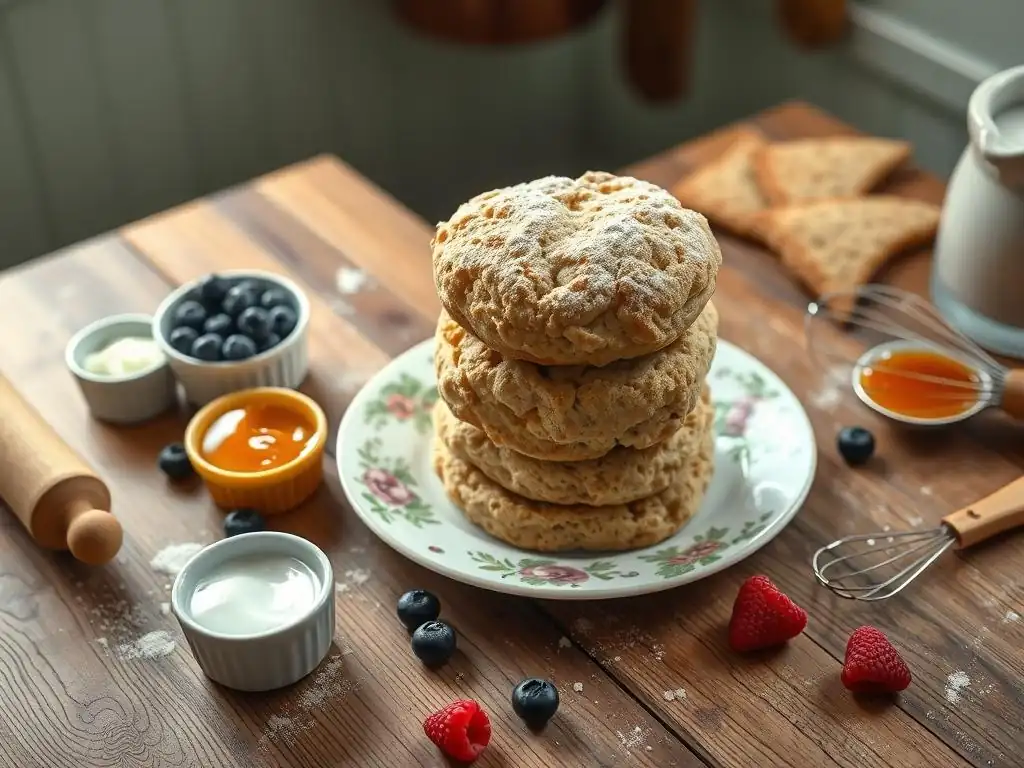
Achieving perfect scones isn't about complex techniques; it's about understanding a few fundamental principles and applying them correctly. These easy homemade scone recipe tips focus on the core steps that make the biggest difference in the final outcome. We'll cover how to handle your ingredients, mix the dough, and shape your scones for optimal texture and rise.
Paying attention to these basics will elevate your baking and ensure that your scones are consistently light, tender, and delicious. These aren't just steps; they are insights into the science of scone making, presented in a way that is easy to understand and implement, even for complete novices.
The Secret to Light and Fluffy Scones: Use Cold Butter
One of the most crucial easy homemade scone recipe tips is the temperature of your butter. Using very cold butter, cut into small pieces or grated, is essential for creating that signature flaky texture. As the cold butter melts in the hot oven, it creates steam pockets within the dough. These pockets expand, pushing the layers of dough apart and resulting in a light and airy scone. If the butter is too warm, it will blend too smoothly into the flour, leading to a denser, cake-like texture rather than flakiness.
Ensure your butter is straight from the refrigerator, ideally even colder if you have time to pop it in the freezer for 10-15 minutes before use. Cut it into small cubes, roughly the size of peas, or use a box grater for even distribution.
Work the cold butter into the dry ingredients quickly using your fingertips, a pastry blender, or even a food processor (pulsing just a few times) until the mixture resembles coarse crumbs with some larger pea-sized pieces of butter still visible. This technique is a cornerstone of successful scone making and a vital part of these easy homemade scone recipe tips.
Achieving the Right Texture: Mixing Techniques for Scones
The way you mix your scone dough significantly impacts its texture. The goal is to bring the dough together just until it's combined, without overworking the gluten. Overmixing develops the gluten in the flour too much, resulting in tough, dense scones. This is one of the most common mistakes beginners make, but it's easily avoided with the right technique – another essential piece of easy homemade scone recipe tips.
Once you've added the wet ingredients to the dry, use a gentle hand or a spatula. Stir just until the flour is moistened and the dough just comes together. It will look shaggy and a bit wet in places, and that's perfectly fine! Resist the urge to knead it like bread dough. The less you handle the dough after adding the liquid, the more tender your final scones will be. Aim for minimum agitation to preserve those delicate layers created by the cold butter.
Scone Shaping Made Simple: Pat, Don't Roll
When it comes to shaping your scone dough, simplicity is key. For an easy homemade scone recipe, we recommend patting the dough into shape rather than using a rolling pin. Turn the shaggy dough out onto a lightly floured surface. Gently bring it together with your hands and pat it into a circle or square about 1-inch thick. Avoid rolling it thin or pressing too hard, as this can compress the dough and hinder its rise.
Patting the dough keeps it tender and ensures those precious layers are not flattened out. If you prefer traditional round scones, use a sharp biscuit cutter or a knife to cut out shapes. For wedges, simply cut the circle or square into triangles. Remember not to twist the cutter when cutting, as this can seal the edges and prevent a good rise. Just press straight down and lift. This simple shaping method is a key easy homemade scone recipe tip for achieving beautiful, well-risen scones.
Step-by-Step: Your Guide to the Easiest Scones Ever
Now that we've covered the essential easy homemade scone recipe tips, let's walk through the process step-by-step. This section provides a clear, actionable guide from start to finish, ensuring you can follow along with confidence. Each step is designed to be straightforward and easy to execute, making this truly the easiest scone recipe you'll find.
Follow these steps precisely, paying attention to the details, and you'll be rewarded with warm, delicious scones ready to enjoy. This structured approach simplifies the baking process, making it accessible and enjoyable for everyone looking for easy homemade scone recipe tips.
Step 1: Gathering Your Scone Ingredients
The first step in any easy homemade scone recipe is to gather all your ingredients. Accuracy in measurement is important, but don't stress too much – this recipe is forgiving. You'll typically need about 2 cups of all-purpose flour, 1/4 cup of sugar (adjust to taste depending on desired sweetness), 2 teaspoons of baking powder, 1/2 teaspoon of salt, 1/2 cup (one stick) of very cold unsalted butter, and about 3/4 to 1 cup of cold milk or buttermilk.
Having all your ingredients measured and ready before you start mixing is a simple but effective way to ensure a smooth baking process. Make sure your butter and milk are cold – this is a non-negotiable tip for light and flaky scones. Preparing your workspace and having your baking sheet lined with parchment paper also helps streamline the process, embodying the efficiency of these easy homemade scone recipe tips.
Step 2: Combining Dry Ingredients for Scones
In a large mixing bowl, whisk together your dry ingredients: the flour, sugar, baking powder, and salt. Whisking serves a dual purpose: it combines the ingredients evenly and helps to aerate the flour, contributing to a lighter texture. Ensure there are no clumps of baking powder or salt.
Using a whisk is preferable to a spoon for this step as it distributes the leavening agent (baking powder) thoroughly throughout the flour. This even distribution is crucial for an even rise when the scones bake. This simple step is fundamental to setting up your easy homemade scone recipe for success.
Step 3: Incorporating Butter: The Key to Flaky Scones
This is where the cold butter comes into play, following one of our key easy homemade scone recipe tips. Add the cold, cubed or grated butter to the dry ingredients. Using your fingertips, a pastry blender, or a fork, quickly work the butter into the flour mixture until it resembles coarse crumbs with some pea-sized pieces of butter remaining. The goal is to coat the flour particles with butter while keeping the butter pieces distinct.
Work quickly to prevent the butter from melting. The mixture should feel sandy but with visible flecks of butter. If your hands are warm, you can briefly chill the bowl in the refrigerator for a few minutes after this step. This technique is vital for creating steam pockets during baking, which results in those desirable flaky layers characteristic of great scones.
Step 4: Adding Wet Ingredients: Achieving the Right Dough Consistency
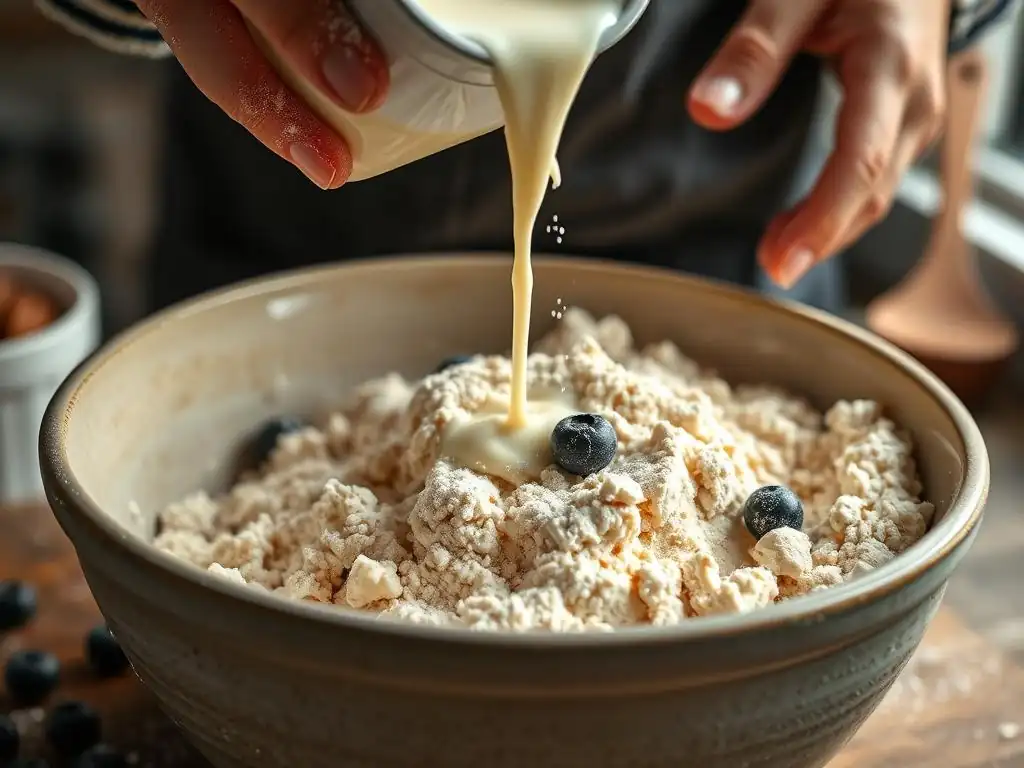
Create a well in the center of the dry ingredients. Pour in the cold milk or buttermilk. Using a fork or spatula, gently stir the mixture until the dough just comes together. It will be a shaggy, slightly wet dough, and that's exactly what you want. Avoid overmixing; a few dry spots are better than a smooth, overworked dough.
The exact amount of liquid needed can vary slightly depending on the humidity and how you measured your flour. Start with 3/4 cup and add more, a tablespoon at a time, if necessary, until the dough holds together. The dough should be moist but not sticky. This gentle mixing is critical for tender scones, reinforcing the importance of these easy homemade scone recipe tips.
Step 5: Shaping and Cutting Your Scones
Turn the shaggy dough out onto a lightly floured surface. Gently bring the dough together with your hands and pat it into a circle or square about 1-inch thick. Do not knead or roll vigorously. For traditional round scones, use a sharp biscuit cutter (about 2-2.5 inches in diameter) and press straight down without twisting. For wedge shapes, simply cut the circle into 6 or 8 triangles using a knife.
Place the cut scones onto a baking sheet lined with parchment paper, leaving about an inch between them. For an extra touch, you can brush the tops with a little milk or an egg wash (a beaten egg mixed with a tablespoon of milk) and sprinkle with a little sugar. Handling the dough minimally during this step is key to maintaining its tenderness and ensuring a good rise, a crucial aspect of these easy homemade scone recipe tips.
Step 6: Baking Your Scones to Golden Perfection: 400°F (200°C) for 15-20 Minutes
Preheat your oven to 400°F (200°C). Baking scones at a relatively high temperature helps them rise quickly and creates a lovely golden-brown crust while keeping the inside tender. Once the oven is preheated, place the baking sheet with your shaped scones in the oven.
Bake for 15 to 20 minutes, or until the scones are well-risen, golden brown on top, and cooked through. You can check for doneness by inserting a toothpick into the center of a scone – it should come out clean. The exact baking time will depend on the size and thickness of your scones and your oven's calibration. Keep an eye on them starting around the 15-minute mark. This final step brings all your easy homemade scone recipe tips together!
Delicious Scone Variations: Explore Flavor Combinations
While the basic easy homemade scone recipe is wonderful on its own, it also serves as a perfect base for exploring different flavors. Once you've mastered the simple version, you can easily add mix-ins to create a variety of delicious scones. These variations are just as easy to make and add exciting twists to your baking repertoire.
Experimenting with additions allows you to customize your scones to suit any occasion or craving. From sweet fruit additions to savory cheeses and herbs, the possibilities are vast. These easy homemade scone recipe tips extend beyond the basic recipe to help you get creative in the kitchen.
Classic Scones: Clotted Cream and Jam
The quintessential way to enjoy classic easy homemade scones is with generous dollops of clotted cream and your favorite jam. This traditional pairing, often associated with British cream teas, highlights the simple, buttery flavor and tender texture of the scone itself. Strawberry jam and raspberry jam are popular choices, but feel free to use whatever preserve you love.
Serving warm scones straight from the oven with these accompaniments is a simple luxury. The warmth of the scone gently melts the butter within, complementing the richness of the cream and the sweetness of the jam. This classic presentation is a testament to how sometimes the simplest things, guided by easy homemade scone recipe tips, are the most satisfying.
Fruity Scones: Blueberry Scones
Adding fruit is a fantastic way to introduce sweetness and moisture to your easy homemade scones. Blueberry scones are incredibly popular and simple to make. Gently fold about 1/2 to 3/4 cup of fresh or frozen blueberries into the dough just before you turn it out for shaping. If using frozen blueberries, don't thaw them first; just fold them in frozen.
Other fruits work beautifully too, such as cranberries (fresh or dried), chopped apples, or raspberries. Ensure fruit pieces are not too large, especially if using harder fruits like apples. Adding fruit requires minimal adjustment to the basic easy homemade scone recipe tips, making it a great way to experiment.
Savory Scones: Cheddar and Chive Scones
Scones don't have to be sweet! Savory scones make a wonderful accompaniment to soups, stews, or simply enjoyed on their own. A popular savory variation is cheddar and chive scones. Reduce the sugar in the basic recipe to just a tablespoon or omit it entirely. Fold in about 1/2 cup of shredded sharp cheddar cheese and 2-3 tablespoons of finely chopped fresh chives with the dry ingredients before adding the butter.
Other savory additions could include herbs like rosemary or thyme, or even bits of cooked bacon or sun-dried tomatoes. Savory scones follow the same easy homemade scone recipe tips for mixing and baking, proving the versatility of the base recipe.
Troubleshooting Your Easy Homemade Scones: Common Problems and Solutions
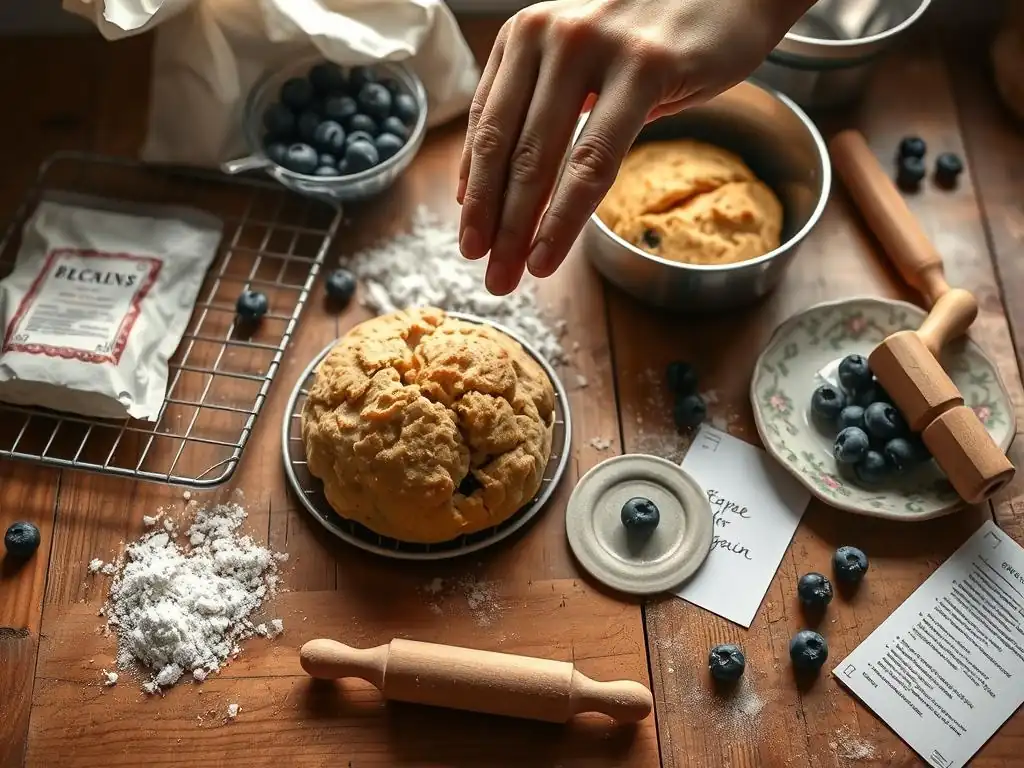
Even with an easy homemade scone recipe, occasional issues can arise, especially when you're new to baking. Don't get discouraged! Most common scone problems have simple solutions. Understanding why something went wrong is the first step to fixing it and improving your technique for next time.
Here are a few common issues beginners might encounter and straightforward easy homemade scone recipe tips to address them. Learning to troubleshoot will make you a more confident and capable baker.
Scones Too Dry? Add a Tablespoon of Milk
If your scone dough seems too dry and crumbly after adding the initial amount of liquid, your finished scones might turn out dry and dense. This can happen if your flour measurement was slightly off or if the air is particularly dry. The solution is simple: add more liquid, but do it gradually.
Add an extra tablespoon of cold milk (or buttermilk) at a time, mixing gently after each addition, until the dough just comes together in a shaggy mass. Avoid dumping in a large amount at once. A slightly wetter dough than you might expect is often better for tender scones. Remember this easy homemade scone recipe tip: hydration is key!
Scones Too Flat? Use Baking Powder Correctly
Flat scones are often a sign that the leavening agent (baking powder) didn't work correctly. This could be due to using old or expired baking powder. Baking powder loses its potency over time, usually after about 6-12 months once opened. To check if your baking powder is still active, put a teaspoon in a small bowl and pour a few tablespoons of hot water over it. If it fizzes vigorously, it's still good.
Another cause of flat scones can be overworking the dough, which develops gluten and prevents a good rise, or letting the dough sit too long before baking, allowing the leavening agents to lose their power. Ensure you're using fresh baking powder and follow the easy homemade scone recipe tips about gentle mixing and prompt baking.
Scones Not Rising? Don't Overmix the Dough
As mentioned before, overmixing is a primary culprit for scones that don't rise properly and turn out tough. When you overwork the dough, you develop the gluten structure too much, similar to bread dough. This strong gluten network restricts the expansion caused by the steam from the cold butter and the carbon dioxide from the baking powder.
The key is minimal handling. Mix the wet and dry ingredients just until they combine. The dough should look shaggy and not smooth. When shaping, pat the dough gently rather than kneading or rolling firmly. Adhering to the easy homemade scone recipe tips about gentle mixing and handling is paramount for achieving a good rise and tender texture.
Serving and Storing Your Freshly Baked Scones
You've successfully baked a batch of easy homemade scones – congratulations! Now comes the best part: enjoying them. Proper serving and storage techniques will ensure you get the most out of your delicious creations.
These final easy homemade scone recipe tips cover how to present your scones and keep them fresh if you don't devour them all immediately (which is understandable! ).
Serving Suggestions: Serve Warm with Tea
Scones are best enjoyed warm, ideally within an hour or two of baking. The warmth enhances their flavor and texture. Slice them horizontally and serve with traditional accompaniments like clotted cream and jam. Butter is also a simple and delicious option.
A pot of tea is the classic beverage pairing, making for a perfect afternoon tea experience. However, scones are also wonderful with coffee or even a glass of milk. Don't hesitate to serve them for breakfast, brunch, or as a delightful snack. Serving them warm is one of the most important easy homemade scone recipe tips for maximum enjoyment.
Storing Your Scones for Maximum Freshness: Store in an Airtight Container
If you have leftover scones, proper storage is key to maintaining their freshness and texture. Allow the scones to cool completely on a wire rack before storing. Once cooled, place them in an airtight container at room temperature. They will typically stay fresh for 1-2 days.
Avoid storing them in the refrigerator, as this can dry them out. For longer storage, you can freeze baked scones. Wrap them tightly in plastic wrap and then place them in a freezer-safe bag or container. Reheat frozen scones in a preheated oven at 300°F (150°C) for about 10-15 minutes until warmed through. Following these easy homemade scone recipe tips ensures you can enjoy your baked goods later.
Elevate Your Baking: More Easy Baking Recipes from BakeWithEase
Mastering this easy homemade scone recipe is just the beginning of your baking adventure with BakeWithEase! Our website is filled with simple, delicious recipes designed for bakers of all levels. We encourage you to explore other categories and expand your skills.
From simple muffins to impressive yet easy cakes, there's a whole world of baking waiting for you. These easy homemade scone recipe tips are just one example of the accessible guidance we offer to help you bake with confidence and joy.
Explore More Easy Muffins & Scones Recipes
If you enjoyed making these easy scones, be sure to check out our other recipes in the Easy Muffins & Scones subcategory. You'll find variations on this scone recipe, as well as a variety of easy muffin recipes that follow similar straightforward principles.
Discover recipes for classic blueberry muffins, chocolate chip muffins, savory cornbread muffins, and more. Expanding within this category is a great way to practice similar techniques and build your baking confidence with easy-to-follow instructions, much like these easy homemade scone recipe tips provided for scones.
Discover Other Beginner Baking Recipes
Beyond muffins and scones, BakeWithEase offers a wide range of recipes perfect for beginners. Explore our Beginner Baking Recipes category for simple cookie recipes, easy cakes, quick breads, and more. Each recipe is broken down into clear steps, with helpful tips and tricks to ensure your success.
Learning to bake is a rewarding journey, and our goal is to make it as easy and enjoyable as possible. These easy homemade scone recipe tips are just a sample of the guidance you'll find across our site, empowering you to create delicious baked goods from scratch. Happy baking!
Frequently Asked Questions
What makes BakeWithEase's scone recipe particularly easy?
Our recipe focuses on simple ingredients and minimal steps, making it perfect for beginner bakers. We also offer clear, step-by-step instructions.
What are some common mistakes to avoid when making scones?
Overmixing the dough is a big one, as it leads to tough scones. Also, avoid overcrowding the baking sheet which prevents even browning.
Can I substitute ingredients in the BakeWithEase scone recipe?
While we recommend following the recipe for best results, you can often substitute milk alternatives or different types of flour. Be mindful of how these changes might affect the texture.
What are some variations I can make to the basic scone recipe?
You can easily add dried fruits, chocolate chips, or nuts to the dough. Experiment with different flavor extracts for a unique taste.
How should I store leftover scones to keep them fresh?
Store scones in an airtight container at room temperature for up to two days. For longer storage, freeze the scones and reheat them as needed.
Final Reflection: The Enduring Allure of the Simple Scone
The humble scone, a testament to the magic of simple ingredients expertly combined, remains a comforting constant in our increasingly complex world. Its ease of preparation belies the profound satisfaction derived from creating something delicious and heartwarming from scratch. This isn't just about baking; it's about connection, tradition, and the joy of sharing.
The scone's enduring appeal lies in its versatility and adaptability. From classic buttermilk variations to adventurous additions of fruit, chocolate, or spices, it offers endless creative possibilities. Baking is at once child's play and adult joy. And love, of course.
This quote perfectly encapsulates the experience of making scones – a process accessible to all, yet yielding results that bring immense pleasure. The simple act of sharing a warm scone with loved ones fosters connection and creates lasting memories, transcending the mere act of consuming a baked good.
Now, I invite you to consider your own baking journey. Perhaps you'll try your hand at a classic recipe, or maybe you'll embark on a creative adventure, experimenting with unique flavor combinations. Regardless of your approach, remember the power of simplicity and the joy found in creating something delicious with your own hands. Embrace the magic of the scone, and let its warmth and ease inspire you in your own kitchen.
Unleash Your Inner Baker: Make Delicious Scones Today!
Thanks for joining us on this delicious journey into the world of easy scones! We hope you've gained the confidence to tackle this seemingly tricky treat. Now it's time to put your newfound knowledge to the test.
- Bake your first batch of scones today! Use the recipe and tips from the article to create your own perfect scones. Don't be afraid to experiment with different flavors.
- Share your baking success! Post a picture of your scones on social media using #BakeWithEaseScones and tag us – we'd love to see your creations!
- Explore other easy baking recipes on BakeWithEase.com – discover your next culinary adventure!
What unique flavor combination will you try in your first batch of homemade scones? Let us know in the comments below!