
Essential Tools for Beginner Bakers: A Simple, Clear List

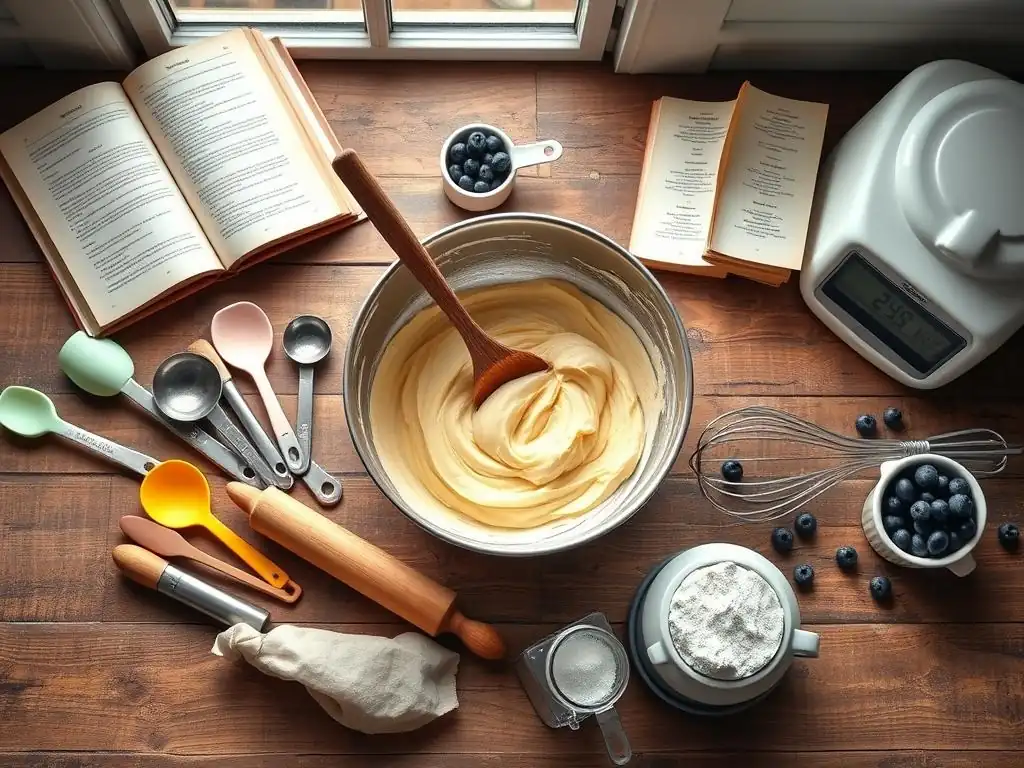
Welcome to BakeWithEase, your kitchen companion for unlocking the joys of baking! Ever felt overwhelmed by the sheer volume of gadgets and gizmos promising baking perfection? Fear not! This guide cuts through the clutter, unveiling the essential baking tools for beginners that will set you on the path to delicious success. Ready to equip your kitchen without breaking the bank or your sanity? Let's get started!
- Introduction to Beginner Baking: Setting Up Your Kitchen
- Must-Have Measuring Tools for Baking Success
- Mixing Bowls: Choosing the Right Size and Material
- Baking Pans: Selecting the Correct Shape and Size
- Spatulas and Scrapers: Your Best Friends in the Kitchen
- Whisks: Achieving Light and Airy Mixtures
- Other Helpful Baking Tools for New Bakers
- Cleaning and Maintaining Your Baking Tools
- Conclusion: Building Your Beginner Baking Toolkit
-
Frequently Asked Questions
- What are the absolute must-have baking tools for someone just starting out?
- Do I really need a stand mixer as a beginner, or can I get by with hand tools?
- What kind of baking pans are best for a beginner's first cake or bread?
- How important is an oven thermometer, and what should I look for?
- Where can I find affordable, good-quality baking tools that won't break the bank?
- Final Reflection: The Sweetness of Simple Beginnings
- Ready to Bake Your Masterpiece?
Introduction to Beginner Baking: Setting Up Your Kitchen
Starting your baking journey can feel a little overwhelming, especially when you look at all the shiny gadgets available. But don't worry! You don't need a professional kitchen setup to bake delicious treats. The key is to start with the absolute essentials – the foundational best baking tools for beginners that will help you learn core techniques and build confidence. Think of these tools as your first partners in creating cakes, cookies, and breads right in your own home kitchen.
Building your initial collection of baking tools is exciting. It's about acquiring reliable items that serve multiple purposes and help ensure your early baking attempts are successful and enjoyable. Focusing on quality basics rather than specialized equipment is the smartest approach when you're just starting out. These foundational tools will support you as you explore simple recipes and gain experience.
Why Having the Right Baking Tools Matters for Beginners
Using the correct tools is fundamental to successful baking. Baking is often described as a science because it relies on precise measurements and controlled reactions. Attempting to bake without the right equipment can lead to inconsistent results – cakes that don't rise, cookies that spread too much, or bread that's too dense. Having the proper beginner baking tools helps you follow recipes accurately and achieve the desired texture and flavor.
For instance, trying to measure flour with a coffee scoop instead of a proper dry measuring cup will almost guarantee an inaccurate amount, significantly impacting your final product. Similarly, attempting to mix batter with a dinner fork instead of a whisk or spatula will make it difficult to properly combine ingredients and develop the right consistency. Investing in a few key pieces of essential baking equipment for starting out sets you up for success and makes the learning process much smoother and more rewarding.
Essential Baking Equipment for Starting Out
When you're just getting started, focus on versatility and functionality. You don't need every gadget you see online or in stores. A basic set of best baking tools for beginners includes items for measuring, mixing, and baking. These core pieces will cover a vast majority of beginner recipes, from simple drop cookies to basic loaf bread or sheet cakes.
Think of a small list like this:
- Measuring cups and spoons
- Mixing bowls
- A whisk
- A spatula
- Baking sheets
- Maybe a loaf pan or cake pan
This simple collection allows you to tackle many fundamental baking tasks. As you gain confidence and explore more complex recipes, you can gradually add more specialized tools to your collection. But for now, these essentials are your foundation.
Must-Have Measuring Tools for Baking Success
Accurate measurement is the cornerstone of successful baking. Unlike cooking, where you can often adjust ingredients as you go, baking requires precision. Even slight variations in flour, sugar, or liquid amounts can significantly alter the outcome of a recipe. Having reliable measuring tools is arguably the most critical investment for any beginner baker. These are the fundamental best baking tools for beginners for getting started right.
Using the right tools for measuring ensures consistency. If a recipe calls for 1 cup of flour, it means a level cup measured correctly. Using the same, accurate tools every time you bake helps eliminate variability and makes it easier to replicate successful results or troubleshoot when something doesn't go as planned. Don't underestimate the power of proper measurement in your beginner baking journey.
Accurate Measuring Cups: Dry and Liquid
You'll need two types of measuring cups for baking: one set for dry ingredients and one for liquids. Dry measuring cups, typically sold in sets (1/4, 1/3, 1/2, and 1 cup), are designed to be filled to the brim and leveled off with a straight edge, like a knife or spatula. This method ensures you get the exact volume specified in the recipe for ingredients like flour, sugar, and cocoa powder.
Liquid measuring cups, usually made of clear glass or plastic with a spout, have markings along the side and extra space above the highest marking. They are designed to be placed on a flat surface, and you read the measurement at eye level. This prevents spills and allows for accurate measurement of liquids like water, milk, and oil. Using the wrong type of cup for the ingredient is a common mistake beginners make.
Essential Measuring Spoons for Precise Baking
Measuring spoons are just as crucial as measuring cups, especially for smaller quantities of powerful ingredients like baking powder, baking soda, salt, and spices. A standard set includes 1/4 teaspoon, 1/2 teaspoon, 1 teaspoon, and 1 tablespoon. Like dry measuring cups, these should be filled and leveled off for accuracy.
Precision in these small amounts is vital. For example, using too much baking powder can cause a cake to rise too quickly and then collapse, resulting in a dense texture. Too little salt can leave your baked goods tasting flat. These small but mighty tools are definitely among the best baking tools for beginners to acquire early on for consistent flavor and texture development.
Kitchen Scale: The Key to Consistent Baking
While measuring cups and spoons are essential, a digital kitchen scale offers the highest level of accuracy, especially for flour and other dry ingredients. Many professional bakers and serious hobbyists rely on scales because measuring by weight ( grams or ounces) is much more consistent than measuring by volume ( cups). A cup of flour can vary significantly in weight depending on how it's scooped and packed.
Using a scale eliminates this variability. A recipe might call for "120 grams of flour" instead of "1 cup." Measuring 120 grams on a scale will always give you the same amount of flour, regardless of how fluffed or compacted it is. This consistency is invaluable for replicating recipes accurately and understanding how ingredient ratios work. While not strictly required for your very first bakes, a scale is highly recommended as one of the best baking tools for beginners looking to improve consistency.
Mixing Bowls: Choosing the Right Size and Material
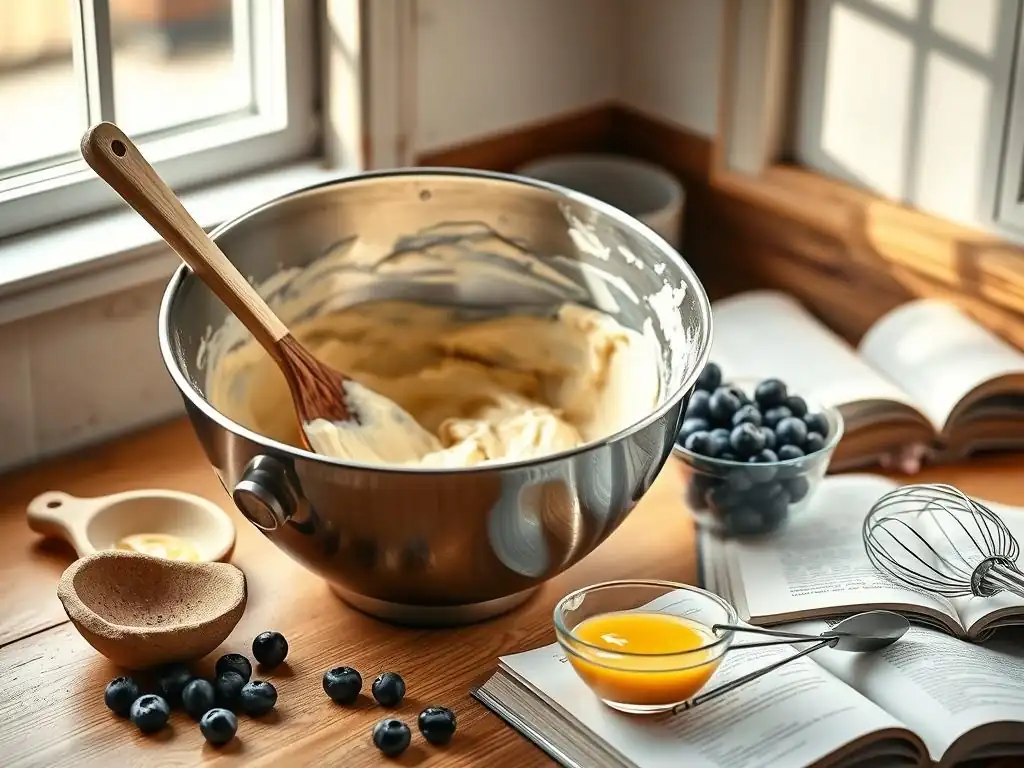
Mixing bowls are where all the magic happens – where ingredients come together to form batters and doughs. You'll need a variety of sizes for different tasks, from whisking a couple of eggs to mixing a large batch of cookie dough. Having a set of bowls in graduated sizes (e.g., small, medium, large) is ideal for a beginner's kitchen.
Consider getting a set of three to five bowls ranging from about 1.5 quarts to 5 quarts. This range will accommodate most beginner recipes. The material of the bowl can also impact your mixing experience, affecting factors like stability and heat conductivity.
Stainless Steel Mixing Bowls: Durable and Easy to Clean
Stainless steel mixing bowls are a popular choice for many bakers, and for good reason. They are lightweight, durable, and resistant to rust and stains. They don't react with acidic ingredients, which is a plus when working with things like buttermilk or lemon juice. Stainless steel bowls are also relatively inexpensive and easy to clean, often dishwasher safe.
One minor drawback is that they don't retain heat well, which can be a factor in some specific techniques like tempering chocolate (though less common for beginner recipes). However, for general mixing, whisking, and combining ingredients, they are excellent workhorses and a solid addition to your collection of best baking tools for beginners.
Glass Mixing Bowls: Heat Resistant and See-Through
Glass mixing bowls, typically made from tempered glass like Pyrex, are another excellent option. Their main advantage is that they are transparent, allowing you to easily see how well your ingredients are combined or if there are any unmixed pockets. They are also non-reactive and can often be used in the microwave or oven (check manufacturer specifications), making them versatile for melting butter or chocolate.
Glass bowls are heavier and can break if dropped, which is something to consider. However, their stability on the counter and ability to withstand temperature changes make them valuable. Seeing exactly what's happening in the bowl as you mix is a great learning aid for beginners.
Silicone Mixing Bowls: Flexible and Non-Stick
Silicone mixing bowls are a newer option and offer some unique benefits. They are incredibly flexible and often have a non-stick surface, which makes scraping out batter or dough very easy. Many silicone bowls also feature a non-slip base, which can be helpful when you're vigorously whisking or mixing. They are lightweight and durable, less prone to breaking than glass.
While great for mixing, their flexibility can sometimes be a disadvantage if you need a very stable bowl for tasks like kneading dough. However, for general batter mixing, whipping cream, or melting ingredients, their non-stick properties and ease of cleaning make them a convenient choice for beginner baking tools.
Baking Pans: Selecting the Correct Shape and Size
Once your batter or dough is mixed, you need something to bake it in! Baking pans come in countless shapes and sizes, and using the correct one specified in the recipe is crucial for proper baking time and structure. The material of the pan also affects how quickly and evenly your baked goods brown.
For beginners, focus on a few versatile pan types that cover common recipes. Don't feel pressured to buy a dozen different pans right away. A small selection of the best baking tools for beginners in the pan department will serve you well for your initial baking adventures.
Cake Pans: Round, Square, and Loaf Pans
Standard cake pans are essential for layer cakes, single-layer cakes, and brownies. Common sizes include 8-inch or 9-inch rounds and 8x8-inch or 9x13-inch squares/rectangles. A 9x13-inch rectangular pan is incredibly versatile, perfect for sheet cakes, brownies, bar cookies, and even some savory dishes.
Loaf pans, typically 9x5 inches, are necessary for baking bread loaves, pound cakes, and quick breads like banana bread. Having at least one round cake pan (8 or 9 inch), one square pan (8 inch), and one loaf pan (9x5 inch) will allow you to make a wide variety of beginner-friendly recipes. Most beginner recipes will specify the exact pan size needed.
Cookie sheets, often called baking sheets, are flat or have one raised edge and are indispensable for baking cookies, scones, biscuits, and roasting nuts. They are usually made of metal, often aluminum or nonstick steel. Standard sizes are typically "half-sheet" (approx. 18x13 inches) or "quarter-sheet" (approx. 13x9 inches).
Using parchment paper or a silicone baking mat on your cookie sheet prevents sticking and makes cleanup easier. Having at least two baking sheets is highly recommended so you can bake one batch while preparing the next. These are fundamental essential baking tools for starting out with many popular treats.
Muffin Tins: Essential for Muffins and Cupcakes
If you plan to bake muffins or cupcakes (and who doesn't?! ), a muffin tin is a must-have. Standard muffin tins have 12 cups, each designed to hold a paper liner or be greased for individual portions. Mini-muffin tins are also available but start with the standard size.
Muffin tins are also useful for baking individual quiches, mini cheesecakes, or even shaping certain types of bread rolls. A single 12-cup muffin tin is a great starting point for your collection of best baking tools for beginners.
Spatulas and Scrapers: Your Best Friends in the Kitchen
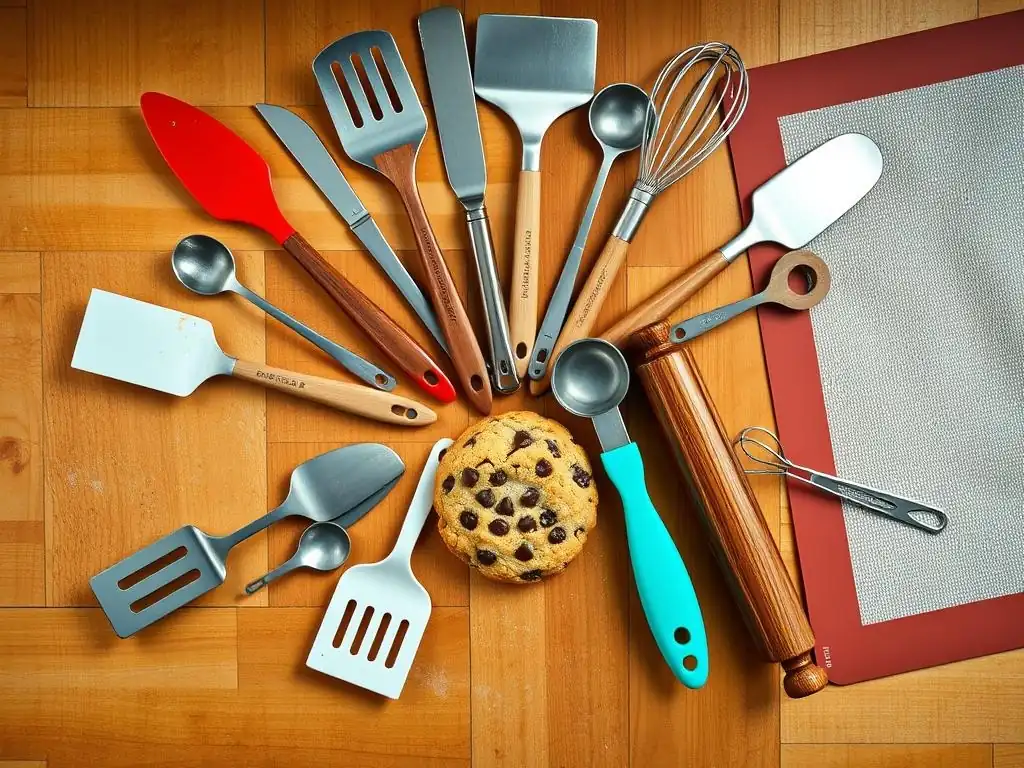
Spatulas and scrapers are the workhorses of the baking world. They are used for everything from mixing and folding delicate ingredients to scraping down bowls and spreading frosting. You'll likely need a few different types for various tasks.
These tools are relatively inexpensive but incredibly useful. Having a good selection makes many baking steps much easier and helps minimize waste by ensuring you get every last bit of batter or dough out of your bowls.
Rubber Spatulas: For Mixing and Scraping
Rubber or silicone spatulas (often called "scraper spatulas") are incredibly versatile. They have a flexible head attached to a handle, perfect for scraping down the sides of mixing bowls, folding ingredients together gently (like whipped cream into batter), and getting every last drop of batter or dough out of containers. Silicone spatulas are heat-resistant, making them useful for stirring hot mixtures like custards or sauces.
It's helpful to have them in a couple of sizes – a smaller one for scraping jars and narrow containers, and a larger one for mixing in bowls. Look for spatulas with seamless construction or a handle that detaches easily from the head for thorough cleaning. They are absolutely essential beginner baking tools.
Offset Spatulas: For Frosting and Leveling
Offset spatulas are long, flat metal spatulas with a bend (or "offset") in the handle, designed specifically for spreading and leveling. They are perfect for spreading batter evenly in a cake pan, frosting cakes and cupcakes, and transferring delicate items like cookies from a baking sheet to a cooling rack.
The offset handle keeps your knuckles from dragging through the frosting or batter. They come in various lengths; a small (4-6 inch blade) and a medium (8-10 inch blade) size will handle most tasks for a beginner.
Dough Scrapers: For Dough Handling and Portioning
A dough scraper, also known as a bench scraper, is a flat, rectangular piece of metal or plastic with a handle along the top. It's invaluable when working with dough, especially bread dough. You can use it to:
- Scrape dough off your work surface.
- Divide dough into portions.
- Lift and transfer dough.
- Clean up flour and scraps from your counter.
A sturdy metal bench scraper is particularly useful as it can also be used to roughly chop ingredients like butter into flour for pastries. It's a simple tool but incredibly effective for anyone venturing into bread or pastry making.
Whisks: Achieving Light and Airy Mixtures
A whisk is essential for incorporating air into ingredients, smoothing out lumps, and combining mixtures quickly. From whipping egg whites to making smooth sauces or batters, a good whisk is a fundamental piece of your essential baking equipment for starting out.
Different types of whisks exist, but for a beginner, one or two versatile options will suffice for the majority of recipes you encounter.
Balloon Whisks: For General Mixing and Aerating
The most common type is the balloon whisk, characterized by its many wires that form a wide, rounded shape resembling a balloon. This design is excellent for incorporating air into ingredients, making it ideal for whipping egg whites or cream to create light and fluffy textures. It's also great for whisking together dry ingredients or combining batters in a bowl.
A medium-sized balloon whisk (around 10-12 inches) is a great all-around choice for most beginner baking tasks. Look for one with a comfortable handle and sturdy wires.
Whisk: For Emulsifying and Blending
While "whisk" is the general term, there are variations. A standard whisk or French whisk is slightly narrower than a balloon whisk. It's also good for aeration but excels at blending ingredients smoothly and emulsifying liquids, like making salad dressings or incorporating egg yolks into sauces.
For beginner baking, a good balloon whisk will cover most needs. However, having a slightly narrower whisk can be useful for smaller bowls or specific tasks requiring less aeration but more thorough blending.
Other Helpful Baking Tools for New Bakers
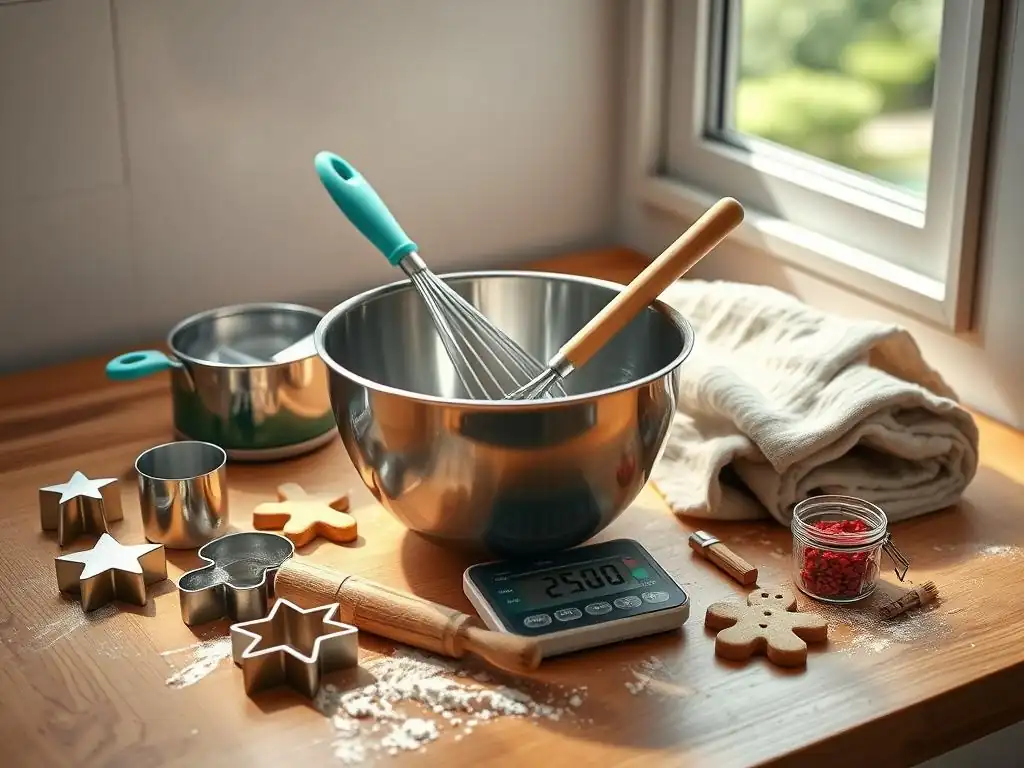
Beyond the absolute essentials, a few other tools can make your baking experience smoother and open up possibilities for more recipes. These aren't strictly necessary for your very first bake, but they are definitely among the best baking tools for beginners to consider adding relatively early on.
These tools add convenience, improve technique, and help you achieve better results with certain types of baked goods.
Rolling Pin: Essential for Pastry and Dough
If you plan on making pie crusts, cookies that need rolling, or certain types of bread, a rolling pin is indispensable. Rolling pins are used to flatten and evenly thickness dough. They come in various styles and materials, including wood, marble, and non-stick silicone.
A classic wooden rolling pin (either with handles or a straight dowel style) is a reliable choice. Look for one that feels comfortable in your hands and is easy to clean. A standard length of about 10-12 inches is versatile for most home baking needs.
Pastry Brush: For Glazes and Egg Washes
A pastry brush, typically made with natural bristles or silicone, is used for applying liquid coatings to baked goods. This includes brushing melted butter onto bread rolls, applying an egg wash for a golden-brown crust on pies or pastries, or glazing fruit tarts.
Silicone brushes are often preferred for their durability, ease of cleaning, and because they don't shed bristles like some natural brushes can. Having one small pastry brush is very useful for adding those finishing touches that make your baked goods look and taste even better.
Cooling Rack: Preventing Soggy Bottoms
A cooling rack, usually a wire rack set on feet, is essential for allowing air to circulate around baked goods as they cool. Placing hot cakes, cookies, or bread directly on a solid surface traps steam, which can lead to a soggy bottom.
Transferring items to a cooling rack allows them to cool evenly and prevents condensation. Having one or two cooling racks (large enough to hold a batch of cookies or a full-sized cake) is important for achieving the correct texture once out of the oven.
Cleaning and Maintaining Your Baking Tools
Taking care of your best baking tools for beginners ensures they last longer and perform well batch after batch. Proper cleaning is also essential for hygiene in the kitchen. Most baking tools are relatively easy to clean with warm, soapy water, but some require specific attention.
Developing good cleaning habits after each baking session will save you time and effort in the long run and keep your tools in top condition.
Best Practices for Washing Baking Tools
Wash most baking tools shortly after use to prevent food from drying and sticking.
Metal pans: Wash with warm, soapy water. For stubborn baked-on bits, you might need to soak or gently scrub with a non-abrasive pad. Avoid harsh steel wool on non-stick surfaces. Dry thoroughly to prevent rust.Measuring cups and spoons: Wash promptly to remove sticky residues.Mixing bowls, spatulas, whisks: Most can be washed by hand or are dishwasher safe (check labels). Pay attention to where handles attach to heads on spatulas and whisks to ensure no batter is trapped.Wooden rolling pins: Wipe clean with a damp cloth and dry immediately. Avoid soaking, which can warp the wood.Pastry brushes: Wash thoroughly with soap and water, especially if used with egg wash or dairy. Silicone brushes can often go in the dishwasher.
- Always dry tools completely before storing.
- Check manufacturer instructions for specific care guidelines.
- Avoid abrasive cleaners on non-stick surfaces.
Proper Storage for Longevity
Storing your baking tools correctly protects them from damage and keeps them organized.
Stacking pans: Stack metal pans carefully, perhaps with a paper towel or cloth in between to prevent scratching non-stick surfaces.Measuring cups/spoons: Keep sets together with a ring or nested in a drawer.Spatulas/Whisks: Store in a utensil crock on the counter or in a drawer organizer.Rolling pins: Store in a drawer or hang on a hook to prevent them from rolling off surfaces.Cooling racks: These often stack neatly or can be stored vertically.
Taking a few moments to store your essential baking equipment for starting out properly will keep your kitchen tidy and your tools ready for your next baking adventure.
Conclusion: Building Your Beginner Baking Toolkit
Embarking on your baking journey is an exciting process, and having the right best baking tools for beginners makes all the difference. You don't need to rush out and buy everything at once. Start with the absolute essentials: accurate measuring tools, versatile mixing bowls, a couple of key baking pans, and reliable spatulas and whisks.
These foundational items will allow you to tackle a wide range of beginner recipes, build your skills, and gain confidence in the kitchen. As you bake more, you'll discover what other tools might be helpful for the types of recipes you enjoy most.
Starting Small and Expanding Your Collection
Think of your initial collection of essential baking equipment for starting out as a starter kit.
- Phase 1: Measuring cups/spoons, 2-3 mixing bowls, spatula, whisk, 1-2 baking sheets, one loaf pan, one cake pan (8 or 9 inch square).
- Phase 2 (Optional, as needed): Kitchen scale, muffin tin, rolling pin, pastry brush, cooling rack.
- Phase 3 (Later, for specific interests): Pie plate, springform pan, piping bags and tips, specific bread proofing baskets, etc.
Here's a quick checklist for those initial must-haves:
- [ ] Dry Measuring Cups (Set)
- [ ] Liquid Measuring Cup (1-2 cup size)
- [ ] Measuring Spoons (Set)
- [ ] Mixing Bowls (Set of 3-4 sizes)
- [ ] Rubber/Silicone Spatula
- [ ] Whisk (Balloon style)
- [ ] Baking Sheet (Half-sheet size)
- [ ] Loaf Pan (9x5 inch)
- [ ] Square Cake Pan (8x8 or 9x9 inch)
Remember, baking should be fun! Don't let the array of tools intimidate you. Focus on mastering the basics with your essential kit, and your collection of best baking tools for beginners will grow naturally as your passion for baking does. Happy baking!
Frequently Asked Questions
What are the absolute must-have baking tools for someone just starting out?
The most essential tools are a set of measuring cups and spoons, a mixing bowl, a whisk, and a rubber spatula. These allow you to accurately measure ingredients and mix batters and doughs effectively.
Do I really need a stand mixer as a beginner, or can I get by with hand tools?
While a stand mixer is helpful, it's not necessary for beginners. You can absolutely start with hand tools like a whisk and wooden spoon. A stand mixer becomes more useful with advanced baking techniques.
What kind of baking pans are best for a beginner's first cake or bread?
For beginners, simple, non-stick pans are ideal. An 8 or 9-inch round or square cake pan, and a standard loaf pan are great starting points. These are easy to clean and promote even baking.
How important is an oven thermometer, and what should I look for?
An oven thermometer is crucial for accurate baking, as oven temperatures can fluctuate. Look for a simple, oven-safe thermometer that displays a clear and easy-to-read temperature scale. Consistent temperature is key!
Where can I find affordable, good-quality baking tools that won't break the bank?
Many department stores, discount retailers, and online marketplaces offer affordable baking tools. Read reviews and look for durable materials without focusing on expensive brands initially.
Final Reflection: The Sweetness of Simple Beginnings
The accessibility of baking, once perceived as a daunting culinary feat, is now within everyone's reach. With the right tools, the journey from novice baker to confident creator is surprisingly straightforward. This article highlighted the essential equipment, demystifying the process and empowering aspiring bakers to confidently embark on their culinary adventures.
The impact of accessible baking extends far beyond the kitchen. It fosters creativity, encourages experimentation, and provides a tangible connection to the joy of creating something delicious from scratch. The simple act of kneading dough, measuring ingredients, and watching a cake rise can be incredibly therapeutic and rewarding. Baking is at once child's play and adult joy. And love, of course.
This sentiment perfectly captures the essence of the baking experience, a sentiment I've personally embraced through countless hours spent in my own kitchen.
Now, it's your turn. Don't let the perceived complexity of baking hold you back. Choose a recipe, gather your essential tools (as outlined in this article), and embrace the process. The journey of baking is as rewarding as the delicious results, offering a chance to learn, grow, and share the sweetness of your creations with those you love. So, what delicious adventure will you bake next?
Ready to Bake Your Masterpiece?
Thanks for taking the time to explore the essential tools for beginner bakers! We hope you gained confidence and clarity on what you need to get started. Now it's time to put that knowledge into action.
- Start your baking journey today! Pick one recipe from your favorite cookbook (or browse online!) and gather the tools you now know are crucial.
- Share your baking aspirations with us! Tell us what you're most excited to bake in the comments below. Let's inspire each other!
- Consider creating a dedicated baking space in your kitchen—organize your tools and ingredients for a smoother baking experience.
What's the first delicious treat you're going to create with your newfound baking knowledge? Let's hear it!