
Bake the Best British Lemon Drizzle Cake With Ease

Welcome to BakeWithEase!
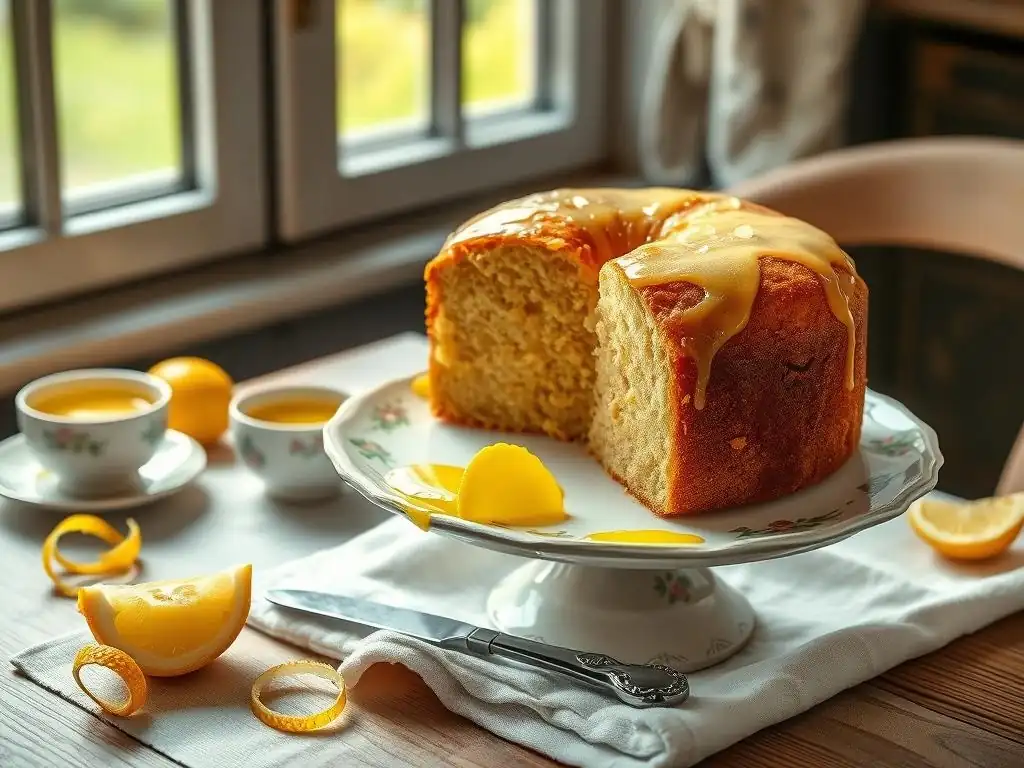
Ever dreamt of creating the perfect British Lemon Drizzle Cake? Unlock the secrets to this classic bake with our foolproof recipe and expert tips. Discover how to achieve that signature zesty flavor and irresistibly moist crumb. Get ready to impress, because baking perfection is now within reach. Intrigued? Let's get started!
- Introduction to British Lemon Drizzle Cake: A BakeWithEase Classic
- Mastering the British Lemon Drizzle Cake Recipe: A Step-by-Step Guide
- Step-by-Step Baking Instructions: From Mixing to Cooling
- Cooling and Serving Your British Lemon Drizzle Cake
- Tips and Tricks for a Flawless Lemon Drizzle Cake
- Storing Your Homemade Lemon Drizzle Cake: Keeping it Fresh
- Conclusion: Enjoy Your Effortlessly Baked British Lemon Drizzle Cake
-
Frequently Asked Questions
- How can I prevent my British Lemon Drizzle Cake from being dry?
- What's the secret to getting the perfect lemon drizzle on a British Lemon Drizzle Cake?
- Can I substitute ingredients in the British Lemon Drizzle Cake recipe?
- What's the best way to store a British Lemon Drizzle Cake to keep it fresh?
- Is it difficult to make a British Lemon Drizzle Cake if I'm a beginner baker?
- Final Reflection: The Enduring Allure of a Simple Slice
- Unlock Your Inner Baker: Master the Perfect Lemon Drizzle!
Introduction to British Lemon Drizzle Cake: A BakeWithEase Classic
Why This Lemon Drizzle Cake Recipe is Perfect for Home Bakers
The British lemon drizzle cake is a beloved classic, cherished for its moist crumb and tangy, sweet topping. This particular British lemon drizzle cake recipe is designed with the home baker in mind, focusing on simplicity without compromising on flavor or texture. Unlike overly complicated bakes, this recipe uses straightforward techniques and readily available ingredients, making it accessible even if you're just starting your baking journey. We've fine-tuned the ratios to ensure a reliably tender cake every time, topped with that quintessential zesty drizzle that soaks in beautifully.
Our goal is to empower you to recreate this iconic bake in your own kitchen with confidence. The steps are broken down clearly, demystifying the process from creaming butter and sugar to achieving that perfect, crackly drizzle. We’ll share tips on ingredient selection – did you know the type of sugar can significantly impact texture? – and common pitfalls to avoid. By following this guide, you'll not only bake a delicious cake but also gain valuable baking skills that you can apply to other recipes. It's about making the process enjoyable and the results rewarding.
BakeWithEase's Commitment to Easy & Delicious British Baking
At BakeWithEase, our passion is making baking accessible and fun for everyone, regardless of their skill level. We believe that mastering classic recipes, like a proper British lemon drizzle cake recipe, shouldn't require years of experience or specialist equipment. Our content, including this detailed guide, is crafted to be clear, encouraging, and practical, helping you achieve fantastic results right from your first attempt. We test our recipes multiple times to ensure they are robust and reliable for the home environment.
We focus on the 'why' behind the steps, explaining the science in simple terms – why room temperature ingredients matter, or how the acidic lemon juice interacts with the cake batter. This educational approach builds your understanding and confidence. Our commitment extends beyond just providing recipes; we aim to build a community where baking enthusiasts can learn and share. This British lemon drizzle cake recipe is a perfect example of our philosophy: taking a potentially daunting classic and presenting it in a way that makes it achievable and, most importantly, delicious for you to bake with ease.
Mastering the British Lemon Drizzle Cake Recipe: A Step-by-Step Guide
Essential Ingredients for the Perfect Lemon Drizzle Cake
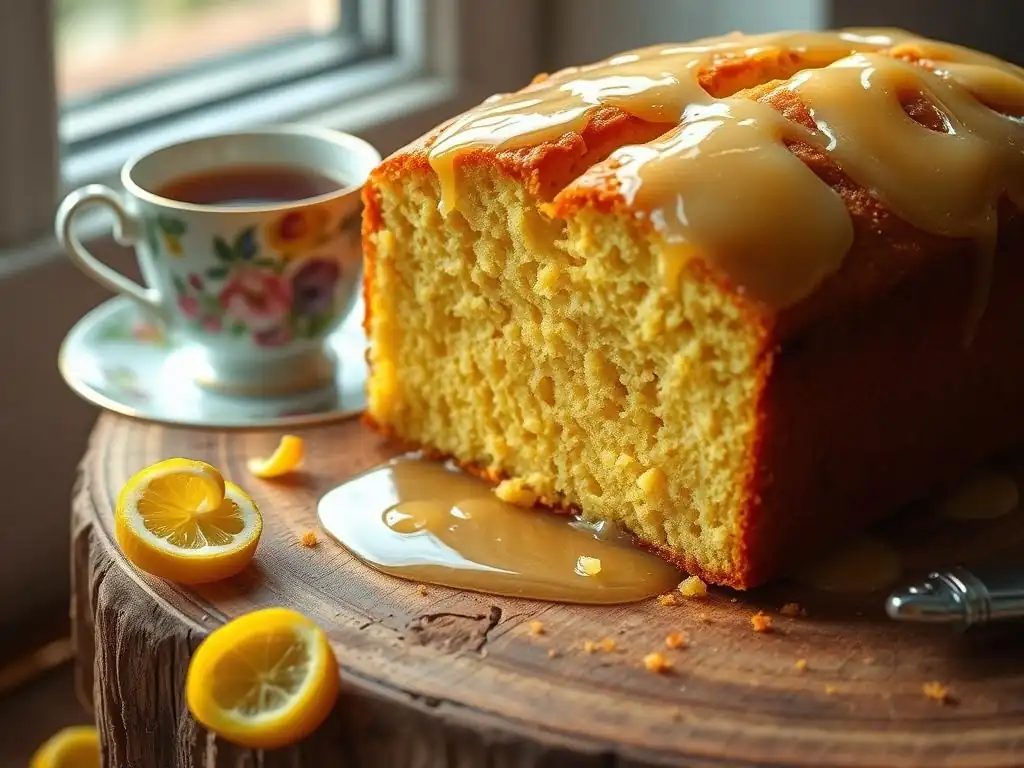
Crafting a truly memorable British lemon drizzle cake starts with selecting the right ingredients. The quality of your components directly influences the final taste and texture. While the list is simple, paying attention to the details of each ingredient makes a significant difference. We'll walk you through the key players and why they are essential for achieving that signature moist crumb and vibrant lemon flavor.
From the type of flour you choose to the freshness of your lemons, each element plays a vital role. Using ingredients at the correct temperature, such as softened butter and room temperature eggs, is also critical for proper emulsification and a smooth batter. Don't underestimate the impact of seemingly small details; they contribute to the overall success of your British lemon drizzle cake recipe.
High-Quality Flour for a Tender Crumb
Using the correct type of flour is fundamental to achieving the desired cake texture. For most British sponge cakes, including this British lemon drizzle cake recipe, a good quality self-raising flour is typically used. Self-raising flour contains a leavening agent (baking powder) already mixed in, simplifying the process and helping the cake rise evenly. Aim for a reputable brand that has a consistent protein content, generally around 9-11%, suitable for cakes.
The quality of the wheat and the milling process also impact the flour's performance. Using expired or improperly stored flour can result in a dense or flat cake. Ensure your flour is fresh and stored in an airtight container away from moisture and light.
If you only have plain flour, you can easily convert it by adding baking powder – a common ratio is 1 teaspoon (approx. 4-5g) of baking powder per 100g of plain flour, though always check the specific recipe's recommendation. For this recipe, using self-raising flour streamlines the process and helps guarantee a light and tender crumb.
Fresh Lemons: The Key to Authentic Flavor
The star of any great British lemon drizzle cake recipe is, undoubtedly, the lemon. Using fresh lemons is non-negotiable for achieving that bright, tangy, and authentic flavor profile. Bottled lemon juice simply doesn't compare in terms of aroma and complexity. You'll need both the zest (the fragrant yellow part of the peel) and the juice.
When selecting lemons, look for ones that are firm, heavy for their size (indicating juiciness), and have unblemished skin. Organic lemons are often preferred as you'll be using the zest, and they are less likely to have pesticide residues. Before zesting, wash the lemons thoroughly under warm water and dry them. Use a fine microplane zester to remove only the yellow part, avoiding the bitter white pith underneath. You'll typically need the zest of 2-3 medium lemons for the cake batter and the juice of 2-3 lemons for the drizzle, yielding roughly 60-80ml of juice for the drizzle syrup.
Caster Sugar: For a Light and Airy Texture
Caster sugar, also known as superfine sugar, is the preferred sugar for many British cake recipes, including the classic British lemon drizzle cake. Its finer granule size compared to granulated sugar allows it to dissolve more quickly into the butter during the creaming process. This rapid dissolution helps create a smooth, aerated mixture, which is crucial for developing a light and airy cake texture.
Using caster sugar contributes to a finer crumb structure in the finished cake. While granulated sugar can be used in a pinch, it may result in a slightly coarser texture and requires longer creaming time to dissolve properly. For the lemon drizzle itself, caster sugar is also ideal as it dissolves readily in the hot lemon juice, creating a smooth, slightly syrupy glaze that soaks into the cake beautifully upon cooling. Standard quantities for this recipe often call for around 175-225g of caster sugar in the cake batter and another 75-100g for the drizzle topping.
Baking Equipment You'll Need for Lemon Drizzle Success
Having the right tools can make the baking process significantly smoother and more successful. While you don't need a professional kitchen setup, a few key pieces of equipment are essential for baking this British lemon drizzle cake recipe reliably. These tools help ensure accuracy, even baking, and easy handling of your finished cake.
From measuring ingredients precisely to ensuring the cake bakes evenly and releases cleanly from the tin, the right equipment supports each step of the process. Investing in a few basic, quality items will not only benefit this recipe but many future baking projects as well. Let's look at two critical pieces of equipment.
9x5 Inch Loaf Tin: Non-Stick for Easy Release
The standard size for a British lemon drizzle cake is typically baked in a loaf tin. A 9x5 inch (approximately 23x13 cm) loaf tin is ideal for this recipe, providing the correct dimensions for the batter to rise properly and bake through evenly. Using a non-stick tin or preparing a standard tin properly is crucial for preventing the cake from sticking, which can be incredibly frustrating after all your hard work.
To prepare a standard tin, grease it thoroughly with butter or baking spray, paying attention to the corners, and then lightly flour it, tapping out any excess. For extra security, especially with rich cakes like this, you can line the base and sides with baking parchment, leaving some overhang to help lift the cake out. Even with a non-stick tin, a light greasing and flouring or lining is often recommended to guarantee a clean release of your beautiful British lemon drizzle cake.
Digital Kitchen Scale: Ensuring Accurate Measurements
Baking is often described as a science, and accurate measurement is key to consistent results. While volume measurements (cups and spoons) are common in some regions, weighing ingredients using a digital kitchen scale is the most precise method, especially for flour and sugar, which can vary significantly in density depending on how they are scooped.
Using a digital scale ensures you are using the exact quantities specified in the British lemon drizzle cake recipe, leading to a balanced flavor and correct texture. For instance, weighing 200g of flour will always be 200g, whereas a cup measurement might vary by 10-20g depending on packing. Most digital scales are relatively inexpensive, easy to use, and can be zeroed out (tared) to measure multiple ingredients in the same bowl. This precision is particularly important when working with ratios, ensuring your British lemon drizzle cake rises correctly and has the desired crumb structure.
Step-by-Step Baking Instructions: From Mixing to Cooling
Baking the perfect British lemon drizzle cake is a process that involves careful steps, from preparing the batter to getting the timing just right in the oven. Following these instructions methodically will guide you towards a successful bake. We'll break down each stage, highlighting the techniques that contribute to a moist and flavorful cake.
Pay close attention to the details in each step, as they build upon one another. The order of adding ingredients, the temperature of your oven, and even how you prepare your tin all play a role in the final outcome of your delicious British lemon drizzle cake recipe.
Preparing the Cake Batter: A Detailed Walkthrough
Creating a smooth, well-aerated cake batter is the foundation for a light and tender British lemon drizzle cake. This stage involves combining the main ingredients in a specific sequence to ensure they emulsify correctly and develop the proper structure before baking. The classic creaming method is often used for this type of cake.
Start by ensuring all your ingredients, particularly butter and eggs, are at room temperature. Cold ingredients won't cream properly, leading to a denser cake. Have your dry ingredients (flour, baking powder if using plain, salt) sifted and ready. This preparation makes the mixing process smoother and prevents lumps.
Creaming Butter and Sugar: Achieving the Right Consistency
Creaming butter and sugar together is a critical step in many cake recipes, including this British lemon drizzle cake recipe. The goal is to beat softened butter with the caster sugar until the mixture becomes light, pale, and fluffy. This process incorporates air into the mixture, which acts as a leavening agent and contributes to the cake's final texture.
Use an electric mixer (handheld or stand mixer) or a wooden spoon and plenty of elbow grease. Beat for a good 3-5 minutes, or even longer if doing it by hand, scraping down the sides of the bowl periodically. You'll notice the color change from yellow to a pale cream, and the volume will increase slightly. The sugar granules should feel mostly dissolved when you rub a bit between your fingers. This aerated foundation is essential for a light crumb.
Adding Eggs and Dry Ingredients: Preventing Overmixing
Once the butter and sugar are perfectly creamed, you'll add the eggs, typically one at a time, beating well after each addition. The eggs help bind the mixture and add richness. If the mixture looks like it's curdling, add a tablespoon of the sifted flour with each egg. Ensure the eggs are at room temperature to prevent the mixture from seizing.
After the eggs are incorporated, it's time to add the dry ingredients (sifted flour, lemon zest). This is where you need to be gentle to avoid overmixing. Overmixing develops the gluten in the flour, resulting in a tough cake. Mix on a low speed or fold in the flour gently by hand using a spatula or large metal spoon until just combined. There should be no visible streaks of dry flour. Add a splash of milk or yogurt if the batter seems too stiff, as specified in your specific British lemon drizzle cake recipe, usually around 2-3 tablespoons.
Baking the Lemon Drizzle Cake: Temperature and Timing
Getting the baking conditions right is crucial for ensuring your British lemon drizzle cake bakes evenly, develops a beautiful golden crust, and is cooked through without being dry. Oven temperatures can vary, so it's helpful to know the target temperature and how to check for doneness.
Proper preheating is key. Allow your oven to reach the specified temperature fully before putting the cake in. This prevents the cake from sitting in a cool oven, which can affect its rise and texture.
Optimal Oven Temperature for Even Baking
For most standard cakes, including this British lemon drizzle cake recipe, a moderate oven temperature is recommended, typically around 180°C (160°C Fan/350°F/Gas Mark 4). This temperature allows the cake to rise gradually and cook through evenly without the outside burning before the inside is done.
If your oven tends to run hot or cold, you might need to adjust this temperature slightly. An oven thermometer can be a useful tool for verifying the actual temperature inside your oven. Baking at too high a temperature can result in a dome-shaped cake that is cracked on top and potentially dry, while too low a temperature can cause the cake to sink or be heavy. Position the cake tin in the center of the oven on the middle shelf for the best heat distribution.
Checking for Doneness: The Skewer Test
Knowing when your British lemon drizzle cake is perfectly baked is vital. The most reliable method is the skewer test. After the initial recommended baking time (which for a 9x5 inch loaf tin is typically between 45 and 55 minutes), gently insert a thin skewer or toothpick into the thickest part of the cake, usually the center.
If the skewer comes out clean, without any wet batter attached, the cake is done. If it comes out with wet batter, return the cake to the oven and check again in 5-minute intervals. A few moist crumbs are acceptable, but wet batter indicates it needs more time. Avoid opening the oven door too frequently during baking, especially in the first 30-40 minutes, as this can cause the cake to sink.
Making the Lemon Drizzle: The Secret to Tangy Perfection
The signature element of the British lemon drizzle cake is the tangy, sweet drizzle that soaks into the warm cake, creating a moist top layer with an intense burst of lemon flavor. Getting the drizzle right is just as important as baking the cake itself. It's simple, but timing and application are key.
The drizzle is typically made while the cake is still warm, allowing the hot liquid to penetrate the cake's pores. This creates a wonderful contrast between the tender cake and the moist, zesty top.
Creating the Perfect Lemon Sugar Syrup
The drizzle is simply a mixture of fresh lemon juice and caster sugar. The ratio can be adjusted slightly to your preference – more sugar for a thicker, sweeter glaze, or more lemon juice for a tangier, thinner syrup. A common ratio is around 75-100g of caster sugar mixed with 60-80ml of fresh lemon juice.
Combine the caster sugar and fresh lemon juice in a small bowl. Stir until most of the sugar has dissolved. You don't need to heat this mixture; the warmth of the cake will help the remaining sugar dissolve and draw the syrup into the cake. Some recipes suggest gently warming the juice and sugar, but simply stirring together works perfectly well and is quicker for this British lemon drizzle cake recipe.
Evenly Distributing the Drizzle for Maximum Flavor
The timing for applying the drizzle is crucial. As soon as the cake comes out of the oven, while it is still hot and in its tin, pierce the top all over with a skewer or toothpick. Make plenty of holes, going down about halfway into the cake, especially along the center where it's thickest.
- Use a skewer or toothpick.
- Pierce generously, about halfway deep.
- Focus on the center and thicker parts.
Immediately pour the lemon sugar syrup evenly over the hot, pierced cake. You might need to tilt the tin slightly to ensure the syrup is distributed. The heat from the cake will help draw the syrup down into the crumb. Leave the cake in the tin for 10-15 minutes after drizzling to allow the syrup to soak in properly before attempting to remove it. This step is vital for achieving that signature moist, tangy top layer on your British lemon drizzle cake.
Cooling and Serving Your British Lemon Drizzle Cake
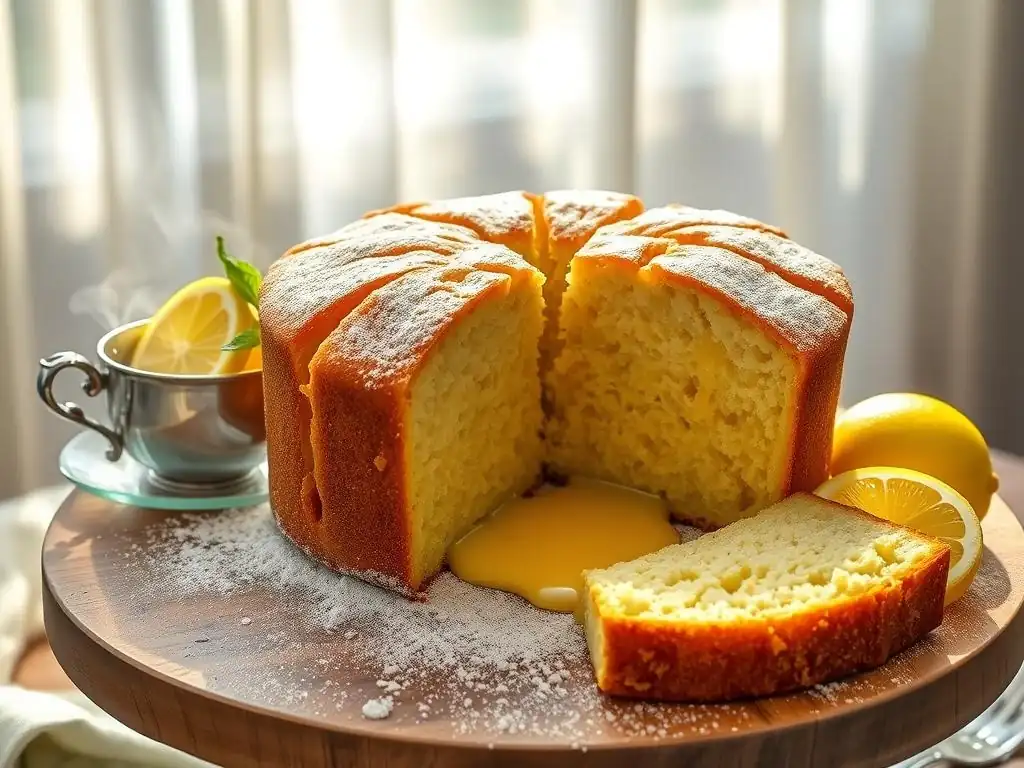
Once your British lemon drizzle cake has been successfully baked and drizzled, the cooling process is the final step before you can slice and enjoy it. Proper cooling ensures the cake sets correctly and prevents issues like breaking or becoming soggy.
How you handle the cake immediately after drizzling and cooling impacts its final texture and ease of serving. Patience is key at this stage!
Proper Cooling Techniques to Prevent Soggy Cake
After pouring the drizzle over the hot, pierced cake, leave it in the loaf tin for about 10-15 minutes. This allows the drizzle to soak in and the cake to firm up slightly before you attempt to move it. Trying to remove a hot, drizzled cake too soon can cause it to break or compress, especially the moist top layer.
After this initial cooling period in the tin, carefully turn the cake out onto a wire rack to cool completely. A wire rack allows air to circulate around the entire cake, preventing moisture from building up on the bottom, which can make it soggy. Ensure the cake is fully cooled, which can take 1-2 hours, before slicing. Slicing a warm cake can lead to a gummy texture and uneven slices.
Serving Suggestions: Enhancing the Lemon Drizzle Experience
A classic British lemon drizzle cake is wonderful served simply on its own, perhaps with a cup of tea. However, there are simple ways to enhance the serving experience and add a touch of elegance or extra freshness. These suggestions can elevate your homemade bake for a special occasion or simply make a casual afternoon treat feel a little more special.
Consider the texture and flavor contrasts you can introduce. The tangy sweetness of the cake pairs beautifully with certain fresh elements or accompaniments.
Lemon Zest and Berries: A Fresh and Colorful Garnish
For a simple yet effective garnish, sprinkle a little fresh lemon zest over the top of the cooled cake just before serving. This adds an extra burst of citrus aroma and a vibrant visual appeal. Be mindful not to add zest while the drizzle is still very wet, as it might clump.
Fresh berries, such as raspberries, blueberries, or strawberries, make an excellent accompaniment. Their slight tartness and juicy texture provide a lovely contrast to the sweet and moist cake. Arrange a few berries alongside each slice for a burst of color and freshness. A dusting of icing sugar (powdered sugar) through a sieve can also add a delicate finish to your British lemon drizzle cake.
Pairing Suggestions with Tea or Coffee
The traditional and arguably best pairing for a British lemon drizzle cake is a good cup of tea. A classic English Breakfast tea or a refreshing Earl Grey complements the cake's flavors perfectly without overpowering them. The warmth and slight bitterness of the tea cut through the cake's sweetness.
Alternatively, a cup of coffee, particularly a filter coffee or an Americano, also pairs well. The roasted notes of the coffee can provide a pleasant contrast to the bright lemon flavor. For a more indulgent pairing, consider serving a slice with a dollop of clotted cream or a light crème fraîche, though these are less traditional than simply enjoying the cake with your favorite hot beverage.
Tips and Tricks for a Flawless Lemon Drizzle Cake
Even with a reliable British lemon drizzle cake recipe, sometimes things don't go exactly as planned. Understanding common issues and having a few tricks up your sleeve can help you troubleshoot problems and ensure a consistently flawless bake.
These tips cover everything from preventing dry cakes to achieving a perfect rise. We'll also explore some popular variations to the classic recipe.
Troubleshooting Common Baking Problems
Encountering a baking issue can be frustrating, but many common problems have straightforward solutions. Learning how to identify the cause of issues like a dry cake or a sunken middle will improve your baking skills and help you achieve better results with this British lemon drizzle cake recipe and others.
Don't be discouraged if your first attempt isn't perfect. Baking is a skill that improves with practice and understanding the science behind the steps.
Preventing a Dry Lemon Drizzle Cake
A dry cake is often the result of overbaking or using incorrect ingredient ratios. To prevent a dry British lemon drizzle cake, strictly adhere to the baking time specified in the recipe and use the skewer test to check for doneness precisely at the end of the recommended time range (e.g., starting checking at 45 minutes for a 9x5 inch loaf). Every oven is different, so learning yours is key.
Ensure you measure your ingredients accurately, especially flour, preferably by weight using a digital scale. Too much flour will absorb excess moisture. Also, make sure your liquid ingredients (eggs, milk/yogurt if used) are at room temperature and fully incorporated. The crucial step of drizzling the hot syrup over the warm cake adds significant moisture; ensure you make enough drizzle and distribute it evenly.
Avoiding a Sunken Middle
A cake with a sunken middle can be caused by several factors, including opening the oven door too early, underbaking, overmixing the batter, or using ingredients that are too cold. To avoid this with your British lemon drizzle cake recipe, resist the urge to check the cake too soon – wait until at least 30-40 minutes of baking have passed before opening the oven door.
Ensure your oven is preheated to the correct temperature and that you bake the cake for the full recommended time, confirming doneness with the skewer test. Overmixing develops gluten, which can cause the cake to rise too quickly and then collapse. Ensure butter, sugar, and eggs are at room temperature for proper emulsification, which creates a stable batter structure.
Variations and Adaptations of the Classic Lemon Drizzle
While the classic British lemon drizzle cake is perfect as is, its simple base makes it a great canvas for variations. Adding other flavors or textures can create exciting new versions of this beloved bake.
These adaptations maintain the core elements – the moist sponge and the tangy drizzle – while introducing complementary ingredients.
Lemon and Poppy Seed Drizzle Cake
Adding poppy seeds to the batter is a popular variation that introduces a delightful texture contrast to the soft cake. For a lemon and poppy seed drizzle cake, typically add 1-2 tablespoons (approx. 10-20g) of poppy seeds to the sifted dry ingredients before folding them into the wet mixture.
The poppy seeds distribute throughout the cake, providing tiny bursts of crunchiness that complement the smooth crumb and the tangy lemon flavor. The baking time and method remain largely the same as the standard British lemon drizzle cake recipe, making this an easy and rewarding adaptation.
Lemon and Blueberry Drizzle Cake
Fresh or frozen blueberries make another wonderful addition to the British lemon drizzle cake. Blueberries add moisture, bursts of fruity flavor, and a beautiful visual element. To incorporate blueberries, gently toss about 100-150g of fresh or frozen blueberries with a tablespoon of the sifted flour before folding them into the batter.
Coating the berries in flour helps prevent them from sinking to the bottom of the cake during baking. Be careful not to overmix the batter once the blueberries are added to avoid crushing them and turning the batter purple. The combination of bright lemon and sweet-tart blueberries creates a lovely balance of flavors in this variation of the classic British lemon drizzle cake recipe.
Storing Your Homemade Lemon Drizzle Cake: Keeping it Fresh
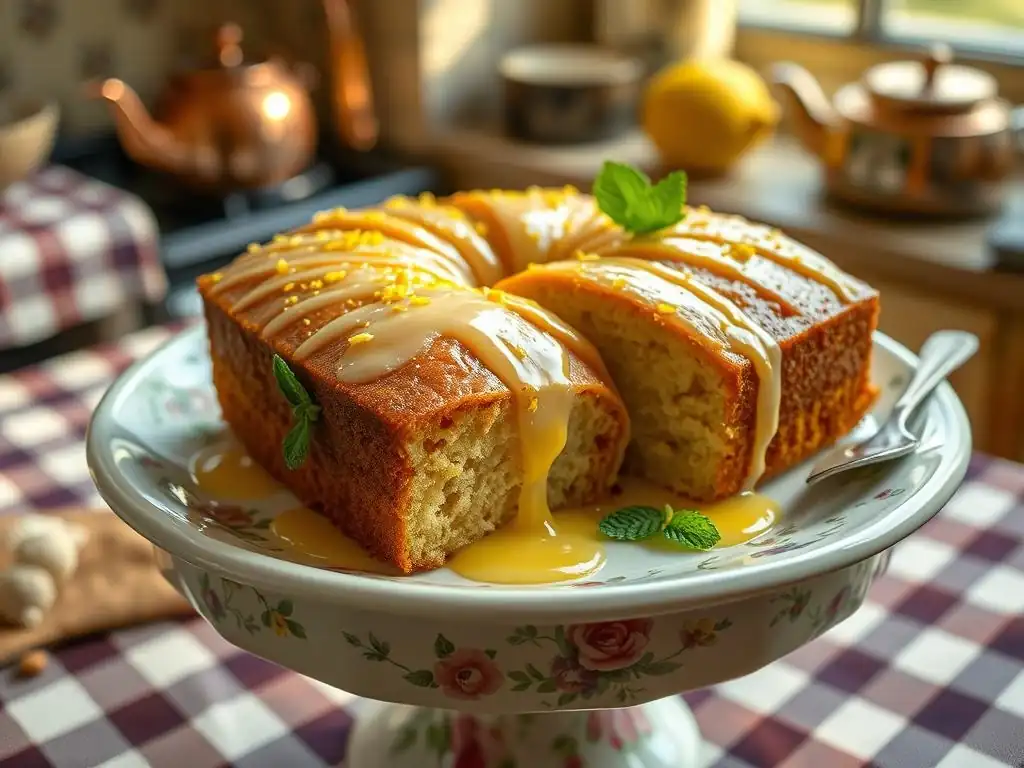
Once your delicious British lemon drizzle cake is baked and cooled, you'll want to keep it fresh for as long as possible. Proper storage is key to maintaining its moisture and flavor, ensuring you can enjoy slices over several days.
The high sugar content in the drizzle helps preserve the cake to some extent, but protecting it from air is crucial for preventing it from drying out.
Best Practices for Storing Leftover Cake
Allow the British lemon drizzle cake to cool completely on a wire rack before storing it. Storing a warm cake will create condensation, which can make the cake soggy and encourage mold growth. Once fully cooled, the best way to store the cake is in an airtight container.
Wrap the cake tightly in cling film (plastic wrap) first, paying attention to sealing the cut ends if you've already sliced it, and then place it inside an airtight container. This double layer of protection minimizes exposure to air. Store the container at room temperature, away from direct sunlight or heat sources. Avoid storing it in the refrigerator, as this can actually dry out sponge cakes.
Extending the Shelf Life of Your Delicious Bake
Stored correctly at room temperature in an airtight container, a British lemon drizzle cake will typically stay fresh and moist for 3-4 days. The high sugar content in the drizzle acts as a natural preservative, helping to keep the top layer moist.
If you want to store the cake for longer, it freezes exceptionally well. Once completely cooled and wrapped tightly in cling film, place the cake in a freezer-safe bag or container. Label it with the date. Frozen lemon drizzle cake can last for up to 2-3 months. To thaw, remove it from the freezer and let it defrost at room temperature in its wrapping to retain moisture. This allows you to enjoy your perfectly baked British lemon drizzle cake recipe long after it's made.
Conclusion: Enjoy Your Effortlessly Baked British Lemon Drizzle Cake
You've done it! Following this BakeWithEase guide, you've baked a beautiful and delicious British lemon drizzle cake. From selecting quality ingredients like fresh lemons and caster sugar to mastering the creaming method and applying that signature tangy drizzle, you've successfully navigated the steps to create a true classic. This British lemon drizzle cake recipe proves that traditional baking can be accessible and enjoyable for everyone.
Baking is a rewarding activity, and sharing your homemade treats makes it even better. Slice into your moist, zesty cake, perhaps garnished with a little extra lemon zest or some fresh berries, and enjoy it with a comforting cup of tea or coffee. We hope this detailed guide has given you the confidence to bake this classic again and explore other delightful British baking favorites. Keep baking with ease, and enjoy every delicious bite!
Frequently Asked Questions
How can I prevent my British Lemon Drizzle Cake from being dry?
To avoid a dry cake, ensure you don't overbake it. Check for doneness with a toothpick, and consider using a simple syrup after baking to add moisture.
What's the secret to getting the perfect lemon drizzle on a British Lemon Drizzle Cake?
The key is to poke holes in the warm cake immediately after baking and then slowly pour over the lemon and sugar mixture. This allows the drizzle to soak evenly into the cake.
Can I substitute ingredients in the British Lemon Drizzle Cake recipe?
While some substitutions are possible, altering key ingredients like butter or flour might affect the texture. Experiment carefully, and research suitable replacements beforehand.
What's the best way to store a British Lemon Drizzle Cake to keep it fresh?
Store the cake in an airtight container at room temperature. This helps to prevent it from drying out and keeps it fresh for several days. Avoid refrigeration as it can dry out the cake.
Is it difficult to make a British Lemon Drizzle Cake if I'm a beginner baker?
No, our recipe is designed for bakers of all levels! With step-by-step instructions and easy-to-find ingredients, even beginners can bake a delicious British Lemon Drizzle Cake with ease.
Final Reflection: The Enduring Allure of a Simple Slice
The humble British lemon drizzle cake, a seemingly simple dessert, holds a surprising power to connect us to tradition, comfort, and the joy of baking. Its enduring popularity isn't just a matter of taste; it's a testament to the power of familiar flavors and the satisfaction of creating something delicious from scratch. In a world increasingly dominated by complex recipes and instant gratification, this cake offers a refreshing counterpoint, a reminder of the simple pleasures life has to offer.
The scent of a lemon drizzle cake baking is deeply evocative, transporting me back to childhood kitchens and the warmth of family gatherings. It's a sensory experience that transcends mere culinary enjoyment; it's a link to shared memories and a sense of belonging. As the great British chef, Mary Berry, once said, Baking is about sharing, it's about love, it's about creating something special.
This sentiment perfectly encapsulates the essence of this classic cake and its enduring appeal across generations.
So, I invite you to go beyond simply following the recipe. Consider the act of baking itself – the careful measuring, the gentle mixing, the anticipation of the golden-brown crust and the sweet, tangy drizzle. Embrace the process, savor the aroma, and share the joy of your creation with loved ones. Let the simple act of baking a British lemon drizzle cake be a reminder of the enduring power of tradition, the comfort of familiar flavors, and the immeasurable joy of creating something beautiful and delicious with your own hands.
Unlock Your Inner Baker: Master the Perfect Lemon Drizzle!
Thanks for joining us on this delicious journey into the world of British Lemon Drizzle Cake! We hope you've gained the confidence to tackle this classic recipe. Ready to take your baking skills to the next level?
- Bake your own masterpiece! Use the recipe from the article to create your perfect lemon drizzle cake. Don't be shy – experiment with different citrus fruits or add-ins!
- Share your creation! Snap a picture of your finished cake and tag us on social media – we'd love to see your baking success!
- Explore more delightful recipes: Dive into our extensive collection of easy-to-follow baking recipes on BakeWithEase.com. Find your next culinary adventure!
What unique twist will you add to your own British Lemon Drizzle Cake to make it truly special?