
Crafting with Vanilla: Expert Tips for Using Bean vs. Extract Effectively

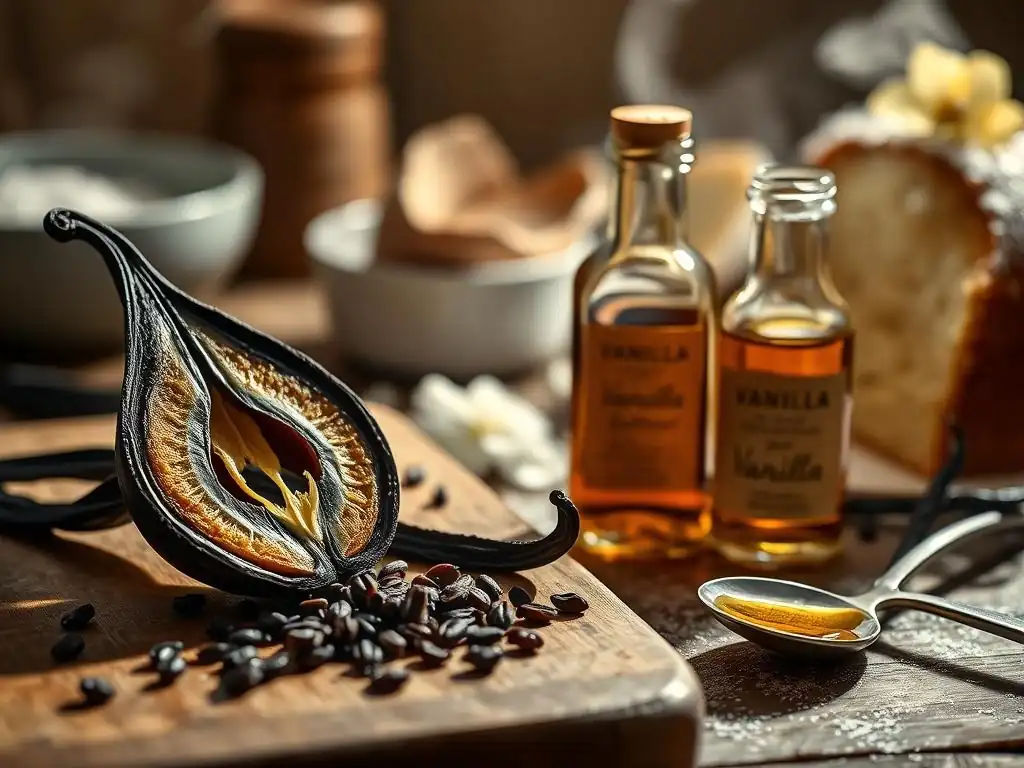
Welcome to BakeWithEase, where we unlock the secrets to baking brilliance! Ever wondered about the real difference between vanilla bean vs. extract and how each impacts your creations? This week, we're diving deep into the world of vanilla, exploring the nuances that can elevate your pastries, cakes, and beyond. Discover how to harness the power of this beloved ingredient and transform your baking from good to extraordinary – let's get started!
- Understanding Vanilla: From Plant to Pantry
- Vanilla Bean vs. Extract: A Detailed Comparison
- Using Vanilla Bean: Ideal Applications
-
Using Vanilla Extract: Practical Applications
- Vanilla Extract in Cakes and Cookies: Adding Depth and Warmth
- Vanilla Extract in Muffins and Scones: A Quick Flavor Enhancement
- Vanilla Extract in Buttercream and Glazes: Completing the Dessert
- Selecting High-Quality Vanilla Extract: Look for Dark Color and Strong Aroma
- Quick Vanilla Extract: A Simple Infusion
- Optimizing Vanilla Flavor: Expert Techniques
- Cost Considerations: Bean vs. Extract
- Achieving Flavor Balance: Intensity and Harmony
- Troubleshooting Vanilla: Avoiding Common Pitfalls
- Selecting the Right Vanilla: A Guide to Informed Choices
-
Frequently Asked Questions
- What are the key differences between vanilla bean and vanilla extract?
- When is it best to use a vanilla bean instead of vanilla extract in baking?
- How do I properly prepare a vanilla bean for use in a recipe?
- Can I substitute vanilla extract for a vanilla bean in a recipe, and if so, what's the ratio?
- How should I store vanilla beans and vanilla extract to maintain their quality?
- Final Reflection: The Enduring Allure of Authentic Vanilla
- Unleash Your Inner Pastry Chef: Master Vanilla's Magic!
Understanding Vanilla: From Plant to Pantry
The Essence of Vanilla: A Baker's Best Friend
Vanilla, derived from the fruit of the Vanilla planifolia orchid, is far more than just a sweet scent; it's a complex flavor powerhouse essential to countless baked goods. The primary flavor compound, vanillin, is well-known, but high-quality vanilla, whether from a vanilla bean vs extract, contains hundreds of other aromatic compounds that contribute to its deep, nuanced profile. These compounds interact with other ingredients, enhancing sweetness, balancing richness, and adding layers of floral, woody, or even smoky notes depending on the vanilla's origin and curing process.
For bakers, vanilla acts as a crucial background note that elevates other flavors without overpowering them. A simple sugar cookie, for example, is transformed by the addition of vanilla, gaining warmth and depth. In more complex recipes like chocolate cake, vanilla doesn't compete but rather harmonizes, making the chocolate taste richer and more intense. This foundational role makes understanding the different forms of vanilla, particularly the nuances between using a pure vanilla bean vs extract, vital for achieving optimal results in your baking.
Vanilla Bean vs. Extract: A Detailed Comparison
Vanilla Bean: The Gold Standard of Vanilla Flavor
The vanilla bean is widely considered the pinnacle of vanilla flavor, offering the full spectrum of its aromatic compounds. A high-quality bean is plump, oily, and pliable, bursting with tiny, dark seeds (often called "vanilla caviar") that carry intense flavor and aroma. Using the whole bean, including the scraped seeds and often the pod for infusion, provides a depth and complexity that is hard to replicate. This is because the bean contains not just vanillin but also subtle notes of fruit, flowers, and spice that contribute to a truly rounded flavor profile.
While more expensive and labor-intensive than extract, the pure, concentrated flavor of a vanilla bean makes it ideal for applications where vanilla is the star. Think delicate custards, creams, or sauces where its nuanced profile can truly shine without being masked by strong baking temperatures. The visual appeal of the tiny black specks from the seeds is also highly prized in gourmet desserts, signaling quality and authenticity. Understanding when and how to use a vanilla bean vs extract is key to unlocking the best possible flavor in specific dishes.
Vanilla Extract: Convenience and Versatility
Pure vanilla extract is made by macerating chopped vanilla beans in alcohol and water, a process that extracts the vanillin and many other flavor compounds. It is the most common form of vanilla used in home baking due to its convenience, relatively lower cost compared to beans, and long shelf life.
Good quality pure vanilla extract provides a reliable, consistent vanilla flavor that integrates easily into batters, doughs, and liquids. It typically contains at least 35% alcohol by volume and a minimum of 13.35 ounces of vanilla beans per gallon, as defined by the U.S. Food and Drug Administration (FDA) standard of identity.
Vanilla extract is incredibly versatile and works well in a vast array of recipes, from cakes and cookies to muffins and frostings. While it may lack some of the subtle undertones found in a whole bean, a good pure extract still delivers that essential warm, sweet vanilla note that is indispensable in baking. For most everyday baking tasks, pure vanilla extract is the practical and effective choice, providing excellent flavor distribution throughout the finished product.
Flavor Nuances: Exploring the Differences
The fundamental difference in flavor between a vanilla bean vs extract lies in complexity and intensity. A vanilla bean offers a richer, more layered flavor experience due to the presence of hundreds of aromatic compounds that are fully intact within the bean itself. When used, these compounds are slowly released, particularly in uncooked or gently heated applications, providing a deep, almost creamy vanilla profile with distinct floral, fruity, or spicy notes depending on the bean's origin. The visual element of the tiny black seeds also adds to the sensory experience.
Vanilla extract, while still providing significant flavor, tends to be more focused on the dominant vanillin compound. The extraction process, particularly with alcohol, can alter or diminish some of the more volatile, subtle notes present in the whole bean. Extract provides a more direct, often sweeter vanilla flavor that holds up well during baking, though some of the delicate aromas can dissipate under high heat. Choosing between a vanilla bean vs extract often comes down to the desired flavor intensity, complexity, and the specific demands of the recipe.
Using Vanilla Bean: Ideal Applications
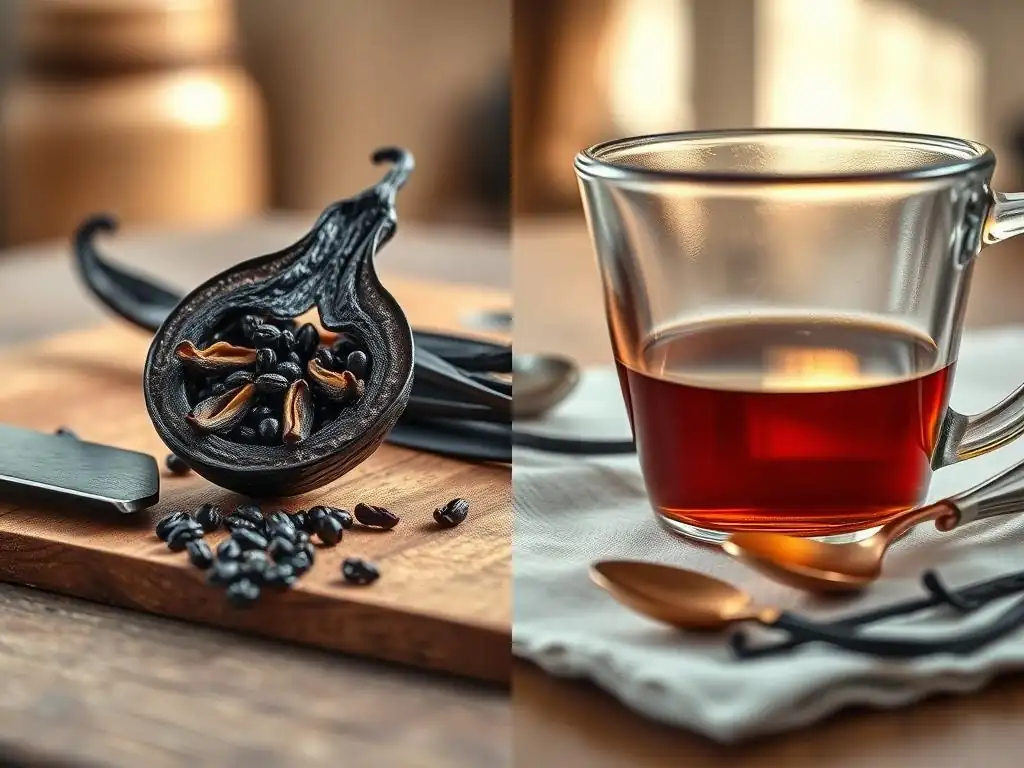
Vanilla Bean in Crème brûlée and Panna Cotta: Showcasing Pure Flavor
Custard-based desserts like crème brûlée and panna cotta are quintessential applications for vanilla beans, allowing their pure, complex flavor to truly shine. These recipes typically involve gently heating milk or cream, which is the perfect medium for infusing the delicate aromas from the vanilla bean. To use, you split the bean lengthwise, scrape out the paste (the tiny seeds), and add both the paste and the empty pod to the liquid as it warms. The pod can steep for 15-30 minutes or longer off the heat to extract maximum flavor before being removed.
In a classic crème brûlée recipe using 2 cups of heavy cream and 1 cup of milk, a single high-quality vanilla bean, split and scraped, will impart a profound vanilla flavor and create those desirable black specks throughout the custard. The lack of intense baking heat means the bean's subtle notes are preserved, resulting in a dessert with a depth of flavor unmatched by extract alone. Similarly, panna cotta benefits immensely from the clean, pure vanilla profile provided by the bean, complementing its smooth, creamy texture.
Vanilla Bean in Homemade Ice Cream: Elevating the Experience
Homemade ice cream is another prime candidate for showcasing the superior flavor of vanilla beans. Ice cream bases, often a cooked custard or a simple mix of cream, milk, and sugar, provide an excellent environment for vanilla infusion. The process is similar to custards: the split bean and scraped seeds are steeped in the warming dairy mixture. Once infused, the base is chilled before churning.
Using a vanilla bean vs extract in ice cream results in a noticeably richer, more authentic vanilla flavor. The cold temperature of ice cream helps to lock in and highlight the bean's complex aromatic compounds that might be less prominent in a baked good. For a standard 1-quart ice cream maker recipe using about 3 cups of dairy, one whole vanilla bean is typically sufficient to create a wonderfully fragrant and flavorful vanilla ice cream, complete with the visual appeal of the speckled seeds.
Vanilla Bean in Infusions: Teas, Liqueurs, and Sugars
The flavor potential of a vanilla bean doesn't end after its initial use in a recipe. Spent vanilla bean pods still contain significant aroma and can be repurposed for various infusions. Dropping a rinsed and dried spent pod into a jar of granulated sugar creates vanilla sugar over time, perfect for sweetening coffee, tea, or sprinkling on baked goods. Simply bury the pod in the sugar and let it sit for a week or two, shaking occasionally.
Beyond sugar, vanilla bean pods can be used to infuse liquids. Adding a spent pod to a bottle of plain vodka or rum will, over several months, create a simple homemade vanilla extract or flavored liqueur. Similarly, steeping a small piece of a pod in hot tea adds a lovely, subtle vanilla note. This practice not only maximizes the value of expensive vanilla beans but also adds unique flavor dimensions to everyday items, making the most of every part of this precious ingredient.
Scraping a Vanilla Bean: A Step-by-Step Guide
Scraping a vanilla bean to access the flavorful paste requires a simple technique. First, place the vanilla bean on a clean cutting surface. Using a sharp paring knife, carefully slice the bean lengthwise down the middle, from one end to the other, without cutting all the way through the back side. This opens the bean like a book.
Next, open the bean flat. Turn the knife so the blade is facing away from you, or use the back (dull side) of the knife. Starting from one end, gently scrape down the length of each half of the bean, applying slight pressure. The goal is to collect the dark, sticky paste containing the tiny vanilla seeds. Gather the scraped paste on the knife or directly into your recipe. The remaining split pod can then be used for infusion if desired.
Homemade Vanilla Bean Sugar: Enhancing Everyday Treats
Creating your own vanilla bean sugar is a simple yet rewarding way to elevate everyday sweetening. It's particularly effective when you have leftover, dried vanilla bean pods from other baking projects. To make it, ensure the spent vanilla bean pods are dry – you can leave them out on a counter for a day or two after use, or gently dry them in a very low oven (around 150°F/65°C) for 20-30 minutes if they are still moist.
Place the dried pods into a clean, airtight glass jar. Fill the jar with granulated sugar, ensuring the pods are mostly submerged. A good ratio is typically 2-3 dried pods for every 4 cups of sugar. Seal the jar tightly and store it in a cool, dark place.
Give the jar a shake every few days. After about two weeks, the sugar will begin to absorb the vanilla aroma and flavor. For the strongest vanilla flavor, wait at least a month. Use this vanilla bean sugar in place of regular sugar in coffee, tea, sprinkled on toast, or in simple baking recipes like shortbread or whipped cream to add a fragrant vanilla note.
Using Vanilla Extract: Practical Applications
Pure vanilla extract is the workhorse of baking, frequently called for in cake and cookie recipes to add essential depth and warmth. Its liquid form makes it easy to incorporate evenly into batters and doughs, ensuring consistent flavor throughout the finished product. While some delicate notes might be lost under high oven temperatures compared to a vanilla bean, the vanillin and other extracted compounds still contribute a significant, pleasant aroma and taste that complements other ingredients like flour, sugar, butter, and leavening agents.
In a typical recipe for a batch of chocolate chip cookies using 2 cups of flour, adding 1 to 1.5 teaspoons of pure vanilla extract is standard. This amount is usually sufficient to enhance the overall sweetness and richness without being overpowering. For cakes, the amount can vary based on the size and richness, but a standard 8-inch layer cake recipe might call for 1.5 to 2 teaspoons of vanilla extract. The extract's alcohol base also helps carry the flavor compounds, ensuring they are distributed throughout the mixture before baking.
Vanilla Extract in Muffins and Scones: A Quick Flavor Enhancement
For quick breads like muffins and scones, vanilla extract offers a simple and effective way to boost flavor. These recipes often come together quickly, and liquid extract can be rapidly stirred into the wet ingredients alongside eggs, milk, and oil or melted butter. This ensures the vanilla is evenly distributed before the dry ingredients are added, preventing overmixing.
Adding just 1 teaspoon of pure vanilla extract to a batch of 12 standard-sized muffins (using about 1.5 cups of flour) provides a noticeable lift in flavor, particularly when paired with fruits like blueberries or spices like cinnamon. Similarly, scones benefit from vanilla's ability to round out the flavors of butter and cream. About 1 to 1.5 teaspoons of extract per batch of 8-12 scones is usually sufficient to add a comforting, aromatic note that enhances their simple goodness.
Vanilla Extract in Buttercream and Glazes: Completing the Dessert
Vanilla extract is almost universally included in recipes for buttercream, glazes, and other frostings. In these uncooked or lightly heated applications, the vanilla's aroma is particularly noticeable, providing a crucial counterpoint to the sweetness of powdered sugar and richness of butter or cream cheese. Unlike baked goods where some volatile compounds dissipate, the full fragrance of the extract is preserved, contributing significantly to the final sensory experience of the dessert.
A classic American buttercream made with 1 cup of unsalted butter and 4 cups of powdered sugar will typically call for 1 to 2 teaspoons of pure vanilla extract. This amount adds essential flavor depth and helps to balance the intense sweetness. For simple glazes made with powdered sugar and milk or water, a smaller amount, perhaps 1/2 to 1 teaspoon per cup of powdered sugar, is often used to add a pleasant vanilla note without diluting the glaze too much. The quality of the vanilla extract is particularly important here, as its flavor is prominent.
Selecting High-Quality Vanilla Extract: Look for Dark Color and Strong Aroma
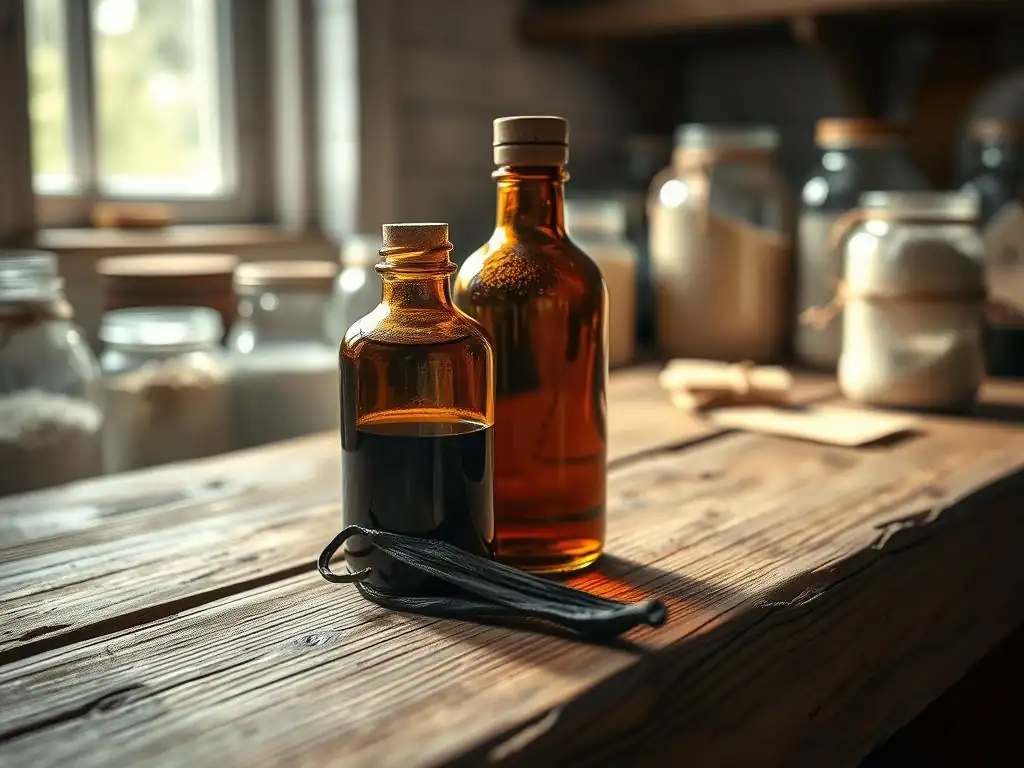
Choosing a high-quality pure vanilla extract is crucial for achieving the best flavor in your baking. The first thing to look for is the label: it should clearly state "Pure Vanilla Extract." Avoid anything labeled "Imitation Vanilla Extract," which is made from synthetic vanillin and lacks the complexity of pure vanilla. Pure extract will typically have a dark, reddish-brown color, though the exact shade can vary depending on the type of beans used and the extraction process.
A simple sniff test can tell you a lot. A good pure vanilla extract will have a rich, complex, and inviting aroma – not just a faint sweet smell or an overwhelming alcohol scent. It should smell distinctly of vanilla beans, perhaps with subtle notes of fruit, spice, or wood depending on the origin (e.g., Madagascar often smells creamy and sweet, Tahitian more floral). While some sediment can be normal, the liquid should generally be clear. Checking the ingredient list is also helpful; it should primarily list vanilla bean extractives in alcohol and water.
Quick Vanilla Extract: A Simple Infusion
While commercial pure vanilla extract undergoes a lengthy professional process, you can create a usable, albeit simpler, vanilla infusion at home with just two ingredients: vanilla beans and alcohol. This homemade version, often referred to casually as "quick extract" although it still takes time, allows you to control the quality of the beans and the type of alcohol used, which can influence the final flavor.
To make a basic homemade vanilla extract, you will need whole vanilla beans (Madagascar beans are a popular choice for their classic flavor profile) and a neutral spirit like 80-proof vodka. Split the vanilla beans lengthwise and cut them into smaller pieces if desired (this increases the surface area). Place the beans in a clean glass bottle or jar and cover them completely with the alcohol. A common ratio is about 5-10 beans per cup (8 fluid ounces) of alcohol.
Seal the container tightly and store it in a cool, dark place. Shake the bottle gently once a week. While it will take at least 2-3 months for the alcohol to extract significant flavor, waiting 6-12 months or longer will yield a much richer, more potent vanilla extract.
Optimizing Vanilla Flavor: Expert Techniques
Vanilla Bean Storage: Maintaining Freshness and Aroma
Proper storage is essential to preserve the quality and potency of expensive vanilla beans. The primary enemies of vanilla beans are air, light, and extreme temperature fluctuations, which can cause them to dry out and lose their volatile aromatic compounds. The best way to store vanilla beans is in an airtight container, such as a glass tube designed for vanilla beans or a small glass jar with a tight-fitting lid.
Avoid storing vanilla beans in the refrigerator, as this can actually dry them out and potentially introduce unwanted odors. Instead, keep the airtight container in a cool, dark place, like a pantry cupboard, away from direct sunlight and heat sources (such as above the oven). While opinions vary on humidity, ensuring they remain pliable suggests good storage. Properly stored vanilla beans can retain their freshness and aroma for 6 to 12 months or even longer, although their peak flavor is often within the first few months.
Vanilla Extract Storage: Preventing Degradation
Pure vanilla extract has an exceptionally long shelf life, largely due to its alcohol content, which acts as a preservative. Unlike beans, vanilla extract does not require refrigeration. In fact, storing it in the refrigerator can cause some of the flavor compounds to condense or precipitate out, potentially clouding the extract.
The key to preserving the quality of vanilla extract is to store it in its original airtight bottle in a cool, dark place, such as a pantry or cupboard. Keep the lid tightly closed when not in use to prevent the alcohol from evaporating, which could weaken the flavor over time. While vanilla extract doesn't necessarily "go bad" in the traditional sense for many years, its peak flavor quality is generally considered to be within 2-3 years of opening. After this, the flavor might become slightly less vibrant, though it will still be usable.
Vanilla Bean Paste as a Substitute: A Convenient Alternative
Vanilla bean paste offers a convenient middle ground between using a whole vanilla bean and vanilla extract. It is typically made from concentrated vanilla extract and vanilla bean seeds suspended in a thick, syrupy base, often containing sugar or a thickener. This paste provides the intense flavor of pure vanilla along with the desirable visual appearance of the bean specks, all in an easy-to-measure format.
Vanilla bean paste is particularly useful in recipes where you want the appearance of vanilla bean seeds but prefer the ease of measuring a liquid or paste. It works well in custards, ice cream, frostings, and even some baked goods. As a general guideline, 1 teaspoon of vanilla bean paste is often considered equivalent in flavor strength to one whole vanilla bean or 1 teaspoon of pure vanilla extract, though this can vary slightly between brands. It's a popular choice for bakers looking for the visual appeal of a vanilla bean vs extract's invisibility.
Vanilla Powder Substitutes: A Concentrated Option
Vanilla powder is made from whole vanilla beans that have been dried and ground into a fine powder. It's a concentrated form of vanilla that contains all the non-soluble flavor compounds of the bean. Unlike extract, vanilla powder contains no alcohol or water, making it particularly suitable for dry mixes, spice rubs, or applications where adding liquid is undesirable. It is also more heat-stable than extract, making it potentially useful in recipes baked at very high temperatures, although its texture can be a factor.
Vanilla powder offers an intense vanilla flavor. Because it's concentrated, you typically need less powder than extract. A common substitution guideline is to use about half the amount of vanilla powder as you would pure vanilla extract, meaning approximately 1/2 teaspoon of powder might substitute for 1 teaspoon of extract. However, the powder may not fully dissolve, which could result in tiny specks or a slightly grainy texture in very smooth preparations like glazes or custards, unless it's first dissolved in a small amount of warm liquid.
Cost Considerations: Bean vs. Extract
Vanilla Bean Pricing: Factors Influencing Cost
Vanilla beans are significantly more expensive than vanilla extract, and their price can fluctuate dramatically based on various factors. The cultivation of vanilla orchids is labor-intensive, requiring hand-pollination and a lengthy curing process that can take several months. Global supply is also sensitive to weather events like hurricanes in major growing regions, which can devastate crops and cause prices to skyrocket.
The origin of the beans also impacts cost; for example, high-quality Madagascar Bourbon vanilla beans are often the most expensive due to high demand and specific curing methods, while Tahitian or Mexican beans may be slightly less costly but offer different flavor profiles. On average, a single high-quality vanilla bean can cost anywhere from $5 to $10 or more in retail stores, making their use in baking a considered decision based on budget and desired outcome when comparing vanilla bean vs extract.
Vanilla Extract Pricing: Range and Quality Variations
The price of pure vanilla extract varies widely depending on the brand, the type of vanilla beans used, and the concentration (single-fold is standard, double-fold is stronger and more expensive). While significantly cheaper per usage than vanilla beans, pure vanilla extract is still relatively expensive compared to other baking ingredients. A small 4-ounce bottle of reputable pure vanilla extract can range from $10 to $30 or more.
Imitation vanilla extract, made from synthetic vanillin derived from sources like wood pulp or petrochemicals, is drastically cheaper, often just a few dollars for a similar size bottle. However, it lacks the complex flavor profile of pure vanilla and is easily distinguishable in taste, especially in recipes where vanilla is a prominent flavor. When considering vanilla bean vs extract from a cost perspective, factor in the frequency of use and the recipe's requirements; for everyday baking, extract is more economical.
Economical Vanilla Use: Maximizing Flavor Impact
Given the cost of vanilla, especially vanilla beans, bakers often look for ways to maximize flavor impact economically. One excellent strategy is to reuse spent vanilla bean pods. After scraping the seeds for a recipe, the pod can be rinsed, dried, and placed in a jar of sugar to create vanilla sugar, or added to alcohol to make homemade extract over time. This gets extra value from an expensive ingredient.
Another approach is strategic use of vanilla bean vs extract. Reserve precious vanilla beans for uncooked applications like custards, ice cream, or cold sauces where their delicate, full flavor is best appreciated and preserved. Use pure vanilla extract for baked goods like cakes, cookies, and muffins, where the heat can diminish some of the bean's subtle notes anyway, and the extract provides consistent, reliable flavor at a lower cost. Making your own extract from less expensive bulk beans can also be a cost-saving measure over the long term.
Achieving Flavor Balance: Intensity and Harmony
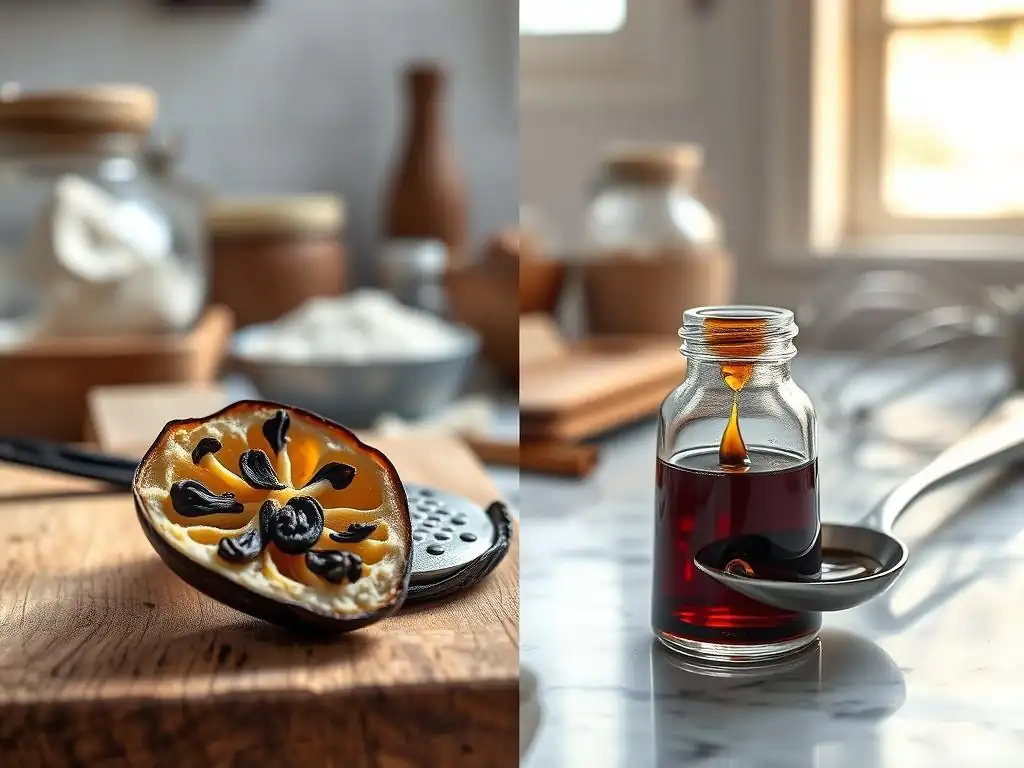
Recipe Adjustments: Converting Bean to Extract
Converting between vanilla bean and vanilla extract in recipes requires understanding their relative strengths. A widely accepted guideline is that one whole vanilla bean is roughly equivalent in flavor intensity to one teaspoon of pure vanilla extract or one teaspoon of vanilla bean paste. This conversion is useful when a recipe specifies one form but you only have another.
For example, if a recipe for custard calls for 1 vanilla bean, you can generally substitute 1 teaspoon of pure vanilla extract. Conversely, if a cookie recipe calls for 2 teaspoons of vanilla extract, you could substitute 2 whole vanilla beans (scraped) for a potentially more complex flavor, although this would be significantly more expensive. Remember that this is a guideline; the exact flavor difference between using a vanilla bean vs extract, even with conversion, will still be noticeable due to the nuances in their flavor profiles. Always consider the recipe's final outcome and your personal preference.
Complementary Flavors: Pairing Vanilla with Other Ingredients
Vanilla's role in baking is often to harmonize and enhance other flavors rather than stand alone. Its warm, sweet profile pairs beautifully with a wide range of ingredients. Classic pairings include chocolate, where vanilla deepens the cocoa notes; berries, whose tartness is mellowed by vanilla's sweetness; and citrus zest, which gains brightness when paired with vanilla.
Spices like cinnamon, nutmeg, cardamom, and ginger are also natural partners for vanilla, creating comforting and aromatic flavor combinations often seen in cakes, cookies, and spiced breads. Coffee, nuts (like almonds and pecans), and caramel also benefit from vanilla's presence, which adds complexity and rounds out their flavors. Understanding these complementary pairings helps bakers use vanilla, whether from a vanilla bean vs extract, effectively to build balanced and delicious flavor profiles in their creations.
Troubleshooting Vanilla: Avoiding Common Pitfalls
Preventing Bitter Vanilla Flavor: Choosing the Right Extract and Amount
Encountering a bitter or unpleasant off-flavor from vanilla in baking can be frustrating. One common cause is the use of imitation vanilla extract, which contains synthetic vanillin that can sometimes have a slightly chemical or bitter aftertaste, especially when used in large quantities or in uncooked applications. Always opt for pure vanilla extract for the best flavor.
Another potential issue, though less common with pure extract, can be using too much vanilla, particularly in delicate recipes. While more vanilla often seems like a good idea, excessive amounts, especially of lower-quality extracts, can sometimes lead to off-notes.
Additionally, if using vanilla bean pods for infusion, ensure they are removed from hot liquids once the steeping time is complete, as prolonged exposure to very high heat can potentially alter the flavor of the pod itself, though this is less likely to cause bitterness than using imitation extract. Stick to recommended recipe amounts or increase cautiously with high-quality pure vanilla.
Enhancing Subtle Vanilla Flavor: Infusion Techniques
Sometimes, despite using vanilla, the flavor in the final product seems too subtle. This can happen if the vanilla compounds don't have enough time or the right medium to properly infuse. For recipes involving liquids, like custards, sauces, or ice cream bases, maximizing vanilla flavor when using a vanilla bean involves steeping the split bean and scraped seeds in the warm liquid for a sufficient period. Simply stirring the seeds into cold liquid may not extract the full flavor.
For vanilla extract in baked goods, ensure it's added with the wet ingredients to distribute evenly. In frostings or no-bake desserts, adding the extract towards the end of mixing preserves its volatile aromas. If you find your vanilla flavor consistently weak, consider the quality of your vanilla product – a low-quality pure extract or dried-out vanilla bean simply won't deliver intense flavor. Upgrading to a higher-quality pure vanilla extract or a fresh, pliable vanilla bean can make a significant difference in the final taste.
Selecting the Right Vanilla: A Guide to Informed Choices
Vanilla Bean vs. Extract: Summary of Applications
Choosing between a vanilla bean vs extract depends largely on the recipe, desired flavor intensity, visual appeal, and budget. Vanilla beans are best reserved for applications where vanilla is a primary flavor and its full complexity and visual specks are desired, such as crème brûlée, panna cotta, homemade ice cream, custards, and infusions. Their intense, nuanced flavor is best preserved in uncooked or gently heated preparations.
Pure vanilla extract is the versatile staple for everyday baking. It is ideal for cakes, cookies, muffins, scones, brownies, and frostings where its reliable flavor distributes easily throughout batters and doughs and holds up reasonably well to baking temperatures. Vanilla bean paste offers a good compromise, providing both intense flavor and visual specks with the convenience of a liquid measure. When deciding on vanilla bean vs extract, consider the specific role vanilla plays in your dish.
Recommended Vanilla Brands: A Baker's Selection
Selecting a reputable brand for your vanilla products is key to consistent, high-quality results. For pure vanilla extract, look for brands that are transparent about their sourcing and extraction process. Many excellent brands specialize in single-origin extracts, offering distinct flavor profiles based on the vanilla bean's origin – for instance, brands known for Madagascar vanilla extract will typically yield a sweet, creamy flavor, while those focusing on Tahitian vanilla may offer more floral or cherry notes.
When purchasing vanilla beans, seek out suppliers who provide plump, moist, and pliable beans, often sold in sealed glass tubes or pouches. Reputable sources will usually specify the origin of the beans (e.g., Madagascar, Tahiti, Mexico, Uganda) and ideally provide information about their grade (e.g., Grade A or Grade B). While specific brand names aren't provided here, prioritizing "Pure Vanilla Extract" labels, specified bean origins, and ensuring beans are moist and fragrant upon purchase are excellent indicators of quality regardless of the brand.
Frequently Asked Questions
What are the key differences between vanilla bean and vanilla extract?
Vanilla beans are the whole spice, offering a complex flavor profile with visible specks. Vanilla extract is a liquid infusion, offering convenience and a more concentrated vanilla flavor.
When is it best to use a vanilla bean instead of vanilla extract in baking?
Use a vanilla bean when you want a more intense, authentic vanilla flavor and visible vanilla seeds in your finished product, such as in custards or ice cream.
How do I properly prepare a vanilla bean for use in a recipe?
Carefully split the bean lengthwise and scrape out the seeds (or "caviar"). You can also infuse the empty pod in milk or cream for added flavor.
Can I substitute vanilla extract for a vanilla bean in a recipe, and if so, what's the ratio?
Yes, you can. A general rule of thumb is to substitute 1 teaspoon of vanilla extract for one inch of vanilla bean.
How should I store vanilla beans and vanilla extract to maintain their quality?
Vanilla beans should be stored in an airtight container in a cool, dark place. Vanilla extract should also be stored in a cool, dark place, away from direct sunlight, to preserve its flavor and potency.
Final Reflection: The Enduring Allure of Authentic Vanilla
The subtle nuances between vanilla bean and extract are more than just a culinary debate; they represent a fundamental choice between authenticity and convenience in our increasingly fast-paced world. The quest for the perfect vanilla flavor, explored throughout this article, highlights a larger conversation about appreciating the source of our ingredients and understanding the impact of those choices.
The enduring appeal of vanilla, whether from bean or extract, speaks volumes about our desire for simple pleasures and the comforting familiarity of a classic flavor. It's a flavor that transcends cultures and generations, a testament to its enduring power. Vanilla is the queen of flavors, and she reigns supreme in simplicity and elegance.
This unspoken truth underscores the importance of understanding the differences between these two forms, allowing us to make informed decisions based on our culinary goals and personal preferences. The journey from bean to extract, as detailed in this article, reveals a fascinating process that deserves appreciation.
Consider the next time you bake or cook. Will you opt for the convenience of extract, or will you embrace the ritual and reward of working with the whole vanilla bean? The choice, ultimately, is yours, but understanding the distinctions outlined here will empower you to make a decision that truly reflects your values and enhances your culinary experience. Embrace the journey, experiment with both, and discover the unique magic each form of vanilla brings to your creations.
Unleash Your Inner Pastry Chef: Master Vanilla's Magic!
Thanks for taking the time to explore the wonderful world of vanilla with us! We hope you now feel confident in choosing between bean and extract to elevate your baking. Ready to put your new knowledge into practice?
- Bake a Vanilla Dream: Try a recipe you already love, but this time, swap your usual vanilla for either bean or extract (depending on which you learned you prefer!) and see how the flavor profile changes. This is the best way to solidify your learning and taste the difference.
- Share Your Vanilla Victory: Post a picture of your creation on social media and tag us – we'd love to see what you bake! Use #BakeWithEaseVanilla.
- Explore New Vanilla Horizons: Dive deeper into the world of vanilla by researching different types of beans or experimenting with unique vanilla-infused recipes. What flavor combinations excite you most?
Ready to create your next vanilla masterpiece? What unique vanilla flavor will you explore next?