
Bake With Ease: Your Guide to Iconic British Sweets

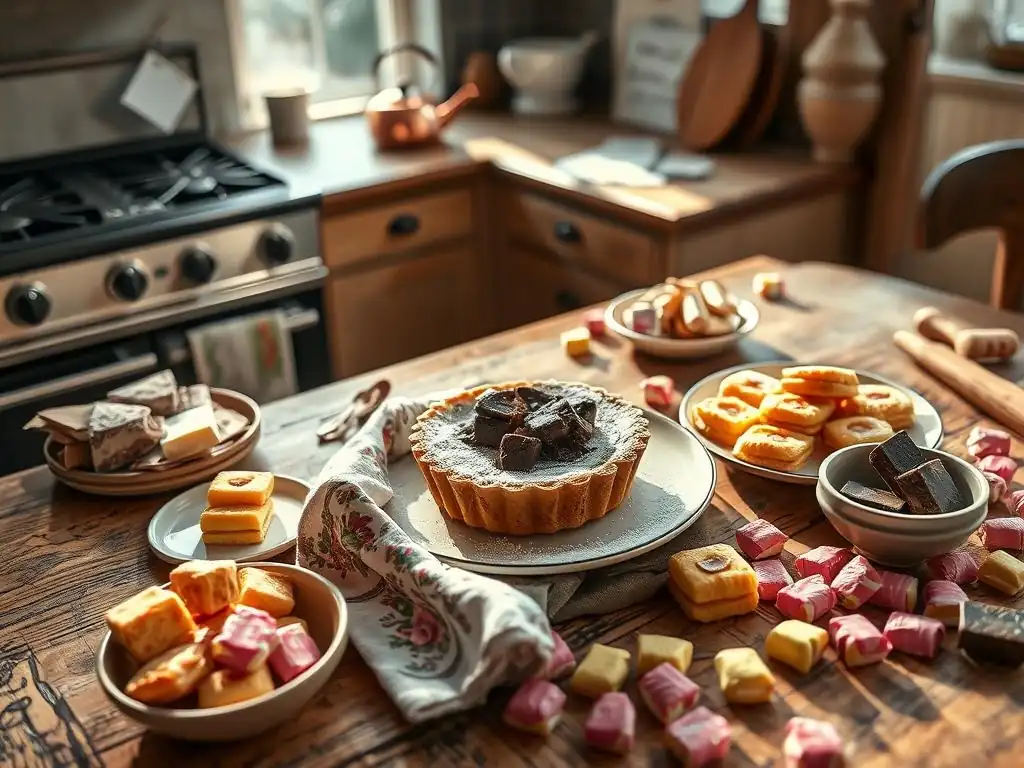
Welcome to BakeWithEase!
Ever dreamt of recreating those irresistible British sweets you've seen on TV or tasted on your travels? You've come to the right place! Unlock the secrets to classic confections with our guide to British sweets recipes for beginners, designed to take you from kitchen novice to baking pro in no time. Get ready to embark on a delicious journey – what iconic treat will you conquer first?
- British Sweets Recipes for Beginners: A Delicious Journey
- Discovering Classic British Baking Favorites
- Essential Ingredients for British Sweet Treats
- Easy British Sweets Recipes for Beginners: Step-by-Step Guides
- Mastering Basic Baking Techniques for British Sweets
- Troubleshooting Common British Sweets Baking Problems
- Beyond the Basics: Expanding Your British Baking Repertoire
- Enjoying Your Homemade British Sweets
- British Sweets Glossary: Understanding Baking Terms
-
Frequently Asked Questions
- What are some easy British sweets recipes perfect for beginners?
- Where can I find step-by-step guides for baking British sweets?
- What are some common ingredients used in British sweets that I should have on hand?
- Are there any tips and tricks for successfully baking British sweets as a beginner?
- Can I adapt British sweets recipes to use different ingredients or dietary restrictions?
- Final Reflection: The Enduring Sweetness of British Baking
- Unleash Your Inner Baker: Master British Sweets Today!
British Sweets Recipes for Beginners: A Delicious Journey
Embarking on the world of baking can feel daunting, but focusing on specific cuisines known for their comforting simplicity is a fantastic starting point. British sweets offer just that – a delightful array of cakes, cookies, and pastries that are not only steeped in tradition but are also surprisingly accessible for those new to baking.
From the light fluffiness of a Victoria sponge to the buttery snap of shortbread, these British sweets recipes for beginners provide a perfect foundation for developing essential baking skills. Mastering these classics will build your confidence and equip you with techniques applicable to countless other baking adventures.
This guide is designed to take you step-by-step through some of the most beloved classic British baking favorites. We'll explore the heritage behind these treats, understand the simple ingredients often required, and provide clear instructions to ensure your first attempts are successful and enjoyable. Whether you dream of hosting your own afternoon tea or simply want a taste of traditional comfort, diving into these easy British sweets recipes is a truly rewarding experience. Get ready to discover why British baking is a favorite around the globe and how you can recreate these delicious moments right in your own kitchen.
Discovering Classic British Baking Favorites
Exploring the Rich Heritage of British Desserts
British desserts boast a history as rich and varied as the landscapes of the United Kingdom. Many of the most iconic sweets we know today have roots stretching back centuries, evolving from simple, hearty puddings into the refined cakes and pastries enjoyed during occasions like afternoon tea.
For instance, the concept of a layered sponge cake filled with jam and cream gained significant popularity during the Victorian era, becoming synonymous with the reign of Queen Victoria herself – hence the name, Victoria Sponge. This period saw a rise in domestic baking, fueled by advancements in ovens and more readily available ingredients like sugar and flour.
Another cornerstone of British baking, the scone, traces its origins back to Scotland, with early versions being more akin to a flatbread baked on a griddle. The leavened, oven-baked scone we recognize today became a staple of afternoon tea by the 19th century, perfectly paired with clotted cream and jam. Shortbread, too, hails from Scotland, its simple composition of butter, flour, and sugar making it an enduring favorite.
Originally a type of biscuit made from leftover bread dough enriched with sugar and spices, it transformed into the pure buttery delight around the 16th century. Understanding this heritage adds a layer of appreciation when you bake these classic British baking favorites.
Why British Sweets are Perfect for Beginner Bakers
One of the primary reasons British sweets recipes for beginners are so ideal is their reliance on fundamental baking techniques and simple ingredient ratios. Many classic recipes, like shortbread, follow easy-to-remember proportions (often a variation of one part sugar, two parts butter, three parts flour by weight). This simplicity makes them less intimidating than more complex pastries or multi-component desserts. Techniques such as creaming butter and sugar, rubbing in fat into flour, and basic cake mixing methods are foundational skills that these recipes help you practice and perfect.
Furthermore, the ingredients used in traditional British sweets are typically pantry staples found in most kitchens: flour, sugar, butter, eggs, and leavening agents like baking powder. You don't need exotic or hard-to-find items to get started. The forgiving nature of many recipes, such as scones or simple sponge cakes, means that minor imperfections are often easily rectifiable or still result in a delicious outcome.
This makes the learning process less stressful and more rewarding. By starting with these easy British sweets, beginners can build confidence and gain a solid understanding of basic baking principles before moving on to more challenging recipes.
Essential Ingredients for British Sweet Treats
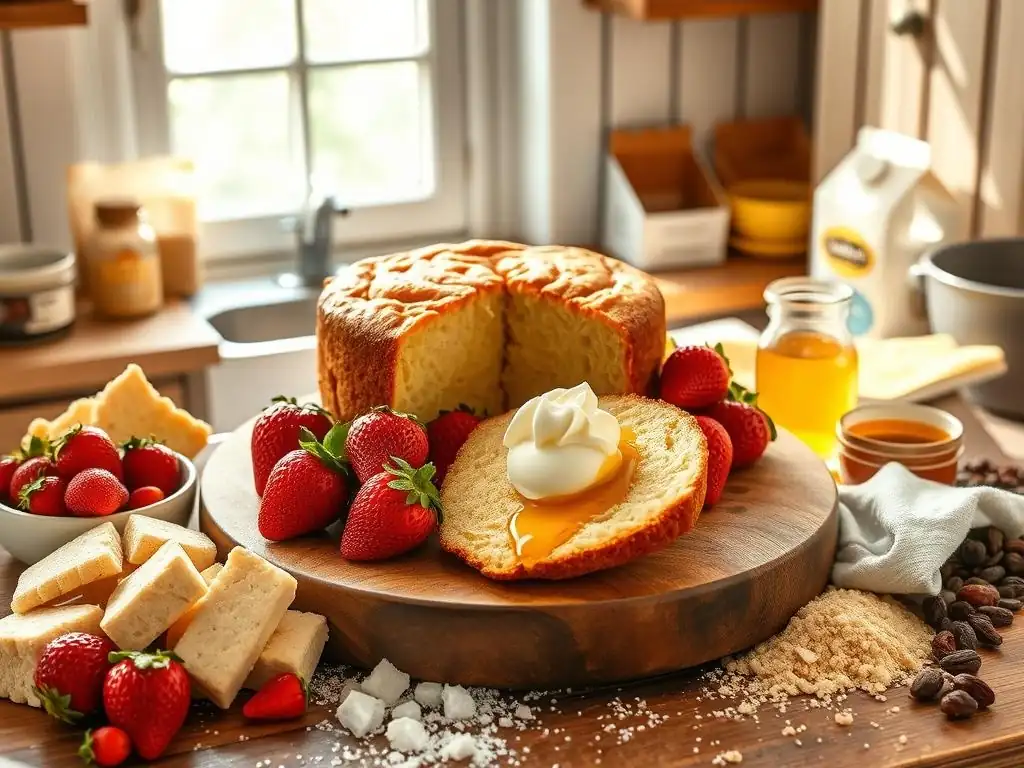
Stocking Your Pantry for Easy British Baking
To successfully tackle British sweets recipes for beginners, having a few key ingredients on hand is essential. The good news is that most are likely already in your kitchen. Plain flour (equivalent to all-purpose flour in the US) is a versatile base for cakes, pastries, and biscuits.
You'll also want self-raising flour, which is plain flour with baking powder already added – a common shortcut in many British cake and scone recipes. Caster sugar (finely granulated sugar) is preferred in many recipes as it dissolves easily, leading to a finer texture in cakes and meringues, but standard granulated sugar can often be used. Icing sugar (powdered sugar) is necessary for buttercreams and dusting.
High-quality unsalted butter is crucial for flavour and texture, especially in shortbread and sponges. Ensure it's at the correct temperature as specified in the recipe (softened, cold, or melted). Large eggs are standard, providing structure and richness. Baking powder is a common leavening agent, particularly when using plain flour. Other staples include whole milk, vanilla extract, and sometimes golden syrup or treacle for specific recipes like treacle tart or gingerbread. Having these core ingredients stocked makes spontaneous beginner British baking sessions much easier.
Ingredient Substitutions for Common British Sweets Recipes
While traditional ingredients yield the most authentic results, it's helpful to know about potential substitutions when necessary. If a recipe calls for self-raising flour and you only have plain, you can make your own by adding 1 to 1.5 teaspoons of baking powder per 100g (approximately 3/4 cup) of plain flour. Whisk them together thoroughly before using. For caster sugar, you can pulse granulated sugar in a food processor briefly to create a finer texture, though be careful not to turn it into powdered sugar.
Butter is central to the flavour and texture of many classic British baking favorites, but in some recipes, particularly those less reliant on creaming (like some muffins or quick breads), a neutral-flavored vegetable oil could potentially be substituted for moisture, though the flavour will differ significantly. For dairy-free options, many plant-based butters and milks can be used, often with good results, especially in cakes and cookies.
However, for recipes where butter is the star, like shortbread, finding a high-quality plant-based alternative designed for baking is recommended for the best outcome. Always consider how a substitution might affect the final taste and texture when attempting easy British sweets.
Easy British Sweets Recipes for Beginners: Step-by-Step Guides
Recipe 1: Classic Victoria Sponge Cake - A Beginner's Delight
The Victoria Sponge is arguably the queen of British cakes, and it's surprisingly simple for beginners. This light, airy cake typically consists of two sponge layers sandwiched together with jam and often whipped or buttercream. It relies on the creaming method, a foundational technique in baking. Getting the butter and sugar properly creamed is key to its fluffy texture.
Making a perfect Victoria Sponge is a rite of passage for many bakers. The standard ratio is often equal weights of butter, sugar, flour, and eggs. For example, using 200g of each is a common starting point for two 20cm (8-inch) cakes. The simplicity of the components allows the quality of each ingredient to shine through, particularly the butter and the jam filling. It's a forgiving cake that provides excellent practice for mixing, baking, and simple assembly.
Ingredients for Victoria Sponge Cake
- 200g (approx. 1 cup) unsalted butter, softened
- 200g (approx. 1 cup) caster sugar
- 4 large eggs
- 200g (approx. 1 ½ cups) self-raising flour
- 1 teaspoon vanilla extract
- 2-3 tablespoons milk (optional, for consistency)
- For the filling: Strawberry or raspberry jam, and whipped cream or simple buttercream icing (e.g., 100g softened butter creamed with 200g icing sugar and a splash of milk/vanilla)
- Icing sugar, for dusting
Step-by-Step Victoria Sponge Instructions
- Preheat your oven to 180°C (160°C fan/350°F/Gas Mark 4). Grease and line two 20cm (8-inch) round cake tins with baking paper.
- In a large bowl, cream together the softened butter and caster sugar until the mixture is pale and fluffy. This should take several minutes with an electric mixer or a vigorous effort with a wooden spoon.
- Beat the eggs one at a time, adding a tablespoon of flour with each egg to prevent curdling. Mix until just combined after each addition.
- Sift the remaining self-raising flour into the bowl and add the vanilla extract. Gently fold everything together using a spatula or large spoon until no dry pockets of flour remain. Be careful not to overmix. If the batter seems a little stiff, add a tablespoon or two of milk.
- Divide the batter evenly between the two prepared tins. Smooth the tops.
- Bake for 20-25 minutes, or until the cakes are golden brown, have risen well, and a skewer inserted into the center comes out clean.
- Let the cakes cool in their tins for 5-10 minutes before turning them out onto a wire rack to cool completely.
- Once completely cool, spread one cake layer with jam. If using, spread buttercream or whipped cream over the jam. Place the second cake layer on top.
- Dust the top of the cake with icing sugar just before serving.
Tips for a Perfect Victoria Sponge
Ensure all ingredients, especially butter and eggs, are at room temperature before you start. This helps them emulsify properly and results in a smoother batter and lighter cake.
Do not open the oven door during the first 15-20 minutes of baking, as this can cause the cake to sink.
For the classic look, dust generously with icing sugar using a sieve.
Shortbread is a wonderfully simple biscuit (cookie) that showcases the quality of its few ingredients, primarily butter. Its name comes from the 'short' texture, meaning it crumbles easily due to the high butter content which inhibits gluten development. This recipe is a fantastic entry point into British sweets recipes for beginners because it uses minimal ingredients and requires only basic mixing.
The traditional ratio for shortbread is 1 part sugar, 2 parts butter, and 3 parts flour by weight. While variations exist, sticking close to this ratio guarantees that signature crumbly texture. Shortbread is traditionally shaped into rounds (petticoat tails), fingers, or individual rounds. It's often pricked with a fork before baking, a practice known as 'docking', which helps prevent bubbling and ensures even baking.
Ingredients for Shortbread
- 150g (approx. 3/4 cup) unsalted butter, softened
- 75g (approx. 1/3 cup) caster sugar (or granulated sugar)
- 225g (approx. 1 ¾ cups) plain flour
Shortbread Baking Instructions
- Preheat your oven to 160°C (140°C fan/320°F/Gas Mark 3). Line a baking sheet with parchment paper.
- In a bowl, cream the softened butter and sugar together until pale and fluffy.
- Gradually add the flour, mixing until the mixture comes together to form a dough. You might need to use your hands to bring it together fully. Be careful not to overwork the dough.
- Tip the dough onto a lightly floured surface and gently bring it together into a smooth ball.
- You have a few options for shaping:
- For Fingers: Pat or roll the dough into a rectangle about 1.5cm (approx. ½ inch) thick. Cut into fingers using a knife or pastry wheel.
- For Rounds: Roll the dough into a log and slice into rounds about 1.5cm thick.
- For Petticoat Tails: Pat or roll the dough into a round disk about 1.5cm thick. Score into 6-8 wedges but do not cut all the way through.
- Place the shaped shortbread onto the prepared baking sheet. Prick each piece several times with a fork.
- Bake for 20-30 minutes, or until pale golden brown around the edges. The shortbread should still look quite pale in the center.
- Remove from the oven and, if making fingers or petticoat tails, cut through the scored lines while still warm.
- Let the shortbread cool completely on the baking sheet before handling, as it will be fragile when hot.
Variations on Traditional Shortbread
- Add 1/2 teaspoon of vanilla extract with the butter and sugar for a hint of vanilla flavour.
- Mix in a tablespoon of fine cornflour (cornstarch) with the flour before adding to the butter mixture; this can enhance the 'shortness' and tenderness.
- Sprinkle coarse granulated sugar over the tops before baking for extra crunch.
- Try adding finely grated lemon or orange zest for a citrus twist.
Recipe 3: Fluffy Scones - A British Tea Time Staple
Scones are quick breads, meaning they use baking powder as the primary leavening agent rather than yeast. This makes them much faster to prepare than yeasted breads, perfect for beginner British baking. The key to light, fluffy scones is gentle handling of the dough and ensuring the butter is cold. They are traditionally served warm, split in half, and spread with jam and clotted cream – a quintessential part of afternoon tea.
There are two main types: plain scones and fruit scones (usually with sultanas or raisins). This recipe focuses on plain scones, providing a versatile base. The method involves 'rubbing in' cold butter into the flour, a technique that creates pockets of fat which melt during baking, producing a tender crumb.
Scone Ingredients List
- 225g (approx. 1 ¾ cups) self-raising flour, plus extra for dusting
- 1 teaspoon baking powder (if using plain flour, use 2 tsp baking powder)
- 50g (approx. ¼ cup) cold unsalted butter, cut into small cubes
- 25g (approx. 2 tablespoons) caster sugar
- 150ml (approx. 2/3 cup) milk
- 1 egg, beaten (for egg wash)
Scone Baking Process
- Preheat your oven to 220°C (200°C fan/425°F/Gas Mark 7). Lightly grease a baking sheet or line with parchment paper.
- In a large bowl, sift the self-raising flour and baking powder (if using) together. Add the sugar.
- Add the cold butter cubes to the bowl. Using your fingertips, rub the butter into the flour until the mixture resembles coarse breadcrumbs. Lift your hands high as you rub to incorporate air.
- Make a well in the center of the dry ingredients. Pour in most of the milk, reserving a little. Use a knife to bring the mixture together to form a soft, slightly sticky dough. Add a splash more milk if needed, but be careful not to make it too wet.
- Tip the dough onto a lightly floured surface. Gently bring it together with your hands – do not knead. Pat or gently roll the dough out to about 2-3cm (approx. 1 inch) thickness.
- Using a sharp round cutter (about 5-6cm / 2-2.5 inches in diameter), cut out scones. Press the cutter straight down without twisting to ensure an even rise. Re-gather the scraps gently and pat out again to cut more scones.
- Place the scones onto the prepared baking sheet. Brush the tops with beaten egg wash, avoiding letting it drip down the sides (this can prevent them from rising evenly).
- Bake for 12-15 minutes, or until well-risen and golden brown on top.
- Transfer the scones to a wire rack to cool slightly before serving.
Serving Suggestions for Scones
Serve warm, split horizontally. The classic accompaniments are strawberry jam and clotted cream.
For a slightly different take, try serving with butter and jam, or just butter.
Fruit scones are delicious with just butter.
Mastering Basic Baking Techniques for British Sweets
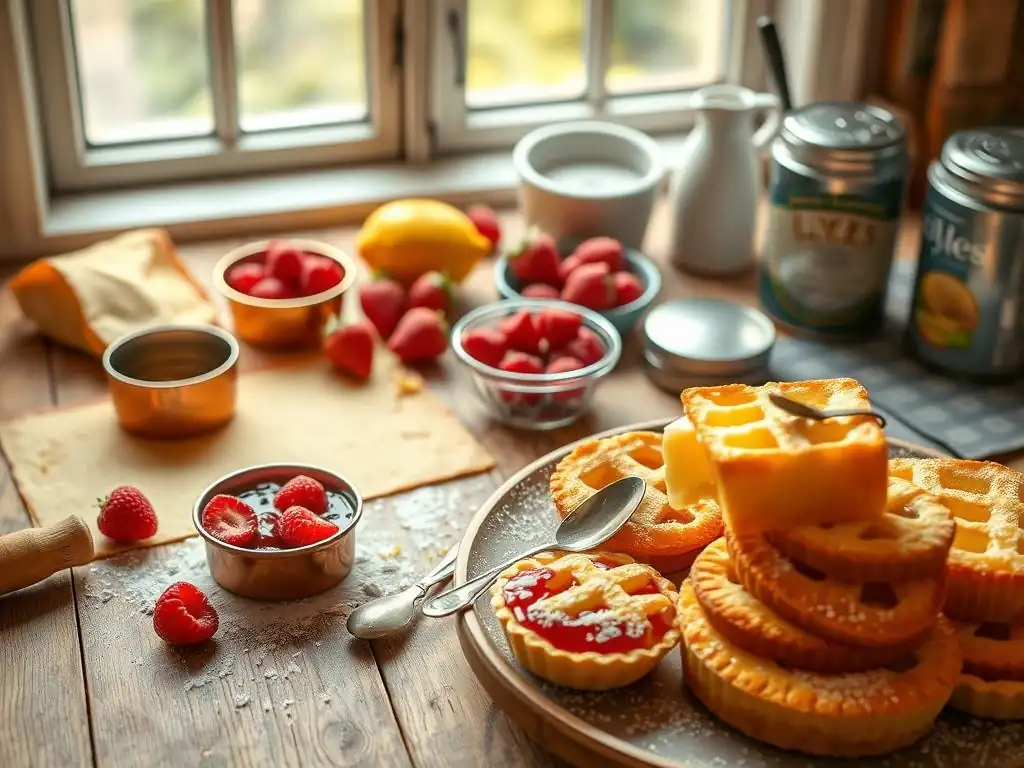
Creaming Butter and Sugar: The Foundation of Many British Cakes
The creaming method is fundamental to achieving a light and airy texture in many British sweets recipes for beginners, particularly cakes like the Victoria Sponge. It involves beating softened butter and sugar together until the mixture becomes pale yellow, light, and fluffy. This process isn't just about combining ingredients; it's crucial for incorporating air into the mixture. As the sugar crystals cut through the softened butter, tiny air pockets are created and trapped.
When the cake bakes, this trapped air expands, helping the cake rise and creating a tender crumb structure. For best results, ensure your butter is truly softened (press your finger into it, and it should leave an indentation easily, but not be melted or oily). Use an electric mixer on medium-high speed for several minutes, or a wooden spoon and plenty of elbow grease, until the volume increases and the color lightens significantly. Failing to cream properly is a common reason for dense cakes, so mastering this step is vital for success in beginner British baking.
Working with Pastry: Achieving a Flaky Crust
While not every easy British sweet involves pastry, many classic tarts and pies, like the Bakewell Tart or Apple Crumble (which often has a pastry base), do. The key to flaky pastry lies in keeping the ingredients, especially the fat (usually butter or lard), cold and handling the dough as little as possible. The method typically involves 'rubbing in' cold cubes of fat into flour until the mixture resembles breadcrumbs. This creates small pockets of fat coated in flour.
When the pastry bakes, these fat pockets melt, leaving layers and steam escapes, resulting in a flaky texture. Overworking the dough develops gluten, leading to a tough crust. When adding liquid (usually cold water), add just enough to bring the dough together and mix minimally. Chill the dough before rolling, as this hardens the fat and makes it easier to handle. Mastering basic shortcrust pastry opens up a wider range of classic British baking favorites.
Understanding Oven Temperatures for British Baking
Accurate oven temperature is critical for successful baking, and British sweets recipes for beginners are no exception. British recipes often list temperatures in degrees Celsius (°C), Fahrenheit (°F), and Gas Mark numbers. It's important to understand how these correspond and, ideally, use an oven thermometer to verify your oven's accuracy, as they can vary significantly.
Most cakes and cookies are baked at moderate temperatures, typically between 160°C and 190°C (325°F to 375°F / Gas Mark 3 to 5). Higher temperatures (like 200-220°C / 400-425°F / Gas Mark 6-7) are often used for quick breads like scones to encourage a rapid rise and golden crust before the inside overbakes. Understanding the recommended temperature range for different types of easy British sweets helps ensure they bake evenly, rise properly, and achieve the desired texture and color. Always preheat your oven fully before putting your baked goods in.
Troubleshooting Common British Sweets Baking Problems
Why is My Victoria Sponge Flat?
A flat Victoria Sponge is a common frustration for beginner British baking. The most frequent culprit is insufficient creaming of the butter and sugar. This step is crucial for incorporating air, which provides lift during baking. If the butter wasn't soft enough or wasn't beaten for long enough (aim for several minutes until significantly lighter in color and texture), the cake won't rise properly.
Other factors can contribute: using cold eggs can seize the creamed mixture, reducing air bubbles; overmixing the batter after adding the flour develops gluten, leading to a tougher, flatter cake; using expired baking powder (if using plain flour) means the leavening won't work; and opening the oven door too early can cause the cake to collapse before its structure is set. Ensuring ingredients are at room temperature, creaming thoroughly, folding gently, and trusting the baking time before checking are key steps to a well-risen sponge.
Why are My Scones Dense?
Dense, heavy scones are usually the result of overworking the dough or using warm ingredients. Scones are quick breads, relying on the chemical leavening of baking powder and the steam created by melting fat. When you rub the cold butter into the flour, you create small pockets. If you overmix or knead the dough after adding the liquid, you develop gluten, which makes the scones tough and prevents them from rising lightly.
Using warm milk or soft butter can also hinder the light texture. The goal is to handle the dough minimally and quickly. Once the liquid is added, use a knife or your hands just to bring the dough together until it's shaggy, then gently pat it out. Cutting straight down with a sharp cutter without twisting is also important for a good rise. Think "light hands" and "minimal fuss" when making easy British sweets like scones.
My Shortbread is Too Crumbly - What Went Wrong?
While shortbread should be crumbly, sometimes it's too crumbly, making it hard to shape or causing it to fall apart completely after baking. This can happen if there isn't quite enough moisture or if the dough hasn't been brought together properly before shaping. The fat content is high, which inhibits gluten, but the ingredients still need to bind sufficiently.
Ensure your butter is softened (but not melted), as this helps it emulsify with the sugar and coat the flour. When you add the flour, mix until it just comes together into a dough. You might need to use your hands to press it together.
If the dough feels very dry and won't hold its shape at all, you might have mismeasured the butter or flour slightly. Sometimes, adding just a teaspoon of cold milk or water can help bind a very dry dough, though this is less traditional and can slightly affect the texture. Gentle handling is key, but ensure the dough is cohesive enough to pat or roll without excessive cracking.
Beyond the Basics: Expanding Your British Baking Repertoire
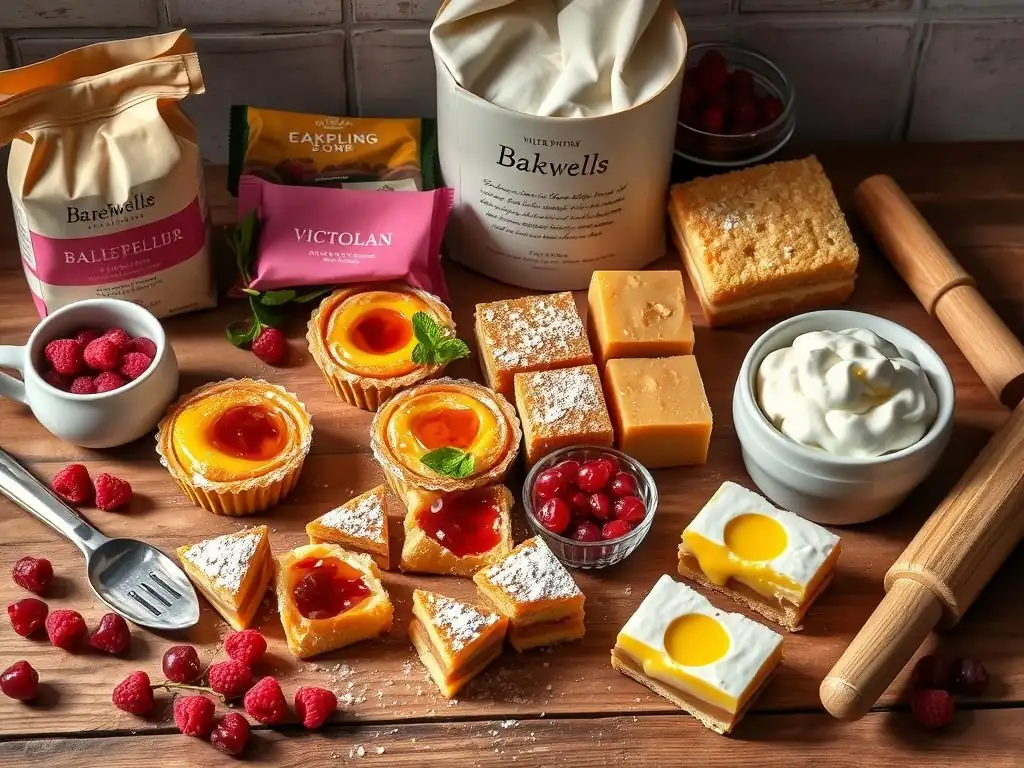
Exploring Regional Variations of British Sweets
Once you've mastered the foundational British sweets recipes for beginners, a fascinating world of regional variations awaits. The UK has a rich tapestry of local bakes, each with its own history and unique characteristics. For example, while the Bakewell Tart (a pastry case filled with jam, frangipane, and topped with flaked almonds) is popular nationwide, the true Bakewell Pudding (a richer, set custard tart with a jam base) is specific to the town of Bakewell in Derbyshire.
Eccles Cakes from Lancashire, small, flaky pastry rounds filled with currants, and Chelsea Buns from London, sweet yeast buns filled with currants, brown sugar, and spice, are other beloved regional classic British baking favorites. Delving into these recipes allows you to explore different pastry types, fillings, and techniques beyond the basics. Researching the origins of these regional specialties adds another layer of enjoyment to your beginner British baking journey.
Adapting British Sweet Recipes for Dietary Restrictions
Adapting British sweets recipes for beginners to accommodate dietary restrictions is often quite achievable, especially with the range of alternative ingredients available today. For those avoiding gluten, many classic recipes can be made using gluten-free flour blends. Shortbread, with its low gluten content anyway, is often particularly successful when made with a good quality blend. Sponge cakes can also work well, though the texture might be slightly different.
Dairy-free alternatives for butter and milk can be substituted in most cake and scone recipes. Look for plant-based butters designed for baking that mimic the fat content and behavior of dairy butter. For egg-free options, alternatives like applesauce, mashed banana, flax eggs, or commercial egg replacers can work in some cake and cookie recipes, though they may affect texture and rise, especially in recipes heavily reliant on eggs for structure like the Victoria Sponge. Experimentation is key when adapting easy British sweets for specific diets.
Enjoying Your Homemade British Sweets
Serving Suggestions and Presentation Tips
Presenting your homemade British sweets recipes for beginners adds to the enjoyment. A Victoria Sponge looks stunning simply dusted with icing sugar or decorated with fresh berries alongside the jam and cream filling. For scones, serving them warm from the oven on a plate or tiered stand with small bowls of clotted cream and jam is the classic and most appealing way. Provide knives for splitting and spreading – no pre-splitting!
Shortbread can be presented simply on a plate, perhaps dusted lightly with caster sugar. If you've cut them into fingers, arranging them neatly is effective. For individual shortbread rounds, stacking them slightly can look nice. Consider the occasion; a full afternoon tea spread calls for elegant presentation, while a simple batch of cookies for a snack can be more casual. The key is to showcase the deliciousness of your classic British baking favorites.
Storing Your Baked Goods for Maximum Freshness
Proper storage is important to keep your easy British sweets tasting their best. Cakes like the Victoria Sponge are best eaten within 1-2 days of baking. Store it at room temperature in an airtight container. If it contains fresh cream, it should be refrigerated and consumed within 24 hours.
Shortbread, due to its low moisture content, keeps very well. Store fully cooled shortbread in an airtight container at room temperature for up to a week, or even longer. Scones are best enjoyed fresh, ideally within an hour or two of baking while still warm. They can be stored in an airtight container at room temperature for a day, but they will become denser. Reheating briefly in a microwave or oven can improve their texture slightly, but they won't be quite as light as when fresh. Freezing baked scones is also an option; thaw and warm before serving.
British Sweets Glossary: Understanding Baking Terms
Defining Common British Baking Terminology
When exploring British sweets recipes for beginners, you might encounter terms that are slightly different from those used elsewhere. Here's a quick glossary:
- Biscuit: The British term for what is generally called a cookie or cracker in the US. Shortbread is a type of biscuit.
- Scone: A quick bread, often lightly sweetened, served with jam and cream. Distinct from American scones which can be richer and sweeter.
- Plain Flour: Equivalent to US all-purpose flour. It does not contain a leavening agent.
- Self-Raising Flour: Plain flour with baking powder already added. Commonly used in cakes and scones.
- Caster Sugar: Finely granulated white sugar. Smaller crystals dissolve more easily than standard granulated sugar.
- Icing Sugar: Equivalent to US powdered sugar or confectioners' sugar. Used for dusting and making icing/frosting.
- Golden Syrup: A thick, amber-colored inverted sugar syrup. Has a distinct caramel-like flavour.
- Treacle: Often refers to black treacle, a thick, dark syrup with a slightly bitter, robust flavour, similar to molasses but distinct. Golden syrup is also technically a type of treacle.
- Rubbing In: A technique where cold fat (like butter) is rubbed into flour using fingertips until the mixture resembles breadcrumbs. Used for scones, crumbles, and some pastries.
- Creaming: Beating softened butter and sugar together until light, pale, and fluffy to incorporate air. Used for cakes and cookies.
- Baking Powder: A chemical leavening agent used to make baked goods rise quickly.
- Bicarbonate of Soda: Equivalent to US baking soda. A leavening agent that needs an acid to activate. Often used in conjunction with baking powder or acidic ingredients like buttermilk.
- Gas Mark: A temperature scale used in older or British ovens. Gas Mark 4 is approximately 180°C (350°F).
Frequently Asked Questions
What are some easy British sweets recipes perfect for beginners?
Many recipes are beginner-friendly! Look for recipes like shortbread, Victoria sponge cake, and Eton mess. These typically involve simple ingredients and straightforward instructions.
Where can I find step-by-step guides for baking British sweets?
BakeWithEase.com offers detailed, step-by-step instructions for various British sweets. Our guides break down each process, making them easier to follow.
What are some common ingredients used in British sweets that I should have on hand?
Essential ingredients include butter, flour, sugar, eggs, and jam. Many recipes also call for baking powder or baking soda as leavening agents.
Are there any tips and tricks for successfully baking British sweets as a beginner?
Pay close attention to oven temperature and baking time. Also, ensure your ingredients are at room temperature for better mixing and consistent results.
Can I adapt British sweets recipes to use different ingredients or dietary restrictions?
Yes, many recipes can be adapted! You can find gluten-free flour substitutes and dairy-free alternatives. Always check if the substitutions affect the final taste or texture.
Final Reflection: The Enduring Sweetness of British Baking
The enduring appeal of British sweets lies not just in their deliciousness, but in their ability to connect us to history, tradition, and a sense of home. These aren't just recipes; they're stories whispered through generations, passed down from grandmothers to grandchildren, each bite a taste of nostalgia and comfort. From the simplest shortbread to the most elaborate Victoria sponge, these recipes offer a tangible link to a rich culinary heritage.
The impact of these sweet treats extends far beyond the kitchen; they're woven into the fabric of British culture, appearing in literature, film, and countless cherished memories. A cake is a celebration of life, a moment of joy, a symbol of togetherness.
This sentiment perfectly encapsulates the power of baking, and particularly British baking, to bring people together and create lasting memories. My own journey in researching and recreating these recipes has been a deeply personal one, filled with the comforting aromas of baking and the satisfaction of mastering classic techniques.
Now, it's your turn. Don't just read these recipes; experience them. Gather your ingredients, preheat your oven, and embark on a culinary adventure that will not only delight your taste buds but also connect you to a rich and vibrant cultural heritage. Let the simple act of baking transport you, even if just for a moment, to a place of warmth, comfort, and the enduring sweetness of tradition. Embrace the challenge, savor the process, and share the joy with those you love.
Unleash Your Inner Baker: Master British Sweets Today!
Thanks for joining us on this delicious journey through iconic British sweets! We hope you've gained the confidence and inspiration to tackle these treats yourself. Ready to get baking?
- Bake your favorite British sweet: Choose a recipe from the article that excites you and get started! We've provided helpful tips and tricks to ensure success.
- Share your baking journey: Snap a picture of your creation and share it on social media – tag us! We'd love to see your results.
- Explore more British baking delights: Dive deeper into our recipe archives and discover even more sweet treats to conquer.
What British sweet are you most excited to bake first, and why?