
Elegant Plated Desserts: Troubleshooting Common Mistakes

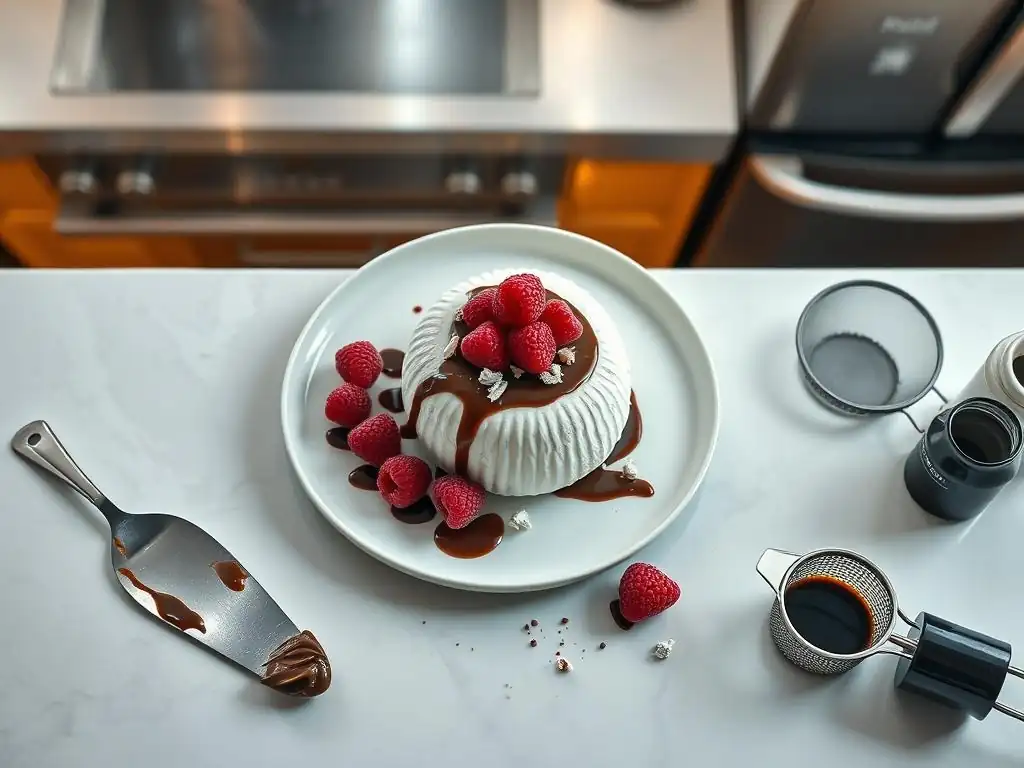
Welcome to BakeWithEase, your guide to unlocking baking brilliance! Are you ready to elevate your desserts from delicious to dazzling? This week, we're diving deep into the world of elegant dessert plating, uncovering the most common mistakes that can sabotage even the most exquisite creations. Discover how to avoid these pitfalls and transform your pastries into edible works of art, leaving your guests utterly impressed. Curious to know if you're making one of these crucial errors? Let's get started!
- Introduction to Elegant Dessert Plating and Common Pitfalls
- Mistake #1: Overcrowding the Plate - Less is More in Dessert Plating
- Mistake #2: Neglecting Texture and Contrast in Plated Desserts
- Mistake #3: Poor Sauce Application - Achieving Controlled Drizzles
- Mistake #4: Forgetting the Garnish - The Finishing Touch
- Mistake #5: Ignoring Height and Dimension - Creating a Flat Presentation
- Mistake #6: Temperature Mishaps - Preventing Melting and Wilting
- Mistake #7: Inconsistent Portion Sizes - Ensuring Balanced Presentation
- Conclusion: Elevating Your Dessert Plating Skills
-
Frequently Asked Questions
- What is the most common mistake people make when plating elegant desserts?
- How important is color contrast when plating desserts elegantly?
- What role do sauces play in elegant dessert plating, and how can mistakes be avoided?
- What types of garnishes are best for elegant dessert plating, and what should be avoided?
- Can I use different plate shapes and sizes for different desserts, and if so, what are some guidelines?
- Final Reflection: Mastering the Art of Elegant Dessert Plating
- Unleash Your Inner Pastry Chef!
Introduction to Elegant Dessert Plating and Common Pitfalls
Why Mastering Dessert Presentation Matters
Mastering the art of dessert presentation elevates a simple sweet treat into a memorable culinary experience. In the world of baking, taste is paramount, but the visual appeal is what captures attention first and sets expectations. Think of a beautifully plated dessert you've seen in a bakery window or at a restaurant – the care taken in its arrangement hints at the quality and craftsmanship within the dish itself.
A well-plated dessert not only looks appealing but can also guide the diner through the intended flavor and texture combinations, enhancing their overall enjoyment. It's the final touch that transforms ingredients into art.
Beyond aesthetics, effective dessert plating demonstrates skill and attention to detail. For home bakers looking to impress or professionals aiming for perfection, understanding presentation techniques is crucial. It shows that you've considered every element, from the bake itself to the final placement on the plate. This level of care can significantly impact how a dessert is perceived and enjoyed, often making the difference between a good dessert and a truly exceptional one. Avoiding common elegant dessert plating mistakes is key to achieving this level of polish.
Common Dessert Plating Mistakes to Avoid
While the goal is always a stunning presentation, several common pitfalls can detract from the elegance of a plated dessert. These aren't just minor issues; they can fundamentally undermine the visual harmony and appeal you're trying to create. One frequent error is overcrowding the plate, leaving no room for the eye to rest and making the dessert look messy rather than sophisticated. Another common mistake involves neglecting the interplay of textures and colors, resulting in a visually monotonous presentation that doesn't excite the senses.
Poor execution of elements like sauces is also a prevalent issue; uncontrolled drizzles or smudges can quickly make an otherwise elegant plate look amateurish. Forgetting essential finishing touches like garnishes, or conversely, using inappropriate ones, can leave a dessert feeling incomplete or cluttered. Furthermore, ignoring principles of height and dimension can lead to a flat, uninteresting presentation. Addressing these and other elegant dessert plating mistakes proactively is essential for anyone serious about improving their dessert presentation skills.
Mistake #1: Overcrowding the Plate - Less is More in Dessert Plating
Understanding White Space in Dessert Design
White space, or negative space, on a dessert plate is just as important as the dessert components themselves. It's the area of the plate that is left empty, providing visual breathing room around the elements of your dessert. Properly utilized white space draws the viewer's eye towards the dessert, highlighting its key features and preventing the plate from looking cluttered or overwhelming. Imagine a single, perfect scoop of gelato centered on a large, pristine plate – the vast white space around it emphasizes its form, color, and texture.
Leaving adequate white space creates a sense of elegance and sophistication. It suggests intentionality and control, making the presentation appear deliberate and refined. A common guideline suggests leaving at least 40-50% of the plate surface empty, although this can vary depending on the dessert's size and complexity. Ignoring this principle is one of the most frequent elegant dessert plating mistakes, leading to a busy, less appealing result.
How to Choose the Right Plate Size for Your Dessert
Selecting the appropriate plate size is fundamental to achieving good white space and preventing overcrowding. A plate that is too small will force you to cram elements together, while an excessively large plate might make a small dessert look lost. The ideal plate size should comfortably accommodate all your dessert components, allowing sufficient space around them to frame the presentation. For a multi-component dessert like a deconstructed pie with crust crumbles, filling, and a scoop of ice cream, a larger dinner plate (around 10-12 inches) might be necessary.
Conversely, a single slice of cake or a small tart might be best suited for a salad or dessert plate (typically 7-9 inches). Consider the spread of your components; if you plan to fan out fruit slices or create a sweeping sauce smear, you'll need more horizontal space. Always visualize the final arrangement on the plate before you start plating to ensure the chosen size allows for elegant composition without falling into the trap of common elegant dessert plating mistakes.
Correction: Simplifying Your Dessert Plate for Visual Appeal
To correct an overcrowded plate, the primary action is simplification. This might involve reducing the number of distinct elements on the plate or decreasing the portion size of certain components. Instead of adding three types of fruit, perhaps use just one or two vibrant options. If you have multiple sauces, consider using only one or applying them with more restraint. The goal is to create a focal point, not a chaotic collection of items.
Focus on featuring your main dessert component prominently and using accompanying elements like sauces, crumbles, or garnishes to accent it, not overpower it. Practice arranging your components on an empty plate before adding the dessert itself to experiment with spacing and layout. Remember that each element on the plate should have a purpose and contribute to the overall aesthetic and flavor profile without making the plate look busy. This disciplined approach helps avoid critical elegant dessert plating mistakes.
Mistake #2: Neglecting Texture and Contrast in Plated Desserts
The Importance of Textural Variety in Dessert Design
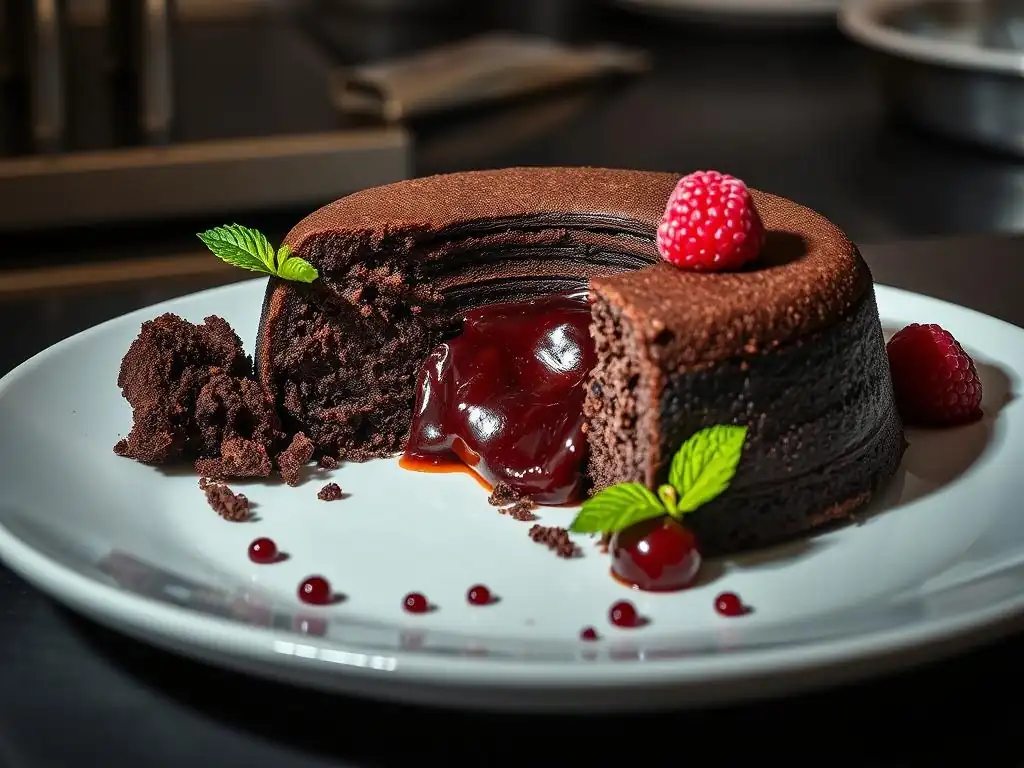
Texture plays a vital role in both the eating experience and the visual appeal of a plated dessert. A dessert composed solely of soft, smooth elements (like a mousse with a purée) can feel monotonous in the mouth and look flat on the plate. Introducing a variety of textures – crunchy, creamy, chewy, airy, smooth – creates interest and depth. Consider how a crisp tuile or a sprinkle of toasted nuts adds excitement to a smooth panna cotta.
Visually, different textures catch the light differently and provide definition. A glossy chocolate glaze next to a matte sponge cake, or a delicate sugar shard contrasting with a soft ganache, creates visual intrigue. Neglecting this aspect is a common elegant dessert plating mistake that results in desserts that are less engaging both to the eye and the palate. Aim for at least two, ideally three or more, distinct textures on your plate.
Creating Visual Contrast with Color and Shape
Color and shape are powerful tools in dessert plating for creating visual contrast and making components stand out. A plate full of beige or brown elements, while potentially delicious, lacks visual excitement. Incorporating vibrant colors from fruits (like raspberries, mango, or kiwi), sauces (berry coulis, bright green mint oil), or edible flowers instantly brightens the plate. Contrast isn't just about bright vs. dull; it's also about using complementary colors or varying shades of the same color.
Similarly, playing with shapes adds dynamism. A round scoop of ice cream paired with geometric-cut cake squares, a sweeping sauce smear, and delicate, irregular cookie crumbles creates a more interesting composition than simply stacking round elements. Varying the height, width, and form of your components helps guide the eye across the plate and highlights individual elements, effectively combating one of the key elegant dessert plating mistakes: a lack of visual interest.
Correction: Incorporating Different Textures and Colors
To improve textural and color contrast, consciously plan these elements when designing your dessert. If your main component is soft (like a custard), ensure you have something crunchy (a praline, a crisp cookie, toasted coconut). If your dessert is primarily one color (like chocolate), add a pop of contrasting color with a berry sauce, fresh mint leaves, or edible flowers.
Think about how each element contributes to the overall sensory experience. A rich, dark chocolate cake can be paired with a bright red raspberry coulis (color and acidity contrast), a scoop of vanilla bean ice cream (color, temperature, and texture contrast), and a scattering of caramelized nuts (texture and color contrast). Actively seeking out ways to incorporate varied textures and colors will dramatically improve the visual appeal and complexity of your plated desserts.
Mistake #3: Poor Sauce Application - Achieving Controlled Drizzles
Common Sauce Application Errors in Dessert Plating
Sauces are essential for adding flavor, moisture, and visual flair to plated desserts, but their application is where many elegant dessert plating mistakes occur. Common errors include using too much sauce, which can drown the dessert and make the plate look messy. Another issue is uncontrolled application – splattering, uneven puddles, or thick, gloopy lines that lack definition. Sauces that are too thick or too thin can also cause problems; a sauce that's too thin might run everywhere, while one that's too thick might be difficult to apply smoothly.
Applying sauce inconsistently from plate to plate is another pitfall, especially when plating multiple desserts. This lack of standardization detracts from a professional look. Avoiding these issues requires understanding sauce consistency and practicing application techniques to achieve precise, intentional designs rather than haphazard splashes.
Mastering Sauce Techniques: Dots, Swirls, and Lines
Achieving elegant sauce application involves mastering a few basic techniques. Using a squeeze bottle with a fine tip allows for controlled lines and dots. For lines, apply even pressure while moving the bottle swiftly across the plate. For dots, apply brief, consistent pressure. A spoon can be used for sweeping smears – place a dollop of sauce and drag the back of the spoon through it in a smooth, decisive motion.
Swirls can be created by piping concentric circles and then dragging a skewer or toothpick through them from the center outwards, or vice versa. Practice these techniques with water or a simple purée before working with your final sauce. The key is confidence and a steady hand. Remember that the sauce should complement, not dominate, the dessert on the plate.
Correction: Perfecting Sauce Placement for a Professional Finish
To correct poor sauce application, focus on restraint and precision. Use a squeeze bottle or a small spoon for better control. Start with a small amount of sauce and add more only if necessary. Think about how the sauce interacts with the other elements – does it lead the eye towards the main dessert? Does it fill necessary white space elegantly?
Ensure your sauce is the right consistency – not too runny, not too thick. If it's too thick, you might gently warm it or add a tiny bit of liquid (like water, milk, or juice) to thin it. If it's too thin, you might need to reduce it slightly or thicken it with a cornstarch slurry (used sparingly to avoid cloudiness). Consistent practice is key to overcoming these elegant dessert plating mistakes and achieving professional-looking sauce placement every time.
Mistake #4: Forgetting the Garnish - The Finishing Touch
The Role of Garnishes in Enhancing Dessert Appeal
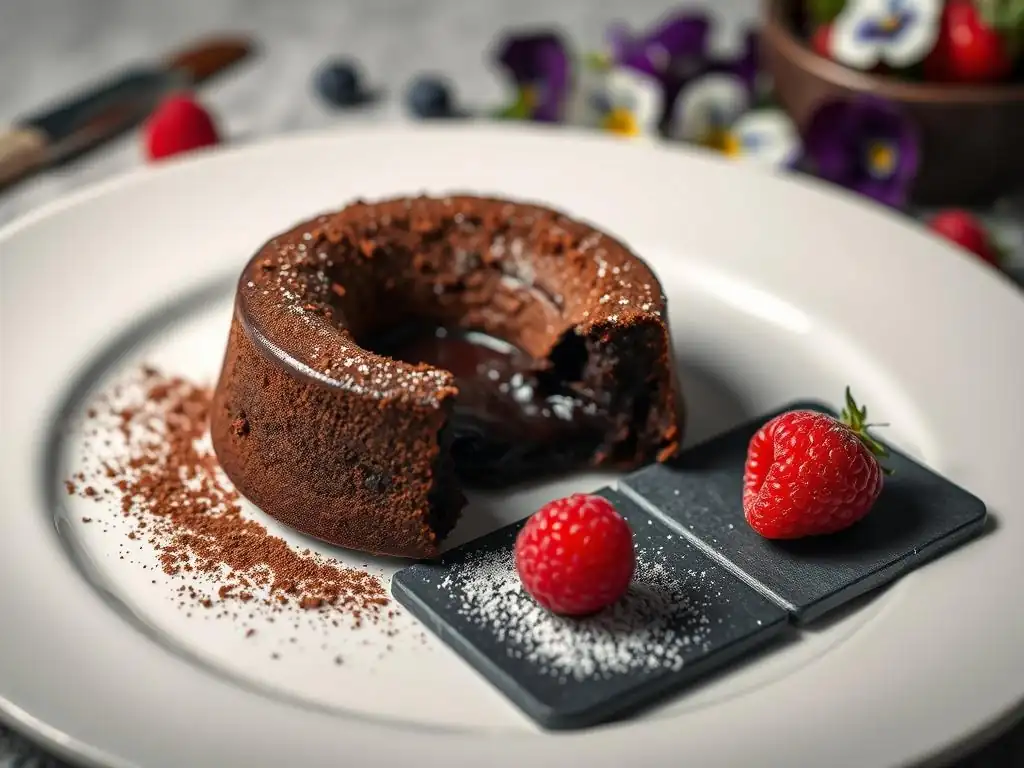
Garnishes are the final flourish on a plated dessert, serving multiple purposes beyond just decoration. They can add a crucial pop of color, introduce a contrasting texture, or provide a fresh burst of flavor that complements the main components. A sprig of fresh mint on a chocolate dessert, a dusting of powdered sugar on a tart, or a few edible flowers can elevate the visual appeal dramatically. Garnishes act like jewelry for your dessert, adding sparkle and refinement.
Furthermore, well-chosen garnishes can communicate flavors present in the dish. A few toasted coconut flakes suggest coconut is an ingredient, while a cinnamon stick hints at spice. Skipping the garnish is a common elegant dessert plating mistake that leaves the plate looking unfinished and less inviting.
Choosing Garnishes that Complement Flavors and Aesthetics
Selecting the right garnish is crucial; it should enhance, not detract from, the dessert. The garnish must be edible and ideally, its flavor should harmonize with the dessert's profile. Fresh berries pair well with many desserts, from cheesecakes to chocolate cakes. Citrus zest adds brightness to rich or creamy dishes. Toasted nuts or seeds provide crunch and nutty flavor.
Aesthetically, consider the color, shape, and size of the garnish in relation to the rest of the plate. A large, clunky garnish can overwhelm a delicate dessert. A vibrant garnish can provide much-needed color contrast. Ensure garnishes are applied neatly – a few carefully placed berries look better than a scattered mess. Avoiding elegant dessert plating mistakes includes making thoughtful garnish choices.
Correction: Selecting and Applying the Right Garnishes
To correct the omission or poor use of garnishes, make them an integral part of your plating plan. Always have a few versatile garnish options on hand, such as fresh mint, powdered sugar, cocoa powder, fresh berries, or toasted nuts. Before plating, consider what flavor or texture is missing and how a garnish could provide it.
Apply garnishes with precision. Use a fine-mesh sieve for dusting powders. Use tweezers to place delicate items like microgreens or edible flowers. Scatter crumbles or nuts intentionally, perhaps along a sauce line or around the base of the main component, rather than just dumping them in the center. A simple, well-placed garnish is far more effective than a multitude of poorly chosen or haphazardly applied ones.
Mistake #5: Ignoring Height and Dimension - Creating a Flat Presentation
Adding Verticality to Your Dessert Plate
A common elegant dessert plating mistake is creating a presentation that is entirely flat. While some desserts are inherently low (like a créme brûlée), most can benefit from the addition of height and dimension. Vertical elements draw the eye upwards and add visual interest, making the plate feel more dynamic and less static. Think of stacking cake layers, propping a cookie or tuile upright, or building components on top of one another.
Adding height creates shadows and highlights, giving the dessert a more sculptural quality. Even a simple element like a tall chocolate shard or a scoop of ice cream placed on top of a base can dramatically improve the presentation compared to spreading everything horizontally on the plate.
Using Elements to Build Height and Interest
Various components can be used to build height effectively. Cakes and brownies can be cut into clean shapes and stacked. Mousse can be piped using a tall mold or presented in a small glass alongside other elements. Cookies, wafers, or tuiles can be stood upright or angled against a creamy component. A scoop of ice cream or sorbet naturally adds height.
Consider using supporting elements like a dollop of whipped cream, a pile of fruit, or a mound of streusel as a base upon which to place another component. The key is to build upwards intentionally, ensuring the structure is stable and visually balanced. Each element added for height should also contribute flavor and texture.
Correction: Achieving Dynamic Height and Dimension
To correct a flat presentation, actively seek opportunities to introduce verticality. When planning your dessert, think about how components can be stacked or arranged to create height. For instance, instead of laying a financier flat, stand it on its side or prop it against a scoop of crémeux. If you have cake layers, stack them neatly with filling in between.
Use tools like ring molds to create tall, defined shapes for components like mousses or tartares. Experiment with different ways to position garnishes – a few berries piled high or a single, elegant chocolate curl standing tall. Practice assembling components vertically, ensuring they are stable and aesthetically pleasing, thereby avoiding one of the most noticeable elegant dessert plating mistakes.
Mistake #6: Temperature Mishaps - Preventing Melting and Wilting
Understanding Temperature's Impact on Dessert Plating
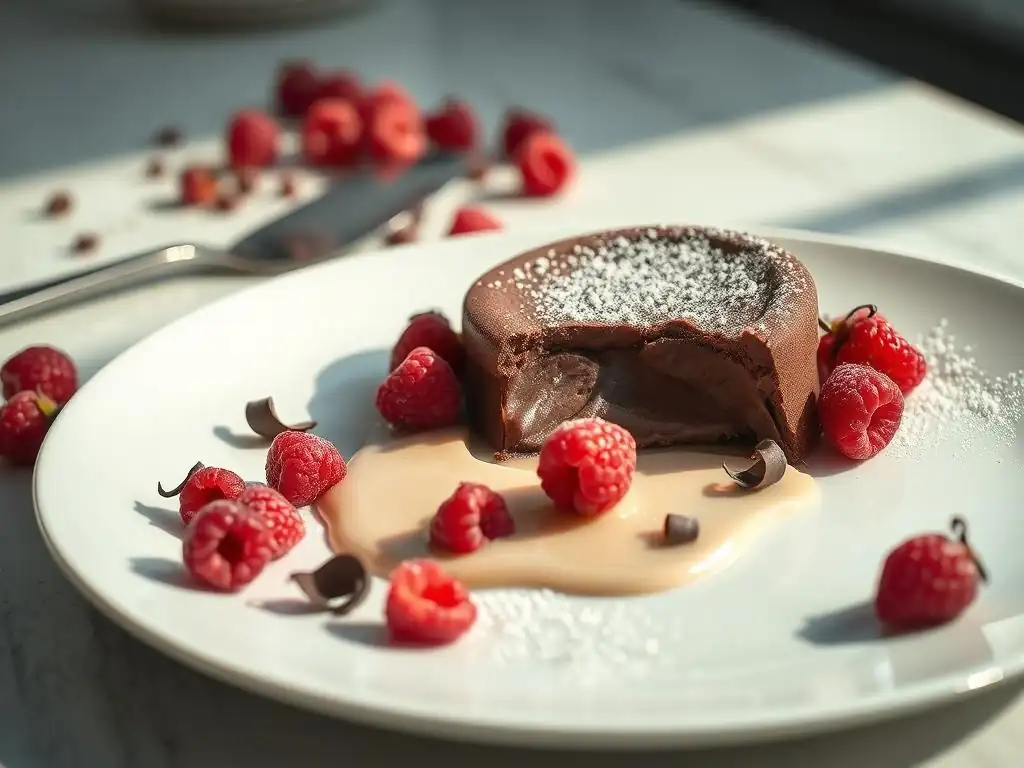
Temperature is a critical, yet often overlooked, factor in elegant dessert plating. Components that are too warm can melt, causing sauces to run uncontrollably, ice cream to become a puddle, or delicate garnishes like chocolate curls to lose their shape. Conversely, components that are too cold might be difficult to plate neatly or can affect the texture and flavor negatively (think of rock-hard ice cream). The ideal serving temperature for each component is crucial for both taste and presentation.
Plating elements at the wrong temperature is a common elegant dessert plating mistake that can ruin an otherwise perfect dish moments before serving. A beautiful design can quickly collapse or become unsightly if temperatures aren't managed properly.
Keeping Elements Cool for Optimal Presentation
Many dessert components, especially those used for plating like ice cream, sorbet, chocolate elements, or whipped cream, need to be kept cold right up until the moment they are placed on the plate. Having a well-organized plating station with access to refrigeration or even a small freezer nearby is essential. Prepare delicate garnishes like chocolate work or sugar elements ahead of time and store them in a cool, dry place or the refrigerator as appropriate.
Work quickly when plating temperature-sensitive items. Have all your components ready and your plates chilled if possible. The less time delicate elements spend at room temperature, the better they will hold their shape and integrity on the plate, significantly reducing the risk of elegant dessert plating mistakes caused by melting.
Correction: Maintaining Temperature Control for a Lasting Impression
To ensure your plated dessert maintains its elegant appearance, prioritize temperature control throughout the plating process. Chill your plates beforehand, especially if serving cold desserts. Keep temperature-sensitive components like ice cream, sorbet, and delicate mousses in the coldest part of your workspace until the very last second.
If you are plating multiple desserts, work in batches or enlist help to get them out quickly. Learn the optimal temperature for handling specific ingredients; for example, chocolate is best tempered and worked with at specific temperatures, and ganache should be firm but pliable for piping. By paying close attention to temperature, you can prevent meltdowns and ensure your elegant dessert plating stands up to scrutiny until the final bite.
Mistake #7: Inconsistent Portion Sizes - Ensuring Balanced Presentation
The Importance of Portion Control in Elegant Dessert Plating
Consistency in portion sizing is vital for achieving elegant and professional-looking plated desserts, especially when serving multiple guests or customers. Plates with wildly different amounts of dessert components look unbalanced and unprofessional. Consistent portions ensure that each guest receives the same intended experience – the same balance of flavors, textures, and visual appeal.
Inconsistency is a subtle yet significant elegant dessert plating mistake that can undermine the perceived quality of your work. It suggests a lack of care or precision in the final stages of preparation. Aiming for uniformity demonstrates attention to detail and respect for your diners.
Measuring and Standardizing Dessert Portions
Achieving consistent portion sizes requires planning and often, the use of simple tools. For main components like cake slices or tarts, use a ruler or pre-cut guides. For mousses, custards, or purées, use scoops, portioning spoons, or ring molds of a standard size. Sauces can be portioned using squeeze bottles with marked measurements or simply by practicing to apply a consistent amount with each drizzle or smear.
Weighing components like crumbles, nuts, or fruit garnishes can also help ensure uniformity across plates. While perfect identicality isn't always necessary, a reasonable degree of consistency is achievable with practice and by incorporating portioning steps into your plating workflow.
Correction: Achieving Consistent and Balanced Serving Sizes
To correct inconsistent portioning, make standardization a deliberate part of your plating process. Before you begin, determine the desired portion size for each component. Use appropriate tools – a standard ice cream scoop, a specific size ring mold, a measuring spoon for small garnishes.
When plating, apply the same technique and quantity to each plate. If using a squeeze bottle for sauce, count the seconds you squeeze or aim for a specific visual pattern that uses a consistent volume. Practice plating a few "dummy" plates to get a feel for the correct amounts before plating the final desserts. By focusing on these details, you eliminate a common elegant dessert plating mistake and ensure every guest enjoys a perfectly balanced and beautiful dessert.
Conclusion: Elevating Your Dessert Plating Skills
Key Takeaways for Avoiding Elegant Dessert Plating Mistakes
Mastering elegant dessert plating is an ongoing journey that combines technical skill with artistic vision. Avoiding common errors like overcrowding, neglecting texture and color contrast, poor sauce application, forgetting garnishes, ignoring height, temperature mismanagement, and inconsistent portioning is fundamental to creating stunning presentations. Remember that white space is your friend, variety in texture and color excites the eye, controlled sauce application adds polish, well-chosen garnishes complete the picture, height adds drama, temperature control maintains integrity, and consistency ensures fairness and professionalism.
Each mistake presents an opportunity to learn and refine your technique. By being mindful of these potential pitfalls and actively practicing corrections, you can significantly elevate the quality and visual appeal of your plated desserts. Troubleshooting elegant dessert plating mistakes is a key step towards transforming your baked goods into edible works of art that delight the senses.
Resources for Further Learning in Dessert Presentation
For those looking to deepen their understanding of elegant dessert plating, numerous resources are available. Culinary schools and workshops often offer specific courses focused on plating and presentation techniques. Many excellent cookbooks are dedicated entirely to dessert plating, providing visual inspiration and step-by-step guides. Online platforms host video tutorials demonstrating various techniques, from sauce swirls to sugar work.
Studying the work of professional pastry chefs through culinary magazines, social media, and restaurant websites can also provide invaluable insights and inspiration for avoiding elegant dessert plating mistakes and developing your own unique style. Continuous learning, practice, and experimentation are the best ways to hone your skills and confidently plate desserts that are as beautiful as they are delicious.
Frequently Asked Questions
What is the most common mistake people make when plating elegant desserts?
The most common mistake is overcrowding the plate. Keep it simple and let the individual elements stand out visually. Focus on quality over quantity.
How important is color contrast when plating desserts elegantly?
Color contrast is crucial for visual appeal. Using a variety of colors helps to highlight different textures and flavors within the dessert.
What role do sauces play in elegant dessert plating, and how can mistakes be avoided?
Sauces provide flavor and visual interest but too much sauce is a common error. Use sauces sparingly to enhance, not overwhelm, the other components.
What types of garnishes are best for elegant dessert plating, and what should be avoided?
Fresh herbs, edible flowers, and chocolate shavings are great garnishes. Avoid overly processed or artificial garnishes that detract from the dessert's elegance.
Can I use different plate shapes and sizes for different desserts, and if so, what are some guidelines?
Yes, different plates can enhance the presentation. Consider the dessert's size, shape, and color palette when selecting a plate.
Final Reflection: Mastering the Art of Elegant Dessert Plating
The pursuit of the perfect plated dessert is a journey, not a destination, and understanding common pitfalls is crucial to achieving truly elegant results. The seemingly simple act of arranging a dessert on a plate is, in reality, a sophisticated art form demanding precision, creativity, and a deep understanding of balance and visual appeal. This article has explored the most frequent mistakes, from overcrowding to improper color palettes, offering solutions to elevate your dessert presentation to the next level.
The impact of visually stunning desserts extends far beyond the immediate enjoyment of the taste; it's about creating a complete sensory experience. A beautifully plated dessert enhances the dining experience, transforming a simple treat into a memorable moment. It's about communicating care, artistry, and attention to detail. As the renowned chef, Julia Child, once said: People who love to eat are always the best people.
And a beautifully presented dessert certainly enhances that love, making the experience even more special. This resonates deeply with me, as I believe food is a powerful form of communication and expression.
Now, consider your own dessert plating. What techniques have you learned today that you can immediately implement? Perhaps it's simplifying your design, paying closer attention to color coordination, or experimenting with negative space. I challenge you to embrace the process of learning and refining your skills, to view each plated dessert as an opportunity for artistic expression. Don't be afraid to experiment, to push boundaries, and to find your unique style. The journey towards mastering elegant dessert plating is a rewarding one, filled with delicious discoveries and moments of creative satisfaction.
Unleash Your Inner Pastry Chef!
Thanks for joining us on this delicious journey into the world of plated desserts! We hope you've gained valuable insights and confidence to tackle even the trickiest techniques. Now it's time to put your newfound knowledge into practice!
- Master a new plating technique: Try recreating one of the desserts discussed, focusing on the plating element you found most challenging. Take your time, and be proud of your progress!
- Share your creations: Post a picture of your dessert masterpiece on social media and tag us – we'd love to see your culinary success!
- Challenge yourself: Find a new plated dessert recipe and try your hand at it. Let's expand your dessert horizons!
What unique plating twist will you add to your next dessert masterpiece?