
Coconut Flour LowSugar Baking: Tips and Recipes

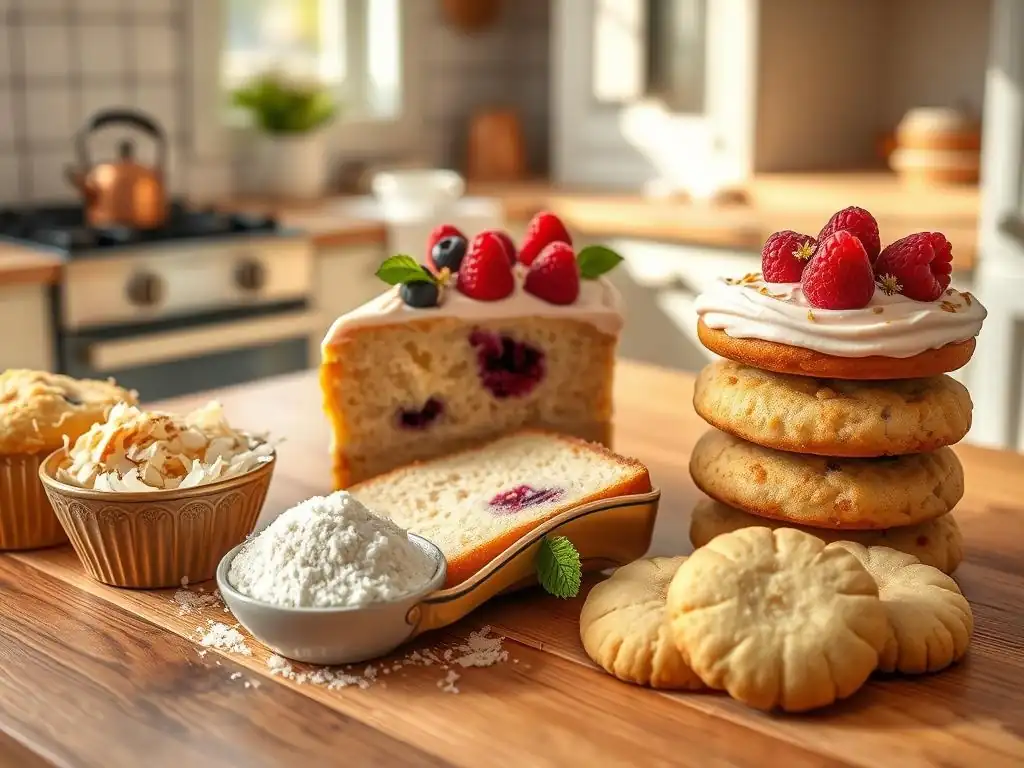
Welcome to BakeWithEase, your guide to unlocking delicious possibilities in the kitchen! Are you ready to explore the world of dietary-friendly baking without sacrificing flavor? Our latest article dives deep into the secrets of low sugar coconut flour baking. Discover how this versatile ingredient can transform your favorite treats into guilt-free delights. Intrigued? Let's get started and uncover the magic of baking with coconut flour!
- Coconut Flour Low-Sugar Baking: Tips and Recipes for BakeWithEase
- Introduction to Low-Sugar Baking with Coconut Flour
- Mastering Coconut Flour: Baking Tips for Low-Sugar Recipes
- Low-Sugar Coconut Flour Recipes: BakeWithEase's Best
- Converting Traditional Recipes to Low-Sugar Coconut Flour Versions
- Troubleshooting Common Coconut Flour Baking Issues
- Storing Your Low-Sugar Coconut Flour Baked Goods
- Advanced Techniques for Low-Sugar Coconut Flour Baking
- Conclusion: Enjoying Delicious and Healthy Low-Sugar Coconut Flour Baking with BakeWithEase
-
Frequently Asked Questions
- What exactly is coconut flour, and why is it good for low-sugar baking?
- How does coconut flour differ from other types of flour, especially in terms of sugar content and texture?
- What are some common challenges bakers face when using coconut flour, and how can they be overcome to achieve low-sugar success?
- Can I substitute coconut flour directly for wheat flour in my existing baking recipes to create low-sugar versions?
- What types of low-sugar sweeteners work best with coconut flour in baking recipes, and why?
- Final Reflection: The Sweetness of Conscious Baking
- Unlock Your Inner Baker: Delicious Low-Sugar Coconut Flour Creations!
Coconut Flour Low-Sugar Baking: Tips and Recipes for BakeWithEase
Introduction to Low-Sugar Baking with Coconut Flour
Navigating the world of baking while keeping sugar levels in check can feel like a challenge, but it's entirely achievable and incredibly rewarding! At BakeWithEase, we believe everyone should enjoy delicious treats, regardless of dietary goals. Low-sugar baking opens up a fantastic avenue for healthier indulgence, allowing you to savor sweet moments without the sugar rush. One ingredient that truly shines in this space is coconut flour. Its unique properties make it a powerful ally for reducing sugar content while still creating wonderful textures and flavors.
Embracing low-sugar baking means exploring alternative sweeteners and flours that support your health goals. It's not just about cutting back on sweetness; it's about understanding how different ingredients behave and finding creative ways to build structure, moisture, and flavor without relying heavily on granulated sugar. Coconut flour, with its absorbent nature and subtle sweetness, is a perfect example of an ingredient that enables this kind of mindful baking. It requires a slightly different approach than traditional flours, but once you understand its nuances, you'll unlock a world of delightful low-sugar possibilities.
Why Choose Coconut Flour for Low-Sugar Treats?
Coconut flour is derived from dried, defatted coconut meat. Its primary appeal for low-sugar baking lies in its significantly lower carbohydrate count and higher fiber content compared to traditional grain-based flours. For instance, a typical serving of all-purpose wheat flour might contain around 23 grams of carbohydrates with only about 1 gram of fiber, leading to a quicker impact on blood sugar.
In contrast, the same serving of coconut flour can have roughly 17 grams of carbohydrates but boasts an impressive 10-11 grams of fiber. This high fiber content slows down the absorption of sugars, contributing to a lower glycemic impact, which is a key benefit for anyone aiming to reduce sugar intake or manage blood sugar levels.
Beyond its favorable nutritional profile for low-sugar diets, coconut flour brings a delightful, subtle sweetness and a unique texture to baked goods. While it doesn't replace the sweetness of sugar entirely, its natural flavor complements many low-sugar sweeteners beautifully. Its absorbency also means you use significantly less of it compared to other flours, making it a concentrated source of fiber and healthy fats (even after defatting, some fat remains). This makes it an excellent base for creating satisfying, low-sugar treats like muffins, pancakes, and cookies that can be part of a balanced diet.
Benefits of Baking with Coconut Flour: A Healthier Alternative
Baking with coconut flour offers several health benefits that align perfectly with a low-sugar lifestyle. Firstly, its exceptionally high fiber content is beneficial for digestive health and can contribute to feelings of fullness, potentially helping with weight management. Studies indicate that increasing dietary fiber intake can have positive effects on various health markers. For example, the Dietary Guidelines for Americans recommend adults consume between 25 to 31 grams of fiber per day, and incorporating coconut flour into your baking is a simple way to boost your intake significantly, far exceeding the fiber found in standard flours.
Secondly, coconut flour is naturally gluten-free, making it an excellent choice for individuals with celiac disease or gluten sensitivity. While not directly related to sugar content, this is a significant health benefit for a large portion of the population. Furthermore, its low glycemic index means that baked goods made with low sugar coconut flour are less likely to cause sharp spikes in blood sugar levels compared to those made with refined white flour and sugar. This stability is particularly valuable for people managing diabetes or those simply seeking to maintain more consistent energy levels throughout the day.
Mastering Coconut Flour: Baking Tips for Low-Sugar Recipes
Working with coconut flour requires a slight shift in perspective if you're used to traditional flours. It's not a simple 1:1 substitution, especially in low-sugar recipes where the structure provided by sugar is also reduced. However, with a few key tips and an understanding of its unique properties, you can achieve fantastic results.
Understanding Coconut Flour's Unique Properties
The most notable property of coconut flour is its incredible absorbency. It acts like a sponge, soaking up liquids far more effectively than wheat or nut flours. For example, while a cup of all-purpose flour might absorb about 1.5 to 2 times its weight in liquid, a cup of coconut flour can absorb 3 to 4 times its weight! This means you need substantially less coconut flour than you would other flours in a recipe, and you'll need to compensate by adding a significant amount of liquid, often in the form of eggs or milk.
Because of its high fiber and low starch content, coconut flour doesn't bind together like wheat flour. It lacks the gluten structure that gives elasticity and chewiness to traditional baked goods. This is why recipes often call for a higher ratio of eggs, which provide structure and binding. A common ratio seen in coconut flour baking is around 4-6 eggs per cup of flour, though this can vary depending on the recipe and desired texture. Understanding this high absorbency and need for binders is fundamental to successfully baking with low sugar coconut flour.
Key Ingredients for Successful Low-Sugar Coconut Flour Baking
Beyond the coconut flour itself, several other ingredients are crucial for successful low-sugar baking. Eggs are paramount, acting as the primary binder and providing essential moisture and structure to compensate for the lack of gluten and the flour's absorbency. You'll typically use more eggs than you would in a traditional recipe. For instance, a small batch of coconut flour muffins might use 3-4 eggs for just half a cup of flour, a ratio unheard of in wheat flour baking.
Choosing the right low-sugar sweetener is also vital. Options include erythritol, xylitol (be cautious, as it's toxic to dogs), stevia, monk fruit extract, and allulose. Each has a different sweetness profile, aftertaste, and effect on texture. Erythritol and xylitol provide bulk similar to sugar, which helps with structure, but they can have a cooling sensation.
Stevia and monk fruit are highly concentrated and don't add bulk, requiring careful measurement. Allulose behaves more like sugar in terms of texture and browning but is less common. You might need to experiment to find the sweetener or blend that works best for your low sugar coconut flour recipes, often needing slightly more liquid when using sweeteners that don't add bulk.
Essential Techniques for Baking with Coconut Flour: Avoiding Common Mistakes
One of the most common mistakes when baking with coconut flour is not allowing the batter to rest. Because of its high absorbency, coconut flour needs time to soak up the liquid. After mixing your batter, let it sit for 5-10 minutes. You'll notice it thickens considerably during this time. This resting period ensures the flour is fully hydrated, preventing dry or crumbly results. Without adequate hydration time, your baked goods can turn out dense and sandy.
Accurate measurement is also critical. Due to its fine texture, coconut flour can easily be packed into measuring cups, leading to using too much flour and consequently, dry results. For consistency, it's highly recommended to measure coconut flour by weight using a kitchen scale (a typical cup is around 100-120 grams, but check your specific flour's packaging).
When measuring by volume, gently spoon the flour into the cup and level it off without packing. Finally, avoid overmixing the batter once the flour is added. Mix just until combined; overmixing can lead to a tough or rubbery texture, especially given the higher egg content.
Low-Sugar Coconut Flour Recipes: BakeWithEase's Best
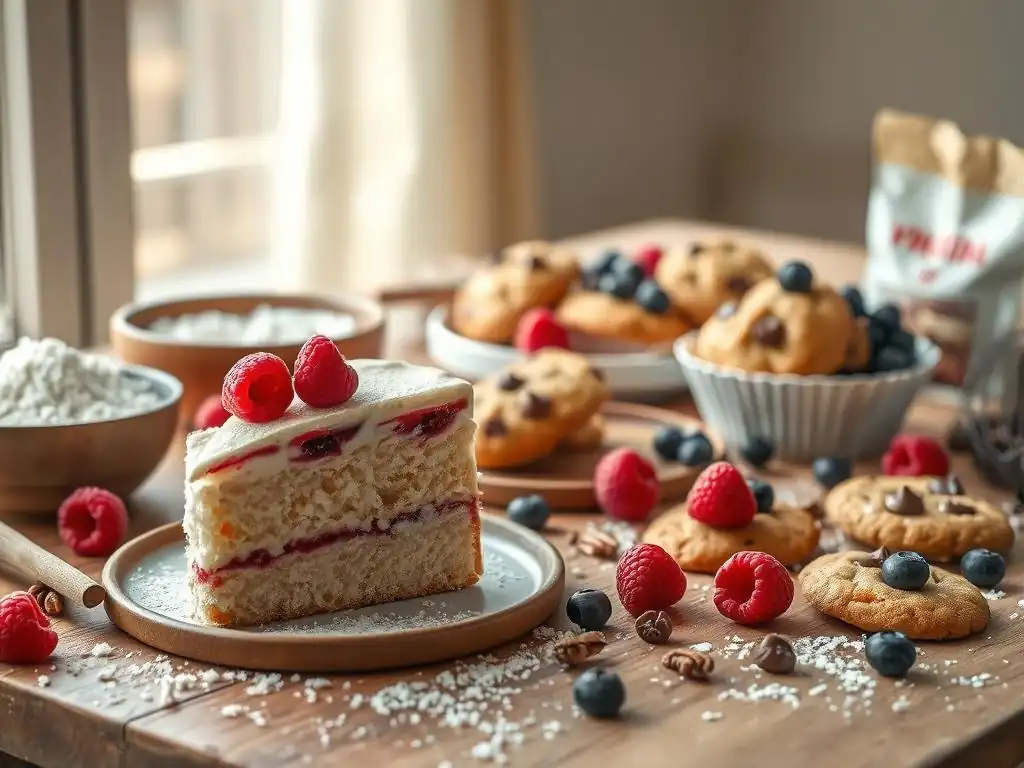
Ready to put your knowledge into practice? Here are a few simple, delicious low sugar coconut flour recipes designed with BakeWithEase principles in mind – easy to follow and designed for great results.
Recipe 1: Low-Sugar Coconut Flour Muffins (Gluten-Free)
These muffins are moist, flavorful, and perfectly suited for a low-sugar lifestyle. They make a great breakfast or snack.
Ingredients for Low-Sugar Coconut Flour Muffins
- 1/2 cup (approx. 50-60g) coconut flour
- 1/4 cup (approx. 40-50g) low-sugar granular sweetener (like erythritol or xylitol)
- 1/2 teaspoon baking powder
- 1/4 teaspoon salt
- 4 large eggs
- 1/4 cup melted coconut oil or unsalted butter
- 1/2 cup unsweetened almond milk or other milk of choice
- 1 teaspoon vanilla extract
Step-by-Step Instructions: Baking the Perfect Muffins
- Preheat your oven to 350°F (175°C). Line a 6-cup muffin tin with paper liners or grease well.
- In a medium bowl, whisk together the coconut flour, low-sugar sweetener, baking powder, and salt.
- In a separate bowl, whisk together the eggs, melted coconut oil or butter, milk, and vanilla extract until well combined.
- Pour the wet ingredients into the dry ingredients. Mix with a spoon or spatula just until the batter is combined and there are no dry streaks. Do not overmix.
- Let the batter rest for 5-10 minutes to allow the coconut flour to absorb the liquid. The batter will thicken considerably.
- Divide the batter evenly among the prepared muffin cups, filling each about two-thirds full.
- Bake for 20-25 minutes, or until a toothpick inserted into the center of a muffin comes out clean and the tops are lightly golden.
- Let the muffins cool in the tin for a few minutes before transferring them to a wire rack to cool completely.
Tips for Customizing Your Muffins: Flavor Variations
You can easily adapt this base recipe for low sugar coconut flour muffins to create different flavors.
- Blueberry: Gently fold in 1/2 cup of fresh or frozen blueberries into the batter after the resting period.
- Lemon Poppy Seed: Add 1 tablespoon of lemon zest and 1 tablespoon of poppy seeds to the dry ingredients.
- Chocolate Chip: Fold in 1/4 cup of sugar-free chocolate chips (check ingredients for low-sugar options) into the batter.
- Spice Muffins: Add 1 teaspoon of ground cinnamon, 1/2 teaspoon of ground nutmeg, and a pinch of ground cloves to the dry ingredients.
Recipe 2: Low-Sugar Coconut Flour Pancakes
Fluffy, tender pancakes made with low sugar coconut flour are a fantastic way to start your day.
Ingredients for Fluffy Low-Sugar Coconut Flour Pancakes
- 1/4 cup (approx. 25-30g) coconut flour
- 1 tablespoon low-sugar granular sweetener
- 1/2 teaspoon baking powder
- 1/4 teaspoon ground cinnamon (optional)
- Pinch of salt
- 3 large eggs
- 1/2 cup unsweetened almond milk or milk of choice
- 1 tablespoon melted coconut oil or butter, plus more for greasing the pan
- 1/2 teaspoon vanilla extract
Cooking Techniques for Delicious Pancakes
- In a medium bowl, whisk together the coconut flour, low-sugar sweetener, baking powder, cinnamon (if using), and salt.
- In a separate bowl, whisk together the eggs, milk, melted oil/butter, and vanilla extract.
- Pour the wet ingredients into the dry ingredients and whisk until just combined. The batter will be quite thick.
- Let the batter rest for 5-10 minutes to thicken further.
- Heat a griddle or non-stick pan over medium heat. Lightly grease with coconut oil or butter.
- Pour about 1/4 cup of batter per pancake onto the hot griddle. Spread slightly with the back of a spoon if needed, as the batter is thick.
- Cook for 3-4 minutes per side, or until bubbles appear on the surface and the edges look set. Flip carefully and cook for another 2-3 minutes until golden brown and cooked through.
- Serve immediately.
Topping Suggestions for Low-Sugar Coconut Flour Pancakes
Enhance your low sugar coconut flour pancakes with these delicious, low-sugar-friendly toppings:
- Sugar-free maple syrup or other sugar-free syrups.
- Fresh berries (strawberries, blueberries, raspberries).
- A dollop of plain Greek yogurt or whipped cream (sweetened with a low-sugar sweetener).
- Nut butter (peanut, almond, cashew).
- Shredded unsweetened coconut.
These cookies offer a delightful texture and are a satisfying low-sugar treat.
Ingredients for Chewy Low-Sugar Coconut Flour Cookies
- 1/2 cup (approx. 50-60g) coconut flour
- 1/2 teaspoon baking soda
- 1/4 teaspoon salt
- 1/2 cup (approx. 80-100g) softened unsalted butter or coconut oil
- 1/2 cup (approx. 80-100g) low-sugar granular sweetener
- 1 large egg
- 1 teaspoon vanilla extract
- Optional add-ins: 1/4 cup sugar-free chocolate chips, chopped nuts, or shredded coconut
Baking Instructions for Perfectly Baked Cookies
- Preheat oven to 350°F (175°C). Line baking sheets with parchment paper.
- In a small bowl, whisk together the coconut flour, baking soda, and salt.
- In a large bowl, cream the softened butter or coconut oil with the low-sugar sweetener until light and fluffy, about 2-3 minutes using an electric mixer (or vigorously by hand).
- Beat in the egg and vanilla extract until well combined.
- Gradually add the dry ingredients to the wet ingredients, mixing on low speed or by hand until just combined. Do not overmix.
- If adding optional ingredients, fold them in now.
- The dough will be soft but scoopable. Drop rounded tablespoons of dough onto the prepared baking sheets, leaving about 2 inches between cookies. These cookies don't spread much, so you may need to flatten them slightly with the back of a spoon or your hand.
- Bake for 10-14 minutes, or until the edges are lightly golden and the centers look set. Baking time will vary depending on size and thickness.
- Let cookies cool on the baking sheet for 5-10 minutes before transferring them to a wire rack to cool completely.
Variations: Adding Chocolate Chips, Nuts, or Spices
Customize your low sugar coconut flour cookies with these ideas:
- Sugar-Free Chocolate Chip: Add 1/4 cup of sugar-free chocolate chips to the dough (ensure they are sweetened with a low-sugar alternative).
- Nutty: Fold in 1/4 cup of chopped walnuts, pecans, or almonds for added crunch and flavor.
- Coconut Delight: Mix in 1/4 cup of unsweetened shredded coconut for extra coconut flavor and texture.
- Spice Cookies: Add 1 teaspoon of cinnamon and 1/2 teaspoon of nutmeg to the dry ingredients for warm, spiced cookies.
Converting Traditional Recipes to Low-Sugar Coconut Flour Versions
Transforming your favorite traditional recipes into low sugar coconut flour delights requires more than just swapping ingredients 1:1. It involves understanding the role of sugar and flour in baking and making appropriate adjustments.
How to Reduce Sugar in Your Favorite Recipes
Reducing sugar in a recipe impacts not only sweetness but also texture, moisture, and browning. Sugar contributes to tenderness, helps baked goods retain moisture, and assists in browning during baking. When you remove sugar, you lose these properties.
Replacing sugar with low-sugar sweeteners often means you need to compensate for the loss of bulk and moisture. For example, if a recipe calls for 1 cup of sugar and you replace it with a concentrated sweetener like stevia extract (which adds no bulk), you might need to add a small amount of applesauce, yogurt, or extra liquid to make up for the missing volume and moisture.
Furthermore, granular low-sugar sweeteners like erythritol or xylitol do provide bulk, but they don't caramelize or brown in the same way as sugar. This means your baked goods might appear paler. To help with this, some bakers increase the baking time slightly at a lower temperature or add a tiny pinch of baking soda (if not already present) to encourage browning, though this needs careful balancing as too much can affect flavor. Experimentation is key to finding the right balance of sweetness and texture when adapting recipes for a low-sugar approach.
Substituting All-Purpose Flour with Coconut Flour: A Guide
Substituting all-purpose flour with coconut flour is the trickiest part of conversion due to coconut flour's extreme absorbency and lack of gluten. A general rule of thumb is to use about 1/4 to 1/3 cup of coconut flour for every 1 cup of all-purpose flour. However, this is just a starting point. You will also need to significantly increase the liquid and egg content. For each 1/4 cup of coconut flour used, you might need to add 1-2 extra eggs and potentially a bit more liquid (milk, water, etc.) compared to the original recipe.
Consider a traditional muffin recipe using 2 cups of all-purpose flour and 2 eggs. Converting this to low sugar coconut flour might involve using only about 1/2 cup of coconut flour, but you would likely need 4-6 eggs and potentially more liquid (like milk or yogurt) to achieve the correct batter consistency. The final batter will still be much thicker than a wheat flour batter, but it shouldn't be dry or crumbly before baking. It often resembles a thick paste or a very thick cake batter.
Adjusting Liquid Ratios for Coconut Flour Baking
As mentioned, the most critical adjustment when using coconut flour is the liquid ratio. Coconut flour absorbs liquid like a super-sponge. Using the same amount of liquid as a traditional flour recipe will result in an incredibly dry, dense, and unpalatable product. The batter for low sugar coconut flour recipes should be quite thick but still scoopable (like thick cake batter or cookie dough, depending on the recipe type), not a pourable liquid like traditional pancake or cake batter.
Eggs are a major source of liquid and binder in coconut flour baking, but you may also need additional milk, water, yogurt, or pureed fruit (like applesauce or mashed banana, keeping in mind these add natural sugars). Start by adding the recommended amount of eggs and liquid for a coconut flour recipe (often provided in reliable recipes) and then add more liquid, a tablespoon at a time, if the batter appears too dry after the resting period. The goal is a moist but not runny batter that holds its shape somewhat.
Troubleshooting Common Coconut Flour Baking Issues
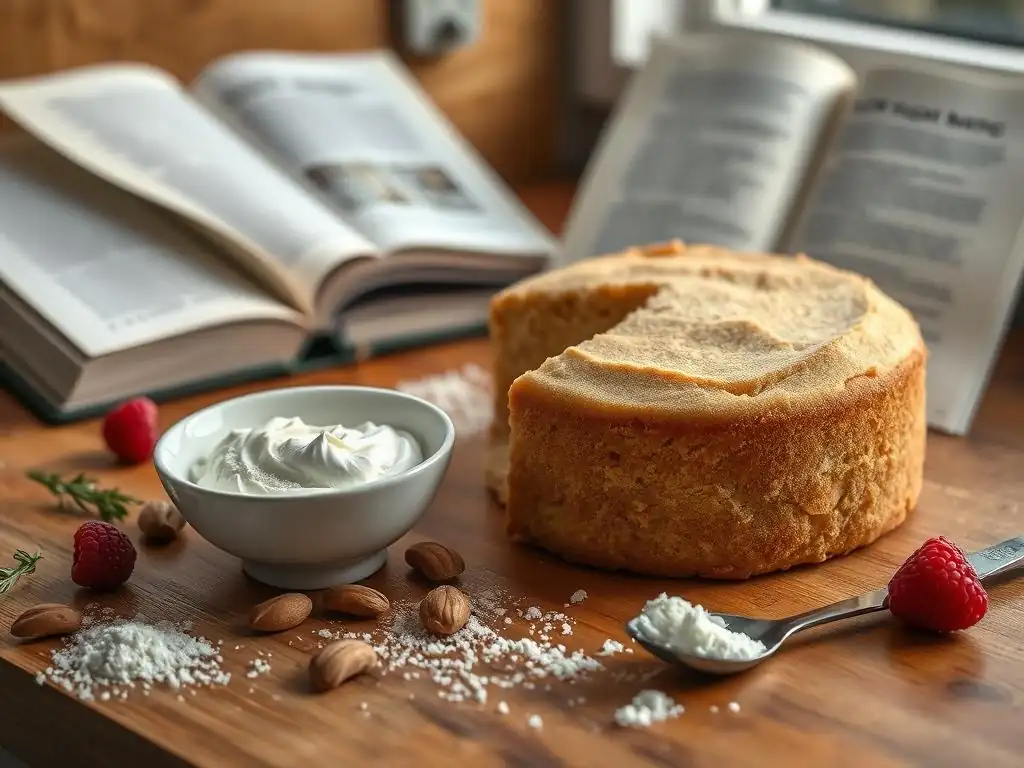
Even with the right techniques, you might encounter issues when baking with low sugar coconut flour. Don't get discouraged – these are common and usually fixable!
Dry and Crumbly Baked Goods: How to Fix It
The most frequent complaint about coconut flour baked goods is dryness and crumbliness. This almost always stems from insufficient liquid or not allowing the batter enough time to absorb the liquid. Coconut flour particles are very hard and fibrous before they are fully hydrated; they need time to soften and swell. If you bake the batter too soon after mixing, the liquid hasn't had a chance to fully integrate, leading to a dry final product.
To fix this, ensure you are using the correct ratio of liquid (including eggs) to coconut flour – remember, it needs significantly more liquid than other flours, often 3-4 times the amount of liquid by weight as the flour itself. Also, make sure you are letting the batter rest for at least 5-10 minutes before baking. If your finished baked goods are still dry, try increasing the amount of liquid or eggs slightly in your next batch of that recipe. Adding moist ingredients like unsweetened applesauce, mashed banana, or Greek yogurt can also help retain moisture.
Dense and Heavy Textures: Solutions for Lighter Baking
Density can occur if the batter is too thick (not enough liquid), if you've used too much flour, or if there isn't enough leavening (like baking powder or baking soda) relative to the heavy, high-fiber flour and multiple eggs. While coconut flour baked goods are often slightly denser than those made with light, airy wheat flour, they shouldn't be hockey pucks! If your items are consistently heavy, re-check your liquid measurements and ensure the batter is the correct consistency after resting.
Ensure your leavening agents are fresh; baking powder and soda lose potency over time. Using the right amount of eggs is also crucial; they provide structure, but too many can sometimes contribute to a slightly rubbery density if the liquid balance isn't perfect. Sometimes, simply beating the eggs a bit more before adding them to the batter can incorporate more air, leading to a slightly lighter texture. Also, avoid over-baking, as this dries out the product and can make it seem denser.
Achieving the Right Sweetness Level: Low-Sugar Sweetener Options
Finding the perfect sweetness level with low-sugar sweeteners can be tricky, as their potency varies greatly and they don't always taste exactly like sugar. Some sweeteners, like stevia and monk fruit, are much sweeter than sugar by volume and can have noticeable aftertastes if too much is used. Others, like erythritol, are less sweet than sugar (about 70% as sweet) and can leave a cooling sensation in the mouth, especially in larger quantities.
It's often helpful to use a blend of low-sugar sweeteners to achieve a more balanced sweetness profile and minimize any off-flavors. For instance, combining erythritol (for bulk and less intense sweetness) with a small amount of stevia or monk fruit (for added sweetness intensity without bulk) can mimic the taste of sugar more closely.
Always taste your batter before adding eggs (if the recipe allows and doesn't contain raw flour) or taste a small baked sample to adjust the sweetener in the next batch. Start with the amount recommended in a reliable low sugar coconut flour recipe and adjust from there based on your preference.
Storing Your Low-Sugar Coconut Flour Baked Goods
Proper storage is essential to keep your delicious low sugar coconut flour treats fresh and prevent them from drying out.
Best Practices for Keeping Your Treats Fresh
Because coconut flour baked goods contain more moisture from eggs and liquids than some traditional recipes, they tend to stay moist longer if stored correctly. However, their higher moisture and lower sugar content (sugar acts as a preservative) can also make them more susceptible to mold in humid conditions if not stored properly. The best way to store most low-sugar coconut flour baked goods, like muffins, cakes, or quick breads, is in an airtight container at room temperature for 2-3 days.
For longer storage, refrigeration is recommended. Store baked goods in an airtight container in the refrigerator for up to a week. Cookies can often last a bit longer at room temperature if they are crisp, but softer cookies or those with moist additions (like berries) are best refrigerated. Always ensure baked goods are completely cooled before storing to prevent condensation, which can lead to sogginess or spoilage.
Freezing Coconut Flour Baked Goods for Later
Freezing is an excellent option for storing low sugar coconut flour baked goods for longer periods, typically up to 2-3 months. Muffins, cakes, cookies, and quick breads freeze very well. To freeze, ensure the baked goods are completely cooled. Wrap individual portions or the entire item tightly in plastic wrap, then place in a freezer-safe bag or container. This double wrapping helps prevent freezer burn.
When you're ready to enjoy your frozen treats, simply remove the desired amount from the freezer. Small items like muffins or cookies can often be thawed at room temperature for an hour or two. Larger items like cakes or loaves can be thawed in the refrigerator overnight. For a quick warm-up, muffins and quick bread slices can often be gently reheated in a microwave or toaster oven after thawing. Freezing allows you to bake in batches and have delicious low sugar coconut flour options readily available.
Advanced Techniques for Low-Sugar Coconut Flour Baking
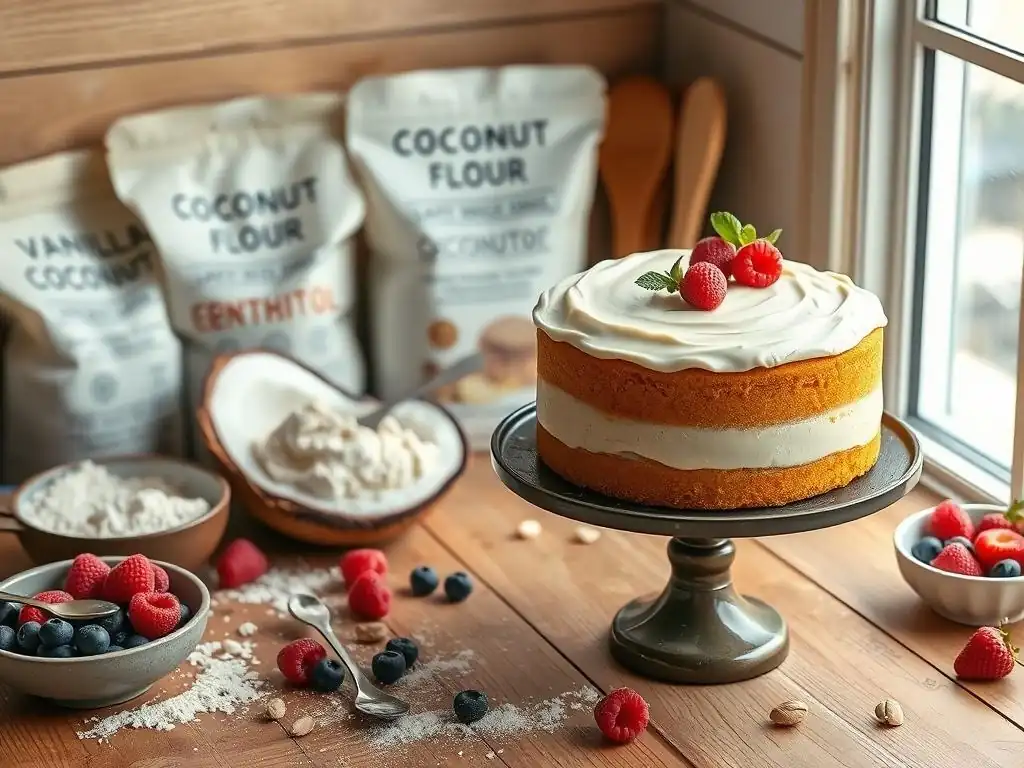
Once you're comfortable with basic low sugar coconut flour recipes, you might want to explore more advanced applications.
Using Coconut Flour in Bread Recipes
Baking yeast-leavened bread with 100% coconut flour is challenging due to its lack of gluten and high absorbency, which doesn't interact with yeast in the traditional way to create airy pockets. Most successful "coconut flour bread" recipes are actually quick breads (like the muffins and loaves mentioned earlier) that rely on baking powder or soda for leavening, or they use coconut flour in combination with other gluten-free flours or vital wheat gluten (if not needing gluten-free) to provide structure.
However, you can sometimes incorporate a small amount of coconut flour into yeast bread recipes made with other flours (like wheat or gluten-free blends) to add fiber and a subtle flavor, provided you adjust the liquid accordingly. Using just 1-2 tablespoons of coconut flour per cup of the main flour might be possible, but it requires careful experimentation and significant hydration adjustments. True, light, and airy yeast bread made solely with low sugar coconut flour is difficult to achieve with standard techniques and is often denser than traditional loaves.
Creating Low-Sugar Coconut Flour Frosting and Glazes
Coconut flour isn't typically used as a base for frosting or glazes in the way powdered sugar or other flours are. Its absorbent, slightly grainy texture doesn't lend itself to smooth, creamy finishes. However, you can use coconut products to create delicious low-sugar toppings for your low sugar coconut flour baked goods.
For frostings, you can use softened cream cheese, butter, or coconut cream whipped with a low-sugar powdered sweetener (made by processing granular sweetener in a blender or coffee grinder) and a splash of vanilla or extract. For glazes, a simple mix of a liquid (like almond milk or lemon juice) with a low-sugar powdered sweetener can work, though it won't harden like a traditional sugar glaze. Melted sugar-free chocolate or a drizzle of nut butter can also serve as simple, low-sugar toppings.
Experimenting with Different Flavors and Textures
Don't be afraid to experiment with different flavor combinations and textural additions in your low sugar coconut flour baking. Coconut flour's mild sweetness pairs well with a variety of flavors. Try adding citrus zests (lemon, orange), spices (cinnamon, nutmeg, cardamom, ginger), extracts (almond, peppermint, coconut), or cocoa powder for chocolate variations.
For texture, incorporate chopped nuts, seeds (chia, flax, poppy), unsweetened shredded coconut, or sugar-free chocolate chips. Adding pureed fruits or vegetables (like pumpkin or zucchini) can also introduce moisture and nutrients, though they might affect the overall carb count depending on the ingredient. Keep a baking journal to note down your successful experiments and the adjustments you made; this is invaluable as you become more confident in adapting recipes for low sugar coconut flour.
Conclusion: Enjoying Delicious and Healthy Low-Sugar Coconut Flour Baking with BakeWithEase
Baking with low sugar coconut flour might seem intimidating at first, but as you've seen, it's a rewarding journey that opens up a world of healthier treats. By understanding its unique properties – its high absorbency, need for binders, and excellent fiber content – you can successfully create delicious muffins, pancakes, cookies, and more that fit into a low-sugar lifestyle. It's about embracing a slightly different technique and celebrating the unique texture and subtle sweetness coconut flour brings.
At BakeWithEase, we encourage you to dive in and start experimenting. Begin with simple recipes like the ones provided, get a feel for the batter consistency, and then gradually try adapting your own favorites. With practice, you'll become adept at predicting how coconut flour will behave and how to achieve the perfect balance of moisture, structure, and sweetness using low-sugar alternatives. Enjoy the process and the delicious results of your low-sugar baking efforts!
The Future of Low-Sugar Baking: Exploring New Possibilities with Coconut Flour
The landscape of low-sugar baking is constantly evolving, with new sweeteners and flour blends emerging. Coconut flour will likely continue to play a significant role due to its nutritional benefits and unique characteristics. As more bakers experiment with low sugar coconut flour, we can expect to see increasingly innovative recipes, perhaps even successful yeast-leavened breads that incorporate it more effectively, or new techniques for achieving lighter textures.
The focus will continue to be on creating baked goods that not only meet dietary needs but are genuinely enjoyable and satisfying. As research into the properties of alternative flours and sweeteners progresses, we'll gain a deeper understanding of how to manipulate them for optimal baking results. The future holds exciting possibilities for delicious, healthy, and accessible baked goods for everyone.
Resources for Low-Sugar Baking: Further Reading and Inspiration
To continue your journey into low sugar coconut flour baking, explore reliable online resources and cookbooks dedicated to low-carb, keto, or gluten-free baking, as these often feature coconut flour prominently. Look for blogs and websites that provide detailed explanations of ingredient substitutions and techniques.
Many online baking communities offer forums where you can ask questions and share experiences with other bakers working with low-sugar and alternative flours. Experiment with different brands of coconut flour, as absorbency can vary slightly between manufacturers. Keep practicing, be patient with yourself, and celebrate each successful bake as you master the art of low sugar coconut flour baking with BakeWithEase!
Frequently Asked Questions
What exactly is coconut flour, and why is it good for low-sugar baking?
Coconut flour is made from dried coconut meat that has been ground into a fine powder. It's naturally low in sugar and high in fiber, making it a great alternative to wheat flour in many recipes.
How does coconut flour differ from other types of flour, especially in terms of sugar content and texture?
Coconut flour is significantly lower in sugar than wheat flour and many other gluten-free flours. Its texture is very absorbent, requiring more liquid and often eggs in recipes.
What are some common challenges bakers face when using coconut flour, and how can they be overcome to achieve low-sugar success?
One challenge is its dryness; using too much can result in a crumbly or dry final product. Adding more eggs and liquid is often necessary. Also, proper measuring is key for success.
Can I substitute coconut flour directly for wheat flour in my existing baking recipes to create low-sugar versions?
No, a direct substitution is not recommended due to coconut flour's unique properties. Recipes need to be specifically formulated for coconut flour, considering its high absorbency and low gluten content.
What types of low-sugar sweeteners work best with coconut flour in baking recipes, and why?
Natural sweeteners like erythritol and stevia are good choices because they have a minimal impact on blood sugar. They also complement the flavor of coconut flour without overpowering it.
Final Reflection: The Sweetness of Conscious Baking
The rising tide of health consciousness is demanding healthier alternatives, and low-sugar coconut flour baking is leading the charge. This isn't just a fleeting trend; it's a fundamental shift in how we approach our relationship with food, prioritizing both taste and well-being. We've explored the versatility of coconut flour, its unique properties, and how to successfully incorporate it into delicious, low-sugar recipes. This isn't about deprivation; it's about mindful indulgence.
The journey into low-sugar baking with coconut flour has been a personal revelation, highlighting the creative potential within dietary restrictions. It's a testament to the power of adaptation and the surprising delights that can be discovered when we challenge conventional baking wisdom. The best things in life are the simple things.
This simple truth resonates deeply when considering the satisfaction derived from creating wholesome, delicious treats without relying on excessive sugar. The impact extends beyond individual health, influencing a broader movement towards mindful consumption and sustainable food choices.
Now, it's your turn. Consider the recipes and techniques shared within this article, and experiment! Don't be afraid to adapt them to your own tastes and dietary needs. Embrace the challenge of creating low-sugar, coconut flour delights, and discover the joy of baking consciously. The journey towards healthier eating is a personal one, and every step, every delicious bite, contributes to a more fulfilling and vibrant life.
Unlock Your Inner Baker: Delicious Low-Sugar Coconut Flour Creations!
Thanks for taking the time to explore the world of low-sugar baking with coconut flour! We hope you discovered some delicious and healthy recipe ideas. Now it's time to put your newfound knowledge into practice!
- Bake your first low-sugar coconut flour masterpiece! Choose your favorite recipe from the article and get baking. It's easier than you think!
- Share your baking journey: Post a picture of your creation on social media and tag us @BakeWithEase – we'd love to see what you create!
- Explore more low-sugar recipes on our website for even more delicious inspiration.
Ready to embark on your low-sugar baking adventure? What's the first recipe you're going to try?