
Mastering Vanilla: When to Reach for the Bean, When for the Extract

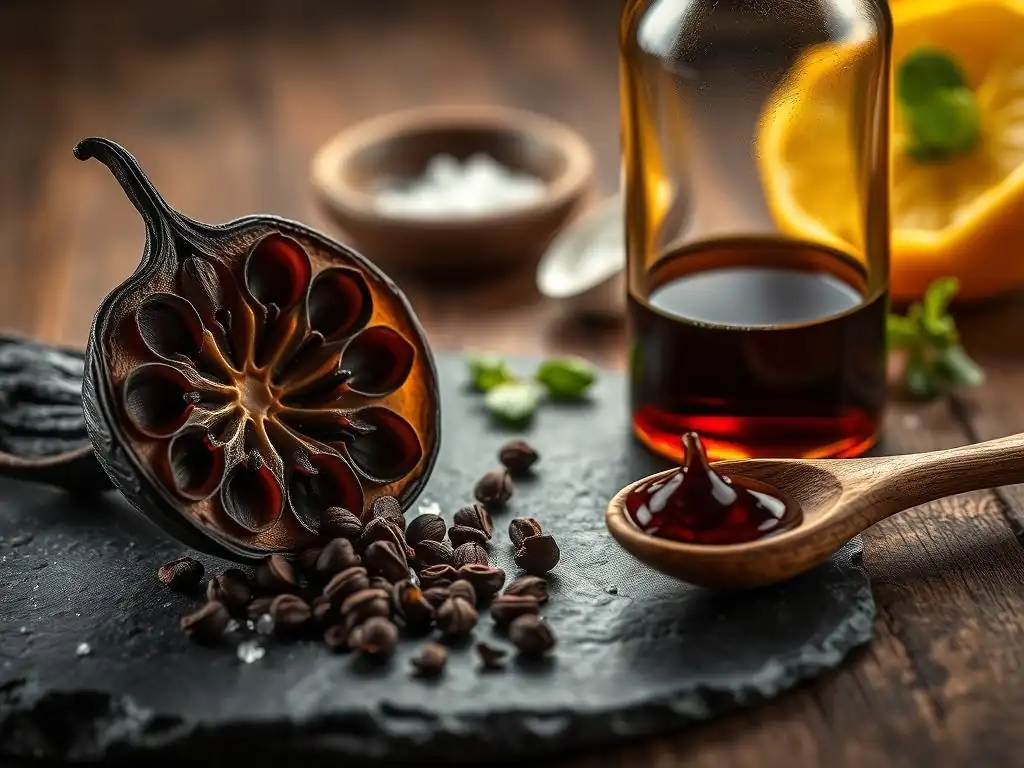
Welcome to BakeWithEase, where baking becomes a joy, not a chore! Ever wondered about the real difference between vanilla bean and extract? Dive into our latest "Ingredient Deep Dive" and unlock the secrets to mastering vanilla. Discover when to splurge on the bean and when the extract will perfectly suffice, elevating your baking from good to extraordinary. Let's explore the nuances and transform your treats!
- Vanilla Bean vs. Extract: An In-Depth Guide for Bakers
- When to Choose Vanilla Bean: Elevating Your Baking
- When to Choose Vanilla Extract: Convenience and Cost-Effectiveness
- Vanilla Bean vs. Extract: A Detailed Comparison Chart
- Vanilla Bean Extract: Making Your Own at Home
- Beyond Vanilla Bean and Extract: Exploring Other Vanilla Products
- Storing Vanilla Beans and Extract Properly: Maintaining Quality
- Troubleshooting Vanilla Flavor in Baking: Tips and Tricks
- Conclusion: Choosing the Right Vanilla for Your Baking Needs
-
Frequently Asked Questions
- What is the main difference between using vanilla bean and vanilla extract in baking?
- When is it best to use a vanilla bean instead of vanilla extract?
- Is there a specific ratio to substitute vanilla extract for vanilla bean?
- How should I store vanilla beans and vanilla extract to maximize their shelf life?
- Are there any cost considerations when choosing between vanilla bean and vanilla extract?
- Final Reflection: The Enduring Allure of Vanilla
- Unleash Your Inner Pastry Chef: Mastering Vanilla's Nuances
Vanilla Bean vs. Extract: An In-Depth Guide for Bakers
Vanilla is a cornerstone of countless sweet treats, providing a warm, aromatic foundation or a delicate, intriguing accent. For many bakers, the choice between using a whole vanilla bean or a bottle of vanilla extract seems simple – one is fancy and expensive, the other is the pantry staple. However, understanding the nuances of each form of vanilla is key to unlocking the best possible flavor in your baked goods.
This guide delves deep into the world of vanilla, helping you decide when the intense, complex notes of a vanilla bean are worth the investment, and when the convenience and reliability of vanilla extract are your best bet. Exploring the differences between vanilla bean vs extract is crucial for elevating your baking results.
The debate of vanilla bean vs extract isn't just about cost; it's about flavor profile, application, and the desired outcome in your recipe. While both come from the same source – the vanilla orchid – the processing and concentration methods yield distinct products. A true master baker knows how to leverage the unique properties of each, ensuring that every crumb is infused with just the right amount of that beloved vanilla essence. Let's explore the origins, characteristics, and best uses for these two fundamental vanilla products.
What is Vanilla? Exploring the Origins and Flavor Profile
Vanilla originates from the fruit of the Vanilla orchid, primarily Vanilla planifolia. This vine is native to Mexico but is now cultivated in tropical regions around the world, with Madagascar, Indonesia, and Tahiti being major producers today. The "bean" is actually the fruit pod of the orchid. These pods are harvested while still green and undergo a labor-intensive curing process involving sweating, drying, and aging for several months. This complex process is what develops the characteristic aroma and flavor compounds, most notably vanillin.
The flavor profile of vanilla is rich and complex, far beyond simple sweetness. It can encompass notes that are creamy, floral, smoky, woody, or spicy, depending on the variety and curing process. For instance, Madagascar vanilla is often described as creamy and sweet, while Tahitian vanilla might have more floral and fruity undertones. The high value of vanilla is due to its demanding cultivation and curing, making it one of the most expensive spices by weight globally. Understanding this foundation helps appreciate the distinction when comparing vanilla bean vs extract.
Vanilla Bean vs. Extract: Key Differences in Flavor and Form
The most significant difference between vanilla bean vs extract lies in their concentration and form. A vanilla bean contains thousands of tiny seeds and a paste within the pod, holding a complex array of flavor compounds. When you use a bean, you are adding these seeds (often called "vanilla caviar") and the paste directly to your dish. This provides a more nuanced, sometimes earthy, and visually appealing fleck of vanilla.
Vanilla extract, on the other hand, is made by macerating chopped vanilla beans in a solution of alcohol and water. The alcohol extracts the flavor compounds from the beans, creating a liquid concentrate. Pure vanilla extract, as defined by regulations in some countries like the United States, must contain at least 35% alcohol by volume and the extractives of 13.35 ounces of vanilla beans per gallon.
While it captures the primary vanillin flavor, some of the subtler notes present in the whole bean might be lost or altered during the extraction process. This makes the vanilla bean vs extract choice critical depending on the desired flavor outcome.
When to Choose Vanilla Bean: Elevating Your Baking
Choosing a vanilla bean is often about pursuing the purest, most intense, and multi-dimensional vanilla flavor possible, along with the visual appeal of the seeds. It's a premium ingredient that brings a touch of luxury and depth to specific recipes. When the vanilla flavor is meant to be the star, rather than a background note, the bean is usually the preferred choice. This is where the comparison of vanilla bean vs extract leans heavily towards the bean for impact.
Using a vanilla bean also allows you to infuse flavor directly into liquids or fats over time, which can create a deeper, more integrated taste. The natural oils and compounds in the bean are released slowly, enriching the base of your recipe. While more expensive and requiring a bit more effort than simply pouring from a bottle, the results in certain applications are undeniably superior and showcase the unique qualities of the vanilla bean vs extract.
Recipes Where Vanilla Bean Shines: Vanilla Bean Ice Cream, Crème brûlée, Vanilla Bean Cheesecake
Vanilla bean truly excels in recipes where its pure, unadulterated flavor and visible seeds are desired. Consider classic Vanilla Bean Ice Cream: the rich dairy base provides the perfect canvas for the complex notes of the bean to shine, and the tiny black specks are a hallmark of quality and authentic flavor. A simple recipe might involve infusing a split vanilla bean into warm cream and milk before chilling and churning.
Crème brûlée is another prime example. Infusing the custard base with a whole vanilla bean imparts a depth of flavor that extract, while still good, simply can't replicate. The slow cooking of the custard allows the vanilla's complexities to bloom. Similarly, a luxurious Vanilla Bean Cheesecake benefits immensely from the bean's presence, adding layers of aromatic flavor to the creamy texture. In these applications, the vanilla bean vs extract comparison heavily favors the bean for its superior flavor profile and visual appeal.
The Art of Using Vanilla Beans: Scraping, Infusing, and Maximizing Flavor
Using a vanilla bean involves a simple technique to access the flavor. First, split the bean lengthwise with a sharp knife, being careful not to cut all the way through the second side. Then, use the back of your knife or a spoon to scrape out the dark, sticky paste inside – this is the "vanilla caviar," packed with flavor and aroma. The scraped-out seeds and paste are then added directly to your recipe, often at the beginning of the cooking process, especially when infusing into liquids.
Don't discard the scraped-out pod! The pod itself still contains flavor compounds. It can be steeped in warm milk or cream (like for custard or pudding), added to sugar to make vanilla sugar, or even rinsed, dried, and stored to be added to future infusions or batches of homemade extract. Maximizing the use of the entire bean ensures you get the most value and flavor, making the most of your vanilla bean vs extract investment.
Vanilla Bean Grades and Quality: A Guide for Bakers
Vanilla beans are graded based on moisture content, appearance, and vanillin content, though specific grading systems vary by origin (e.g., Grade A or Gourmet vs. Grade B or Extract). Grade A beans are typically plump, moist, and pliable, often 15cm or longer, with a rich, oily sheen. They have a higher moisture content (around 25-30%) and are ideal for applications where the bean is used directly, like infusing liquids or scraping into custards. Their pliability makes scraping easier.
Grade B beans are drier, less visually perfect, and may be shorter or split. They have a lower moisture content (around 15-20%) but often a higher concentration of vanillin and other flavor compounds by weight due to the drying process. While not as suitable for scraping into delicate dishes, they are excellent for making vanilla extract, infusing liquids for longer periods (like syrups or spirits), or grinding into vanilla powder. When considering vanilla bean vs extract, understanding the bean grade helps determine the best use case for the bean itself.
When to Choose Vanilla Extract: Convenience and Cost-Effectiveness
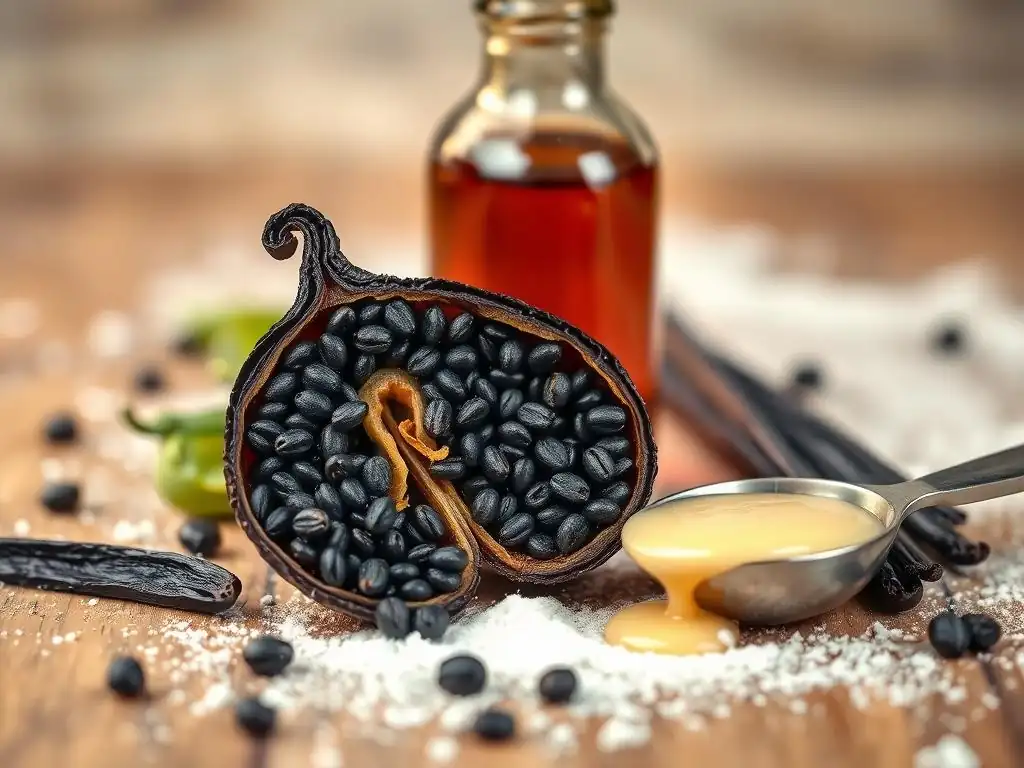
For everyday baking, vanilla extract is the undisputed champion of convenience and accessibility. It's readily available in most grocery stores, requires no preparation other than measuring, and is significantly more cost-effective than using whole beans in most applications. Its liquid form makes it easy to incorporate into batters and doughs, distributing the flavor evenly. For many recipes, especially those with other strong flavors, vanilla extract provides sufficient vanilla notes without overpowering other ingredients. This is where the practical side of vanilla bean vs extract comparison favors the extract.
Vanilla extract is particularly useful in recipes where the vanilla flavor is a supporting player rather than the star, or where the heat of baking might diminish some of the delicate notes of the bean anyway. Adding extract towards the end of mixing or even just before baking helps preserve its aromatic qualities. Its ease of use makes it the go-to choice for busy bakers and standard recipes.
Vanilla Extract in Baking: Versatility and Ease of Use
Vanilla extract's primary strength in baking is its incredible versatility and ease of use. A teaspoon or two can be whisked directly into cake batter, cookie dough, muffin mix, or frosting with minimal effort. It disperses quickly and evenly, ensuring consistent flavor throughout the batch. Unlike beans, there's no scraping, steeping, or removing pods required. This makes it ideal for high-volume baking or recipes where speed and simplicity are priorities.
Furthermore, vanilla extract is stable and predictable. A standard bottle of pure vanilla extract will deliver consistent flavor every time you use it, which is valuable for reliable recipe outcomes. While a whole bean might vary slightly in intensity or nuance, extract provides a baseline vanilla flavor that is dependable. Its liquid format also makes it easy to measure precisely, allowing for accurate scaling of recipes. This reliability is a key factor when comparing vanilla bean vs extract for standard baking.
Vanilla extract is perfectly suited for a vast range of baked goods, especially those where other flavors are prominent or the vanilla is meant to be a background enhancer. Classic Chocolate Chip Cookies are a prime example; a splash of vanilla extract enhances the chocolate and brown sugar notes without competing with them. The heat of baking helps release the extract's aroma, contributing to that comforting, familiar cookie smell.
Cakes, from simple vanilla pound cake to elaborate chocolate layer cakes, rely on extract for consistent vanilla flavor. Adding extract to the batter provides a reliable base note that complements other ingredients like cocoa, fruit, or spices. Quick breads like banana bread or zucchini bread also benefit from vanilla extract, which rounds out the flavors and adds warmth. In these cases, the convenience and consistent flavor of extract make it the practical choice over dealing with a vanilla bean vs extract decision for every batch.
Understanding Different Types of Vanilla Extract: Pure vs. Imitation
When shopping for vanilla extract, you'll primarily encounter two types: pure and imitation. Pure vanilla extract is made, as described earlier, from real vanilla beans macerated in alcohol and water. Its flavor is complex and derived directly from the natural compounds in the bean. The cost reflects the price of vanilla beans and the extraction process.
Imitation vanilla extract, on the other hand, is made from synthetic vanillin, often derived from lignin (a component of wood pulp) or other sources. While it provides a basic vanilla-like flavor, it lacks the hundreds of other aromatic compounds found in pure vanilla, resulting in a flatter, less nuanced taste. It is significantly cheaper than pure extract.
For most baking applications, especially those involving heat, pure vanilla extract is recommended for a superior flavor, although imitation can be used in situations where cost is paramount or the vanilla flavor is heavily masked. The distinction is crucial when evaluating vanilla bean vs extract, as pure extract is the closer (though still different) relative to the bean.
Vanilla Bean vs. Extract: A Detailed Comparison Chart
Comparing vanilla bean vs extract directly highlights their strengths and weaknesses across various factors important to bakers. While not a literal chart, we can break down the key differences point by point to provide clarity. Understanding these points helps in making an informed decision based on the specific recipe and desired outcome.
The choice between vanilla bean vs extract often comes down to a balance of desired flavor intensity, budget, and the type of recipe being made. Neither is inherently "better" in all situations; rather, they serve different purposes and offer different benefits. Let's look at the core comparison points.
Flavor Intensity Comparison: Bean vs. Extract
- Vanilla Bean: Offers a full-spectrum, complex flavor with hundreds of aromatic compounds. Provides a deep, nuanced, and sometimes earthy or floral taste depending on the bean origin. Flavor can be more subtle initially but develops during cooking/infusion. Also adds visual appeal with seeds.
- Vanilla Extract (Pure): Primarily delivers the vanillin compound, which is the main vanilla flavor. It is more concentrated in terms of immediate vanilla punch but lacks the subtle undertones of the whole bean. Flavor is more consistent bottle-to-bottle.
In a direct comparison for pure vanilla impact, the bean often provides a richer, more layered flavor experience, especially in uncooked or gently heated applications. Extract provides a strong, reliable vanilla note that holds up well under higher heat, though some top notes may dissipate. The vanilla bean vs extract flavor battle depends heavily on the recipe context.
Cost Analysis: Vanilla Bean vs. Extract
- Vanilla Bean: Significantly more expensive per use. A single gourmet bean might cost between $5 and $10 (prices fluctuate greatly), and while you get intense flavor, it's a one-time use per primary application (though the pod can be reused). Grade B beans for extract making might be slightly cheaper per pound, but still a considerable upfront cost.
- Vanilla Extract (Pure): More cost-effective for typical baking needs. A standard 4-ounce bottle might cost between $8 and $20, depending on quality and brand, and contains enough extract for many batches of cookies or cakes (a teaspoon is roughly equivalent in flavor intensity to about 1/2 inch of a vanilla bean, though this is an approximation and varies).
While the upfront cost of vanilla beans is high, the intensity of flavor they provide in specific dishes can justify the expense for special occasions or recipes where vanilla is paramount. For volume baking or recipes where vanilla is a background flavor, extract is the clear winner on price. This cost factor is a major consideration in the vanilla bean vs extract decision.
Usage and Application: Best Practices for Each
- Vanilla Bean: Best for infusing liquids (milk, cream, syrups), custards, panna cotta, ice cream bases, and recipes where the visual presence of seeds is desired. Should ideally be added early in the cooking process to allow flavor to develop.
- Vanilla Extract: Ideal for batters and doughs (cakes, cookies, muffins, quick breads), frostings, sauces, and recipes where even flavor distribution and ease of use are priorities. Often added during the wet ingredient mixing phase or towards the end.
Choosing the right form of vanilla based on the recipe's requirements is key to achieving the best results. Using a bean in a chocolate cake might be overkill and lost among the cocoa, while using only extract in a delicate panna cotta might leave it tasting less vibrant than it could be. Understanding the typical usage scenarios helps navigate the vanilla bean vs extract choice effectively.
Vanilla Bean Extract: Making Your Own at Home
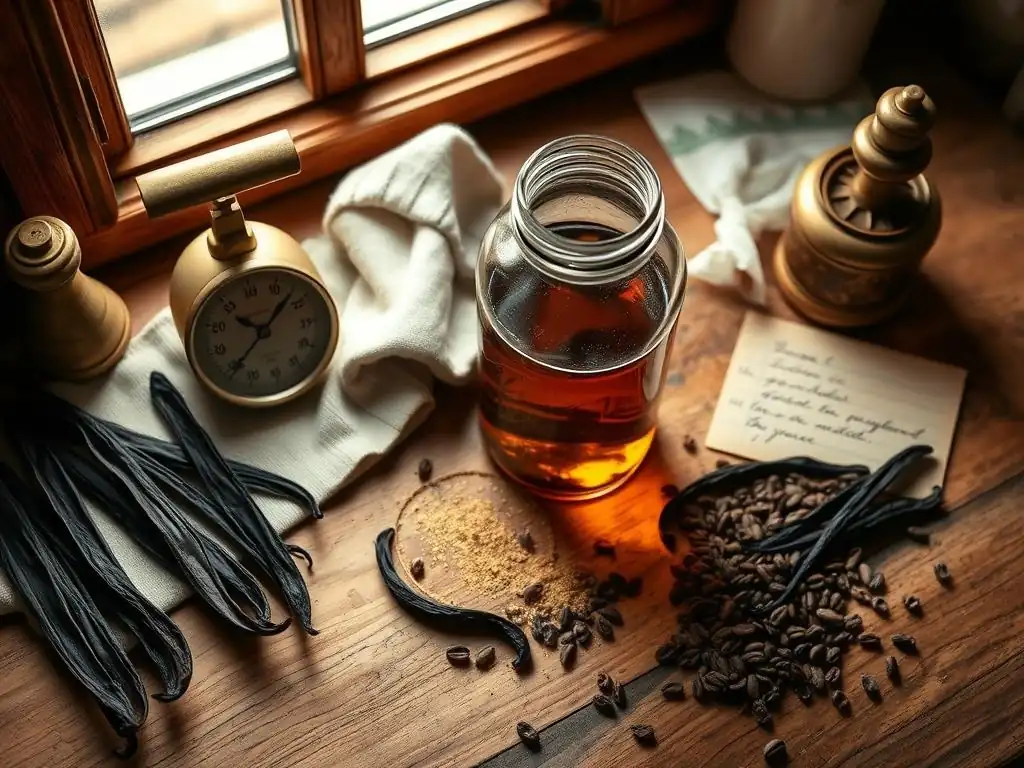
Did you know you can bridge the gap between vanilla bean vs extract by making your own? Creating homemade vanilla extract is a rewarding project that allows you to control the quality of ingredients and can be more cost-effective in the long run if you use a lot of vanilla. It requires patience, as good extract needs time to steep, but the result is a pure, potent vanilla flavor.
This process is relatively simple, involving just two main ingredients: vanilla beans and alcohol. It's a fantastic way to use Grade B vanilla beans, which are often more affordable and have a high concentration of flavor compounds perfect for extraction. Making your own allows you to customize the type of bean used, experimenting with different origins like Madagascar, Tahitian, or Mexican beans for unique flavor profiles.
The Homemade Vanilla Extract Recipe: A Step-by-Step Guide
Making vanilla extract at home follows a straightforward process. You'll need:
- Grade B vanilla beans (or Grade A, if preferred)
- Food-grade alcohol (like vodka, rum, or bourbon)
- Clean glass bottles or jars with airtight lids
Here's a basic method:
- Prepare the beans: Slice the vanilla beans lengthwise, leaving a small portion at the top attached, or chop them into smaller pieces (about 1-inch lengths). Chopping exposes more surface area.
- Measure the alcohol: For single-fold extract (standard strength), use approximately 1 ounce (by weight) of vanilla beans per 8 ounces (by volume) of alcohol. For double-fold (stronger), use 2 ounces of beans per 8 ounces of alcohol.
- Combine: Place the prepared vanilla beans into the clean glass bottle or jar. Pour the alcohol over the beans, ensuring they are fully submerged.
- Seal and Shake: Seal the container tightly. Shake gently to ensure the beans are distributed.
- Steep: Store the bottle in a cool, dark place. Shake the bottle once a week for the first month, then periodically. The extract will begin to darken and develop flavor within a few weeks, but for optimal flavor, steep for at least 6 months, preferably a year or longer.
**Homemade Vanilla Extract (Single-Fold)**

*   **Ingredients:**
    *   Approx. 1 oz (28g) Grade B Vanilla Beans
    *   Approx. 8 fl oz (240ml) Food-Grade Alcohol (e.g., Vodka)
*   **Equipment:**
    *   Clean glass bottle or jar with airtight lid
    *   Sharp knife or scissors
Choosing the Right Alcohol for Your Vanilla Extract
The type of alcohol you choose will influence the final flavor of your homemade vanilla extract. Vodka is the most neutral option, allowing the pure vanilla flavor to shine without adding its own distinct taste. It's a popular choice for a classic vanilla extract.
Other spirits can add interesting undertones. Rum, particularly dark rum, can contribute warm, slightly sweet notes that complement vanilla well. Bourbon adds a smoky, caramel complexity. Consider the type of baking you typically do; a bourbon-based extract might be wonderful in chocolate or spice-based recipes, while a vodka-based one is more versatile. Ensure the alcohol is at least 70 proof (35% alcohol by volume) to effectively extract the vanilla compounds and act as a preservative.
Storing and Aging Homemade Vanilla Extract for Optimal Flavor
Once you've combined the beans and alcohol, the aging process begins. Store the sealed container in a cool, dark place, such as a pantry or cupboard. Direct sunlight and heat can degrade the flavor. As mentioned, shaking the bottle weekly for the first month helps the extraction process.
The longer you let the extract age, the deeper and more complex its flavor will become. While some usable extract can be ready in 2-3 months, the optimal aging period is typically 6 to 12 months. You can continue to "top off" the bottle with more alcohol as you use the extract, adding a fresh bean every year or so to maintain strength (this creates a perpetual extract). Properly stored, homemade vanilla extract can last for many years, improving with age, making the initial effort and vanilla bean vs extract cost worthwhile over time.
Beyond Vanilla Bean and Extract: Exploring Other Vanilla Products
While vanilla bean vs extract are the most common forms used in baking, the world of vanilla offers other convenient and flavorful options. These products offer unique textures, concentrations, and applications that can expand your vanilla repertoire. Understanding these alternatives provides a more complete picture of how vanilla can be used in the kitchen.
Exploring these other forms allows bakers to choose the best vanilla product for specific needs, bridging gaps between the intensity of the bean and the convenience of the extract. Each offers a slightly different way to incorporate that beloved vanilla flavor into your creations.
Vanilla Paste: A Versatile Middle Ground
Vanilla paste is a thick, syrupy mixture made from vanilla extract and finely ground vanilla bean seeds. It offers the convenience of extract while also providing the visual appeal and some of the nuanced flavor of the actual bean seeds. It's often made using a higher concentration of vanilla extract and a natural thickener.
Vanilla paste is incredibly versatile. It can be used as a direct substitute for vanilla extract (typically a 1:1 ratio, though check the specific product's strength) in cakes, cookies, custards, and frostings. It's particularly excellent in recipes like panna cotta or ice cream where you want those desirable flecks of vanilla bean but prefer the ease of measuring a paste over scraping a bean. It sits nicely between vanilla bean vs extract in terms of both form and often, price point.
Vanilla Powder: Concentrated Flavor and Unique Applications
Vanilla powder is made from whole, dried vanilla beans that have been finely ground. Because it contains the entire bean (minus moisture), it offers a very concentrated vanilla flavor. Unlike extract, it contains no alcohol, making it ideal for applications where you want to avoid adding liquid or alcohol, such as dry mixes, spice blends, or dusting finished pastries.
Vanilla powder is also heat-stable, meaning its flavor doesn't diminish as much under high heat compared to extract. This makes it excellent for baking applications where the vanilla flavor needs to withstand long cooking times. It can be used in rubs for meats, added to coffee or tea, or mixed into sugar to create vanilla sugar. It's a less common form than vanilla bean vs extract but offers unique benefits.
Vanilla Sugar: Adding a Touch of Vanilla Sweetness
Vanilla sugar is simply granulated sugar that has been infused with vanilla flavor, either by burying a used (or fresh) vanilla bean pod in a jar of sugar or by mixing sugar with vanilla powder or paste. Over time, the sugar absorbs the vanilla aroma and flavor.
This is a delightful way to add subtle vanilla notes to beverages (coffee, tea), sprinkle over fruits or baked goods, or use in recipes where you want a hint of vanilla along with sweetness. While it doesn't provide the intense punch of vanilla bean vs extract, it's a lovely way to utilize spent vanilla pods and add an extra layer of flavor to everyday items.
Storing Vanilla Beans and Extract Properly: Maintaining Quality
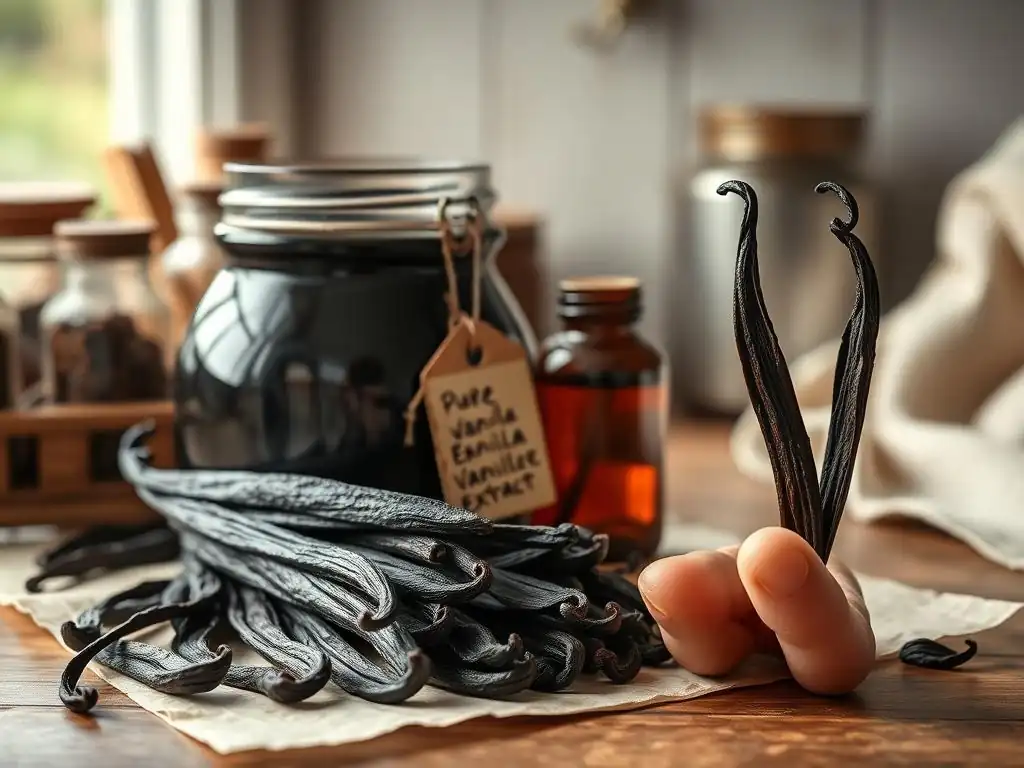
Proper storage is essential for preserving the quality and maximizing the lifespan of both vanilla beans and vanilla extract. Incorrect storage can lead to dried-out beans, weakened extract flavor, or even spoilage. Investing in quality vanilla means also investing a little care in how you keep it.
Understanding the best practices for storing vanilla ensures that your ingredients remain potent and flavorful, ready to enhance your baking whenever inspiration strikes. This is particularly important given the cost of vanilla beans and pure extract.
How to Store Vanilla Beans for Long-Term Freshness
The key to storing vanilla beans is to keep them from drying out while also allowing them to "breathe" slightly to prevent mold. The worst place to store them is in the refrigerator, which is too cold and dry.
The best method is to store vanilla beans in an airtight glass container (like a jar or test tube) at room temperature, away from direct sunlight and heat. Some sources recommend wrapping them lightly in wax paper or plastic wrap before placing them in the container.
If they start to dry out, you can briefly place them in a slightly humid environment (like a sealed container with a damp paper towel for a few hours, not touching the beans) to rehydrate them slightly, but be very careful to avoid mold. Properly stored, vanilla beans can last for 1-2 years or even longer, though their aroma may mellow over time.
Best Practices for Storing Vanilla Extract
Pure vanilla extract, thanks to its alcohol content, has a very long shelf life. It doesn't technically expire, though its flavor can gradually diminish over many years. The key to maintaining its quality is similar to beans: store it in a cool, dark place, away from direct sunlight and heat.
Keep the bottle tightly sealed when not in use to prevent the alcohol and aromatic compounds from evaporating. Storing it in your pantry is ideal. Avoid storing it near the stove or in a window. While refrigeration won't harm it, it's not necessary and room temperature storage is perfectly fine. Imitation vanilla extract also benefits from similar storage conditions, though its synthetic compounds are generally more stable.
Troubleshooting Vanilla Flavor in Baking: Tips and Tricks
Even with the best ingredients, sometimes the vanilla flavor in your baked goods doesn't turn out quite as expected. It might be too weak, or perhaps taste slightly off. Understanding common pitfalls and how to address them can save your baking efforts and ensure your vanilla truly shines.
These tips apply whether you're using vanilla bean vs extract, as both can present challenges if not used correctly. A little knowledge goes a long way in achieving that perfect vanilla note.
My Vanilla Flavor is Weak: What Went Wrong?
If your vanilla flavor is underwhelming, several factors could be at play.
- Not enough vanilla: The most common issue. Recipe ratios are important, but sometimes you might just need a little more, especially if other strong flavors are present.
- Poor quality vanilla: Low-quality beans or imitation extract will simply not provide robust flavor. Investing in good pure extract or fresh, pliable beans makes a difference.
- Adding extract too early: In recipes with long cooking times or high heat, adding extract too early can cause the volatile flavor compounds to evaporate. Try stirring it in towards the end of mixing or just before baking.
- Dried out beans: If using beans, ensure they are relatively fresh and pliable. Dried, brittle beans have lost much of their aromatic oil.
- Flavor masked by other ingredients: Very strong flavors like intense chocolate, coffee, or spices can easily overpower vanilla.
Consider doubling the vanilla next time, using a higher quality product, or adjusting when you add it to the recipe.
Avoiding a Bitter Vanilla Taste: Common Mistakes and Solutions
A bitter or unpleasant aftertaste from vanilla can occur for a few reasons.
- Overheating extract: While extract holds up better than some delicate flavors, prolonged exposure to very high heat can potentially alter its flavor profile, sometimes resulting in bitterness.
- Using imitation extract: Some synthetic vanillin products can have a chemical or slightly bitter note, especially when used in large quantities. Pure vanilla extract is less likely to cause this issue.
- Issues with the beans: Very old, poorly stored, or moldy vanilla beans can develop off-flavors, including bitterness. Ensure your beans are fresh and stored correctly.
- Vanillin concentration: In rare cases, an extremely high concentration of vanillin, either from using too much extract or a particularly potent bean, might be perceived as slightly bitter by some palates.
To avoid bitterness, always use high-quality pure vanilla extract or fresh beans. Add extract at the appropriate stage in the recipe. If using beans, ensure they are not past their prime.
Conclusion: Choosing the Right Vanilla for Your Baking Needs
Ultimately, the choice between vanilla bean vs extract comes down to the specific recipe, your budget, and the desired outcome. For recipes where vanilla is the star – like custards, ice cream, or panna cotta – and you want the most complex flavor and visual appeal, the vanilla bean is often the superior choice, despite its higher cost and extra effort.
For everyday baking – cookies, cakes, muffins, frostings – where convenience, cost-effectiveness, and consistent flavor are priorities, pure vanilla extract is an excellent and reliable option. It effortlessly integrates into batters and provides that essential vanilla background note.
Understanding the nuances of vanilla bean vs extract empowers you to make informed decisions in the kitchen. Consider experimenting with both, perhaps making your own extract from Grade B beans and reserving your Grade A beans for special occasion desserts. By choosing the right vanilla product for the job, you can ensure your baked goods are always infused with delicious, aromatic flavor, elevating your baking from good to truly exceptional.
Frequently Asked Questions
What is the main difference between using vanilla bean and vanilla extract in baking?
The main difference lies in the source of flavor and intensity. Vanilla beans offer a more complex, subtle flavor, while vanilla extract provides a more concentrated and direct vanilla taste.
When is it best to use a vanilla bean instead of vanilla extract?
Vanilla beans are ideal when you want visible vanilla specks and a nuanced flavor profile. Think creamy desserts like panna cotta or custards, where the visual appeal and delicate taste shine.
Is there a specific ratio to substitute vanilla extract for vanilla bean?
Generally, one vanilla bean scraped is roughly equivalent to 1 tablespoon of vanilla extract. However, adjust to your taste preference as bean strength can vary.
How should I store vanilla beans and vanilla extract to maximize their shelf life?
Vanilla beans should be stored in an airtight container in a cool, dark place. Vanilla extract should also be kept in a cool, dark location, away from direct sunlight, to prevent flavor degradation.
Are there any cost considerations when choosing between vanilla bean and vanilla extract?
Yes, vanilla beans are typically significantly more expensive than vanilla extract. Consider the cost and the desired flavor impact when making your choice for a recipe.
Final Reflection: The Enduring Allure of Vanilla
The subtle nuances of vanilla, often overlooked, reveal a surprising depth of flavor and a connection to culinary history that remains profoundly relevant today. From the humble bean to the convenient extract, the choice impacts not only the taste of our creations but also our understanding of ingredient sourcing and the artistry of cooking. The seemingly simple question of bean versus extract opens a door to a world of flavor exploration and mindful consumption.
The enduring popularity of vanilla, regardless of its form, speaks volumes about its versatility and its ability to transcend cultural boundaries. Its comforting aroma and familiar taste evoke feelings of nostalgia and warmth, connecting us to cherished memories and traditions passed down through generations. Vanilla is the queen of flavors, and she reigns supreme.
- While this quote's origin is uncertain, its sentiment perfectly captures the enduring power of this remarkable ingredient. Understanding the differences between bean and extract allows us to appreciate this "queen" on a deeper level, choosing the form that best suits our culinary ambitions and personal preferences.
Now, consider your own kitchen. What recipes have you always relied on vanilla extract for? Could exploring the richer, more complex notes of the vanilla bean elevate those dishes to a new level? I encourage you to experiment, to embrace the journey of discovery that lies within the seemingly simple choice between bean and extract. Let the aroma guide you, let the taste inspire you, and let the experience enrich your understanding of this timeless ingredient. The world of vanilla awaits your exploration.
Unleash Your Inner Pastry Chef: Mastering Vanilla's Nuances
Thanks for exploring the wonderful world of vanilla with us! We hope you now feel more confident in choosing between beans and extract for your baking masterpieces. Ready to put your newfound knowledge into practice?
- Bake a batch of vanilla bean scones: This is your chance to truly savor the superior flavor of vanilla bean paste. Imagine that incredible aroma filling your kitchen!
- Share your vanilla creations: Show off your baking skills and inspire others by posting photos of your vanilla-infused treats on social media. Use #BakeWithEaseVanilla to connect with our community!
- Experiment with different vanilla types in a single recipe: Try substituting vanilla extract for bean paste (or vice versa) in your favorite cookie recipe to taste the subtle differences. What flavors stand out the most?
What's your favorite way to use vanilla in your baking – and which type do you prefer? Let's discuss in the comments below!