
Decoding Baking with Very Wet Fruits

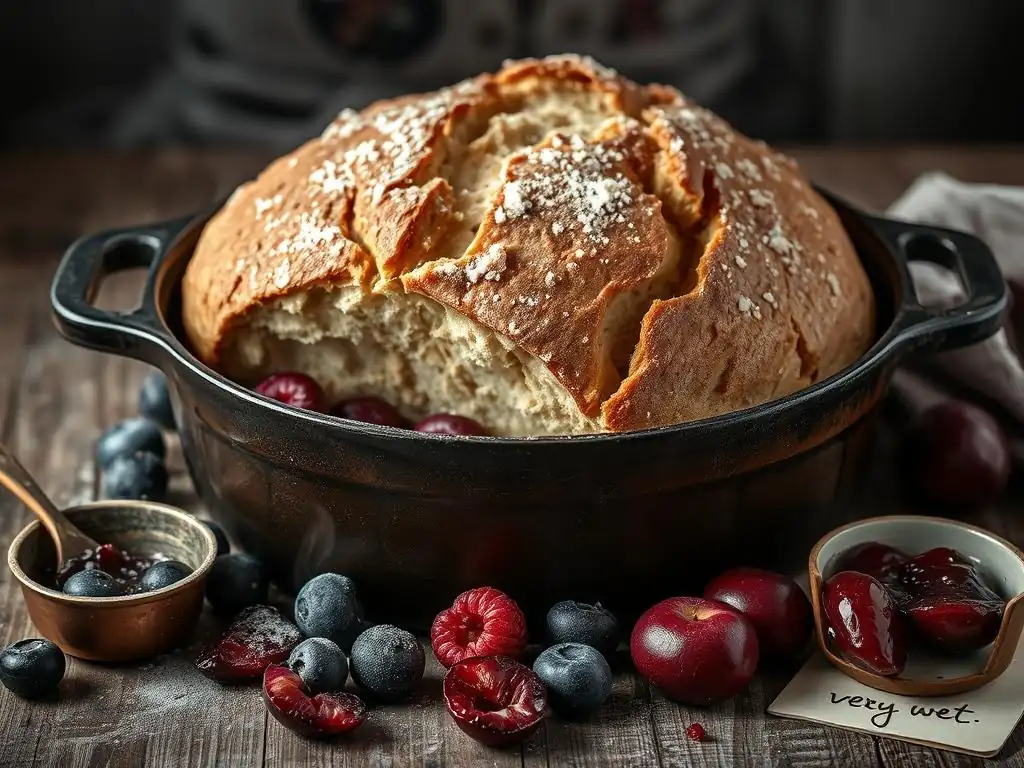
Welcome to BakeWithEase, your kitchen companion for unlocking the secrets of delicious baking! Ever wondered how to conquer the challenges of baking with juicy, succulent fruits? This week, we're diving deep into the world of wet fruit baking tips, revealing the secrets to achieving perfectly baked goods every time. Discover how to prevent soggy bottoms and maximize flavor, ensuring your fruit-filled creations are a resounding success. Intrigued? Let's get baking!
- Introduction to Baking with Juicy Fruits
- Understanding Fruit Moisture Content in Baking
- Essential Wet Fruit Baking Tips & Techniques
- Recipes Optimized for Wet Fruit: BakeWithEase Favorites
- Troubleshooting Common Problems When Baking with Wet Fruits
- Advanced Techniques for Baking with Extremely Wet Fruits
- Conclusion: Mastering the Art of Baking with Wet Fruits
-
Frequently Asked Questions
- How can I prevent my baked goods from becoming soggy when using wet fruits?
- What types of fruits are considered "wet" and require special baking considerations?
- Can I adjust my baking time or temperature when baking with wet fruits?
- Does the type of flour I use matter when baking with wet fruits?
- Are there any specific recipes that are better suited for baking with wet fruits?
- Final Reflection: The Sweet Science of Wet Fruit Baking
- Unlock Your Fruit Baking Potential!
Introduction to Baking with Juicy Fruits
Baking with fresh fruit is a joy, bringing vibrant flavors and delightful textures to cakes, pies, muffins, and more. However, some of the most beloved fruits, like berries and stone fruits, come with a significant challenge: their high moisture content. Mastering the art of baking with these juicy ingredients requires understanding how excess liquid interacts with your batter and dough, and implementing specific techniques to ensure delicious, perfectly baked results every time. This guide from BakeWithEase will walk you through essential wet fruit baking tips to help you conquer this common baking hurdle.
Navigating the world of baking can sometimes feel like a delicate science experiment, especially when introducing unpredictable elements like ripe fruit. The natural sugars and water in fruits can significantly alter the chemistry of a recipe, affecting everything from leavening agents to the final structure of your baked goods. But don't be intimidated! With the right knowledge and a few clever tricks up your sleeve, you can confidently incorporate even the juiciest fruits into your baking repertoire, unlocking new levels of flavor and enjoyment.
The Challenge of Wet Fruits in Baking
The primary challenge posed by wet fruits in baking is their substantial water content. When heated, this water is released into the surrounding batter or dough. In delicate pastries like pies, this excess moisture can quickly turn a flaky crust into a soggy, unappetizing layer, especially the bottom crust. For cakes and muffins, too much liquid can disrupt the balance of ingredients, leading to dense, heavy textures instead of light, airy ones.
Consider baking a classic blueberry muffin. A cup of fresh blueberries can contain roughly 1/4 cup of water. If this isn't accounted for, that extra liquid dilutes the batter, potentially interfering with gluten development and the action of baking powder or soda.
The result is often muffins that are gummy in the center and don't rise properly. Similarly, a peach pie made with very ripe, juicy peaches can release so much liquid during baking that the filling becomes watery, failing to set, and the bottom crust remains stubbornly pale and soft. Effective wet fruit baking tips are crucial for preventing these common pitfalls.
Why Bake with Wet Fruits? Flavor and Texture Benefits
Despite the challenges, baking with wet fruits offers unparalleled rewards in terms of flavor and texture. The natural sweetness and slight acidity of fruits like strawberries, raspberries, cherries, and peaches provide a complex counterpoint to rich, buttery baked goods. As the fruit bakes, its flavors concentrate and meld with the surrounding ingredients, creating depth and brightness that artificial flavorings simply cannot replicate.
Beyond flavor, wet fruits contribute unique textures. Softened berries burst in your mouth, pockets of warm, jammy fruit add delightful surprises, and the slight chewiness of baked apple chunks provides contrast. Think of the comforting warmth of a cherry cobbler with pockets of bubbling fruit, or the vibrant tang of a lemon-blueberry loaf. These experiences are only possible when we embrace the challenge of wet fruit baking. The concentrated flavor and tender texture of properly baked fruit are well worth the effort required to manage their moisture content.
Understanding Fruit Moisture Content in Baking
To effectively bake with wet fruits, it's essential to understand which fruits are particularly high in moisture and how that moisture impacts the baking process. Not all fruits are created equal when it comes to water content, and recognizing the 'culprits' is the first step in applying the right wet fruit baking tips. This knowledge helps you anticipate potential issues and choose appropriate strategies before you even start mixing your ingredients.
Different fruits behave very differently in the oven. Apples and pears, for instance, tend to soften but hold their shape relatively well, and their moisture release is more gradual. Berries and stone fruits, on the other hand, often break down more readily and release a significant amount of liquid quickly under heat. Understanding these distinctions is fundamental to successful wet fruit baking.
High-Moisture Fruits: Identifying the Culprits
Certain fruits are notorious for their high water content, making them particularly challenging in baking unless proper techniques are used. Berries are prime examples; strawberries are about 92% water, raspberries around 87%, and blueberries hover near 85%. When a cup of these fruits is heated, a substantial amount of liquid is released.
Stone fruits like peaches (around 89% water), plums (around 87%), and cherries (around 82%) also fall into this category, especially when very ripe. Tropical fruits such as pineapple (around 86% water) and mango (around 83%) can also pose moisture challenges in baked goods. Recognizing these high-moisture fruits is key to applying the most effective wet fruit baking tips from the outset of your recipe.
How Fruit Moisture Affects Baking Outcomes: Soggy Crusts, Uneven Baking
Excess moisture released by fruits during baking can wreak havoc on the structure and texture of your baked goods. In pies and tarts, moisture seeping into the bottom crust prevents the gluten and starches from setting properly, resulting in a pale, doughy, or completely soggy layer that contrasts poorly with the flaky top crust. This is a common frustration when baking fruit pies.
In cakes, muffins, and quick breads, too much fruit moisture can dilute the batter, interfering with the leavening agents' ability to create lift. This often leads to a dense, heavy texture, and sometimes, a gummy streak near the bottom where the fruit juices have pooled. Uneven baking can also occur, with areas around the fruit remaining undercooked while the rest of the product bakes normally. Implementing effective wet fruit baking tips is necessary to counteract these issues and achieve a consistent, pleasant texture throughout.
Essential Wet Fruit Baking Tips & Techniques
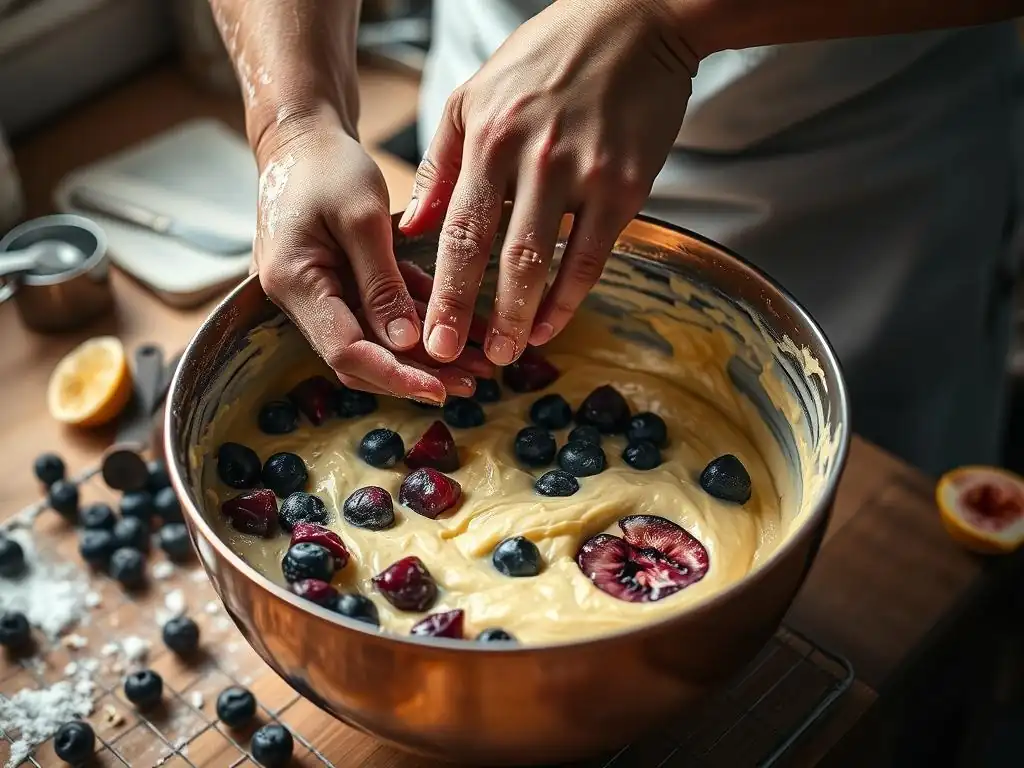
Mastering baking with high-moisture fruits involves a combination of selecting the right fruit, preparing it properly, adjusting your recipe, and optimizing your baking process. These essential wet fruit baking tips are your toolkit for success. By applying these techniques, you can mitigate the challenges posed by excess moisture and ensure your baked goods turn out beautifully.
Think of these tips as layers of defense against sogginess and structural failure. You don't necessarily need to use every tip for every recipe, but understanding each one allows you to choose the best approach based on the fruit you're using and the type of baked good you're making. Experimentation, guided by these principles, is part of the fun of wet fruit baking.
Tip 1: Choosing the Right Fruits for Baking
Selecting the appropriate fruit is the first crucial step in successful wet fruit baking. Not all fruits, even of the same type, are equally suited for baking straight into a batter or dough. The ripeness and even the variety of the fruit can significantly impact its moisture content and how it behaves under heat.
Making a conscious choice about the fruit you use can prevent many problems before they even arise. A slightly underripe peach, for instance, will release less liquid than a fully ripe, dripping-juicy one. Knowing which fruits are best suited for specific applications is a valuable wet fruit baking tip.
Selecting Fruits at the Peak of Ripeness (But Not Overripe)
For most baked goods, you want fruit that is ripe enough to be flavorful and sweet, but not so overripe that it's mushy and excessively juicy. For example, when baking with peaches or plums, choose fruits that yield slightly to gentle pressure but aren't soft or bruised. Berries should be plump and firm, not collapsing or leaking juice.
Overripe fruit not only releases more moisture but can also break down too much during baking, losing its shape and texture. Aim for fruit that is vibrant in color and has a pleasant aroma, indicating good flavor, but still holds its structure well. This balance is key to managing moisture and maintaining fruit integrity in your baked goods.
Considering Fruit Acidity and Its Impact on Baking
The acidity of the fruit can also play a role in baking. Acidic fruits, like raspberries, cranberries, and some varieties of apples and cherries, can interact with leavening agents like baking soda, affecting the rise of your baked goods. While a little acidity can enhance flavor and react positively with baking soda to create lift, excessive acidity might require recipe adjustments.
Furthermore, acidity can affect the setting of fruit fillings. Pectin, the natural gelling agent in fruit, works best within a specific pH range. Highly acidic fruits might require a little extra sugar or a pectin-rich helper fruit (like apple) to ensure the filling sets properly. Understanding the inherent characteristics of the fruit you're using is an important part of applying effective wet fruit baking tips.
Tip 2: Pre-Treating Wet Fruits Before Baking
One of the most effective wet fruit baking tips is to pre-treat the fruit before incorporating it into your recipe. This step directly addresses the excess moisture issue by either drawing out some of the liquid beforehand or coating the fruit to prevent it from releasing too much moisture into the surrounding dough or batter during baking.
Pre-treatment is particularly recommended for fruits known to be very wet, like strawberries, raspberries, and very ripe stone fruits. It's a proactive measure that significantly increases your chances of achieving a perfectly textured result, whether you're aiming for a flaky pie crust or a light muffin.
Macerating Fruits: Drawing Out Excess Moisture
Maceration involves tossing sliced or chopped fruit with sugar and sometimes a little lemon juice or liqueur, and letting it sit for a period (usually 15-30 minutes). The sugar draws out moisture from the fruit through osmosis, creating a syrupy liquid.
**Steps for Macerating Berries:**
*   Gently wash and hull/slice berries.
*   Place fruit in a bowl.
*   Add 1-2 tablespoons of granulated sugar per cup of fruit.
*   (Optional) Add a splash of lemon juice or liqueur.
*   Stir gently to coat.
*   Let stand for 15-30 minutes.
*   Drain the fruit, reserving the syrup if desired for another use (like a glaze).
Using macerated and drained fruit in your baked goods dramatically reduces the amount of free liquid introduced into the batter or dough, helping to prevent sogginess. This technique is particularly useful for pies and tarts where a firm filling and dry crust are paramount.
Tossing Fruits in Starch: Cornstarch, Tapioca Starch, or Flour
Coating wet fruit in a starch or flour is perhaps the most common and versatile wet fruit baking tip. The starch acts as a thickener, absorbing the juices released by the fruit as it bakes and preventing them from making the surrounding dough or batter soggy. Cornstarch and tapioca starch are excellent choices as they become clear and glossy when cooked, thickening effectively without making the sauce cloudy. Flour can also be used, though it provides a less glossy finish and requires slightly more volume to achieve the same thickening power.
For pies and fillings, tapioca starch is often preferred as it works well with acidic fruits and doesn't break down at high temperatures like cornstarch can. For muffins and cakes, tossing fruit in a tablespoon or two of flour (from the total amount called for in the recipe) or a teaspoon of cornstarch per cup of fruit is usually sufficient to prevent sinking and absorb excess moisture. This simple step is a game-changer for many wet fruit baking recipes.
Tip 3: Adjusting Your Baking Recipes for Wet Fruits
Sometimes, simply pre-treating the fruit isn't enough, especially with very wet fruits or recipes that are sensitive to moisture levels. Making slight adjustments to the overall recipe can help balance the extra liquid introduced by the fruit. These adjustments are key wet fruit baking tips for ensuring the final product has the correct structure and texture.
Recipe adjustments can involve reducing the liquid components already present in the recipe or increasing the dry ingredients to absorb the extra moisture. This requires a little intuition and understanding of your batter or dough consistency, but with practice, it becomes second nature.
Reducing Liquid in the Recipe: Compensating for Fruit Moisture
If you're using a significant amount of very wet fruit, you might need to slightly reduce the amount of other liquids in the recipe, such as milk, buttermilk, or water. This is a delicate balance; you don't want the batter to be too dry, but you need to account for the liquid the fruit will contribute.
For example, if a muffin recipe calls for 1 cup of milk and you're adding 1.5 cups of juicy blueberries, you might reduce the milk by 2-3 tablespoons. This compensates for the liquid released by the berries during baking. Start with small reductions, perhaps 1-2 tablespoons per cup of wet fruit, and adjust in future attempts based on your results. This is a more advanced wet fruit baking tip that comes with experience.
Increasing Dry Ingredients: Balancing the Liquid Ratio
Alternatively, you can slightly increase the dry ingredients, typically flour, to absorb the extra moisture from the fruit. This is often easier than reducing liquids, as adding flour is less likely to drastically change the batter consistency before baking.
For every cup of very wet fruit added to a cake or muffin batter, consider adding an extra tablespoon or two of flour beyond what the recipe calls for. This extra flour will help absorb the fruit juices as they are released. This is a simple yet effective wet fruit baking tip for maintaining the correct wet-to-dry ingredient ratio in your recipe.
Tip 4: Optimizing Baking Time and Temperature
How you bake your goods after adding wet fruit is just as important as how you prepare the fruit and the batter. Adjusting baking time and temperature can help ensure that the fruit cooks properly, releases its juices without overwhelming the pastry, and that the entire product bakes through evenly. These are critical wet fruit baking tips for achieving the desired final texture.
The goal is to bake long enough for the excess moisture to evaporate and the starches (either from the fruit, batter, or added thickeners) to fully gelatinize and set, while preventing the outside from burning. This often requires a slight deviation from standard baking instructions.
Baking at a Slightly Higher Temperature
For items like pies and tarts, starting the bake at a slightly higher temperature (e.g., 400-425°F) for the first 15-20 minutes can be beneficial. The initial burst of heat helps to set the crust quickly, particularly the bottom crust, before the fruit has a chance to release a large amount of liquid.
After the initial high-temperature period, the temperature is typically reduced to a more moderate level (e.g., 375-350°F) for the remainder of the baking time. This two-stage baking method helps ensure a crisp crust and a properly cooked filling. This technique is a cornerstone of many wet fruit baking tips for pies.
Extending Baking Time for Thorough Cooking
Wet fruits introduce extra moisture that needs to evaporate or be absorbed during baking. This often means that baked goods containing wet fruits will require a longer baking time than versions made with drier additions (like chocolate chips or nuts).
Be prepared to bake your fruit-filled goods for an extra 5-15 minutes, or even longer for large items like pies or loaves. Don't rely solely on visual cues like the top browning; check for doneness using appropriate methods, such as a skewer inserted into the cake (it should come out with moist crumbs, not wet batter) or checking if the fruit filling in a pie is bubbling thickly. Patience is a virtue when applying wet fruit baking tips regarding bake time.
Tip 5: Using the Right Baking Pans and Techniques
The equipment and techniques you use during baking can also significantly impact the outcome when dealing with wet fruits. Choosing the right pan material and employing simple preventative measures can help manage moisture and promote even baking, especially preventing dreaded soggy bottoms. These practical wet fruit baking tips can make a big difference.
Even with perfectly prepared fruit and batter, the wrong pan or baking method can lead to disappointment. Optimizing your baking setup is the final layer of defense against moisture-related issues.
Dark-Colored Pans for Better Crust Development
Dark-colored metal baking pans absorb and radiate heat more efficiently than light-colored or shiny pans. This can be advantageous when baking items prone to soggy bottoms, such as fruit pies, tarts, or even fruit-filled cakes baked in Bundt pans.
The increased heat transfer to the bottom and sides of the pan helps promote better browning and crust development, assisting in setting the dough or batter before it becomes saturated with fruit juices. If using dark pans, you might need to slightly reduce the oven temperature (by about 25°F) compared to recipes developed for light-colored pans to prevent over-browning.
Parchment Paper and Pie Weights: Preventing Soggy Bottoms
For pies and tarts, using parchment paper and pie weights during a blind bake is an essential wet fruit baking tip if your recipe calls for a pre-baked crust. This sets the bottom crust before the moist filling is added. After blind baking, removing the weights and paper and giving the crust a few extra minutes to brown helps seal the surface, creating a barrier against moisture from the filling.
Even for single-crust pies baked with the filling, placing a baking sheet or pizza stone on the bottom rack of your oven and placing the pie directly on it can help. The hot surface transfers heat quickly to the bottom of the pie dish, promoting browning and preventing sogginess. This indirect heat transfer is a simple but effective technique.
Recipes Optimized for Wet Fruit: BakeWithEase Favorites
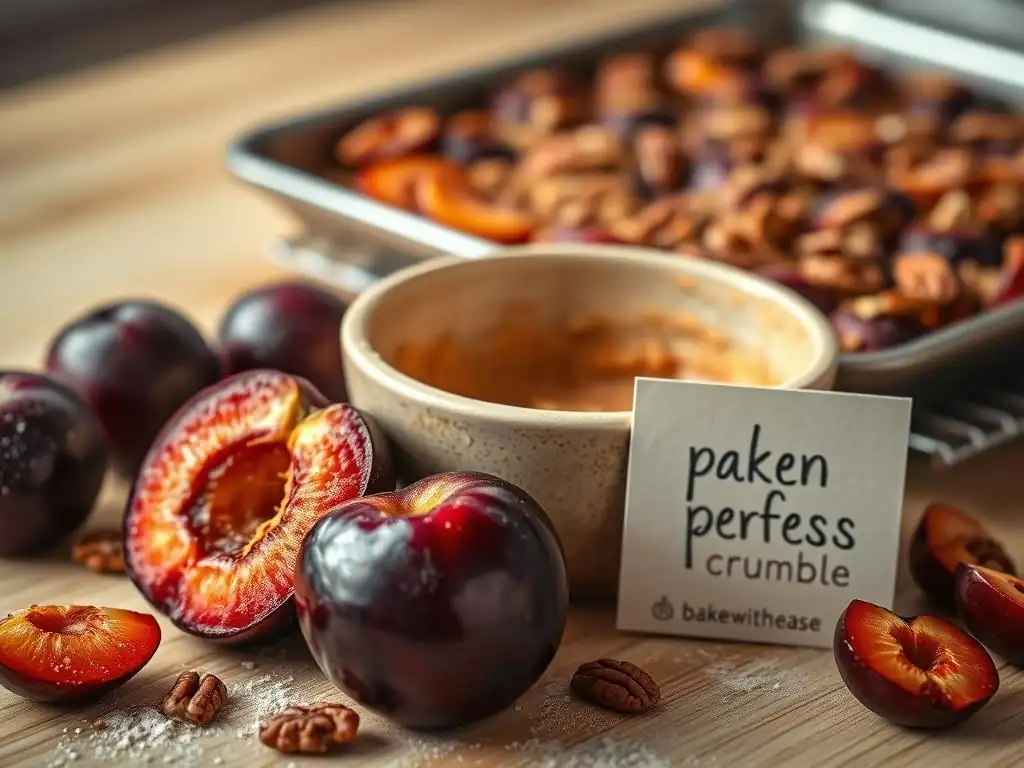
Applying these wet fruit baking tips is best learned through practice. Here are a few BakeWithEase favorite recipes that are specifically designed to handle the challenges of baking with juicy fruits, incorporating many of the techniques discussed. Trying recipes with built-in strategies is a great way to build confidence.
These recipes have been tested and refined to produce excellent results despite the high moisture content of their star ingredients. They serve as excellent examples of how to successfully integrate wet fruits into delicious baked goods.
Strawberry Rhubarb Pie
This classic pie combination features two high-moisture ingredients: strawberries (92% water) and rhubarb (94% water). A successful strawberry rhubarb pie relies heavily on proper thickening and crust preparation.
Our BakeWithEase recipe uses a combination of tapioca starch and a touch of flour to absorb the abundant juices. The fruit is often tossed with sugar and the thickeners before being added to the crust. We also recommend blind baking the bottom crust partially and starting the bake at a higher temperature to ensure a firm, flaky base that stands up to the juicy filling. A standard recipe might call for 1/2 cup of thickener for 6-8 cups of fruit.
Blueberry Muffins
Blueberries are notorious for sinking and creating wet pockets in muffins. A great blueberry muffin recipe addresses this by tossing the blueberries in a small amount of flour from the recipe's total dry ingredients before folding them into the batter.
This light coating of flour helps the blueberries suspend in the batter during baking and also absorbs some of the moisture as it's released. Our recipe might suggest using 1.5 cups of blueberries tossed with 1-2 tablespoons of flour from the measured amount, ensuring even distribution and preventing a gummy bottom layer.
Cherry Clafoutis
Clafoutis is a French dessert traditionally made by baking unpitted cherries in a thick, custard-like batter. While the custard sets, the cherries release their juices, creating pockets of intense flavor. The success of a clafoutis depends on the batter being thick enough to support the fruit and allow the custard to set around it.
Our recipe uses a slightly thicker batter than some traditional versions and recommends using sweet or tart cherries, which have slightly less water than berries. Baking time is crucial to ensure the custard is fully set but still has that characteristic tender texture, often requiring 40-50 minutes at 375°F.
Troubleshooting Common Problems When Baking with Wet Fruits
Even with the best wet fruit baking tips, you might occasionally encounter issues. Knowing how to identify common problems and what causes them is key to improving your results next time. Don't get discouraged; troubleshooting is part of the baking journey.
Most problems related to wet fruit baking stem from the moisture content. Understanding the root cause helps you apply the correct fix.
Soggy Crusts: Causes and Solutions
Soggy crusts, particularly the bottom crust of pies and tarts, are the most frequent complaint when baking with wet fruits.
**Common Causes:**
*   Too much moisture in the fruit.
*   Insufficient thickening of the fruit filling.
*   Under-baked crust.
*   Crust not sealed properly against moisture.
Solutions:
- Pre-treat fruit (macerate and drain, or toss with starch).
- Increase the amount of thickener (cornstarch, tapioca starch, flour) in the filling.
- Partially blind bake the bottom crust before adding the filling.
- Use a hot baking surface (baking sheet or pizza stone) in the oven.
- Bake at a higher initial temperature.
- Ensure the pie is baked long enough for the filling to bubble thickly.
Uneven Baking: Ensuring Consistent Results
Uneven baking can manifest as a perfectly baked edge with a wet, undercooked center, especially in cakes or muffins heavily laden with wet fruit.
**Common Causes:**
*   Fruit sinking to the bottom (pooling moisture).
*   Oven hot spots.
*   Overcrowding the oven.
Solutions:
- Toss fruit in flour or starch to prevent sinking.
- Rotate baking pans halfway through the baking time.
- Avoid placing too many items in the oven at once, which can obstruct airflow.
- Ensure the batter consistency is correct – not too thin.
Fruit Sinking to the Bottom: Preventing Sedimentation
Wet, heavy fruits tend to sink to the bottom of lighter batters, leading to uneven distribution and potentially a gummy layer at the base of cakes or muffins.
**Common Causes:**
*   Fruit is too wet and heavy.
*   Batter is too thin.
*   Fruit not coated properly.
Solutions:
- Make sure fruit is well-drained if macerated.
- Always toss wet fruit in flour or starch before adding to batter. Use about 1-2 tablespoons of flour per cup of fruit for muffins/cakes.
- Ensure your batter is not overmixed (which can thin it) and has the correct consistency. A thicker batter holds fruit better.
- For very heavy or wet fruits, consider layering batter and fruit instead of mixing it all in at once.
Advanced Techniques for Baking with Extremely Wet Fruits
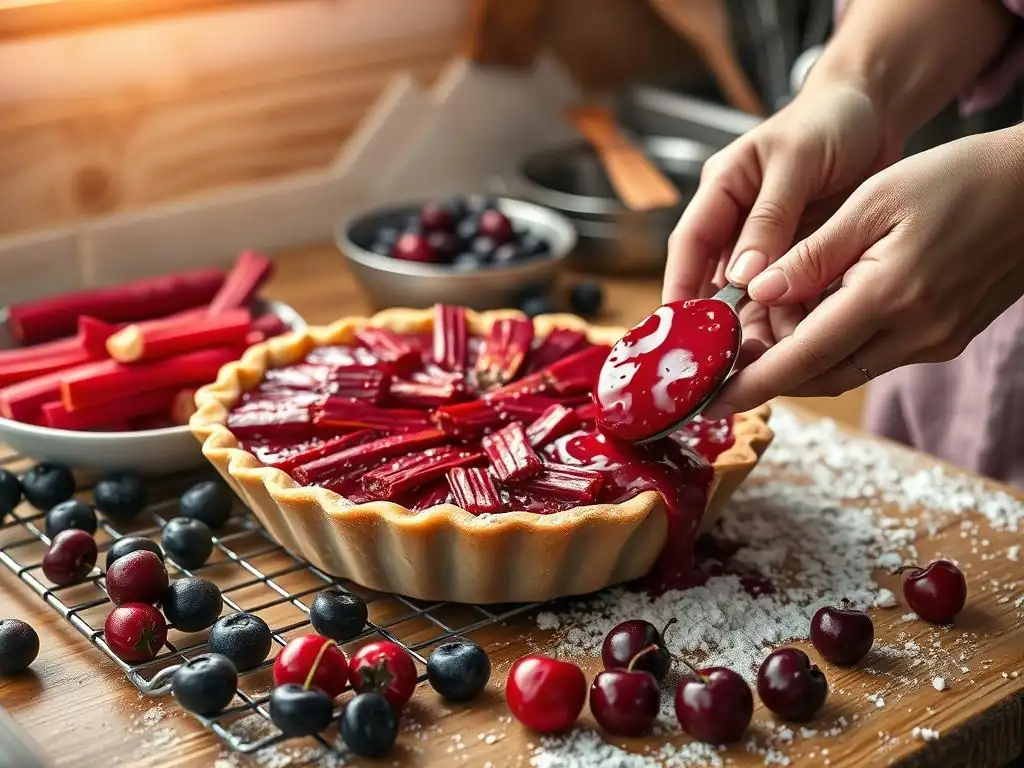
For fruits that are exceptionally juicy or when you need maximum control over moisture, you can explore more advanced wet fruit baking tips. These techniques often involve altering the fruit's state before it even goes into the baked good, offering intense flavor with reduced moisture.
These methods are particularly useful when developing recipes where moisture control is critical, or when you want to achieve a specific texture or flavor concentration.
Dehydrating Fruits Before Baking: Concentrating Flavor
Partially dehydrating wet fruits before baking can dramatically reduce their water content while concentrating their flavor. This is especially useful for berries or thinly sliced stone fruits.
You can achieve this by:
- Spreading fruit on a baking sheet lined with parchment paper.
- Baking in a very low oven (around 200-250°F) for 30-60 minutes, or until slightly shriveled but still pliable.
- Alternatively, use a food dehydrator according to the manufacturer's instructions until the desired moisture level is reached.
Using partially dehydrated fruit in muffins or cakes prevents them from releasing excessive water and sinking, resulting in more evenly baked goods with bursts of intense fruit flavor.
Fruit Purees and Concentrates: Intense Fruit Flavor Without Excess Moisture
Using fruit purees or concentrates instead of whole fresh fruit is another way to infuse baked goods with intense fruit flavor without introducing large amounts of free liquid. This is particularly useful in batters or doughs where whole fruit pieces might cause structural issues.
For example, instead of adding fresh raspberry pieces to a delicate cake batter, you could reduce fresh raspberries into a thick sauce or puree and swirl it into the batter. This provides flavor and color with minimal added water. Ensure the puree or concentrate is reduced sufficiently on the stovetop to evaporate excess water before use. This approach is often seen in professional patisserie for achieving strong, consistent fruit flavors.
Conclusion: Mastering the Art of Baking with Wet Fruits
Baking with wet fruits presents unique challenges, but by understanding the science behind moisture in baking and applying these essential wet fruit baking tips, you can overcome them. From choosing the right fruit and pre-treating it effectively to adjusting your recipes and optimizing your baking process, each step contributes to a successful outcome. Don't shy away from those juicy berries or ripe peaches; embrace them!
With practice, you'll develop an intuition for how different fruits behave and which techniques work best for various baked goods. The reward is delicious, flavorful, and beautifully textured treats that highlight the natural goodness of fresh fruit. Happy baking!
Embrace the Flavor: Experimenting with Different Wet Fruit Combinations
Now that you're equipped with effective wet fruit baking tips, it's time to get creative! Don't limit yourself to traditional pairings. Experiment with combining different high-moisture fruits, such as strawberry and blueberry in a buckle, or peach and raspberry in a crumble. Consider adding complementary flavors like citrus zest, spices (cinnamon, ginger, cardamom), or herbs (basil with strawberries, thyme with peaches) to enhance the fruit's natural taste.
Think about texture too. Combining a fruit that breaks down easily (like raspberries) with one that holds its shape better (like cherries) can add complexity to your filling or batter. The possibilities are endless once you feel confident in your ability to manage the moisture. Try a plum and almond cake, or a blackberry and apple turnover, applying the principles you've learned to ensure a perfect bake.
Continuing Your Baking Journey with BakeWithEase
Mastering wet fruit baking is just one step in your culinary adventure. BakeWithEase is here to support you with countless recipes, techniques, and tips covering every aspect of baking. Whether you're perfecting your pie crust, learning the nuances of sourdough, or exploring delicate pastries, we have the resources to help you grow your skills.
Keep experimenting, keep learning, and most importantly, keep baking! Share your successes and challenges with our community. The more you practice these wet fruit baking tips and explore new recipes, the more confident and skilled you will become. Visit BakeWithEase.com for more guides, recipes, and inspiration to continue your delicious baking journey.
Frequently Asked Questions
How can I prevent my baked goods from becoming soggy when using wet fruits?
To avoid sogginess, ensure you drain excess juice from the fruit before adding it to the batter. You can also toss the fruit in flour to help absorb moisture during baking.
What types of fruits are considered "wet" and require special baking considerations?
Examples of wet fruits include berries (like blueberries and raspberries), peaches, plums, and even certain types of apples that release a lot of juice when heated.
Can I adjust my baking time or temperature when baking with wet fruits?
Often, you'll need to increase baking time slightly to ensure the baked good is fully cooked through. Lowering the temperature a bit can also help prevent the outside from burning before the inside sets.
Does the type of flour I use matter when baking with wet fruits?
Yes, using a higher protein flour like bread flour can help absorb more moisture and provide more structure to the baked good. This is often preferred over cake flour.
Are there any specific recipes that are better suited for baking with wet fruits?
Recipes like crumbles, pies, and some muffins are designed to contain and utilize the moisture from wet fruits. Quick breads also work well.
Final Reflection: The Sweet Science of Wet Fruit Baking
Mastering the art of baking with very wet fruits isn't just about avoiding a soggy mess; it's about unlocking a world of flavor and texture. The techniques explored in this article—from proper fruit preparation and flour adjustments to strategic baking strategies—are crucial for anyone looking to elevate their baking game, regardless of skill level. This isn't just about following recipes; it's about understanding the fundamental principles of moisture management in baking.
The impact of understanding wet fruit baking extends far beyond the kitchen. It's about embracing imperfection and learning to adapt. Many recipes fail not because of a lack of skill, but because of a lack of understanding of the ingredients' inherent properties. This understanding allows for creativity and experimentation, pushing the boundaries of traditional recipes. The best bakers are the ones who aren't afraid to fail, because they learn from every mistake.
This quote perfectly encapsulates the spirit of this article – embracing the challenges of wet fruit baking to achieve truly exceptional results.
Now, it's your turn. Consider the next time you encounter a recipe calling for juicy berries, plump peaches, or succulent cherries. Don't shy away from the challenge; instead, embrace the opportunity to apply the techniques discussed here. Experiment, adapt, and most importantly, enjoy the process of transforming seemingly problematic ingredients into delightful baked goods. The journey of mastering wet fruit baking is a rewarding one, filled with delicious discoveries and the satisfaction of creating something truly special.
Unlock Your Fruit Baking Potential!
Thanks for diving into the world of baking with wet fruits! We hope you gained valuable insights and are ready to experiment in the kitchen. Now it’s time to put your new knowledge into action.
- Try our recipe for juicy berry muffins: This recipe specifically addresses the challenges of wet fruit and will show you how easy it is to achieve perfect results. Let us know how it goes!
- Share your baking triumphs (and challenges!): We’d love to see your creations and hear about your experiences. Post your photos on social media with #BakeWithEaseWetFruit.
- Explore our other fruit baking guides: Dive deeper into different techniques and recipes for all types of fruits, including seasonal favorites.
Ready to transform those juicy fruits into delicious baked goods? What’s your favorite wet fruit to bake with, and what delicious recipe are you going to try first?