
Choosing the Right Fresh Fruit for Your Bake

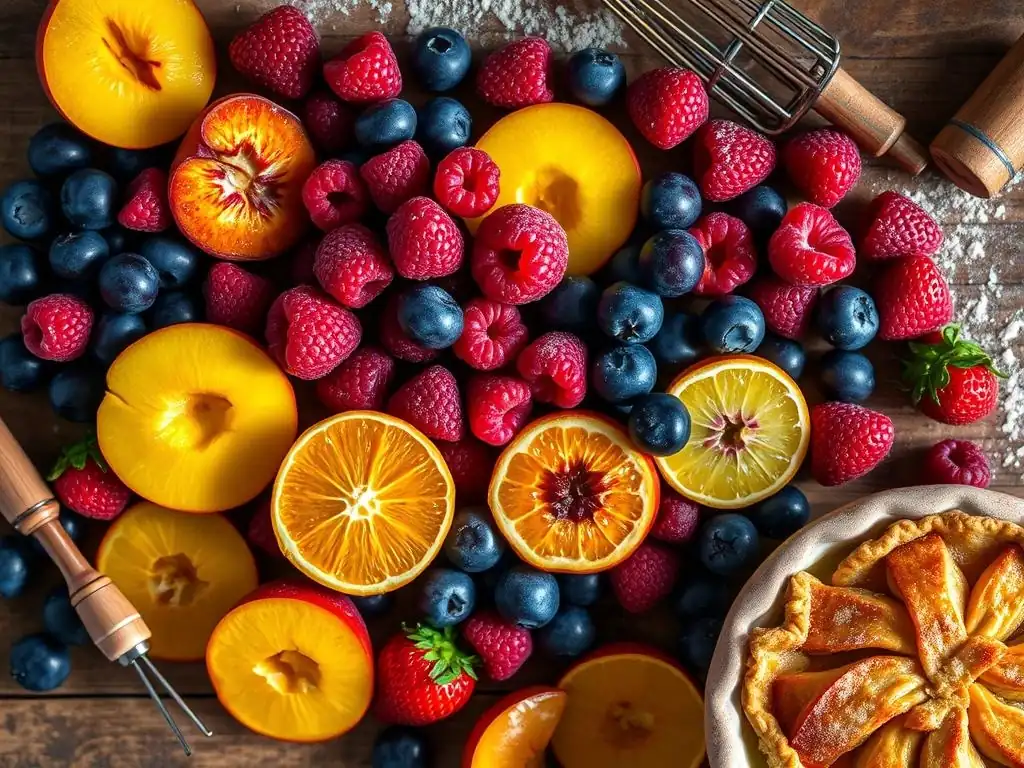
Welcome to BakeWithEase, your kitchen companion for turning baking dreams into delicious realities! Ever wondered how to elevate your baked goods with the vibrant flavors of seasonal produce? This time, we're diving deep into the world of fresh fruit baking recipes. But which fruits truly shine in the oven? Discover the secrets to choosing the perfect fruit, unlocking a symphony of flavors that will transform your next bake. Let's get started!
- Choosing the Right Fresh Fruit for Your Bake: A BakeWithEase Guide
- Introduction: Elevating Your Baking with Fresh Fruit
- Understanding Fruit Characteristics for Optimal Baking Results
- Exploring Fresh Fruit Options for Baking
- Matching Fruit to Your Baking Recipe: A Practical Guide
- Preparing Fresh Fruit for Baking: Essential Techniques
- Tips for Successful Fresh Fruit Baking
- Storing Fresh Fruit for Baking: Maximizing Freshness
- Conclusion: Mastering the Art of Baking with Fresh Fruit
-
Frequently Asked Questions
- What are some general tips for choosing fresh fruit for baking?
- How does the moisture content of fresh fruit affect baking?
- Are frozen fruits a suitable substitute for fresh fruit in baking recipes?
- How can I prevent fruit from sinking to the bottom of my baked goods?
- What are some popular fresh fruits to use in baking recipes from BakeWithEase.com?
- Final Reflection: The Sweet Symphony of Fresh Fruit and Baking
- Unlock Your Baking Potential: Discover Fruit Perfection!
Choosing the Right Fresh Fruit for Your Bake: A BakeWithEase Guide
Introduction: Elevating Your Baking with Fresh Fruit
Baking is a delightful journey, and adding fresh fruit can transform a simple recipe into a vibrant, flavorful masterpiece. The natural sweetness, varied textures, and beautiful colors of fresh fruit bring an unparalleled dimension to cakes, pies, muffins, and more. It’s not just about adding flavor; it’s about introducing moisture, acidity, and structure that interact with other ingredients in fascinating ways. Mastering the use of fresh fruit is a key step in expanding your baking skills and creating truly memorable desserts.
At BakeWithEase, we believe that everyone can bake delicious treats, and working with fresh fruit is incredibly rewarding. Whether you're a beginner attempting your first apple pie or an experienced baker perfecting a berry tart, understanding how different fruits behave when heated is crucial. This guide is designed to help you navigate the wonderful world of fresh fruit in baking, ensuring your creations are not only beautiful but also perfectly balanced in taste and texture. Get ready to discover how to pick the best fruit for your next baking adventure!
The Allure of Fresh Fruit in Baking: A Flavor and Texture Boost
Fresh fruit offers a complexity that processed or canned options often lack. Its inherent sugars caramelize beautifully during baking, enhancing sweetness, while natural acids cut through richness, providing balance. Think of the bright tang of raspberries in a rich chocolate cake or the soft, yielding texture of baked pears nestled in a buttery tart crust. This interplay of sweet, tart, soft, and sometimes slightly firm textures elevates the overall sensory experience of your baked goods.
Beyond flavor, fresh fruit contributes significantly to the texture and moisture of your bake. Fruits high in pectin, like apples and some berries, can help set fillings, providing structure. Juicier fruits, while needing careful handling to prevent sogginess, can keep cakes and muffins wonderfully moist. For example, a banana bread made with ripe fresh bananas is naturally moist and tender due to the fruit's high moisture and sugar content, often requiring less added fat. Understanding these characteristics is the first step to successful fresh fruit baking recipes.
BakeWithEase's Guide to Selecting the Perfect Fruit for Your Recipes
Choosing the right fruit starts with understanding your recipe and the desired outcome. Are you making a delicate cake that needs a fruit that holds its shape, or a crumble where the fruit is meant to break down and become jammy? The ripeness of the fruit also plays a critical role; overly ripe fruit might become too mushy, while underripe fruit could be too hard or sour. For most fresh fruit baking recipes, ripe but still slightly firm fruit is ideal – it offers peak flavor without excessive juiciness that could lead to a soggy bake.
Consider the flavor profile you want to achieve. Do you want a vibrant burst of berry goodness, the comforting warmth of baked apples, or the zesty lift of citrus? Our guide will walk you through the characteristics of popular fruits used in baking, helping you make informed decisions. We'll delve into how factors like moisture content and acidity influence the baking process, equipping you with the knowledge to select the perfect fresh fruit for any recipe, from simple muffins to complex layered cakes.
Understanding Fruit Characteristics for Optimal Baking Results
Working successfully with fresh fruit in baking hinges on recognizing how its natural properties – moisture, acidity, and texture – interact with flour, sugar, fats, and leavening agents during the heat of the oven. Ignoring these factors can lead to common baking pitfalls like soggy bottoms, unevenly cooked centers, or fillings that don't set. By paying attention to these fundamental characteristics, you can anticipate how the fruit will behave and make necessary adjustments to your fresh fruit baking recipes.
This section breaks down the key attributes of fruit that directly impact your bake. We'll explore why a watery fruit needs different handling than a firm one, how acidity influences the balance of flavors and even the setting of fillings, and why maintaining some fruit structure is often desirable. Understanding these principles is empowering; it allows you to adapt recipes, troubleshoot issues, and confidently incorporate a wider variety of fresh fruits into your baking repertoire.
Moisture Content: How Water Affects Your Bake
Fruit is primarily water, and the amount of water it releases during baking significantly impacts the final texture of your baked goods. Fruits like strawberries (around 92% water) or very ripe peaches (often over 85% water) can release a large amount of liquid when heated. If this excess moisture isn't managed, it can lead to a soggy crust in pies and tarts, dense or gummy centers in cakes and muffins, and fillings that are too runny.
To counteract high moisture, bakers often employ techniques like tossing fruit with a thickener (like flour, cornstarch, or tapioca starch) before adding it to the batter or filling. For example, a typical blueberry pie filling might require 1/4 cup of cornstarch per 6 cups of blueberries to absorb the released juices and create a set filling. Another strategy is to slightly pre-cook very watery fruits to evaporate some moisture before incorporating them into the bake, particularly useful for pie fillings.
Acidity Levels: Balancing Sweetness and Tang
The acidity of fresh fruit plays a crucial role in balancing sweetness and enhancing other flavors in baked goods. Acidic fruits, such as lemons, cranberries, and some varieties of plums, provide a bright, tangy counterpoint to the sweetness of sugar and the richness of fats. This balance is key to preventing baked goods from tasting cloyingly sweet. For instance, a lemon drizzle cake relies heavily on the acidity of lemon juice and zest to provide its signature vibrant flavor.
Acidity also affects the setting of fillings, particularly those thickened with starch or eggs. Pectin, a natural gelling agent found in fruit, works best in acidic conditions, which is why acidic fruits like apples and berries are excellent for jams and pie fillings that set firmly. However, too much acidity can sometimes interfere with the le leavening agents (like baking soda) in cakes and muffins, potentially affecting their rise, though this is less common with most standard fresh fruit baking recipes.
Texture and Structure: Maintaining Shape During Baking
The texture and structure of fresh fruit determine how well it holds its shape during the high temperatures of baking. Some fruits, like apples (especially firmer varieties like Honeycrisp or Granny Smith) or pears, have a relatively firm structure due to their cell walls and pectin content, allowing them to soften but largely retain their form in pies and tarts. This provides pleasant pockets of fruit within the baked good.
Other fruits, such as raspberries or very ripe bananas, have a much softer structure and tend to break down significantly when heated, becoming more jammy or blending into the batter. While this is desirable in some fresh fruit baking recipes (like banana bread or a rustic raspberry crumble), it's important to choose fruits with sufficient structure if you want distinct pieces in your finished product. For example, using firm, slightly underripe peaches rather than overly soft ones will result in more defined peach slices in a cobbler.
Exploring Fresh Fruit Options for Baking
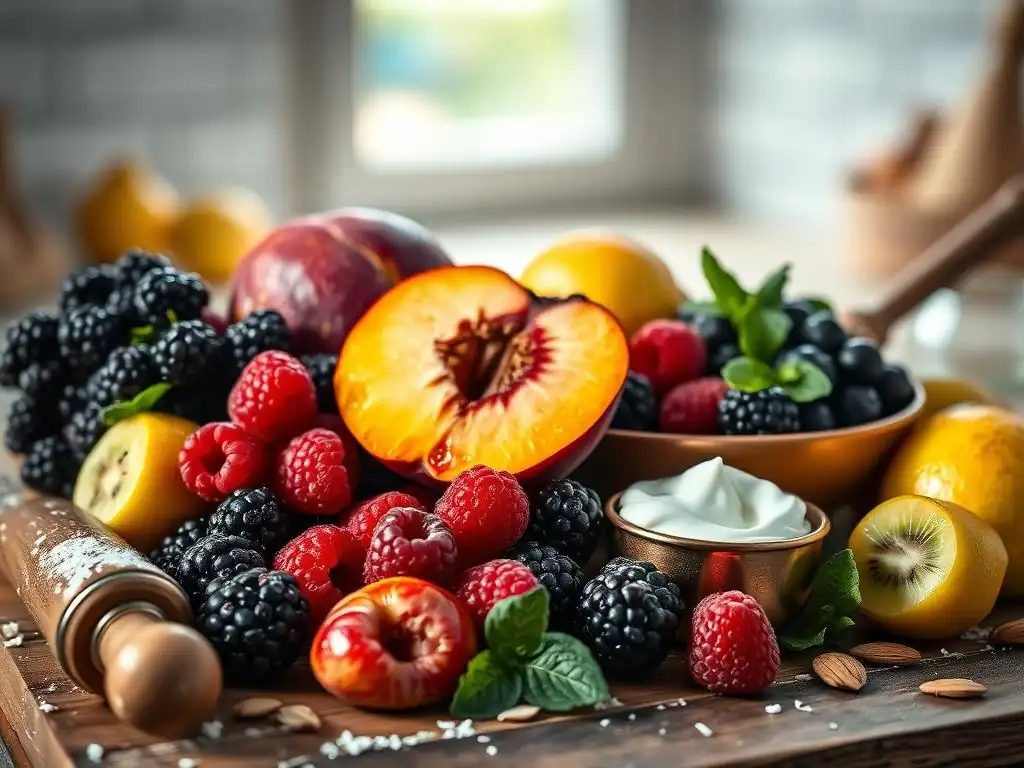
The world of fresh fruit offers an incredible palette for bakers. Each fruit brings its own unique set of characteristics – flavor, aroma, moisture, acidity, and texture – that can complement or transform a baked good. Choosing from the bounty of seasonal produce allows you to create fresh fruit baking recipes that are not only delicious but also reflect the best flavors the year has to offer.
Let's take a closer look at some of the most popular fresh fruits for baking and explore their specific qualities. Understanding these nuances will help you select the perfect fruit to achieve the desired taste, texture, and appearance in your cakes, pies, muffins, and more. From the humble berry to the exotic tropical fruit, there's a fresh fruit waiting to inspire your next baking project.
Berries: A Versatile Choice for Cakes, Muffins, and Pies
Berries are arguably one of the most beloved fresh fruits for baking due to their small size, vibrant colors, and burst of flavor. They are incredibly versatile, fitting seamlessly into batters, fillings, and as toppings. While relatively high in moisture, their small size often makes managing this less challenging than with larger, juicier fruits. They are a staple in countless fresh fruit baking recipes, from simple quick breads to elaborate tarts.
Their naturally sweet-tart profile makes them excellent partners for a wide range of flavors, including vanilla, lemon, almond, and chocolate. Berries also contain pectin, which helps their juices thicken slightly as they bake, contributing to the structure of fillings. Their popularity is well-deserved, offering ease of use and consistently delicious results in a variety of baked goods.
Strawberries: Enhancing Flavor and Color in Baked Goods
Strawberries, with their sweet aroma and bright red hue, bring a taste of sunshine to fresh fruit baking recipes. They are quite high in water content (around 92%), which means they can release a lot of liquid when heated. This makes them a bit trickier in pie fillings unless combined with a strong thickener or other fruits, but they excel in cakes, muffins, and tarts where excess moisture can evaporate more readily or is managed by tossing with flour.
In baked goods, strawberries soften significantly and their flavor concentrates. They pair beautifully with cream, lemon, and balsamic vinegar. For example, adding sliced strawberries tossed in a little flour to a vanilla cake batter results in moist, flavorful pockets of fruit. When used as a topping for shortcake or in a tart, their vibrant color remains even after a brief bake.
Blueberries: Bursting with Antioxidants and Sweetness
Blueberries are baking powerhouses, prized for their intense color, sweet flavor, and ability to hold their shape relatively well compared to other berries. They are packed with antioxidants and release beautiful purple-blue juices as they bake. With a moisture content around 85%, they still benefit from being tossed with flour or a thickener in many fresh fruit baking recipes, particularly muffins, scones, and pies.
A classic blueberry muffin is a perfect example of how these berries perform; they soften and burst, creating pockets of sweet, slightly tart juice throughout the crumb. A standard recipe might call for tossing 1.5 cups of fresh blueberries with 1 tablespoon of flour before folding into the batter to prevent them from sinking and manage moisture. They pair wonderfully with lemon, orange, and cinnamon.
Raspberries: Delicate Flavor and Texture for Elegant Desserts
Raspberries offer a delicate, slightly tart flavor and a soft, fragile texture. They have a moderate moisture content but break down easily when baked. Their elegance makes them perfect for lighter fresh fruit baking recipes like financiers, tarts, or folded into delicate sponge cakes. They contribute a lovely tang that balances sweetness, especially in rich desserts.
Because they are so delicate, raspberries are often added towards the end of mixing or gently folded in to prevent them from completely disintegrating. In a raspberry tart, they might be arranged whole over a pastry cream or frangipane before baking. Their flavor is exquisite with chocolate, almond, and rosewater.
Stone Fruits: Adding Depth and Richness to Your Baking
Stone fruits, including peaches, plums, cherries, apricots, and nectarines, are characterized by a large pit or "stone" at their center. They offer a wide range of flavors, from sweet and juicy peaches to tart plums and rich cherries. Their texture varies from soft and melting (ripe peaches) to firm and slightly fibrous (some plums). These fruits bring a wonderful depth and richness to baked goods, often becoming tender and slightly caramelized during the baking process.
Working with stone fruits usually involves pitting and often peeling (especially peaches and nectarines, though this is optional). Their size means they are typically sliced or halved before being used in fresh fruit baking recipes like crumbles, cobblers, pies, and cakes. They generally have a higher sugar content than berries, contributing to browning and caramelization.
Peaches: Sweet and Juicy for Crumbles and Cobblers
Peaches are summer favorites, known for their sweet, juicy flesh and fuzzy skin (though nectarines are a smooth-skinned variety). Ripe peaches are very high in moisture and soften significantly when baked, making them ideal for desserts where the fruit is meant to become soft and saucy, like crumbles, cobblers, and pies. A pound of peaches typically yields about 2 cups of sliced fruit.
To prevent a soggy bottom in a peach pie or cobbler, it's common practice to toss the sliced peaches with sugar, a thickener like tapioca starch (which works well with acidic fruit), and sometimes a touch of spice like cinnamon or nutmeg. Baking at a slightly higher initial temperature can also help set the bottom crust before the fruit releases too much juice. Peaches pair wonderfully with vanilla, almond, and bourbon.
Plums: Tart and Flavorful for Cakes and Tarts
Plums come in many varieties, ranging in flavor from sweet to quite tart, and in color from deep purple to red and yellow. Their acidity and moderate pectin content make them excellent for baking. They soften but tend to hold their shape better than peaches, particularly firmer varieties. This makes them perfect for fresh fruit baking recipes like upside-down cakes, tarts, and simple cakes where the fruit is arranged decoratively.
The tartness of plums provides a beautiful contrast to sweet cake batter or pastry. For instance, a classic German plum cake (Zwetschgenkuchen) features halved plums arranged tightly over a yeast dough or streusel topping. The plums soften and their juices mingle with the cake, creating a moist and flavorful result. They pair well with cinnamon, ginger, and orange zest.
Cherries: A Classic Addition to Pies and Clafoutis
Cherries, both sweet and tart varieties, are a classic choice for fresh fruit baking recipes. Tart cherries (like Montmorency) are particularly prized for their intense flavor and acidity, making them perfect for pies and crisps where their tang balances the added sugar. Sweet cherries (like Bing) are delicious but less common in cooked desserts as their flavor can become muted and they are less acidic, making them less effective with pectin.
A standard 9-inch cherry pie might use 5-6 cups of pitted tart cherries, requiring about 1/4 to 1/3 cup of cornstarch or tapioca starch to thicken the filling. Cherries also contain compounds that contribute to their beautiful red color, which deepens upon baking. They pair wonderfully with almond, vanilla, and chocolate.
Citrus Fruits: Zesty Flavors and Aromas for Baking
Citrus fruits – lemons, oranges, grapefruits, limes – are primarily used in baking for their zest and juice, which provide vibrant, aromatic, and often tangy flavors. While the segments themselves are sometimes used (especially candied or in specific applications), it's the essential oils in the zest and the acidity of the juice that are the stars in most fresh fruit baking recipes.
Citrus adds a refreshing brightness that cuts through the richness of butter and sugar. Lemon zest and juice are perhaps the most common, adding a zesty lift to cakes, cookies, and glazes. Orange provides a warmer, sweeter aroma, pairing beautifully with chocolate and spices. Grapefruit offers a unique bitter-tangy note for more sophisticated desserts.
Lemons: Brightening Up Cakes and Cookies
Lemon zest and juice are indispensable in many fresh fruit baking recipes. The zest, containing concentrated citrus oils, provides intense aroma and flavor without adding significant liquid. Lemon juice adds acidity, which brightens flavors and can interact with baking soda to aid in leavening. A single lemon can yield about 2-3 tablespoons of juice and 1-2 tablespoons of zest.
Lemon is famously used in lemon pound cake, lemon bars, and lemon drizzle. The acidity of the juice in lemon bars helps the filling set, while the zest adds that unmistakable citrus punch. Even a small amount of lemon zest can lift the flavor of a simple vanilla cake or cookie.
Oranges: Adding Warmth and Sweetness to Breads and Muffins
Orange zest and juice bring a warm, sweet, and slightly floral note to baked goods. Orange pairs exceptionally well with spices like cinnamon, cloves, and nutmeg, making it a natural fit for fall and winter fresh fruit baking recipes. Like lemon zest, orange zest is full of aromatic oils.
Orange juice can add moisture and flavor to batters, as seen in orange loaf cakes or muffins. Combining orange zest with chocolate is a classic pairing, found in cookies, cakes, and even brownies. The sweetness of orange juice is higher than lemon, so it contributes more to the overall sugar balance.
Grapefruit: A Unique Tang for Sophisticated Desserts
Grapefruit is a less common but intriguing citrus fruit for baking, offering a distinct balance of tartness and bitterness. It's best used in recipes where its unique profile can shine, often paired with other flavors that complement its complexity, such as rosemary, olive oil, or certain berries.
Grapefruit zest can be used in small amounts to add an interesting aromatic note to cakes or shortbread. Grapefruit juice can be used in glazes or syrups for poaching fruit, providing a sophisticated tang. Consider a grapefruit olive oil cake for a modern twist on fresh fruit baking recipes.
Other Fruits: Expanding Your Baking Repertoire
Beyond berries, stone fruits, and citrus, many other fresh fruits offer wonderful possibilities for baking. Apples and pears are particularly prominent, known for their ability to soften beautifully while maintaining some structure. Bananas are unique in how they contribute moisture and sweetness, especially when very ripe. Exploring these fruits allows you to diversify your fresh fruit baking recipes and discover new flavor combinations.
These fruits often require different preparation methods and interact uniquely with other ingredients. Understanding their specific properties is key to successful results. From the comforting familiarity of apple pie to the simple pleasure of banana bread, these fruits are staples for a reason.
Apples: A Timeless Choice for Pies and Crumbles
Apples are perhaps the most iconic fresh fruit for baking, starring in countless pies, crumbles, crisps, and cakes. Different apple varieties offer varying levels of sweetness, tartness, and firmness, which affects how they bake. Firmer, tarter apples like Granny Smith or Honeycrisp hold their shape well and provide a good balance of flavor in pies, while softer, sweeter apples like McIntosh or Fuji break down more, creating a saucier texture.
A typical 9-inch apple pie uses about 6-8 cups of sliced apples (roughly 2-2.5 pounds). Tossing the slices with sugar, flour or starch, and spices like cinnamon and nutmeg is essential for flavor and thickening. Baking time for an apple pie is often longer (60-80 minutes) to ensure the apples are tender. Apples pair perfectly with caramel, cheddar cheese (in pies! ), and walnuts.
Pears: Delicate and Aromatic for Tarts and Cakes
Pears offer a delicate, sweet flavor and a slightly granular texture that softens beautifully when baked. Varieties like Bosc or Anjou hold their shape well, making them excellent for tarts or cakes where you want distinct slices of fruit. Softer varieties like Bartlett are better for sauces or where the fruit is meant to break down more.
Pears pair exceptionally well with warm spices like ginger and cardamom, as well as nuts (almonds, walnuts) and cheese (Gorgonzola is a classic pairing). Poaching pears slightly before baking can ensure they are tender in a tart or cake, and can also infuse them with additional flavors from poaching liquid (wine, syrup, spices). Consider a pear and almond tart for an elegant fresh fruit baking recipe.
Bananas: Adding Moisture and Sweetness to Breads and Muffins
Very ripe bananas (with lots of brown spots) are a secret weapon for adding natural sweetness and incredible moisture to baked goods, particularly quick breads and muffins. As bananas ripen, their starches convert to sugars, making them sweeter, and their texture softens dramatically, making them easy to mash. Their high moisture content means that recipes using mashed bananas often require less added fat or liquid.
A standard banana bread recipe might call for 1 cup of mashed very ripe bananas (about 2-3 medium bananas). The natural sugars contribute to a beautiful brown crust. While they don't hold their shape, they create a wonderfully tender and moist crumb. Bananas pair perfectly with chocolate, walnuts, pecans, and cinnamon.
Matching Fruit to Your Baking Recipe: A Practical Guide
Selecting the right fresh fruit goes hand-in-hand with the type of baked good you are making. The structure of a cake is different from a pie, which is different from a muffin, and each requires fruit that will perform best within that specific context. Understanding these dynamics ensures your fresh fruit baking recipes turn out perfectly, with the right texture, moisture, and flavor balance.
Here, we'll explore how to think about fruit selection based on common categories of baked goods. This practical guide will help you decide which fruits are typically the best fit for cakes, pies, muffins, and cookies, and what considerations to keep in mind for each type of bake.
Fresh Fruit Baking Recipes: Cakes and Cupcakes
For cakes and cupcakes, the primary concerns when adding fresh fruit are managing moisture and preventing the fruit from sinking to the bottom. Fruits that release excessive liquid can make the cake dense or soggy. Tossing fruit pieces with a small amount of flour (usually 1-2 tablespoons per cup of fruit) before gently folding them into the batter is a common technique to help absorb moisture and keep the fruit suspended.
Small, relatively firm fruits like blueberries, chopped apples, or chopped stone fruits (peaches, plums) work well. Delicate fruits like raspberries can be folded in carefully. Citrus zest and juice are excellent for flavoring the batter itself. Aim for about 1/2 to 1 cup of fruit per standard loaf cake or 12 cupcakes, adjusting based on the specific fruit and recipe.
Fresh Fruit Baking Recipes: Pies and Tarts
Pies and tarts are perhaps the most classic domain for fresh fruit baking recipes, but they also present the biggest challenge regarding soggy bottoms and runny fillings. Fruits with good structure and natural pectin are excellent choices, such as apples, cherries, plums, and berries. The key is properly thickening the fruit juices.
Common thickeners include flour, cornstarch, tapioca starch, and pectin. The amount needed depends on the fruit's juiciness and acidity. For example, a very juicy berry pie might need more thickener than an apple pie. Baking pies at a higher temperature initially (like 425°F for 15-20 minutes) before reducing the heat can help set the bottom crust before the fruit releases too much liquid.
Fresh Fruit Baking Recipes: Muffins and Breads
Quick breads and muffins are very forgiving when it comes to adding fresh fruit, making them perfect for beginners trying fresh fruit baking recipes. Fruits like blueberries, chopped apples, mashed bananas, and chopped berries are popular choices. The batter is usually thick enough to help suspend the fruit, though tossing with a little flour is still a good practice for juicier fruits like blueberries.
Mashed bananas are particularly effective in quick breads, providing structure, moisture, and natural sweetness. For other fruits, adding about 1 cup to 1.5 cups of fruit per standard loaf or 12 muffins is a good starting point. Avoid overcrowding the batter with too much fruit, as this can make the baked good heavy and prevent it from rising properly.
Adding fresh fruit to cookies and bars requires careful consideration of moisture and texture. Too much juicy fruit can spread cookies excessively or make bars soggy. Dried fruits are often preferred for cookies, but fresh fruit can work well in certain applications, particularly bars or cookies designed to be softer or more cake-like.
Chopped apples, cranberries (though often used dried, fresh can work if chopped finely), or even small amounts of berries pressed into the top of bars or cookies before baking can be successful. Citrus zest is a fantastic addition to cookies, providing intense flavor without adding moisture. For example, adding 1-2 teaspoons of lemon zest to a shortbread recipe adds a delightful brightness.
Preparing Fresh Fruit for Baking: Essential Techniques
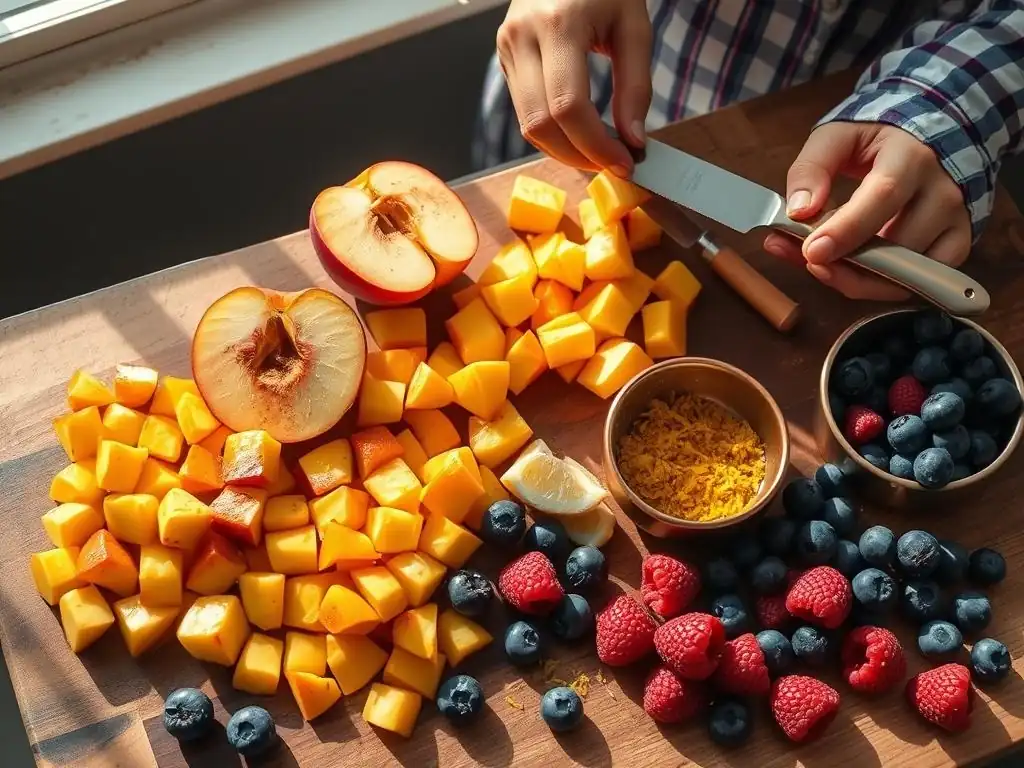
Proper preparation of fresh fruit is just as important as choosing the right type. Skipping essential steps like washing, drying, and appropriate cutting can impact the safety, appearance, and texture of your final baked good. Taking a few extra minutes to prepare your fruit correctly ensures the best possible results for your fresh fruit baking recipes.
This section covers the fundamental techniques for getting your fruit ready for the oven. From ensuring cleanliness to managing moisture before baking, these steps are crucial for preventing common problems like soggy textures and uneven cooking.
Washing and Drying: Ensuring Clean and Safe Fruit
Always wash fresh fruit thoroughly under cool running water before use to remove any dirt, pesticides, or contaminants. Even if you plan to peel the fruit, washing is important as cutting through unwashed skin can transfer impurities to the flesh. For fruits with skins you'll eat (like berries, apples, pears), gentle rubbing can help clean the surface.
After washing, it is absolutely critical to dry the fruit well, especially for fresh fruit baking recipes. Excess surface moisture can turn into steam during baking, making crusts soggy, diluting flavors, and preventing proper caramelization. For berries, gently pat them dry with paper towels. For larger fruits, wipe slices or pieces dry. This simple step makes a significant difference.
Cutting and Slicing: Achieving Uniformity for Even Baking
Cutting fruit into uniform sizes is important for ensuring it bakes evenly. If pieces are too large, they may remain hard in the center, while very small pieces might turn to mush. The size and shape of the cut should also be appropriate for the recipe – slices for tarts, cubes for crumbles, small pieces for muffins.
For pies and tarts, aim for slices or chunks that are roughly the same thickness so they soften at the same rate. For cakes and muffins, quartering berries or dicing larger fruits into pieces no larger than 1/2 inch helps them distribute evenly and bake through. Use a sharp knife for clean cuts that minimize bruising.
Pre-Baking Treatment: Preventing Soggy Bottoms
One of the most common challenges in fresh fruit baking recipes, particularly pies and tarts, is preventing a soggy bottom crust. This happens when the fruit releases juice that is absorbed by the pastry before it has a chance to set. Several techniques can help mitigate this issue and are worth the extra effort.
These methods aim to manage the fruit's moisture content or create a barrier between the fruit and the pastry. Choosing the right technique depends on the type of fruit and the specific recipe you are using, but incorporating one or more of these steps can dramatically improve the texture of your baked goods.
Tossing with Flour: A Simple Trick to Absorb Excess Moisture
Tossing sliced or chopped fresh fruit with a small amount of flour, cornstarch, or tapioca starch is a widely used technique to absorb the juices released during baking. As the fruit heats up and releases liquid, the starch gelatinizes, thickening the juices into a sauce rather than letting them soak into the crust or batter.
The amount of starch needed varies depending on the fruit's juiciness. A general rule of thumb for pie fillings is 2-4 tablespoons of flour or 1-2 tablespoons of cornstarch or tapioca starch per 4-6 cups of sliced fruit. For cakes and muffins, 1-2 tablespoons of flour per cup of fruit is usually sufficient to suspend the fruit and manage minor moisture.
Lightly Cooking: Softening Fruit Before Baking
For very watery fruits or when you want to give your pie filling a head start, lightly cooking the fruit on the stovetop before baking is an effective strategy. This process evaporates some of the excess moisture and can also help soften firmer fruits like apples or pears, ensuring they are tender in the finished bake.
This technique involves simmering the prepared fruit with sugar and thickener for a few minutes until the juices start to thicken. The mixture is then cooled slightly before being added to the pie crust. This reduces the amount of liquid released during the oven bake and helps set the filling more reliably.
Tips for Successful Fresh Fruit Baking
Achieving perfect results with fresh fruit in baking involves more than just selecting and preparing the fruit. A few key adjustments and techniques during the baking process itself can make a significant difference in the outcome of your fresh fruit baking recipes. These tips help ensure balanced flavors, proper texture, and even distribution of fruit.
From adjusting sweetness levels to mastering distribution and understanding how moisture affects baking time, these pointers will help you troubleshoot common issues and elevate your fruit-filled creations. Baking with fresh fruit is a dynamic process, and being prepared for how the fruit behaves in the heat is key.
Adjusting Sugar Levels: Balancing the Natural Sweetness of Fruit
Fresh fruit varies greatly in natural sweetness depending on the type, variety, and ripeness. When using fresh fruit in baking, you may need to adjust the amount of added sugar called for in the recipe to achieve a balanced flavor. Very sweet, ripe fruit requires less added sugar, while tart fruit needs more to counteract its acidity.
Taste your fruit before adding it to the recipe. If using tart apples or plums, you might need to increase the sugar by 1/4 to 1/2 cup per pie filling compared to a recipe designed for sweeter fruit. Conversely, if using very ripe bananas or sweet berries, you might reduce the sugar slightly. This tasting and adjusting step is crucial for delicious fresh fruit baking recipes.
Preventing Fruit from Sinking: Distribution Techniques
A common frustration when baking cakes or muffins with fresh fruit is having all the fruit sink to the bottom. This is often due to the fruit being too heavy or wet relative to the batter consistency. Tossing fruit with a small amount of flour, as mentioned earlier, helps by creating a slightly sticky surface that grips the batter and absorbs some moisture.
Another technique is to add a small amount of batter to the bottom of the pan before adding the fruit-mixed batter. This creates a base layer that can support the fruit better. For muffins, gently folding the floured fruit into the batter just until combined, avoiding overmixing, also helps maintain its suspension.
Baking Time Adjustments: Accounting for Moisture Content
The moisture content of fresh fruit can affect the overall baking time. Juicier fruits can slightly increase the time needed for the baked good to cook through and for the crusts to crisp up. Keep an eye on your bake and use visual cues and doneness tests (like the toothpick test for cakes) rather than relying solely on the recipe's suggested time.
For pies with juicy fruit fillings, you might need to bake longer for the filling to bubble and thicken properly, indicating the starch has gelatinized. Tent the pie with foil if the crust starts browning too quickly. For cakes and muffins with fruit, extra moisture might mean they take a few minutes longer to bake in the center.
Storing Fresh Fruit for Baking: Maximizing Freshness
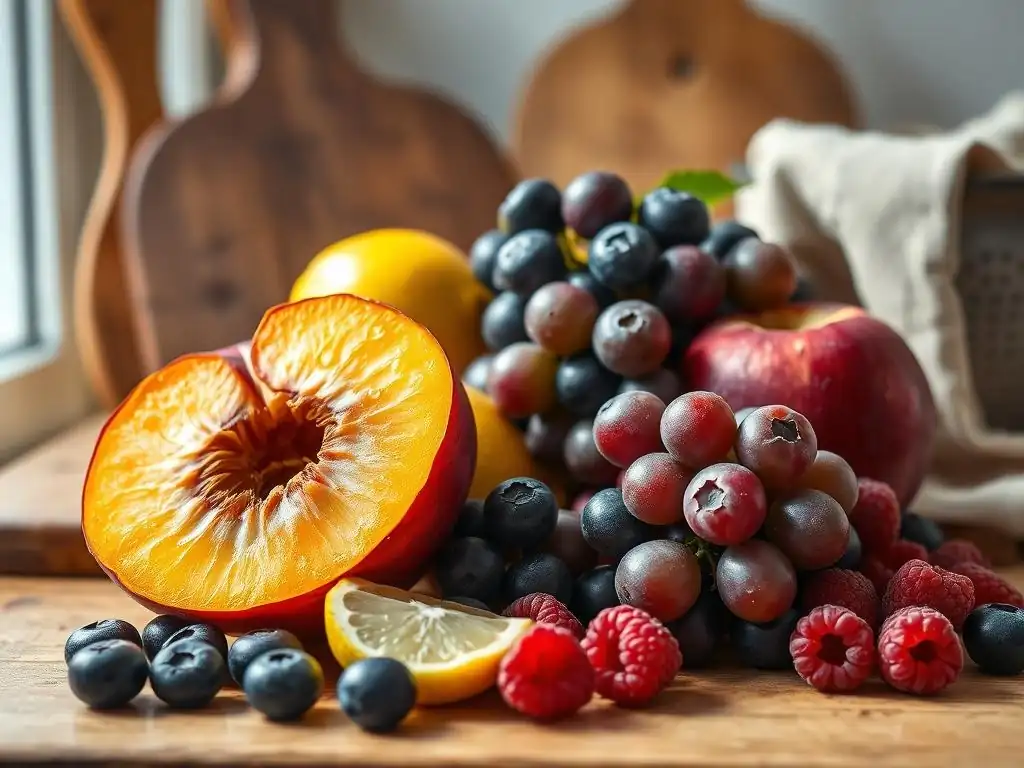
Using fresh fruit at its peak ensures the best flavor and texture in your baked goods. Proper storage is essential to maintain the fruit's quality and extend its usable life. Different fruits have different storage needs, and knowing how to store them correctly will help you keep a supply of delicious fruit ready for your next fresh fruit baking recipes.
Whether you plan to use the fruit immediately or save it for later, these storage tips will help you maximize freshness and minimize waste. From keeping fruit at room temperature to refrigerating and even freezing, each method has its place depending on the fruit type and how soon you plan to bake with it.
Proper Storage Methods for Different Types of Fruit
Generally, fruits that ripen after picking, like peaches, plums, and bananas, should be stored at room temperature until they reach desired ripeness, then moved to the refrigerator to slow further ripening. Fruits that do not ripen significantly after picking, like berries, cherries, and citrus, should be stored in the refrigerator from the start.
Berries are particularly perishable; store them in a single layer in a breathable container in the refrigerator and wash them just before use. Apples and pears store well in a cool, dark place or in the refrigerator crisper drawer. Proper storage prevents premature spoilage and keeps your fruit in optimal condition for fresh fruit baking recipes.
Freezing Fresh Fruit for Later Use in Baking
Freezing fresh fruit is an excellent way to preserve seasonal bounty for use in fresh fruit baking recipes year-round. Most fruits can be frozen successfully, though their texture will soften significantly upon thawing, making them best suited for applications where the fruit is cooked, like pies, crumbles, muffins, and sauces, rather than fresh garnishes.
To freeze, wash and prepare the fruit (hull strawberries, pit cherries, slice peaches). For fruits that might stick together (berries, slices), spread them in a single layer on a baking sheet and freeze until solid, then transfer to a freezer-safe bag or container. Label with the date. Frozen fruit can be used directly in most baked goods; just add a few extra minutes to the baking time and anticipate more liquid release.
Conclusion: Mastering the Art of Baking with Fresh Fruit
Incorporating fresh fruit into your baking is a truly rewarding experience. It allows you to connect with the seasons, experiment with vibrant flavors, and create baked goods that are both delicious and beautiful. By understanding the characteristics of different fruits – their moisture, acidity, and texture – and applying simple preparation and baking techniques, you can confidently tackle any fresh fruit baking recipes.
Remember that baking with fresh fruit is a dynamic process, and results can vary slightly depending on the fruit's ripeness and variety. Don't be afraid to experiment, taste your fruit, and make small adjustments as needed. The joy of fresh fruit baking lies in embracing these natural variations and celebrating the unique qualities each fruit brings to your table.
Embrace the Seasonality and Variety of Fresh Fruits
Baking with seasonal fresh fruit is a wonderful way to experience peak flavor and support local growers. Summer brings an abundance of berries, peaches, and cherries, perfect for pies and cobblers. Fall offers apples and pears, ideal for warm, spiced baked goods. Citrus brightens up winter baking, while spring brings rhubarb (often treated like a fruit) and early berries.
Exploring different varieties within a fruit type also opens up new possibilities. Try baking with different apple types to see how their flavors and textures change your pie. Experiment with various plums or berries. This exploration keeps your fresh fruit baking recipes exciting and ensures you're always working with the best-tasting ingredients.
BakeWithEase's Final Thoughts on Fresh Fruit Baking
At BakeWithEase, our goal is to make baking accessible and enjoyable for everyone. We hope this guide empowers you to confidently use fresh fruit in your kitchen. Don't let the potential challenges of moisture or texture deter you; with a little knowledge and practice, you can master the art of fresh fruit baking.
From simple blueberry muffins to elaborate layered cakes, fresh fruit elevates everyday baking into something special. We encourage you to dive into our collection of fresh fruit baking recipes and start experimenting. Happy baking, and enjoy the delicious results of working with nature's candy!
Frequently Asked Questions
What are some general tips for choosing fresh fruit for baking?
When choosing fresh fruit for baking, look for ripe but firm fruit. Avoid overly soft or bruised pieces, as they can become mushy during baking. Consider the fruit's natural sweetness when adjusting sugar in the recipe.
How does the moisture content of fresh fruit affect baking?
High-moisture fruits like berries can release a lot of liquid during baking, potentially leading to soggy bottoms or uneven textures. Consider reducing other liquids in the recipe or using a thickening agent like cornstarch.
Are frozen fruits a suitable substitute for fresh fruit in baking recipes?
Yes, frozen fruits can often be used, but they tend to release more moisture than fresh. It's best to thaw and drain the frozen fruit before adding it to the batter. Frozen fruits are a great convenient alternative when fresh is out of season.
How can I prevent fruit from sinking to the bottom of my baked goods?
Tossing the fruit in a little flour before adding it to the batter can help prevent sinking. Also, using a thicker batter can help suspend the fruit more effectively. You can also layer the fruit within the batter instead of just mixing it in.
What are some popular fresh fruits to use in baking recipes from BakeWithEase.com?
At BakeWithEase.com, we often use berries (blueberries, raspberries, strawberries), apples, peaches, and cherries in our fresh fruit baking recipes. These fruits offer a range of flavors and textures and are often easily accessible at grocery stores. Experiment with different fruits to find your favorites!
Final Reflection: The Sweet Symphony of Fresh Fruit and Baking
The perfect bake begins with the perfect fruit; choosing wisely elevates your culinary creations from good to unforgettable. This isn't just about following a recipe; it's about understanding the nuances of each fruit, its ripeness, and how its unique characteristics will interact with your chosen baking method. The impact of a thoughtfully selected fruit extends far beyond mere taste; it influences texture, moisture, and the overall aesthetic appeal of your finished product.
The journey of discovering the ideal fruit for baking has been a deeply personal one for me. It's about more than just achieving the perfect recipe; it's about appreciating the seasonal bounty and the artistry involved in transforming raw ingredients into something truly special. The best things in life are simple, but not easy.
This quote perfectly encapsulates the process of selecting and utilizing fresh fruit in baking – seemingly simple, yet requiring careful consideration and attention to detail to achieve truly exceptional results.
Now, it's your turn. Consider the next time you reach for a recipe. Don't just grab the first fruit you see; take a moment to appreciate the diversity of options available. Explore the subtle differences in texture and flavor, and let your senses guide you towards the perfect pairing for your bake. The result? A delicious journey of discovery, and a baked good that truly sings with the vibrant flavors of fresh, seasonal fruit.
Unlock Your Baking Potential: Discover Fruit Perfection!
Thanks for taking the time to explore the world of fresh fruit baking with us! We hope you've gained valuable insights into selecting the perfect produce for your next culinary masterpiece. Ready to put your newfound knowledge into action?
- Bake your dream creation: Choose your favorite fruit from today's guide and get baking! Let us know how it turns out.
- Share your fruit-filled success: Snap a picture of your finished bake and tag us on social media – we’d love to see your creations!
- Explore our recipe collection: Dive deeper into delicious fruit-based recipes on our website – we have a whole library waiting for you.
What exciting fruit-filled recipe will you bake first?