
A Taste of Germany: Bringing German Bread Traditions Home

Welcome to BakeWithEase!
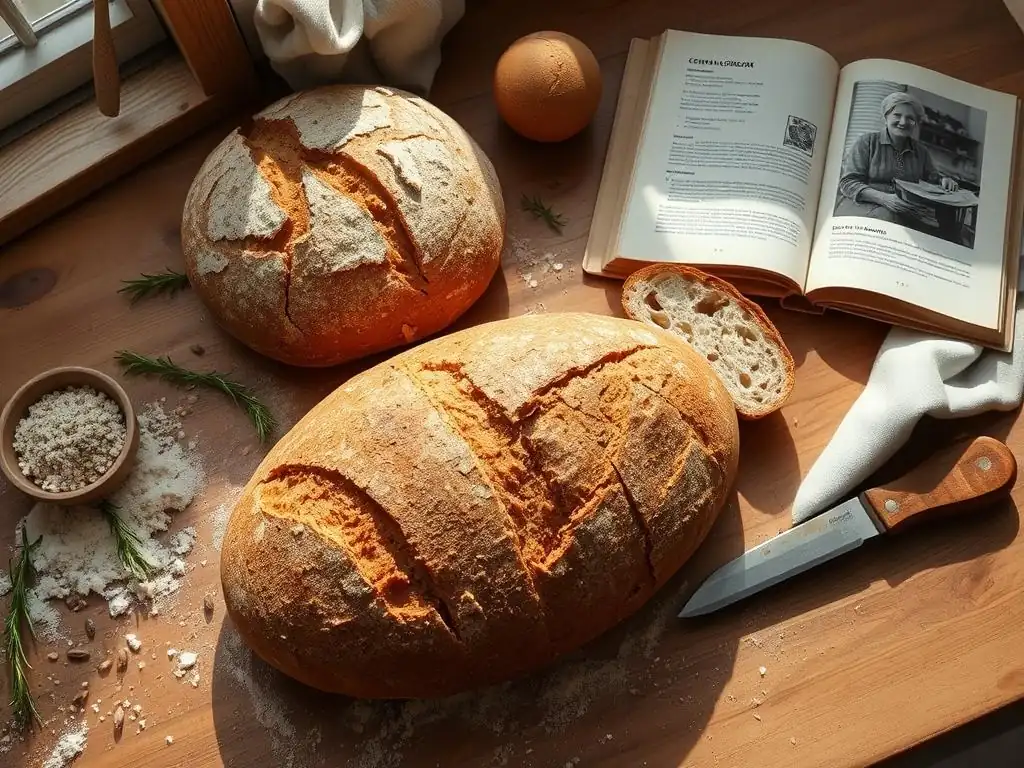
Ever dreamt of recreating the hearty, flavorful breads you enjoyed on your travels through Germany? You're in the right place. This article dives deep into a German sourdough bread recipe, making it easy for you to bake a truly authentic loaf right in your own kitchen. Prepare to unlock the secrets of German baking traditions and experience the satisfaction of crafting a delicious, crusty masterpiece. But before you preheat your oven, what makes German sourdough so unique? Let's explore!
- Discovering Authentic German Bread: An Introduction to Sourdough Baking
- Easy German Sourdough Bread Recipe: A Step-by-Step Guide
- Variations on the Classic German Sourdough Bread Recipe
- Troubleshooting Your German Sourdough: Common Problems and Solutions
- Enjoying Your Homemade German Bread: Serving Suggestions
- Beyond the Recipe: Expanding Your German Baking Skills
- Conclusion: Embrace German Sourdough Baking at Home.
-
Frequently Asked Questions
- What makes German sourdough bread different from other sourdough breads?
- Is this "German sourdough bread recipe easy" suitable for beginner bakers?
- What kind of flour is best for a German sourdough bread recipe?
- How long does it take to make German sourdough bread from start to finish?
- Can I substitute any ingredients in this German sourdough bread recipe?
- Final Reflection: The Enduring Legacy of German Bread
- Unleash Your Inner Bäcker: Bake Authentic German Bread Today!
Discovering Authentic German Bread: An Introduction to Sourdough Baking
Exploring the History of German Bread Culture
Germany boasts a rich and ancient bread-making tradition, deeply woven into the fabric of its culture and daily life. For centuries, bread, or Brot, has been more than just food; it's a symbol of sustenance, community, and regional identity. Historically, German bread making evolved from simple, peasant loaves made with locally available grains, primarily rye due to the climate in many regions being better suited for it than wheat.
This reliance on rye, often combined with wheat, led to the development of dense, flavorful loaves quite distinct from the lighter, predominantly wheat breads found elsewhere in Europe. The sheer variety is staggering, with estimates suggesting over 300 main types of bread and 1,000 types of small pastries and rolls ( Brötchen) existing across the country, each with its own history and regional twist.
The development of German bread was heavily influenced by agricultural practices, the availability of grains, and the decentralized nature of German states throughout history. Different regions cultivated different grains and developed unique baking techniques. The long, slow fermentation process characteristic of sourdough became particularly important, especially for rye-heavy loaves, as the acidity helps to break down the grain and improve texture and digestibility.
This historical reliance on sourdough, passed down through generations of bakers, both professional and home-based, is a cornerstone of authentic German bread. From the dark, dense Pumpernickel of Westphalia to the lighter, crusty Mischbrot (mixed bread) found widely, the history is one of adaptation, regional pride, and a steadfast commitment to quality ingredients and traditional methods, making the pursuit of a genuine German sourdough bread recipe easy to appreciate but requiring attention to detail.
Why German Sourdough Bread is Unique
German sourdough bread stands apart due to several key characteristics, primarily its reliance on a higher proportion of rye flour compared to many other European sourdoughs, its typical density, and the deep, complex flavors developed through long fermentation. While wheat sourdough is common globally, German sourdough frequently incorporates significant amounts of rye, sometimes exclusively, or a blend of wheat and rye ( Mischbrot).
Rye flour behaves differently than wheat; it has less gluten-forming protein, which contributes to the characteristic tight crumb and substantial texture of many German loaves. The sourdough starter, often a rye or mixed-flour culture, is crucial for leavening these doughs and imparting a tangy, slightly acidic flavor that balances the earthiness of the rye.
The uniqueness also lies in the traditional baking process. German loaves are often baked at high initial temperatures, sometimes with steam, to develop a robust, dark crust, which is highly prized. The interior, or crumb, is typically moist and dense, offering a satisfying chew.
Unlike airy, open-crumb sourdoughs, the German style values a more compact structure, which is ideal for holding hearty toppings like sausages, cheeses, and spreads. This combination of high rye content, specific sourdough cultures, long fermentation times (often involving multiple stages like a Detmolder Einstufenführung or multi-stage builds), and distinct baking techniques results in breads with unparalleled depth of flavor, impressive keeping qualities, and a texture that is unmistakably German, making the journey of creating a German sourdough bread recipe easy to follow yet deeply rewarding.
Easy German Sourdough Bread Recipe: A Step-by-Step Guide
Gathering Your Ingredients: The Key to Authentic German Bread
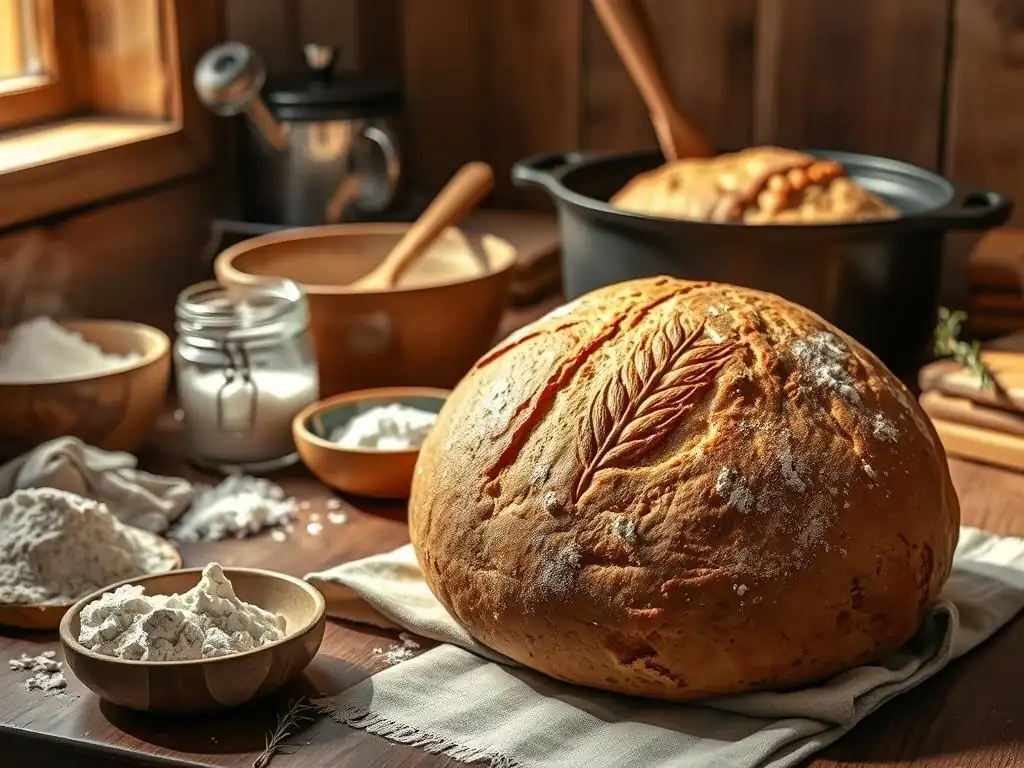
The foundation of a truly authentic German sourdough bread, even an easy German sourdough bread recipe, lies in selecting the right ingredients. While the process might seem simple – flour, water, salt, and starter – the quality and type of each component significantly impact the final loaf. German bakers are meticulous about their ingredients, and replicating that at home requires attention to detail. Using flours appropriate for the desired loaf style, maintaining a vibrant sourdough starter, and ensuring water and salt are of good quality are the crucial first steps.
Understanding the function of each ingredient is vital. The flour provides the structure; the water hydrates the flour and activates the starter; the salt enhances flavor and controls fermentation; and the sourdough starter is the magical leavening agent and flavor generator. Skipping steps or substituting ingredients without understanding their role can lead to disappointing results. By focusing on these basic components, you set the stage for a successful bake, making the German sourdough bread recipe easy to manage from the very beginning.
Flour Power: Choosing the Right Flour (Type 550, Rye Flour)
Choosing the correct flour is perhaps the most critical decision for achieving authentic German bread characteristics. German flour types are classified differently than in North America or the UK, based on ash content. For a classic German Mischbrot (mixed wheat and rye), Type 550 wheat flour is commonly used. This is roughly equivalent to a strong bread flour in other systems but often has slightly different protein characteristics. It provides a good balance of gluten development for structure and elasticity.
For the distinctive tang and density of German sourdough, various grades of rye flour are essential. Light rye, medium rye, or dark rye flours are used depending on the desired loaf. A classic German sourdough often uses a significant percentage of medium or dark rye flour alongside wheat. These flours contribute earthy flavors, darker color, and a denser crumb structure. Using a high-quality, organic flour can make a noticeable difference in both flavor and performance.
Sourdough Starter: Creating and Maintaining Your Culture
A healthy, active sourdough starter is the heart of any sourdough bread, and especially so for a German sourdough bread recipe easy or complex. This living culture of wild yeast and lactic acid bacteria is responsible for leavening the bread and developing its characteristic tangy flavor. Creating a starter from scratch involves simply mixing flour and water and allowing it to ferment over several days, 'feeding' it regularly with fresh flour and water to encourage the beneficial microbes to multiply.
Maintaining your starter requires consistent feeding, typically daily if kept at room temperature, or less frequently if refrigerated. A starter is ready to bake with when it is active, bubbly, and roughly doubles in size a few hours after being fed. The type of flour used to feed the starter (rye, wheat, or a mix) can influence its flavor profile, which in turn affects the final bread. A robust starter is key to ensuring your dough rises properly, providing the lift needed for a substantial loaf.
Water and Salt: The Unsung Heroes
While often overlooked, water and salt play vital roles in the German sourdough bread recipe easy to follow. Water hydrates the flour, allowing gluten to develop and the starter to become active. The type of water can matter; heavily chlorinated water can sometimes inhibit starter activity, so filtered water is often recommended. The temperature of the water can also be adjusted to help control dough temperature, which impacts fermentation speed.
Salt is not just for flavor; it also strengthens the gluten structure and regulates the fermentation rate. Without salt, dough can be sticky and difficult to handle, and fermentation can proceed too quickly, leading to a less flavorful loaf. Using a good quality non-iodized salt, such as sea salt or kosher salt, is generally preferred by bakers as iodine can sometimes interfere with yeast activity. The precise amount of salt is critical for balancing flavor and texture.
Mastering the Dough: Mixing, Kneading, and Shaping
Once your ingredients are ready, the next phase involves bringing them together to form the dough. This stage is where the structure of the bread begins to take shape. The techniques used for mixing, kneading (or folding), and shaping are crucial for developing the gluten network, which provides the bread's structure, and achieving the desired crumb and crust.
Working with dough can be a tactile and rewarding experience. Pay attention to the feel of the dough as it transforms from a shaggy mass into a smooth, elastic material. This process requires patience and observation, but mastering these techniques will significantly improve your results, making even a beginner German sourdough bread recipe easy to achieve with professional-looking results.
Mixing the Dough: Achieving the Perfect Consistency
The mixing process serves to hydrate all the ingredients evenly and begin the process of gluten development. For many German sourdough recipes, especially those with a higher proportion of rye, the dough can be quite wet and sticky. Initial mixing can be done by hand or using a stand mixer. The goal is to bring everything together into a cohesive mass, ensuring no dry pockets of flour remain.
After the initial mix, the dough often benefits from a resting period, known as autolyse (mixing only flour and water) or a short rest after adding the starter and salt. This rest allows the flour to fully absorb the water and enzymes to begin breaking down proteins, which helps with gluten development and makes subsequent kneading easier. The consistency you aim for will depend on the specific recipe and flour types used, but generally, it will be a relatively hydrated dough.
Kneading Techniques: Developing Gluten for a Chewy Texture
Kneading develops the gluten network, which traps the gases produced by the sourdough starter, allowing the bread to rise and giving it structure. For wheat-based or mixed flour German sourdoughs, traditional kneading (either by hand or machine) builds strength. However, for rye-heavy doughs, which have less gluten, excessive kneading can actually break down the fragile network.
Often, rye doughs benefit more from gentle folding techniques over a period of time (stretch and folds) rather than vigorous kneading. These folds build strength more gently. Tools like dough scrapers are invaluable for handling these often sticky doughs and for cleaning your work surface. The goal is to develop enough strength to hold the loaf's shape without making the dough tough, contributing to the characteristic chewy texture of German bread.
Shaping the Loaf: From Rustic Round to Classic Rye
Shaping transforms the proofed dough into the final form it will take before baking. The shape influences how the bread rises and the structure of the crumb. Common shapes for German sourdough include rustic rounds ( Bauernbrot), oval batards, or sometimes specific shapes for regional loaves. Proper shaping creates tension on the dough's surface, which helps the loaf hold its structure as it bakes and contributes to a good crust.
For many shapes, especially rounds and ovals, banneton baskets are used. These baskets, often lined with linen, support the shaped dough during its final rise (proofing), helping it maintain its form and creating a traditional pattern on the crust. Lightly flouring the banneton prevents sticking. Shaping requires practice to build the necessary tension without tearing the dough surface.
The Art of Baking: Achieving the Perfect Crust and Crumb
Baking is the magical transformation where dough becomes bread. The right oven conditions are paramount for achieving the signature dark, crackling crust and well-structured crumb of German sourdough. This involves careful control of temperature, the introduction of steam, and knowing when the loaf is fully baked.
Approaching the bake with attention to detail ensures that all the effort put into mixing, fermenting, and shaping pays off. The goal is a loaf that is beautifully browned on the outside and perfectly cooked through on the inside, delivering the full flavor potential of your homemade German sourdough bread recipe easy or advanced.
Oven Temperature and Baking Time: Getting It Just Right
German sourdoughs are typically baked at high temperatures, often starting around 230-250°C (450-480°F) for the initial phase, then reducing the temperature to around 200-220°C (400-430°F) for the remainder of the bake. The high initial heat provides a strong oven spring (the final rise in the oven) and sets the crust quickly.
The total baking time varies depending on the size and shape of the loaf, but a typical loaf might bake for 45-60 minutes. Using an accurate oven thermometer is highly recommended, as oven thermostats can be inaccurate. Monitoring the bake visually and by internal temperature ensures the bread is cooked through without being burned.
Steaming Techniques: Creating a Crispy Crust
Steam is crucial in the initial phase of baking sourdough. It keeps the surface of the dough moist, allowing it to expand fully during oven spring before the crust hardens. This results in a more voluminous loaf and contributes to the development of a thin, crispy crust rather than a thick, tough one.
There are several ways to create steam in a home oven. Baking the loaf in a preheated Dutch oven is a very effective method; the lid traps the moisture released by the dough. Alternatively, you can place a tray of hot water or ice cubes on the bottom rack of the oven just before loading the bread. Some bakers even spray the oven walls with water. The goal is to create a steamy environment for the first 15-20 minutes of baking.
Monitoring Internal Temperature: Ensuring a Fully Baked Loaf
While visual cues like a deep brown crust and hollow sound when tapped on the bottom are good indicators, the most reliable way to know if your German sourdough is fully baked is to check its internal temperature. A fully baked loaf should reach an internal temperature of 96-100°C (205-210°F).
Using a digital instant-read thermometer allows you to quickly and accurately check the temperature without letting too much heat escape the oven. Insert the probe into the center of the loaf from the bottom or side. Checking the internal temperature removes the guesswork and guarantees that the crumb is cooked through, preventing a gummy or underbaked center.
Variations on the Classic German Sourdough Bread Recipe
The beauty of German bread traditions lies in their diversity. While a basic German sourdough bread recipe easy to master is a great starting point, exploring variations allows you to delve deeper into the regional specialties and personal preferences that define German baking. From altering the flour blend to adding seeds or trying specific regional styles, there's a vast world of German bread waiting to be discovered.
These variations build upon the fundamental techniques of sourdough baking but introduce new ingredients or methods to create distinct textures and flavors. Experimenting with these ideas will not only expand your baking repertoire but also give you a greater appreciation for the depth of German bread culture.
Exploring Rye Bread: From Light to Dark
Rye is a cornerstone of German bread, and the proportion and type of rye flour used dramatically impact the final loaf. Light rye flour yields a milder flavor and slightly lighter texture compared to medium or dark rye. Increasing the percentage of rye flour results in a denser, more intensely flavored bread with a tighter crumb.
Pure rye sourdoughs (often 80-100% rye) require different handling than wheat or mixed-flour loaves due to rye's low gluten content. They are typically mixed into a paste-like dough that is more shaped than kneaded and often benefit from longer, cooler fermentation. Exploring the spectrum of rye bread, from a light rye Mischbrot to a dark, dense Vollkornbrot (whole grain bread), offers a fascinating journey into the heart of German baking.
Adding Seeds and Grains: Sunflower, Flax, and More
Many German breads incorporate seeds and grains, adding texture, flavor, and nutritional value. Common additions include sunflower seeds ( Sonnenblumenbrot), pumpkin seeds ( Kürbiskernbrot), flax seeds, sesame seeds, or various grains like oats or spelt. These additions can be mixed directly into the dough or used as a topping before baking.
Incorporating seeds often requires soaking them first, especially larger seeds like sunflower or pumpkin, to prevent them from absorbing moisture from the dough during fermentation, which can result in a dry crumb. Seeds add a delightful crunch and nutty flavor that complements the tang of the sourdough and the earthiness of rye, elevating a simple German sourdough bread recipe easy to modify into something even more complex and satisfying.
Regional Specialties: Discovering Different German Bread Styles
Germany's history as a collection of distinct regions has resulted in a stunning array of regional bread specialties. Each area often boasts its own unique flour blends, shaping methods, and baking traditions. Exploring these regional styles provides a deeper understanding of the cultural context of German bread.
Pumpernickel: The Dark and Dense Delight
Originating from the Westphalia region, Pumpernickel is perhaps one of Germany's most famous dark rye breads. It is traditionally made with coarse rye meal and baked for a very long time at low temperatures (sometimes over 16 hours), often using residual heat or steam. This process caramelizes the sugars in the rye, resulting in its characteristic dark color, slightly sweet flavor, and incredibly dense, moist texture. Authentic Pumpernickel is a pure rye bread, often made without any added yeast, relying solely on the sourdough culture for leavening.
Pretzel Bread: A Bavarian Favorite
While pretzels are widely recognized, pretzel bread ( Laugenbrot) takes the distinctive lye-treated crust and soft interior of a pretzel and applies it to rolls or loaves. Before baking, the dough (usually a wheat or mixed wheat-rye dough) is briefly dipped in a food-grade lye solution. This lye bath is what gives pretzel bread its unique dark brown, shiny, slightly bitter crust and contributes to its chewy texture. It's a beloved staple in Bavaria and beyond, often enjoyed with butter or cold cuts. While not always sourdough, many bakeries now produce sourdough pretzel bread for added flavor complexity.
Troubleshooting Your German Sourdough: Common Problems and Solutions
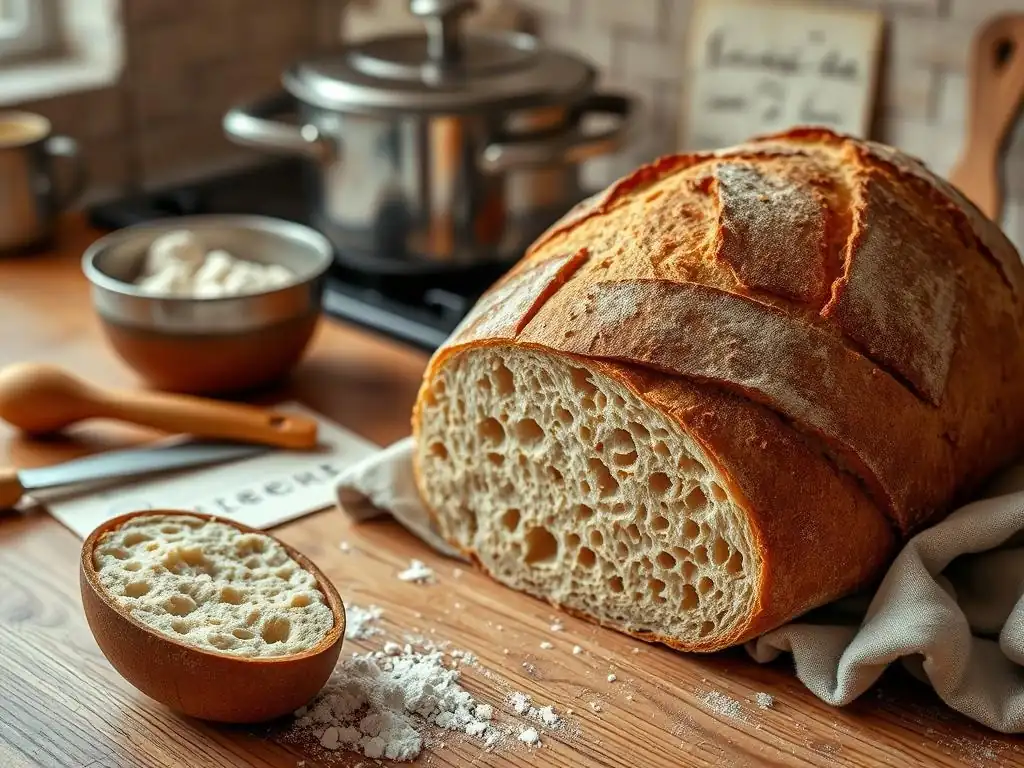
Even with a great German sourdough bread recipe easy to follow, baking sourdough can sometimes present challenges. Understanding common issues and how to address them is part of the learning process. Don't be discouraged by setbacks; each bake offers an opportunity to learn and improve.
Identifying the symptoms and knowing the likely causes will help you adjust your process for the next bake. Many problems stem from the sourdough starter's activity, dough handling, or oven conditions.
My Sourdough Isn't Rising: Starter Issues
If your sourdough dough is not rising adequately during bulk fermentation or proofing, the most common culprit is an inactive sourdough starter. A starter that hasn't been fed recently, is kept too cold, or hasn't fully matured may not have enough active yeast to leaven the dough effectively.
- Solution: Ensure your starter is active and bubbly before using it. Feed it regularly (1:1:1 or 1:2:2 ratio of starter:water:flour by weight is common) at room temperature for a few days until it consistently doubles in size within 4-8 hours. Using it at its peak activity (shortly after it has doubled) is best. Check the dough temperature; fermentation slows significantly if the dough is too cold.
My Crust Is Too Hard: Adjusting Steaming
A crust that is too thick and hard, rather than thin and crispy, is often a result of insufficient steam during the initial phase of baking. Without steam, the crust forms too quickly, restricting the dough's ability to expand fully and leading to a tougher texture.
- Solution: Increase the amount of steam in your oven during the first 15-20 minutes of baking. If using a Dutch oven, ensure it is preheated properly. If using a baking stone or steel, use a reliable steaming method like a tray of hot water or lava rocks, or pouring hot water into a preheated pan on the bottom rack, ensuring you close the oven door quickly to trap the steam. Avoid opening the oven door during the steaming phase.
My Crumb Is Too Dense: Kneading and Proofing Tips
A dense, heavy crumb can be caused by several factors, including underdeveloped gluten, under-proofing, or an inactive starter (which also affects rising). If the dough didn't develop enough strength during kneading/folding or didn't ferment long enough, it won't have the structure or gas production needed for a lighter texture.
- Solution: Ensure your starter is vigorous. Evaluate your kneading or folding technique – is the dough developing tension and elasticity? For rye doughs, avoid over-kneading but ensure adequate mixing. Check your proofing times and temperatures. Dough needs sufficient time in a warm environment to ferment and build gas; under-proofing means the dough hasn't expanded enough before baking. Conversely, extreme over-proofing can cause the structure to collapse, also leading to a dense loaf. Find the sweet spot where the dough is airy and has increased significantly in volume (often by 50-100% depending on the recipe).
Enjoying Your Homemade German Bread: Serving Suggestions
Baking your own German sourdough is a rewarding experience, and the best part is finally getting to enjoy your creation! German bread is hearty and flavorful, making it a perfect companion to a wide variety of foods. Understanding how to best serve and store your loaf will ensure you get the most out of every slice.
From simple butter to elaborate platters, the robust flavor of German sourdough complements many different pairings. And with its substantial nature, it often stays fresh longer than lighter loaves, especially if stored correctly.
Classic German Pairings: Cheeses, Meats, and Soups
German sourdough is traditionally served with simple, high-quality accompaniments that let the bread's flavor shine. A classic pairing is simply butter, perhaps with a sprinkle of salt. It's also the perfect base for open-faced sandwiches, piled high with cold cuts like ham, salami, or liverwurst, and various cheeses.
Hearty German soups and stews, such as lentil soup or goulash, are wonderfully complemented by a slice of dense sourdough bread for dipping. Breakfast often features bread with butter, jam, honey, or soft-boiled eggs. For Abendbrot (evening meal), bread is central, served with a selection of cold meats, cheeses, pickles, and salads – a true celebration of simple, good food.
Storing Your Bread: Keeping It Fresh
Proper storage is key to maintaining the freshness and quality of your homemade German sourdough. Because of its density and often lower moisture loss compared to airy loaves, German bread tends to keep well. The goal is to protect the cut surface from drying out while allowing the crust to remain relatively crisp.
Storing the loaf cut-side down on a cutting board can work for a day or two. For longer storage, a bread box is an excellent option as it provides a balance of air circulation and moisture retention. Alternatively, wrapping the cooled loaf loosely in a linen bread bag or a clean kitchen towel can help maintain the crust while keeping the interior soft. Avoid storing in plastic bags, as this can soften the crust and encourage mold growth. For longer term storage, sliced bread can be frozen in airtight bags or containers.
Beyond the Recipe: Expanding Your German Baking Skills
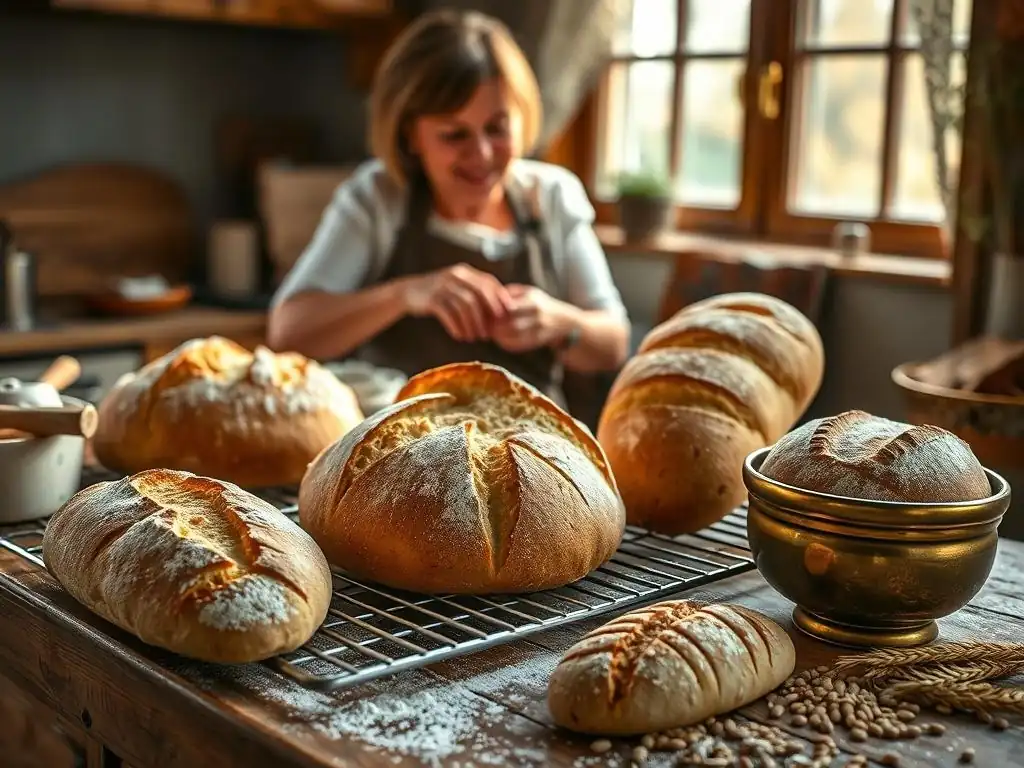
Mastering a German sourdough bread recipe easy enough for home bakers is just the beginning of a fascinating journey into German bread culture. The country's baking heritage is vast and diverse, offering countless avenues for further exploration and skill development.
Whether you want to try your hand at different types of German bread or learn from experienced bakers, there are many ways to deepen your knowledge and expand your baking repertoire beyond the basic loaf.
Exploring Other German Breads and Pastries
Once you're comfortable with a classic German sourdough, you might want to explore other staples of German baking. This could include mastering different types of rye breads like Kommissbrot or Bauernbrot, trying your hand at crusty wheat rolls ( Brötchen), or tackling more complex items like pretzels or regional sweet pastries.
Each type of bread or pastry has its own unique techniques and considerations, from specific dough hydration levels to intricate shaping methods or specialized baking processes. Researching different regional specialties can provide inspiration and challenge you to learn new skills.
Taking a German Baking Class: Immersive Learning
For those serious about delving deeper into German baking traditions, taking a dedicated class can be incredibly beneficial. Many culinary schools or independent bakeries offer workshops specifically focused on German bread or pastry.
These classes often provide hands-on experience with traditional techniques, introduce you to a wider variety of recipes than you might find online, and offer the opportunity to learn directly from experienced bakers. Immersive learning can help refine your skills, understand the nuances of different doughs, and gain confidence in tackling more complex German baked goods.
Conclusion: Embrace German Sourdough Baking at Home.
Frequently Asked Questions
What makes German sourdough bread different from other sourdough breads?
German sourdough often uses a higher percentage of rye flour, resulting in a denser crumb and a more pronounced tangy flavor. It also commonly incorporates ingredients like caraway seeds.
Is this "German sourdough bread recipe easy" suitable for beginner bakers?
Yes! This recipe is designed with easy-to-follow instructions and readily available ingredients, making it a great starting point for beginners exploring German sourdough.
What kind of flour is best for a German sourdough bread recipe?
A combination of rye flour and strong bread flour is ideal. The rye provides the characteristic flavor and texture, while the bread flour gives structure.
How long does it take to make German sourdough bread from start to finish?
The entire process, including starter feeding, dough fermentation, and baking, can take around 24-36 hours, but most of that is hands-off time during fermentation.
Can I substitute any ingredients in this German sourdough bread recipe?
While substitutions can be made, they might affect the final taste and texture. Experiment with different flours at your own risk, but stick to the core ingredients for best results.
Final Reflection: The Enduring Legacy of German Bread
The simple act of baking a loaf of sourdough bread connects us to centuries of tradition, and the enduring appeal of German bread-making is a testament to its timeless quality. This article explored the ease and accessibility of recreating authentic German sourdough bread at home, dispelling the myth that such recipes are complex and reserved for experienced bakers. The recipes shared aim to empower home bakers to experience the rich flavors and textures that have defined German culinary heritage for generations.
The influence of German bread-making extends far beyond the kitchen; it's woven into the fabric of German culture, representing community, craftsmanship, and a deep connection to the land. The simple act of sharing a loaf of freshly baked bread, whether it's a rustic Vollkornbrot or a delicate Kaisersemmel, fosters a sense of warmth and belonging. As the renowned baker, Richard Bertinet, once said: Bread is the staff of life, but it's also so much more. It's a symbol of sharing, of community, of comfort.
This sentiment perfectly encapsulates the enduring power of bread-making, and particularly the rich traditions found in German baking.
Now, I invite you to embrace the challenge and the joy of baking your own German sourdough bread. Don't be intimidated by the process; let this article serve as your guide. Experiment with different flours, explore variations on the recipes, and most importantly, savor the experience of creating something delicious and meaningful with your own hands. The journey of baking is as rewarding as the final product, and the taste of homemade German bread will be a testament to your efforts and a delicious connection to a rich culinary history.
Unleash Your Inner Bäcker: Bake Authentic German Bread Today!
Thanks for joining us on this delicious journey into the heart of German baking traditions! We hope you've gained a newfound appreciation for the artistry and simplicity of these classic breads. Now it's time to roll up your sleeves and get baking!
- Master your first German bread: Start with our recommended recipe (the Bauernbrot is a great place to begin!) – you'll be amazed at how rewarding it is.
- Share your baking journey: Tag us on social media with your creations – we'd love to see your beautiful loaves! Use #BakeWithEaseGermanBread.
- Explore beyond the basics: Dive deeper into German baking with our extensive collection of recipes and techniques on BakeWithEase.com.
What German bread will you conquer first? Let us know in the comments below!