
A Sweet Pilgrimage: Top Foodie Destinations for French Pastry Enthusiasts

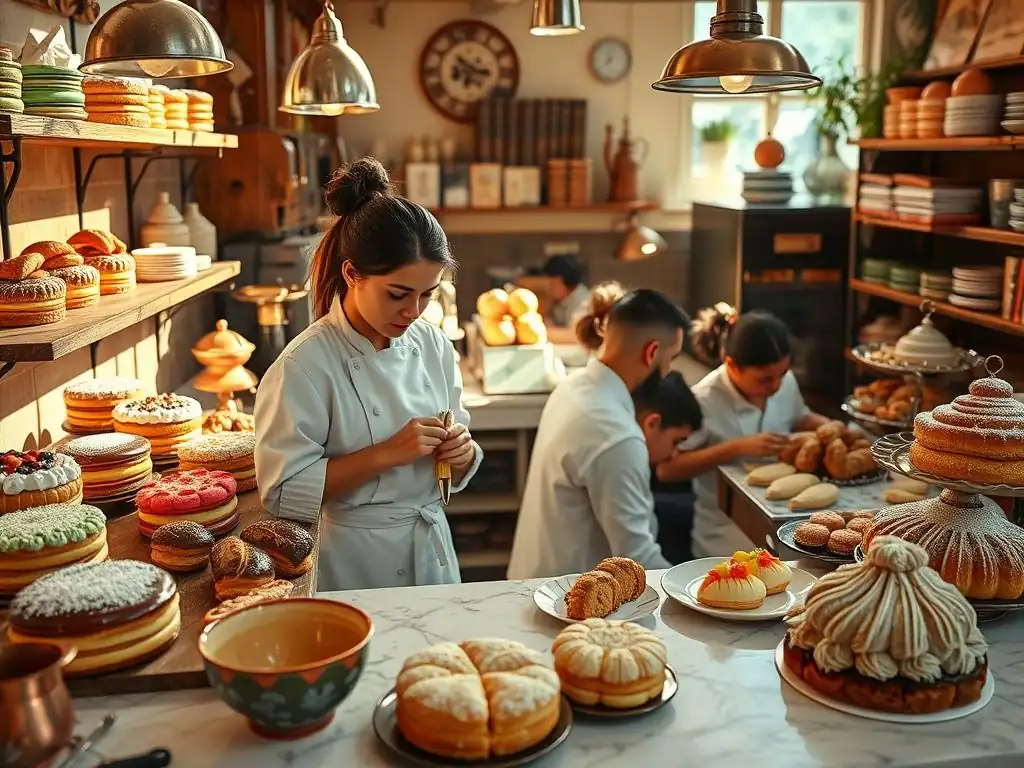
Welcome to BakeWithEase, your passport to a world of delectable delights! Ever dreamt of perfecting the art of a flaky croissant or a delicate macaron? This week, we embark on a sweet pilgrimage, exploring the top foodie destinations for French pastry baking classes. Discover where you can immerse yourself in authentic techniques and learn from the masters. Ready to unlock the secrets of Parisian patisseries and create your own edible masterpieces? Let's begin this delicious journey!
- Discovering the Best French Pastry Baking Classes: A Foodie's Paradise
-
Top 5 Destinations for Immersive French Pastry Baking Classes in 2024
- 1. Paris, France: The Classic Choice for French Pastry Baking Education
- 2. Lyon, France: A Gastronomic Hub for French Pastry Baking Workshops
- 3. Bordeaux, France: Pairing Wine with French Pastry Baking Experiences
- 4. Provence, France: Baking with Local Flavors and Ingredients in Southern France
- 5. Brittany, France: A French Pastry Adventure Focused on Crepes and Kouign Amann
- Essential Baking Tools for Your French Pastry Baking Journey
- Planning Your French Pastry Baking Trip: Tips and Resources
- Conclusion: Embrace the Sweet Art of French Pastry Baking
-
Frequently Asked Questions
- What types of French pastry baking classes does BakeWithEase recommend for beginners?
- Where can I find the best French pastry baking classes mentioned in the article?
- Are the French pastry baking classes offered at BakeWithEase online or in-person?
- What are the key ingredients commonly used in French pastry that I should learn about in these French pastry baking classes?
- How can French pastry baking classes improve my overall baking skills, even if I'm not solely focused on French pastries?
- Final Reflection: A Sweet Legacy, A Future Baked in Flour
- Unleash Your Inner Pâtissier: Start Your French Pastry Adventure!
Discovering the Best French Pastry Baking Classes: A Foodie's Paradise
For anyone with a passion for flaky croissants, delicate macarons, and rich chocolate éclairs, embarking on a journey to France is the ultimate dream. But beyond simply tasting these exquisite creations, imagine learning to bake them yourself! France offers an unparalleled opportunity to immerse yourself in the art of patisserie by enrolling in authentic French pastry baking classes. These experiences range from short, hands-on workshops perfect for beginners to intensive, multi-day courses designed for aspiring professionals or serious home bakers looking to elevate their skills.
Choosing the right location for your sweet adventure is key. While Paris is the undeniable capital of haute patisserie, other regions of France boast their own unique culinary traditions and offer distinct perspectives on French pastry baking. Whether you seek to master classic techniques in a formal setting or explore regional specialties in a more intimate environment, there's a perfect destination waiting for you. Many schools and ateliers across the country welcome international visitors, offering classes in English or with translation, making the dream of taking French pastry baking classes accessible to everyone.
Top 5 Destinations for Immersive French Pastry Baking Classes in 2024
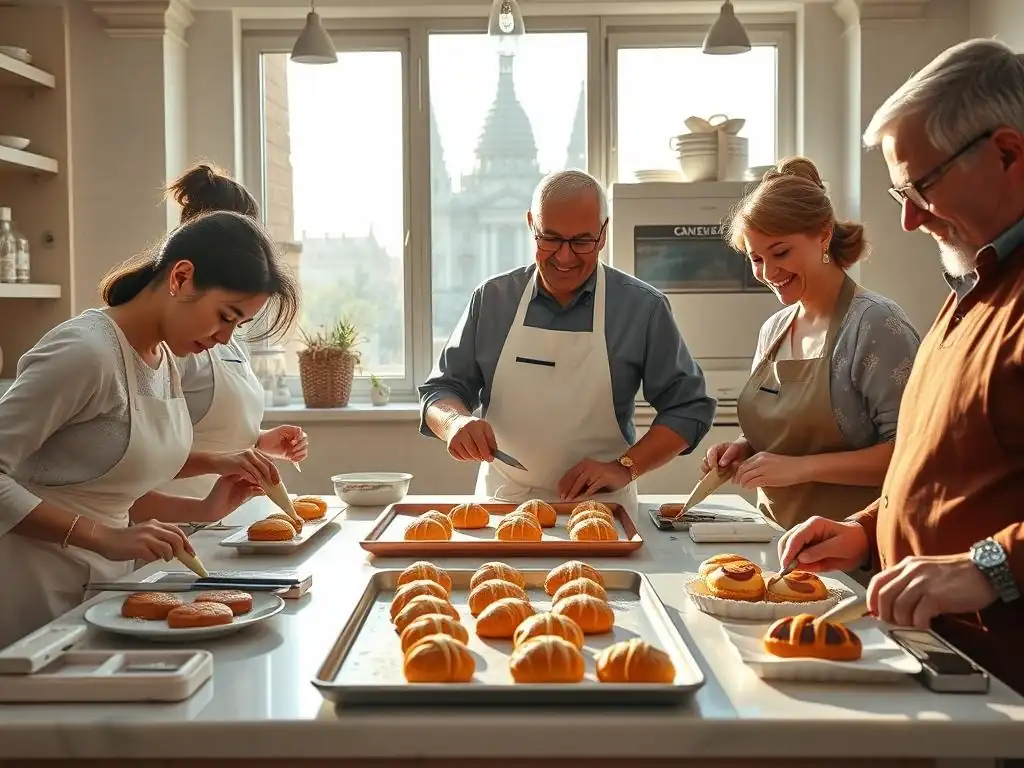
1. Paris, France: The Classic Choice for French Pastry Baking Education
Paris is synonymous with world-class patisserie, making it the quintessential destination for anyone seeking high-quality French pastry baking classes. The city is home to numerous prestigious culinary institutions and smaller, independent ateliers that offer a vast array of courses. You can find workshops focused on mastering specific techniques like tempering chocolate, crafting perfect choux pastry, or assembling elaborate layered cakes such as the Opéra or Saint-Honoré. Many classes provide hands-on experience from start to finish, allowing participants to create and take home their delicious masterpieces.
The sheer number of options means there's a class for every interest and skill level. Beginner courses often cover foundational techniques like making pâte sucrée (sweet pastry dough) for tarts or preparing simple yet iconic treats like madeleines or financiers. More advanced French pastry baking classes delve into complex subjects such as entremets, viennoiseries like pain au chocolat, or the intricacies of sugar work.
Class durations vary significantly, from quick two-hour sessions focusing on one pastry to intensive week-long programs providing a comprehensive introduction to French patisserie. Class sizes are typically small, often ranging from 8 to 15 students, ensuring personalized attention from experienced chefs.
2. Lyon, France: A Gastronomic Hub for French Pastry Baking Workshops
Lyon, often hailed as France's gastronomic capital, offers a rich culinary landscape that extends beautifully into the realm of patisserie. While perhaps less internationally famous for pastry schools than Paris, Lyon boasts a vibrant scene with excellent opportunities for French pastry baking classes. The city's focus on quality ingredients and traditional cooking techniques translates into pastry workshops that emphasize flavor, seasonality, and regional influences. You can expect to find classes that teach classic French pastries alongside those that might incorporate local elements.
Taking French pastry baking classes in Lyon provides a slightly different perspective, often grounded in the practical, robust traditions of Lyonnaise cuisine. Workshops here might focus on creating beautiful tarts using seasonal fruits from the surrounding Rhone-Alpes region or mastering brioche, a staple often associated with Lyon (think brioche aux pralines roses). Many cooking schools in the city offer dedicated pastry modules or workshops, providing hands-on practice in a professional kitchen environment. These classes are an excellent way to combine exploring Lyon's incredible food scene with gaining practical baking skills.
3. Bordeaux, France: Pairing Wine with French Pastry Baking Experiences
Bordeaux, renowned globally for its wine, also offers unique opportunities for French pastry baking enthusiasts, often blending the two regional strengths. The most iconic pastry associated with Bordeaux is the canelé, a small, cylindrical pastry with a soft, custardy interior and a dark, caramelized crust, traditionally flavored with rum and vanilla. Numerous local bakeries and culinary schools in Bordeaux offer specialized workshops dedicated solely to mastering the art of baking perfect canelés. These classes are incredibly popular and provide deep insight into a specific, beloved regional treat.
Beyond the canelé, Bordeaux and the surrounding Aquitaine region offer French pastry baking classes that might integrate the local culture, sometimes even including wine pairings or visits to local markets for ingredients. While perhaps not having as many large-scale pastry academies as Paris, the focus here is often on smaller, more intimate workshops or classes offered within guesthouses or châteaux that provide a more rustic or luxurious baking experience. These classes offer a chance to learn classic French techniques while soaking in the atmosphere of one of France's most beautiful regions.
4. Provence, France: Baking with Local Flavors and Ingredients in Southern France
Provence, with its sun-drenched landscapes and fragrant ingredients, offers a delightful setting for French pastry baking classes that highlight regional flavors. The cuisine of Southern France is characterized by its use of fresh fruits, nuts, honey, olive oil, and aromatic herbs, all of which find their way into local sweets and pastries. Taking a baking class in Provence allows you to explore how these ingredients are traditionally used in pastries like tarte Tropézienne, calissons d'Aix, or simple, rustic fruit tarts.
Many culinary schools and private chefs in Provence offer workshops focused on traditional Provençal baking. These French pastry baking classes often emphasize seasonal produce, teaching participants to create pastries that reflect the bounty of the region, such as cherry tarts in summer or fig tarts in autumn. You might learn to make navettes, boat-shaped biscuits from Marseille, or pâtes de fruits using local fruits. The experience is often more relaxed and ingredient-focused than in larger cities, providing a wonderful opportunity to connect with the local culinary heritage while honing your baking skills.
5. Brittany, France: A French Pastry Adventure Focused on Crepes and Kouign Amann
Brittany, the northwestern region of France, has a distinct culinary identity heavily influenced by its coastline and agricultural traditions. While perhaps not the first place that comes to mind for classic Parisian patisserie, Brittany is home to iconic regional pastries that are essential to the French sweet repertoire, offering unique French pastry baking classes centered around these specialties. The most famous are, of course, crêpes and galettes (savory buckwheat crêpes), but the region also boasts the incredibly rich Kouign Amann and the prune-filled Far Breton.
Numerous local establishments, from crêperies to dedicated baking schools, offer workshops where you can learn the secrets to making the perfect crêpe batter and mastering the technique of cooking them on a billig (special crêpe pan). More adventurous bakers can seek out French pastry baking classes focused on the Kouign Amann, a dense, buttery cake made with layers of dough, butter, and sugar – a true test of laminated dough skills. These classes provide a deep dive into the specific techniques and traditions that make Breton pastries so unique and beloved.
Essential Baking Tools for Your French Pastry Baking Journey
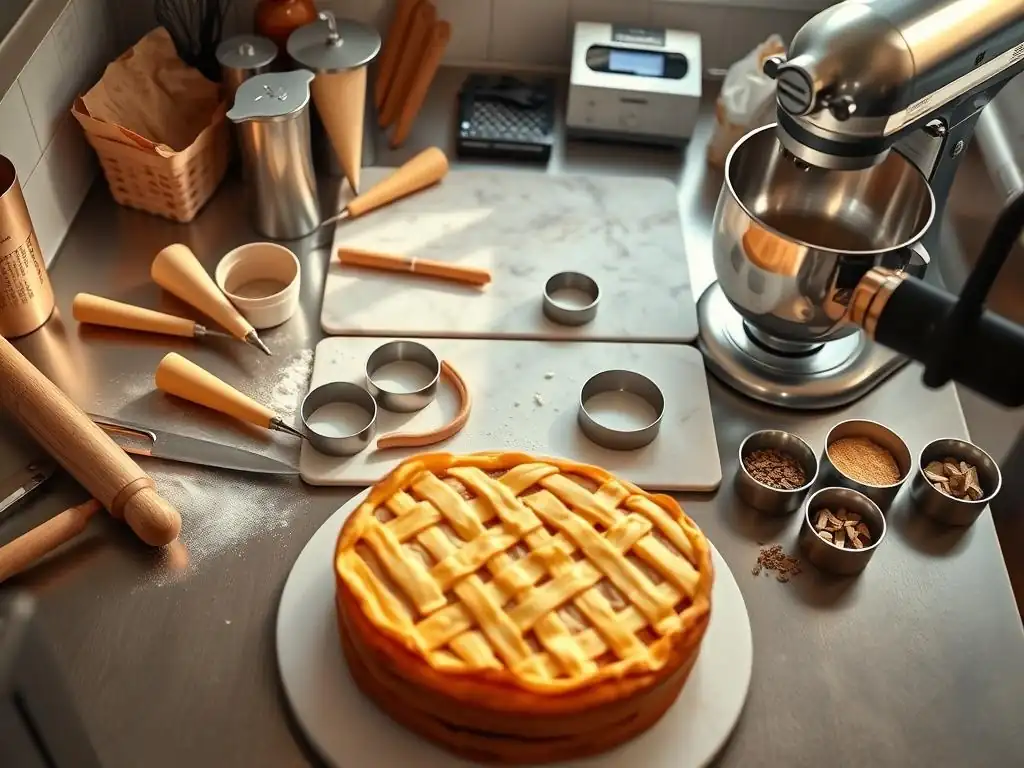
Embarking on a French pastry baking journey, whether in France or in your own kitchen, requires a few essential tools to achieve those delicate textures and beautiful finishes. While professional kitchens have specialized equipment, many classic French pastries can be made with standard home baking tools.
Here are some indispensable items:
- Kitchen Scale: French pastry recipes are often measured by weight for precision, which is crucial for consistent results.
- Whisks: Both balloon whisks for incorporating air into eggs and creams, and smaller whisks for sauces or vinaigrettes.
- Spatulas: Silicone spatulas are vital for scraping bowls cleanly and folding ingredients gently.
- Rolling Pin: Essential for rolling out doughs like pâte brisée, pâte sucrée, or puff pastry.
- Pastry Bags and Tips: Necessary for piping choux pastry, decorating cakes, or filling macarons.
- Tart Molds: Various sizes of fluted tart molds (often with removable bottoms) for classic French tarts.
- Baking Sheets: Sturdy, flat baking sheets are needed for cookies, choux puffs, and more.
- Parchment Paper or Silicone Mats: Prevents sticking and ensures even baking.
- Fine-Mesh Sieve: For sifting flour, cocoa powder, or powdered sugar.
- Saucepans: Various sizes for making creams, curds, and syrups.
Understanding how to properly use these tools is as important as having them. Many French pastry baking classes will guide you through the correct techniques, like whisking egg whites to the perfect consistency or rolling out dough evenly.
// Example of a basic ingredient list structure often used in recipes:
### Basic Choux Pastry Ingredients

*   Water: 250g
*   Butter: 100g, unsalted
*   Sugar: 5g
*   Salt: Pinch
*   Flour: 150g, all-purpose
*   Eggs: 4-5 large

// Note: The number of eggs can vary based on flour absorption.
// This dough is the base for éclairs, profiteroles, and gougères.
Planning Your French Pastry Baking Trip: Tips and Resources
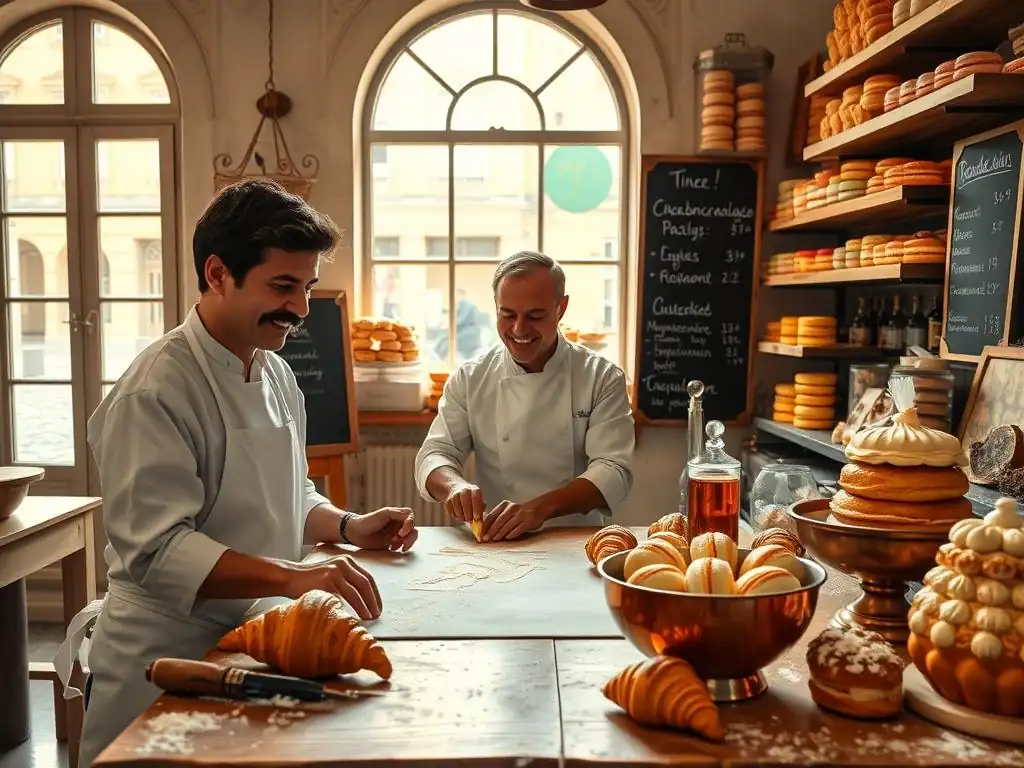
Planning a trip centered around French pastry baking classes requires a bit of organization to maximize your experience. Here are some tips to help you make the most of your sweet pilgrimage:
- Research Schools and Workshops: Look for institutions or ateliers in your chosen destination that offer classes aligning with your interests (beginner, specific pastry focus, duration). Read reviews if available.
- Book in Advance: Popular French pastry baking classes, especially in major cities or during peak tourist season, can fill up quickly. Booking several months ahead is often recommended.
- Consider Language: Check if classes are offered in English or if translation is available. While some basic French phrases are helpful, clear instruction is key for baking success.
- Check Skill Levels: Ensure the class is appropriate for your current baking experience. Don't be afraid to start with a beginner class to master foundational French techniques.
- Factor in Travel Time: If taking multiple classes in different locations, plan your itinerary to include travel time between cities or regions. France has an excellent train system.
- Budgeting: Costs for French pastry baking classes vary widely, from €50-€80 for a short workshop to several hundred or even thousands of euros for multi-day intensive courses. Factor this into your overall trip budget, along with accommodation, food, and activities.
- Explore Local Patisseries: Complement your learning by visiting local bakeries and tasting the work of master pâtissiers. Observe their displays and techniques if possible.
- [x] Research potential baking schools in desired cities.
- [ ] Check class schedules and availability for planned travel dates.
- [ ] Confirm language of instruction and translation options.
- [ ] Read reviews from previous students if available.
- [ ] Budget for class fees, accommodation, and local transport.
- [ ] Book chosen French pastry baking classes well in advance.
- [ ] Plan logistics for getting to and from class locations.
- [ ] Make a list of must-try local pastries in each destination.
Conclusion: Embrace the Sweet Art of French Pastry Baking
Embarking on a journey to take French pastry baking classes in France is more than just a vacation; it's an immersive cultural and culinary experience. From the bustling patisserie scene in Paris to the regional specialties of Lyon, Bordeaux, Provence, and Brittany, each destination offers unique insights into the world of French sweets. Whether you dream of perfecting the delicate macaron, mastering the flaky layers of a croissant, or learning the secrets behind regional delights like the canelé or Kouign Amann, France provides the ultimate classroom.
Taking French pastry baking classes allows you to connect with the rich history and tradition of this esteemed craft, learning techniques passed down through generations. It's a chance to work with high-quality ingredients, understand the importance of precision, and create edible works of art under the guidance of skilled professionals. So, pack your apron and your appetite – a sweet pilgrimage awaits, promising not only delicious results but also unforgettable memories and a deeper appreciation for the exquisite art of French pastry baking.
Frequently Asked Questions
What types of French pastry baking classes does BakeWithEase recommend for beginners?
BakeWithEase suggests starting with classes focused on basic techniques like pâte à choux or crème pâtissière. These classes often cover fundamental skills applicable to a wide range of pastries.
Where can I find the best French pastry baking classes mentioned in the article?
The article highlights destinations like Paris and Lyon, known for their renowned culinary schools and patisserie workshops. Search for institutions or independent chefs offering classes in these cities.
Are the French pastry baking classes offered at BakeWithEase online or in-person?
While BakeWithEase provides recipes and guides, the article primarily focuses on destinations for in-person learning experiences. Check the website for any online course offerings.
What are the key ingredients commonly used in French pastry that I should learn about in these French pastry baking classes?
Expect to learn about ingredients like high-quality butter, pastry flour, and various creams and chocolates. Understanding their properties is crucial for successful baking.
How can French pastry baking classes improve my overall baking skills, even if I'm not solely focused on French pastries?
Learning French pastry techniques can enhance your precision, ingredient knowledge, and understanding of fundamental baking principles. These skills are transferable to other baking areas.
Final Reflection: A Sweet Legacy, A Future Baked in Flour
The pursuit of the perfect croissant, the delicate dance of a macaron shell, the rich aroma of a freshly baked pain au chocolat – these aren't just culinary experiences; they are expressions of a rich cultural heritage that continues to captivate and inspire. The global fascination with French pastry, as explored in this journey through top foodie destinations, highlights a timeless appeal that transcends borders and generations. This enduring legacy is more than just delicious treats; it's a testament to artistry, precision, and the enduring power of tradition.
The impact of French pastry extends far beyond the simple pleasure of indulging in a delectable treat. It represents a dedication to craftsmanship, a commitment to quality ingredients, and a deep respect for time-honored techniques. It's a legacy passed down through generations of passionate bakers, each adding their own unique touch while preserving the essence of classic recipes. As Julia Child wisely said, People who love to eat are always the best people.
This sentiment perfectly encapsulates the joy and connection fostered by the shared experience of creating and savoring these exquisite pastries. The passion evident in the bakeries and classes featured here is a testament to this enduring truth.
Now, it's your turn. Consider the allure of French pastry – not just as a delicious indulgence, but as a symbol of dedication, artistry, and cultural exchange. Are you ready to embark on your own sweet pilgrimage? Whether it's enrolling in a baking class to master the art of the croissant, exploring a local patisserie, or simply taking the time to appreciate the beauty and complexity of a perfectly crafted éclair, the world of French pastry awaits. Embrace the opportunity to learn, to create, and to share the joy of this timeless culinary tradition.
Unleash Your Inner Pâtissier: Start Your French Pastry Adventure!
Thanks for joining us on this delicious journey through the world of French pastries! We hope you've discovered some new favorite destinations and found inspiration for your own baking adventures. Now it's time to put that inspiration into action.
- Plan your next pastry pilgrimage: Research one of the destinations highlighted in the article and start planning a trip – even a day trip to a local French bakery counts! Imagine yourself savoring a perfectly crafted croissant…
- Share your passion: Tell us about your favorite French pastry spot – or the one you're most excited to try! Leave a comment below and let's start a conversation.
- Bake something delightful: Find a recipe inspired by the article and try baking it yourself! Tag us on social media if you share your creation.
Ready to embark on your own sweet adventure? What's the first French pastry you'll be indulging in (or baking! )?