
Fixing Common Beginner Baking Mistakes: Sinking Cakes, Tough Cookies & More

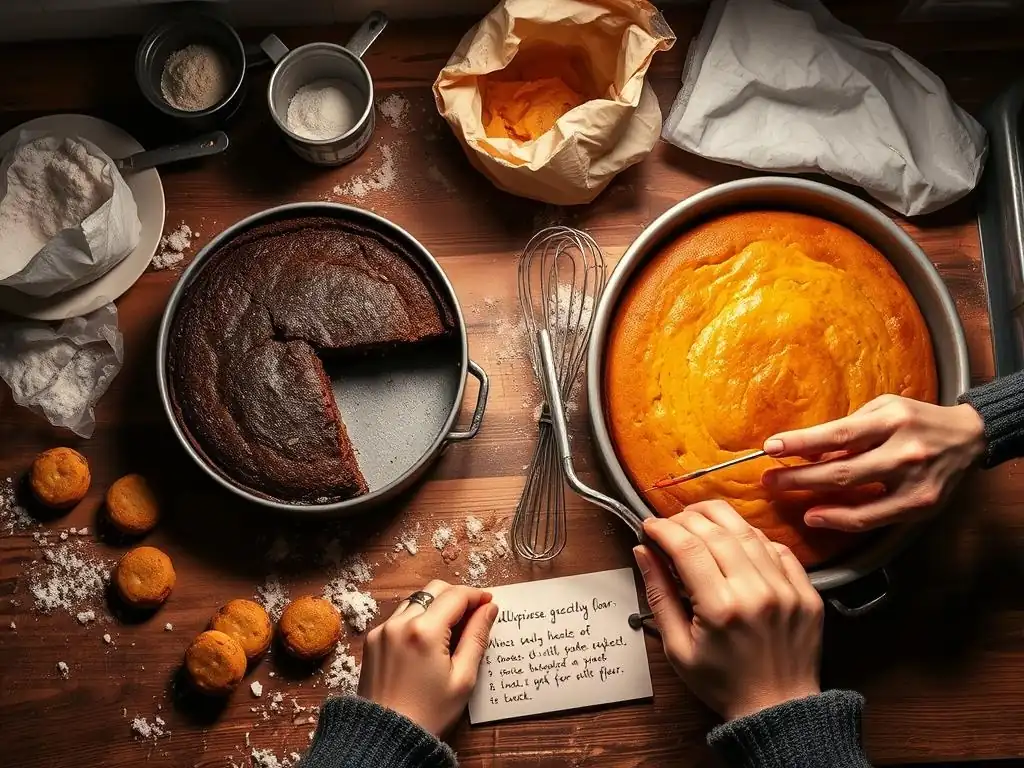
Welcome to BakeWithEase, your kitchen companion for conquering the sweet world of baking! Are you tired of baking fails and wondering why your cakes sink or your cookies turn out tough? Uncover the secrets to perfect bakes and sidestep those frustrating pitfalls. This week, we're diving deep into beginner baking mistakes troubleshooting tips, offering simple solutions and expert advice to transform your baking journey from frustrating to fantastic. Ready to say goodbye to baking blunders and hello to delicious success? Let's get started!
- Addressing Dry Cakes and Breads: Moisture Balance
-
Frequently Asked Questions
- What are some common reasons why my cake might sink in the middle?
- Why do my cookies always turn out tough, even though I follow the recipe?
- What's the best way to avoid flat cookies?
- How can I prevent my bread from being too dense?
- What are some simple tips for ensuring my frosting is smooth and lump-free?
- Final Reflection: The Sweet Taste of Success Through Baking's Trials
- Unlock Your Inner Baker: Level Up Your Baking Skills!
Addressing Dry Cakes and Breads: Moisture Balance
Identifying the Cause of Dryness in Baked Goods
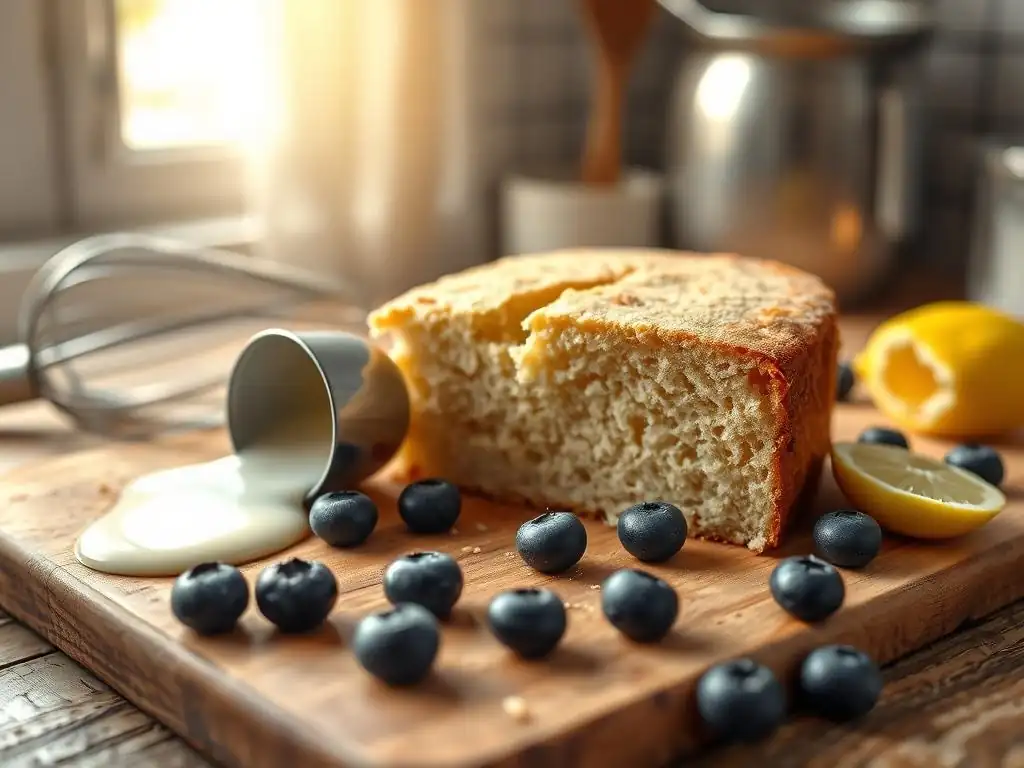
One of the most frustrating beginner baking mistakes is pulling a cake or loaf of bread out of the oven only to find it's dry and crumbly instead of wonderfully moist. Several factors can contribute to this issue. At its core, dryness usually stems from a lack of sufficient moisture retention during the baking process. This can be due to the item being in the heat for too long, an imbalance in the recipe's components, or even the environment within your oven itself. Understanding these underlying causes is the first step in applying effective beginner baking mistakes troubleshooting tips.
For example, if you bake a simple vanilla cake recipe for 40 minutes at 350°F (175°C) when it was supposed to bake for 30-35 minutes, that extra time allows significantly more moisture to evaporate from the batter as the internal temperature continues to rise. Similarly, if your bread dough has too high a ratio of flour to water, the gluten structure forms but there simply isn't enough liquid present to hydrate the starch granules properly during baking, resulting in a dense, dry crumb. These common pitfalls are easily avoided with a little knowledge and careful execution.
Overbaking Cakes and Breads: The Moisture Thief
Overbaking is perhaps the most common culprit behind dry baked goods. When cakes or breads are left in the oven for too long, the prolonged exposure to heat causes excessive evaporation of water. Even after the internal structure is fully set and cooked, moisture continues to escape, leaving the final product with a dry, sometimes even hard, texture. Think of it like boiling water – the longer it boils, the less water is left. In baking, the heat drives off the moisture molecules within the crumb.
This is particularly true for items like sponge cakes or lean breads, which have less fat or sugar to help retain moisture. While a recipe might give a time range, ovens vary, and relying solely on the clock can lead to trouble. A cake might be perfectly done in one oven after 30 minutes but require 35 in another. Ignoring visual cues or internal temperature and just sticking to the maximum time listed is a classic beginner baking mistake that leads directly to dryness.
Incorrect Flour-to-Liquid Ratio: Recipe Balance
The balance between wet and dry ingredients is fundamental to achieving the correct texture in baking. An incorrect flour-to-liquid ratio, particularly too much flour or too little liquid, will inevitably result in dry cakes and breads. Flour is absorbent, and if there isn't enough liquid (like milk, water, eggs, or oil) to properly hydrate it and the other dry ingredients (like sugar), the baked good will lack the necessary internal moisture. This is why accurate measurement, especially of flour, is absolutely critical.
Consider a standard muffin recipe. If you scoop flour directly from the bag using your measuring cup, you can easily pack in 20-30% more flour than intended compared to lightly spooning it into the cup and leveling it off. That excess flour absorbs moisture that should have contributed to a tender crumb, resulting in dense, dry muffins. Learning proper measuring techniques is one of the most impactful beginner baking mistakes troubleshooting tips you can master early on.
Low Oven Humidity: Keeping Baked Goods Moist
While less discussed than overbaking or ingredient ratios, the humidity level within your oven can also affect the moisture content of your baked goods, especially breads. A dry oven environment can actually pull moisture out of the surface of the dough or batter as it bakes. This is why professional bakers often inject steam into their ovens, particularly when baking crusty breads like baguettes. The steam helps keep the surface moist initially, allowing for better oven spring and preventing the crust from hardening too quickly, which can also impact the overall moisture.
For home bakers, a low-humidity oven might contribute to a thicker, drier crust on bread or a slightly drier exterior on cakes. While it might not be the primary cause of a severely dry interior (that's usually overbaking or ingredient issues), it plays a role in the overall moisture experience. Understanding this environmental factor is part of comprehensive beginner baking mistakes troubleshooting tips for those aiming for professional results.
Tips for Moist Cakes and Breads
Fortunately, achieving moist cakes and breads is well within reach for beginner bakers. By focusing on careful technique and understanding how ingredients interact with heat, you can dramatically improve your results. Incorporating moisture-rich ingredients, monitoring doneness accurately, and even utilizing simple techniques like a water bath can transform dry bakes into delightfully tender treats. These practical beginner baking mistakes troubleshooting tips will guide you toward baking success.
The key is to be proactive – preventing dryness is much easier than trying to fix it after the fact. This involves paying close attention to your ingredients, your oven, and the cues your baked goods give you as they bake. Don't be afraid to experiment slightly within a recipe's guidelines once you understand the principles of moisture balance.
Adding Moisture-Rich Ingredients: Yogurt, Sour Cream, Applesauce
Incorporating ingredients known for adding moisture can significantly improve the texture of cakes and some quick breads. Dairy products like yogurt, sour cream, and buttermilk contain fat and acidity, which tenderize the crumb and add moisture. For instance, substituting half or all of the liquid called for in a cake recipe with an equal amount of full-fat yogurt can result in a remarkably moist cake. Applesauce, pumpkin puree, mashed banana, or even mayonnaise (which is essentially oil and eggs) can also add moisture and richness.
When using these as substitutions, it's often on a 1:1 volume basis for some liquids or fats, but it's best to follow recipes specifically designed to use them. For example, replacing half a cup of butter in a cake with half a cup of applesauce can drastically reduce fat but increase moisture and tenderness. These ingredients also contribute to a longer shelf life, keeping your baked goods moist for days.
Monitoring Internal Temperature for Doneness
Relying solely on baking time or the toothpick test can be misleading. The most accurate way to determine if a cake or loaf of bread is done without overbaking is to check its internal temperature using an instant-read thermometer. For most cakes, a temperature of 200-210°F (93-99°C) indicates that the structure is set and it's ready to come out. For yeast breads, the range is typically 190-210°F (88-99°C), depending on whether you want a softer or firmer crust.
Using a thermometer eliminates the guesswork and prevents the dreaded overbaking that leads to dryness. Insert the thermometer into the thickest part of the cake or bread, avoiding any fruit or chocolate chips. When it reaches the target temperature, remove it from the oven immediately. This simple tool is one of the most effective beginner baking mistakes troubleshooting tips for achieving perfect doneness and preventing dryness.
Utilizing a Water Bath for Even Baking (Bain-Marie Technique)
For delicate baked goods like cheesecakes, custards, and some types of cakes, a water bath (or bain-marie) is an excellent technique for ensuring even, gentle baking and preventing dryness. To create a water bath, place the baking pan containing your batter into a larger pan, and then fill the larger pan with hot water about halfway up the sides of the inner pan. This setup is then placed in the oven.
The water bath serves two main purposes: it provides a consistent, moderate temperature around the baking item, preventing the edges from cooking and drying out before the center is done, and it adds humidity to the oven environment, which helps keep the surface of the baked good moist. While it adds an extra step, for recipes prone to cracking or drying out, a water bath is a highly effective technique among beginner baking mistakes troubleshooting tips.
Frequently Asked Questions
What are some common reasons why my cake might sink in the middle?
A sinking cake often results from uneven heat distribution in the oven, overmixing the batter, or opening the oven door too frequently during baking.
Tough cookies are frequently caused by overmixing the dough, which develops too much gluten, or using too much flour. Accurate measuring is key!
Flat cookies can be avoided by chilling the dough before baking, ensuring you're using the correct amount of fat as specified in the recipe, and avoiding over-greasing the baking sheet.
How can I prevent my bread from being too dense?
Dense bread usually arises from insufficient kneading, using old or inactive yeast, or not allowing enough time for proofing.
What are some simple tips for ensuring my frosting is smooth and lump-free?
For smooth frosting, ensure your butter is at room temperature, sift your powdered sugar to remove lumps, and mix on low speed to avoid incorporating air bubbles.
Final Reflection: The Sweet Taste of Success Through Baking's Trials
Mastering the art of baking isn't about avoiding mistakes; it's about learning from them. The journey from a sunken cake to a perfectly risen loaf is a testament to patience, practice, and a willingness to embrace the inevitable imperfections. This article explored some of the most common beginner baking pitfalls – from tough cookies to gummy brownies – and offered practical solutions to help you navigate these challenges. But the real takeaway transcends mere technique.
Baking, much like life, is a process of trial and error. Each failed attempt offers a valuable lesson, a chance to refine your skills and deepen your understanding. The only true wisdom is in knowing you know nothing.
- Socrates. This quote, while seemingly unrelated to baking, perfectly encapsulates the humble approach needed to truly master any craft. The more we bake, the more we realize how much we don't know, and this continuous learning is what makes the process so rewarding. The journey itself, with its triumphs and setbacks, shapes our understanding and appreciation of the art.
Now, it's your turn. Take what you've learned here, dust off your apron, and embrace the messy, delicious adventure of baking. Don't be afraid to experiment, to deviate from the recipe, to even fail spectacularly. Each time you step into the kitchen, you're not just creating a cake or a cookie; you're cultivating a skill, building confidence, and discovering the joy of creation. So, go forth, bake boldly, and savor the sweet taste of success – even in the face of a slightly sunken cake.
Unlock Your Inner Baker: Level Up Your Baking Skills!
Thanks for taking the time to explore common baking pitfalls and how to avoid them! You've now got the knowledge to bake with more confidence. Ready to put your newfound skills to the test?
- Bake your best creation yet: Choose your favorite recipe (or try a new one!) and put these tips into practice. See the difference it makes!
- Share your baking triumphs (and challenges!): Let's connect – tell us about your baking journey in the comments below! We love to hear from our community.
- Try a new recipe: Challenge yourself with something you haven't baked before, armed with your new problem-solving skills.
What's the first recipe you're going to tackle now that you're armed with these amazing baking tips?