
Essential Tools for Beginner Bakers: What to Buy First

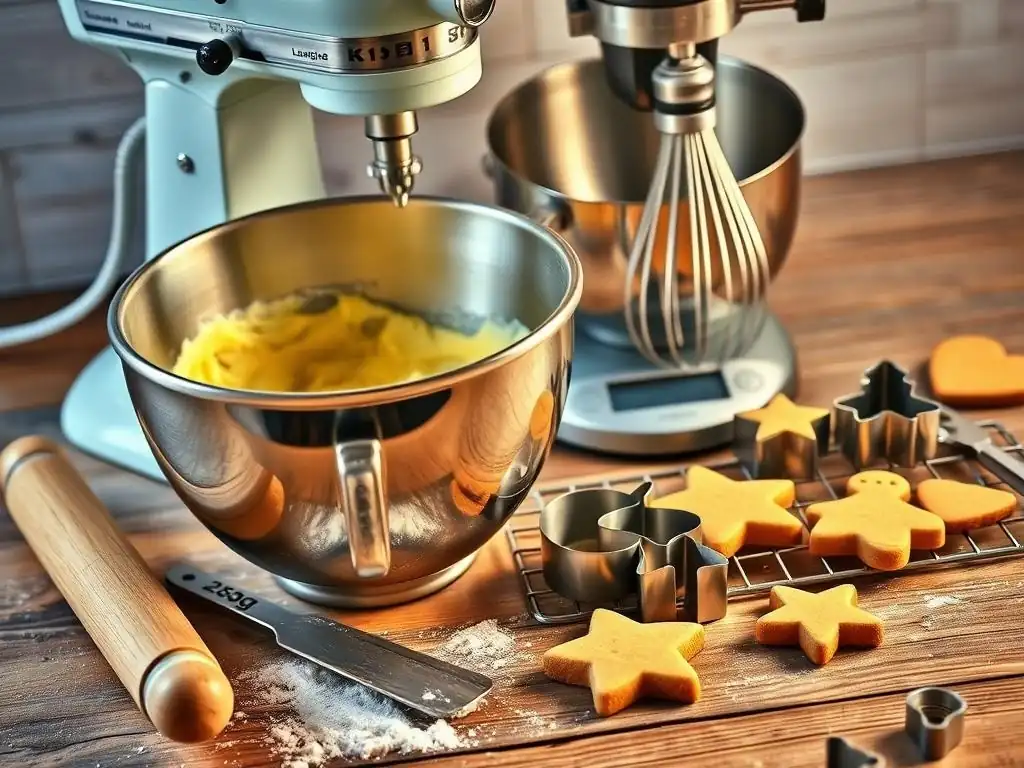
Welcome to BakeWithEase, your trusted guide to unlocking the joys of baking! Ever feel overwhelmed by the sheer volume of baking equipment out there? This week, we're diving deep into the essential tools for beginner bakers, helping you curate the perfect starter kit without breaking the bank. Discover which items are truly indispensable and which you can skip for now. Ready to equip your kitchen and embark on your baking adventure? Let's get started!
- Getting Started with Baking: Essential Tools for Beginners
- Must-Have Baking Tools for New Bakers: The Foundation of Your Kitchen
- The Top 5 Best Baking Tools Beginner Bakers Need Right Now
- Beyond the Basics: Helpful Baking Tools for Expanding Your Skills
- Building Your Baking Arsenal: Where to Buy Beginner Baking Tools
- Pro Tips for Beginner Bakers: Taking Care of Your New Tools
- Bake With Ease: Your Baking Journey Starts Now!
-
Frequently Asked Questions
- What are the absolute most essential baking tools a beginner baker should invest in first?
- Why are measuring cups and spoons so important for beginner bakers?
- Besides a baking sheet, what other baking pans are highly recommended for starting out?
- What kind of spatula is best for beginner bakers: rubber, silicone, or metal?
- Where can beginner bakers find affordable yet reliable baking tools?
- Final Reflection: The Sweetest Beginnings: Mastering the Art of Baking
- Unleash Your Inner Baker: Get Started Today!
Getting Started with Baking: Essential Tools for Beginners
Embarking on your baking adventure is exciting, and having the right equipment makes all the difference. Think of your tools as your culinary companions, helping you transform simple ingredients into delicious treats. You don't need a professional kitchen setup to start; a few fundamental items are sufficient to tackle a wide range of beginner-friendly recipes, from classic chocolate chip cookies to simple loaf cakes. Choosing the best baking tools beginner bakers can rely on will set you up for success and make the learning process much more enjoyable.
Starting with the essentials allows you to learn the basics of baking techniques without being overwhelmed by too many gadgets. As you gain confidence and explore more complex recipes, you can gradually expand your collection. This guide focuses on the absolute must-haves, the foundational pieces that will enable you to measure accurately, mix effectively, and bake evenly, ensuring your first attempts are rewarding and encourage you to keep baking.
Welcome to BakeWithEase: Your Journey to Baking Mastery Begins Here
Welcome aboard your baking journey with BakeWithEase! We are thrilled to be your guide as you step into the wonderful world of creating delicious baked goods. Our platform is designed to make baking accessible and fun for everyone, regardless of your prior experience. We believe that with the right guidance and a few key tools, anyone can learn to bake successfully and confidently, turning simple ingredients into moments of joy.
Here at BakeWithEase, we provide step-by-step recipes and helpful tips tailored specifically for beginners. We understand that starting something new can feel daunting, which is why we break down techniques and processes into easy-to-follow steps. Our goal is to help you build a solid foundation of baking knowledge and skills, starting with selecting the best baking tools beginner bakers need to get started without unnecessary complexity or expense.
Must-Have Baking Tools for New Bakers: The Foundation of Your Kitchen
Building your baking toolkit starts with understanding which items are truly indispensable. These aren't fancy, single-use gadgets, but rather versatile workhorses that you'll reach for in almost every baking project. Having these fundamental tools readily available ensures you can follow most beginner recipes accurately and efficiently. Focusing on these core pieces first is a smart way to invest in your new hobby without breaking the bank.
Identifying the must-have tools helps streamline your initial purchases. You'll find that many essential items serve multiple purposes, making them incredibly valuable in a beginner's kitchen. From accurately measuring flour and sugar to properly mixing batter and baking cookies, these tools are the backbone of successful baking. We'll guide you through the absolute essentials, highlighting why each one is crucial for new bakers.
Why Invest in Quality Baking Tools as a Beginner?
Investing in reasonably good quality baking tools from the start can significantly impact your results and overall baking experience. While you don't need the most expensive professional-grade equipment, opting for durable and reliable tools ensures consistency in your baking outcomes. Cheap tools might break easily, provide inaccurate measurements, or lead to uneven baking, which can be frustrating for a beginner trying to learn and gain confidence.
Quality tools, such as sturdy measuring cups or a well-made baking sheet, offer better performance and longevity. For example, a good set of measuring cups will provide precise measurements critical for baking chemistry, and a quality baking sheet will distribute heat more evenly, preventing burnt edges and undercooked centers. Prioritizing quality for the best baking tools beginner bakers can afford means less frustration and more delicious successes right from the start.
Prioritizing Your Purchases: Essential vs. Nice-to-Have
When you're just starting out, it's easy to feel overwhelmed by the sheer number of baking tools available. To keep things manageable and budget-friendly, it's crucial to distinguish between the truly essential items you need immediately and the "nice-to-have" tools you can acquire later as your skills and interests grow. Focus your initial purchases on the foundational tools that are necessary for almost every basic baking recipe.
The essential category includes items like measuring cups and spoons, mixing bowls, baking sheets, and spatulas. These are the fundamental building blocks. Nice-to-have items might include specialized cake pans, cookie cutters, piping bags, or a stand mixer – wonderful tools, but not strictly necessary for your very first baking attempts. Prioritizing the essential best baking tools beginner bakers need ensures you have what's required without cluttering your kitchen or overspending initially.
The Top 5 Best Baking Tools Beginner Bakers Need Right Now
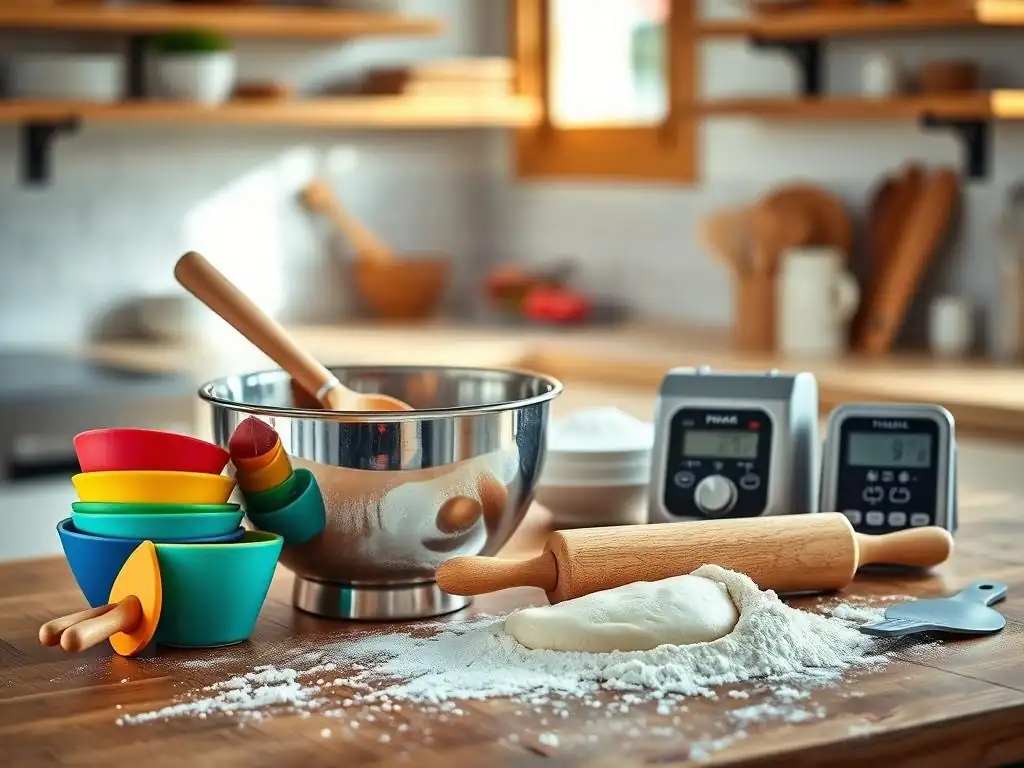
Identifying the absolute core set of tools is key for a beginner. These five categories represent the most critical items that will enable you to start baking a wide variety of simple recipes successfully. They cover the fundamental steps of measuring, mixing, and baking. Investing in these five areas first will give you the necessary foundation to explore numerous recipes and build your skills.
Focusing on these top 5 provides a clear starting point for your baking tool collection. These are the workhorses you'll use regularly, making them a worthwhile initial investment. Having these reliable tools at your disposal will make following recipes easier and more enjoyable, boosting your confidence as you see your baked goods turn out just right. These truly are the best baking tools beginner bakers should prioritize.
1. Mixing Bowls: Choosing the Right Size and Material
Mixing bowls are fundamental to almost every baking process, serving as the vessel for combining your ingredients. You'll need a set of bowls in various sizes to accommodate different batch sizes and types of mixtures, from whisking a couple of eggs to mixing a large batch of cookie dough. Having a range of sizes (perhaps 1.5-quart, 3-quart, and 5-quart) is incredibly helpful for separating ingredients, melting chocolate, or simply having enough space to mix without spills.
The material of your mixing bowls also matters. Common options include glass, ceramic, plastic, and stainless steel. Glass and ceramic bowls are good for stability and can often be used in the microwave or oven (check manufacturer specifications), but they can be heavy and breakable. Plastic is lightweight and affordable but can retain odors and stains, and some types aren't great for hot ingredients. Stainless steel is often recommended for beginners due to its durability, light weight, and non-reactive surface.
Stainless Steel Mixing Bowls: A Beginner Baker's Best Friend
Stainless steel mixing bowls are widely considered among the best baking tools beginner bakers can invest in. They are lightweight yet incredibly durable, able to withstand drops and bumps without breaking. Unlike plastic, stainless steel is non-porous, meaning it won't absorb odors or stains from ingredients like vanilla extract or colorful food coloring. This makes them easy to clean and ensures that flavors don't carry over between different baking projects.
Furthermore, stainless steel bowls are non-reactive, which is crucial when working with acidic ingredients like lemon juice or buttermilk, which can react with materials like aluminum and impart an off-flavor. They also conduct temperature well, making them suitable for tasks like setting a bowl over a pot of simmering water to create a double boiler for melting chocolate. A basic set of three nested stainless steel bowls (e.g., 1.5 qt, 3 qt, 5 qt) is a fantastic starting point.
Understanding Different Bowl Sizes for Various Recipes
Having a variety of mixing bowl sizes is essential for different baking tasks. A small bowl (around 1-2 quarts) is perfect for whisking a few eggs, melting butter, or holding pre-measured small amounts of ingredients like vanilla or baking powder. A medium bowl (around 3-4 quarts) is ideal for mixing smaller batches of batter, combining dry ingredients, or whipping cream.
A large bowl (5 quarts or more) is necessary for mixing larger batches of cookie dough, bread dough, or cake batter. Trying to mix a big recipe in a bowl that's too small leads to spills and makes proper mixing difficult. A set of nested bowls is a great space-saving solution and ensures you have the right size on hand for virtually any beginner recipe you attempt. These different sizes contribute significantly to making them the best baking tools beginner bakers can acquire early on.
2. Measuring Cups and Spoons: Accuracy is Key to Baking Success
Baking is often described as a science, and precise measurements are fundamental to successful outcomes. Unlike cooking, where you can often adjust ingredients by taste, baking relies on the correct ratios of ingredients to create the desired chemical reactions, texture, and structure. Having accurate measuring cups and spoons is non-negotiable; they are among the most critical best baking tools beginner bakers must own.
Using the right tools for measuring ensures consistency every time you bake. Relying on inaccurate cups or spoons can lead to dense cakes, flat cookies, or bread that doesn't rise properly. Investing in a good quality set of both dry measuring cups and measuring spoons will provide the accuracy needed to faithfully follow recipes and achieve predictable, delicious results, building your confidence with each bake.
Dry Measuring Cups vs. Liquid Measuring Cups: What's the Difference?
It might seem counterintuitive, but there's a distinct difference between dry and liquid measuring cups, and using the correct type is vital for accuracy. Dry measuring cups are designed to be filled to the brim and then leveled off with a straight edge (like the back of a knife or a straight spatula) to ensure an exact measure of ingredients like flour, sugar, or cocoa powder. They typically come in sets of individual cups with flat rims (e.g., 1/4 cup, 1/3 cup, 1/2 cup, 1 cup).
Liquid measuring cups, on the other hand, are usually made of clear material (like glass or plastic) with a spout for easy pouring and measurement markings along the side. They also have extra space above the highest measurement line to prevent spills. To measure liquids accurately, you place the cup on a flat surface and read the measurement at eye level. Using a dry measuring cup for liquids or vice-versa will result in inaccurate measurements, impacting your final product. They are distinct but equally important best baking tools beginner bakers should differentiate.
Investing in a Reliable Set of Measuring Spoons
Just like measuring cups, accurate measuring spoons are essential for smaller quantities of ingredients like baking powder, baking soda, salt, spices, and extracts. These ingredients, though used in smaller amounts (often teaspoons or tablespoons), play crucial roles in flavor and leavening. Inaccurate measurements here can significantly affect the taste and texture of your baked goods.
A reliable set of measuring spoons typically includes sizes such as 1/4 teaspoon, 1/2 teaspoon, 1 teaspoon, and 1 tablespoon, often held together on a ring. Look for sets where the measurements are clearly engraved or debossed, rather than just printed, as printed measurements can wear off over time. Stainless steel or sturdy plastic sets are good choices for durability and ease of cleaning. Having a trustworthy set ensures you add the correct amount of these powerful ingredients, making them key among the best baking tools beginner bakers acquire.
3. Baking Sheets: Selecting the Right Type for Your Needs
Baking sheets are the flat, rectangular pans used for baking cookies, pastries, scones, and more. They are designed to allow heat to circulate around the items being baked, promoting even cooking and browning. Having at least one, preferably two, good quality baking sheets is essential for any beginner baker. They are versatile and used in countless recipes.
When choosing a baking sheet, consider the material and size. Most baking sheets are made of aluminum or nonstick steel. Aluminum is popular for its even heat distribution and rust resistance. Nonstick sheets can be convenient for easy release, but the nonstick coating can wear down over time and may not brown items as effectively as bare aluminum. Size-wise, a "half sheet" (approximately 18x13 inches) is a standard and versatile size that fits most home ovens and is ideal for baking a good batch of cookies or a tray of roasted vegetables.
Aluminum Baking Sheets: A Versatile Option for Beginners
Natural aluminum baking sheets are highly recommended as some of the best baking tools beginner bakers can start with. They are excellent heat conductors, ensuring that your cookies, biscuits, and other baked goods brown evenly on the bottom. Unlike darker nonstick pans, which can sometimes cause the bottoms to brown too quickly or even burn, natural aluminum provides more consistent results.
Aluminum sheets are also relatively lightweight, durable, and easy to clean, although they may develop a patina over time which is normal and doesn't affect performance. Using parchment paper or a silicone baking mat on top of an aluminum sheet is a common practice that makes cleanup even easier, prevents sticking, and further promotes even baking. A sturdy, rimmed aluminum half-sheet pan is a workhorse in any kitchen.
Understanding Baking Sheet Sizes and Their Uses
Baking sheets come in several standard sizes, but the most common and useful for a home baker are the "half sheet" and "quarter sheet." A half sheet pan, typically measuring around 18x13 inches with a 1-inch rim, is the standard size that fits comfortably in most residential ovens and is perfect for baking a dozen or two cookies, a sheet cake, or roasting vegetables. It's arguably the most versatile baking sheet you can own.
A quarter sheet pan is roughly half the size of a half sheet (around 9x13 inches, sometimes 9.5x13 inches). These are great for baking smaller batches, toasting nuts or spices, or for use as a tray under other pans to catch drips. While a half sheet is the priority, having a quarter sheet can also be very useful. Understanding these common sizes helps you choose the best baking tools beginner bakers need for typical recipes.
4. Spatulas: Essential for Mixing, Scraping, and Spreading
Spatulas are incredibly versatile tools in the baking kitchen, used for everything from gently folding ingredients together to scraping down the sides of a mixing bowl and spreading frosting. You'll likely need a couple of different types and sizes of spatulas to handle various tasks efficiently. Having the right spatula for the job makes a surprising difference in ease and effectiveness.
There are generally two main types of spatulas you'll encounter: rubber or silicone spatulas (sometimes called scrapers) and offset spatulas. Both are essential for different tasks and are considered among the best baking tools beginner bakers should acquire early on. They help ensure you mix ingredients properly and don't leave any precious batter behind in the bowl.
Rubber Spatulas: The Workhorse of the Baking Kitchen
Rubber or silicone spatulas are arguably the most frequently used tools in baking. Their flexible heads make them perfect for scraping down the sides of mixing bowls, ensuring all ingredients are incorporated and minimizing waste. They are also gentle enough for folding delicate ingredients like whipped cream or egg whites into batters without deflating them.
Silicone spatulas are particularly popular because they are heat-resistant, meaning you can use them for stirring hot mixtures like custards or melting chocolate. Look for spatulas with sturdy handles and heads that are securely attached (or one-piece designs for maximum hygiene). Having a couple of different sizes – perhaps a smaller one for scraping jars and a larger one for mixing batters – is very beneficial. These are undoubtedly among the best baking tools beginner bakers will use every day.
Offset Spatulas: Perfect for Frosting and Leveling
While rubber spatulas are great for mixing and scraping, an offset spatula is specifically designed for spreading and leveling. It has a thin, flexible metal blade bent at an angle to the handle, allowing you to spread frosting or glaze smoothly over cakes, cupcakes, and cookies without your hand getting in the way. They are also useful for leveling batter in a cake pan or lifting delicate items like cookies off a baking sheet.
Offset spatulas come in various sizes, from small ones (around 4-6 inch blade) for decorating cupcakes or spreading frosting on smaller cakes to larger ones (8-10 inch blade) for frosting larger cakes or sheet cakes. A medium-sized offset spatula (about a 6-8 inch blade) is a great starting point for a beginner baker and a valuable addition to the best baking tools beginner bakers should consider after the absolute basics.
5. Oven Thermometer: Ensuring Accurate Baking Temperatures
Many beginner baking frustrations stem from an oven that doesn't heat accurately. The temperature displayed on your oven's dial or digital screen can often be significantly different from the actual temperature inside the oven cavity – sometimes off by 25°F or even more! This inaccuracy can lead to inconsistent results, such as cookies that burn on the edges but are raw in the middle, or cakes that sink in the center.
An inexpensive oven thermometer is a simple yet incredibly effective tool for verifying the true temperature of your oven. You simply hang it or place it on an oven rack, close the door, and wait for it to register the temperature. Checking the thermometer before you put your baked goods in ensures you are baking at the temperature specified in the recipe, dramatically improving your chances of success. This makes it one of the most important, yet often overlooked, best baking tools beginner bakers should acquire.
Why an Oven Thermometer is Crucial for Beginner Bakers
For beginner bakers still learning how different temperatures affect baked goods, relying on an inaccurate oven can make it difficult to understand what went wrong when a recipe doesn't turn out as expected. Was it the recipe? Was it the technique? Or was it simply the oven temperature? An oven thermometer eliminates one significant variable, allowing you to troubleshoot more effectively and learn faster.
Knowing the true temperature helps you make necessary adjustments. If your oven runs consistently hot, you might need to lower the temperature slightly from what the recipe calls for, or shorten the baking time. If it runs cool, you might need to increase the temperature or extend the baking time. This simple tool provides essential feedback and control, solidifying its place among the best baking tools beginner bakers can use to improve consistency.
Calibrating Your Oven for Consistent Results
Using an oven thermometer allows you to effectively "calibrate" your baking process to your specific oven. While you can't change the oven's internal thermostat with a simple thermometer, you can learn its quirks and adjust your baking strategy accordingly. For example, if your oven thermometer consistently reads 375°F when your oven is set to 400°F, you know to set your oven to 425°F (or check its manual for calibration instructions) to achieve the desired 400°F.
Regularly checking your oven's temperature with a thermometer is a good habit, as oven temperatures can fluctuate over time. This small step ensures that the baking times and temperatures given in recipes, which are usually based on accurately calibrated ovens, will work as intended for you. Consistent temperature control is key to consistent results, making the oven thermometer a vital component of the best baking tools beginner bakers can utilize for mastery.
Beyond the Basics: Helpful Baking Tools for Expanding Your Skills
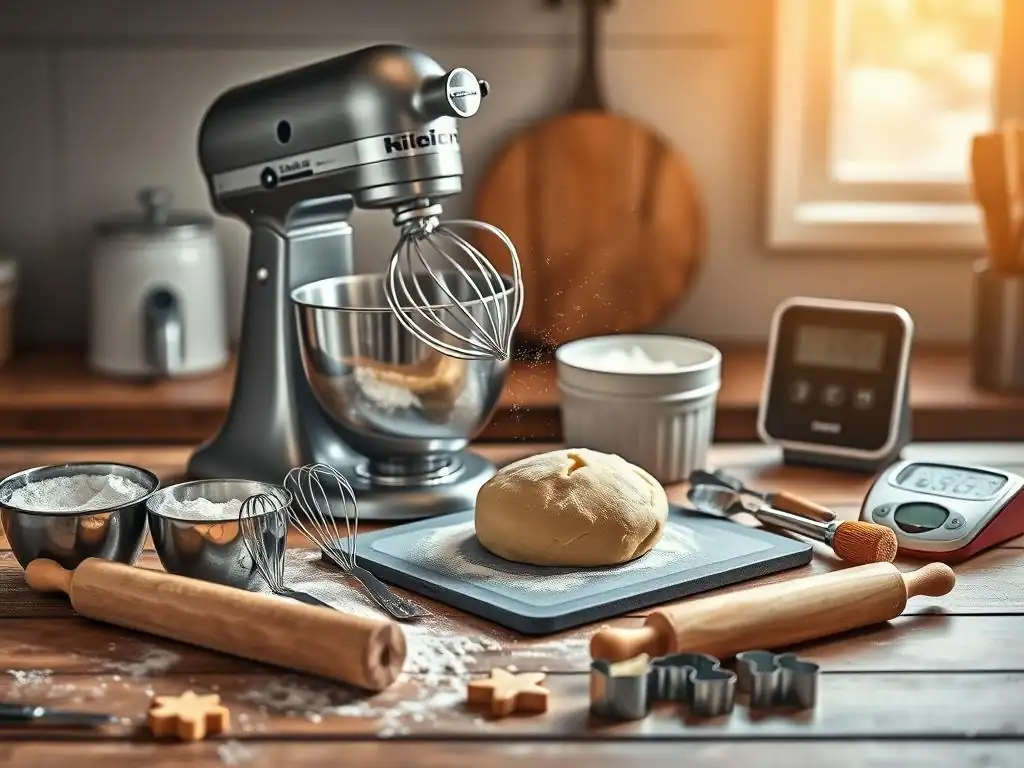
Once you've mastered the basics with your core set of tools, you might find yourself wanting to explore a wider variety of recipes. This is where some additional, non-essential but very helpful tools come into play. These items can make specific tasks easier, open up new types of baking projects, and further enhance your results. While not strictly necessary for your very first steps, they are valuable additions as your baking journey progresses.
Adding these tools to your collection can make tackling recipes like pie crusts, meringues, or decorated cakes much more manageable. They are specialized helpers that streamline particular processes. Consider adding these to your wish list once you feel comfortable with your essential tools and are ready to expand your repertoire. They represent the next tier of best baking tools beginner bakers might consider as they evolve.
A rolling pin is indispensable if you plan to bake anything that requires rolling out dough, such as pie crusts, sugar cookies, biscuits, or certain types of bread. It allows you to evenly flatten dough to a consistent thickness, which is crucial for uniform baking. Rolling pins come in various materials (wood, marble, stainless steel) and styles (with or without handles).
A classic wooden rolling pin with handles is a popular and versatile choice for beginners. Look for one that feels comfortable in your hands and has a smooth surface. Maintaining a consistent thickness when rolling dough can take practice, but a reliable rolling pin makes the process much easier and more effective. It's a key tool for anyone venturing into the world of pastries and rolled cookies.
Whisk: Achieving Light and Airy Batters
A whisk is a simple wire tool used for incorporating air into ingredients or smoothing out lumps. It's particularly useful for whisking together dry ingredients, creating smooth batters and sauces, or whipping eggs or small amounts of cream by hand. While you can sometimes use a fork for small tasks, a whisk is far more efficient at aerating mixtures and achieving a consistent texture.
Balloon whisks, with their many wires, are great for incorporating air into liquids like egg whites or cream for meringues or whipped cream. French whisks have fewer wires but are more rigid, making them good for stirring batters or sauces. A medium-sized balloon whisk is a versatile choice for a beginner and a valuable addition to the best baking tools beginner bakers might add after the essentials.
Cooling Rack: Preventing Soggy Bottoms
A cooling rack is a simple wire rack that allows air to circulate around baked goods as they cool. Transferring cookies, cakes, or bread from a hot baking sheet or pan to a cooling rack prevents the bottom from becoming soggy due to trapped steam. It allows for even cooling and helps maintain the desired texture.
Leaving baked goods on a hot pan for too long can also continue the cooking process, potentially leading to over-baking. Moving them to a rack stops this residual heat and allows them to cool properly. A standard wire cooling rack with feet to lift it off the counter is an inexpensive but very effective tool for improving the quality of your finished products.
Building Your Baking Arsenal: Where to Buy Beginner Baking Tools
Once you have a list of the essential best baking tools beginner bakers need, the next step is deciding where to purchase them. You have several options, each with its own advantages. Consider your budget, convenience preferences, and whether you value expert advice or the ability to see and touch the tools before buying.
Both online retailers and local kitchen supply stores are excellent places to find baking tools. Comparing prices and options across different venues can help you make the best choices for your budget and needs. Starting with the essentials makes the purchasing process less daunting, as you're focused on a specific, manageable list of items.
Online Retailers: Convenience and Variety
Online retailers offer unparalleled convenience and a vast selection of baking tools. Websites like Amazon, Walmart, Target, and specialized kitchenware stores allow you to browse countless options, compare prices, read reviews from other customers, and have items delivered directly to your door. You can often find comprehensive sets of essential tools, like nesting mixing bowls or sets of measuring cups and spoons, which can be cost-effective.
When buying online, pay attention to product descriptions, materials, and customer ratings to gauge the quality and suitability of the tools. While you can't physically inspect the items before buying, detailed descriptions and reviews can provide a good sense of what to expect. Shopping online makes it easy to find specific items and compare different brands offering the best baking tools beginner bakers are looking for.
Local Kitchen Supply Stores: Expert Advice and Hands-On Experience
Visiting a local kitchen supply store or even the kitchenware section of a department store offers a different kind of advantage. You can see, touch, and feel the tools in person, assessing their weight, sturdiness, and quality firsthand. This can be particularly helpful for items like spatulas or rolling pins, where ergonomics and feel are important.
Local stores often have knowledgeable staff who can offer advice, answer questions, and help you select the best baking tools beginner bakers need based on your specific interests and budget. While the selection might not be as vast as online, the ability to get personalized recommendations and physically examine the products can be invaluable for making informed decisions about your initial purchases.
Pro Tips for Beginner Bakers: Taking Care of Your New Tools
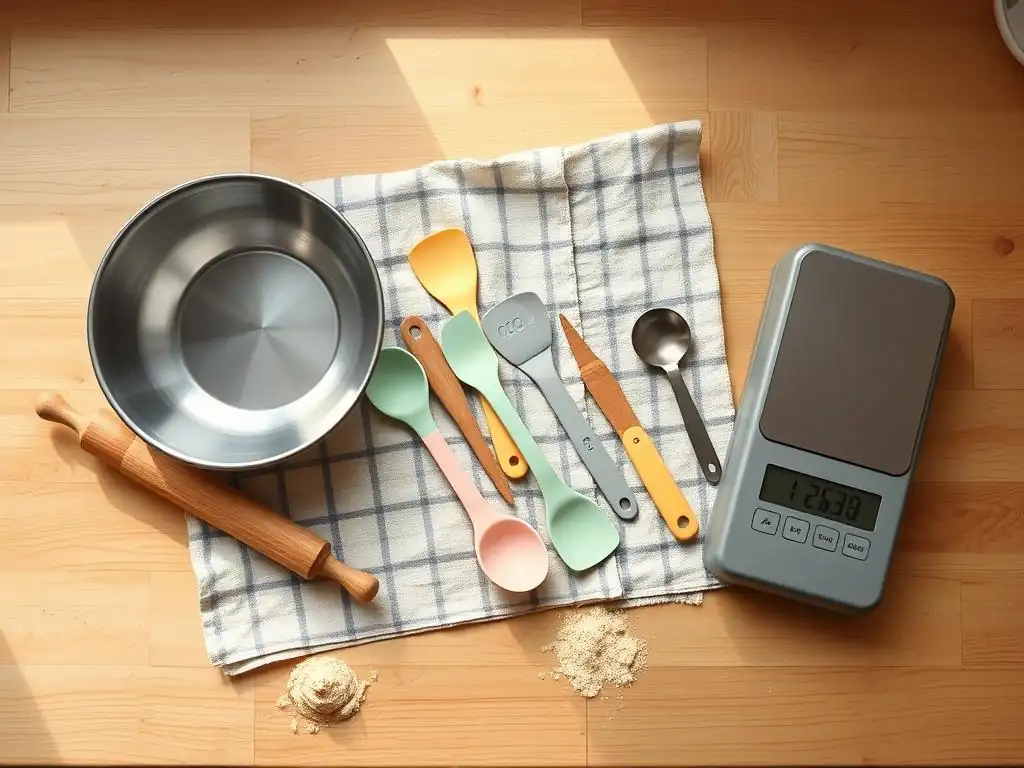
Acquiring the best baking tools beginner bakers need is just the first step; taking good care of them ensures they last longer and continue to perform well. Proper maintenance not only extends the lifespan of your tools but also contributes to food safety and hygiene in your kitchen. Developing good habits for cleaning and storage from the beginning will serve you well throughout your baking journey.
Understanding how to care for different materials (like stainless steel, plastic, or wood) is important. Simple steps like washing promptly after use, drying thoroughly, and storing properly can prevent rust, stains, warping, and other damage. Treating your tools well means they'll be ready to help you create delicious treats for years to come.
Proper Cleaning and Storage for Longevity
Immediately after use, clean your baking tools according to the manufacturer's instructions. Most stainless steel, glass, and many plastic tools can be washed with warm, soapy water or placed in the dishwasher, though hand washing is often gentler and prolongs life. Wooden tools, like rolling pins, should generally be wiped clean with a damp cloth and dried immediately; they should not be soaked or put in a dishwasher, as this can cause cracking or warping.
Ensure all tools are completely dry before storing them to prevent rust (on metal parts) or mold (on wood or in tight spaces). Store items neatly to prevent damage – for instance, stacking baking sheets vertically or hanging measuring cups and spoons. Proper cleaning and storage are key to maintaining the quality and functionality of your best baking tools beginner bakers acquire.
Recognizing Signs of Wear and Tear
Even with good care, baking tools will eventually show signs of wear and tear. Recognizing when a tool needs replacing is important for maintaining accuracy and safety. For example, measuring cups or spoons with faded or scratched-off markings are no longer reliable for precise measurements. Plastic tools that are cracked, warped, or permanently stained and smelly should be replaced.
Nonstick baking sheets that have scratched or flaking coatings are not only less effective but the coating can also get into your food. Wooden tools that are cracked or splintering can harbor bacteria. Regularly inspecting your tools helps you identify issues early. Replacing worn-out items ensures you continue to bake safely and effectively with the best baking tools beginner bakers can rely on.
Bake With Ease: Your Baking Journey Starts Now!
Armed with the essential best baking tools beginner bakers need and a willingness to learn, you are ready to embark on your baking adventure! Don't be afraid to start simple and gradually challenge yourself. Every successful bake, and even the occasional learning experience, builds your skills and confidence. Remember that baking is a process, and practice makes perfect (or at least, perfectly delicious! ).
BakeWithEase is here to support you every step of the way. We offer a wealth of resources designed specifically for those starting out. From simple recipes to technique guides, we aim to make baking accessible, enjoyable, and rewarding. Grab your new tools, pick a recipe, and let's get baking!
Exploring Beginner Baking Recipes on BakeWithEase.com
Now that you have a good understanding of the essential best baking tools beginner bakers should have, it's time to put them to use! BakeWithEase.com features a dedicated section for beginner baking recipes, curated specifically to be straightforward and achievable for those new to baking. These recipes utilize the core tools we've discussed and focus on fundamental techniques.
Browse our collection for easy-to-follow guides on classics like simple sugar cookies, fudgy brownies, basic muffins, or a classic vanilla cake. Each recipe provides clear instructions, ingredient lists, and tips to help you succeed. Start exploring today and discover how enjoyable and rewarding baking can be with the right tools and guidance from BakeWithEase!
Frequently Asked Questions
What are the absolute most essential baking tools a beginner baker should invest in first?
The most essential baking tools for beginners are measuring cups and spoons for accurate ingredient measurement, a mixing bowl, and a sturdy baking sheet. A good spatula is also invaluable for mixing and scraping.
Why are measuring cups and spoons so important for beginner bakers?
Accurate measurements are crucial in baking, especially for beginners. Using the right measuring tools ensures consistent results and helps avoid common baking mistakes.
Besides a baking sheet, what other baking pans are highly recommended for starting out?
A 9x13 inch baking pan is versatile for many recipes. A round cake pan can be useful for simple cakes, and a muffin tin opens up a world of possibilities.
What kind of spatula is best for beginner bakers: rubber, silicone, or metal?
A silicone spatula is generally recommended. It's heat-resistant, flexible for scraping bowls, and won't scratch non-stick surfaces.
Where can beginner bakers find affordable yet reliable baking tools?
Look for sales at department stores, kitchen supply stores, or online retailers. Prioritize quality over quantity and read reviews to ensure durability.
Final Reflection: The Sweetest Beginnings: Mastering the Art of Baking
The pursuit of baking mastery begins not with complex recipes, but with the right tools. A well-equipped kitchen is the foundation upon which delicious memories and culinary confidence are built. This isn't just about acquiring gadgets; it's about investing in a journey of creativity and self-expression.
The impact of accessible baking knowledge, and the joy it brings, is immeasurable. It's more than just creating cakes and cookies; it's about connecting with tradition, experimenting with flavors, and sharing the fruits of your labor with loved ones. As Julia Child wisely said, Find something you're passionate about and keep tremendously interested in it.
Baking, with its precise measurements and rewarding results, offers a unique avenue for cultivating this passion, regardless of skill level. The tools discussed in this article are merely stepping stones on a path filled with endless possibilities.
Now, it's your turn. Don't be intimidated by the seemingly endless world of baking equipment. Start with the essentials outlined here, and let your curiosity guide you. Embrace the occasional mishap, celebrate the triumphs, and most importantly, enjoy the process. The journey of becoming a confident baker is as rewarding as the final product itself. So, gather your tools, choose a recipe, and let the baking begin!
Unleash Your Inner Baker: Get Started Today!
Thanks for joining us on this baking journey! We hope you've discovered some essential tools to kickstart your baking adventures. Now it's time to put that knowledge to good use.
- Begin your baking adventure! Immediately browse your local kitchen supply store (or favorite online retailer!) for at least one of the must-have tools we discussed. Think about which item will elevate your baking most quickly.
- Share your baking goals: Tell us in the comments what you're most excited to bake first! What delicious creation will you tackle with your new tools?
- Unlock exclusive baking tips: Subscribe to our newsletter for more expert advice and recipes— delivered straight to your inbox.
What delicious recipe are you eager to try first, and which tool are you most excited to use?