
Why You Need These Tools: An Essential Guide for New Bakers

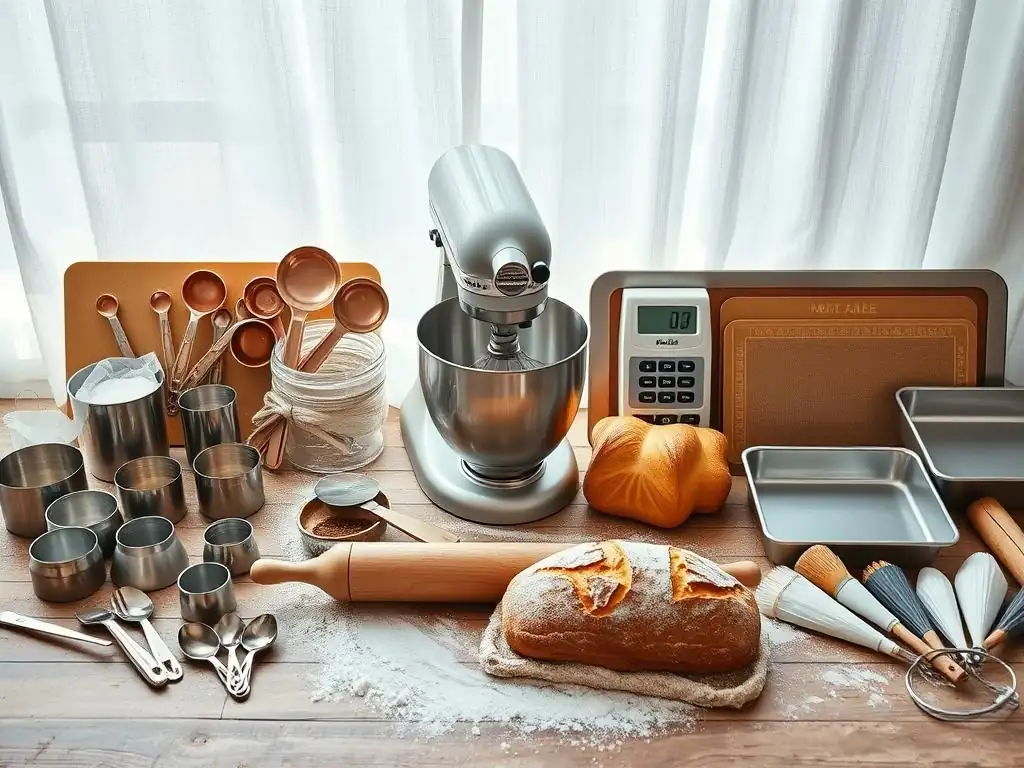
Welcome to BakeWithEase, your companion on the delicious journey of baking! Are you ready to transform your kitchen into a haven for creating mouthwatering treats? This guide unveils the secrets to getting started, focusing on the essential baking tools beginners need to build a solid foundation. But which tools are truly indispensable, and how do you use them? Discover the answer and unlock your baking potential – let's get started!
- Essential Baking Tools for Home Bakers
- Getting Started: Your Baking Journey Begins Here
- Core Baking Tools: Building a Solid Foundation
- Measuring Tools: Precision for Consistent Results
- Mixing Bowls: Choosing the Right Bowl for the Job
- Essential Baking Utensils: Mastering Dough and Batter
- Baking Pans: Selecting the Perfect Pan for Your Recipe
- Dough and Batter Preparation: Essential Tools
- Cooling and Finishing: Tools for the Final Flourish
- Cleaning and Maintenance: Prolonging the Life of Your Tools
- Advanced Baking Tools: Expanding Your Capabilities
- Conclusion: Mastering Baking with the Right Tools
-
Frequently Asked Questions
- What are the most essential baking tools for a beginner?
- Where can I find affordable baking tools for beginners?
- How important is it to have precise measurements when baking?
- What is the difference between a baking sheet and a baking pan, and which is better for a beginner?
- How often should I replace my baking tools?
- Final Reflection: The Joy of Baking, One Tool at a Time
- Unleash Your Inner Baker: Take the Next Step!
Essential Baking Tools for Home Bakers
Getting Started: Your Baking Journey Begins Here
Baking is a rewarding activity, a delightful blend of science and art that allows you to create delicious treats right in your own kitchen. For many, the first step into the world of baking can feel a bit daunting, especially when faced with a seemingly endless array of gadgets and tools. However, embarking on your baking journey doesn't require a professional kitchen setup.
With a few essential baking tools beginners can build confidence and achieve fantastic results from their very first batch of cookies or loaf of bread. Understanding which tools are truly necessary will not only save you money but also make the learning process smoother and more enjoyable.
Equipping Your Kitchen for Success
Having the right equipment is foundational for successful baking. Think of it like building a house; you need the right tools for each job, from laying the foundation to putting on the roof. For new bakers, this means starting with versatile, reliable tools that serve multiple purposes and are easy to use and clean. Investing in quality basic essential baking tools beginners will use repeatedly ensures consistency in your recipes, helping you troubleshoot issues and celebrate successes as you learn. You don't need everything at once, but a core set of tools makes following recipes accurately much simpler.
For instance, a simple set of measuring cups and spoons is far more crucial than an expensive stand mixer when you're just starting. Many common baking tasks, like mixing cookie dough or cake batter, can be easily accomplished with a sturdy whisk or wooden spoon and a good mixing bowl. Focusing on these fundamental pieces allows you to practice core techniques, like accurate measurement and proper mixing methods, which are vital skills before moving onto more complex recipes or equipment. Building your collection of beginner baking tools gradually ensures you understand the purpose and function of each item.
Core Baking Tools: Building a Solid Foundation
Every baker, no matter their skill level, relies on a set of fundamental tools that form the backbone of their kitchen. These are the workhorses that you'll reach for again and again, essential for everything from simple drop cookies to basic loaf breads. Identifying and acquiring these core items should be the first step for anyone looking to get serious about baking at home. They are designed to simplify common tasks and ensure your ingredients are prepared correctly before they even hit the oven.
Must-Have Tools for Every Home Baker
A basic set of essential baking tools beginners should prioritize includes items for accurate measurement, efficient mixing, and proper baking. These tools are not fancy or specialized; they are practical necessities. For example, reliable measuring cups and spoons are non-negotiable, as baking is often a precise science where ratios matter significantly. Similarly, sturdy mixing bowls and basic hand tools like spatulas and whisks are required for combining ingredients thoroughly and correctly.
Consider the humble baking sheet. While simple, a few good quality baking sheets are essential for cookies, scones, roasting nuts, and even supporting parchment paper for freeform tarts. Paired with parchment paper, they ensure even baking and easy cleanup. Another indispensable item is a set of cooling racks, crucial for allowing baked goods to cool properly, preventing soggy bottoms and ensuring a good texture. These fundamental tools for new bakers are the foundation upon which all other baking skills and recipes are built.
Measuring Tools: Precision for Consistent Results
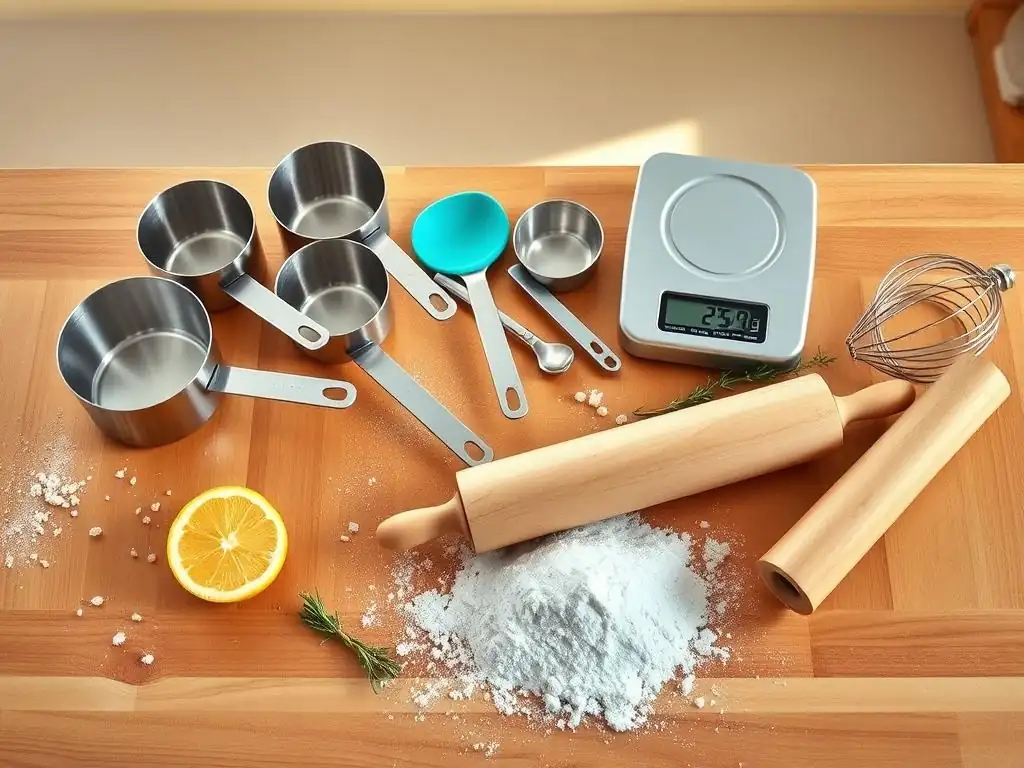
Accuracy in measurement is arguably the most critical factor for successful baking. Unlike cooking, where you can often adjust ingredients on the fly, baking relies on precise ratios to achieve the desired chemical reactions, texture, and structure. Using the right measuring tools for different types of ingredients is key to ensuring your recipes turn out consistently every time. Guessing measurements is the quickest way to baking disappointment.
Dry Measuring Cups and Spoons: Accurate Dry Ingredient Measurement
Dry measuring cups and spoons are designed to measure ingredients like flour, sugar, cocoa powder, and leavening agents (baking powder, baking soda). Dry measuring cups are meant to be filled to the brim and leveled off with a straight edge (like a knife or the back of a spoon) for an accurate volume. For example, measuring flour often requires gently spooning it into the cup and leveling it, rather than scooping directly from the bag, which can compact the flour and result in using too much. A standard set typically includes 1/4, 1/3, 1/2, and 1-cup measures.
Measuring spoons are used for smaller volumes of both dry and liquid ingredients, such as salt, spices, extracts, baking powder, and baking soda. They usually come in sets including 1/4, 1/2, and 1 teaspoon, and 1 tablespoon. When measuring dry ingredients with spoons, ensure they are level. For liquids like vanilla extract, fill the spoon carefully to the rim. Accurate measurement with these simple beginner baking tools is fundamental to recipe success.
Liquid Measuring Cups: Mastering Liquid Volume
Liquid measuring cups are distinct from dry measuring cups and are essential for ingredients like water, milk, oil, and syrups. They are typically clear, with markings along the side and a spout for easy pouring. To get an accurate measurement, place the liquid measuring cup on a flat surface and read the liquid level at eye level – this avoids parallax error. Standard sizes include 1-cup, 2-cup, and 4-cup capacities.
Using a liquid measuring cup for liquids ensures you're measuring by volume correctly. For instance, a cup of water weighs approximately 237 grams, while a cup of flour (properly measured) weighs closer to 120-130 grams. Using a dry measuring cup for liquids won't give you the precise volume needed, and vice versa. Mastering the proper use of both types of measuring cups is a core skill when gathering your essential baking tools beginners collection.
Digital Kitchen Scale: The Gold Standard for Accuracy
While volume measurements are common in many recipes, measuring by weight using a digital kitchen scale is considered the most accurate method, especially for ingredients like flour, sugar, and chocolate. Different ingredients have different densities, meaning a cup of flour doesn't weigh the same as a cup of sugar. Weight measurements provide consistency regardless of how densely packed an ingredient is. Many professional bakers and serious amateurs rely almost exclusively on weight.
For example, a recipe calling for "1 cup of flour" can vary by as much as 20-30 grams depending on how it's scooped and leveled. However, asking for "125 grams of flour" provides a single, precise target. Digital scales are relatively inexpensive, easy to use (often featuring a tare function to zero out the weight of the container), and offer accuracy typically within 1-2 grams. Adding a digital scale to your list of beginner baking tools can significantly improve the consistency and quality of your baked goods.
Mixing Bowls: Choosing the Right Bowl for the Job
Mixing bowls are fundamental to almost every baking recipe, serving as the vessel where ingredients come together. Having a variety of sizes is helpful, from small bowls for whisking eggs or mixing glazes to large bowls for combining large batches of dough or batter. The material of the mixing bowl can also impact its use and durability.
Stainless Steel Mixing Bowls: Durable and Versatile
Stainless steel mixing bowls are a popular choice for many bakers due to their durability, lightweight nature, and non-reactive properties. They won't react with acidic ingredients like lemon juice or vinegar, which can sometimes happen with certain other materials. They are also very easy to clean and can withstand vigorous mixing without breaking.
A set of three to five stainless steel bowls in varying sizes (e.g., 1.5 quart, 3 quart, 5 quart) is a practical investment for essential baking tools beginners. They are versatile enough for almost any task, from whipping cream to mixing bread dough. While they don't retain heat as well as glass or ceramic, this is rarely an issue for standard mixing tasks. Their robustness makes them a long-lasting staple in any kitchen.
Glass Mixing Bowls: Heat-Resistant and Non-Reactive
Glass mixing bowls offer the advantage of being non-reactive and often heat-resistant (check manufacturer specifications). Their transparency allows you to see the mixing process clearly, which can be helpful when incorporating ingredients or ensuring everything is fully combined. Borosilicate glass bowls, for instance, can often be used in a microwave or even a preheated oven (again, verify specifications), making them useful for melting butter or chocolate.
Like stainless steel, glass bowls are non-reactive, making them suitable for all types of ingredients. They are heavier and more prone to breaking if dropped compared to stainless steel. However, their stability on the counter and ability to potentially handle gentle heating make them a valuable addition to your collection of beginner baking tools. A medium-sized glass bowl (around 2.5 - 4 quarts) is particularly useful.
Ceramic Mixing Bowls: Stylish and Functional
Ceramic mixing bowls often add a touch of style to the kitchen and can be quite functional. They are typically heavy and stable, which is great for vigorous mixing. Like glass, they are non-reactive. Ceramic bowls can also retain heat or cold well, depending on their temperature, which can be useful for tasks like chilling dough or keeping ingredients warm.
While beautiful, ceramic bowls can be the most fragile type, susceptible to chipping or breaking if handled roughly. They are generally easy to clean, though some textured glazes might require a bit more effort. A large, sturdy ceramic bowl can be a joy to use, particularly for mixing batters or doughs where stability is appreciated. They are a good addition once you have the basic essential baking tools beginners covered.
Essential Baking Utensils: Mastering Dough and Batter
Beyond bowls and measuring tools, a few key hand utensils are indispensable for manipulating ingredients, mixing, and preparing your creations for baking. These simple tools perform specific tasks efficiently and are fundamental to executing almost any baking recipe.
Rubber Spatulas: Scraping and Folding with Ease
Rubber or silicone spatulas are arguably one of the most used tools in a baker's kitchen. Their flexible yet sturdy heads are perfect for scraping down the sides of mixing bowls, ensuring all ingredients are incorporated. They are also ideal for gently folding delicate ingredients like whipped egg whites or cream into batters without deflating them.
Having spatulas in various sizes and shapes (some with pointed tips, others rounded) increases their utility. Silicone spatulas are particularly popular as they are heat-resistant, making them safe to use with warm ingredients or even briefly in a hot pan. Owning at least two good quality rubber or silicone spatulas is highly recommended when assembling your essential baking tools beginners kit.
Wire Whisks: Incorporating Air for Lightness
A wire whisk is essential for incorporating air into ingredients, breaking up lumps, and combining wet ingredients smoothly. A balloon whisk, with its many wires, is excellent for whipping cream or egg whites to create volume and lightness. A French whisk, with fewer, straighter wires, is good for deglazing pans or mixing gravies, but also works well for combining dry ingredients or mixing batters.
For beginners, a standard balloon whisk is a great starting point. It's perfect for whisking eggs for custards, combining dry ingredients if a sifter isn't available, or making a quick batch of whipped cream. Learning to properly whisk is a foundational skill, and a good whisk is a key beginner baking tool to help you master it.
Wooden Spoons: Sturdy Mixing for Thick Batters
Wooden spoons are classic baking tools known for their sturdiness and comfort in hand. They are particularly useful for mixing thick, heavy batters or doughs that might be too much for a spatula or whisk. Unlike metal spoons, they don't scratch non-stick surfaces and don't conduct heat, making them safe to use with warm ingredients.
While they require proper drying to prevent cracking or warping, a few good quality wooden spoons in different sizes will last for years. They provide leverage and strength for tasks like creaming butter and sugar or mixing dense cookie dough. A sturdy wooden spoon is a reliable addition to your collection of tools for new bakers.
Baking Pans: Selecting the Perfect Pan for Your Recipe
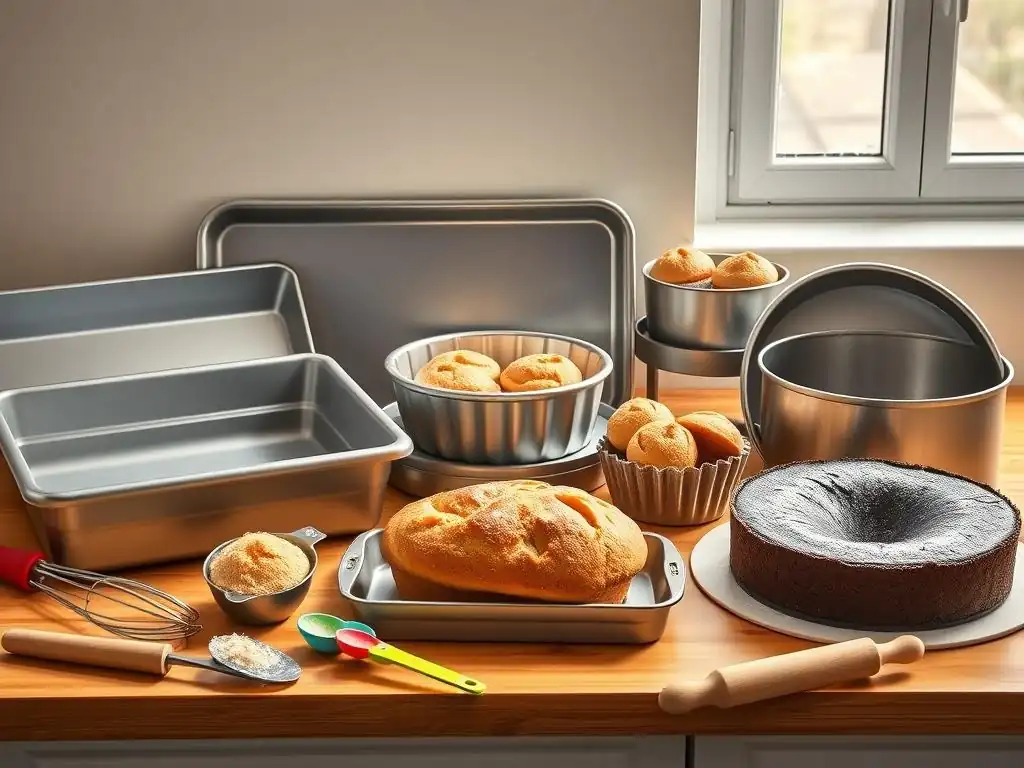
The type and size of baking pan you use directly impact the outcome of your baked goods, affecting everything from baking time to crust development. Recipes are usually developed for specific pan dimensions, so using the recommended pan is crucial for achieving the intended results.
Cake Pans: Round, Square, and Loaf Pans for Various Cakes
Cake pans come in various shapes and sizes, each suited for different types of cakes. Round pans (typically 8 or 9 inches in diameter) are standard for layer cakes. Square pans (like 8x8 or 9x9 inches) are great for brownies, bar cookies, and some cakes. Loaf pans (usually 9x5 inches) are used for quick breads like banana bread, pound cake, or yeast bread loaves.
Having at least two 8-inch or 9-inch round cake pans is ideal if you plan to make layer cakes, as it allows you to bake layers simultaneously. A 9x13 inch rectangular pan is incredibly versatile for sheet cakes, casseroles (though not strictly baking, it shows versatility), and large batches of brownies. A standard loaf pan is also a must-have for many popular quick bread recipes. Selecting a few key cake pans is vital for your essential baking tools beginners collection.
Baking sheets, also known as cookie sheets or sheet pans, are flat or have low sides and are workhorses in the kitchen. They are essential for baking cookies, scones, biscuits, and pastries. Beyond baking, they are excellent for roasting vegetables, toasting nuts, or making sheet pan dinners.
Standard sizes include half sheet pans (approx. 18x13 inches), which fit most home ovens, and quarter sheet pans (approx. 9x13 inches). Having at least two half sheet pans is highly recommended so you can bake multiple batches efficiently. Look for sturdy, heavy-gauge aluminum pans for even heat distribution. Using parchment paper or silicone baking mats with baking sheets makes cleanup easy and prevents sticking. These are fundamental beginner baking tools.
Muffin Tins: Creating Muffins, Cupcakes, and Savory Bites
Muffin tins, or cupcake pans, have multiple cups designed for individual portions. Standard muffin tins have 12 cups, while mini muffin tins have more smaller cups. They are essential for baking muffins and cupcakes, obviously, but also versatile for making mini quiches, savory egg bites, or individual desserts.
A standard 12-cup muffin tin is a very useful tool. Non-stick versions are common and make removal easier, though using paper liners is also standard practice for muffins and cupcakes and makes cleanup virtually effortless. If you love baking individual treats, a good muffin tin is a key addition to your tools for new bakers.
Dough and Batter Preparation: Essential Tools
Once your ingredients are measured and mixed, preparing them for baking often involves specific tools to shape, portion, or finish them before they go into the oven. These tools help ensure even baking and professional-looking results.
Rolling Pin: Achieving Even Dough Thickness
A rolling pin is essential for rolling out dough for pies, tarts, cookies, biscuits, and pastries. The goal is typically to achieve a uniform thickness so that the dough bakes evenly. Rolling pins come in various styles, including American (with handles and a central cylinder), French (a tapered dowel), and adjustable rolling pins (with rings to control thickness).
For beginners, a simple American or French rolling pin is perfectly sufficient. French rolling pins offer good control and feel, while American rolling pins with handles are easy to maneuver. Choose one that feels comfortable in your hands. A rolling pin is a necessary tool for expanding your baking repertoire beyond simple drop cookies when building your essential baking tools beginners collection.
Pastry Brush: Applying Glazes and Washes
A pastry brush is a small brush used for applying liquids to baked goods, such as egg washes (for shine and color on bread), butter washes (for moisture), or glazes and syrups. Brushes can have natural bristles or silicone bristles. Silicone brushes are generally easier to clean and more durable, while natural bristles can hold liquids slightly better.
Having one or two pastry brushes is very useful. They are also handy for greasing pans or brushing crumbs off a workspace. Choose a size that feels comfortable for the tasks you'll be doing. A pastry brush is a small but mighty tool in your set of beginner baking tools.
Bench Scraper: Dividing and Handling Dough
A bench scraper, also called a dough scraper, is a flat, rectangular tool with a handle, often made of stainless steel. It's incredibly useful for portioning dough, scraping sticky dough or flour from your work surface, and transferring chopped ingredients.
For anyone working with bread dough or sticky batters, a bench scraper is invaluable for keeping your workspace clean and handling the dough without adding excessive flour. It's a simple tool that makes a big difference in efficiency and tidiness when working with dough. It's a highly recommended item for tools for new bakers, especially those venturing into bread making.
Cooling and Finishing: Tools for the Final Flourish
The process isn't over when your baked goods come out of the oven. Proper cooling is crucial for texture, and finishing touches like sifting or frosting require their own set of tools to ensure a perfect result.
Wire Cooling Rack: Allowing Air Circulation for Even Cooling
Wire cooling racks are essential for allowing air to circulate around baked goods as they cool. Placing hot items directly on a solid surface traps steam, leading to soggy bottoms. Elevating them on a rack allows steam to dissipate, resulting in a better texture and preventing over-baking from residual heat.
Having at least one or two sturdy wire cooling racks is non-negotiable. Look for racks with relatively close wires to prevent smaller items like cookies from falling through. They should also be elevated enough to allow good airflow underneath. Cooling racks are fundamental essential baking tools beginners will use every single time they bake cookies, cakes, or bread.
Fine-Mesh Sieve: Sifting Dry Ingredients for Lightness
A fine-mesh sieve, also called a sifter or strainer, is used for sifting dry ingredients like flour, cocoa powder, or powdered sugar. Sifting aerates the ingredient, breaks up lumps, and ensures it's evenly distributed in the mixture, leading to lighter, more tender baked goods. It's also used for dusting surfaces or finished desserts with powdered sugar or cocoa.
While some debate exists on the necessity of sifting all flour for all recipes (some modern flours are pre-sifted), a fine-mesh sieve is still invaluable for tasks like sifting cocoa powder (which is prone to lumps) or powdered sugar for frosting. A medium-sized sieve is a versatile addition to your beginner baking tools.
Offset Spatula: Creating Smooth and Even Frosting
An offset spatula is a flat metal spatula with a handle that is "offset" or angled away from the blade. This design makes it easy to spread frosting, glazes, or batters smoothly and evenly, especially over cakes, without your knuckles dragging through the mixture.
Offset spatulas come in various sizes. A small offset spatula (around 4-6 inches) is great for cupcakes and smaller details, while a medium or large one (8-10 inches) is ideal for frosting cakes. Once you start decorating cakes or spreading batters into pans, you'll quickly appreciate the control an offset spatula provides. It's a key tool for finishing touches among your tools for new bakers.
Cleaning and Maintenance: Prolonging the Life of Your Tools
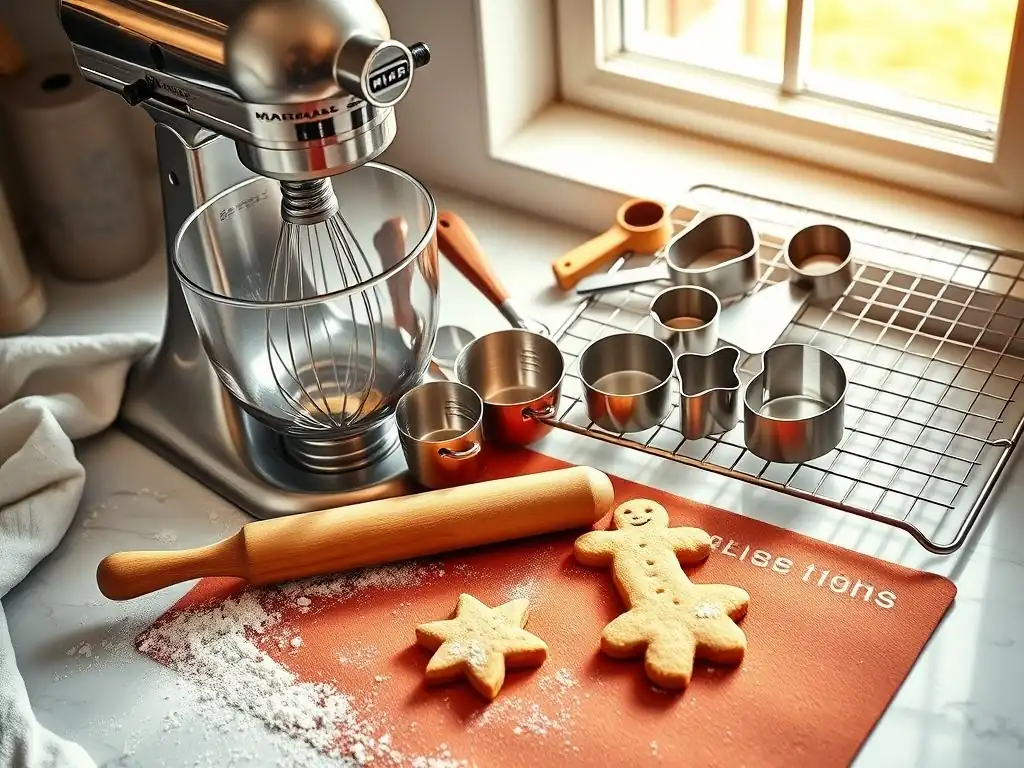
Investing in quality essential baking tools beginners can use for years means taking care of them. Proper cleaning and storage not only keep your tools hygienic but also prevent damage and extend their lifespan.
Proper Cleaning and Drying Methods
Different tools require different cleaning methods. Stainless steel, glass, and silicone items are generally dishwasher safe, but hand washing is often gentler and recommended for longevity. Wooden tools should always be hand washed with mild soap and warm water, then dried immediately to prevent warping or cracking. Cast iron (like some loaf pans) requires specific seasoning and cleaning methods to prevent rust.
Always check manufacturer instructions for specific cleaning advice. Ensure all tools are thoroughly dried before storing, especially those made of metal or wood, as moisture can lead to rust or degradation. A little care after each use goes a long way in maintaining your beginner baking tools.
Storage Solutions for Organization and Protection
Storing your baking tools properly keeps them organized, easy to find, and protected from damage. Measuring cups and spoons can often be nested or kept together on a ring. Spatulas, whisks, and wooden spoons can be stored in a utensil crock or drawer organizer. Pans can be stacked with protectors in between to prevent scratching.
Consider vertical storage solutions for baking sheets and cutting boards. Keeping tools clean and neatly stored not only makes your kitchen more efficient but also protects your investment in your essential baking tools beginners collection.
Advanced Baking Tools: Expanding Your Capabilities
As you gain confidence and experience, you might find yourself wanting to explore more complex techniques or bake larger quantities. This is when you might consider adding some more specialized or powerful tools to your collection.
Stand Mixer: Effortless Mixing for Large Batches
A stand mixer is a significant investment but can be a game-changer for avid bakers. With various attachments (whisk, paddle, dough hook), it can effortlessly cream butter and sugar, mix heavy doughs, whip large quantities of egg whites or cream, and handle tasks that are tiring or difficult to do by hand.
While not an absolute necessity for beginners, a stand mixer saves immense time and effort, especially if you bake frequently or in large quantities. It provides consistent mixing speed and power. For many, it becomes the centerpiece of their essential baking tools beginners eventually upgrade to.
Piping Bags and Tips: Decorating Cakes and Pastries
Piping bags and tips are used for decorating cakes, cupcakes, and pastries with frosting, whipped cream, or meringue. They allow you to create swirls, stars, rosettes, and other decorative patterns. Piping bags can be reusable silicone or disposable plastic, and tips come in countless shapes and sizes.
Starting with a few basic piping tips (like a star tip and a round tip) and a couple of reusable bags is a great way to start experimenting with decoration. It's a fun skill to develop and adds a professional touch to your baked goods. Adding these to your beginner baking tools opens up a world of creative possibilities.
Thermometers: Ensuring Accurate Temperatures for Yeast and Candy Making
Baking relies on precise temperatures, not just in the oven. A digital instant-read thermometer is invaluable for checking the temperature of liquids for yeast activation (typically around 105-115°F or 40-46°C) or ensuring sugar syrups reach specific stages for candy making (like soft ball, firm ball, hard crack).
An oven thermometer is also a wise purchase, as oven thermostats can be inaccurate by 25°F or more. Knowing the true temperature of your oven helps prevent under or over-baking. These specialized thermometers are excellent tools for new bakers looking to master more technical recipes.
Conclusion: Mastering Baking with the Right Tools
Embarking on your baking journey is exciting, and having the right tools makes all the difference. You don't need every gadget on the market to start, but focusing on essential, versatile tools for measuring, mixing, and baking will set you up for success. From accurate measuring cups and spoons to sturdy mixing bowls and reliable baking pans, each tool plays a vital role in transforming raw ingredients into delicious creations.
Recap of Essential Baking Tools
We've covered the core essential baking tools beginners should consider:
- Measuring: Dry measuring cups/spoons, liquid measuring cups, digital kitchen scale.
- Mixing: Stainless steel, glass, or ceramic mixing bowls; rubber/silicone spatulas, wire whisks, wooden spoons.
- Pans: Cake pans (round, square, loaf), baking sheets, muffin tins.
- Preparation: Rolling pin, pastry brush, bench scraper.
- Cooling/Finishing: Wire cooling rack, fine-mesh sieve, offset spatula.
Starting with these beginner baking tools provides a solid foundation. Remember to clean and store your tools properly to keep them in good condition.
Resources for Further Learning and Inspiration
As you continue your baking journey, explore reliable recipe sources that specify tool requirements. Don't be afraid to start with simple recipes to practice using your new tools. Many online resources, cookbooks, and baking communities offer guidance and inspiration. Practice and patience are your best allies, and with your trusted tools for new bakers by your side, you're well-equipped to explore the wonderful world of baking!
Frequently Asked Questions
What are the most essential baking tools for a beginner?
The most crucial tools include measuring cups and spoons for accurate ingredient measurements, mixing bowls for combining ingredients, and a good baking sheet for evenly baked goods. These are the foundation for successful baking.
Where can I find affordable baking tools for beginners?
Look for budget-friendly options at stores like Target, Walmart, or online retailers like Amazon. You can also check out discount stores and second-hand shops for great deals.
How important is it to have precise measurements when baking?
Accuracy is paramount in baking. Using the correct measurements ensures the proper chemical reactions occur, leading to the desired texture and flavor in your final product. Inaccurate measurements can lead to failures.
What is the difference between a baking sheet and a baking pan, and which is better for a beginner?
A baking sheet is flat with a raised edge, ideal for cookies and sheet cakes. A baking pan has deeper sides, better for cakes or brownies. For beginners, a good baking sheet is more versatile.
How often should I replace my baking tools?
The lifespan of baking tools varies. Replace tools when they show signs of significant wear and tear, such as rust, warping, or peeling. Proper cleaning and storage extends their life.
Final Reflection: The Joy of Baking, One Tool at a Time
The pursuit of baking mastery isn't about owning every gadget imaginable; it's about understanding the fundamental tools that unlock culinary creativity. This guide has highlighted the essential equipment every beginner baker needs to confidently navigate the world of flour, sugar, and butter. But more than just a list, it's a gateway to a fulfilling and rewarding hobby.
The impact of baking extends far beyond the delicious results. It's a process of precision and patience, a meditative practice that connects us to time-honored traditions. Baking is at once child's play and adult joy. And love, of course.
- This quote perfectly encapsulates the emotional resonance of baking, a sentiment I've personally experienced countless times while creating something beautiful and delicious from simple ingredients. The act of carefully measuring, mixing, and shaping dough or batter is a grounding experience, a welcome respite from the chaos of daily life.
Now, it's your turn. Don't let the perceived complexity of baking intimidate you. Start small, gather your essential tools, and embrace the journey. Each loaf, each cake, each cookie represents a step forward in your culinary adventure. Experiment, learn from your mistakes (and there will be some! ), and most importantly, enjoy the process. The joy of baking awaits you.
Unleash Your Inner Baker: Take the Next Step!
Thanks for joining us on this baking journey! We hope you've discovered some invaluable tools to elevate your baking game. Ready to create delicious masterpieces?
- Begin your baking adventure today! Grab your favorite recipe and try using at least one of the tools we highlighted—you'll be amazed at the difference!
- Share your baking triumphs (or even your baking mishaps!) on social media using #BakeWithEase – let's inspire each other!
- Explore our other baking guides for more tips, tricks, and recipe inspiration. (You can find them on our website!)
What’s your go-to baking tool, and what delicious treat are you planning to bake next?