
Simple Cakes That Look and Taste Amazing (Even for Beginners!)

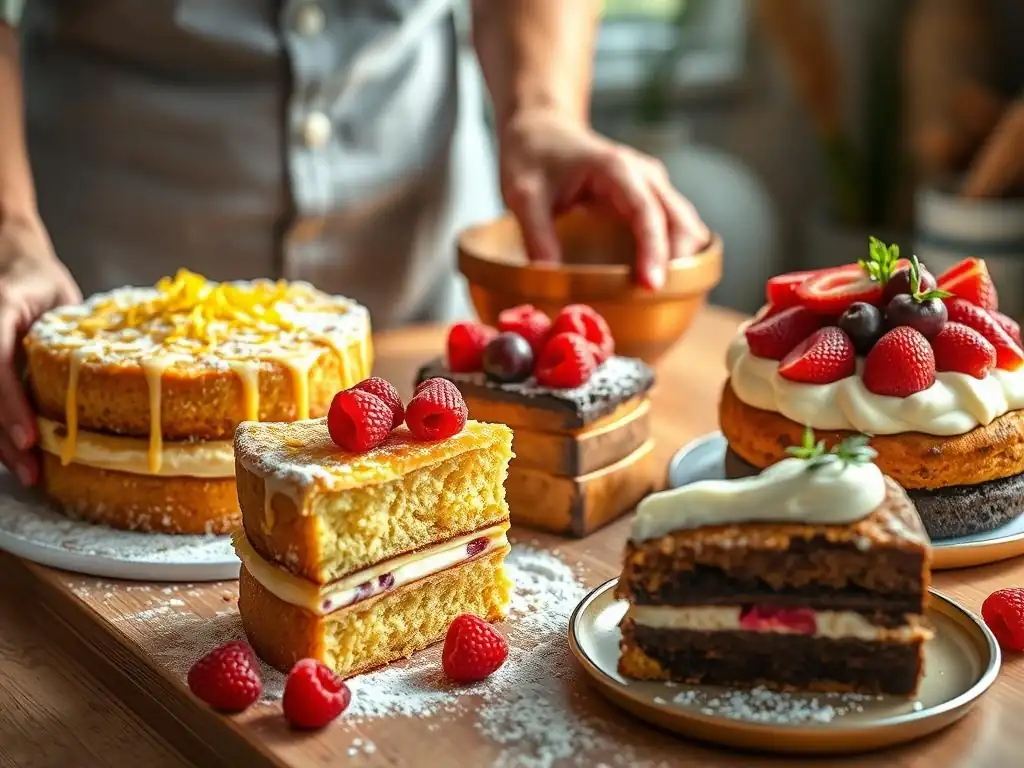
Welcome to BakeWithEase, your ultimate destination for embracing the delightful world of baking! If you've ever dreamed of creating stunning desserts without the stress, you're in the right place. Our featured article, “Simple Cakes That Look and Taste Amazing (Even for Beginners!),” unveils a treasure trove of easy beginner cake recipes that will transform your kitchen into a haven of sweet creations. With our straightforward techniques and expert tips, you'll find that baking is not just a task but a joyous adventure waiting to unfold. Ready to whisk your way to deliciousness? Let's dive in!
Simple Cakes That Look and Taste Amazing (Even for Beginners!)
- Simple Cake Recipes for Baking Success
- Why Choose Easy Cake Recipes?
- Top 5 Easy Beginner Cake Recipes
- Essential Baking Tools
- Baking Tips and Tricks
- Troubleshooting Common Problems
- Decorating Simple Cakes
- Expanding Your Recipe Repertoire
- Enjoy Baking! - BakeWithEase
-
Frequently Asked Questions
- What makes a cake recipe truly "easy" for beginners?
- Where can I find reliable "easy beginner cake recipes"?
- What are some common mistakes beginners make when baking cakes?
- What type of cake is generally considered the easiest for a beginner to bake?
- How can I ensure my beginner cake looks as good as it tastes?
- Final Reflection: The Sweetness of Simple Baking
- Unlock Your Inner Baker: Taste the Joy of Simple Cakes!
Simple Cake Recipes for Baking Success
Embarking on the journey of baking can feel daunting, especially when faced with complex recipes and intricate techniques. However, baking delicious cakes doesn't have to be complicated. There's a wonderful world of simple cake recipes designed specifically for beginners, allowing you to create impressive results without feeling overwhelmed. These recipes often rely on straightforward methods and common pantry ingredients, making them accessible for anyone wanting to try their hand at baking. Think classic flavors like vanilla, chocolate, or lemon, prepared using the "one-bowl" method or simple creaming techniques that are easy to master.
The key to success with easy beginner cake recipes lies in understanding the basics and following instructions carefully. These recipes are typically tested and refined to minimize potential pitfalls, focusing on reliable outcomes. For instance, a basic vanilla cake might use the reverse creaming method, which is less likely to result in a tough cake compared to traditional methods for beginners.
Or a simple chocolate cake might involve just whisking wet and dry ingredients together. By starting with these foundational recipes, you build confidence and familiarity with baking processes before tackling more advanced challenges like multi-layered celebration cakes or delicate génoise sponges.
Why Choose Easy Cake Recipes?
Choosing easy cake recipes is a fantastic starting point for anyone new to the world of baking. It removes much of the intimidation associated with more complex bakes, allowing you to focus on enjoying the process rather than worrying about intricate steps or specialized equipment. These recipes are typically forgiving, meaning small errors are less likely to lead to complete failure, which is incredibly encouraging for novice bakers. They are designed for quick wins, providing satisfying results with minimal effort and time investment.
Moreover, focusing on easy beginner cake recipes helps you develop fundamental baking instincts. You learn how ingredients interact, the importance of accurate measurements, and how to recognize key stages in the baking process, like when a cake is done. This foundational knowledge is transferable to more advanced recipes later on. Plus, who doesn't love the immediate gratification of pulling a warm, delicious cake from the oven? It's a rewarding experience that keeps you motivated to bake again and again.
Building Confidence
Starting with easy cake recipes is paramount for building confidence in the kitchen. Successfully baking a simple cake provides a tangible achievement that encourages you to try more. For example, mastering a basic loaf cake with a simple glaze can feel like a significant accomplishment when you're just starting out. This initial success reduces the fear of failure, which is a major barrier for many aspiring bakers.
Each successful bake, no matter how simple, reinforces your ability and makes the next challenge seem less daunting. As you gain experience with easy beginner cake recipes, you'll become more comfortable handling ingredients, using equipment, and understanding the nuances of baking. This growing confidence is crucial for tackling increasingly complex recipes and techniques in the future, transforming baking from a perceived chore into an enjoyable hobby.
Mastering Basic Techniques
Easy beginner cake recipes are specifically designed to introduce fundamental baking techniques in a manageable way. Techniques like creaming butter and sugar, whisking dry ingredients, folding batter, and properly preparing a cake pan are essential building blocks. A simple sponge cake recipe, for instance, teaches the delicate art of folding whisked eggs into flour, a technique used in many different types of cakes.
By repeatedly practicing these basic techniques with straightforward recipes, you develop muscle memory and a deeper understanding of why certain steps are necessary. Learning to tell when a cake is done by using a toothpick or understanding the role of leavening agents like baking powder becomes second nature. These foundational skills acquired through easy cake recipes are transferable and essential for success in all areas of baking, from cookies to breads.
Impressing Others
One of the most rewarding aspects of baking is sharing your creations with friends and family. Even simple cakes can be incredibly impressive, especially when made from scratch with care. Imagine bringing a warm, homemade chocolate cake or a fresh lemon loaf to a gathering – the smiles and compliments you receive are a wonderful reward for your effort.
Easy beginner cake recipes allow you to produce delicious, crowd-pleasing desserts without needing advanced skills or fancy decorations. A simple vanilla cake frosted with basic buttercream or a rustic coffee cake dusted with powdered sugar can look and taste amazing. The fact that you made it yourself adds a special touch that store-bought options can't replicate, making these easy cakes a fantastic way to share joy and impress others with your newfound baking skills.
Top 5 Easy Beginner Cake Recipes
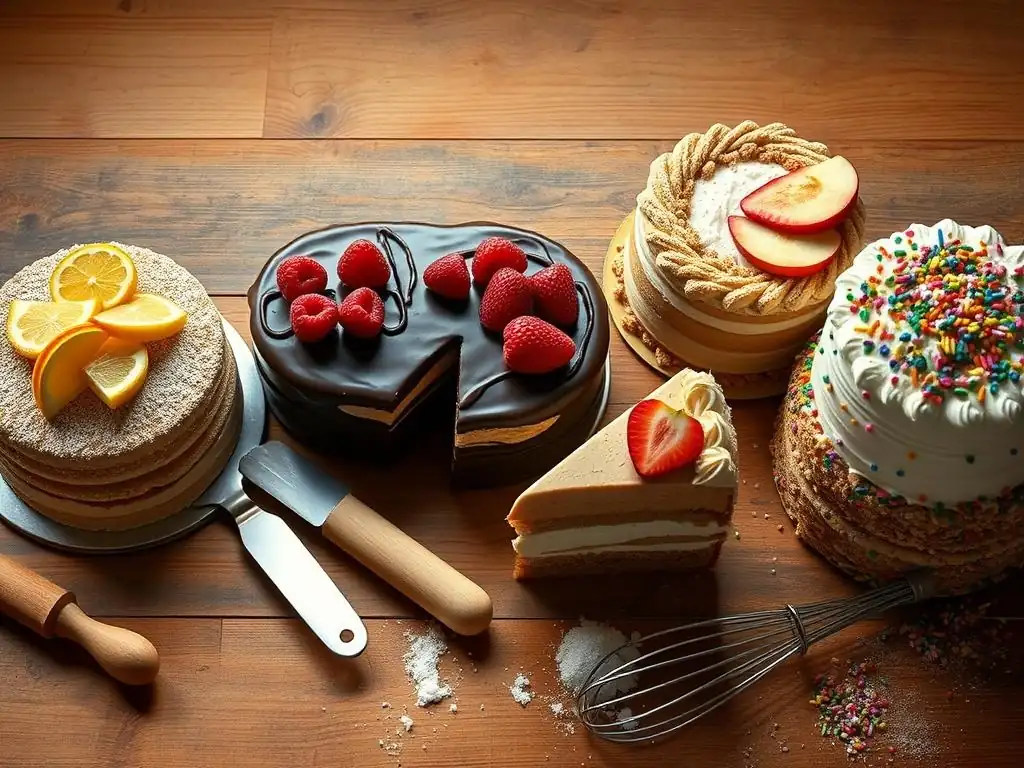
Starting your baking journey with simple, reliable recipes is key. These five easy beginner cake recipes are perfect for building confidence and enjoying delicious results right away. They cover different flavor profiles and techniques, providing a great introduction to the world of cake baking. Each recipe is designed to be straightforward, minimizing complexity while maximizing flavor and texture.
Whether you crave classic vanilla, rich chocolate, bright lemon, fresh fruit, or a comforting brunch treat, there's an easy cake recipe here for you. These recipes often require minimal specialized equipment and use common pantry staples, making them accessible for anyone ready to bake. Let's dive into these beginner-friendly options that promise both ease and deliciousness.
1. Vanilla Cake: A Perfect Start
A classic vanilla cake is the cornerstone of many baking repertoires and an ideal starting point for beginners. It's versatile, comforting, and provides a great foundation for learning basic cake chemistry. This recipe often uses the creaming method, where butter and sugar are beaten together until light and fluffy, incorporating air that helps the cake rise.
Getting a moist and tender crumb is the goal, and this is often achieved through the careful balance of wet and dry ingredients and not overmixing. Vanilla extract is crucial for flavor, and using a good quality extract makes a noticeable difference. This simple cake recipe is perfect served plain, with a dusting of powdered sugar, or dressed up with a simple frosting.
Ingredients
- 1 and 3/4 cups (220g) all-purpose flour
- 1 and 1/4 teaspoons baking powder
- 1/2 teaspoon baking soda
- 1/4 teaspoon salt
- 1/2 cup (115g) unsalted butter, softened
- 1 and 1/2 cups (300g) granulated sugar
- 2 large eggs
- 1 teaspoon pure vanilla extract
- 1 cup (240ml) buttermilk or whole milk mixed with 1 tbsp vinegar
Instructions
- Preheat oven to 350°F (175°C). Grease and flour a 9-inch round cake pan or line with parchment paper.
- In a medium bowl, whisk together the flour, baking powder, baking soda, and salt. Set aside.
- In a large bowl, beat the softened butter and granulated sugar with an electric mixer on medium speed until light and fluffy, about 3-5 minutes.
- Add the eggs one at a time, beating well after each addition. Stir in the vanilla extract.
- In a small bowl, whisk together the buttermilk (or prepared milk) and vanilla extract.
- Alternately add the dry ingredients and wet ingredients to the butter mixture, starting and ending with the dry ingredients (e.g., 1/3 dry, 1/2 wet, 1/3 dry, 1/2 wet, 1/3 dry). Mix on low speed until just combined after each addition. Do not overmix.
- Pour batter into the prepared pan and spread evenly.
- Bake for 30-35 minutes, or until a toothpick inserted into the center comes out clean.
- Let the cake cool in the pan for 10 minutes before inverting it onto a wire rack to cool completely.
Tips for Moisture
Using buttermilk in a vanilla cake recipe is a fantastic way to ensure moisture. Its acidity reacts with the baking soda, aiding in leavening and contributing to a tender crumb. If you don't have buttermilk, you can easily make a substitute by adding one tablespoon of white vinegar or lemon juice to one cup of milk and letting it sit for 5-10 minutes until it curdles slightly.
Another key to a moist cake is accurate measurement, particularly of flour. Too much flour can result in a dry, dense cake. Using the "spoon and level" method (lightly spooning flour into a measuring cup and leveling off the excess with a straight edge) rather than scooping directly from the bag helps prevent over-measuring. Also, be careful not to overbake; check for doneness at the lower end of the suggested baking time.
2. Chocolate Cake: For Chocolate Lovers
A rich, moist chocolate cake is a universally loved treat and surprisingly easy to make from scratch. Many beginner-friendly chocolate cake recipes utilize simple techniques, sometimes even a one-bowl method, making cleanup a breeze. The key to a deep chocolate flavor often lies in the type of cocoa powder used and sometimes the addition of hot liquid like coffee.
This type of easy beginner cake recipe is perfect for birthdays, celebrations, or just a comforting dessert. It pairs wonderfully with a simple chocolate ganache or classic buttercream frosting. Don't be intimidated by the dark color; the process is often simpler than you think, yielding incredibly satisfying results.
Ingredients
- 1 and 3/4 cups (220g) all-purpose flour
- 2 cups (400g) granulated sugar
- 3/4 cup (65g) unsweetened cocoa powder (natural or Dutch-processed)
- 1 and 1/2 teaspoons baking powder
- 1 and 1/2 teaspoons baking soda
- 1 teaspoon salt
- 2 large eggs
- 1 cup (240ml) milk
- 1/2 cup (120ml) vegetable oil
- 2 teaspoons vanilla extract
- 1 cup (240ml) hot water or hot brewed coffee
Instructions
- Preheat oven to 350°F (175°C). Grease and flour a 9-inch round cake pan or a 9x13 inch rectangular pan.
- In a large bowl, whisk together the flour, sugar, cocoa powder, baking powder, baking soda, and salt.
- Add the eggs, milk, oil, and vanilla extract to the dry ingredients.
- Beat with an electric mixer on medium speed for about 2 minutes, scraping down the sides of the bowl as needed, until the batter is smooth.
- Carefully stir in the hot water or hot coffee (the batter will be thin).
- Pour batter into the prepared pan.
- Bake for 30-35 minutes for a round pan, or 35-40 minutes for a rectangular pan, or until a toothpick inserted into the center comes out clean.
- Let the cake cool in the pan for 10-15 minutes before inverting onto a wire rack to cool completely.
Achieving Rich Flavor
Using high-quality cocoa powder is essential for achieving a rich chocolate flavor. Natural unsweetened cocoa powder provides a strong, slightly acidic chocolate taste, while Dutch-processed cocoa powder is darker, less acidic, and smoother in flavor. Either works well in this easy beginner cake recipe, but Dutch-processed often gives a deeper, richer color.
Adding hot water or, even better, hot brewed coffee to the batter is a classic technique for enhancing chocolate flavor. The hot liquid helps the cocoa powder bloom, releasing its full flavor potential. Coffee, specifically, complements chocolate beautifully, deepening its intensity without making the cake taste like coffee. Using hot coffee instead of hot water is a simple swap that yields noticeably richer results.
3. Lemon Cake: A Zesty Treat
Lemon cake is wonderfully bright and refreshing, perfect for spring or summer gatherings. An easy beginner cake recipe for lemon cake often incorporates lemon zest and juice directly into the batter, providing a vibrant citrus punch. Some recipes might also feature a simple lemon syrup drizzled over the warm cake or a tangy lemon glaze.
This cake is less about intricate layers and more about showcasing the clean, zesty flavor of lemon. It's typically a straightforward loaf cake or a simple round cake that's moist and tender. The bright flavor makes it a lovely alternative to heavier desserts and a great way to practice adding fruit flavors to your baking.
Ingredients
- 1 and 3/4 cups (220g) all-purpose flour
- 1 and 1/2 teaspoons baking powder
- 1/4 teaspoon salt
- 1/2 cup (115g) unsalted butter, softened
- 1 and 1/2 cups (300g) granulated sugar
- Zest of 2-3 large lemons (about 2 tablespoons)
- 2 large eggs
- 1 teaspoon vanilla extract
- 1/2 cup (120ml) fresh lemon juice (from about 2-3 lemons)
- 1/2 cup (120ml) milk or buttermilk
Instructions
- Preheat oven to 350°F (175°C). Grease and flour a 9-inch round cake pan or a 9x5 inch loaf pan.
- In a medium bowl, whisk together the flour, baking powder, and salt.
- In a large bowl, cream together the softened butter and granulated sugar until light and fluffy, about 3 minutes. Add the lemon zest and beat for another minute until fragrant.
- Beat in the eggs one at a time, mixing well after each. Stir in the vanilla extract.
- In a small bowl, whisk together the lemon juice and milk/buttermilk.
- Alternately add the dry ingredients and wet ingredients to the butter mixture, starting and ending with the dry ingredients. Mix on low speed until just combined.
- Pour batter into the prepared pan.
- Bake for 30-35 minutes for a round cake, or 50-60 minutes for a loaf cake, or until a toothpick inserted into the center comes out clean.
- Let the cake cool in the pan for 10-15 minutes before inverting onto a wire rack to cool completely.
Adding a Lemon Glaze
A simple lemon glaze elevates a lemon cake and adds an extra layer of tangy sweetness. It's incredibly easy to make while the cake cools. You'll need about 1 cup (120g) of powdered sugar and 2-3 tablespoons of fresh lemon juice.
Whisk the powdered sugar and lemon juice together in a small bowl until smooth and pourable. Add more lemon juice for a thinner glaze or more powdered sugar for a thicker one. Once the cake is completely cool, drizzle or pour the glaze over the top, letting it drip down the sides. The glaze will set as it dries, providing a beautiful finish and a burst of citrus flavor.
4. Strawberry Shortcake Cake: A Summer Classic
While traditional strawberry shortcake uses biscuits, this easy beginner cake recipe simplifies the concept into a lovely, tender cake base perfect for layering with whipped cream and fresh strawberries. It's a delightful summer dessert that's visually appealing and incredibly simple to assemble. The cake itself is often a simple vanilla or butter cake that's not overly sweet, allowing the flavor of the fresh fruit and cream to shine.
This recipe is a great way to practice simple cake baking and assembly. It doesn't require complex frosting techniques, relying instead on fresh, quality ingredients. It's a refreshing and lighter option compared to heavily frosted cakes, making it perfect for picnics or warm weather.
Ingredients
- 2 cups (250g) all-purpose flour
- 1 tablespoon baking powder
- 1/2 teaspoon salt
- 1/2 cup (115g) unsalted butter, softened
- 1 cup (200g) granulated sugar
- 1 large egg
- 1 teaspoon vanilla extract
- 1 cup (240ml) milk
- For assembly: 2-3 cups sliced fresh strawberries, 1-2 tablespoons granulated sugar, 2 cups heavy cream, 1/4 cup powdered sugar, 1 teaspoon vanilla extract
Instructions
- Preheat oven to 375°F (190°C). Grease and flour a 9-inch round cake pan.
- In a medium bowl, whisk together the flour, baking powder, and salt.
- In a large bowl, cream together the softened butter and granulated sugar until light and fluffy, about 3 minutes.
- Beat in the egg and vanilla extract until well combined.
- Alternately add the dry ingredients and milk to the butter mixture, starting and ending with the dry ingredients (e.g., 1/3 dry, 1/2 milk, 1/3 dry, 1/2 milk, 1/3 dry). Mix on low speed until just combined.
- Pour batter into the prepared pan and spread evenly.
- Bake for 25-30 minutes, or until a toothpick inserted into the center comes out clean.
- Let the cake cool in the pan for 10 minutes before inverting onto a wire rack to cool completely.
- While the cake cools, gently mix sliced strawberries with 1-2 tablespoons of granulated sugar in a bowl and let them sit for 15-20 minutes to macerate and release their juices.
- In a separate bowl, whip the heavy cream with powdered sugar and vanilla extract until soft peaks form.
- Once the cake is cool, slice it horizontally into two layers. Place the bottom layer on a serving plate. Spread half of the whipped cream over the bottom layer, then spoon half of the macerated strawberries (including some juice) over the cream.
- Place the top cake layer on top. Spread the remaining whipped cream over the top layer and arrange the remaining strawberries on top. Serve immediately.
Tips for Ripe Strawberries
The success of a strawberry shortcake cake heavily relies on the quality of your strawberries. Choose berries that are bright red, plump, and fragrant. They should feel firm but not hard. Ripe strawberries are naturally sweet and juicy, requiring less added sugar during maceration.
Macerating the strawberries with a little sugar for 15-20 minutes before assembling the cake enhances their flavor and creates a lovely syrupy juice that soaks into the cake layers, adding moisture and flavor. Avoid skipping this step, as it significantly improves the final dish. If your strawberries aren't very sweet, you might add a little more sugar or a tiny squeeze of lemon juice to brighten their flavor.
5. Coffee Cake: A Brunch Treat
Coffee cake, despite its name, doesn't typically contain coffee (though it pairs perfectly with coffee). It's a moist, tender cake often flavored with cinnamon and topped with a streusel or crumb topping. This easy beginner cake recipe is perfect for breakfast, brunch, or an afternoon snack. Its rustic charm requires no fancy frosting, making it incredibly beginner-friendly.
The crumb topping is a key element, providing a delightful texture contrast to the soft cake. Making the crumb topping is usually just a matter of combining flour, sugar, cinnamon, and butter until crumbly. The cake batter itself is often a simple butter cake or a sour cream-based cake for extra moisture.
Ingredients
- For the Crumb Topping:
- 1/2 cup (60g) all-purpose flour
- 1/4 cup (50g) granulated sugar
- 1/4 cup (50g) packed light brown sugar
- 1 teaspoon ground cinnamon
- 1/4 cup (55g) unsalted butter, melted
- For the Cake:
- 1 and 3/4 cups (220g) all-purpose flour
- 1 teaspoon baking powder
- 1/2 teaspoon baking soda
- 1/4 teaspoon salt
- 1/2 cup (115g) unsalted butter, softened
- 3/4 cup (150g) granulated sugar
- 1 large egg
- 1 teaspoon vanilla extract
- 1 cup (240g) sour cream or plain yogurt
Instructions
- Preheat oven to 350°F (175°C). Grease and flour an 8x8 inch square pan or a 9-inch round pan.
- Make the Crumb Topping: In a medium bowl, whisk together the flour, granulated sugar, brown sugar, and cinnamon. Pour in the melted butter and stir with a fork until moist crumbs form. Set aside.
- Make the Cake: In a medium bowl, whisk together the flour, baking powder, baking soda, and salt.
- In a large bowl, cream together the softened butter and granulated sugar until light and fluffy, about 3 minutes.
- Beat in the egg and vanilla extract until well combined.
- Add the sour cream (or yogurt) and mix until just combined.
- Add the dry ingredients to the wet ingredients and mix on low speed until just combined. Do not overmix.
- Pour batter into the prepared pan and spread evenly.
- Generously sprinkle the crumb topping evenly over the cake batter.
- Bake for 35-45 minutes, or until a toothpick inserted into the center (avoiding the crumb topping layer) comes out clean.
- Let the cake cool in the pan for at least 15 minutes before slicing and serving warm or at room temperature.
Adding a Crumble Topping
The crumble topping is what makes a coffee cake distinct and delicious. It's a simple mixture of flour, sugar (often a mix of granulated and brown for flavor), cinnamon, and butter. The key is to mix it until it forms distinct crumbs, not a paste. You can use your fingers, a fork, or a pastry blender to achieve the desired texture.
Ensure the butter is melted for this specific recipe, as it makes the process very easy for beginners. Once the crumbs are formed, sprinkle them generously and evenly over the cake batter before baking. The topping will bake into a slightly crisp, sweet, and cinnamon-spiced layer that contrasts beautifully with the soft cake below. Don't press the crumbs into the batter; just let them rest on top.
Essential Baking Tools
You don't need a professional kitchen full of gadgets to bake delicious easy beginner cake recipes. A few basic tools will get you started and cover most simple cake needs. Investing in quality basic equipment will make your baking experience smoother and more enjoyable. Having the right tools on hand prevents frustration and helps ensure consistent results.
Starting with the essentials allows you to master basic techniques before deciding if you want to expand your collection. Many common kitchen items can even pull double duty. Focus on tools that aid in accurate measurement, proper mixing, and successful baking and cooling.
Must-Have Equipment
For baking easy cakes, certain pieces of equipment are indispensable. Accurate measuring cups and spoons are crucial for consistent results – liquid measuring cups for liquids and dry measuring cups for flour, sugar, etc. A set of mixing bowls in various sizes is essential for combining ingredients. A whisk is needed for dry ingredients and sometimes wet ones. A rubber spatula or spoon is vital for scraping down bowls and folding ingredients.
An electric mixer (either hand-held or stand mixer) makes creaming butter and sugar much easier, though it's possible to do it by hand. A cake pan (common sizes are 8 or 9-inch round or 9x13 inch rectangular) is obviously necessary. Parchment paper helps prevent sticking. A wire cooling rack allows air circulation for proper cooling. Finally, a timer is essential to prevent overbaking.
Affordable Options
You don't have to break the bank to get started with easy beginner cake recipes. Many essential tools are quite affordable. Look for basic sets of measuring cups and spoons at grocery stores or discount retailers. Mixing bowls can be simple glass, plastic, or metal sets. A manual whisk is inexpensive and effective. Rubber spatulas are very affordable and versatile.
While a stand mixer is a significant investment, a basic hand-held electric mixer is much cheaper and perfectly adequate for most easy cake recipes. You can often find sturdy cake pans at reasonable prices. Instead of pre-cut parchment paper, buy a roll and cut it to size. Cooling racks are also widely available and not expensive. Start with these basics, and you can always upgrade later as you bake more.
Baking Tips and Tricks
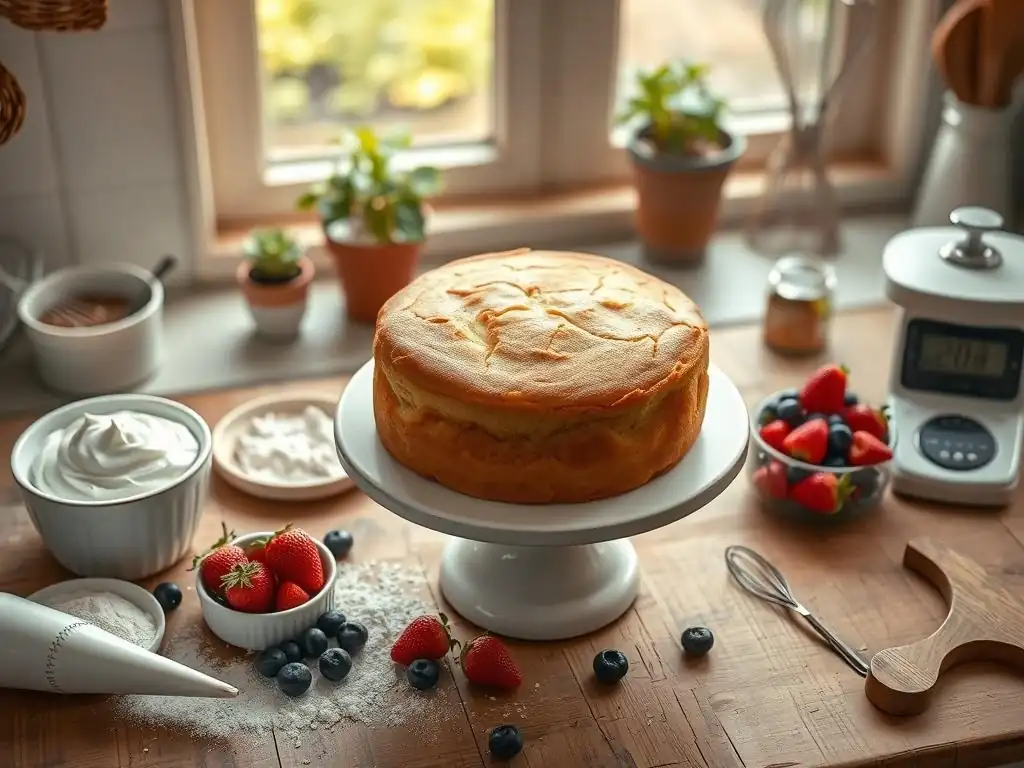
Even with easy beginner cake recipes, a few simple tips can significantly improve your results and help you avoid common pitfalls. Paying attention to details like ingredient temperature, measurement accuracy, and oven behavior makes a big difference in the final texture and rise of your cake. These small adjustments can turn a good cake into a great one.
These tips are fundamental to baking success regardless of the recipe's complexity. Mastering them early on will serve you well as you expand your baking repertoire. They address critical steps in the baking process, from preparing your ingredients to cooling the finished product.
Measuring Accurately
Precise measurement is arguably the most important factor in baking, especially with easy beginner cake recipes where ingredient ratios are carefully balanced. For dry ingredients like flour, use the "spoon and level" method: lightly spoon flour into your dry measuring cup until it overflows, then level off the excess with a straight edge (like the back of a knife). Never scoop directly from the bag, as this compacts the flour and results in too much.
For sugar, scoop granulated sugar directly, but pack brown sugar firmly into the cup. For liquids, use a liquid measuring cup placed on a flat surface and read at eye level. When measuring fats like butter, use the markings on the wrapper or weigh it using a kitchen scale for ultimate accuracy. Using a kitchen scale (measuring in grams) is the most accurate method for all ingredients and highly recommended as you get more serious about baking.
Understanding Oven Temps
Oven temperature accuracy is critical for successful cake baking. Ovens can vary significantly from the temperature they display. An oven thermometer, a relatively inexpensive tool, placed inside your oven will show you the true temperature. If your oven runs hot or cold, you can adjust the dial accordingly or note the difference for future baking.
Preheating your oven fully is also essential. Most recipes assume the oven is at the correct temperature when the cake goes in. Baking in an oven that hasn't reached temperature can result in uneven baking, poor rise, or a gummy texture. Allow your oven at least 15-20 minutes to preheat after it indicates it's ready, especially if using an oven thermometer to confirm.
Cooling and Frosting
Proper cooling is just as important as baking. Immediately after removing a cake from the oven, let it cool in the pan on a wire rack for the time specified in the recipe (usually 10-20 minutes). This allows the cake to firm up slightly before being inverted. Attempting to remove it too soon can cause it to break apart.
Once out of the pan, the cake must cool completely on the wire rack before frosting. Frosting a warm cake will cause the frosting to melt and slide off. Ensure the cake is cool to the touch all the way through, which can take 1-2 hours for a standard cake. Patience during the cooling phase is key to achieving a neat and successful frosting job.
Troubleshooting Common Problems
Even with easy beginner cake recipes, sometimes things don't go exactly as planned. Don't get discouraged! Understanding common issues and how to fix or prevent them is part of the learning process. Most baking problems have simple explanations and solutions.
Learning to troubleshoot helps you become a more intuitive baker. By recognizing the signs of an under-mixed batter, an oven issue, or incorrect measurements, you can adjust your technique or recipe next time. Here are a few frequent problems beginners encounter and how to address them.
Fixing a Dry Cake
A dry cake is often the result of overbaking or using too much flour. To prevent it, measure your flour accurately (using the spoon and level method or a scale) and check for doneness at the earliest suggested baking time using the toothpick test. If the toothpick comes out with just a few moist crumbs (not wet batter), the cake is likely done.
If you find yourself with a slightly dry cake, you can try to add moisture after baking. A simple syrup (equal parts sugar and water, simmered until sugar dissolves) can be brushed onto the cake layers while they are still warm. For chocolate cakes, a bit of coffee or chocolate liqueur can be used in the syrup. For fruit-based cakes like the strawberry shortcake, the macerated fruit juices naturally add moisture.
Dealing with a Sunken Cake
A cake that sinks in the middle can be caused by several factors, including opening the oven door too early (causing a sudden temperature drop), underbaking (the structure hasn't set), or using too much leavening (baking powder/soda) or too little flour, which makes the cake rise too quickly and collapse.
To avoid a sunken cake, resist the urge to open the oven door until at least two-thirds of the way through the baking time. Ensure your oven temperature is accurate. Double-check your measurements for leavening agents and flour. If a cake does sink slightly, you can sometimes fill the depression with frosting or fruit.
Solving Uneven Baking
Uneven baking, where one part of the cake is darker or higher than another, can be due to hot spots in your oven or placing the cake pan too close to an oven element. Check your oven with an oven thermometer to identify hot spots.
To mitigate uneven baking, rotate the cake pan halfway through the baking time. Ensure the cake pan is placed in the center of the oven rack, not too close to the top or bottom heating elements. If your oven has significant hot spots, you might need to experiment with rack placement or slightly lower the temperature and bake for a longer time.
Decorating Simple Cakes
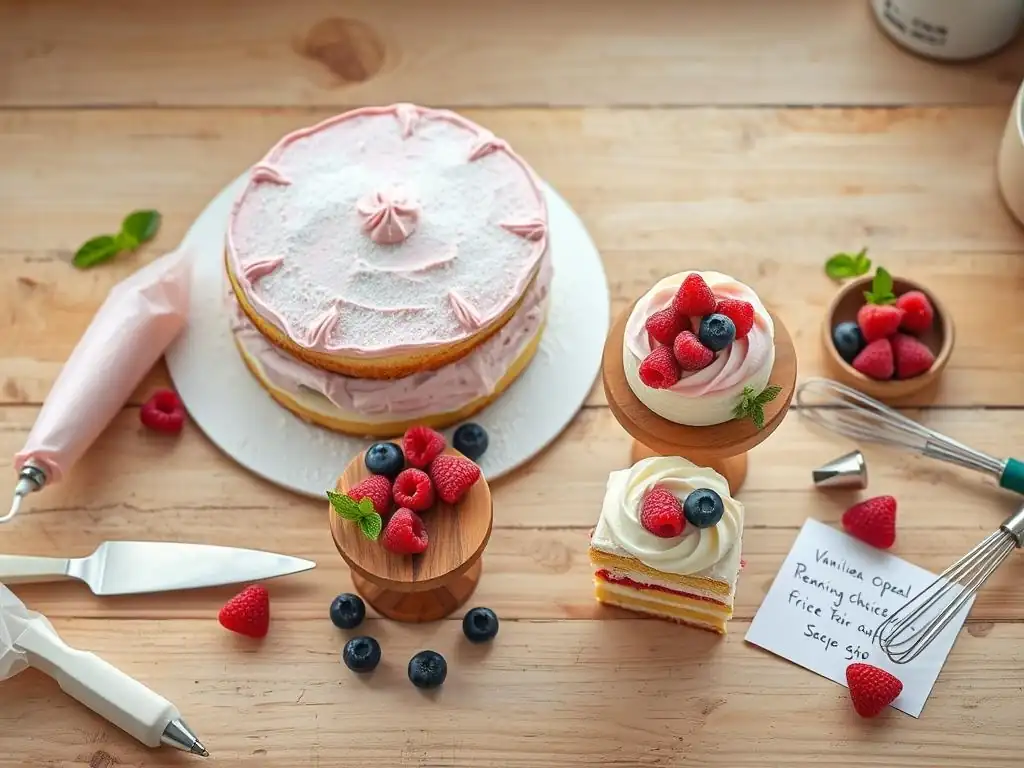
Decorating easy beginner cake recipes doesn't have to be complicated or require artistic skills. Simple techniques can make your homemade cakes look polished and appealing. The goal is to enhance the cake's flavor and presentation without adding stress. Focus on easy wins that add visual interest and deliciousness.
Simple decorations are perfect for showcasing your baking efforts without needing specialty tools like piping bags and tips (though those are fun to explore later!). From a basic glaze to a scattering of sprinkles, there are many ways to make your easy cakes look as good as they taste.
Simple Frosting Techniques
The easiest frosting technique is a simple pourable glaze, like the lemon glaze mentioned earlier, or a basic powdered sugar glaze (powdered sugar mixed with a liquid like milk, water, or juice). These are simply poured over a cooled cake and allowed to set.
For thicker frostings like buttercream, you can use an offset spatula to spread it evenly over the top and sides of the cake. Don't worry about getting it perfectly smooth; a rustic, textured look is charming. You can also create simple swirls or peaks by dabbing the spatula onto the frosting and lifting it up. For layering cakes, simply spread a layer of frosting between the cooled cake layers before stacking them.
Using Sprinkles & Toppings
Sprinkles are a beginner baker's best friend! A simple scattering of colorful sprinkles over frosting or a glaze instantly adds a festive touch. Jimmies, nonpareils, or sanding sugar can all be used.
Other easy toppings include chopped nuts, shredded coconut, chocolate shavings, or fresh fruit slices. A dusting of powdered sugar through a sieve creates an elegant, snowy effect on unfrosted cakes like coffee cake. Cocoa powder can be used similarly on vanilla or pound cakes. These simple additions require no special skill but add flavor and visual appeal.
Creating Simple Designs
You can create simple designs on frosted cakes without piping bags. Use the back of a spoon or fork to create swirls or lines in soft frosting. Dragging a spatula across the top can create a pleasing texture.
For a layered cake, you can leave the sides "naked" or semi-naked by applying just a very thin layer of frosting that allows the cake layers to show through – a popular and easy technique. Placing fresh berries or edible flowers on top of the cake is another simple way to add beauty and elegance with minimal effort.
Expanding Your Recipe Repertoire
Once you've mastered a few easy beginner cake recipes, you might feel ready to explore new flavors and techniques. The world of baking is vast and exciting, and your foundational skills from baking simple cakes will serve you well as you venture into more complex territory. Don't be afraid to try something new!
Building on your success with easy cakes is a natural progression. You can start by trying variations of the recipes you already know or tackling slightly more involved cakes. This journey of learning and discovery is one of the most rewarding parts of baking.
Exploring Different Flavors
Having successfully baked vanilla, chocolate, and lemon cakes, you can start experimenting with other flavor combinations. Try adding spices like cinnamon, nutmeg, or cardamom to a vanilla base. Incorporate citrus zest (orange, lime) into other recipes. Experiment with extracts like almond or peppermint.
You can also explore adding mix-ins like chocolate chips, nuts, or dried fruit to your basic cake batters. Recipes featuring fruits like blueberries, bananas (banana bread is essentially a simple cake! ), or apples are also great next steps that often use similar easy techniques.
Adapting to Dietary Needs
As you gain confidence with easy beginner cake recipes, you might want to try adapting them for different dietary needs or preferences. This could involve exploring gluten-free flour blends, substituting dairy with plant-based alternatives (like almond milk or coconut yogurt), or reducing sugar content.
Many easy cake recipes can be modified with simple substitutions. For example, replacing butter with oil or a dairy-free butter substitute, or swapping dairy milk for a non-dairy version. Finding reliable substitution ratios and understanding how different ingredients behave is a skill that develops with practice.
Next Steps: Baking Beyond Simple Cakes
Ready for more of a challenge? Once you're comfortable with easy beginner cake recipes, consider trying:
- Layer Cakes: Baking two or more cake layers and stacking them with frosting.
- Cupcakes: Essentially individual cakes, they involve similar techniques but require learning how to fill cupcake liners and pipe frosting.
- Bundt Cakes: These often use slightly denser batters and require careful pan preparation, but the decorative pan does the work for you!
- Cheesecakes: While different from traditional cakes, many cheesecake recipes are quite straightforward and involve simple mixing and baking/chilling.
Each new type of bake builds on your existing skills and teaches you new ones, expanding your capabilities and confidence in the kitchen.
Enjoy Baking! - BakeWithEase
Frequently Asked Questions
What makes a cake recipe truly "easy" for beginners?
Easy cake recipes usually feature simple ingredients, clear instructions, and minimal equipment. They often avoid complex techniques like making a meringue or working with delicate pastry.
Where can I find reliable "easy beginner cake recipes"?
BakeWithEase.com provides a wide selection of beginner-friendly cake recipes. These recipes are designed with step-by-step guides and easy-to-find ingredients for a successful baking experience.
What are some common mistakes beginners make when baking cakes?
Common mistakes include overmixing the batter, which can lead to a tough cake, and not accurately measuring ingredients. Also, opening the oven door too early can cause the cake to collapse.
What type of cake is generally considered the easiest for a beginner to bake?
Generally, one-bowl cakes or box mix cakes with added ingredients are the easiest. These recipes require minimal cleanup and simple mixing techniques, making them perfect for beginners.
How can I ensure my beginner cake looks as good as it tastes?
Focus on even baking by ensuring your oven is properly preheated and your cake pan is prepared well. Simple frosting techniques like spreading buttercream or dusting with powdered sugar can also elevate the presentation.
Final Reflection: The Sweetness of Simple Baking
The accessibility of baking, once perceived as a daunting task, is now within everyone's reach. This article showcased that creating stunning and delicious cakes doesn't require years of culinary school or a complex arsenal of tools. The joy of baking, and the satisfaction of sharing homemade treats, is a powerful and surprisingly simple experience.
The impact of simple recipes extends far beyond the kitchen. It's about fostering a sense of accomplishment, connecting with loved ones through shared culinary experiences, and rediscovering the pleasure of creating something beautiful with your own hands. Baking is at once child's play and adult joy. And love, of course.
This quote perfectly encapsulates the magic of baking, especially when approached with a beginner-friendly mindset. It's a process that allows us to nurture ourselves and others, one delicious slice at a time.
Now, I invite you to roll up your sleeves and embrace the possibilities. Don't be intimidated by the seemingly complex world of baking. Choose a recipe from this article, gather your ingredients, and let the process unfold. The journey of creating something beautiful and delicious is as rewarding as the final product itself. Remember the joy of simple things, and the sweet satisfaction of a cake baked with your own hands.
Unlock Your Inner Baker: Taste the Joy of Simple Cakes!
Thanks for taking the time to explore the world of surprisingly simple, yet stunning cakes! We hope you've found some inspiration to create delicious treats. Ready to get baking?
- Bake your dream cake today! Choose one recipe from the article and gather your ingredients. Don't be afraid to experiment – even a small change can create a unique masterpiece.
- Share your baking journey: Tag us on social media (@BakeWithEase) and show us your creations! We’d love to see your baking successes (and even your delightful failures! ).
- Explore more easy recipes: Discover more delicious and straightforward baking ideas on our website, BakeWithEase.com.
What simple twist will you add to your next cake creation? Let us know in the comments below!