
Secrets to Perfect Shortbread for Beginner Bakers

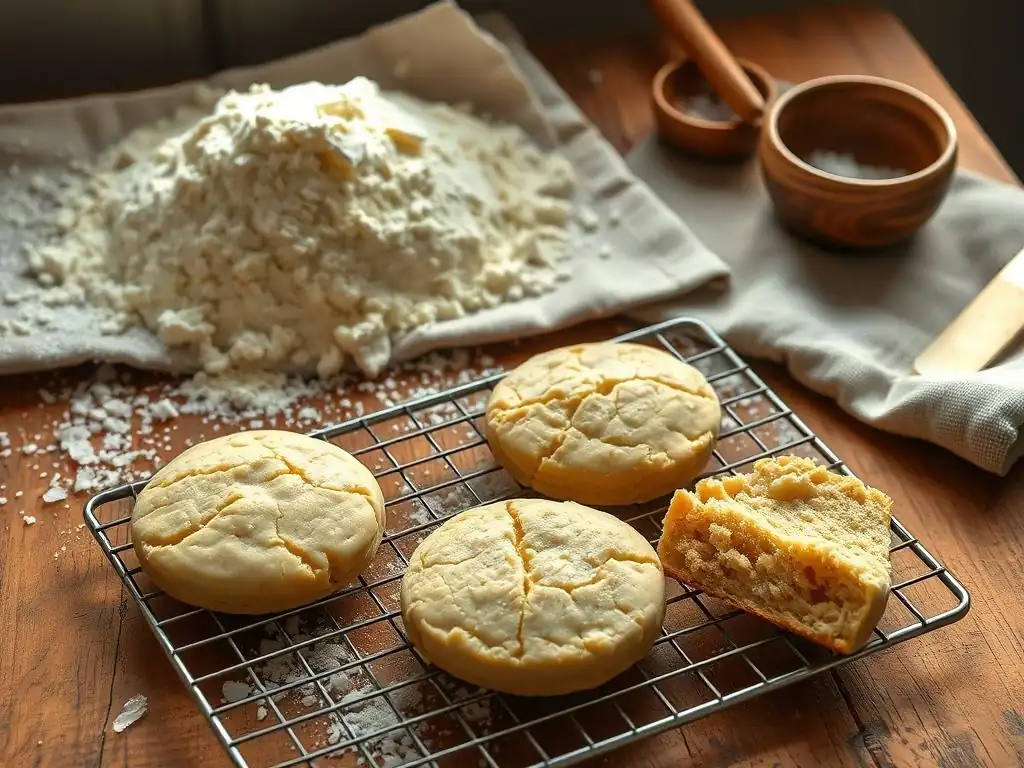
Welcome to BakeWithEase, your passport to baking brilliance! Ever dreamt of effortlessly creating melt-in-your-mouth shortbread? You're in the right place. Forget intimidating recipes and complex techniques. Get ready to unlock the secrets to the perfect shortbread recipe for beginner bakers – a journey that starts with simple ingredients and ends with a truly unforgettable treat. Ready to discover how easy it can be?
- BakeWithEase Presents: Your Guide to Flawless Shortbread
- Understanding Shortbread: A Classic Cookie for Beginner Bakers
-
Mastering the Perfect Shortbread Recipe: A Step-by-Step Guide
- Gathering Your Ingredients: Essential Shortbread Components
- Measuring Matters: Accurate Measurements for Shortbread Success
- The Importance of Cold Butter in Shortbread Baking
- Mixing the Dough: Achieving the Right Shortbread Texture
- Shaping Your Shortbread: From Rounds to Fingers
- Baking to Perfection: Achieving Golden-Brown Shortbread
- Essential Tips for Beginner Bakers: Avoiding Common Shortbread Mistakes
- Variations on the Classic Shortbread Recipe: Expanding Your Baking Skills
- Storing Your Shortbread: Keeping it Fresh and Delicious
- Perfect Shortbread Recipe for Beginner Bakers: A Recap
- Enjoy Your Homemade Shortbread: A Delicious Reward
-
Frequently Asked Questions
- What is the key to a perfect shortbread recipe for beginner bakers?
- How long should I bake shortbread for optimal results?
- Can I customize my shortbread recipe with different flavors?
- What are some common mistakes to avoid when making shortbread?
- Where can I find a step-by-step guide for baking shortbread?
- Final Reflection: The Enduring Allure of Perfect Shortbread
- Unleash Your Inner Baker: Master the Art of Shortbread!
BakeWithEase Presents: Your Guide to Flawless Shortbread
Welcome, beginner bakers! Are you ready to bake a cookie that’s simple, elegant, and absolutely delicious? Shortbread is a fantastic starting point, requiring only a few ingredients and basic technique. It’s the kind of cookie that makes you feel like a baking pro, even on your first try. At BakeWithEase, we believe everyone can master classic treats, and this guide is your roadmap to creating the perfect shortbread recipe for beginner bakers. We'll walk you through every step, from understanding the ingredients to achieving that signature crumbly texture.
Mastering the perfect shortbread recipe for beginner bakers isn't just about following instructions; it's about understanding the why behind each step. This classic cookie, with its buttery richness and delicate snap, relies on precision and patience. By focusing on simple techniques and quality ingredients, you'll unlock the secrets to shortbread success, building confidence for future baking adventures. Let's get started on making your very own batch of this delightful treat.
Shortbread stands out in the world of cookies for its pure, unadulterated flavor and unique texture. Unlike many other cookies that rely on leavening agents like baking soda or powder, shortbread gets its characteristic density and tender crumb from a high ratio of butter to flour. This simplicity is what makes it both approachable for beginners and a timeless favorite for seasoned bakers. It's a testament to the power of simple ingredients used correctly.
The beauty of shortbread lies in its minimal fuss. You don't need complex techniques or fancy equipment to produce a stunning result. A bowl, a fork, and your hands are often all that's required. This accessibility makes it an ideal perfect shortbread recipe for beginner bakers looking to dip their toes into the world of baking without feeling overwhelmed. It’s a forgiving dough in many ways, as long as you pay attention to the basics, especially regarding temperature and mixing.
What Makes Shortbread So Special? The Simple Ingredients
Shortbread traditionally uses just three main ingredients: flour, butter, and sugar. Sometimes a pinch of salt is added to enhance the flavor. The magic happens because of the ratio and the quality of these ingredients. A common ratio is 1 part sugar, 2 parts butter, and 3 parts flour by weight (the 1:2:3 rule). This high proportion of butter is key to the tender, crumbly texture. As the butter melts during baking, it coats the flour particles, preventing gluten development and resulting in that desirable 'short' (crumbly) texture.
Using high-quality butter is paramount for a truly perfect shortbread recipe beginner bakers can be proud of. Butter provides both flavor and structure. European-style butters, which often have a slightly higher fat content (around 82% compared to the typical 80% in American butter), can yield an even richer flavor and more tender crumb. Granulated sugar is standard, but some recipes might use superfine sugar for a smoother finish, or even a little powdered sugar for a melt-in-your-mouth feel. The flour is typically all-purpose, providing just enough structure without making the cookie tough.
The History of Shortbread: A Scottish Baking Tradition
Shortbread has deep roots in Scotland, evolving from medieval biscuit bread. These early biscuits were made from leftover bread dough that was dried out in a low oven until hard. Over time, yeast was replaced by butter, and the biscuit evolved into the rich, buttery treat we know today. Shortbread became particularly popular in the 16th century, thanks to Mary Queen of Scots, who was reportedly fond of a variation flavored with caraway seeds. It was initially considered a luxury item, reserved for special occasions like Christmas and Hogmanay (Scottish New Year), due to the cost of butter.
The commercialization of shortbread began in the 19th century, making it more accessible to the general public and solidifying its status as a quintessential Scottish export. Companies like Walkers Shortbread, founded in 1898, played a significant role in popularizing the cookie globally. Traditional shapes include the 'petticoat tails' (a large circle cut into wedges), individual rounds, and 'fingers.' The simplicity of its ingredients and the rich cultural history make baking shortbread a connection to centuries of tradition, adding a layer of enjoyment to mastering this perfect shortbread recipe for beginner bakers.
Mastering the Perfect Shortbread Recipe: A Step-by-Step Guide
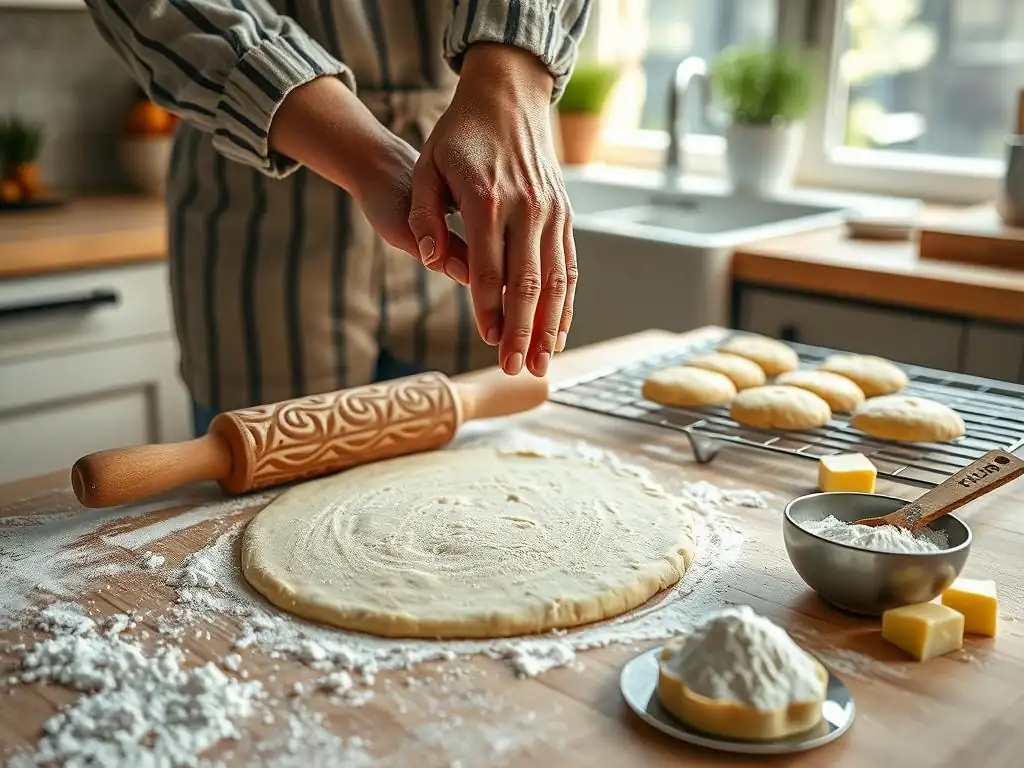
Ready to bake? This section breaks down the process into manageable steps, making it easy for beginner bakers to follow along and achieve success with their first batch of shortbread. We'll cover everything from selecting and preparing your ingredients to the critical baking process itself. Precision at each stage is key to unlocking that wonderful buttery flavor and delicate crumb.
Following a step-by-step guide is crucial when learning any new baking technique. For shortbread, this means paying close attention to temperatures, mixing times, and visual cues during baking. Don't rush the process; patience is your friend. This perfect shortbread recipe for beginner bakers is designed to be straightforward, focusing on fundamental techniques that will serve you well in many other baking endeavors. Let's gather our tools and ingredients and begin the journey to homemade shortbread perfection.
Gathering Your Ingredients: Essential Shortbread Components
Before you begin, ensure you have all your ingredients measured out and ready. For a standard batch yielding perhaps 12-16 fingers, you'll typically need around 1 cup (2 sticks or 225g) of unsalted butter, 1/2 cup (100g) of granulated or superfine sugar, and about 2 cups (250g) of all-purpose flour, plus maybe a pinch of salt (about 1/4 teaspoon). Using unsalted butter gives you control over the saltiness; if using salted butter, omit the added salt and consider slightly reducing the amount if you're sensitive to sodium.
It's vital that your butter is cold and cut into small cubes, about 1/2 inch (1 cm) in size. Cold butter is critical for developing the correct texture, as it helps create steam pockets during baking, contributing to the flakiness and tenderness. Ensure your flour is fresh. While some recipes suggest sifting, for a basic shortbread recipe for beginners, simply spooning the flour into your measuring cup and leveling it off is usually sufficient, provided you don't pack it down. Having everything prepped minimizes errors and makes the mixing process smooth.
Measuring Matters: Accurate Measurements for Shortbread Success
Baking is a science, and accuracy in measuring ingredients is fundamental, especially for a simple recipe like shortbread where ratios are critical. The most accurate way to measure flour and sugar is by weight using a kitchen scale. For example, 2 cups of all-purpose flour can weigh anywhere from 240g to 280g depending on how it's scooped and packed. Using a scale ensures you use the exact amount specified in the perfect shortbread recipe beginner bakers are aiming for, leading to consistent results.
If you don't have a scale, use the spoon-and-level method for flour: gently spoon flour into your dry measuring cup until it overflows, then level it off with a straight edge (like the back of a knife) without tapping or packing the flour. For sugar, scoop it into the dry measuring cup and level it off. Liquid measuring cups are for liquids only. Precise measurements prevent common issues like dry, crumbly dough (too much flour) or greasy, spreading cookies (too much butter or sugar relative to flour).
The Importance of Cold Butter in Shortbread Baking
Using cold butter is non-negotiable when making perfect shortbread for beginner bakers. When cold butter is cut into the dry ingredients (flour and sugar), it creates small, distinct pieces coated in flour. As the shortbread bakes, these pieces of butter slowly melt, releasing steam. This steam creates tiny air pockets within the dough, which contribute to the tender, crumbly texture characteristic of shortbread. If the butter is too soft or melted, it will coat the flour too early, leading to a denser, tougher cookie more akin to a sugar cookie.
Think of cold butter like tiny flavor and texture capsules. Keeping the butter cold until it hits the oven ensures these capsules remain intact during mixing and shaping. This is why many shortbread recipes also call for chilling the dough before baking – it re-chills the butter, solidifying those little pieces and ensuring they melt slowly and correctly in the oven. Don't be tempted to use softened butter for ease of mixing; the texture will be significantly different.
Mixing the Dough: Achieving the Right Shortbread Texture
Mixing shortbread dough is straightforward but requires a light touch. The goal is to bring the ingredients together just until they form a cohesive dough, without overworking it. You can use a food processor, a stand mixer with a paddle attachment, or even mix by hand.
If using a food processor, pulse the cold butter, sugar, and salt together until the mixture resembles coarse crumbs. Then add the flour and pulse just until the dough starts to come together and looks like moist sand or small pebbles. Be careful not to process too long, or the butter will warm up.
When mixing by hand or with a stand mixer, cream the cold, cubed butter with the sugar and salt until just combined – it won't become fluffy like cake batter. Then gradually add the flour, mixing on low speed or using a fork/your hands until the mixture looks crumbly. At this point, you can gently bring the dough together with your hands. The dough should be slightly crumbly but hold together when squeezed. Avoid kneading, as this develops gluten, making the shortbread tough. This gentle mixing is key to a perfect shortbread recipe beginner bakers can confidently make.
Shaping Your Shortbread: From Rounds to Fingers
Once the dough is mixed, it needs to be shaped. Traditional shortbread is often pressed into a round pan (like a cake tin) and scored into wedges before baking (petticoat tails), or rolled out and cut into fingers or rounds. For beginner bakers, rolling and cutting is often the easiest method. Lightly flour your work surface and rolling pin. Gently bring the dough together into a disk and roll it out to about 1/2 inch (1.2 cm) thickness. Try not to overwork the dough as you roll.
You can use a knife or a pastry wheel to cut the dough into rectangles (fingers) or use cookie cutters for different shapes. Place the cut shapes onto a baking sheet lined with parchment paper. For traditional shortbread fingers, you might prick the tops with a fork (docking) – this helps steam escape and prevents puffing.
If making a round, press it evenly into a pan and score the top with a knife, pricking each wedge. Chilling the shaped dough for at least 20-30 minutes in the refrigerator before baking is highly recommended, as it helps the shortbread hold its shape and ensures the butter is cold.
Baking to Perfection: Achieving Golden-Brown Shortbread
Baking shortbread requires a relatively low oven temperature to ensure it cooks through without browning too quickly. A common temperature is around 300-325°F (150-160°C). Preheat your oven thoroughly. Place the chilled, shaped shortbread on a baking sheet lined with parchment paper. Bake for 15-25 minutes, depending on the thickness and size of your cookies. The shortbread is done when it looks pale golden around the edges and is firm to the touch. It should not be deeply brown; a light golden hue is perfect.
Keep a close eye on your shortbread as it bakes, especially during the last few minutes, as ovens can vary. If baking multiple sheets, rotate them halfway through baking for even color. Once baked, remove the shortbread from the oven and let it cool on the baking sheet for 5-10 minutes before carefully transferring it to a wire rack to cool completely. Cooling on the sheet allows the cookies to firm up before handling. This careful baking process ensures you get that desired tender, crisp texture from your perfect shortbread recipe beginner bakers will love.
Essential Tips for Beginner Bakers: Avoiding Common Shortbread Mistakes
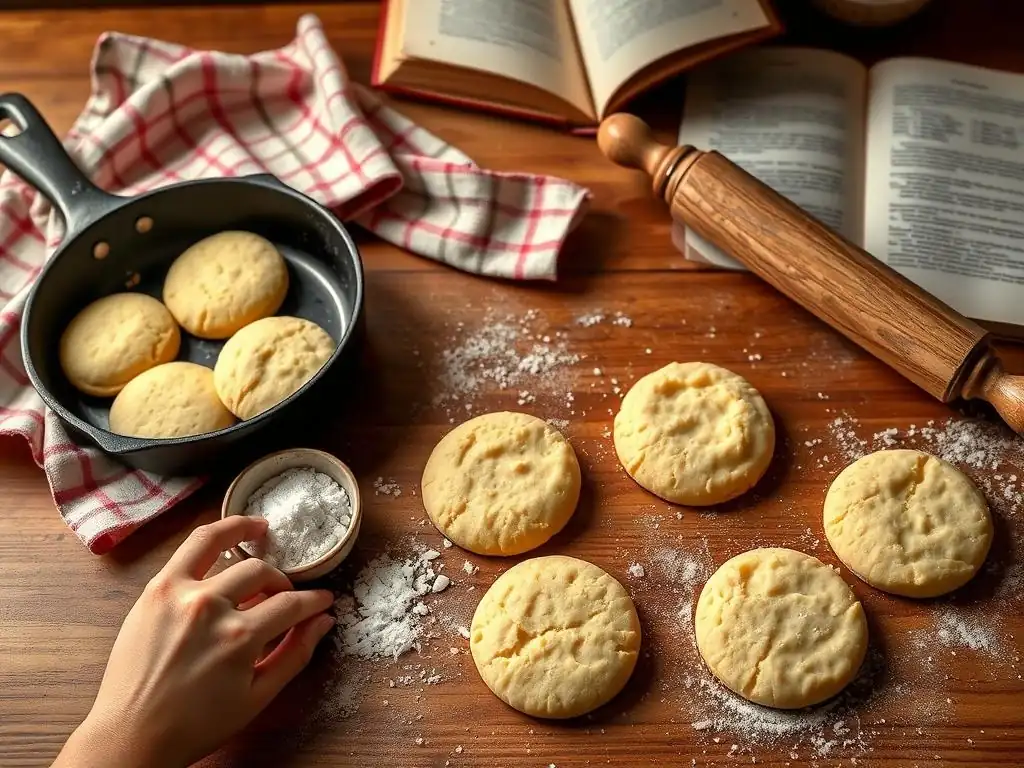
Even with a simple recipe, beginner bakers can encounter a few hurdles. Don't worry, these are common and easily fixed! Understanding potential pitfalls helps you prevent them. The key is often related to ingredient temperature, mixing technique, or oven consistency. By being mindful of these areas, you can significantly increase your chances of success with your perfect shortbread recipe for beginner bakers.
Troubleshooting is a normal part of the baking journey. Learning what went wrong helps you improve for next time. We'll cover some of the most frequent issues beginner bakers face when making shortbread and provide practical tips to overcome them. Remember, baking is a learning process, and every batch, successful or not, teaches you something valuable about the craft.
Troubleshooting Dry Shortbread: Hydration is Key
If your shortbread turns out dry or excessively crumbly, the most likely culprit is too much flour or not enough butter relative to the flour. This often happens when flour is measured by volume and packed too tightly into the cup, or if the ratio in the recipe is slightly off. As mentioned earlier, using a kitchen scale to measure flour by weight (e.g., 250g instead of 2 cups) is the most reliable way to avoid this issue and ensure the correct flour-to-butter ratio essential for a tender crumb.
Another factor can be over-mixing after adding the flour. While you need the dough to come together, excessive mixing can develop gluten, which absorbs moisture and can lead to a drier texture. Ensure you stop mixing as soon as the dough just starts to clump together.
If your dough feels extremely dry and won't hold together even when squeezed firmly, you might need to add a tiny bit more cold butter or even a tablespoon of cold milk or cream, but this should be a last resort. Stick to accurate measurements for the best results with your perfect shortbread recipe beginner bakers' guide.
Preventing Crumbly Shortbread: Mixing Techniques
While shortbread is meant to be crumbly (that's the 'short' part! ), excessively crumbly dough that won't even hold its shape before baking can be frustrating. This is often related to not mixing enough initially, or trying to incorporate cold, hard butter that hasn't been properly cut into small pieces. Ensure your cold butter is cut into cubes before adding it to the dry ingredients. This allows it to be more evenly distributed during the initial mixing phase.
When bringing the dough together after mixing in the flour, use your hands to gently press and knead it just enough until it forms a cohesive mass. It might seem too dry at first, but the warmth of your hands will help incorporate the butter and bring it together. Don't be afraid to work it gently on a clean surface until it forms a ball that holds its shape. This slight working helps the dough come together without developing excessive gluten, ensuring your perfect shortbread recipe beginner bakers can handle isn't too fragile before baking.
Achieving Uniform Baking: Oven Temperature and Placement
Unevenly baked shortbread – some pieces pale, others too brown – is often a result of inconsistent oven temperature or poor placement of the baking sheets. Many home ovens have hot spots and their internal thermostats can be inaccurate. Using an oven thermometer is a simple way to check if your oven is actually preheating to the temperature you set. If it's off by a significant amount (more than 10-15°F or 5-8°C), you may need to adjust the temperature accordingly.
Proper placement of the baking sheet in the oven is also key. For most ovens, the middle rack provides the most even heat distribution. Avoid placing sheets too close to the top or bottom elements. If you are baking more than one sheet at a time, leave ample space between them for air circulation and rotate their positions (top-to-bottom, front-to-back) halfway through the baking time. This simple step ensures all your shortbread pieces bake at a similar rate, resulting in uniformly perfect shortbread for beginner bakers.
Variations on the Classic Shortbread Recipe: Expanding Your Baking Skills
Once you've mastered the basic perfect shortbread recipe for beginner bakers, you can start experimenting! Shortbread provides a wonderful canvas for adding extra flavors and textures. Its simple base pairs well with a variety of additions, allowing you to customize your cookies and impress your friends and family with your newfound baking skills. These variations are generally easy to incorporate and build directly on the foundational techniques you've already learned.
Exploring variations keeps baking exciting and helps you understand how different ingredients affect texture and flavor. From adding sweet chocolate chips to incorporating fragrant herbs, the possibilities are vast. Don't be afraid to try new combinations. These simple tweaks can transform your basic shortbread into something uniquely yours, proving that mastering the perfect shortbread recipe beginner bakers' style is just the beginning.
Adding Flavors: Chocolate Chip Shortbread, Lavender Shortbread, and More
Adding flavorings is a simple way to elevate your shortbread. For chocolate chip shortbread, gently fold in about 1/2 cup of mini chocolate chips into the dough just before shaping. Mini chips work well as they distribute more evenly and don't overwhelm the delicate cookie structure. Other popular additions include citrus zest (lemon, orange, or lime), spices like cinnamon or cardamom, or even finely chopped nuts.
For a sophisticated twist, consider adding dried herbs like lavender or rosemary. For lavender shortbread, use culinary-grade dried lavender flowers, roughly 1-2 teaspoons per batch, depending on how potent you want the flavor. Mix the lavender with the sugar before creaming it with the butter to help infuse the flavor. Ensure any additions are relatively small in size so they don't interfere with the dough's structure or make it difficult to cut.
Different Shortbread Shapes: Exploring Presentation Options
Beyond the traditional fingers, rounds, and petticoat tails, you can get creative with shortbread shapes. Rolling the dough out and using decorative cookie cutters is a fun way to present your shortbread, especially for holidays or special occasions. Just remember that thinner shapes will bake faster, so adjust baking time accordingly.
Another option is to press the dough into a decorative mold, like a shortbread mold or a tart pan with a patterned bottom. These molds often impart beautiful designs onto the surface of the shortbread. After pressing the dough evenly into the mold, prick it with a fork and bake as usual. Once baked and slightly cooled, invert the mold to release the shortbread. This adds an elegant touch to your perfect shortbread recipe beginner bakers' creations.
Shortbread with a Twist: Incorporating Nuts and Spices
Incorporating nuts or spices adds depth and complexity to the simple shortbread flavor profile. Finely chopped nuts like pecans, walnuts, or almonds can be folded into the dough along with the flour. Toasting the nuts lightly before chopping can enhance their flavor even further. Aim for about 1/4 to 1/2 cup of finely chopped nuts per batch.
Spices like ground ginger, cardamom, or a pinch of nutmeg can be added to the flour mixture. A popular Scottish variation includes ground rice or semolina flour substituted for a small portion of the all-purpose flour (e.g., replace 1/4 cup of flour with ground rice). This substitution gives the shortbread a slightly grittier, more crumbly texture. Experimenting with these additions allows you to personalize your perfect shortbread recipe beginner bakers can truly make their own.
Storing Your Shortbread: Keeping it Fresh and Delicious
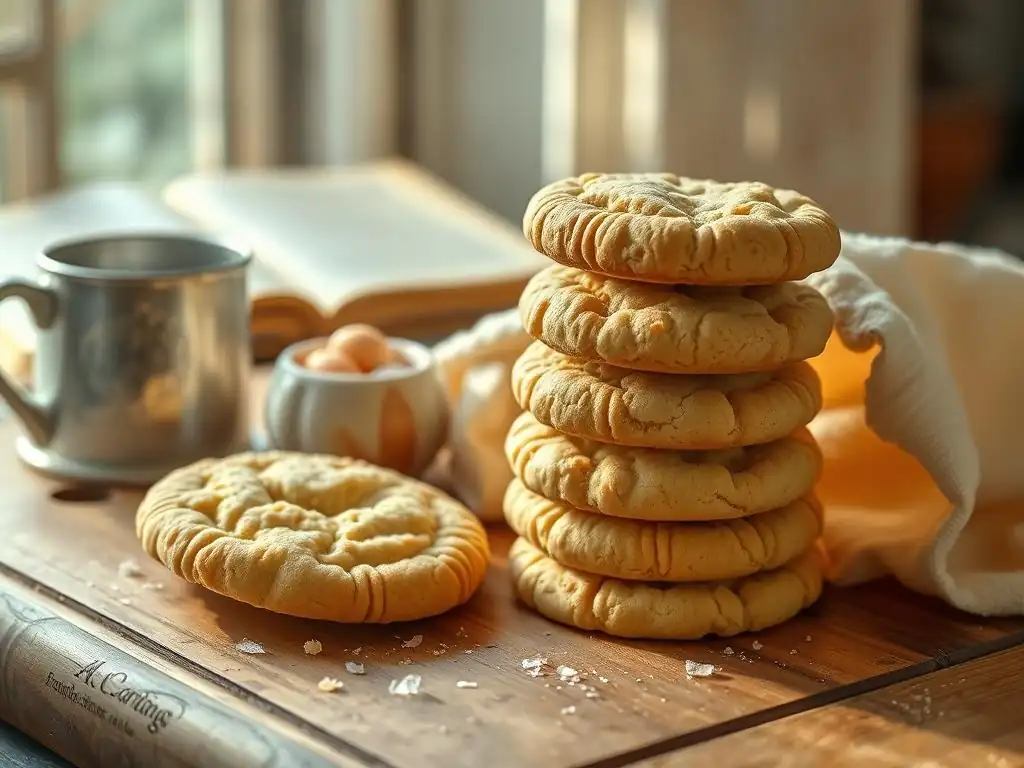
Proper storage is essential to maintain the crisp texture and rich flavor of your homemade shortbread. Once the cookies have cooled completely, store them correctly to keep them fresh for as long as possible. Luckily, shortbread is quite stable due to its low moisture content, making it a good cookie for making ahead.
Whether you plan to enjoy them within a few days or save some for later, understanding how to store your baked shortbread and even the raw dough will help you preserve their quality. This final step in mastering your perfect shortbread recipe beginner bakers' guide ensures your efforts result in delicious cookies whenever you're ready to enjoy them.
Proper Storage Containers for Shortbread Longevity
Baked and cooled shortbread should be stored in an airtight container at room temperature. A metal cookie tin or a plastic container with a tight-fitting lid works best. Ensure the shortbread is completely cool before storing; otherwise, condensation will form inside the container, making the cookies soft and potentially soggy.
To prevent different shapes or flavors from sticking together or transferring odors, you can layer the shortbread with parchment or wax paper. Stored correctly, homemade shortbread can stay fresh and delicious for up to 1-2 weeks, though it's often eaten much faster than that! Avoid refrigerating baked shortbread, as the humidity can affect the texture.
Freezing Shortbread Dough for Future Baking
One of the great things about making shortbread is that the dough freezes beautifully. This allows you to prepare dough ahead of time and bake fresh shortbread whenever a craving strikes. After mixing the dough, shape it into a log (about 1.5-2 inches in diameter) or press it into a disk. Wrap it tightly in plastic wrap, then place it in a freezer-safe bag or container. Label with the date.
Shortbread dough can be frozen for up to 3 months. When you're ready to bake, simply thaw the log or disk in the refrigerator overnight. Once thawed, you can slice the log into rounds (about 1/2 inch thick) or roll out and cut the disk as usual. Bake according to the recipe instructions, adding a minute or two to the baking time if they are still very cold. Freezing dough makes having perfect shortbread recipe beginner bakers can whip up on demand incredibly convenient.
Perfect Shortbread Recipe for Beginner Bakers: A Recap
We've covered a lot of ground, from understanding the basic ingredients and history of shortbread to mastering the mixing, shaping, and baking process. Remember, the key to a perfect shortbread recipe for beginner bakers lies in simplicity, quality ingredients, and attention to detail, especially regarding temperature and accurate measurements. Don't be discouraged if your first batch isn't absolutely perfect; every attempt is a learning opportunity.
Baking shortbread is a rewarding experience. It's a chance to create something truly delicious with minimal fuss. By focusing on the core techniques – using cold butter, measuring accurately, and not overworking the dough – you're well on your way to shortbread success. This easy shortbread recipe for beginners is designed to build confidence and provide a foundation for exploring other classic baked goods.
The Key Steps to Remember for Baking Success
Let's quickly recap the most critical points for achieving perfect shortbread:
- Use cold butter: This is non-negotiable for the signature crumbly texture.
- Measure accurately: Especially flour, ideally by weight.
- Don't overmix: Stop mixing as soon as the dough comes together.
- Chill the dough: This helps the shortbread hold its shape and improves texture.
- Bake at a low temperature: Prevents over-browning and ensures even cooking.
- Cool completely: Let the cookies firm up before moving them.
Following these steps diligently will set you up for success with your perfect shortbread recipe beginner bakers can be proud of. Remember to preheat your oven properly and keep an eye on the baking shortbread, as oven temperatures can vary. Patience and precision are your greatest allies in the kitchen when making this classic cookie.
Embrace the Simplicity: Shortbread is Easier Than You Think!
One of the most wonderful aspects of shortbread is its inherent simplicity. With just a few pantry staples, you can create a cookie that is rich in flavor and delightful in texture. This makes it an ideal project for those new to baking. There are no complex leavening reactions to worry about, no elaborate frosting techniques, just pure, buttery goodness.
Don't let the idea of "perfect" shortbread intimidate you. Start with a reliable easy shortbread recipe for beginners, follow the steps outlined here, and trust the process. The satisfaction of pulling a batch of golden, fragrant shortbread from your oven is immense. You'll find that mastering this classic cookie is much more accessible than you might have imagined, opening the door to a world of simple, delicious baking.
Enjoy Your Homemade Shortbread: A Delicious Reward
Congratulations! You've made it through the guide to baking perfect shortbread for beginner bakers. Now comes the best part: enjoying the fruits of your labor. Serve your homemade shortbread with a cup of tea or coffee, share it with loved ones, or simply savor a piece on your own. The rich, buttery flavor is a simple pleasure that never gets old.
Whether you made classic fingers, decorative cut-outs, or a beautiful round, take pride in what you've accomplished. You've successfully baked a timeless cookie using basic techniques. This perfect shortbread recipe beginner bakers' journey is complete, and hopefully, it's just the first of many baking adventures for you. Happy baking and happy eating!
Frequently Asked Questions
What is the key to a perfect shortbread recipe for beginner bakers?
The key to a perfect shortbread is using high-quality butter, maintaining the right ratios of ingredients, and ensuring proper mixing techniques for a tender texture.
How long should I bake shortbread for optimal results?
Typically, you should bake shortbread at a low temperature of around 325°F (160°C) for 20-25 minutes until they are lightly golden around the edges.
Can I customize my shortbread recipe with different flavors?
Absolutely! You can easily add flavorings like vanilla, lemon zest, or even chocolate chips to your basic shortbread recipe for a personal touch.
What are some common mistakes to avoid when making shortbread?
Common mistakes include using cold butter, over-mixing the dough, or not allowing the shortbread to cool properly, which can affect the texture and flavor.
Where can I find a step-by-step guide for baking shortbread?
You can find a comprehensive step-by-step guide on BakeWithEase.com, which includes simple recipes, techniques, and tips tailored for beginner bakers.
Final Reflection: The Enduring Allure of Perfect Shortbread
The simple act of baking perfect shortbread, a seemingly humble pursuit, speaks volumes about our connection to food, tradition, and the joy of creating something beautiful from basic ingredients. It's more than just a recipe; it's a gateway to culinary confidence, proving that even the most novice baker can achieve impressive results with a little patience and the right guidance. This accessibility, coupled with the timeless appeal of shortbread's buttery crumbly texture, ensures its continued relevance in today's fast-paced world.
The enduring popularity of shortbread reflects our deep-seated human need for comfort and connection. It's a recipe passed down through generations, a symbol of home and hospitality, and a testament to the power of simple pleasures. As we navigate increasingly complex lives, the act of creating something tangible and delicious, like a batch of perfect shortbread, offers a much-needed sense of calm and accomplishment. The best things in life are simple.
This sentiment perfectly encapsulates the essence of shortbread and its enduring appeal.
Now, I invite you to take what you've learned and embark on your own shortbread journey. Don't be afraid to experiment, to tweak the recipe to your liking, and most importantly, to savor the process. The perfect shortbread isn't just about the final product; it's about the journey of discovery, the satisfaction of creating something delicious, and the joy of sharing it with loved ones. So, gather your ingredients, preheat your oven, and let the magic of perfect shortbread begin!
Unleash Your Inner Baker: Master the Art of Shortbread!
Thanks for joining us on this shortbread journey! We hope you've gained the confidence to tackle this classic treat. Ready to put your new skills to the test?
- Bake a batch of your own perfect shortbread: Use our tips and tricks to create the most melt-in-your-mouth shortbread cookies you've ever tasted! Don't forget to experiment with different flavorings!
- Share your baking success (and any delicious variations!) on social media using #BakeWithEaseShortbread. Let's inspire other bakers!
- Explore our other beginner-friendly recipes on BakeWithEase.com – discover your next baking adventure!
What unique twist will you add to your perfect shortbread recipe? Let us know in the comments below!