
Sticky Buns vs. Cinnamon Rolls: Mastering the Gooey Difference

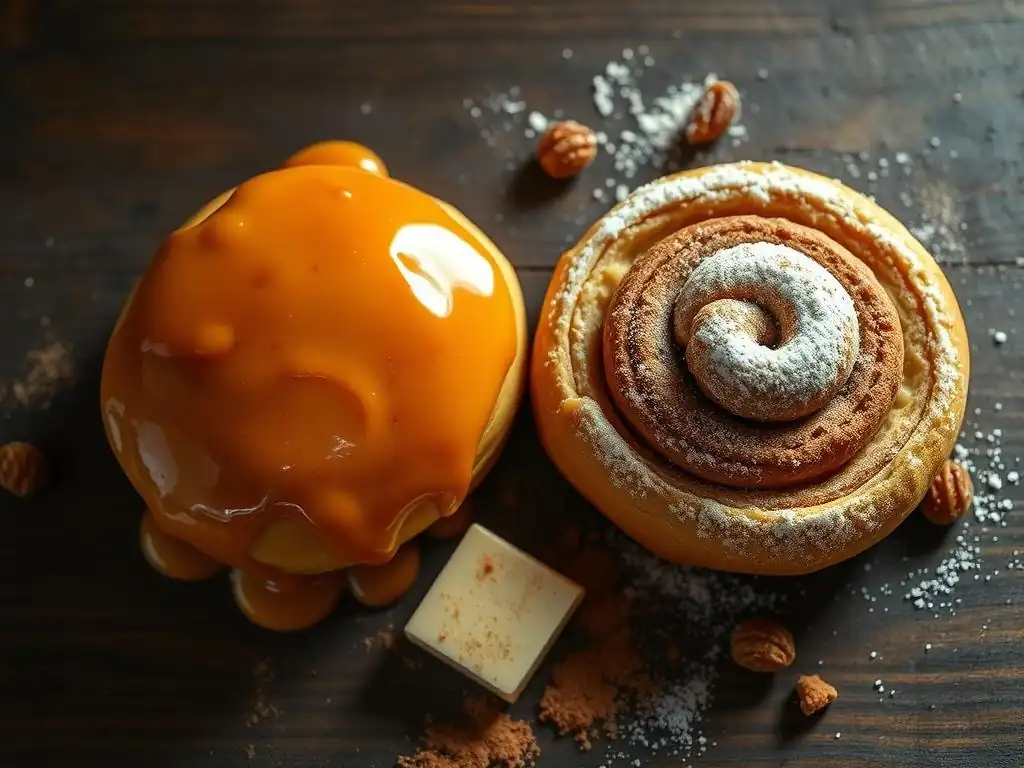
Welcome to BakeWithEase, your trusted companion on your baking journey! Ever wondered what really sets a gloriously gooey sticky bun apart from its cinnamon-swirled cousin, the cinnamon roll? Dive in as we unravel the secrets in our Sticky Bun Cinnamon Roll Recipe showdown – exploring the techniques and subtle nuances that elevate each treat. Get ready to master the gooey difference, and maybe discover your new favorite weekend bake!
- Sticky Buns vs. Cinnamon Rolls: Mastering the Gooey Difference | BakeWithEase
- Understanding the Key Differences: Sticky Bun Cinnamon Roll Recipe Breakdown
- Ingredient Comparison: What You Need for Each Recipe
- Step-by-Step Baking Process: Sticky Buns vs. Cinnamon Rolls
- Ingredient Comparison: What You Need for Each Recipe
- Step-by-Step Baking Process: Sticky Buns vs. Cinnamon Rolls
- Flavor Profiles and Textures: Exploring the Sensory Experience
- Tips and Tricks for Baking Success: Sticky Buns and Cinnamon Rolls
- Variations and Customizations: Adding Your Personal Touch
- Storing and Reheating: Maintaining Freshness and Flavor
- Conclusion: Choosing Your Gooey Adventure – Sticky Buns or Cinnamon Rolls?
-
Frequently Asked Questions
- What is the key difference between sticky buns and cinnamon rolls according to BakeWithEase?
- Does BakeWithEase offer recipes for both sticky buns and cinnamon rolls?
- Are the ingredients for the Sticky Bun Cinnamon Roll recipe on BakeWithEase easy to find?
- What level of baking experience is needed to attempt the Sticky Bun Cinnamon Roll recipe from BakeWithEase?
- What types of baked goods besides sticky buns and cinnamon rolls can I find on BakeWithEase?
- Final Reflection: The Sweet Science of Sticky Success
- Unleash Your Inner Baker: Master the Gooey Goodness!
Sticky Buns vs. Cinnamon Rolls: Mastering the Gooey Difference | BakeWithEase
Introduction: Unveiling the Secrets of Sticky Buns and Cinnamon Rolls
Welcome to the wonderful world of sweet rolls! If you've ever found yourself standing in a bakery, eyes wide at the sight of glistening, swirled pastries, you've likely encountered two beloved classics: sticky buns and cinnamon rolls. While they share some similarities – both are typically made from a rich, yeasted dough filled with cinnamon and sugar – they offer distinctly different experiences in terms of texture, flavor, and preparation. Understanding these nuances is key to mastering either treat, whether you're aiming for a classic sticky bun cinnamon roll recipe or exploring variations.
At BakeWithEase, we believe that every baker, from beginner to expert, can achieve delicious results. This article will break down the essential differences between sticky buns and cinnamon rolls, guiding you through their unique characteristics, ingredients, and baking processes. By the end, you'll not only know which pastry calls to you but also have a clearer path to baking success with either a sticky bun recipe or a classic cinnamon roll recipe, unlocking the secrets to their gooey, sweet, and utterly satisfying nature.
Understanding the Key Differences: Sticky Bun Cinnamon Roll Recipe Breakdown
Sticky Buns: The Caramel-Coated Delight
Sticky buns are perhaps best known for their signature gooey, caramel bottom (which becomes the top when inverted). Unlike their cinnamon roll cousins, they are baked in a pan coated with a sweet, sticky sauce, often containing nuts. This base caramelizes as the buns bake, creating a rich, chewy layer that adheres to the dough. The dough itself tends to be rich, sometimes incorporating eggs and butter, providing a tender counterpoint to the sticky exterior.
The process of making sticky buns involves preparing this caramel base before the rolls are placed in the pan. As the heat penetrates the pan during baking, this mixture bubbles up and coats the dough, infusing it with deep, sweet flavor. The anticipation of inverting the finished pan to reveal the glistening, nut-studded caramel layer is a defining moment in the sticky bun baking experience, setting it apart significantly from the post-bake frosting ritual of cinnamon rolls.
The Signature Caramel Base: Sticky Bun's Defining Feature
The caramel base is the heart and soul of a sticky bun. Typically, this base is made from a combination of butter, brown sugar, and a liquid like corn syrup, honey, or maple syrup. These ingredients are often melted together in the baking pan itself or in a saucepan before being poured into the pan.
The key is the ratio of sugar to liquid and fat; too much sugar without enough liquid can result in a hard, brittle caramel, while too much liquid might prevent it from setting properly. A common starting point might be equal parts butter and brown sugar by weight, with a smaller amount of corn syrup to prevent crystallization.
As the sticky buns bake, the heat transforms this simple mixture into a complex caramel. The Maillard reaction and caramelization occur simultaneously, creating hundreds of new flavor compounds. The sugar melts, darkens, and develops its characteristic toffee-like notes, while the liquid helps keep it pliable and "sticky." This process is crucial for achieving that desirable gooey texture that distinguishes a classic sticky bun recipe.
Nutty Additions: Elevating the Sticky Bun Experience
Nuts are an almost non-negotiable component of traditional sticky buns, adding crucial texture and flavor contrast to the sweet, soft dough and gooey caramel. Pecans are arguably the most classic choice, their buttery richness pairing beautifully with the caramel. Other nuts like walnuts, almonds, or even a mix can also be used, each lending a slightly different character. These nuts are typically scattered generously over the caramel base before the rolled dough is placed on top.
Beyond just providing crunch, the nuts toast slightly in the hot caramel during baking, enhancing their natural flavors. For example, pecans heated to around 350°F (175°C) will release volatile aromatic compounds that contribute nutty, slightly woody notes. This interaction between the caramel and toasted nuts is a key part of the sensory profile of a well-made sticky bun, contributing significantly to its overall richness and complexity.
The Dough: A Rich and Tender Foundation for Sticky Buns
While the caramel and nuts are the star attractions, the dough provides the essential structure and soft texture for sticky buns. Often, a sticky bun recipe calls for a richer dough than a typical cinnamon roll dough, incorporating ingredients like eggs and sometimes extra butter or milk. This enrichment contributes to a more tender crumb and a slightly sweeter flavor profile, which stands up well to the intense sweetness of the caramel.
Developing the gluten properly through kneading is important, but over-kneading can result in a tough bun. The goal is a dough that is elastic enough to roll out thinly without tearing but still soft and pliable. Many recipes will involve at least one rise, sometimes two, to develop flavor and achieve a light texture before the dough is filled, rolled, sliced, and placed onto the prepared caramel base. This delicate balance ensures the dough remains tender even after being saturated by the hot caramel during baking.
Cinnamon Rolls: The Classic Cream Cheese Dream
Cinnamon rolls, while sharing the swirled structure with sticky buns, are defined by their generous filling of cinnamon and sugar and, most notably, their topping: a sweet glaze or, more commonly, a rich cream cheese frosting applied after baking. They do not have the pre-baked caramel base and are typically baked directly on a baking sheet or in a pan without a sticky coating. The focus is on the soft, fluffy dough, the aromatic cinnamon filling, and the tangy-sweet frosting.
The baking process for cinnamon rolls is more straightforward in terms of pan preparation. The magic happens within the roll itself, where the layers of dough and filling meld together as they bake. The final flourish comes after the rolls have cooled slightly, when a thick layer of frosting is spread over the warm surfaces, melting slightly into the crevices and adding a creamy, tangy counterpoint to the sweet cinnamon. This post-bake application of frosting is a hallmark of the classic cinnamon roll recipe.
The Irresistible Cinnamon Swirl: Aromatic Spice Blend
The defining feature within a cinnamon roll is its signature swirl, created by generously spreading a mixture of cinnamon, sugar, and usually softened butter over the rolled-out dough before rolling it up. The quality and quantity of the cinnamon are paramount. Using fresh, high-quality ground cinnamon will yield a much more aromatic and flavorful filling than older, less potent spice. A common ratio for the filling might be 1 part ground cinnamon to 4 parts brown sugar, mixed with enough softened butter to create a spreadable paste.
This filling serves multiple purposes: the butter helps adhere the sugar and cinnamon to the dough and contributes moisture, the sugar melts slightly during baking creating a gooey layer within the swirl, and the cinnamon infuses the entire roll with its warm, spicy aroma and flavor. Achieving a tight, even swirl ensures that every bite contains a balanced ratio of dough and filling, delivering that quintessential cinnamon roll experience.
Cream Cheese Frosting: The Perfect Cinnamon Roll Topping
While some prefer a simple glaze, the most iconic topping for a cinnamon roll is a rich, tangy cream cheese frosting. This frosting provides a crucial contrast to the sweetness of the roll itself. Made from softened cream cheese, butter, powdered sugar, and a splash of vanilla extract, it should be smooth, creamy, and spreadable. The tanginess of the cream cheese cuts through the sweetness of the cinnamon and sugar filling, creating a more balanced flavor profile.
The frosting is typically applied generously to the warm, but not hot, cinnamon rolls. Applying it while the rolls are still warm allows the frosting to melt slightly and seep into the layers, creating a wonderfully moist and decadent finish. A standard recipe might call for 4 ounces of cream cheese, 1/4 cup of butter, 2 cups of powdered sugar, and 1/2 teaspoon of vanilla, providing enough frosting for a typical batch of 8-12 rolls.
Soft and Pillowy Dough: Achieving the Ideal Cinnamon Roll Texture
The dough for cinnamon rolls is often slightly less rich than sticky bun dough, though recipes vary. It's typically a sweet, enriched yeast dough containing milk, sugar, butter, and sometimes eggs. The goal is to produce a dough that is incredibly soft, light, and pillowy after baking. This texture is achieved through careful kneading, proper proofing (allowing the dough to rise), and not over-baking.
Developing sufficient gluten is necessary for the dough to hold its shape and rise properly, but the emphasis is on creating a tender crumb. Techniques like using warm milk to activate the yeast, incorporating softened butter gradually, and allowing ample time for the dough to double in size during the first rise contribute to the desired soft texture. The soft dough provides a perfect contrast to the slightly gooey filling and creamy frosting, making each bite a delightful combination of textures.
Ingredient Comparison: What You Need for Each Recipe
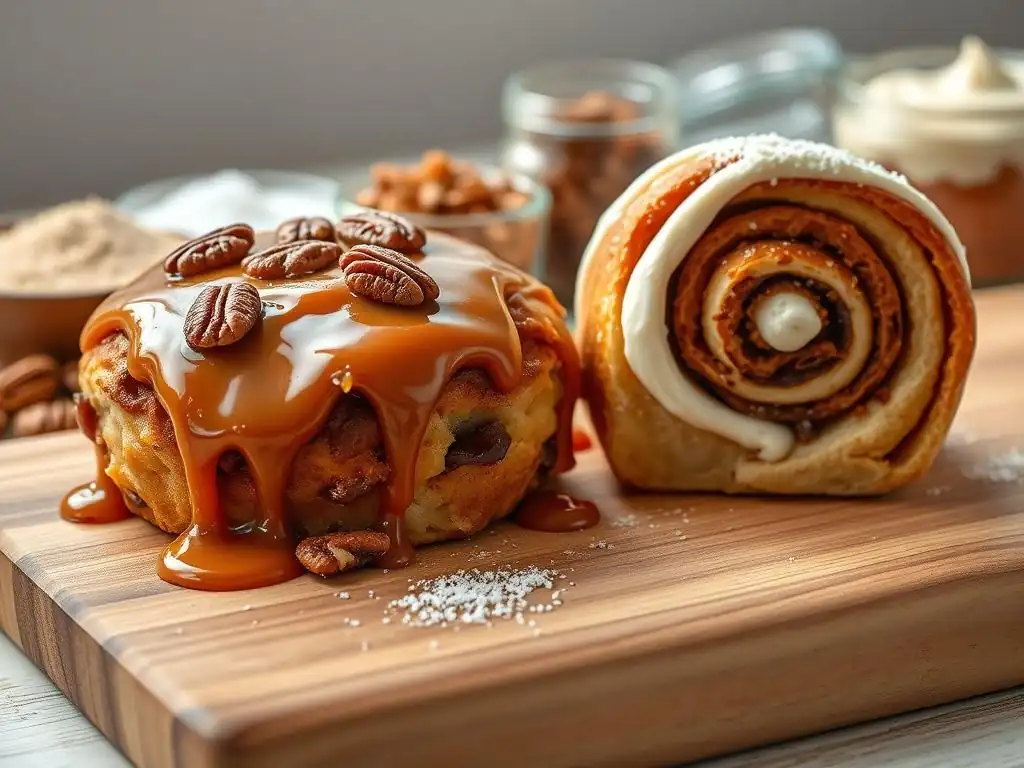
While both sticky buns and cinnamon rolls utilize a basic sweet dough and a cinnamon-sugar filling, the key differences lie in the base/topping. Understanding these specific ingredients is crucial for choosing which sticky bun cinnamon roll recipe you want to tackle.
Sticky Bun Ingredients: Key Components for Gooey Goodness
- Dough: Flour, yeast, sugar, salt, milk, butter, eggs (often included for richness).
- Filling: Softened butter, brown sugar, ground cinnamon.
- Caramel Base: Butter, brown sugar, corn syrup/honey/maple syrup.
- Additions: Pecans (most common), walnuts, or other nuts.
The inclusion of eggs in the dough and the specific ingredients for the caramel base (distinct from a simple glaze or frosting) and nuts are the primary differentiators when comparing a sticky bun recipe to a cinnamon roll recipe ingredient list.
Cinnamon Roll Ingredients: Essential Elements for Classic Flavor
- Dough: Flour, yeast, sugar, salt, milk, butter, sometimes eggs.
- Filling: Softened butter, brown sugar (or a mix of brown and granulated), ground cinnamon.
- Topping: Cream cheese, butter, powdered sugar, vanilla extract (for cream cheese frosting) or powdered sugar and milk/water (for a simple glaze).
The defining ingredients here are the components for the cream cheese frosting or glaze, which are applied after baking, contrasting with the pre-baked caramel base of the sticky bun.
Step-by-Step Baking Process: Sticky Buns vs. Cinnamon Rolls
The overall process of making the dough, rolling it out, filling, and slicing is similar for both, but the steps involving the base/topping and baking orientation differ significantly, impacting the final sticky bun cinnamon roll recipe outcome.
Crafting the Perfect Sticky Buns: A Detailed Guide
Baking sticky buns involves careful preparation of the pan and precise timing for inversion. The sequence ensures the caramel base is perfectly gooey and the nuts are well distributed.
Preparing the Caramel Base: Achieving the Right Consistency
The first step in making sticky buns is preparing the caramel base in the baking pan. This often involves melting butter directly in the pan over low heat or melting it separately and pouring it in. Brown sugar and a liquid sweetener like corn syrup are then added and stirred until combined.
Some recipes might have you cook this mixture briefly on the stovetop to start the caramelization before adding it to the pan, while others rely solely on the oven heat. The goal is a smooth, well-mixed layer covering the bottom of the pan. For a standard 9x13 inch pan, you might use 1/2 cup butter, 1 cup brown sugar, and 1/4 cup corn syrup.
Once the caramel base is ready in the pan, nuts (typically 1 to 1.5 cups of chopped pecans for a 9x13 pan) are scattered evenly over the top. This creates the foundation upon which the rolled and sliced dough will be placed. Ensuring the base is spread evenly is key to getting that consistent sticky coating on each bun.
Assembling the Sticky Buns: Layering Flavors and Textures
After the dough has risen (usually the first rise), it is rolled out into a large rectangle, typically about 1/4 to 1/2 inch thick. A generous layer of softened butter is spread over the dough, extending almost to the edges. This butter acts as the glue for the cinnamon-sugar filling, which is then sprinkled evenly over the buttered surface. A common ratio for the filling is 1/4 cup softened butter, 1/2 cup brown sugar, and 1 tablespoon ground cinnamon for a batch yielding 12-15 buns.
The dough is then carefully rolled up tightly into a log, starting from one long edge. This log is then sliced into individual rolls, usually about 1 to 1.5 inches thick, using a sharp knife or dental floss. These slices are then placed cut-side down onto the prepared caramel and nut base in the baking pan. They are often placed relatively close together, as they will expand during the second rise and baking.
Baking and Inverting: The Magic of Caramelization
Once assembled in the pan, the sticky buns undergo a second rise. This rise is crucial for achieving a light texture and for allowing the dough to settle into the caramel base. They are typically baked in a preheated oven, often around 350-375°F (175-190°C), until golden brown and the caramel is bubbling vigorously, usually taking 25-40 minutes depending on size and oven.
The magic moment arrives shortly after they come out of the oven. While still hot, the pan is carefully inverted onto a serving platter or baking sheet lined with parchment paper. This allows the hot, liquid caramel and nuts to flow down and coat the tops (originally the bottoms) of the buns, creating the signature sticky finish. It's important to invert them while hot so the caramel hasn't set, but caution is needed due to the hot liquid.
Baking Delicious Cinnamon Rolls: A Comprehensive Tutorial
Baking cinnamon rolls focuses on achieving a soft, fluffy texture and a perfectly melted frosting. The process is generally less messy than sticky buns as there's no hot caramel to invert.
Making the Cinnamon Filling: A Blend of Spice and Sweetness
The filling for cinnamon rolls is similar to sticky buns but is used purely within the roll. It's typically a simple mixture of softened butter, sugar (often brown sugar, but sometimes a mix with granulated), and a generous amount of ground cinnamon. The ratio of sugar to cinnamon is key to the flavor intensity. A popular filling might use 1/3 cup softened butter, 1/2 cup brown sugar, and 2 tablespoons of ground cinnamon for a batch of 12 rolls.
This mixture is spread evenly over the rolled-out dough. Ensuring the butter is soft but not melted helps prevent the filling from leaking out during rolling and baking. A good, even layer ensures that each slice has a substantial cinnamon swirl, contributing significantly to the flavor of the finished cinnamon roll recipe.
Rolling and Shaping: Creating the Classic Spiral
Once the filling is spread over the dough (which has completed its first rise and been rolled out), the dough is rolled up tightly into a log. Starting from a long edge helps create more swirls. Rolling it too loosely can result in loose, unraveling rolls, while rolling it too tightly can make the dough tough. The goal is a firm, even log.
The log is then sliced into individual rolls, typically 1 to 1.5 inches thick. Using dental floss slid under the log and crossed over the top to slice is an excellent technique for achieving clean cuts without squishing the dough. These rolls are then placed into a baking pan (often a 9x13 inch or two 8x8 inch pans, sometimes lined with parchment) or onto a baking sheet, usually spaced slightly apart to allow for expansion during the second rise.
Baking and Frosting: The Final Touches for Cinnamon Roll Perfection
After the rolls are placed in the pan, they undergo a second rise, which is crucial for achieving a light and airy texture. They should be baked in a preheated oven, commonly around 350-375°F (175-190°C), until they are golden brown and baked through, usually 20-30 minutes. Baking too long can result in dry rolls, so it's important to bake until they are just done.
Once baked, the cinnamon rolls are removed from the oven and allowed to cool slightly in the pan, typically for 10-15 minutes. This is the perfect time to prepare the cream cheese frosting if you haven't already. The frosting is then spread generously over the warm rolls. The warmth helps the frosting soften and melt slightly, creating that luscious, gooey topping that is the hallmark of a perfect cinnamon roll recipe.
Ingredient Comparison: What You Need for Each Recipe
Let's look at the core components side-by-side to highlight the differences in a sticky bun cinnamon roll recipe.
Sticky Bun Ingredients: Key Components for Gooey Goodness
- Dough: Requires standard enriched dough ingredients, often with eggs for extra richness.
- Filling: Butter, brown sugar, cinnamon.
- Base: Butter, brown sugar, liquid sweetener (corn syrup/honey/maple syrup), NUTS (pecans, walnuts).
- Key Difference: The pre-baked caramel base with nuts.
Cinnamon Roll Ingredients: Essential Elements for Classic Flavor
- Dough: Requires standard enriched dough ingredients, sometimes with eggs.
- Filling: Butter, brown sugar, cinnamon.
- Topping: Cream cheese, butter, powdered sugar, vanilla (for frosting) or powdered sugar and liquid (for glaze).
- Key Difference: The post-baked cream cheese frosting or glaze.
Step-by-Step Baking Process: Sticky Buns vs. Cinnamon Rolls
The process reveals the fundamental difference in how the sticky/gooey element is created and applied.
Crafting the Perfect Sticky Buns: A Detailed Guide
- Prepare the caramel base directly in the baking pan.
- Scatter nuts over the caramel base.
- Prepare and roll out the dough.
- Spread filling over the dough.
- Roll up the dough into a log and slice.
- Place slices cut-side down onto the caramel/nut base in the pan.
- Allow a second rise in the pan.
- Bake until golden and caramel is bubbling.
- Immediately invert the hot pan onto a serving surface.
Preparing the Caramel Base: Achieving the Right Consistency
As mentioned earlier, this step is unique to sticky buns. It involves melting butter, combining it with brown sugar and a liquid sweetener like corn syrup directly in the baking pan over low heat, or melting separately and pouring in. The mixture should be smooth and cover the pan bottom evenly. For a 9x13 inch pan, approximately 1/2 cup butter, 1 cup brown sugar, and 1/4 cup corn syrup is a typical starting point.
Ensuring the caramel is evenly distributed and thick enough to coat the buns upon inversion requires the right ratio of ingredients and careful heating. Some recipes might have you bake the caramel base alone for a few minutes before adding the buns to help it set slightly.
Assembling the Sticky Buns: Layering Flavors and Textures
After the dough's first rise, it's rolled out to about 1/4 inch thick. Softened butter is spread edge-to-edge, followed by the cinnamon-sugar filling (e.g., 1/2 cup brown sugar, 1 tbsp cinnamon per batch). The dough is rolled tightly into a log and sliced (1 to 1.5 inches thick) using dental floss for clean cuts.
These slices are then carefully arranged in the pan on top of the prepared caramel and nuts. They should be placed relatively close together but not touching the sides of the pan tightly, allowing room for expansion. This placement is crucial as the bottom of the bun will become the top when inverted, displaying the caramel and nuts.
Baking and Inverting: The Magic of Caramelization
Sticky buns are typically baked at 350-375°F (175-190°C) for 25-40 minutes. You'll know they're ready when the tops are golden brown and the caramel around the edges is actively bubbling. The internal temperature of the dough should register around 190°F (88°C).
The critical final step is inversion. Within a minute or two of removing from the oven, place a serving platter or parchment-lined baking sheet over the pan and carefully flip the entire thing over. Lift the pan off slowly, allowing the hot caramel and nuts to cascade over the buns. This must be done while the caramel is still liquid; waiting too long will result in the buns sticking firmly to the pan.
Baking Delicious Cinnamon Rolls: A Comprehensive Tutorial
Cinnamon roll baking focuses on achieving a soft crumb and a perfectly melted frosting topping.
Making the Cinnamon Filling: A Blend of Spice and Sweetness
After the dough's first rise, it's rolled into a rectangle, usually 1/4 to 1/2 inch thick. A generous layer of softened butter (not melted) is spread across the surface, leaving a small border on one long edge. The cinnamon-sugar mixture (e.g., 1/3 cup softened butter, 1/2 cup brown sugar, 2 tbsp cinnamon) is then sprinkled evenly over the butter.
Ensuring the butter is soft enough to spread easily but firm enough to hold the sugar and cinnamon is key. Using brown sugar often contributes more moisture and a slightly gooier texture to the filling compared to granulated sugar alone.
Rolling and Shaping: Creating the Classic Spiral
Starting from the long edge opposite the clean border, the dough is rolled up tightly into a log. Aim for an even thickness along the entire log. Using a bench scraper to help keep the roll tight as you go can be helpful.
Slice the log into individual rolls, typically 1 to 1.5 inches thick. Dental floss is highly recommended for clean cuts that preserve the swirl shape. Place the rolls cut-side up or down into a greased or parchment-lined baking pan (like a 9x13 inch) or on a baking sheet, leaving about 1/2 inch between them to allow for expansion.
Baking and Frosting: The Final Touches for Cinnamon Roll Perfection
Cinnamon rolls are typically baked at 350-375°F (175-190°C) for 20-30 minutes, until golden brown and the centers are cooked through (internal temperature around 190°F/88°C). Be careful not to over-bake, as this will dry them out.
Once baked, remove from the oven and let cool in the pan for about 10-15 minutes. While they are still warm, prepare the cream cheese frosting (e.g., whisk together 4 oz softened cream cheese, 1/4 cup softened butter, 2 cups powdered sugar, 1/2 tsp vanilla). Spread or drizzle the frosting generously over the warm rolls, allowing it to melt slightly and seep into the crevices. This creates the signature gooey frosting layer that makes a cinnamon roll recipe so beloved.
Flavor Profiles and Textures: Exploring the Sensory Experience
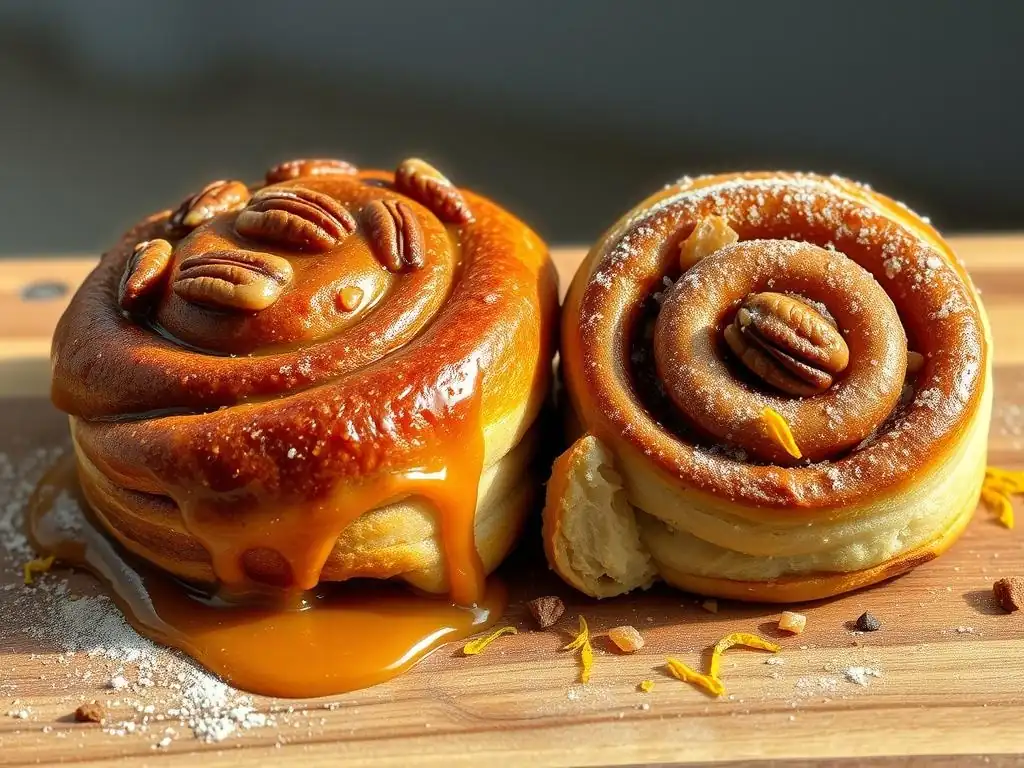
The different preparations result in distinct sensory profiles for a sticky bun cinnamon roll recipe.
Sticky Buns: A Deep Dive into Caramel and Nutty Flavors
Sticky buns offer a rich, complex flavor profile dominated by deep caramel notes and toasted nuts. The caramel base provides intense sweetness with hints of toffee and butterscotch, which permeates the bottom layers of the dough. The nuts, particularly pecans, add a savory, slightly bitter counterpoint and a satisfying crunch that contrasts with the soft, sweet dough and gooey caramel.
The texture is a delightful mix: a soft, tender dough at the top transitioning to a chewy, sticky, caramel-coated bottom studded with crunchy nuts. Each bite offers layers of flavor and texture, making them a decadent and substantial treat.
Cinnamon Rolls: A Symphony of Cinnamon, Cream Cheese, and Soft Dough
Cinnamon rolls present a brighter, tangier flavor profile. The primary flavors are the warm, aromatic cinnamon from the filling, the sweet richness of the dough, and the tangy sweetness of the cream cheese frosting. The frosting is a crucial component, providing a creamy texture and a necessary acidic counterpoint to the otherwise sweet pastry.
The texture is typically softer and fluffier throughout compared to sticky buns. The dough is pillowy, the filling is slightly gooey within the swirl, and the frosting is smooth and creamy, melting into the warm bun. The focus is on the soft dough and the interplay between the cinnamon filling and the cool, tangy frosting.
Tips and Tricks for Baking Success: Sticky Buns and Cinnamon Rolls
Mastering either a sticky bun or a cinnamon roll recipe involves paying attention to specific details.
Mastering Sticky Bun Techniques: Avoiding Common Pitfalls
- Caramel Consistency: Ensure the caramel base is liquid enough before adding the buns. If it's too thick, it won't coat properly upon inversion. Using a liquid sweetener like corn syrup helps prevent crystallization.
- Proper Inversion: This is critical! Invert the pan while the buns are still hot, usually within 1-2 minutes of coming out of the oven. Waiting too long can cause the caramel to set and stick the buns to the pan. Use oven mitts and caution as the caramel is very hot.
- Pan Choice: Use a sturdy metal pan. Glass or ceramic pans retain heat differently and can sometimes lead to the caramel hardening too quickly or unevenly.
- Nut Preparation: Toasting the nuts lightly before adding them to the caramel can enhance their flavor, but be careful not to burn them during the bake.
Perfecting Cinnamon Roll Baking: Achieving Softness and Flavor
- Don't Over-Knead: While gluten development is important, over-kneading can result in tough cinnamon rolls. Aim for a dough that is smooth and elastic but still soft.
- Proper Proofing: Allow the dough sufficient time for both the first and second rises. This develops flavor and ensures a light, airy texture. Dough that hasn't risen enough will result in dense rolls.
- Don't Over-Bake: Bake until the rolls are just golden brown and cooked through. Over-baking is the quickest way to dry out your cinnamon rolls.
- Frost While Warm: Apply the cream cheese frosting while the rolls are still warm (but not piping hot) so it melts slightly and becomes wonderfully gooey.
Variations and Customizations: Adding Your Personal Touch
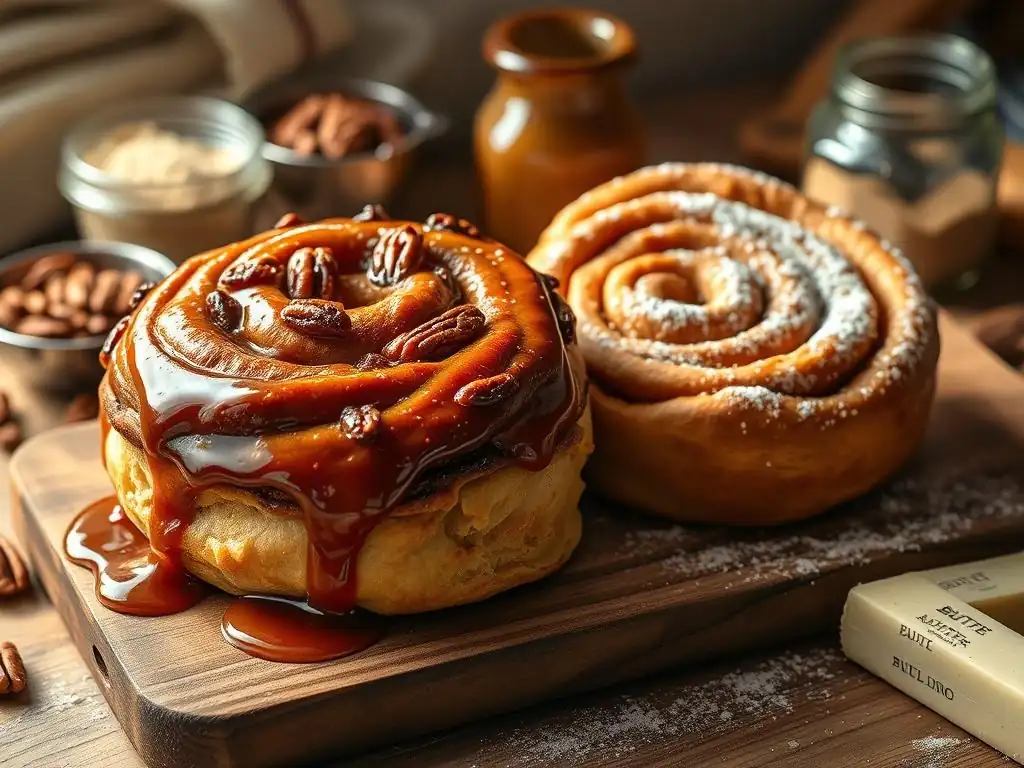
Both sticky bun and cinnamon roll recipes are excellent starting points for creative variations.
Sticky Bun Recipe Variations: Exploring Different Nuts and Spices
- Nut Swap: Substitute pecans with walnuts, almonds, or even hazelnuts. Each nut brings a different flavor profile (walnuts are slightly more bitter, almonds are sweeter).
- Spice It Up: Add a pinch of cardamom, nutmeg, or allspice to the cinnamon filling or even the caramel base for extra warmth.
- Fruity Twist: Some variations include dried fruit like raisins or chopped dates in the filling or scattered with the nuts.
- Maple Sticky Buns: Use pure maple syrup instead of or in addition to corn syrup in the caramel base for a distinct maple flavor.
Cinnamon Roll Recipe Variations: Unique Frostings and Fillings
- Different Frostings: Beyond cream cheese, try a simple vanilla glaze, a brown butter frosting, a coffee glaze, or even a caramel drizzle (separate from the baked-in sticky bun caramel).
- Add Fruit: Incorporate finely chopped apples, berries, or orange zest into the cinnamon filling for added moisture and flavor.
- Chocolate Swirl: Add mini chocolate chips or a swirl of melted chocolate along with the cinnamon filling.
- Savory Notes: A sprinkle of flaky sea salt over the frosting can provide a pleasant contrast to the sweetness.
- Nutty Filling: While not traditional, you could add finely chopped nuts to the cinnamon filling inside the roll.
Storing and Reheating: Maintaining Freshness and Flavor
Proper storage helps keep your sticky buns and cinnamon rolls delicious for longer.
Best Practices for Storing Sticky Buns: Preserving the Gooey Goodness
Sticky buns are best enjoyed warm shortly after inverting, when the caramel is at its peak gooeyness. If you have leftovers, store them in an airtight container at room temperature for 1-2 days. For longer storage, refrigerate them for up to 4-5 days.
To reheat, the best method is often gently in a microwave for 20-40 seconds per bun (depending on size) or in a preheated oven (around 300°F/150°C) for 10-15 minutes until warmed through and the caramel softens again. Avoid overheating, which can make the caramel hard.
Best Practices for Storing Cinnamon Rolls: Keeping Them Soft and Delicious
Cinnamon rolls with cream cheese frosting are also best enjoyed fresh, but they store well. Keep them in an airtight container at room temperature for 1-2 days. Because of the cream cheese frosting, it's generally recommended to refrigerate them if storing for longer than 2 days, where they will keep for 4-5 days.
To reheat, the microwave is a quick option (20-30 seconds per roll) but can sometimes dry them out if overdone. Reheating in a low oven (300°F/150°C) wrapped in foil for 10-15 minutes is often preferred to maintain softness. If refrigerating, let them sit at room temperature for 15-20 minutes before reheating or enjoying cold.
Conclusion: Choosing Your Gooey Adventure – Sticky Buns or Cinnamon Rolls?
Deciding between making a sticky bun cinnamon roll recipe often comes down to personal preference and what kind of gooey experience you're craving. Do you desire the deep, rich, nutty caramel of a sticky bun, or the soft dough and tangy-sweet creaminess of a classic cinnamon roll? Both offer incredible satisfaction and are rewarding to bake.
Final Thoughts: Celebrate the Art of Baking with BakeWithEase
Whether you choose to master the art of sticky buns with their unique caramel inversion or perfect the fluffy dough and creamy frosting of cinnamon rolls, you're embarking on a delicious baking journey. At BakeWithEase, we encourage you to try both, experiment with variations, and find your favorite sticky bun cinnamon roll recipe. Each bake is an opportunity to create something wonderful from simple ingredients. Happy baking!
Frequently Asked Questions
What is the key difference between sticky buns and cinnamon rolls according to BakeWithEase?
The main difference lies in how they're prepared. Sticky buns are baked upside-down on a bed of caramelized sugar and nuts, while cinnamon rolls are baked right-side up.
Does BakeWithEase offer recipes for both sticky buns and cinnamon rolls?
Yes, BakeWithEase provides simple recipes and step-by-step guides for both, suitable for bakers of all levels. You can find them on the website.
Are the ingredients for the Sticky Bun Cinnamon Roll recipe on BakeWithEase easy to find?
BakeWithEase emphasizes using easy-to-find ingredients in all its recipes, making baking accessible to everyone.
What level of baking experience is needed to attempt the Sticky Bun Cinnamon Roll recipe from BakeWithEase?
BakeWithEase caters to all levels, from beginners to experienced bakers. The recipes offer clear instructions for everyone.
What types of baked goods besides sticky buns and cinnamon rolls can I find on BakeWithEase?
You can explore a wide variety of baked goods, including pastries, breads, cakes, and cookies, with helpful techniques and tips.
Final Reflection: The Sweet Science of Sticky Success
The seemingly simple choice between a sticky bun and a cinnamon roll reveals a deeper truth about the power of subtle differences in baking, and this nuanced understanding translates directly to the kitchen success of any baker. The quest for the perfect gooey treat is a journey of precision, a testament to the transformative power of ingredients and technique. This isn't just about recipes; it's about mastering the art of texture and flavor.
The enduring appeal of both sticky buns and cinnamon rolls speaks volumes about our collective desire for comfort and indulgence. These treats transcend mere baked goods; they represent nostalgia, family gatherings, and the simple pleasure of a warm, sweet treat. The best things in life are the simple things.
This quote perfectly encapsulates the emotional resonance these pastries hold, a feeling amplified by the careful attention to detail required to achieve that perfect balance of sweetness, spice, and gooeyness.
So, reader, I urge you to embrace the challenge. Don't just bake a sticky bun or a cinnamon roll; master it. Experiment with different spices, explore variations in dough consistency, and most importantly, savor the process. The journey of creating the perfect gooey treat is as rewarding as the final bite itself. Let the sticky sweetness inspire you to explore the boundless possibilities within your own kitchen.
Unleash Your Inner Baker: Master the Gooey Goodness!
Thanks for joining us on this delicious journey into the world of sticky buns and cinnamon rolls! We hope you've gained a deeper appreciation for the subtle (and not-so-subtle) differences between these two sweet treats. Now it's time to put your newfound knowledge to the test.
- Bake your own masterpiece! Choose your favorite recipe (or try both!) and get baking. The aroma alone will be worth the effort.
- Share your creations! Snap a photo of your perfectly gooey buns or rolls and tag us on social media – we'd love to see your baking adventures.
- Explore variations: Experiment with different fillings, glazes, and spices to create your own signature sticky bun or cinnamon roll.
Ready to take the plunge and create the perfect gooey treat? What unique twist will you add to your next batch?