
Why SliceandBake is the Ultimate Beginner Cookie


Welcome to BakeWithEase! Ever wondered why achieving bakery-level chocolate chip cookies seems so elusive? Forget the complicated recipes and endless kneading. Dive into our guide to Easy Beginner Chocolate Chip Cookies and discover the surprising secret behind achieving perfect, melt-in-your-mouth delights – a method so simple, it might just change your baking game forever. Intrigued? Let's unlock the secrets to effortless cookie perfection!
- Tate's Bake Shop Inspired Cookies: Easy Slice-and-Bake Chocolate Chip
- Introducing Slice-and-Bake: Your Gateway to Perfect Thin Cookies
- Why Slice-and-Bake is Ideal for Thin and Crispy Cookies
- Step-by-Step: Creating Thin and Crispy Slice-and-Bake Cookies
- Slice-and-Bake vs. Drop Cookies: Achieving Thinness
- Troubleshooting Your Thin and Crispy Cookies
- Delicious Variations on the Basic Thin and Crispy Recipe
- Expanding Your Repertoire: Other Slice-and-Bake Cookie Options
- The Joy of Effortless Baking: Slice-and-Bake for Everyone
-
Frequently Asked Questions
- What makes slice-and-bake cookies a good choice for beginner bakers?
- What are the key advantages of using pre-made slice-and-bake dough?
- Can I customize slice-and-bake cookie dough?
- What are some common mistakes to avoid when baking slice-and-bake cookies?
- How do I ensure my slice-and-bake cookies bake evenly?
- Final Reflection: The Enduring Allure of the Perfect First Cookie
- Unlock Your Inner Baker: Master the Perfect Cookie!
Slice-and-bake cookies represent one of the simplest and most forgiving methods for making delicious homemade treats. This technique involves preparing a cookie dough, shaping it into a log, chilling it thoroughly, and then slicing and baking individual cookies as needed. It eliminates the mess and variability often associated with scooping or dropping dough, making it an ideal starting point for anyone new to baking.
This method is particularly fantastic for achieving thin and crispy cookies, a texture many bakers strive for, especially when aiming for a result similar to popular bakery-style chocolate chip cookies. The structured dough log and the chilling process are key to controlling spread and ensuring a consistent, delicate texture after baking. Mastering this simple technique opens the door to a wide variety of cookie types with minimal fuss.
Baking Simplified: Mastering the Art of Slice-and-Bake
Mastering slice-and-bake is less about complex techniques and more about understanding a few fundamental principles. The primary steps involve combining ingredients, forming a log, chilling, slicing, and baking. The beauty lies in its predictability; once the dough log is prepared correctly, each slice will bake up into a cookie of roughly the same size and thickness, leading to uniform results every time.
For beginners, this method significantly reduces potential pitfalls. There's no need to worry about inconsistent scoops or uneven spreading often seen with drop cookies. The chilled dough is firm and easy to handle, and the slicing process is straightforward. This makes tackling easy beginner chocolate chip cookies feel less daunting and more rewarding, building confidence with each perfectly baked batch.
Achieving that coveted thin and crispy texture in a cookie can sometimes feel like a delicate balance. Traditional drop cookies can be finicky, with variations in dough consistency or oven temperature leading to unpredictable results. Slice-and-bake, however, provides built-in advantages that naturally lend themselves to producing cookies with a satisfying snap.
The controlled shape of the dough log and the necessary chilling time work together to minimize excessive spread during baking. This controlled spread is crucial for thin cookies. Furthermore, the cold, firm dough allows for precise slicing, ensuring each cookie starts with the same thickness, which directly impacts the final crispness.
Achieving Uniformity: The Slice-and-Bake Secret
Uniformity is a hallmark of great thin and crispy cookies, and the slice-and-bake method excels at delivering this. By shaping the dough into a cylindrical log, you create a consistent base from which all cookies are derived. Each slice, when cut to the same thickness, will have the exact same amount of dough, ensuring they bake at the same rate and achieve a uniform level of crispness and color.
This level of control is particularly beneficial for easy beginner chocolate chip cookies. Beginners might struggle with scooping uniform portions of dough or dealing with cookies that spread into irregular shapes. The log method bypasses these issues, guaranteeing that every cookie in the batch looks and bakes consistently, leading to a more professional-looking and evenly textured final product.
Minimal Effort, Maximum Crisp: The Slice-and-Bake Advantage
Beyond uniformity, the slice-and-bake method offers a significant advantage in terms of effort versus reward, especially for achieving maximum crispness. Once the dough log is prepared and chilled, baking is incredibly quick and easy. You simply preheat the oven, slice off the desired number of cookies, and place them directly onto the baking sheet.
The minimal handling of the dough after chilling helps maintain its structure and contributes to the desired crispness. Unlike some methods that require flattening or reshaping dough before baking, slice-and-bake requires only a simple cut. This streamlined process means you can have freshly baked, thin, and crispy easy beginner chocolate chip cookies ready in under 15 minutes from the moment you decide to bake a batch.

Creating delicious, thin, and crispy slice-and-bake cookies is a straightforward process that breaks down into a few key steps. Following these steps carefully will ensure your cookies come out perfectly every time, making this an excellent recipe for anyone learning the ropes of baking. It’s a reliable method for achieving consistent results with minimal stress.
From selecting the right ingredients to the final bake, each stage plays a role in the cookie's final texture and appearance. Pay attention to details like ingredient temperature and chilling time, as these are critical for a successful slice-and-bake experience. These steps will guide you to make easy beginner chocolate chip cookies that are sure to impress.
The foundation of any great cookie lies in its ingredients. For thin and crispy chocolate chip cookies, you'll typically need all-purpose flour, granulated sugar, light brown sugar, unsalted butter, eggs, vanilla extract, baking soda, salt, and chocolate chips. Using high-quality ingredients makes a noticeable difference in flavor and texture. Ensure your butter is softened but not melted, and your eggs are at room temperature for better emulsification with the butter and sugar.
The ratio of ingredients is also crucial for achieving a thin and crispy texture. Recipes designed for this result often use a higher proportion of sugar and butter compared to flour. Granulated sugar contributes to crispness, while light brown sugar adds moisture and chewiness, but in thin cookies, the granulated sugar's effect on spread and crisping is more pronounced. Using a tested recipe specifically for thin slice-and-bake cookies will guide you on the correct proportions.
Step 2: Combining Ingredients for a Delicate Dough
The process of combining ingredients begins with creaming the softened butter with both types of sugar until the mixture is light and fluffy. This step incorporates air, which contributes slightly to leavening but more importantly creates a smooth base for the dough. It's vital not to over-cream if you want a thin cookie, as too much air can make them puffier.
Next, beat in the eggs one at a time, followed by the vanilla extract. In a separate bowl, whisk together the flour, baking soda, and salt. Gradually add the dry ingredients to the wet ingredients, mixing only until just combined. Overmixing develops gluten, which can make cookies tough. Finally, stir in the chocolate chips. The dough should be relatively soft but cohesive enough to shape.
Step 3: Forming the Dough Log for Consistent Slices
Once the dough is mixed, it's time to form the log. This is a critical step for ensuring uniform cookies. Turn the dough out onto a piece of parchment paper or plastic wrap. Using your hands, gently shape the dough into a cylinder. Aim for a log that is relatively consistent in diameter from end to end, typically between 1.5 to 2 inches for standard-sized cookies.
Roll the dough up tightly in the parchment paper or plastic wrap, pressing gently to compact it and ensure there are no air pockets. You can gently roll the log back and forth on the counter to smooth its surface and perfect its cylindrical shape. This firm, uniform log is what allows for precise, even slices later, which is key to making easy beginner chocolate chip cookies that are perfectly uniform.
Step 4: Refrigerating to Prevent Spreading
Chilling the dough log is non-negotiable for slice-and-bake cookies, especially when aiming for thin and crispy results. Refrigeration solidifies the butter in the dough, which helps the cookies hold their shape better when they hit the hot oven. Cold dough spreads less rapidly than warm dough, allowing the edges to crisp up and set before the center collapses, contributing to a thinner profile.
The dough log should be chilled for at least 2-3 hours, or preferably until firm throughout. This allows the flavors to meld and the gluten to relax, resulting in a better texture. A well-chilled log will be easy to slice cleanly without crumbling. You can even prepare the dough log several days in advance, making it incredibly convenient for baking fresh cookies on demand.
Step 5: Slicing and Baking for Ultimate Crispness
When you're ready to bake, preheat your oven to the temperature specified in your recipe, typically around 350°F (175°C). Remove the chilled dough log from the refrigerator and unwrap it. Using a sharp knife, slice the log into rounds of your desired thickness, usually about 1/4 inch for thin cookies. Try to make each slice consistent for even baking.
Place the sliced cookies onto a baking sheet lined with parchment paper, spacing them about 2 inches apart to allow for a little spread. Bake for the time indicated in your recipe, which is often around 10-12 minutes for thin cookies, or until the edges are golden brown and the centers look set.
The key to crispness is baking them until they are fully cooked through, not just until they lose their raw appearance. Let them cool on the baking sheet for a few minutes before transferring to a wire rack to cool completely, as they crisp up further as they cool.
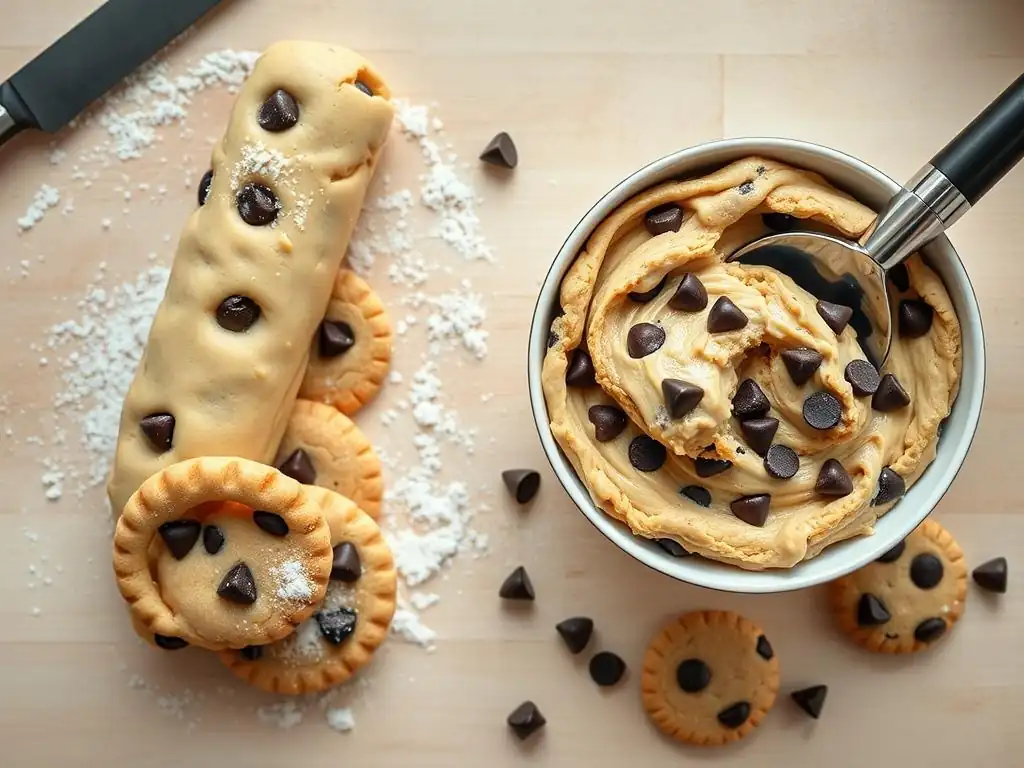
While both slice-and-bake and drop cookies can be delicious, they often result in different textures and appearances due to the handling and chilling methods. Drop cookies, made by scooping dough directly onto a baking sheet, tend to be thicker and chewier in the center because the dough is warmer and spreads more unevenly. The shape is also less controlled.
Slice-and-bake cookies, with their chilled, firm dough and uniform slices, are inherently better suited for achieving a thin and crispy texture. The chilling step and the consistent thickness of the slices allow for more controlled spread and even baking, promoting crispness throughout the cookie rather than just around the edges. This makes slice-and-bake a more reliable method when a thin profile is the goal for easy beginner chocolate chip cookies.
Reduced Gluten Development: Why Slice-and-Bake Matters
The way dough is handled significantly impacts gluten development, which in turn affects cookie texture. Overworking dough, especially after adding flour, strengthens the gluten network, which can lead to tougher, cakier cookies. In the slice-and-bake method, the dough is typically mixed only until the dry ingredients are just incorporated.
Furthermore, the prolonged chilling period allows the gluten strands that did form to relax. This relaxed state means the dough is less elastic and more likely to spread evenly and thinly in the oven, contributing to the desired crisp texture rather than a chewy or puffy one. This gentle handling and chilling are key advantages for achieving delicate, thin cookies.
Precise Control: Ensuring Consistent Results
Precision is a built-in feature of the slice-and-bake method, making it superior for consistent thinness compared to drop cookies. With drop cookies, the size and shape of each scoop can vary, leading to inconsistent spread and baking times across the batch. One cookie might be thick and chewy, while another is thinner and crispier simply due to how much dough was scooped.
With slice-and-bake, every cookie slice starts with the same diameter (the log's diameter) and is cut to the same thickness. This uniformity ensures that each cookie bakes identically, resulting in a batch where every single cookie shares the same desirable thin and crispy texture. For beginners learning to make easy beginner chocolate chip cookies, this consistency is incredibly encouraging.
Even with a reliable method like slice-and-bake, occasionally things might not go exactly as planned. Understanding common issues and how to fix them can save a batch of cookies and improve your baking skills. Don't be discouraged by a less-than-perfect batch; troubleshooting is part of the learning process and helps you understand the science behind baking.
Common problems might include dough that's too crumbly to slice, cookies that spread too much or too little, or uneven browning. Identifying the cause, whether it's ingredient temperature, measurement inaccuracies, or oven issues, is the first step to correcting it. With a little adjustment, you can get back on track to baking perfect easy beginner chocolate chip cookies.
Addressing Common Issues for Perfect Results
Successfully troubleshooting requires a bit of detective work. Think back through the steps you followed. Were your ingredients measured precisely? Was the butter the correct temperature? Was the dough chilled for long enough? Was your oven preheated properly? Small deviations can sometimes lead to unexpected outcomes in baking.
Keeping a simple baking journal can be helpful. Note down the recipe used, any substitutions made, the appearance of the dough, chilling time, oven temperature, and the results. This allows you to identify patterns and understand what variables might be affecting your cookies. It's a great way to refine your technique for easy beginner chocolate chip cookies.
Dough Too Crumbly: Adding Moisture
If your dough log is too crumbly to slice cleanly, it likely lacks sufficient moisture or the fat isn't properly incorporated. This can happen if flour was over-measured or if the butter wasn't adequately softened or creamed with the sugar. An easy fix is to gently work in a tiny bit more liquid, such as a teaspoon or two of milk or softened butter, into the dough.
Do this cautiously, adding just a small amount at a time and kneading it in gently until the dough becomes pliable enough to slice without falling apart. Avoid adding too much liquid, as this can make the dough sticky and cause excessive spreading during baking. Once the consistency is improved, reshape the log and chill it again thoroughly before attempting to slice.
Cookies that spread too much often have too high a ratio of fat and sugar, or the dough wasn't chilled sufficiently. If you followed the recipe precisely and they still spread excessively, your butter might have been too soft when you started creaming, or your oven temperature might be too low. Butter that is too warm melts too quickly in the oven, causing the cookies to flatten out excessively before they set.
Ensure your butter is just softened, not melted or greasy, before creaming. Creaming should result in a light, fluffy mixture, not a liquid one. More importantly for slice-and-bake, ensure the dough log is thoroughly chilled and firm before slicing and baking. If the problem persists with a tested recipe, slightly increasing the flour (by a tablespoon or two) or slightly reducing the sugar (by a tablespoon) in future batches can help control spread. Using parchment paper also helps prevent sticking and promotes even spread.
Uneven Browning: Oven Temperature and Placement
Uneven browning typically indicates inconsistent oven temperature or hot spots. Ovens can have temperature fluctuations, and often the back or sides are hotter than the front. To combat this, make sure your oven is fully preheated before baking. An oven thermometer is a useful tool to verify the actual temperature inside your oven.
If your oven has known hot spots, rotate your baking sheet halfway through the baking time. For example, if you're baking for 12 minutes, rotate the tray after 6 minutes. If you're baking multiple trays, swap their positions on the racks (move the bottom tray to the top rack and vice versa) and rotate them. This ensures all cookies receive even heat exposure, leading to uniform golden-brown edges on all your easy beginner chocolate chip cookies.
Delicious Variations on the Basic Thin and Crispy Recipe

Once you've mastered the basic easy beginner chocolate chip cookies using the slice-and-bake method, you can easily introduce variations to add new dimensions of flavor and texture. The base dough is incredibly versatile and provides a perfect canvas for incorporating different ingredients. These variations keep baking exciting and allow you to customize batches to different preferences.
Experimenting with additions like spices, extracts, nuts, or dried fruit can transform a simple cookie into something entirely new. The key is to maintain the overall dough consistency so it still forms a sliceable log. Start with small additions and see how they affect the final cookie.
Flavor Enhancements: Espresso Powder
Adding a teaspoon or two of instant espresso powder to the dry ingredients can dramatically enhance the chocolate flavor in your cookies. Espresso powder doesn't necessarily make the cookies taste like coffee, but it deepens and intensifies the richness of the chocolate, creating a more complex and sophisticated taste profile.
Make sure the espresso powder is finely ground so it dissolves evenly into the dough. Whisk it thoroughly with the flour, baking soda, and salt before adding the dry mixture to the wet ingredients. This simple addition is a popular trick used by many bakers to elevate chocolate baked goods.
Flavor Enhancements: Citrus Zest
For a bright, fresh twist, incorporate the zest of an orange, lemon, or lime into the dough. Citrus zest contains fragrant oils that infuse the cookies with a vibrant, tangy aroma and flavor. This pairs wonderfully with chocolate, creating a classic flavor combination like orange and chocolate.
Add the citrus zest during the creaming stage with the butter and sugars. Rubbing the zest into the sugar first can help release the oils and distribute the flavor more evenly throughout the dough. Use the zest from one medium fruit for a noticeable but not overpowering citrus note.
Texture Additions: Toasted Coconut Flakes
Toasted coconut flakes can add a delightful chewiness and nutty flavor to your thin and crispy cookies. Toasting the coconut before adding it to the dough brings out its natural sweetness and adds a pleasant crunch. Use unsweetened or sweetened shredded coconut, spread it on a baking sheet, and bake at around 300°F (150°C) for 5-10 minutes, stirring occasionally, until golden brown.
Let the toasted coconut cool completely before stirring it into the dough along with the chocolate chips. The amount can vary, but starting with about 1/2 cup of toasted flakes per batch is a good starting point. Be aware that adding too much dry ingredient like coconut can slightly affect the dough's consistency, so you might need a tiny splash of milk if it becomes too dry.
The slice-and-bake method isn't limited to just chocolate chip cookies. Its ease and reliability make it perfect for a wide array of cookie types, many of which are naturally suited to a thin, crisp texture. Once you're comfortable making easy beginner chocolate chip cookies this way, you'll find adapting the technique to other flavors is simple and rewarding.
Exploring different slice-and-bake recipes allows you to build your baking skills and try new flavor combinations without the complexity of more advanced cookie methods. Many classic cookies, like shortbread or spice cookies, work beautifully as slice-and-bake logs.
Lemon shortbread is a classic for a reason, and making it slice-and-bake simplifies the process significantly. A basic shortbread dough typically consists of butter, sugar, and flour, sometimes with a little salt or cornstarch for tenderness. Adding fresh lemon zest and perhaps a touch of lemon extract infuses the dough with bright citrus flavor.
Shape the dough into a log, chill, slice, and bake. Shortbread naturally bakes up crisp and buttery. The slice-and-bake method ensures uniform thickness and baking, resulting in consistently perfect, zesty shortbread rounds that are delightful with tea or coffee.
For a warm and inviting cookie, try a ginger spice slice-and-bake recipe. These cookies often include ground ginger, cinnamon, cloves, and sometimes a touch of molasses for depth of flavor and a slightly softer texture within the crispness. They are particularly popular during the fall and winter months.
Prepare the spiced dough, form a log, and chill. Slice and bake as usual. These cookies tend to spread a little more due to the molasses, but the slice-and-bake method still provides better control over shape and thickness than dropping the dough. The result is a spicy, fragrant, and wonderfully crisp cookie.
Combining tart dried cranberries and crunchy pistachios creates a visually appealing and delicious slice-and-bake cookie. The colors are vibrant, and the textures complement the crisp cookie base perfectly. This variation adds both flavor and substance to the cookie.
Simply stir dried cranberries and chopped pistachios into your base cookie dough during the final mixing stage. Form the log, chill, slice, and bake. The cranberries provide bursts of chewy, tart flavor, while the pistachios add a satisfying crunch. It's an elegant and easy option for expanding your slice-and-bake repertoire.
The Joy of Effortless Baking: Slice-and-Bake for Everyone
The true joy of the slice-and-bake method lies in its sheer simplicity and the high-quality results it consistently delivers. It demystifies the process of making homemade cookies, making it accessible and enjoyable for bakers of all skill levels, especially beginners. The ability to prepare dough ahead of time and bake just a few cookies at a time adds incredible convenience to busy lives.
Whether you're craving a single warm cookie or need a batch for an impromptu gathering, slice-and-bake provides a stress-free solution. It proves that you don't need complicated techniques or fancy equipment to create delicious, bakery-style treats right in your own kitchen. It truly embodies the spirit of easy beginner chocolate chip cookies and beyond.
Boosting Baking Skills: One Simple Recipe at a Time
Starting with a simple, reliable method like slice-and-bake is an excellent way for beginners to build confidence and fundamental baking skills. Each successful batch reinforces basic techniques like creaming butter and sugar, mixing dry and wet ingredients, and understanding the importance of chilling and baking times.
As you become more comfortable with the process of making easy beginner chocolate chip cookies using this method, you'll feel more prepared to tackle slightly more complex recipes or experiment with your own variations. Slice-and-bake provides a solid foundation upon which to grow your baking repertoire and tackle new challenges in the kitchen.
Savoring Homemade Goodness Without the Fuss
Perhaps the greatest benefit of the slice-and-bake method is the ability to enjoy the simple pleasure of warm, homemade cookies without the significant effort and mess often associated with traditional baking. The dough can be made when you have time, and then fresh cookies are just minutes away whenever the craving strikes.
This convenience means you can savor that comforting aroma and delicious taste of freshly baked easy beginner chocolate chip cookies on a whim. It's baking on your schedule, offering maximum enjoyment with minimum fuss, making it a perfect technique for anyone who loves cookies but is short on time or new to the baking world.
Frequently Asked Questions
Slice-and-bake cookies are excellent for beginners because they eliminate the need for precise measuring and complex mixing. The dough is pre-made, allowing you to focus on baking technique and achieving even cookies.
What are the key advantages of using pre-made slice-and-bake dough?
The primary advantage is convenience. You save time and effort by skipping the dough-making process, which can be intimidating for new bakers. This allows you to quickly satisfy a cookie craving with minimal fuss.
Yes, you absolutely can! You can add extra chocolate chips, nuts, or even dried fruit to personalize your cookies. Just gently knead the additions into the dough before slicing for enhanced flavor and texture.
One common mistake is not letting the dough thaw slightly before slicing, which can cause crumbling. Also, avoid overbaking the cookies, which will make them hard and dry.
Make sure to slice the dough into even thicknesses for consistent baking. Rotate the baking sheet halfway through the baking time to promote uniform browning.
The simplicity of the Slice-and-Bake method isn't just a shortcut; it's a gateway to baking confidence. For many, the intimidating prospect of baking from scratch can be a significant barrier to entry. This method demystifies the process, transforming a potentially daunting task into a fun and rewarding experience, making it the perfect introduction to the joy of homemade treats.
The impact of a successful first baking experience is profound. It fosters a sense of accomplishment and encourages further exploration in the kitchen. It's more than just cookies; it's about building a positive relationship with cooking, a skill that can enrich lives for years to come. The best things in life are homemade.
This sentiment rings especially true when considering the satisfaction derived from creating something delicious with your own hands, starting with a simple, yet perfect, chocolate chip cookie.
So, what are you waiting for? Don't let the fear of failure hold you back. Grab your ingredients, embrace the simplicity of the Slice-and-Bake method, and experience the magic of creating your own perfect batch of easy beginner chocolate chip cookies. The journey of a thousand cookies begins with one perfectly baked slice. Let this be yours.
Thanks for joining us on this cookie-baking adventure! We hope you now feel confident and excited about tackling even the trickiest recipes. Ready to roll up your sleeves and get baking?
- Bake a batch of SliceandBake cookies today! Use the recipe we shared and experience the joy of perfectly consistent, delicious cookies.
- Share your baking success on social media using #BakeWithEase and #SliceandBake – let's inspire other bakers!
- Explore our website for more easy-to-follow recipes and baking tips.
What delicious variations will you create with your SliceandBake cookies? Let us know in the comments below!