
Easy Buttercream Frosting: The Perfect Partner for Celebration Cupcakes

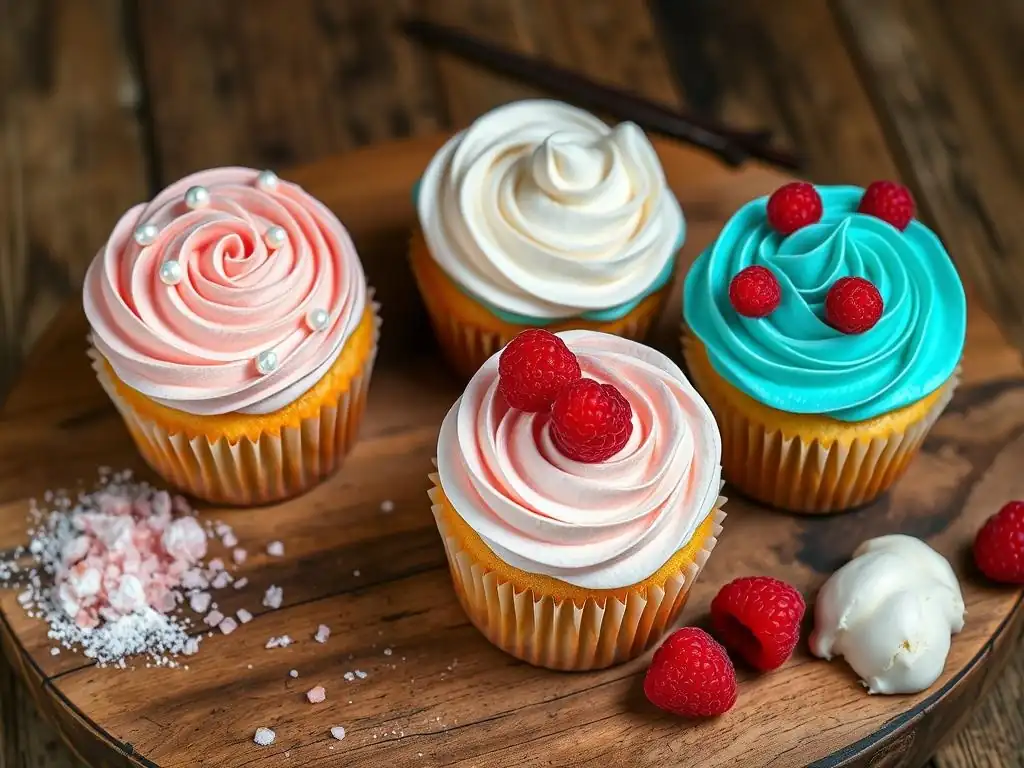
Welcome to BakeWithEase, your trusted guide to baking bliss! Ever wondered how to achieve that perfectly smooth, decadent buttercream frosting that elevates cupcakes from simple treats to celebration showstoppers? You're in the right place. Discover the secrets to our easy-to-follow buttercream recipe and learn how to create irresistibly delicious cupcakes that will impress every time. Ready to unlock the magic?
- Swiss Meringue Buttercream: A Silky Smooth Frosting for Special Occasions
- Introduction: The Superiority of Swiss Meringue Buttercream
- Swiss Meringue Buttercream Recipe: Ingredients and Equipment
- Step-by-Step Guide: Making Swiss Meringue Buttercream
- Flavor Variations: Enhancing Your Swiss Meringue Buttercream
- Troubleshooting: Common Swiss Meringue Buttercream Problems and Solutions
- Tips for Decorating Cakes with Swiss Meringue Buttercream
- Storing Swiss Meringue Buttercream and Frosted Cakes
- Conclusion: Mastering Swiss Meringue Buttercream for Stunning Cake Creations
-
Frequently Asked Questions
- How can I ensure my buttercream frosting is perfectly smooth and not grainy?
- What are the key ingredients for a perfect buttercream frosting recipe for cupcakes?
- My buttercream frosting is too stiff. How can I fix it?
- Can I use a different type of extract instead of vanilla in my buttercream frosting?
- How long does buttercream frosting last, and how should I store it?
- Final Reflection: The Enduring Sweetness of Simple Perfection
- Unlock Your Inner Baker: Frosting Fun Awaits!
Swiss Meringue Buttercream: A Silky Smooth Frosting for Special Occasions
Introduction: The Superiority of Swiss Meringue Buttercream
Why Swiss Meringue Buttercream is Ideal for Elevated Desserts
When aiming for truly exceptional celebration cupcakes, the frosting can make all the difference. Swiss meringue buttercream stands out as a superior choice, offering a sophisticated texture and balanced sweetness that elevates any baked good. Unlike traditional American buttercream, which relies solely on butter and powdered sugar, the Swiss method incorporates a light, stable meringue base, resulting in a frosting that is incredibly smooth, airy, and less cloyingly sweet. This delicate yet stable consistency makes it a perfect buttercream frosting recipe for cupcakes intended for special events, providing a luxurious mouthfeel that complements the cake beautifully.
This type of perfect buttercream frosting recipe for cupcakes also offers excellent structural integrity for decoration. Its stability means it holds piped shapes beautifully, allowing for intricate swirls, rosettes, and borders that maintain their definition. This makes it particularly well-suited for elaborate celebration cupcakes where visual appeal is just as important as taste. Furthermore, its less intense sweetness allows other flavors, like the cake itself or added extracts, to shine through, creating a more harmonious and nuanced dessert experience.
What Sets Swiss Meringue Buttercream Apart from Other Frostings?
The fundamental difference between Swiss meringue buttercream and other popular frostings, such as American, French, or Italian meringue buttercream, lies in its unique preparation method. It begins by gently heating egg whites and sugar over a double boiler until the sugar is fully dissolved and the mixture reaches a specific temperature, typically around 160°F (71°C). This process not only pasteurizes the egg whites but also creates a stable meringue base when whipped to stiff peaks. Butter is then gradually added to this meringue, emulsifying into a smooth, glossy, and incredibly stable frosting.
In contrast, American buttercream is simply butter creamed with powdered sugar and a liquid, resulting in a much sweeter and often denser, sometimes slightly gritty texture. French buttercream uses egg yolks heated with sugar syrup, offering richness but being less stable and more prone to melting. Italian meringue buttercream, while also using a cooked meringue base, involves pouring hot sugar syrup into whipping egg whites, a technique that can be slightly more challenging for beginners.
The Swiss method strikes a balance, offering excellent stability and a luxurious texture without the intense sweetness of American buttercream or the technical difficulty of Italian meringue. It's a perfect buttercream frosting recipe for cupcakes when you want elegance and reliability.
Swiss Meringue Buttercream Recipe: Ingredients and Equipment
Essential Ingredients for Silky Smooth Buttercream
Making the perfect buttercream frosting recipe for cupcakes starts with understanding the role of each ingredient. Precision in measurement and quality are key to achieving that signature silky-smooth texture. The core components are few but vital: egg whites, granulated sugar, unsalted butter, and vanilla extract. Using fresh, high-quality ingredients will significantly impact the final flavor and consistency of your buttercream.
Ensuring your ingredients are at the correct temperature is also crucial. Egg whites should be at room temperature for optimal whipping volume, while the butter needs to be soft but cool – typically around 65-70°F (18-21°C). Butter that is too cold won't emulsify properly, leading to a curdled appearance, while butter that is too warm can make the buttercream soupy and unstable. Paying attention to these small details is part of mastering this perfect buttercream frosting recipe for cupcakes.
Egg Whites: Achieving Proper Volume and Stability
Egg whites are the foundation of the meringue base in Swiss meringue buttercream. When heated with sugar and whipped, their protein structure creates a light, airy foam that traps air, providing volume and stability to the finished frosting. Using fresh, room-temperature egg whites is critical, as they whip up to a greater volume and create a more stable meringue than cold eggs. For safety, the heating step pasteurizes the egg whites, making the frosting safe to consume.
The quantity of egg whites relative to sugar and butter is carefully balanced in a good recipe. Typically, a recipe might call for egg whites from 4-6 large eggs for a batch sufficient to generously frost about 12-18 standard cupcakes. The proteins in the egg whites, specifically albumin, denature when heated and then form a strong network when whipped, which holds the air bubbles and the subsequent butter additions in place. This stable structure is what allows Swiss meringue buttercream to hold intricate piped designs on celebration cupcakes.
Granulated Sugar: Dissolving for a Smooth Texture
Granulated sugar serves multiple purposes in Swiss meringue buttercream. Firstly, it sweetens the frosting, though significantly less than the amount of powdered sugar used in American buttercream. Secondly, and crucially, it stabilizes the meringue. When heated with the egg whites, the sugar dissolves completely, preventing a gritty texture in the final buttercream. This complete dissolution is essential for that characteristic silky-smooth finish.
Heating the sugar with the egg whites also raises the temperature, aiding in the pasteurization process. The sugar molecules bond with the egg white proteins, strengthening the meringue structure. Using fine granulated sugar can help it dissolve more quickly and easily over the double boiler. The ratio of sugar to egg whites is important for achieving the right balance of sweetness and stability in this perfect buttercream frosting recipe for cupcakes. A common ratio might be roughly twice the weight of sugar to egg whites.
Unsalted Butter: The Key to Richness and Flavor
Unsalted butter is the main component by volume and provides the richness and creamy texture of Swiss meringue buttercream. Using unsalted butter allows you to control the overall saltiness of the frosting, ensuring it doesn't become too savory. The quality of the butter directly impacts the flavor of the buttercream, so choose a good brand. The butter must be soft but cool, around 65-70°F (18-21°C), for proper emulsification.
Adding the butter gradually to the whipped meringue is a critical step. As the butter is incorporated, it emulsifies with the meringue, transforming the mixture from a fluffy white foam into a smooth, pale yellow buttercream. The fat from the butter coats the air bubbles in the meringue, stabilizing them and creating the dense yet airy texture. If the butter is too cold, the mixture might curdle; if it's too warm, it might become a soupy mess. Patience and proper temperature are key when adding the butter to achieve the perfect buttercream frosting recipe for cupcakes.
Vanilla Extract: Enhancing the Overall Taste
Vanilla extract is typically the primary flavoring agent in classic Swiss meringue buttercream. A good quality pure vanilla extract adds warmth and depth, complementing the richness of the butter and the sweetness of the meringue without overpowering them. It's usually added towards the end of the mixing process, after the butter has been fully incorporated and the buttercream is smooth.
While vanilla is traditional, this is where you can begin customizing your perfect buttercream frosting recipe for cupcakes. Other extracts like almond, lemon, or even a touch of bourbon can be used to create different flavor profiles. The amount used can be adjusted to personal preference, but typically 1-2 teaspoons per batch provides sufficient flavor without making the buttercream taste artificial. Adding the extract at the end ensures its delicate aroma isn't lost during the mixing process.
Necessary Equipment for Making Swiss Meringue Buttercream
Having the right tools makes preparing Swiss meringue buttercream much easier and ensures consistent results. While some steps can be done manually, certain pieces of equipment are highly recommended, especially for achieving the proper meringue volume and smooth texture. These tools help control temperature and provide the necessary power for whipping.
Investing in the right equipment, such as a stand mixer and a reliable thermometer, simplifies the process significantly. These tools not only save time and effort but also help mitigate common issues like under-whipped meringue or improper butter incorporation. Having everything ready before you begin is part of setting yourself up for success with this perfect buttercream frosting recipe for cupcakes.
Stand Mixer: Essential for Achieving Proper Volume
A stand mixer is arguably the most crucial piece of equipment for making Swiss meringue buttercream. Whipping the heated egg white and sugar mixture into a stiff, glossy meringue requires sustained, high-speed beating for an extended period, often 10-15 minutes or more. A stand mixer can handle this effortlessly, freeing you up for other tasks and ensuring the meringue reaches the correct consistency.
Using the whisk attachment on your stand mixer provides the aeration needed to create a voluminous and stable meringue. Once the meringue is whipped, the paddle attachment is typically used to incorporate the butter and beat the mixture until it becomes a smooth, silky buttercream. While it's technically possible to make this by hand with a whisk and electric hand mixer, a stand mixer provides the power and consistency needed for the best results, especially for a perfect buttercream frosting recipe for cupcakes where stability for piping is desired.
Saucepan: For Creating the Meringue Base
A medium-sized saucepan is needed to create the double boiler setup for heating the egg whites and sugar. You'll place the bowl containing the egg white mixture over a few inches of simmering water in the saucepan, ensuring the bottom of the bowl does not touch the water. The gentle heat from the steam warms the mixture slowly and evenly, allowing the sugar to dissolve without scrambling the egg whites.
Choose a saucepan that is wide enough to comfortably hold your mixing bowl above the water but not so wide that steam escapes excessively. A stainless steel saucepan is a good choice as it conducts heat evenly. This controlled heating step is vital for dissolving the sugar and reaching the safe temperature for the egg whites before whipping, setting the stage for a successful perfect buttercream frosting recipe for cupcakes.
Candy Thermometer: Ensuring Accurate Temperature
Using a candy thermometer is essential for accurately monitoring the temperature of the egg white and sugar mixture as it heats over the double boiler. The goal is typically to reach 160°F (71°C) to ensure the sugar is fully dissolved and the egg whites are pasteurized. Relying on guesswork for the temperature can lead to a grainy texture (sugar not dissolved) or unsafe meringue (underheated egg whites).
Clip-on digital thermometers are particularly convenient as they can be attached to the side of the bowl, allowing you to monitor the temperature continuously without holding it. Reaching the target temperature ensures both safety and the proper conditions for the sugar to dissolve completely, which is fundamental to creating that smooth, non-gritty perfect buttercream frosting recipe for cupcakes.
Spatulas and Bowls: Essential for Mixing and Transferring
You'll need a few heatproof bowls for the double boiler setup – one to hold the egg white mixture and another larger one for the simmering water if you're not using a dedicated double boiler pot. Clean, grease-free bowls are critical for whipping a successful meringue, as any trace of fat can prevent the egg whites from whipping properly. Glass or metal bowls are generally preferred over plastic for meringues.
Rubber or silicone spatulas are indispensable throughout the process. They are used for stirring the egg white mixture over the double boiler to ensure even heating, scraping down the sides of the mixer bowl during whipping and butter incorporation, and transferring the finished buttercream. Having a couple of different sizes can be helpful for various stages of making this perfect buttercream frosting recipe for cupcakes.
Step-by-Step Guide: Making Swiss Meringue Buttercream
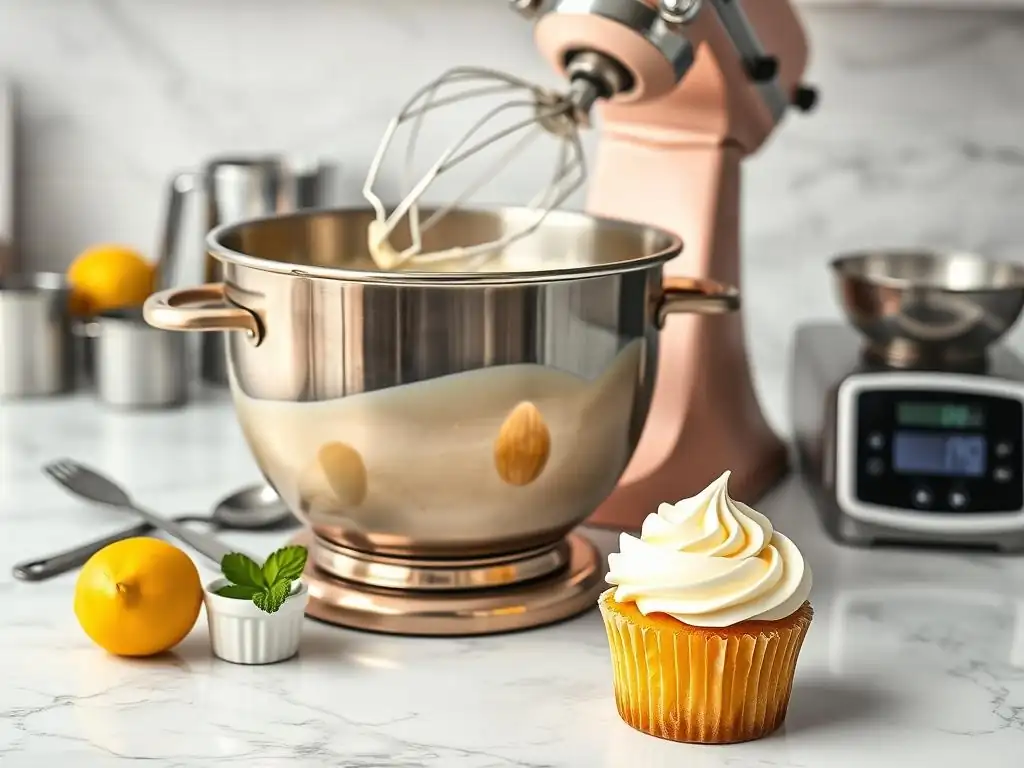
Making Swiss meringue buttercream involves several distinct stages, each requiring attention to detail. While it might seem intimidating at first, breaking it down into steps makes it manageable. Following the process carefully is key to achieving the desired smooth, stable, and perfect buttercream frosting recipe for cupcakes.
Patience is a virtue when making this frosting. Don't rush the heating of the egg whites or the whipping of the meringue, and be prepared for the mixture to potentially look curdled before it comes together smoothly when adding the butter. Trusting the process and continuing to mix is often the solution to common issues.
Step 1: Combining Egg Whites and Sugar
The first step involves combining the egg whites and granulated sugar in a heatproof bowl, ideally the bowl of your stand mixer if it's heatproof. Whisk them together gently just until combined. At this stage, you're simply preparing the mixture for heating, not whipping. Ensure there are no lumps of sugar remaining unmixed.
It's crucial that the bowl and whisk are spotlessly clean and completely free of any grease or egg yolk. Even a tiny amount of fat can prevent the egg whites from whipping into a stable meringue later on. Wiping down your equipment with a little lemon juice or vinegar before starting can help remove any residual grease and is a good practice when making meringues for your perfect buttercream frosting recipe for cupcakes.
Ensuring a Clean Bowl for Proper Meringue Formation
The success of your Swiss meringue buttercream hinges significantly on the quality of the meringue base, and a clean bowl is non-negotiable for this. Egg whites are extremely sensitive to fat. If there's any grease residue on your bowl or whisk, the protein structure in the egg whites won't be able to build and hold air effectively when whipped. This results in a weak, unstable meringue that won't properly emulsify with the butter later on.
To ensure your bowl is perfectly clean, wash it thoroughly with hot, soapy water, rinse well, and then dry it completely. Some bakers go a step further and wipe the inside of the bowl and the whisk with a paper towel dipped in a little white vinegar or lemon juice, which helps to cut any invisible grease film. This small extra step can make a big difference in achieving a voluminous and stable meringue base for your perfect buttercream frosting recipe for cupcakes.
Step 2: Heating the Mixture Over a Double Boiler
Place the bowl containing the egg white and sugar mixture over a saucepan with about an inch or two of simmering water. Make sure the bottom of the bowl does not touch the water; the mixture should be heated by the steam. Whisk continuously and gently as the mixture heats. This ensures the sugar dissolves evenly and the egg whites don't scramble on the bottom of the bowl.
Continue whisking and monitoring the temperature with your candy thermometer. The goal is to reach 160°F (71°C). This typically takes several minutes, depending on the amount of mixture and the heat of the water. Once the temperature is reached and the sugar is completely dissolved (you can test this by rubbing a small amount between your fingers – it should feel smooth, not gritty), carefully remove the bowl from the heat. This step is vital for both safety and texture in your perfect buttercream frosting recipe for cupcakes.
Achieving the Correct Temperature for Pasteurization
Heating the egg white and sugar mixture to 160°F (71°C) serves two critical purposes. Firstly, it ensures that any potential harmful bacteria, like Salmonella, are killed, effectively pasteurizing the egg whites. This makes the buttercream safe to eat, which is especially important when serving celebration cupcakes to a crowd.
Secondly, reaching this specific temperature ensures that the granulated sugar fully dissolves into the egg whites. Undissolved sugar crystals will result in a grainy, unpleasant texture in the final buttercream, completely undermining the goal of a silky-smooth finish. The combination of heat and whisking helps the sugar integrate seamlessly into the egg white matrix, creating a stable base ready for whipping into a glossy meringue for your perfect buttercream frosting recipe for cupcakes.
Step 3: Whipping the Meringue to Stiff Peaks
Immediately after removing the bowl from the heat, attach it to your stand mixer (or use a hand mixer) and begin whipping the hot mixture on high speed using the whisk attachment. The mixture will start out clear and frothy, then become opaque and white, and gradually increase in volume. Continue whipping until the meringue is very thick, glossy, and has cooled down significantly.
This cooling and whipping process is crucial. The meringue needs to reach stiff, glossy peaks and the bowl should feel cool to the touch from the outside. This can take anywhere from 10 to 20 minutes depending on your mixer and the amount of meringue. Whipping until the meringue is cool and stable ensures that when you add the butter, it won't melt the meringue structure, which is vital for achieving the correct consistency in your perfect buttercream frosting recipe for cupcakes.
Recognizing Stiff Peaks for Optimal Butter Incorporation
Knowing when your meringue has reached stiff peaks is a key indicator that it's ready for the next step – adding the butter. Stiff peaks are characterized by the meringue holding its shape firmly when the whisk is lifted. The peaks should stand straight up without curling over at the tip. The meringue should also look very smooth and glossy, not dull or grainy.
Additionally, the temperature is a crucial factor. The meringue must cool down to roughly room temperature (around 70-75°F or 21-24°C) before adding the butter. If the meringue is still warm, the added butter will melt, resulting in a soupy mess. Reaching stiff peaks and a cool temperature ensures the meringue has the structural integrity to properly emulsify the butter, leading to a stable and perfect buttercream frosting recipe for cupcakes.
Step 4: Gradually Adding the Butter
Once the meringue is cool and at stiff peaks, switch from the whisk attachment to the paddle attachment on your stand mixer. Turn the mixer speed down to low. Begin adding the softened, cool butter, one tablespoon or small piece at a time, allowing each piece to be mostly incorporated before adding the next. Be patient during this step; it can take several minutes to add all the butter.
As you add the butter, the mixture will likely go through several stages. It might look like it's deflating, becoming lumpy, or even appearing curdled, resembling cottage cheese. Do not panic! This is a normal phase. Continue mixing on medium speed. After all the butter is added, keep the mixer running. The mixture will eventually transform from a curdled appearance into a smooth, cohesive, and creamy buttercream. This transition is often quite dramatic and signifies you are on the right track for your perfect buttercream frosting recipe for cupcakes.
Ensuring Proper Butter Temperature to Avoid Curdling
The temperature of your softened butter is absolutely critical for successful emulsification with the meringue. The butter should be soft enough that your finger leaves an indentation easily, but still cool to the touch, typically between 65-70°F (18-21°C). If the butter is too cold, it won't break down and incorporate smoothly into the meringue, leading to a lumpy or curdled texture that is difficult to fix.
Conversely, if the butter is too warm or melted, it will cause the meringue to deflate and the entire mixture to become a soupy liquid that won't set up properly. Adding butter at the correct temperature, combined with a meringue that has been properly cooled, allows the fat and water components to emulsify into a stable, smooth network. Getting this temperature right is one of the most important factors in achieving a consistently perfect buttercream frosting recipe for cupcakes.
Step 5: Flavoring and Finishing the Buttercream
After all the butter has been incorporated and the buttercream has become smooth and silky, it's time to add your flavorings. The most common is vanilla extract. Add the extract and mix on low speed until just combined. Be careful not to overmix at this stage, as excessive beating after emulsification can sometimes incorporate too much air and affect the texture.
If you plan to color the buttercream, this is also a good time to add gel food coloring. Mix until the color is evenly distributed. The final buttercream should be incredibly smooth, glossy, and spreadable or pipeable. Give it a final scrape down of the bowl with a spatula to ensure everything is fully incorporated, and your perfect buttercream frosting recipe for cupcakes is ready to use.
Achieving a Smooth and Silky Texture
The characteristic smooth and silky texture of Swiss meringue buttercream is achieved through the careful emulsification of the butter into the stable meringue base. During the whipping process after adding the butter, the mechanical action of the paddle attachment helps to break down the butterfat and distribute it evenly throughout the meringue's air cell structure. This creates a stable emulsion where tiny droplets of fat are suspended within the protein network.
If your buttercream looks curdled after adding all the butter, it usually means the temperatures weren't quite right, or it just needs more mixing time. Continuing to beat on medium speed for several minutes often allows the emulsion to form, transforming the lumpy mixture into a smooth, homogeneous frosting. Sometimes, gently warming a portion of the buttercream and re-adding it can help. This final whipping stage polishes the buttercream, giving it that desirable smooth, non-gritty mouthfeel that makes it a perfect buttercream frosting recipe for cupcakes.
Flavor Variations: Enhancing Your Swiss Meringue Buttercream
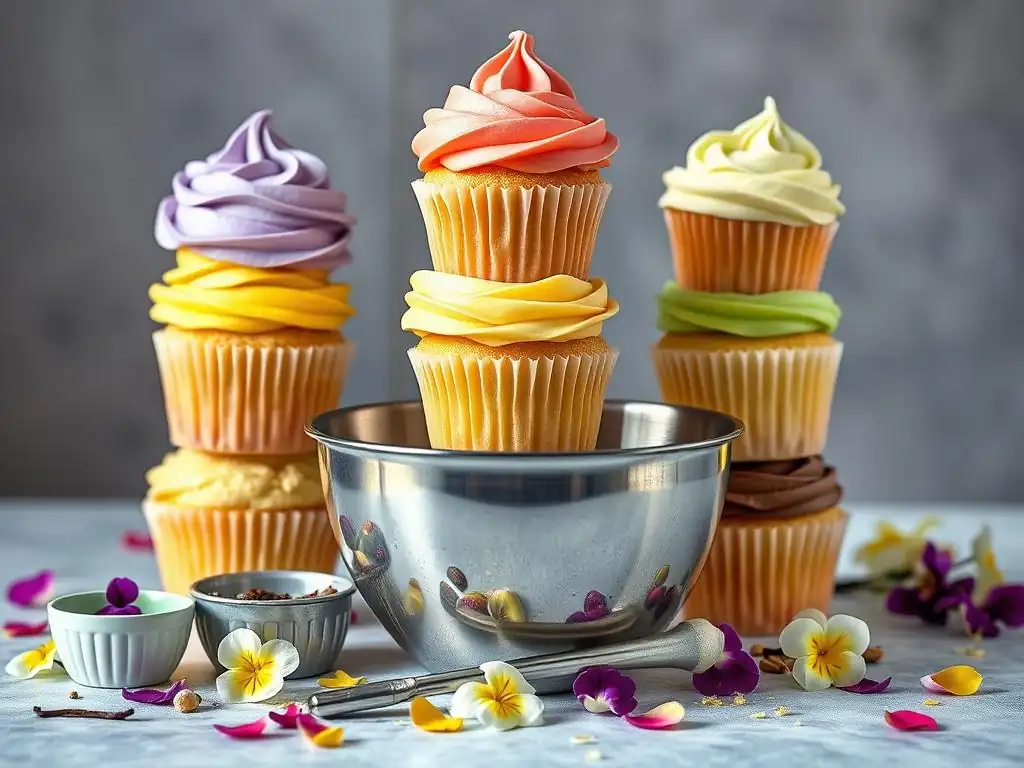
One of the joys of making Swiss meringue buttercream is how beautifully it takes on other flavors. Its delicate base doesn't overpower additions, allowing for creative variations beyond classic vanilla. Experimenting with different extracts, melted chocolate, fruit purees, or coffee can transform this perfect buttercream frosting recipe for cupcakes into something truly unique for any celebration.
When adding flavorings, particularly liquids or purees, be mindful of the consistency. Too much liquid can destabilize the buttercream. Often, concentrated extracts, melted and slightly cooled chocolate, or reduced fruit purees work best to impart flavor without compromising the texture.
Vanilla Bean Buttercream: Infused with Real Vanilla Flavor
For an elevated classic, vanilla bean Swiss meringue buttercream is a popular choice. Instead of or in addition to vanilla extract, the tiny black seeds scraped from a vanilla bean pod are incorporated into the finished buttercream. This adds not only a more complex, pure vanilla flavor but also beautiful visual speckles.
To make it, simply split a vanilla bean lengthwise and scrape out the seeds using the back of a knife. Stir the seeds into the finished vanilla Swiss meringue buttercream. Use a high-quality, plump vanilla bean for the best flavor. This variation adds a touch of gourmet sophistication to your perfect buttercream frosting recipe for cupcakes.
Chocolate Swiss Meringue Buttercream: Rich and Decadent
Transforming Swiss meringue buttercream into a rich chocolate version is straightforward and yields a wonderfully decadent frosting. Melt good quality chocolate (dark, milk, or semi-sweet, depending on preference) and let it cool slightly but remain liquid. Gradually stream the cooled melted chocolate into the finished vanilla buttercream while the mixer is running on low speed.
The amount of chocolate can be adjusted to control the intensity of the flavor. For a standard batch (using egg whites from 4-5 eggs), 6-8 ounces (170-225g) of melted and cooled chocolate is a good starting point. Ensure the chocolate isn't too hot when added, as it could melt the buttercream. This chocolate variation is a perfect buttercream frosting recipe for cupcakes, especially when paired with chocolate or red velvet cakes.
Raspberry Swiss Meringue Buttercream: Fruity and Vibrant
Adding fruit flavor to Swiss meringue buttercream requires a little care to avoid making it too wet. A common method is to use a concentrated raspberry puree or freeze-dried raspberry powder. To make a puree, cook fresh or frozen raspberries with a little sugar until soft, then strain out the seeds and reduce the liquid until it's quite thick. Let it cool completely.
Gradually add the cooled, thickened raspberry puree to the finished buttercream while mixing on low speed. Alternatively, pulse freeze-dried raspberries into a fine powder and whisk it into the buttercream. This method adds intense flavor and vibrant color without excess moisture. Raspberry Swiss meringue buttercream is a delightful and fruity perfect buttercream frosting recipe for cupcakes for spring or summer celebrations.
Coffee Swiss Meringue Buttercream: Aromatic and Bold
Coffee flavor pairs beautifully with the creamy texture of Swiss meringue buttercream. This can be achieved by adding strong, cooled brewed coffee, espresso, or instant espresso powder dissolved in a minimal amount of hot water. Be cautious with the amount of liquid added.
For the most intense flavor with minimal liquid, instant espresso powder is often the best choice. Dissolve a tablespoon or two (depending on desired strength) in just a teaspoon or two of hot water, let it cool completely, and then mix it into the finished buttercream. This aromatic variation makes a perfect buttercream frosting recipe for cupcakes, especially for pairing with chocolate or vanilla cakes.
Troubleshooting: Common Swiss Meringue Buttercream Problems and Solutions
While Swiss meringue buttercream is wonderful, it can sometimes be finicky. Encountering issues like a soupy or curdled texture is common, especially for beginners. Don't despair! Most problems are easily fixable with a little patience and the right technique.
Understanding the underlying cause of the problem is the first step to fixing it. Often, it relates to temperature issues or insufficient mixing time. Keep your mixer running, and you can usually salvage the batch.
Buttercream Too Soupy: How to Emulsify It
If your Swiss meringue buttercream is too liquidy or soupy after adding all the butter and mixing for a while, it's usually because the meringue wasn't cool enough when the butter was added, or the butter was too warm. The mixture simply hasn't emulsified properly.
To fix this, the easiest method is to chill the entire bowl of buttercream in the refrigerator for 10-20 minutes, until the edges start to firm up slightly but the center is still soft. Then, return the bowl to the mixer and beat on medium-high speed with the paddle attachment. As it whips, it should cool down further and the emulsion should form, transforming the soupy mixture into smooth buttercream.
Buttercream Too Curdled: How to Smooth It Out
A curdled appearance, resembling cottage cheese, is also a common issue and often occurs if the butter was too cold or added too quickly, preventing it from fully emulsifying. Again, don't panic! This is usually fixable.
The solution here is often gentle warming. Remove about a cup of the curdled buttercream and heat it gently in a microwave or over a double boiler until it's just melted (not hot!). With the mixer running on medium speed, slowly pour the melted buttercream back into the main batch. Continue beating. The warmth from the melted portion should help the rest of the butter emulsify, smoothing out the entire batch into a perfect buttercream frosting recipe for cupcakes. Keep mixing until it's smooth and glossy.
Buttercream Not Sweet Enough: Adjusting the Sweetness
Swiss meringue buttercream is known for being less sweet than American buttercream, which is a major draw for many. However, if you find it genuinely not sweet enough for your preference, adjusting the sweetness can be tricky without affecting the texture. Adding more granulated sugar is not recommended as it won't dissolve at this stage and will make it gritty.
A small amount of powdered sugar can sometimes be sifted in and mixed gently, but this can slightly alter the texture and airiness. A better approach for adjusting sweetness might be to ensure your other components (like the cake) are appropriately sweet, or to incorporate sweet flavorings like white chocolate or a sweet fruit reduction. Large additions of powdered sugar can make your perfect buttercream frosting recipe for cupcakes less silky.
Buttercream Deflating: Maintaining Volume and Stability
Deflation can happen if the meringue wasn't whipped to sufficiently stiff peaks and cool temperature, or if the butter was too warm. Overmixing the finished buttercream can also sometimes cause it to lose a bit of its airiness, though typically Swiss meringue is quite stable once emulsified.
If your buttercream seems to have lost some volume or stability, try chilling it slightly in the refrigerator for 10-15 minutes, then re-whipping it on medium speed with the paddle attachment. The cooling helps firm up the butter, and the re-whipping can sometimes re-emulsify and incorporate a bit more air, restoring some of its structure and making it a perfect buttercream frosting recipe for cupcakes again.
Tips for Decorating Cakes with Swiss Meringue Buttercream
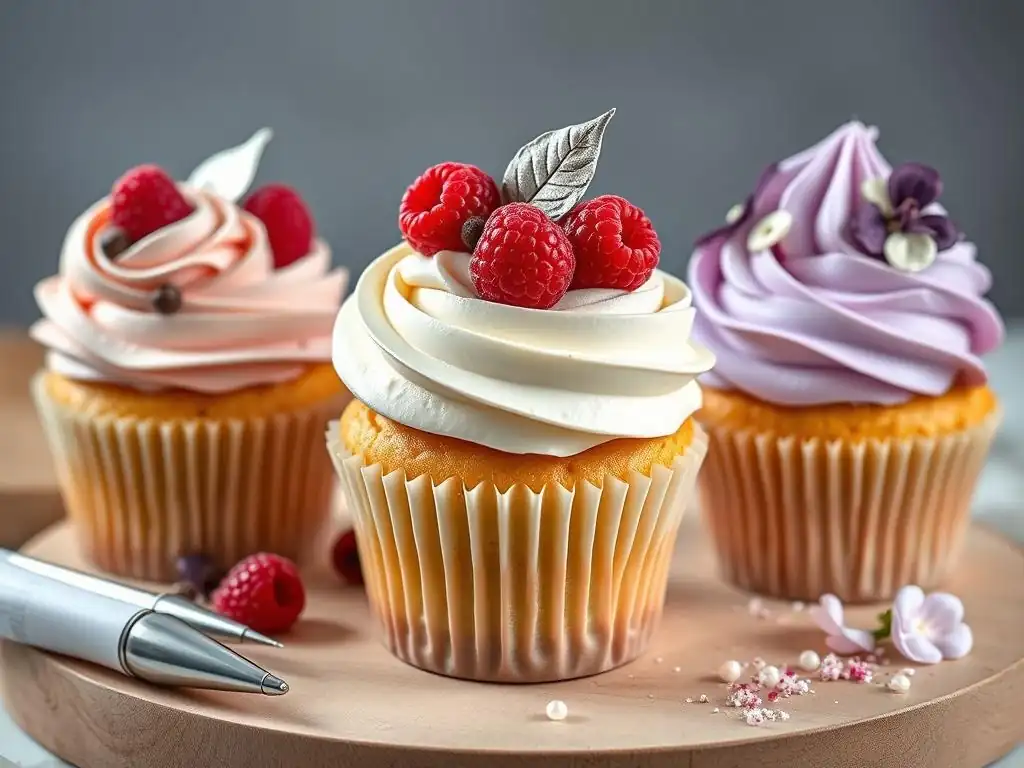
Decorating with Swiss meringue buttercream is a pleasure due to its smooth texture and excellent piping stability. It spreads beautifully for smooth coatings and holds intricate shapes without drooping. Its ability to take color well also makes it ideal for vibrant celebration designs.
Ensure your cake or cupcakes are completely cool before frosting. Applying this perfect buttercream frosting recipe for cupcakes to warm surfaces will cause it to melt and slide off. Practice your piping technique on parchment paper first if you're trying a new design.
Achieving Smooth Sides and Sharp Edges
For a professional look on cakes, achieving smooth sides and sharp edges with Swiss meringue buttercream is very achievable. Start by applying a crumb coat – a thin layer of buttercream that seals in any loose crumbs. Chill the cake until the crumb coat is firm, about 15-30 minutes.
Then, apply a thicker final layer of buttercream. Use an offset spatula to spread the buttercream evenly around the sides and top. For smoothing, use a bench scraper or a cake scraper held perpendicular to the cake side, rotating the cake on a turntable. Scrape away excess buttercream, clean your scraper, and repeat until smooth. For sharp edges, push excess buttercream from the sides towards the center on top, then smooth the top with an offset spatula, pulling towards the center. This technique results in a clean, polished finish for your perfect buttercream frosting recipe for cupcakes.
Piping Techniques: Creating Elegant Designs
Swiss meringue buttercream is exceptional for piping due to its smooth, stable consistency. It works well with various piping tips to create everything from simple swirls on cupcakes to elaborate rosettes, stars, ruffles, and intricate basketweave patterns on cakes. Its ability to hold shape means designs stay crisp and defined.
Fill a piping bag fitted with your desired tip, ensuring there are no large air bubbles. Apply even pressure as you pipe. For classic cupcake swirls, start from the outside edge and spiral inwards, finishing with a flourish in the center. Experiment with different tips like the open star (1M or 2D) for rosettes or closed star tips for defined edges. The stability of this perfect buttercream frosting recipe for cupcakes allows for impressive decorative work.
Coloring Swiss Meringue Buttercream: Achieving Vibrant Hues
Swiss meringue buttercream takes color beautifully, resulting in vibrant and true hues. Gel food coloring is recommended over liquid coloring, as gel is highly concentrated and adding too much liquid can affect the buttercream's consistency.
Add the gel coloring gradually, using a toothpick or small spoon, and mix on low speed until the color is evenly distributed. Remember that colors often deepen slightly as they sit. For very deep or vibrant colors, you may need to add a significant amount of gel coloring. If adding a large amount of coloring slightly loosens the buttercream, a brief chill in the refrigerator followed by re-whipping can help restore stability for your perfect buttercream frosting recipe for cupcakes.
Storing Swiss Meringue Buttercream and Frosted Cakes
One of the advantages of Swiss meringue buttercream is its excellent storage properties. Unlike some other frostings, it keeps well in the refrigerator and freezer, allowing you to make it ahead of time. Proper storage ensures the buttercream maintains its texture and flavor.
When storing, always use an airtight container to prevent the buttercream from absorbing odors from the refrigerator or freezer. Label the container with the date so you know how long it's been stored.
Proper Refrigeration and Freezing Techniques
Unused Swiss meringue buttercream can be stored in an airtight container in the refrigerator for up to a week. For longer storage, it can be frozen for up to 3-4 months. When refrigerating or freezing, press a piece of plastic wrap directly onto the surface of the buttercream before sealing the container to prevent a skin from forming.
Frosted cakes or cupcakes can also be refrigerated. Cover them loosely if they are fully frosted to avoid condensation affecting the buttercream. For longer storage, freeze individual frosted cupcakes by placing them on a baking sheet until firm, then wrapping them individually in plastic wrap and placing them in a freezer-safe container. This preserves your beautiful celebration cupcakes and the perfect buttercream frosting recipe used on them.
Thawing and Re-whipping Buttercream for Optimal Texture
When you're ready to use refrigerated or frozen Swiss meringue buttercream, it's important to thaw and re-whip it properly to restore its smooth consistency. Thaw frozen buttercream overnight in the refrigerator, or at room temperature for a few hours until softened but still cool. Refrigerated buttercream can be used directly from the fridge if it's still soft, or left at room temperature briefly until pliable.
Once softened, place the buttercream in your stand mixer fitted with the paddle attachment. Beat on medium speed. It might look curdled or separated at first, but continue beating. As it whips, it will become smooth, light, and fluffy again, just like freshly made. You might need to scrape down the bowl a few times. Re-whipping is essential to bring back that signature silky texture, making it the perfect buttercream frosting recipe for cupcakes once more.
Conclusion: Mastering Swiss Meringue Buttercream for Stunning Cake Creations
Mastering Swiss meringue buttercream opens up a world of possibilities for your baking. Its unparalleled silky texture, balanced sweetness, and excellent stability make it a truly perfect buttercream frosting recipe for cupcakes and cakes, especially for those important celebration moments. While it requires a bit more effort than a simple powdered sugar frosting, the results are well worth it, providing a professional finish and delightful taste experience.
By understanding the role of each ingredient, following the steps carefully, and knowing how to troubleshoot common issues, you can confidently create this luxurious frosting. Whether you stick to classic vanilla or explore vibrant flavor variations, Swiss meringue buttercream is a reliable and delicious choice that will impress anyone who tastes it on your beautifully decorated celebration cupcakes. Practice makes perfect, and soon this will be your go-to perfect buttercream frosting recipe for cupcakes!
Frequently Asked Questions
How can I ensure my buttercream frosting is perfectly smooth and not grainy?
To achieve a smooth buttercream, ensure your butter is at room temperature and use a powdered sugar specifically labeled as "confectioners sugar" or "icing sugar." Sifting the sugar beforehand can also help.
What are the key ingredients for a perfect buttercream frosting recipe for cupcakes?
The essential ingredients are unsalted butter, powdered sugar, milk or cream, and vanilla extract. A pinch of salt can enhance the flavor.
My buttercream frosting is too stiff. How can I fix it?
Gradually add a teaspoon of milk or cream at a time until you reach your desired consistency. Be careful not to add too much liquid, or it will become too runny.
Can I use a different type of extract instead of vanilla in my buttercream frosting?
Absolutely! Experiment with other extracts like almond, lemon, or peppermint to create unique flavor profiles. Just be mindful of the extract's strength, starting with a smaller amount.
How long does buttercream frosting last, and how should I store it?
Buttercream frosting can be stored in an airtight container in the refrigerator for up to a week. You can also freeze it for up to three months. Thaw completely and re-whip before using.
Final Reflection: The Enduring Sweetness of Simple Perfection
The pursuit of the perfect buttercream frosting is more than just a culinary quest; it's a reflection of our desire to create joy and celebrate life's sweetest moments. This seemingly simple recipe, shared in detail throughout this article, holds a power far beyond its deliciousness. It's a testament to the fact that sometimes, the most impactful creations come from the simplest of ingredients and techniques.
The enduring appeal of a flawlessly smooth, subtly sweet buttercream frosting lies in its versatility and its ability to elevate even the humblest cupcake into a celebration. It's a blank canvas for creativity, a foundation upon which memories are built. From childhood birthday parties to sophisticated wedding receptions, this creamy confection has played a starring role in countless celebrations. A cake is a celebration of life, a symbol of joy and happiness.
This sentiment, though broadly applicable, resonates deeply when considering the role of a truly perfect buttercream frosting in enhancing that celebratory experience.
Now, consider your own baking journey. What memories are tied to the taste and texture of buttercream? What makes your perfect frosting? Perhaps it's not about following a recipe to the letter, but about understanding the principles behind it – the balance of sweetness, the right consistency, the subtle nuances of flavor. I encourage you to experiment, to adapt this recipe to your own tastes, and to use it as a springboard for creating your own unique and unforgettable moments. The perfect buttercream frosting awaits – go create some magic!
Unlock Your Inner Baker: Frosting Fun Awaits!
Thanks for joining us on this delicious journey into the world of easy buttercream frosting! We hope you've gained the confidence to create stunning cupcakes for any occasion. Now it's time to put your new skills to the test!
- Whip up a batch of your own buttercream: Use our recipe as a springboard – experiment with different flavor extracts or add-ins to personalize your frosting! This is your chance to truly shine.
- Share your cupcake creations: Tag us on social media – we'd love to see your beautiful, perfectly frosted cupcakes! Use #BakeWithEaseFrosting to join the fun.
- Challenge a friend to a frosting showdown: See who can create the most creative and delicious buttercream masterpiece!
Ready to transform ordinary cupcakes into extraordinary celebrations? What flavor combination will you try first?