
AddIns & Variations: Customizing Your First Quick Bread

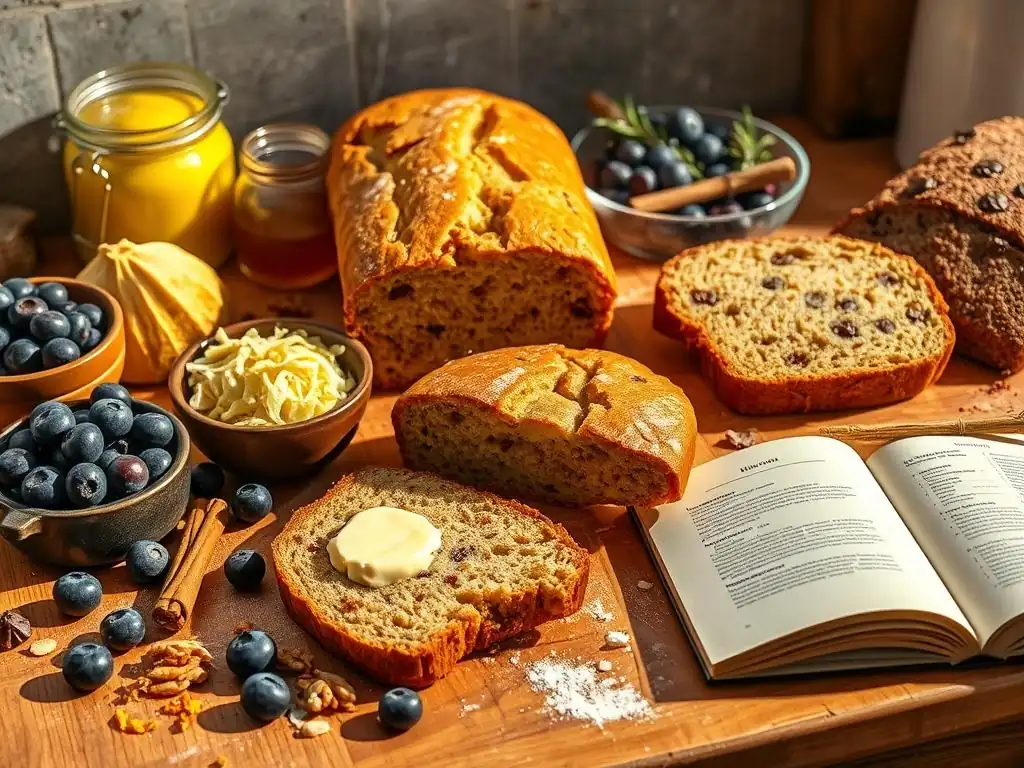
Welcome to BakeWithEase! Are you ready to transform a simple loaf of quick bread into a culinary masterpiece? Unlock a world of flavor with our guide to Quick Bread Variations Recipes. Discover how easy it is to elevate your baking from basic to brilliant with simple add-ins and exciting twists. Let's explore the delicious possibilities together and turn your kitchen into a haven of homemade goodness!
- Introduction to Quick Bread Variations Recipes for Beginners
- Essential AddIns for Quick Bread Recipes: Enhancing Flavor and Texture
- How to Incorporate AddIns into Your Quick Bread Recipes Successfully
- Popular Quick Bread Variations Recipes for Beginners
- Tips for Experimenting with Custom Quick Bread Recipes
- Baking Techniques to Perfect Your Customized Quick Breads
- Conclusion: Mastering Quick Bread Variations Recipes for Personalized Baking Success
-
Frequently Asked Questions
- What exactly is a quick bread, and why is it considered "quick"?
- What are some easy add-ins I can use to customize my quick bread recipe?
- Can I substitute ingredients in a quick bread recipe, and if so, what are some common substitutions?
- How do I ensure my quick bread doesn't turn out dry?
- What are some unique and unexpected flavor combinations I can try in my quick bread?
- Final Reflection: The Enduring Magic of Quick Breads
- Unleash Your Inner Baker: Customize Your Quick Bread!
Introduction to Quick Bread Variations Recipes for Beginners
Welcome to the wonderful world of quick breads! If you're just starting your baking journey, quick breads are an ideal place to begin. Unlike yeast breads, which require kneading and rising time, quick breads use chemical leavening agents like baking soda and baking powder to rise quickly, making them incredibly simple and forgiving. This ease makes them perfect for beginners looking to bake something delicious with minimal fuss.
But the real magic of quick breads lies in their versatility. Once you master a basic recipe, you can easily transform it into countless quick bread variations recipes by adding different ingredients. This guide will walk you through how to customize your quick breads, turning a simple batter into a personalized treat that suits your taste, whether you crave something sweet and fruity or savory and herbaceous. Get ready to explore the endless possibilities!
Understanding Quick Breads: Definition and Basic Ingredients
Quick breads are defined by their reliance on chemical leavening rather than yeast. This means they don't require the long fermentation process that yeast breads do. The leavening agents, typically baking powder and/or baking soda, react with moisture and heat (and sometimes an acidic ingredient like buttermilk) to produce carbon dioxide gas, which causes the batter to rise quickly during baking. This method drastically reduces preparation time.
The basic ingredients for most quick bread variations recipes are quite standard: flour (usually all-purpose), a leavening agent (baking powder/soda), salt, fat (butter, oil, or shortening), sugar (though not always in savory versions), eggs, and a liquid (milk, buttermilk, yogurt, or even mashed fruit). These ingredients are typically combined using either the 'muffin method' (wet ingredients mixed separately from dry, then combined briefly) or the 'creaming method' (fat and sugar creamed together first). Understanding this simple base is the first step to creating delightful quick bread variations recipes.
Why Customize Your Quick Bread? Benefits of AddIns and Variations
Customizing your quick bread offers several exciting benefits, especially for beginner bakers. Firstly, it allows you to tailor the flavor and texture to your personal preferences or to what ingredients you have on hand. Instead of being limited to just one type of loaf, you can easily create banana nut bread one day and a cheddar herb loaf the next, all from a similar foundational technique. This experimentation builds confidence and creativity in the kitchen.
Secondly, adding ingredients like fruits, nuts, or chocolate chips significantly enhances both the taste and mouthfeel of the finished quick bread. A plain loaf is fine, but imagine the bursts of flavor from blueberries or the satisfying crunch of walnuts! These additions also help keep the bread moist and interesting. Exploring quick bread variations recipes by incorporating different mix-ins is a simple way to elevate your baking from basic to brilliant.
Essential AddIns for Quick Bread Recipes: Enhancing Flavor and Texture
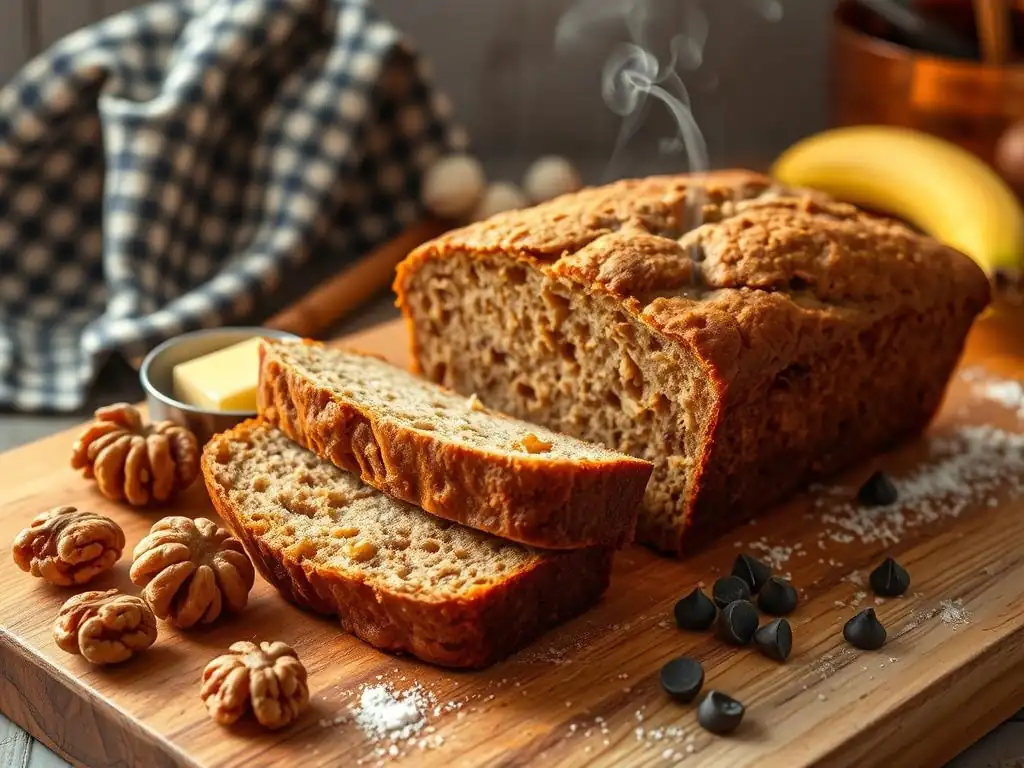
Adding ingredients to your basic quick bread batter is where the fun truly begins, opening up a world of quick bread variations recipes. These 'add-ins' don't just change the flavor; they can also impact the texture and moisture content of the final loaf. Knowing which ingredients work well and how they behave is key to successful customization.
Think of add-ins as your palette for creating unique quick bread variations recipes. From sweet morsels that melt in the mouth to savory elements that add depth, each ingredient plays a role. Getting the right balance and preparation (like chopping nuts or drying fruit slightly) ensures they distribute evenly and don't sink to the bottom during baking.
Sweet AddIns: Fruits, Nuts, and Chocolate Chips
Sweet add-ins are perhaps the most popular choices for quick bread variations recipes. Fresh or dried fruits like blueberries, cranberries, chopped apples, or mashed bananas (a staple in banana bread) add moisture and natural sweetness. For example, adding about 1 cup of fresh blueberries to a standard loaf-sized batter creates a classic variation. If using frozen fruit, toss it lightly in a tablespoon of flour before adding to prevent it from sinking and bleeding color excessively.
Nuts and chocolate chips bring delightful texture and richness. Walnuts, pecans, almonds, or even macadamia nuts add a satisfying crunch. Roughly chopping about 1/2 to 3/4 cup of nuts is usually sufficient for a standard loaf. Chocolate chips, whether semi-sweet, milk, or dark, melt slightly during baking, creating pockets of gooey sweetness. About 1 cup of chocolate chips is a common amount. Combining fruits and nuts, like in apple walnut or banana pecan quick bread variations recipes, offers complex flavors.
Savory AddIns: Herbs, Cheese, and Vegetables
Quick breads aren't just for sweet treats! Savory quick bread variations recipes are equally delicious and perfect as a side dish or light meal. Fresh or dried herbs like rosemary, thyme, chives, or dill infuse the bread with aromatic flavors. Start with about 1-2 tablespoons of fresh chopped herbs or 1-2 teaspoons of dried herbs per loaf.
Cheese is another fantastic savory add-in, adding richness and a tangy kick. Sharp cheddar, Parmesan, or Gruyère are excellent choices. Shred about 1/2 to 1 cup of cheese and fold it into the batter. Vegetables like finely grated zucchini (as in zucchini bread, often about 1 to 1.5 cups squeezed of excess moisture per loaf), corn kernels, or sautéed onions can also be incorporated, adding moisture and unique flavors to savory quick bread variations recipes. Combining cheese and herbs, such as cheddar and chive, is a popular and flavorful variation.
Unique Flavor Enhancers: Spices, Extracts, and Zests
Beyond the main add-ins, spices, extracts, and citrus zests are crucial for layering flavor in quick bread variations recipes. Spices like cinnamon, nutmeg, cloves, ginger, and cardamom are essential for autumnal quick breads like pumpkin or apple, often used in combination, perhaps 1-2 teaspoons total per loaf. Vanilla extract is a common addition to sweet quick breads, enhancing overall flavor; about 1 teaspoon is typical.
Citrus zest, from lemons, oranges, or limes, adds a bright, aromatic note that can lift the entire flavor profile. The oils in the zest contain potent flavor compounds. About 1-2 teaspoons of finely grated zest can make a significant difference, especially in quick bread variations recipes featuring berries or other fruits. These enhancers are usually added with the wet ingredients or mixed into the dry ingredients, ensuring they are evenly distributed throughout the batter.
How to Incorporate AddIns into Your Quick Bread Recipes Successfully
Adding mix-ins to your quick bread batter might seem straightforward, but a few techniques can ensure they are evenly distributed, don't sink, and don't negatively impact the texture of your quick bread variations recipes. Proper incorporation is key to achieving the desired result.
Getting the method right prevents common issues like all the blueberries ending up at the bottom of the loaf or the batter becoming too stiff. It's about timing and technique to maintain the integrity of the batter while integrating the additional ingredients seamlessly into your quick bread variations recipes.
Adjusting Batter Consistency When Adding Mix-Ins
Adding bulky or wet ingredients can change the consistency of your quick bread batter. For example, adding a large amount of mashed banana or grated zucchini introduces significant moisture. While a standard quick bread batter should be thick but pourable, very wet add-ins might make it too loose. Conversely, adding lots of dry items like nuts or chocolate chips can make it too stiff.
If using very wet add-ins like zucchini, make sure to squeeze out excess moisture before adding them. For very dry add-ins, you might find the batter needs a slight increase in liquid (perhaps a tablespoon or two of milk) to maintain the correct consistency, though this is often not necessary if the base recipe is robust. The goal is a batter that holds its shape slightly but isn't overly dense or runny, ensuring the quick bread variations recipes bake correctly.
Timing and Method: When to Fold in AddIns for Best Results
The best time to add mix-ins is usually right at the end of mixing, after the wet and dry ingredients have been just combined. Overmixing quick bread batter develops the gluten in the flour, resulting in a tough loaf. Therefore, you want to add the mix-ins with the final few stirs.
Gently fold the add-ins into the batter using a spatula or wooden spoon. Avoid using an electric mixer at this stage. Folding ensures even distribution without overworking the batter. For delicate items like fresh berries or chocolate chips, a light touch prevents crushing or excessive melting before baking. This careful folding technique is crucial for achieving attractive and evenly textured quick bread variations recipes.
Balancing Flavors: Combining Multiple AddIns Without Overpowering
When creating quick bread variations recipes with multiple add-ins, consider how the flavors will interact. A common mistake is adding too many competing flavors that clash or overpower each other. Aim for complementary combinations. For instance, cinnamon pairs beautifully with apples and walnuts, while rosemary and cheddar are a natural match.
Think about the intensity of each ingredient. Strong flavors like certain cheeses or potent herbs should be used in moderation compared to milder items like chocolate chips or nuts. If combining a wet add-in (like fruit) with a dry one (like nuts), ensure both are appropriately prepared (e.g., drain fruit, chop nuts) and added at the correct stage. A balanced approach ensures each component contributes to the overall deliciousness of your quick bread variations recipes.
Popular Quick Bread Variations Recipes for Beginners
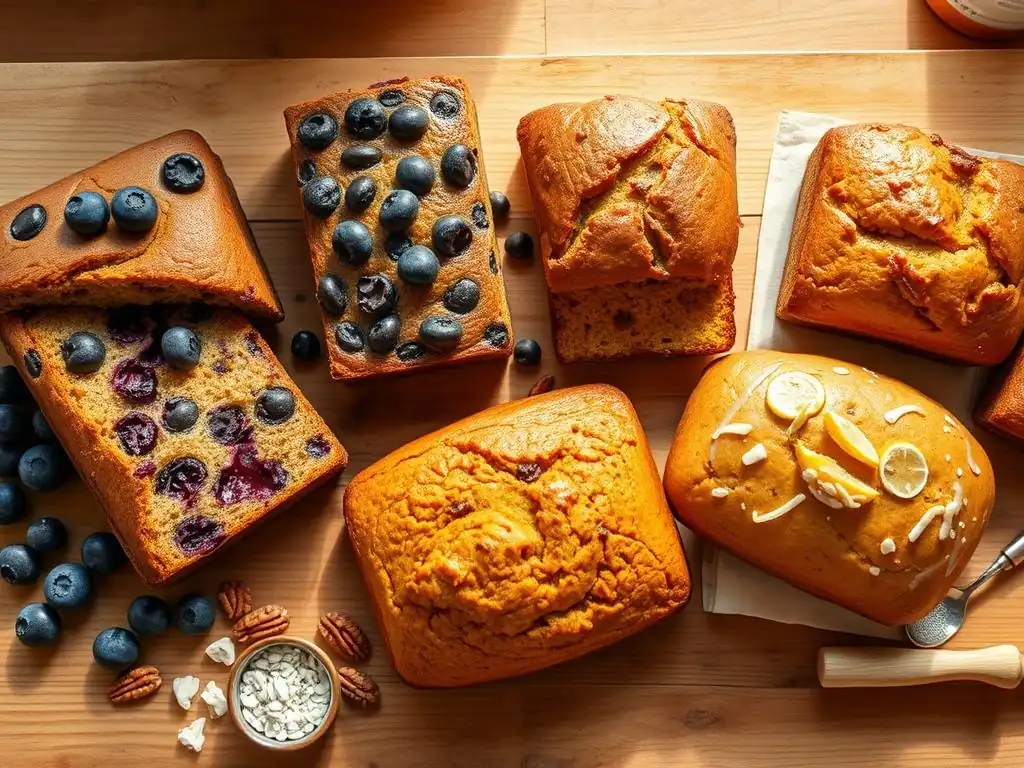
Some quick bread variations recipes have become classics because they are consistently delicious and relatively easy to make. These are great starting points for beginners looking to experiment beyond a plain loaf. Mastering these popular versions provides a solid foundation for creating your own unique quick bread variations recipes.
Let's look at a few beloved examples and how their signature add-ins define them. These recipes demonstrate how simple additions can transform a basic batter into something truly special and widely appealing.
Classic Banana Bread with Nut Variations
Banana bread is arguably the most iconic quick bread, beloved for its moist texture and sweet flavor derived from mashed ripe bananas. A standard recipe for a 9x5 inch loaf typically uses 2-3 very ripe bananas, mashed. The natural sweetness allows for a slightly reduced sugar content compared to other quick breads.
Adding nuts is a common variation that enhances the texture and flavor of banana bread. Walnuts or pecans are most popular, adding a pleasant crunch that contrasts with the soft crumb. Incorporating about 3/4 cup of chopped nuts folded in at the end of mixing transforms a simple banana bread into a classic banana nut quick bread, one of the most popular quick bread variations recipes.
Zucchini Bread with Savory Herb Twists
Zucchini bread is a fantastic way to use up summer squash. Despite the vegetable base, it's often made sweet, with spices like cinnamon and nutmeg. A standard loaf might use 1 to 1.5 cups of grated zucchini, squeezed of excess moisture. The zucchini adds incredible moisture, resulting in a wonderfully tender crumb.
While sweet versions are common, zucchini bread also lends itself well to savory quick bread variations recipes. Omitting or reducing the sugar and adding ingredients like shredded cheddar cheese (about 1 cup) and fresh herbs such as dill or chives (1-2 tablespoons chopped) creates a delicious savory loaf perfect with soup or salad. This demonstrates how a single base can lead to very different quick bread variations recipes depending on the add-ins.
Pumpkin Quick Bread with Spice and Nut Additions
Pumpkin quick bread is a quintessential autumn bake, celebrated for its warm spices and moist texture. It typically uses about 1 to 1.5 cups of pumpkin puree (not pumpkin pie filling) per standard loaf. The puree provides moisture and a subtle earthy sweetness.
The defining characteristic of pumpkin quick bread variations recipes is the spice blend, usually heavy on cinnamon, nutmeg, cloves, and ginger (often 1-2 teaspoons total). Additions like chopped pecans or walnuts (about 1/2 cup) complement the spices and add texture. Chocolate chips (about 1 cup) are also a popular, more decadent addition, creating a delightful contrast with the pumpkin and spice base. These combinations make for comforting and flavorful quick bread variations recipes.
Tips for Experimenting with Custom Quick Bread Recipes
Once you've tried a few classic quick bread variations recipes, you might feel ready to create your own. Experimenting is a fun part of baking, but a few tips can help ensure your custom quick breads turn out successfully. Start small and make gradual changes.
Keep notes on your experiments! Record what add-ins you used, how much, and any changes you made to the base recipe. This helps you replicate successes and learn from attempts that didn't quite work, refining your approach to creating unique quick bread variations recipes.
Ingredient Substitutions to Create New Variations
Substituting ingredients is a great way to customize quick bread variations recipes. For example, you can swap out the type of flour (though be mindful that using significant amounts of whole wheat or gluten-free flours may require liquid adjustments). Using buttermilk instead of regular milk adds tanginess and helps activate baking soda for a lighter crumb.
Different fats can also change the outcome. Melted butter provides richness and flavor, while oil often results in a slightly moister loaf. Experiment with different types of sugar (brown sugar adds moisture and a caramel note) or even liquid sweeteners, keeping in mind that liquid amounts may need adjustment. These simple swaps can lead to exciting new quick bread variations recipes.
Using Seasonal Produce for Fresh Quick Bread Flavors
Incorporating seasonal fruits and vegetables is an excellent way to create fresh and flavorful quick bread variations recipes year-round. In spring, think rhubarb or strawberries. Summer offers an abundance of berries, peaches, and zucchini. Fall is perfect for apples, pumpkins, and cranberries. Winter can feature citrus or dried fruits.
Using produce when it's in season means it's at its peak flavor and often more affordable. Ensure fruits are chopped to an appropriate size (often around 1/2 inch pieces for larger fruits) and consider tossing wetter fruits in a bit of flour to prevent sinking. This approach keeps your quick bread variations recipes exciting and aligned with the bounty of the season.
Troubleshooting Common Problems When Adding Mix-Ins
Adding mix-ins can sometimes lead to common quick bread problems. One frequent issue is add-ins sinking to the bottom. This can happen if the batter is too thin or if the add-ins are too heavy or wet. Tossing wet or heavy items like berries or chocolate chips in a tablespoon of flour before folding them in can help them suspend in the batter.
Another issue is uneven baking or a dense texture, which can occur if too many add-ins are used relative to the batter volume, or if the batter is overmixed after adding them. Aim for a ratio where add-ins constitute roughly 1/4 to 1/3 of the total batter volume. If your quick bread variations recipes turn out dense, try reducing the amount of mix-ins or ensuring you are folding gently.
Baking Techniques to Perfect Your Customized Quick Breads
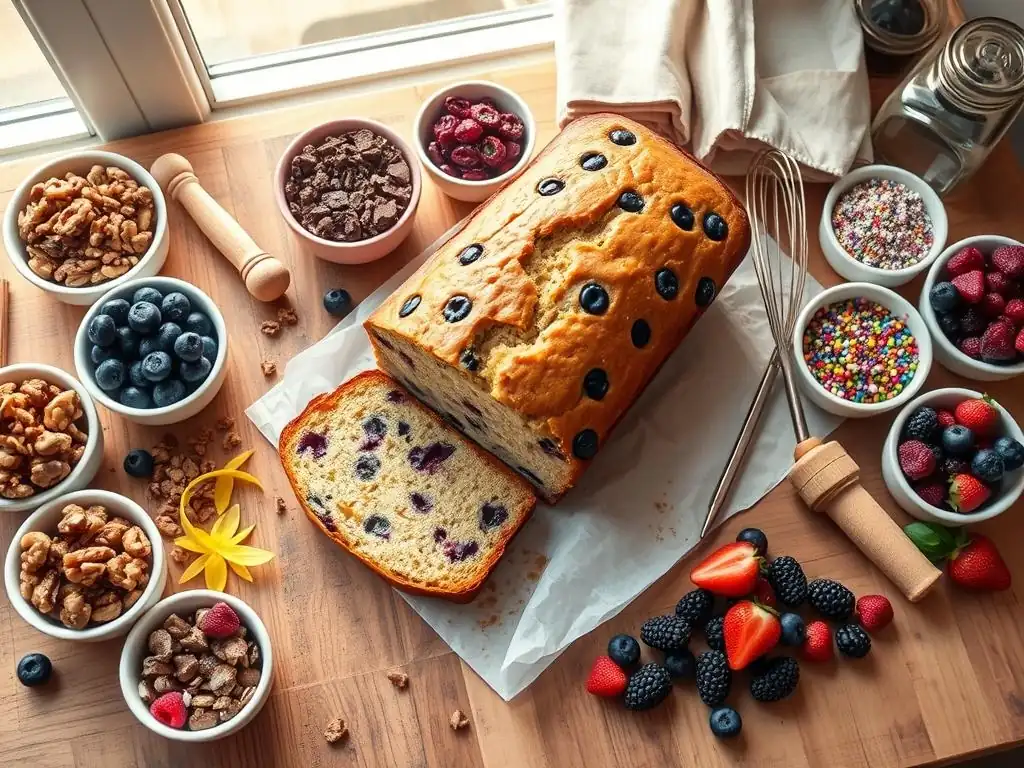
Beyond mixing, the baking process itself is crucial for achieving a perfectly cooked quick bread, especially when dealing with variations that include different add-ins. The right oven temperature, baking time, and method for testing doneness ensure your loaf is cooked through without being dry or burnt.
Understanding these techniques will help you consistently produce delicious quick bread variations recipes, regardless of the specific mix-ins you choose. Proper baking ensures the internal structure is set and the flavors meld beautifully.
Optimal Oven Settings for Moist and Even Baking
Most quick bread variations recipes bake best in a moderate oven, typically between 325°F and 375°F (160°C to 190°C). Lower temperatures (like 325°F) for a longer time can result in a moister loaf with less doming, which is often desirable. Higher temperatures (like 375°F) can help the loaf rise quickly and brown nicely.
It's essential to preheat your oven fully before placing the quick bread inside. An underheated oven can affect the rise. Baking in the center rack usually provides the most even heat distribution. If the top of your quick bread variations recipes starts browning too quickly before the inside is done, you can tent it loosely with aluminum foil.
Testing Doneness in Quick Breads with AddIns
Determining when a quick bread with add-ins is done requires more than just looking at the color of the crust. The presence of moist add-ins like fruit or chocolate can make the traditional toothpick test slightly tricky. While a clean toothpick inserted into the center is a good indicator, hitting a piece of melted chocolate or a soft piece of fruit will result in a moist crumb even if the batter around it is cooked.
Instead, insert a toothpick or thin skewer into several spots in the center of the loaf, avoiding visible add-ins if possible. It should come out clean or with only a few moist crumbs attached. Another indicator is the internal temperature; quick breads are typically done when the center reaches about 200-210°F (93-99°C). The top should also spring back when gently pressed. These methods are reliable for testing doneness in various quick bread variations recipes.
Cooling and Storing Tips to Preserve Flavor and Texture
Proper cooling is just as important as baking for quick bread variations recipes. Once removed from the oven, let the quick bread cool in its pan on a wire rack for 10-20 minutes. This allows the loaf to firm up slightly before you attempt to remove it. Running a knife around the edges can help loosen it.
After the initial cooling in the pan, transfer the quick bread directly onto the wire rack to cool completely. Cooling on a rack allows air circulation, preventing the bottom from becoming soggy. Store cooled quick breads wrapped tightly in plastic wrap or in an airtight container at room temperature for 2-3 days. For longer storage, wrap tightly and freeze for up to 3 months. Proper storage helps maintain the moisture and flavor of your quick bread variations recipes.
Conclusion: Mastering Quick Bread Variations Recipes for Personalized Baking Success
Quick breads offer a fantastic entry point into the world of baking, and their adaptability through add-ins and variations makes them incredibly rewarding. From understanding the basic batter to incorporating sweet or savory mix-ins, adjusting consistency, and mastering baking techniques, you now have the tools to create a wide array of delicious quick bread variations recipes.
Don't be afraid to experiment! Start with classic combinations like banana nut or zucchini cheddar, then venture into your own unique creations using seasonal ingredients or favorite flavor profiles. Each loaf you bake is an opportunity to learn and refine your skills. With these tips and techniques, you're well on your way to mastering quick bread variations recipes and enjoying the simple pleasure of baking personalized, homemade treats. Happy baking!
Frequently Asked Questions
What exactly is a quick bread, and why is it considered "quick"?
A quick bread is a bread leavened by chemical agents like baking powder or baking soda, not yeast. This allows for faster baking times compared to traditional yeast breads.
What are some easy add-ins I can use to customize my quick bread recipe?
Popular add-ins include chocolate chips, nuts, berries, and dried fruits. You can also experiment with spices like cinnamon or nutmeg for added flavor.
Can I substitute ingredients in a quick bread recipe, and if so, what are some common substitutions?
Yes, substitutions are often possible! Common swaps include applesauce for oil, or different types of milk. However, be mindful that substitutions can affect the texture and flavor of your bread.
How do I ensure my quick bread doesn't turn out dry?
Avoid overmixing the batter, as this develops gluten and can result in a tough bread. Also, be careful not to overbake the bread; use a toothpick to test for doneness.
What are some unique and unexpected flavor combinations I can try in my quick bread?
Consider adding ingredients like zucchini and walnuts, cranberry and orange zest, or maple and bacon for a unique flavor profile. Don't be afraid to experiment!
Final Reflection: The Enduring Magic of Quick Breads
The humble quick bread, far from being a simple recipe, offers a boundless canvas for culinary creativity. Its ease of preparation belies the depth of flavor and personalization possible, making it a perfect entry point for bakers of all skill levels. This exploration into add-ins and variations highlights not just the technical aspects of baking, but the joy of experimentation and the satisfaction of creating something uniquely your own.
The impact of quick breads extends far beyond the kitchen table; they represent a connection to tradition, a celebration of seasonal ingredients, and a testament to the power of simple recipes to bring people together. Baking is at once child's play and adult joy. And love, of course.
This quote perfectly encapsulates the spirit of quick bread baking – a process accessible to all, yet capable of yielding results that are deeply satisfying and emotionally resonant. The ability to adapt a basic recipe to reflect personal preferences and available ingredients fosters a sense of ownership and accomplishment, enriching the entire baking experience.
Now, consider your own kitchen. What unique flavors are calling to you? What seasonal ingredients are ripe for the picking? Don't be afraid to experiment, to deviate from the recipe, to infuse your own personality into each loaf. The true magic of quick bread lies not in following a formula precisely, but in embracing the freedom to create something delicious and entirely your own. Let this exploration inspire you to embark on your own quick bread journey, filled with delightful discoveries and the warm satisfaction of sharing your creations with others.
Unleash Your Inner Baker: Customize Your Quick Bread!
Thanks for joining us on this quick bread adventure! You've now got the foundational knowledge to create delicious, personalized loaves. Ready to take your baking to the next level?
- Experiment with Add-Ins: Try swapping out the raisins for cranberries, chocolate chips, or even chopped nuts! This is where your creativity truly shines. What unique flavor combination will you discover?
- Share Your Creations: Show off your masterpiece! Post a picture of your customized loaf on social media and tag us – we'd love to see your baking brilliance.
- Dive Deeper into Quick Breads: Explore our other recipes on bakewithease.com for even more inspiration and techniques. Which flavor profile will tempt you next?