
Simple Steps for Moist & Flavorful Muffins

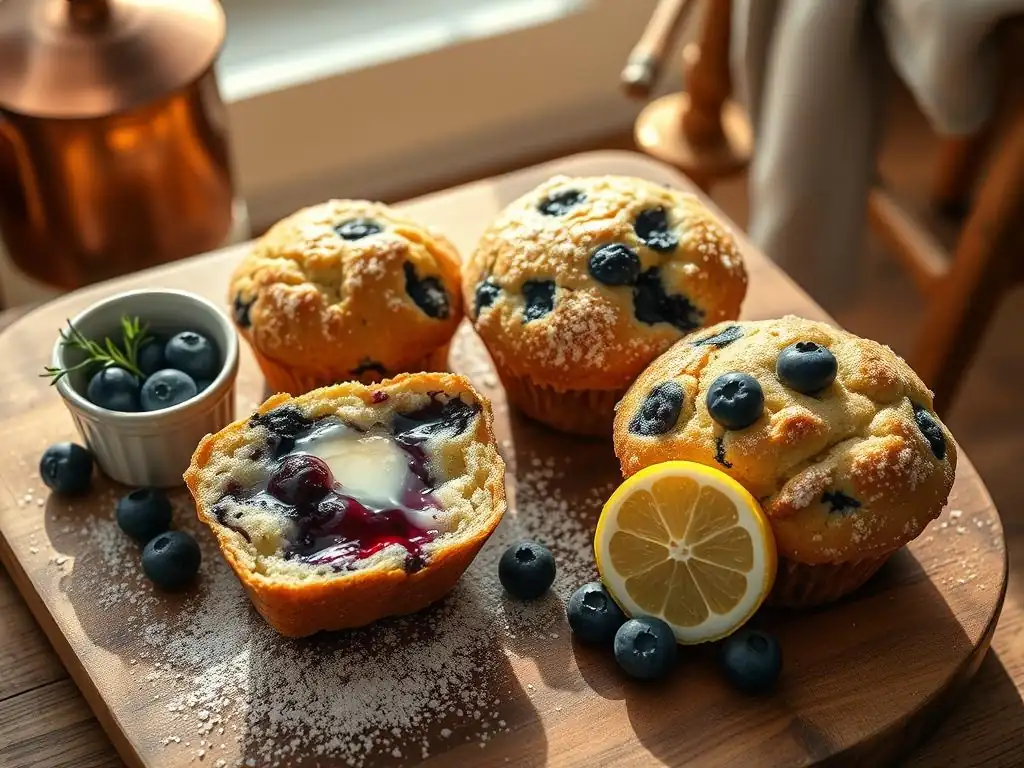
Welcome to BakeWithEase, your guide to confident baking! Ever wondered how to achieve that perfectly moist and flavorful muffin, the kind that makes mornings brighter? You're in the right place. We're diving into a simple, step-by-step moist and flavorful muffin recipe that will have you baking like a pro in no time. Get ready to unlock the secrets to bakery-worthy muffins right in your own kitchen... Ready to bake?
- Simple Steps for Moist & Flavorful Blueberry Muffins
- Introduction: BakeWithEase' Guide to Perfect Blueberry Muffins
- Essential Ingredients for Delicious Blueberry Muffins
-
Step-by-Step Guide: Baking Moist and Flavorful Blueberry Muffins
- Step 1: Preparing Your Ingredients and Equipment
- Step 2: Combining Dry Ingredients for Even Distribution
- Step 3: Mixing Wet Ingredients for a Luscious Batter
- Step 4: Gently Combining Wet and Dry Ingredients
- Step 5: Filling Muffin Tins for Uniform Baking
- Step 6: Baking Your Muffins to Golden Perfection
- Step 7: Cooling and Enjoying Your Freshly Baked Muffins
- Tips and Tricks for Extra Flavorful Blueberry Muffins
- Troubleshooting Common Muffin Baking Problems
- Conclusion: Mastering the Art of Moist and Flavorful Blueberry Muffins with BakeWithEase
-
Frequently Asked Questions
- What are the key ingredients for achieving a moist and flavorful muffin?
- What's the best way to prevent muffins from becoming dry?
- Can I substitute ingredients in a muffin recipe to make it healthier?
- What's the secret to getting a nice dome on my muffins?
- How should I store muffins to keep them moist?
- Final Reflection: The Enduring Allure of the Perfect Muffin
- Unlock Your Inner Baker: Make Perfect Muffins Today!
Simple Steps for Moist & Flavorful Blueberry Muffins
Introduction: BakeWithEase' Guide to Perfect Blueberry Muffins
Welcome to Blueberry Muffin Mastery: Your Journey Starts Here
There's something incredibly comforting about a warm, freshly baked blueberry muffin. That perfect balance of a tender crumb, bursts of juicy blueberries, and a hint of sweetness is a simple joy in baking. However, achieving that ideal texture – wonderfully moist and bursting with flavor – can sometimes feel elusive. Many home bakers struggle with dry or tough results.
At BakeWithEase, we believe everyone can master the art of baking delicious muffins. This guide is specifically crafted to walk you through the process, focusing on the key techniques and ingredients that make all the difference. Forget crumbly, flavorless muffins; we're here to help you bake consistently moist and flavorful blueberry muffins that will impress everyone, including yourself!
Why This Moist and Flavorful Blueberry Muffin Recipe is a Must-Try
This particular approach to baking blueberry muffins emphasizes hydration and gentle handling, two critical factors often overlooked in basic recipes. By focusing on ingredient quality and specific mixing techniques, we unlock the secret to a truly tender crumb that stays moist for days. It's about more than just adding blueberries; it's about creating the perfect environment for them to shine within a beautifully textured baked good.
What sets this moist and flavorful muffin recipe apart is its reliability. We address common pitfalls head-on, providing clear instructions designed to prevent dryness and toughness. You'll learn how simple adjustments, like using buttermilk or ensuring ingredients are at the right temperature, can elevate your muffins from good to exceptional. This isn't just another recipe; it's a foundational method for baking muffins that are consistently delightful.
Essential Ingredients for Delicious Blueberry Muffins
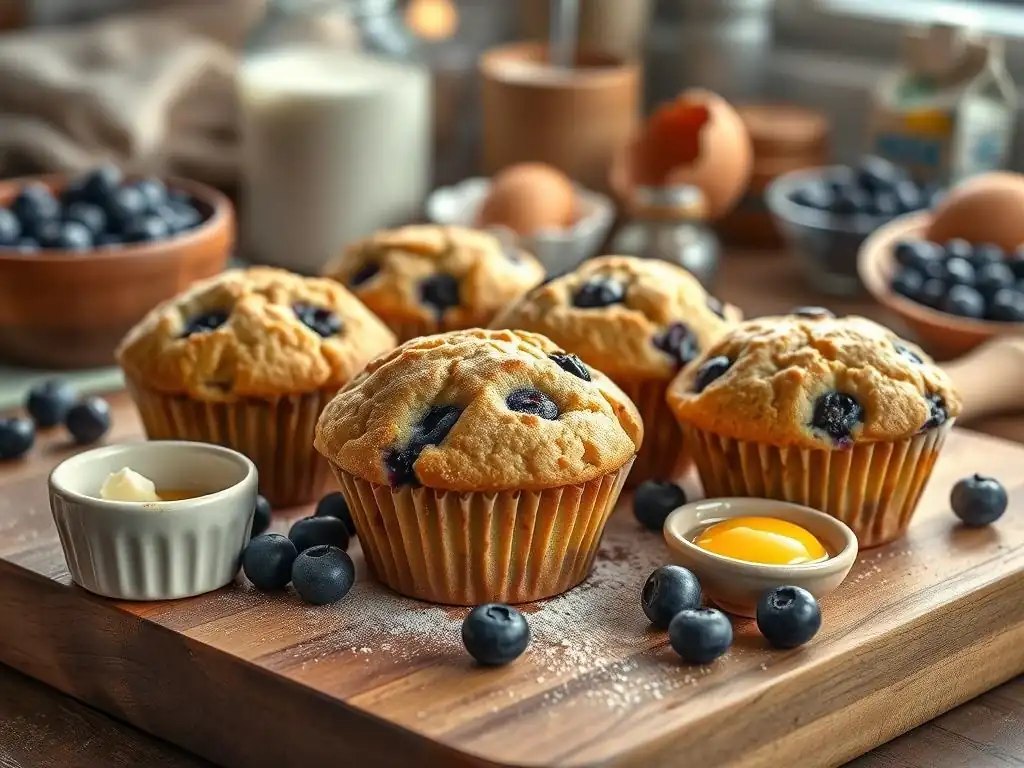
High-Quality Ingredients for the Best Muffin Texture and Taste
The foundation of any truly delicious baked good lies in the quality of its ingredients. For blueberry muffins, this means selecting fresh, vibrant blueberries and pantry staples that haven't been sitting on the shelf indefinitely. Using fresh ingredients ensures optimal flavor and performance during baking. For example, fresh baking powder, typically effective for 6-12 months after opening, is crucial for achieving a good rise and light texture, directly impacting the overall moisture and tenderness of the finished muffin.
Furthermore, the quality of dairy and fats plays a significant role in both texture and richness. Using good quality butter contributes rich flavor and helps create a tender crumb structure. Similarly, fresh eggs provide essential binding and moisture. While exact metrics vary by product, opting for ingredients that are within their prime freshness window, like flour used within a few months of purchase or dairy before its expiration date, contributes significantly to developing a moist and flavorful muffin recipe that consistently yields excellent results.
Flour: The Foundation of Your Muffin's Flavor
All-purpose flour is the most common choice for muffins due to its moderate protein content, typically ranging from 10% to 12%. This protein level provides enough structure to hold the muffins together without making them excessively tough, provided they are mixed correctly. The way flour is measured is also paramount; simply scooping flour directly from the bag can result in up to 25% more flour by weight than intended, leading to a dry, dense muffin.
To ensure accuracy and the correct flour-to-liquid ratio for a moist and flavorful muffin recipe, it's best practice to lightly spoon the flour into your measuring cup and level it off with a straight edge. Alternatively, weighing your flour is the most precise method, aiming for approximately 120-130 grams per cup, depending on the specific flour and measurement standard (like the King Arthur Baking standard of 120g/cup). This careful approach to flour measurement is a fundamental step in preventing dry muffins and building a tender structure.
Buttermilk: Achieving Optimal Moisture in Your Muffins
Buttermilk is a star ingredient in many moist and flavorful muffin recipes, and for good reason. Its slight acidity, typically with a pH around 4.5, reacts with baking soda (often used alongside baking powder in muffin recipes) to produce carbon dioxide gas, which helps the muffins rise and become tender. More importantly, the acidity helps break down gluten strands, resulting in a softer, more delicate crumb compared to using regular milk.
Beyond its leavening properties, buttermilk contributes significant moisture and richness without adding excessive fat. Its thicker consistency coats the flour particles effectively, ensuring even hydration throughout the batter. If you don't have buttermilk on hand, you can create a passable substitute by stirring one tablespoon of white vinegar or lemon juice into one cup of regular milk and letting it sit for about 5-10 minutes until it slightly thickens and curdles. While not identical, this substitute provides some of the necessary acidity and moisture for a great muffin texture.
Eggs: Binding and Structure for Muffin Perfection
Eggs play multiple crucial roles in baking, acting as binders, leaveners, and contributors to richness, color, and structure. In a moist and flavorful muffin recipe, eggs help emulsify the wet ingredients, creating a smooth batter that holds together well. The proteins in eggs coagulate during baking, providing the necessary structure that prevents the muffins from collapsing while keeping the crumb tender.
Using large eggs, which weigh approximately 50-57 grams each, is standard in most recipes and ensures the correct balance of ingredients. Bringing eggs to room temperature before mixing is also beneficial. Room temperature eggs disperse more evenly into the batter and create a better emulsion with fats and liquids, leading to a more uniform texture and rise. This simple step can make a noticeable difference in the final structure and tenderness of your muffins.
Step-by-Step Guide: Baking Moist and Flavorful Blueberry Muffins
Step 1: Preparing Your Ingredients and Equipment
Measuring Accurately for Consistent Results
Precision in measuring is non-negotiable for consistent baking success, especially when aiming for a perfectly moist and flavorful muffin recipe. For dry ingredients like flour, sugar, baking powder, and baking soda, use dry measuring cups and level off the excess with a straight edge. Avoid packing down ingredients like flour or brown sugar unless the recipe specifically instructs you to.
Liquid ingredients, such as buttermilk, milk, or oil, should be measured using liquid measuring cups, which have a spout and markings along the side. Place the cup on a flat surface and read the measurement at eye level to ensure accuracy. Having all your ingredients measured out before you begin mixing, often called "mise en place," streamlines the process and reduces the chance of errors.
Setting Up Your Baking Station
Preparation extends beyond just measuring ingredients. Preheat your oven to the specified temperature, typically around 375°F (190°C) for muffins, as a slightly higher initial temperature can help create a nice dome. Prepare your muffin tin by lining it with paper or foil liners, or by greasing and flouring each cup if you prefer not to use liners.
Ensure you have all the necessary tools readily available: mixing bowls (one for dry, one for wet), a whisk, a rubber spatula or wooden spoon, measuring cups and spoons, and a cooling rack. A cookie scoop or ice cream scoop is also helpful for portioning batter evenly into the muffin cups. Having everything organized before you start mixing makes the baking process smoother and more enjoyable.
Step 2: Combining Dry Ingredients for Even Distribution
The Importance of Sifting Dry Ingredients
Sifting dry ingredients like flour, baking powder, baking soda, and salt serves several important purposes. Firstly, it removes any clumps that may have formed in the storage of your ingredients, ensuring a smooth batter. Secondly, sifting helps to aerate the dry ingredients, making them lighter and easier to incorporate evenly into the wet mixture.
Most importantly, sifting ensures that the leavening agents (baking powder and baking soda) and salt are evenly distributed throughout the flour. This even distribution is crucial for a uniform rise and consistent flavor in every bite of your moist and flavorful muffins. While some modern flours are pre-sifted, a quick whisking of the dry ingredients in a bowl can achieve a similar effect if you don't have a sifter.
Coating Blueberries in Flour: Prevents Sinking
A common frustration when baking with berries is having them all sink to the bottom of the muffin cups. A simple yet effective trick to prevent this is to gently toss your blueberries with a small amount of the measured dry ingredients, typically about 1 to 2 tablespoons of the flour mixture. This light coating helps the berries suspend more evenly throughout the batter during baking.
Ensure the blueberries are relatively dry before tossing them with flour. If using frozen blueberries, do not thaw them completely; toss them directly from frozen with the flour mixture. The flour coating creates a slightly sticky surface that helps the batter cling to the berries, preventing them from sinking due to their weight. This step is key to beautifully distributed blueberries throughout your moist and flavorful muffins.
Step 3: Mixing Wet Ingredients for a Luscious Batter
Achieving the Right Emulsion
The wet ingredients in a muffin recipe typically include eggs, sugar, liquid (like buttermilk or milk), melted butter or oil, and flavorings like vanilla extract. Combining these ingredients thoroughly creates an emulsion – a smooth, uniform mixture where the fat and liquid are dispersed evenly. This emulsion is vital for distributing richness and moisture throughout the batter.
Start by whisking the eggs and sugar together until well combined and slightly lighter in color. Then, whisk in the liquid and any other wet ingredients like sour cream or yogurt if your recipe includes them. Finally, gradually whisk in the melted butter or oil. Whisking until the mixture is homogenous ensures that moisture and fat are evenly distributed, contributing to the desired tender and moist crumb structure.
Melted Butter, Not Hot: Prevents Cooking the Eggs
When adding melted butter to the wet ingredients, it is absolutely crucial that the butter is melted but not hot. Hot melted butter can scramble or partially cook the eggs when they are combined, leading to an undesirable texture and potentially affecting the leavening. Allow your butter to cool for a few minutes after melting until it is just warm to the touch.
The ideal temperature for melted butter when combining with other wet ingredients is slightly above room temperature, cool enough not to cook the eggs but still liquid. Gently whisking the cooled melted butter into the egg, sugar, and liquid mixture helps maintain the smooth emulsion. This attention to temperature detail is a small but significant factor in achieving a consistently moist and flavorful muffin.
Step 4: Gently Combining Wet and Dry Ingredients
Avoiding Overmixing: The Key to Tender Muffins
Perhaps the most critical step in achieving a moist and flavorful muffin is not overmixing the batter. When wet and dry ingredients are combined, the gluten in the flour begins to develop. Aggressive or prolonged mixing activates gluten excessively, leading to a tough, chewy texture instead of a tender, light crumb. The goal is simply to hydrate the flour.
Mix the wet and dry ingredients together using a rubber spatula or wooden spoon just until they are barely combined. There should still be visible streaks of flour, and the batter will look lumpy. This is perfectly normal and desirable! A few gentle folds are all that's needed to incorporate the dry ingredients. Stop mixing as soon as you no longer see large pockets of dry flour.
Achieving the Perfect Batter Consistency
The batter for moist and flavorful muffins should be thick and lumpy, not smooth and pourable like cake batter. It should resemble a thick paste with visible dry spots and streaks of flour. This lumpy texture is a visual cue that you haven't overmixed. The lumps will hydrate and smooth out during the resting period (if any) and baking process.
Adding the flour-coated blueberries at this stage is also important. Gently fold them in with just a few strokes of the spatula, ensuring they are distributed without further developing the gluten. Overworking the batter at this point will undo all your efforts to keep it tender. Embrace the lumpiness; it's a sign you're on the right track to delicious muffins.
Step 5: Filling Muffin Tins for Uniform Baking
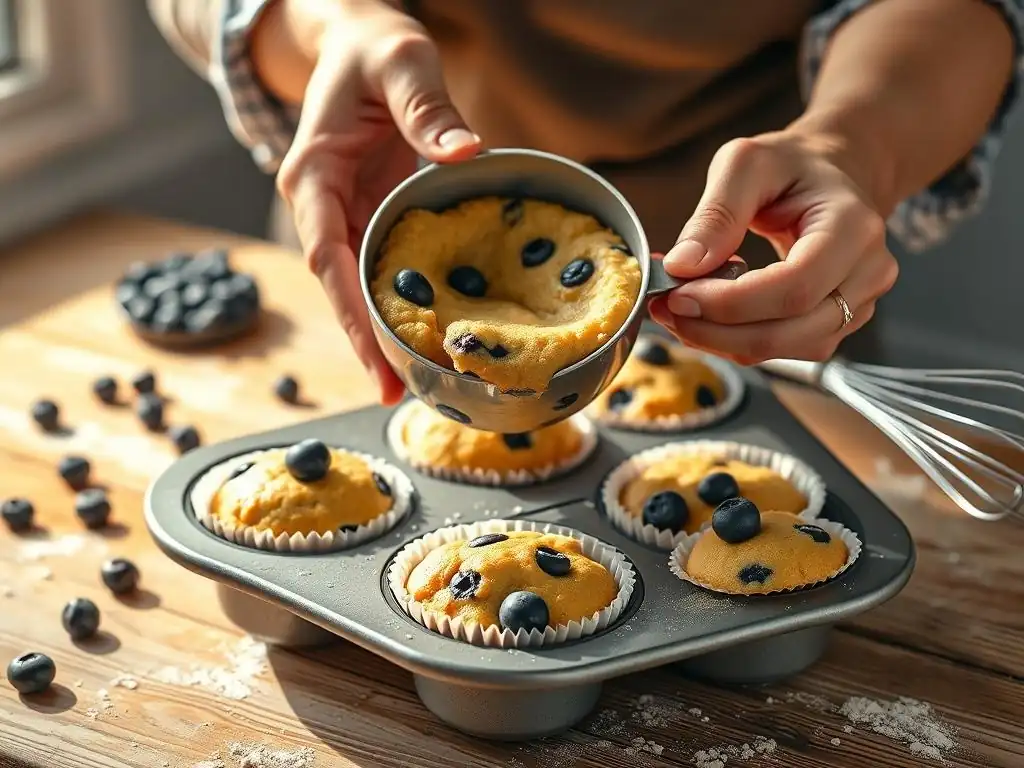
Choosing the Right Muffin Liners
Muffin liners, also known as cupcake liners or paper cups, serve several purposes. They prevent the muffins from sticking to the tin, make cleanup easier, and provide a convenient way to handle the finished muffins. Standard paper liners are common, but foil liners offer slightly better non-stick properties and can help the muffins retain their shape better.
For a more rustic look or if you prefer no liners, ensure your muffin tin is thoroughly greased and floured using butter or shortening and a light dusting of flour. Some bakers also swear by non-stick cooking spray, though it can sometimes leave a residue over time. The choice of liner or greasing method contributes to how easily your moist and flavorful muffins release from the tin.
Filling Levels for Optimal Rise
To achieve those desirable domed tops on your muffins and ensure uniform baking, fill each muffin cup evenly. A standard fill level is about two-thirds to three-quarters full. Using a portion scoop, such as a standard ice cream scoop (approximately 1/4 cup capacity), helps to dispense a consistent amount of batter into each cup, leading to similarly sized muffins that bake at the same rate.
Filling the cups too little will result in flat muffins, while overfilling can cause the batter to spill over the sides, creating a messy "mushroom" shape. Aiming for the 2/3 to 3/4 full mark provides enough room for the batter to rise generously without overflowing, contributing to the appealing appearance and consistent texture of your moist and flavorful muffins.
Step 6: Baking Your Muffins to Golden Perfection
Oven Temperature and Baking Time Guidelines
Proper oven temperature is crucial for achieving the correct rise and internal texture of your muffins. Most recipes call for baking muffins at a moderately high temperature, typically between 375°F and 400°F (190°C to 200°C). This initial heat helps the muffins rise quickly and set their structure before overbaking the exterior. Baking times usually range from 20 to 25 minutes for standard-sized muffins.
However, every oven is different, and temperature variations can occur, sometimes by as much as 25°F (approximately 14°C). Using an oven thermometer is a great way to verify that your oven is heating accurately. Begin checking your muffins at the lower end of the suggested baking time range to avoid overbaking, which is a primary cause of dry muffins.
Testing for Doneness: The Toothpick Test
The most reliable way to determine if your moist and flavorful muffins are fully baked is the toothpick test. Insert a wooden skewer or toothpick into the center of one of the muffins. If it comes out clean or with just a few moist crumbs attached, the muffins are done. If it comes out with wet batter, they need more time.
Check a muffin in the center of the tin, as these often bake slower than those around the edges. Be careful not to mistake melted blueberry juice for undercooked batter; look for actual batter streaks. Once the toothpick test confirms doneness, remove the muffins from the oven immediately to prevent them from drying out.
Step 7: Cooling and Enjoying Your Freshly Baked Muffins
Proper Cooling Techniques for Moist Muffins
Allowing your muffins to cool correctly is just as important as the baking process itself for maintaining moisture. Leave the muffins in the hot tin for only a minute or two after removing from the oven. This brief period allows them to set slightly before handling.
Promptly transfer the muffins from the tin to a wire cooling rack. Cooling on a wire rack allows air to circulate around the entire muffin, preventing the bottoms from becoming soggy due to retained heat and steam. Letting them cool completely on the rack helps the internal structure stabilize and traps moisture inside, ensuring they remain wonderfully moist and flavorful.
Serving Suggestions and Storage Tips
Moist and flavorful blueberry muffins are often best enjoyed warm, perhaps split open and spread with a little butter. Allow them to cool for at least 10-15 minutes on the wire rack before serving to prevent burning yourself on the hot berries.
For storage, once completely cool, store muffins in an airtight container at room temperature for up to 2-3 days. For longer storage, muffins freeze exceptionally well. Wrap individual muffins tightly in plastic wrap, then place them in a freezer-safe bag or container for up to 2-3 months. Thaw at room temperature or gently reheat in a microwave or oven.
Tips and Tricks for Extra Flavorful Blueberry Muffins
Elevating Your Muffin Game: Flavor Enhancement Ideas
While blueberries provide a delightful base flavor, there are several simple additions you can make to enhance the overall taste profile of your moist and flavorful muffins. Think beyond just the main ingredients and consider how complementary flavors can add complexity and brightness. These small tweaks can transform a standard muffin into something truly memorable.
Incorporating spices, extracts, or citrus zest can layer flavors and make each bite more interesting. The goal is to complement the sweetness of the blueberries without overpowering them. Experimenting with these flavor boosters is part of the fun in mastering your favorite moist and flavorful muffin recipe.
Adding Lemon Zest for Brightness
Lemon zest is a classic pairing with blueberries for a reason. The fragrant oils in the zest provide a bright, citrusy note that cuts through the richness of the muffin and perfectly complements the sweet-tartness of the berries. Adding the zest of about half a medium lemon (approximately 1 teaspoon) to the wet ingredients can significantly lift the overall flavor profile.
Ensure you only zest the yellow part of the lemon skin, avoiding the bitter white pith underneath. Use a microplane or fine grater for the best results. The aromatic compounds in lemon zest are volatile, so adding it towards the end of the wet ingredient mixing helps preserve its potency. This simple addition is highly effective in creating truly flavorful blueberry muffins.
Using Vanilla Extract for Warmth
Vanilla extract is a foundational flavor enhancer in almost all baked goods, and muffins are no exception. It adds a warm, sweet aroma and depth of flavor that rounds out the other ingredients. Using pure vanilla extract, rather than imitation vanilla, will provide a more authentic and robust flavor.
Adding 1 to 2 teaspoons of good quality vanilla extract to the wet ingredients is typically sufficient for a standard batch of 12 muffins. Vanilla helps to bridge the flavors of the flour, sugar, butter, and berries, contributing to a harmonious and delicious final product. Its presence is subtle but essential in creating that comforting, familiar taste of a perfect moist and flavorful muffin.
Secret Ingredients for Ultimate Muffin Moistness
Beyond the basic liquid and fat, several ingredients can act as moisture boosters, contributing to an exceptionally tender and moist crumb that lasts longer. Sour cream or plain yogurt, for instance, add fat and acidity, similar to buttermilk but with a richer texture. Substituting some of the liquid or fat with an equal amount of full-fat sour cream or yogurt (e.g., replacing 1/4 cup of buttermilk with 1/4 cup of sour cream) can significantly increase moisture.
Another excellent moisture-enhancing ingredient is brown sugar. The molasses content in brown sugar not only adds a subtle caramel flavor but also attracts and retains moisture better than white sugar. Using a blend of white and brown sugar, or even replacing all the white sugar with light brown sugar, can contribute to a softer, more flavorful muffin texture. Ingredients like applesauce or mashed banana can also add moisture and tenderness, although they will also impart their own flavor.
Troubleshooting Common Muffin Baking Problems
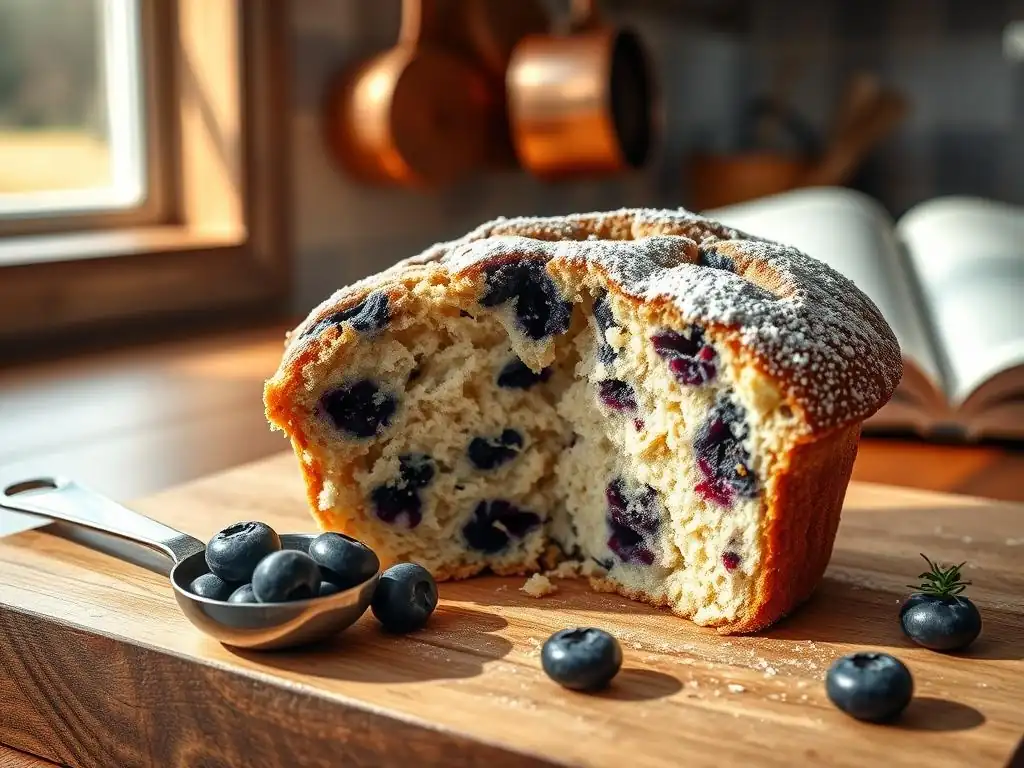
Addressing Dry Muffins: Hydration Solutions
Dry muffins are a common frustration, often resulting from overbaking, incorrect ingredient measurement (especially flour), or an insufficient amount of liquid or fat in the recipe. Overbaking evaporates too much moisture; even a few extra minutes in the oven can turn a tender muffin dry. Using an oven thermometer and checking for doneness with the toothpick test precisely at the recommended time is crucial.
Ensuring accurate measurement of flour, ideally by weight (approx. 120-130g per cup), prevents accidentally adding too much dry ingredient. If a recipe consistently yields dry results, consider slightly increasing the amount of liquid (buttermilk, milk, or yogurt) by a tablespoon or two, or incorporating a moisture-rich ingredient like sour cream or brown sugar as discussed previously. Maintaining the correct wet-to-dry ratio, often close to 1:1 or slightly more liquid by weight in a good moist and flavorful muffin recipe, is key to adequate hydration.
Preventing Tough Muffins: Overmixing Awareness
Tough, rubbery muffins are almost always a result of overmixing the batter. When flour is mixed with liquid, gluten develops. The more you mix, the more the gluten network strengthens, leading to a chewy, bread-like texture instead of a tender, cake-like one. This is why the instruction to mix just until combined is so vital.
Once the wet and dry ingredients are brought together, use a gentle hand and fold only until no large dry streaks remain. Lumps are okay! Resisting the urge to achieve a smooth batter is essential. Educating yourself on the visual cues of properly mixed muffin batter (lumpy, not smooth) and using a spatula or wooden spoon for mixing rather than an electric mixer can significantly help prevent overdeveloping gluten and ensure your muffins are wonderfully tender.
Fixing Uneven Rising: Temperature and Mixing Adjustments
Unevenly risen muffins can be caused by several factors, including inconsistent oven temperature, uneven distribution of leavening agents, or unevenly filled muffin cups. Ovens can have hot spots, leading some muffins to brown and rise faster than others. Using an oven thermometer helps verify the temperature, and rotating the muffin tin halfway through the baking time can promote more even cooking.
Ensuring leavening agents like baking powder and baking soda are fresh and evenly distributed throughout the dry ingredients (by sifting or whisking) is also critical for uniform lift. Finally, using a scoop to fill muffin cups with a consistent amount of batter helps ensure that each muffin rises similarly and bakes at the same rate. These adjustments contribute to a batch of moist and flavorful muffins that look as good as they taste.
Avoiding Sinking Blueberries: Ingredient Balance
Blueberries sinking to the bottom of muffins is a common issue, often due to their weight relative to the batter's consistency or improper preparation. A batter that is too thin or wet may not be able to suspend the berries effectively. Ensuring the correct wet-to-dry ratio is important, as a thicker batter provides more support.
The most effective preventative measure is gently tossing the blueberries in a tablespoon or two of the dry flour mixture before adding them to the batter. This light coating helps the berries adhere to the batter and stay suspended. Using fresh blueberries tends to result in less sinking than frozen berries, especially if frozen berries aren't added directly from the freezer (which can cool the batter too much and make it thinner temporarily). If using frozen berries, ensure they are coated in flour and folded in quickly.
Conclusion: Mastering the Art of Moist and Flavorful Blueberry Muffins with BakeWithEase
Your Journey to Muffin Perfection: Recap and Encouragement
You've now walked through the essential steps and learned the key techniques for baking truly moist and flavorful blueberry muffins. From selecting high-quality ingredients and understanding their roles, like the magic of buttermilk and the structure provided by eggs, to mastering the gentle art of mixing and the science of baking temperature, you have the knowledge to bake with confidence. Remember the importance of accurate measurement, avoiding overmixing, and proper cooling.
Achieving muffin perfection is a rewarding journey, and every batch is a learning opportunity. Don't be discouraged if your first attempt isn't absolutely flawless. Baking is a skill that improves with practice. By focusing on these fundamental principles – hydration, gentle handling, and precise baking – you are well on your way to consistently baking muffins that are wonderfully tender, moist, and bursting with delicious blueberry flavor. Keep practicing, and you'll soon be baking like a pro!
We hope this guide empowers you to create the best blueberry muffins you've ever baked. The joy of baking lies not only in the process but also in sharing the delicious results. Whether you've achieved sky-high domes or perfected the tenderest crumb, your baking successes are worth celebrating.
We love seeing what our community bakes! Share photos of your beautiful, moist and flavorful blueberry muffins. Tell us about your baking adventures, the tips that worked best for you, or any variations you tried. Your experiences help inspire and educate fellow bakers on their own journeys to muffin mastery. Happy baking from all of us at BakeWithEase!
Frequently Asked Questions
What are the key ingredients for achieving a moist and flavorful muffin?
The keys are using oil or melted butter for moisture, adding sour cream or yogurt for tenderness, and incorporating flavor enhancers like vanilla extract or spices.
What's the best way to prevent muffins from becoming dry?
Avoid overmixing the batter as it develops gluten, leading to tough muffins. Also, be careful not to overbake; use a toothpick to check for doneness.
Can I substitute ingredients in a muffin recipe to make it healthier?
Yes, you can substitute whole wheat flour for some of the all-purpose flour. You can also reduce the sugar content slightly or replace it with natural sweeteners like applesauce.
What's the secret to getting a nice dome on my muffins?
A hot oven is crucial for a good dome. Fill the muffin cups almost to the top and avoid opening the oven door frequently during baking.
How should I store muffins to keep them moist?
Store muffins in an airtight container at room temperature. For longer storage, you can freeze them individually and thaw as needed to maintain the freshness and moisture.
Final Reflection: The Enduring Allure of the Perfect Muffin
The pursuit of the perfect muffin—moist, flavorful, and utterly delightful—is a timeless culinary quest. And while seemingly simple, the journey to achieving that perfect crumb reveals a surprising depth of understanding about baking techniques and ingredient interactions. This article has explored those intricacies, offering practical steps to elevate your muffin game from ordinary to extraordinary.
The impact of a good muffin recipe extends far beyond the simple act of baking. It's about creating comforting memories, sharing joy with loved ones, and finding solace in the familiar ritual of creating something delicious from scratch. Baking is at once child's play and adult joy. And love, of course.
This quote perfectly encapsulates the emotional connection we often have with baking, and muffins, in their approachable simplicity, are a perfect embodiment of this sentiment. The simple act of creating something so universally loved speaks to a deeper human need for connection and comfort.
Now, I invite you to take what you've learned and embark on your own muffin-making adventures. Experiment with different flavors, explore variations on the techniques outlined, and most importantly, enjoy the process. Don't be afraid to fail—even the most experienced bakers have their off days. The true reward lies not just in the perfectly golden-brown top and tender crumb, but in the journey of discovery and the joy of sharing your creations with others. So, grab your apron, gather your ingredients, and let the baking begin!
Unlock Your Inner Baker: Make Perfect Muffins Today!
Thanks for joining us on this muffin-making adventure! We hope you've gained some delicious inspiration and newfound confidence in the kitchen. Ready to create those perfectly moist and flavorful muffins you've always dreamed of?
- Bake a batch today! Use the tips and tricks we shared to whip up a delicious batch. Don't forget to experiment with your favorite flavors!
- Share your creations! Show us your masterpiece – tag us on social media with your baking journey!
- Explore new recipes: Head over to BakeWithEase.com to find even more inspiring recipes!
What unique flavor combination will you try in your next muffin adventure?