
The Simplest Banana Bread Recipe for Your First Bake

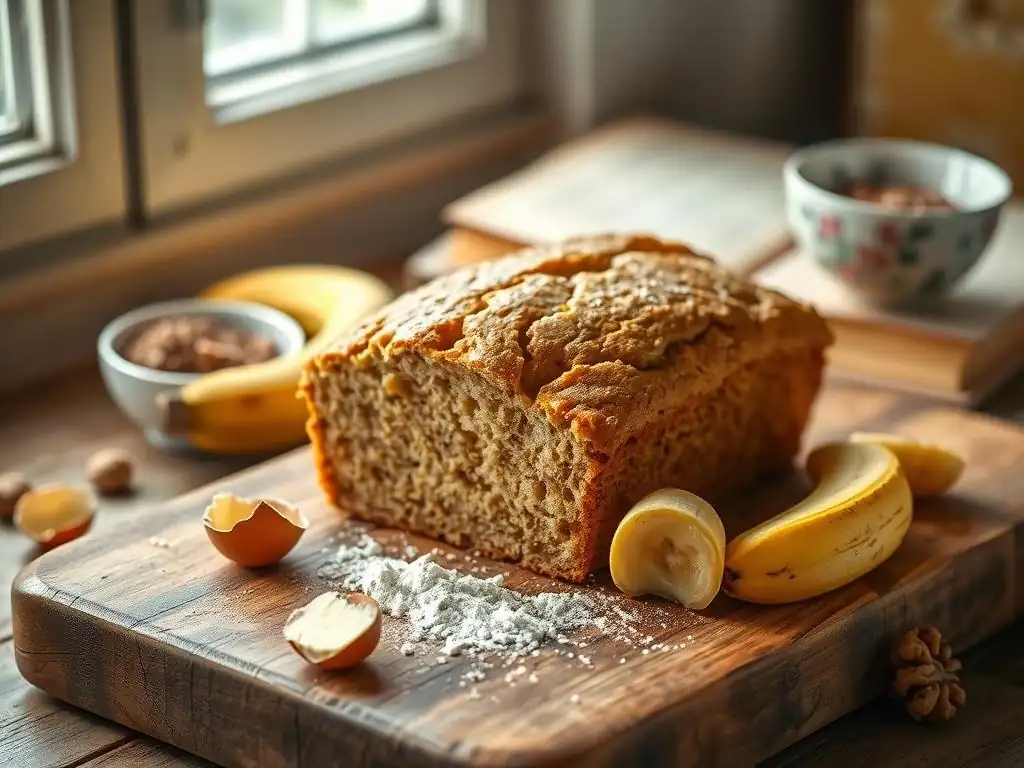
Welcome to BakeWithEase! Ever dreamed of filling your kitchen with the comforting aroma of freshly baked banana bread? You've come to the right place. Our easy banana bread beginner recipe is designed to empower even the most novice baker to create a delicious loaf. Intrigued? Discover the secrets to a moist, flavorful, and utterly irresistible banana bread, and unlock a world of baking possibilities. Get ready to bake with ease!
- Classic Banana Bread Recipe
- A Beginner's Guide to Moist and Flavorful Banana Bread
- The Ultimate Banana Bread Recipe: Ingredients & Preparation
- Step-by-Step: Baking Your Loaf of Banana Bread
- Perfecting Your Banana Bread: Tips & Tricks
- Enjoying Your Homemade Banana Bread
-
Frequently Asked Questions
- What makes this banana bread recipe especially good for beginners?
- What are the most important things to remember when making banana bread?
- Can I substitute any ingredients in this easy banana bread recipe?
- How do I know when my banana bread is done baking?
- How should I store my banana bread to keep it fresh?
- Final Reflection: The Sweetness of Success, One Banana Bread at a Time
- Unleash Your Inner Baker: Bake Your First Perfect Loaf!
Classic Banana Bread Recipe
A Beginner's Guide to Moist and Flavorful Banana Bread
Why This Banana Bread Recipe is Perfect for New Bakers
This specific easy banana bread beginner recipe stands out because it simplifies core baking techniques, making it incredibly accessible. Unlike more complex baked goods that require precise temperature control or delicate folding methods, banana bread is quite forgiving. The natural moisture and structure provided by the mashed bananas help compensate for small errors, such as slightly overmixing the batter. This makes it an ideal starting point for anyone just beginning their baking journey, building confidence with delicious results.
Furthermore, the ingredients for this simple banana bread recipe are commonly found in most pantries. You likely won't need a trip to a specialty store, as it primarily uses pantry staples like flour, sugar, eggs, butter, baking soda, and, of course, ripe bananas. The steps are logical and easy to follow, typically involving creaming butter and sugar, adding wet ingredients, and then incorporating dry ingredients. This straightforward process minimizes confusion and maximizes the chances of baking a successful, tasty loaf on your very first attempt.
Easy Baking Recipes for Beginners: A Great Starting Point
Embarking on your baking adventure can feel daunting, but starting with easy baking recipes for beginners like banana bread provides a solid foundation. These recipes introduce fundamental techniques such as measuring ingredients accurately, understanding the role of leavening agents like baking soda, and recognizing visual cues for doneness. Mastering these basics with a forgiving recipe like banana bread prepares you for tackling slightly more complex bakes down the line, such as muffins or simple cakes.
Recipes designed for beginners often have fewer steps and use less technical jargon, focusing on clear, actionable instructions. They prioritize ingredients that are easy to work with and readily available, removing common barriers to entry. By successfully baking a loaf of this beginner banana bread, you gain practical experience and the motivation to explore other delightful baked goods, building your skills one simple recipe at a time.
The Ultimate Banana Bread Recipe: Ingredients & Preparation
Gather Your Banana Bread Ingredients
Essential Ingredients for Delicious Banana Bread
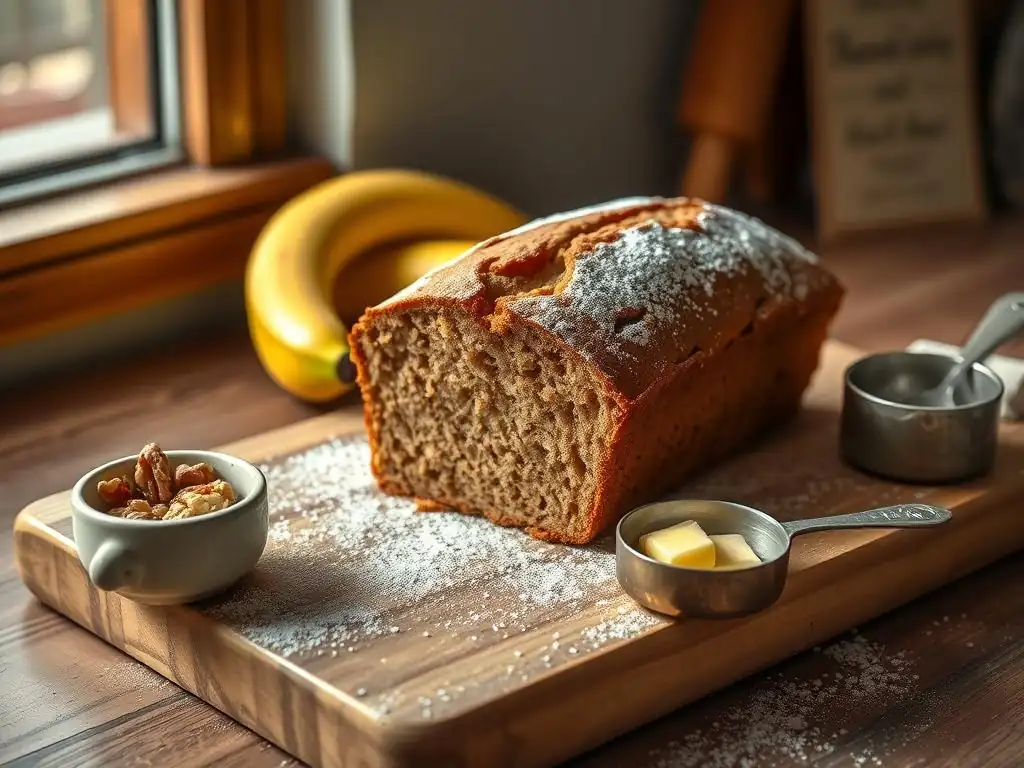
To bake a truly delicious loaf of banana bread, you will need a few key ingredients. Start with about 3-4 very ripe bananas; they should have plenty of brown spots, as this indicates maximum sweetness and moisture. You'll also need 1/2 cup (1 stick) of unsalted butter, softened, 1 cup of granulated sugar, 2 large eggs, 1 teaspoon of vanilla extract, 1 and 1/2 cups of all-purpose flour, 1 teaspoon of baking soda, 1/2 teaspoon of salt, and a splash of milk or buttermilk (about 2 tablespoons).
These ingredients work together to create the perfect texture and flavor profile for this easy banana bread beginner recipe. The ripe bananas provide natural sweetness and moisture, reducing the need for excessive added sugar and fat. Baking soda acts as a leavening agent, helping the bread rise and become light, while salt balances the sweetness. Using softened butter and granulated sugar helps create a tender crumb when creamed together.
Gluten-Free Flour Substitution
For those following a gluten-free diet, substituting the all-purpose flour is straightforward in this simple banana bread recipe. A 1:1 gluten-free all-purpose flour blend can typically be used as a direct replacement. Look for blends that contain xanthan gum, as this helps provide structure and elasticity that gluten would normally provide, preventing the bread from being too crumbly.
While a 1:1 substitution is generally effective, the texture might be slightly different than with wheat flour, possibly a little denser or more delicate. It's advisable to measure gluten-free flour by weight (around 180-200 grams for 1 and 1/2 cups) for best accuracy, as volume measurements can vary between brands. Stir the batter gently after adding the gluten-free flour to avoid developing a tough texture.
Preparing Your Baking Tools
Loaf Pan, Mixing Bowls, Whisk, Measuring Cups and Spoons
Before you begin mixing, ensure you have the necessary baking tools ready. You will need one standard 9x5-inch loaf pan. It's best to grease and flour this pan or line it with parchment paper to prevent the banana bread from sticking. You will also need two large mixing bowls – one for wet ingredients and one for dry.
Essential measuring tools include a set of dry measuring cups, liquid measuring cups (for milk/buttermilk), and a set of measuring spoons. A whisk or a fork is needed for mashing the bananas and initially combining dry ingredients. A rubber spatula or wooden spoon will be crucial for mixing the batter without overworking it, which is key for this easy banana bread beginner recipe. Having all your tools prepped makes the baking process much smoother.
Step-by-Step: Baking Your Loaf of Banana Bread
Step 1: Mashing the Bananas for Flavor and Texture
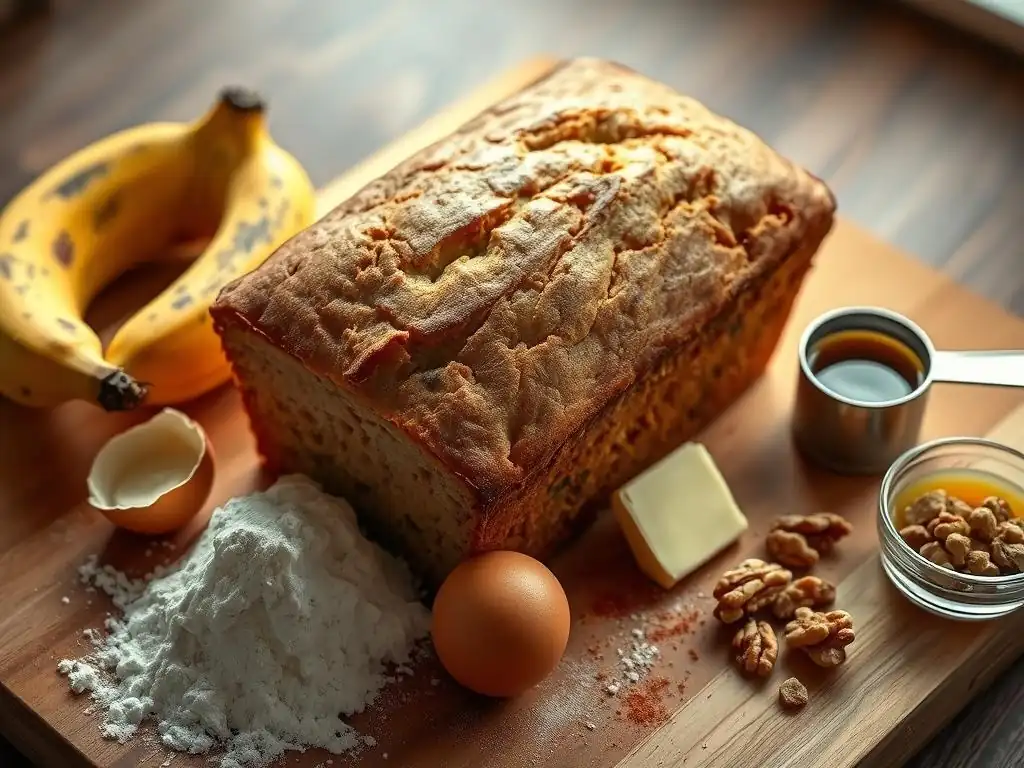
The first crucial step in this easy banana bread beginner recipe is preparing the star ingredient: the bananas. Take your very ripe bananas and peel them. Place them in a medium-sized bowl. Using a fork or a potato masher, mash the bananas until they are mostly smooth, but leaving a few small lumps is perfectly fine and can add nice texture to the finished loaf.
Mashing the bananas not only breaks them down to easily incorporate into the batter but also releases their natural sweetness and moisture. Using very ripe bananas is critical here; green or slightly yellow bananas won't provide the same depth of flavor or moisture needed for a truly moist banana bread. Aim for about 1 and 1/2 cups of mashed banana from 3-4 medium bananas.
Step 2: Creaming Butter and Sugar
In a large mixing bowl, combine the softened butter and granulated sugar. Using a hand mixer or a whisk, beat them together until the mixture is light and fluffy, usually taking about 2-3 minutes. This process, known as creaming, incorporates air into the mixture, which helps the bread rise and contributes to a tender crumb.
Once the butter and sugar are creamed, beat in the eggs one at a time, mixing well after each addition. Finally, stir in the vanilla extract. The mixture might look slightly curdled at this point, which is normal. This wet mixture forms the base of your beginner banana bread batter, providing structure and moisture.
Step 3: Combining Wet and Dry Ingredients: Gentle Mixing
In a separate medium bowl, whisk together the dry ingredients: the all-purpose flour, baking soda, and salt. Make sure these are well combined to ensure the leavening agent is evenly distributed throughout the batter. This step is important for consistent rising.
Now, add the mashed bananas to the wet ingredients mixture. Stir to combine. Then, gradually add the dry ingredients to the wet ingredients. Using a rubber spatula or wooden spoon, mix just until the dry ingredients are incorporated and no streaks of flour remain. Do not overmix; overmixing can develop the gluten in the flour too much, resulting in a tough or dense banana bread. A few small lumps of batter are okay. If the batter seems too thick, stir in the tablespoon or two of milk or buttermilk.
Step 4: Baking to Golden Brown Perfection: Time and Temperature
Preheat your oven to the correct temperature before you put the batter in. For this easy banana bread beginner recipe, the standard temperature is 350°F (175°C). Pour the batter into your prepared 9x5-inch loaf pan, spreading it evenly with the spatula.
Baking Time: 50-60 Minutes at 350°F (175°C)
Place the loaf pan in the preheated oven. The baking time for a standard loaf of banana bread at 350°F (175°C) is typically between 50 and 60 minutes. However, baking times can vary slightly depending on your oven and the pan material. Start checking around the 50-minute mark. The bread should look golden brown on top, and the edges should be pulling away slightly from the sides of the pan.
Toothpick Test for Doneness
To confirm your simple banana bread recipe is fully baked, use the toothpick test. Insert a toothpick or a thin skewer into the center of the loaf. If it comes out clean or with just a few moist crumbs attached, the bread is done. If it comes out with wet batter, continue baking for another 5-10 minutes and test again. If the top is browning too quickly, you can loosely tent the loaf with aluminum foil.
Perfecting Your Banana Bread: Tips & Tricks
Avoiding Common Mistakes in Banana Bread Baking
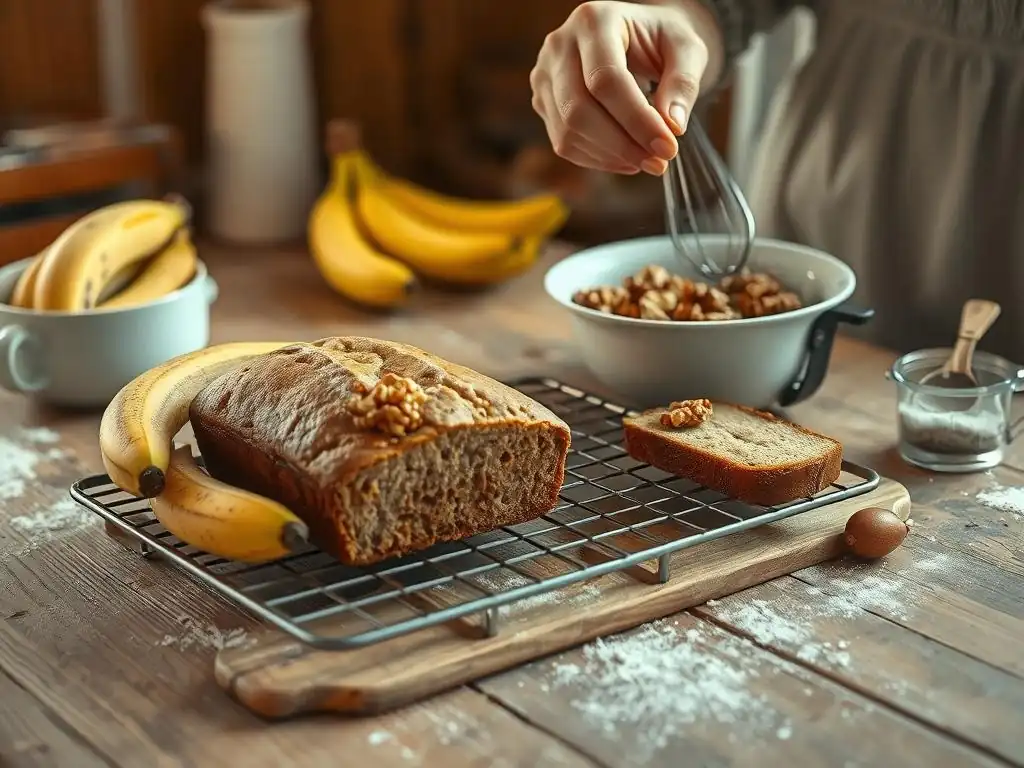
Even with an easy banana bread beginner recipe, a couple of common pitfalls can affect the outcome. Being aware of these helps ensure success. One frequent mistake is using bananas that aren't ripe enough; green or slightly yellow bananas lack the sugar and moisture needed for a sweet, moist loaf and can result in a dry or less flavorful bread. Always wait for those brown spots!
Another crucial mistake to avoid is overmixing the batter. While banana bread is forgiving, excessively beating the batter after adding the flour can develop the gluten, leading to a tough, dense texture instead of a tender, moist crumb. Mix just until the dry ingredients are incorporated, and stop. A few lumps of batter are far better than a perfectly smooth, but tough, mixture.
Don't Overmix the Batter
As mentioned, overmixing is the enemy of tender banana bread. Once you add the flour mixture to the wet ingredients, switch from a whisk or electric mixer to a rubber spatula or wooden spoon. Fold the ingredients together gently until you no longer see dry streaks of flour. This usually only takes about 15-20 gentle folds.
Developing too much gluten makes the bread chewy rather than soft and moist. Think of it like kneading bread dough – that develops gluten for chewiness. For quick breads like banana bread, we want minimal gluten development to keep it tender.
Use Ripe Bananas
The ripeness of your bananas directly impacts the success of your easy banana bread beginner recipe. Bananas that are mostly brown or even black are ideal. At this stage, their starches have converted into sugars, making them sweeter and softer. They also contain more moisture, which contributes to the moistness of the final loaf.
If your bananas aren't quite ripe enough but you're eager to bake, you can try a quick ripening trick: place them on a baking sheet and bake at 300°F (150°C) for 15-30 minutes until the skins are black. Let them cool completely before using. This process softens them and concentrates their sugars, though the flavor won't be as intense as naturally ripened bananas.
Variations on the Banana Bread Theme
Once you've mastered the classic beginner banana bread, you might want to experiment with variations. The basic batter is very adaptable. Adding mix-ins is a simple way to change the flavor profile and texture without significantly altering the core baking process, making it easy to customize your loaf.
Popular additions are typically folded into the batter just before pouring it into the pan. Common quantities range from 1/2 cup to 1 cup of mix-ins. Remember that adding extra ingredients can slightly affect the baking time, potentially requiring a few extra minutes in the oven.
Chocolate Chip Banana Bread
Adding chocolate chips is perhaps the most popular variation on this simple banana bread recipe. About 1/2 to 1 cup of semi-sweet chocolate chips folded into the batter brings pockets of melted chocolate goodness to each slice. The sweetness of the chocolate complements the banana flavor beautifully.
You can use different types of chocolate chips, such as milk chocolate for a sweeter loaf or dark chocolate for a richer, slightly less sweet contrast. Mini chocolate chips distribute more evenly throughout the bread. Toss the chips with a tablespoon of flour before adding them to the batter to help prevent them from sinking to the bottom during baking.
Walnut Banana Bread
For a delightful crunch and nutty flavor, add chopped walnuts to your banana bread batter. About 1/2 to 1 cup of chopped walnuts or pecans works wonderfully. Toasting the nuts lightly in a dry pan or in the oven for a few minutes before adding them can enhance their flavor significantly.
Nuts provide a nice textural contrast to the soft, moist bread. Like chocolate chips, you can toss the chopped nuts with a little flour before adding them to the batter to help keep them suspended throughout the loaf. This variation is a classic for a reason, adding both flavor and satisfying texture.
Spiced Banana Bread with Cinnamon and Nutmeg
To add warmth and depth of flavor, incorporate spices into your easy banana bread beginner recipe. A classic combination is 1 teaspoon of ground cinnamon and 1/4 teaspoon of ground nutmeg, whisked in with the dry ingredients. These spices pair exceptionally well with the sweetness of the bananas.
You can also experiment with other warm spices like ground cloves or allspice, using just a pinch as they are quite potent. Adding spices is an easy way to elevate the flavor profile without changing the fundamental structure or baking method, making it a simple step for beginners to try.
Enjoying Your Homemade Banana Bread
Slicing and Serving
Once your beginner banana bread is baked and has passed the toothpick test, remove it from the oven and let it cool in the pan for about 10-15 minutes. This allows the bread to set slightly, making it easier to remove from the pan without breaking. Then, carefully invert the pan onto a wire rack and lift the pan away. Let the banana bread cool completely on the wire rack before slicing.
Slicing warm banana bread is tempting, but waiting until it is fully cooled results in cleaner slices and a better texture. Use a serrated knife for the cleanest cuts. Serve slices plain, with a smear of butter, cream cheese, or even a drizzle of honey. It's perfect for breakfast, a snack, or dessert.
Storing for Freshness
Proper storage is key to keeping your homemade easy banana bread beginner recipe creation fresh and moist. Once the loaf is completely cooled, wrap it tightly in plastic wrap or aluminum foil. You can also place it in an airtight container or a resealable plastic bag.
Stored at room temperature, banana bread will stay fresh for about 2-3 days. For longer storage, you can refrigerate it for up to a week. Banana bread also freezes exceptionally well. Wrap the cooled loaf (or individual slices) tightly in plastic wrap, then in foil or a freezer-safe bag. It can be frozen for up to 2-3 months. Thaw at room temperature before serving.
More Easy Baking Recipes
Mastering this simple banana bread recipe is just the beginning of your baking journey. BakeWithEase.com offers a wide array of other easy baking recipes for beginners that build upon the skills you've learned. Explore simple muffin recipes, straightforward cookie doughs, and basic quick breads like cornbread or zucchini bread.
Each recipe is designed with clear instructions and common ingredients to help you continue building confidence in the kitchen. As you gain experience with these easy bakes, you'll be well-equipped to try more ambitious projects. Keep practicing, keep exploring, and most importantly, keep enjoying the delicious results of your baking efforts!
Frequently Asked Questions
What makes this banana bread recipe especially good for beginners?
This recipe focuses on simple ingredients and straightforward instructions, minimizing potential errors. It prioritizes ease of execution over complex techniques, making it ideal for a first-time baker.
What are the most important things to remember when making banana bread?
Don't overmix the batter! This can lead to tough bread. Also, make sure your bananas are overripe for maximum sweetness and moisture.
Can I substitute any ingredients in this easy banana bread recipe?
While substitutions are possible, beginners should stick to the recipe to ensure success. Experimenting with ingredients is best saved for later bakes after you're comfortable with the base recipe.
How do I know when my banana bread is done baking?
Insert a toothpick into the center. If it comes out clean or with a few moist crumbs, it's done. Be careful not to overbake the bread, as it will become dry.
How should I store my banana bread to keep it fresh?
Wrap it tightly in plastic wrap or store it in an airtight container at room temperature. Properly stored, it should stay fresh for 3-4 days. Freezing is also an option for longer storage.
Final Reflection: The Sweetness of Success, One Banana Bread at a Time
Baking your first banana bread is more than just following a recipe; it's a gateway to a world of culinary creativity and self-discovery. The simplicity of this recipe, designed specifically for beginners, unlocks a sense of accomplishment that extends far beyond the delicious aroma filling your kitchen. It's a testament to the power of accessible recipes in empowering individuals to explore their potential in the culinary arts.
The impact of simple, achievable recipes like this one is profound. It's not just about baking a loaf of bread; it's about fostering a connection to food, encouraging experimentation, and building confidence in the kitchen. The best things in life are simple,
a phrase often repeated, rings especially true when considering the joy derived from creating something delicious with your own hands. This recipe serves as a stepping stone, a first taste of success that can inspire further culinary adventures.
Now, I invite you to consider your own journey. What seemingly insurmountable task have you been putting off? What small step, like baking this simple banana bread, could unlock a new level of confidence and self-belief? Take that first step, embrace the simplicity, and savor the sweetness of success. You might be surprised at what you can achieve.
Unleash Your Inner Baker: Bake Your First Perfect Loaf!
Thanks for joining us on this baking adventure! We hope you've gained the confidence to tackle even the most delicious banana bread. Now it's time to put your newfound skills to the test.
- Bake that banana bread! Grab those ripe bananas and get started – you’ll be amazed at how easy it is.
- Share your baking journey! Post a picture of your creation on social media and tag us – we’d love to see it! #BakeWithEase #BananaBreadBliss
- Explore our other simple recipes and expand your baking repertoire. There's a whole world of deliciousness waiting for you!
Ready to experience the joy of homemade banana bread? What’s your favorite ingredient to add for an extra flavor boost?