
The Essential Guide to Thickening Fresh Fruit Fillings

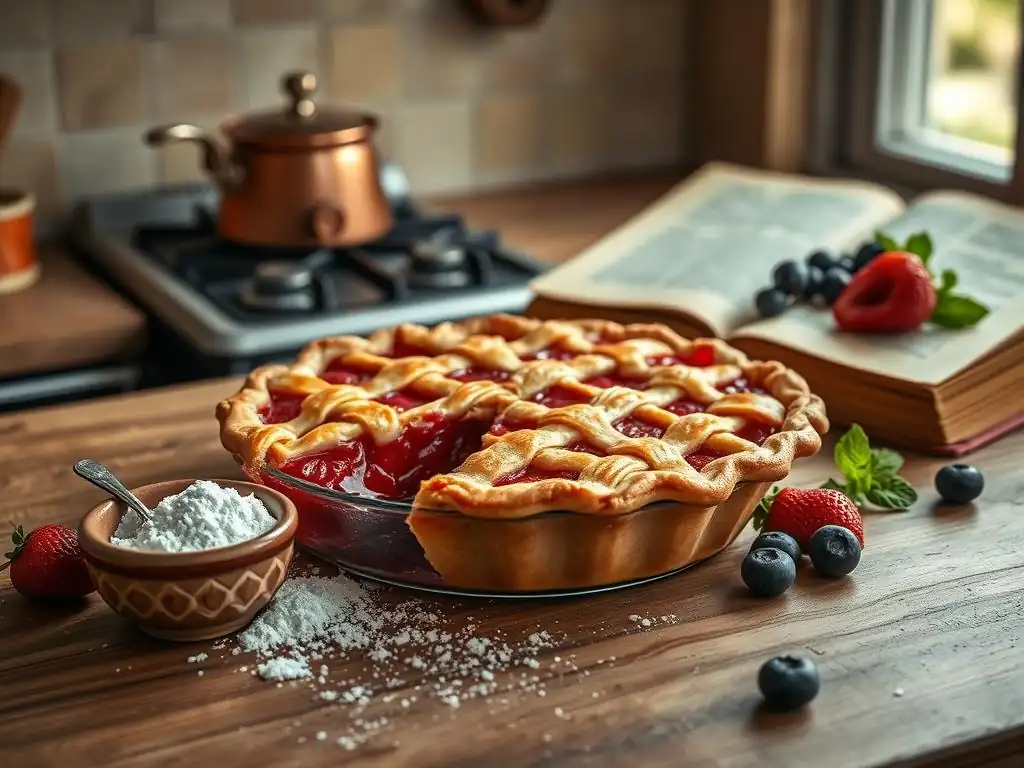
Welcome to BakeWithEase, your kitchen companion for all things baking! Ever wondered how to achieve the perfect consistency in your fruit pies and tarts? This guide dives deep into the secrets of thickening fresh fruit fillings, transforming your desserts from soggy to spectacular. Discover the techniques and ingredients that will elevate your baking game and leave your guests craving more. Ready to unlock the key to perfectly set fruit fillings? Let's get started!
- The Essential Guide to Thickening Fresh Fruit Fillings for Baking
- Introduction: Mastering Fruit Filling Consistency for Perfect Bakes
- Understanding Fresh Fruit Fillings and Their Challenges
- Methods for Thickening Fresh Fruit Fillings: A Comprehensive Overview
- Step-by-Step Guide to Thickening Fruit Fillings
- Tips and Tricks for Perfect Fruit Fillings
- Troubleshooting Common Fruit Filling Problems
- Recipes Featuring Perfectly Thickened Fruit Fillings (BakeWithEase Favorites)
- Conclusion: Elevate Your Baking with Expert Fruit Filling Techniques
-
Frequently Asked Questions
- How do I thicken fresh fruit fillings to prevent a soggy pie crust?
- What are the best thickening agents to use for different types of fruit?
- How much thickening agent should I add to my fruit filling?
- Can I use pre-made pie filling thickeners?
- What are some tips for ensuring the thickening agent is evenly distributed in the fruit filling?
- Final Reflection: The Enduring Sweetness of Perfectly Thickened Fruit
- Unlock the Secrets to Perfect Fruit Fillings!
The Essential Guide to Thickening Fresh Fruit Fillings for Baking
Introduction: Mastering Fruit Filling Consistency for Perfect Bakes
Why Proper Thickening is Crucial for Fruit Fillings
Achieving the right consistency when thickening fresh fruit fillings is perhaps one of the most critical steps to a successful bake. A filling that is too runny can lead to a soggy pie crust, a collapsing tart, or a watery cobbler that lacks structure and visual appeal. Imagine slicing into a beautiful lattice-top pie only to have a liquid pool spread across the plate – a common frustration for many bakers. Proper thickening ensures the filling holds its shape, complementing the texture of the crust or topping rather than undermining it.
Beyond structural integrity, the consistency directly impacts the eating experience. A well-thickened fruit filling provides a satisfying texture, allowing you to savor the vibrant flavor of the fruit without it feeling diluted or watery. It ensures that each forkful contains a balanced ratio of fruit to sauce, creating a cohesive and delicious bite. Mastering the art of thickening fresh fruit fillings transforms your baked goods from potentially disappointing disasters into delightful culinary creations.
BakeWithEase's Guide to Achieving the Ideal Fruit Filling Texture
Welcome to BakeWithEase, your partner in conquering common baking challenges! We understand that thickening fresh fruit fillings can feel like a delicate balancing act. Too little thickener, and you have a watery mess; too much, and you end up with a gluey or gummy texture that masks the natural goodness of the fruit. Our goal with this guide is to demystify the process, providing you with the knowledge and tools to confidently achieve the perfect fruit filling texture every time.
This comprehensive guide covers everything from understanding why fruits release so much liquid to exploring the various thickening agents available and how to use them effectively. We'll walk you through the science, the common pitfalls, and provide practical tips and techniques used by experienced bakers. By the end, you'll be well-equipped to tackle any recipe requiring thickening fresh fruit fillings, ensuring your pies, tarts, cobblers, and crumbles turn out beautifully set and bursting with flavor.
Understanding Fresh Fruit Fillings and Their Challenges
The Science Behind Water Content in Fresh Fruits
Fresh fruits are naturally high in water, often comprising 80% to 95% of their weight. For instance, strawberries are about 92% water, while blueberries are around 85%. When fruits are heated during baking, their cell walls break down, releasing this significant amount of internal liquid. This process, known as syneresis, is the primary reason why uncooked or improperly thickened fruit fillings can become excessively watery as they bake. The amount of water released varies greatly depending on the specific fruit and its ripeness.
Consider baking a cherry pie versus an apple pie. Cherries, being quite juicy, release a substantial amount of liquid when heated. Apples, depending on the variety (like a crisp Granny Smith vs. a softer McIntosh), can release varying amounts, but generally less than berries or stone fruits. Understanding this inherent water content and how different fruits behave under heat is the foundational step in successfully thickening fresh fruit fillings and predicting how much thickener you'll need.
Common Problems with Runny or Watery Fruit Fillings
The most frequent complaint when baking with fresh fruit fillings is the dreaded runny filling. This happens when the released fruit juices are not adequately bound by a thickening agent. The excess liquid can seep into pie crusts, making them soggy and preventing them from flaking properly. In tarts, a watery filling can cause the crust to lose its crispness and potentially leak during baking.
Beyond structural issues, a watery filling dilutes the flavor of the fruit and creates an unbalanced texture. Instead of a rich, concentrated fruit experience, you get a thin, often bland liquid surrounding the fruit pieces. This directly impacts the overall quality of your baked goods. Learning effective methods for thickening fresh fruit fillings is essential to avoid these disappointing outcomes and ensure your hard work in the kitchen pays off.
Factors Affecting Fruit Filling Consistency (Fruit Type, Ripeness, etc.)
Several variables influence how a fresh fruit filling will behave and how much thickening it requires. As mentioned, the type of fruit is paramount – juicy fruits like berries, cherries, and peaches will need more thickener than apples or rhubarb. The ripeness of the fruit also plays a significant role; riper fruit tends to be softer and can release more juice than firmer, slightly less ripe fruit.
Other factors include whether the fruit is used fresh or frozen (frozen fruit releases significantly more water upon thawing), whether the fruit is precooked (which allows some water to evaporate before baking), and the size of the fruit pieces (smaller pieces may release juices more readily). Even the amount of sugar used can affect consistency, as sugar draws water out of fruit cells through osmosis. Taking these factors into account is crucial when deciding on the best strategy for thickening fresh fruit fillings.
Methods for Thickening Fresh Fruit Fillings: A Comprehensive Overview
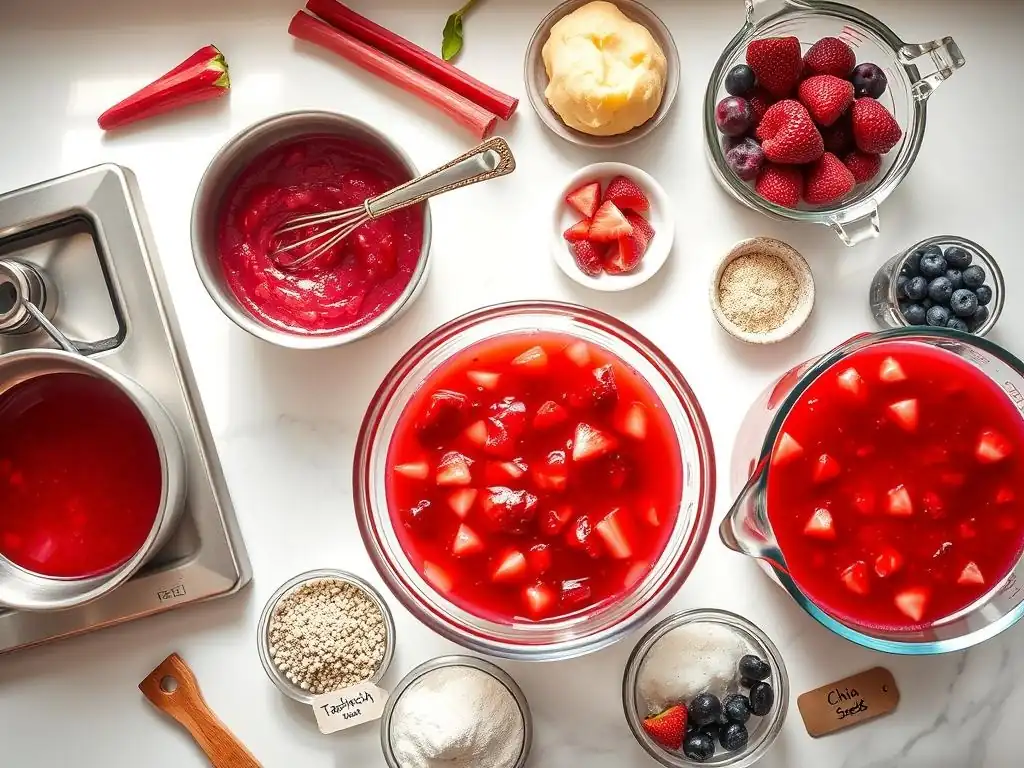
When it comes to thickening fresh fruit fillings, you have several reliable agents at your disposal, each with its own strengths and ideal applications. Choosing the right one depends on the type of fruit, the desired texture, and any dietary considerations.
Starch-Based Thickeners: Pros, Cons, and Best Practices
Starch-based thickeners are the workhorses of fruit filling recipes. They work by absorbing liquid and swelling when heated, creating a gel-like structure that holds the filling together.
Cornstarch: A Classic Choice for Fruit Fillings
Cornstarch is perhaps the most widely used thickener for fruit pies and fillings. It provides a clear, glossy finish to the filling and is relatively inexpensive. A common ratio is about 2 to 3 tablespoons of cornstarch per cup of fruit, though this varies.
For activation, cornstarch needs to be heated to near boiling temperatures (around 200°F or 93°C). Its main drawback is that it can break down and become watery if overcooked or exposed to high acidity for prolonged periods. It's best mixed with a cold liquid (like water or fruit juice) before being added to the hot fruit to prevent lumps.
Tapioca Starch: Achieving a Glossy Finish
Tapioca starch, derived from the cassava root, is another popular option. It creates a slightly less cloudy, very glossy filling compared to cornstarch. It activates at a lower temperature than cornstarch and is less prone to breaking down in acidic conditions or under prolonged cooking. It's excellent for fillings that will be frozen and reheated, as it maintains its thickening power better. Use roughly the same amount as cornstarch, maybe slightly less (e.g., 1.5 to 2.5 tablespoons per cup of fruit). Like cornstarch, it's best mixed with a little liquid before adding to the fruit.
Arrowroot Powder: A Gluten-Free Option
Arrowroot powder, from the arrowroot plant, is a fantastic gluten-free alternative to cornstarch. It creates a very clear, glossy finish and is effective at lower temperatures than cornstarch. However, it is more expensive and breaks down if exposed to high heat for too long, making it less suitable for fillings that require extended baking times. It's often preferred for no-bake fillings or those cooked quickly on the stovetop. Use a bit less than cornstarch, perhaps 1 to 2 tablespoons per cup of fruit, and mix it with a cold liquid before incorporating.
Potato Starch: Considerations for Using Potato Starch
Potato starch, also gluten-free, is a powerful thickener that works similarly to cornstarch but creates a slightly stringier texture. It activates at relatively low temperatures and provides a clear finish. However, it can easily become gummy if overcooked or stirred too vigorously once thickened. It's often used in European baking, particularly for fruit fillings that don't require lengthy bake times. Use about 1 to 2 tablespoons per cup of fruit and mix it with a cold liquid before adding to the fruit mixture.
Flour as a Thickening Agent for Fruit Fillings
While not as potent as starches, flour can also be used for thickening fresh fruit fillings, particularly in rustic bakes.
All-Purpose Flour: When and How to Use It
All-purpose flour is a traditional thickener for fruit fillings, especially in pies. It creates a somewhat opaque, slightly cloudy filling and doesn't provide the glossy finish of starches. Flour requires longer cooking to activate its thickening power and cook out the raw flour taste (often needing to reach boiling and simmer for a few minutes).
It's less effective ounce-for-ounce than starches, so you'll need more of it – typically 3 to 4 tablespoons per cup of fruit. Flour is often mixed directly with the sugar and spices before being combined with the fruit, which helps distribute it and prevent lumps.
Other Flours: Exploring Alternative Options
While all-purpose flour is the most common, other flours like whole wheat or gluten-free blends can be used, but their thickening properties vary significantly. Whole wheat flour will give a distinct flavor and denser texture. Gluten-free blends designed for baking might contain starches that aid thickening, but results can be unpredictable depending on the blend. Using these requires experimentation, often needing more volume than all-purpose flour to achieve similar results for thickening fresh fruit fillings.
Non-Starch Thickeners: Exploring Other Options
Beyond starches and flour, other agents can be used for thickening, particularly when a very firm set or specific texture is desired.
Pectin: Ideal for Jams and Preserves
Pectin is a naturally occurring polysaccharide found in fruits, especially apples, citrus peels, and cranberries. It's the primary agent used for gelling jams and jellies. High-pectin fruits require less added pectin, while low-pectin fruits (like strawberries or peaches) need more. Pectin requires sugar and acidity to set properly. It's less common for baked pie fillings because the high heat can sometimes break down the gel structure, but it's perfect for making fruit compotes or preserves that can then be used as a filling, like a thick cherry preserve for a tart.
Gelatin: Adding Structure and Stability
Gelatin, derived from animal collagen, is a powerful gelling agent used in desserts like mousses and panna cotta. It creates a clear, firm, elastic gel. It's typically dissolved in hot liquid and then added to the mixture, which sets as it cools. Gelatin is excellent for no-bake fruit tarts or fillings that need a very stable structure but is not suitable for fillings that require baking, as heat melts the gelatin. It's measured in packets (often 1 packet per 2 cups of liquid) or by weight (bloom strength).
Agar-Agar: A Vegan Alternative to Gelatin
Agar-agar is a vegan thickener derived from seaweed. It functions similarly to gelatin, creating a firm, clear gel, but it sets more firmly and is less elastic. It requires boiling to activate its thickening properties and sets as it cools. Like gelatin, it's ideal for no-bake fruit fillings or chilled desserts. It's typically used in smaller amounts than gelatin (e.g., 1 teaspoon of agar powder can set about 1 cup of liquid). It's not suitable for baked applications as it also melts under high heat.
Combining Thickeners: Achieving Optimal Results
Sometimes, using a blend of thickeners yields the best results for thickening fresh fruit fillings. For example, combining cornstarch with a small amount of flour can provide both glossiness and a traditional pie texture. Using tapioca starch for its freeze-thaw stability alongside cornstarch for initial thickening is another strategy.
Mixing thickeners allows you to leverage the strengths of each while mitigating their weaknesses. For instance, a mix of tapioca and cornstarch can offer good thickening with less risk of gumminess than using a large amount of cornstarch alone, while also being more resistant to breakdown during baking than just using cornstarch. Experimentation with ratios is key here, but starting with a 50/50 blend of two starches is a common approach.
Step-by-Step Guide to Thickening Fruit Fillings
Let's walk through the process of successfully thickening fresh fruit fillings from start to finish.
Preparing Your Fresh Fruit Filling
The first step is always preparing your fruit.
Choosing the Right Fruits for Your Recipe
Select ripe, flavorful fruit that is appropriate for your recipe. For pies, sturdier fruits like apples, firm peaches, or cherries work well. For tarts, softer fruits like berries can be used, sometimes with pre-cooking. Ensure your fruit is washed and properly prepared – peeled, cored, pitted, or sliced as needed. For consistent texture, aim for uniform fruit piece sizes, typically around 1/2 to 3/4 inch chunks for pies.
About 6-8 cups of sliced or whole fruit is a common amount for a standard 9-inch pie. Knowing the approximate volume of fruit you are using is crucial for calculating the right amount of thickener needed for thickening fresh fruit fillings.
Pre-Cooking vs. No-Cook Methods
You can prepare fruit fillings using a no-cook method (mixing raw fruit with thickener and sugar and baking) or a pre-cook method (heating the fruit with sugar and thickener on the stovetop until slightly thickened before baking). Pre-cooking allows some excess moisture to evaporate before it goes into the oven, resulting in a firmer set and less risk of a soggy bottom. It also gives you more control over the final consistency before baking.
For very juicy fruits like berries, pre-cooking for 5-10 minutes until juices release and the mixture thickens slightly is often recommended. For less juicy fruits like apples, a no-cook method usually suffices. The choice impacts how much thickener you'll need; often, slightly less is needed if you pre-cook.
Selecting the Appropriate Thickening Agent
Choosing the right thickener is paramount for successful thickening fresh fruit fillings.
Considerations Based on Fruit Type and Recipe
Consider the acidity of your fruit: Arrowroot is sensitive to high acidity. Consider the baking time: Cornstarch can break down during long bakes. Consider the desired look: Cornstarch/flour give an opaque finish, while tapioca/arrowroot give a glossy one. Consider if you plan to freeze the baked item: Tapioca performs best after freezing and thawing. For a classic apple pie, cornstarch or flour are common. For a vibrant berry tart, tapioca or arrowroot might be preferred for clarity and gloss.
Think about the volume of fruit and its expected juice release. A typical blueberry pie (about 6 cups of berries) might require 1/4 cup of tapioca starch or 1/3 cup of cornstarch for thickening fresh fruit fillings. These are starting points; adjustments may be needed based on the specific berries' juiciness.
Determining the Correct Amount of Thickener
This is often the trickiest part. Recipes provide guidance, but fruit variability means you might need to adjust. A good starting point is 2-3 tablespoons of starch-based thickener (like cornstarch or tapioca) or 3-4 tablespoons of flour per cup of fruit. For a standard 9-inch pie using 6-8 cups of fruit, this could mean 1/2 to 3/4 cup of starch or 3/4 to 1 cup of flour.
It's often better to err slightly on the side of caution and have a filling that's a little soft than one that's overly gummy. You can always adjust the amount based on experience with specific fruits or recipes. Using a blend can also help; for example, using 1/4 cup cornstarch and 1/4 cup flour for a large pie.
Incorporating the Thickener into the Fruit Filling
Properly adding the thickener prevents lumps and ensures even distribution.
Mixing Techniques to Avoid Lumps
For starch-based thickeners (cornstarch, tapioca, arrowroot, potato starch), the best method is to create a slurry by whisking the powder with a small amount of cold liquid (water, juice, or milk) until smooth before adding it to the fruit mixture. This disperses the starch granules and prevents them from clumping when they hit the warm fruit or oven heat. Aim for about 2-4 tablespoons of cold liquid per tablespoon of thickener.
If using flour, it's usually mixed directly with the dry ingredients (sugar, spices) before being combined with the fruit. Tossing the fruit gently with this dry mixture coats the fruit pieces evenly, helping the flour distribute and absorb juices as they are released during baking.
Cooking the Filling to Activate the Thickener
Starches need heat to activate. If using the no-cook method for a pie, the heat of the oven will activate the thickener as the pie bakes. This typically happens within the first 20-30 minutes in a hot oven (around 375-425°F or 190-220°C). The filling should bubble vigorously through vents in the crust, indicating it has reached a high enough temperature.
If pre-cooking the filling on the stovetop, stir the mixture over medium heat after adding the thickener. Continue stirring until the mixture visibly thickens and coats the back of a spoon, usually taking 5-10 minutes after it begins to simmer. This ensures the thickener is fully activated before the filling goes into the pie shell.
Testing for Proper Consistency
Knowing when your filling is just right is key to successful thickening fresh fruit fillings.
Visual Cues for a Perfectly Thickened Filling
When a fruit filling thickened with starch is heated, it should transition from watery juices to a glossy, somewhat translucent sauce that clings to the fruit. In a pie baking in the oven, you should see thick, slow-moving bubbles erupting through the crust vents. These bubbles indicate the filling has reached the necessary temperature for the starch to gelatinize. If the bubbles are thin and watery, it needs more time or potentially more thickener (though adding more mid-bake is tricky).
If pre-cooking, the mixture should visibly thicken as you stir it on the stovetop. It should coat the back of a spoon without immediately running off. The sauce should look clear or slightly opaque depending on the thickener, and the fruit should be suspended in the sauce, not swimming in liquid.
The Spoon Test: A Reliable Method
The spoon test is a simple, reliable way to check consistency, especially when pre-cooking. Dip a cold spoon into the hot fruit filling. Lift the spoon and observe how the filling coats it. A properly thickened filling will coat the back of the spoon evenly and thickly. If you draw a line through the coating with your finger, the line should hold without the filling immediately running back together. If the filling runs off the spoon quickly, it needs more time or potentially more thickener (added as a slurry).
Alternatively, for a no-bake filling before baking, you can check the consistency of the raw mixture. While it won't be fully thickened, the thickener should start absorbing some surface moisture, making the mixture feel slightly less wet than just fruit and sugar. The real test, however, comes from observing the bubbling in the oven.
Tips and Tricks for Perfect Fruit Fillings
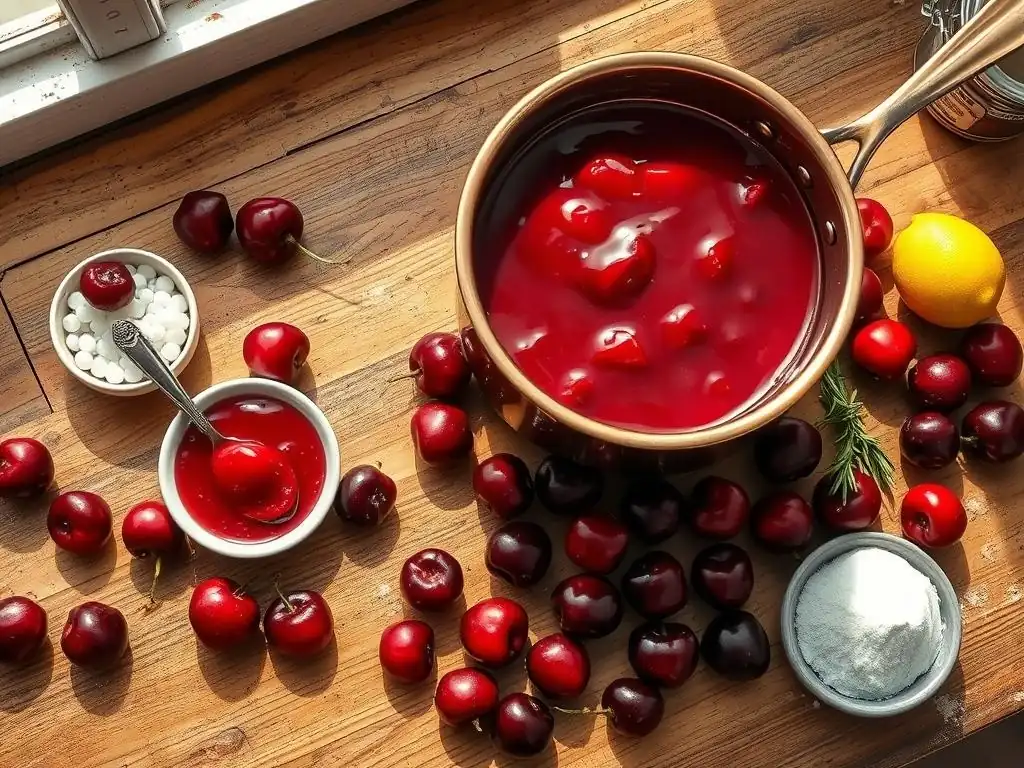
Here are some expert tips to elevate your thickening fresh fruit fillings game.
Preventing Lumps and Clumps in Your Fruit Filling
Lumps are usually caused by adding dry starch or flour directly to hot liquid without properly dispersing it first. The outer layer of powder gels instantly, preventing the inside from hydrating, resulting in powdery pockets.
- Rule #1: Always make a slurry with cold liquid for starches (cornstarch, tapioca, arrowroot, potato starch) before adding to hot fruit or heating.
- Rule #2: If using flour, mix it thoroughly with the sugar and spices before adding the fruit. Toss the fruit gently to coat evenly.
- Rule #3: Stir the filling mixture frequently as it heats, especially when pre-cooking, to ensure even activation of the thickener.
Following these simple rules dramatically reduces the chance of encountering unpleasant lumps in your beautifully baked goods.
Adjusting Sweetness and Tartness
Fresh fruits vary naturally in sweetness and tartness depending on the season and variety. A fruit filling needs a balance of both. Sugar not only sweetens but also helps draw out juices (aiding in thickening activation) and can interact with pectin if present. Acid (lemon juice, vinegar) brightens flavors and is crucial for pectin to set, while also helping to break down some fruits.
Taste your raw fruit mixture before adding the thickener. Is it sweet enough? Too tart? Add more sugar if needed, or a squeeze of lemon juice to enhance tartness and balance sweetness. A common starting point might be 1/2 to 1 cup of sugar per 6-8 cups of fruit, but this needs adjustment based on the specific fruit and your preference. Don't add too much liquid (like excessive lemon juice) without accounting for its impact on the overall consistency and potentially needing slightly more thickener.
Adding Flavor Enhancers (Spices, Extracts, Zest)
While the fruit is the star, spices and other flavorings elevate the filling. Cinnamon, nutmeg, cloves, and allspice are classic partners for apples, peaches, and pears. Cardamom pairs well with berries. Vanilla extract enhances almost any fruit flavor. A pinch of salt can also help balance sweetness. Citrus zest adds a bright, fresh note, especially to berry or stone fruit fillings.
Add spices and extracts when you mix the fruit with the sugar and thickener. Zest can be added at this stage or stirred in just before filling the pie shell for a fresher aroma. Start with smaller amounts (e.g., 1/2 teaspoon cinnamon for a pie) and adjust to your taste. These additions don't affect the thickening process but significantly impact the final deliciousness of your thickening fresh fruit fillings.
Storing and Reheating Fruit Fillings
Unbaked fruit fillings mixed with thickener are best used immediately, as the thickener can start absorbing moisture and become less effective if left sitting too long, especially with juicy fruits.
Baked goods with fruit fillings (like pies) can be stored at room temperature for a day or two, or in the refrigerator for up to 3-4 days. To reheat a pie or tart slice, gently warm it in an oven (around 300°F or 150°C) or toaster oven until heated through. Microwaving can make the crust soggy but is an option for just the filling if removed from the crust. Pre-cooked fillings stored separately can be refrigerated for a few days and gently reheated on the stovetop or in the microwave, though they may thicken further upon cooling and reheating.
Troubleshooting Common Fruit Filling Problems
Even with the best techniques, sometimes things go awry. Here's how to fix common issues when thickening fresh fruit fillings.
My Fruit Filling is Too Thick: How to Thin It Out
If you've added too much thickener and your filling turns out gummy or excessively stiff after cooling, don't despair! You can often rescue it. Gently heat the filling on the stovetop over low heat, stirring constantly. As it warms, the thickener will loosen its hold. You can then stir in a small amount of liquid (water, fruit juice, or even a splash of liqueur) a tablespoon at a time, mixing thoroughly after each addition, until the desired consistency is reached. Be careful not to add too much liquid at once.
This method works best for fillings thickened with starches or flour. Fillings thickened with pectin or agar-agar are harder to thin once set, though gentle reheating can sometimes soften them slightly.
My Fruit Filling is Too Runny: How to Save It
A runny filling is the most common problem. If you discover this after baking (e.g., when cutting a pie), there's not much you can do to the whole pie, though chilling it thoroughly can sometimes help it set a little more.
If you catch it during pre-cooking or before baking (if using a no-cook method and the mixture looks too watery), you can add more thickener. Create a slurry with your chosen starch (1-2 tablespoons mixed with a few tablespoons of cold liquid) and whisk it into the simmering fruit filling on the stovetop. Cook and stir for another few minutes until thickened.
If the filling is already in the pie shell and raw, you could carefully pour off some excess liquid (if possible) or try sprinkling a small amount of thickener (like tapioca starch, which doesn't need pre-slurrying as much) over the top before baking, hoping it absorbs some liquid. This is less reliable than adjusting on the stovetop.
My Fruit Filling is Gummy: What Went Wrong?
A gummy texture is usually a sign of too much starch thickener, particularly cornstarch or potato starch, or sometimes overcooking these starches which can cause them to break down into a gluey state. Over-stirring after starch has thickened can also contribute to gumminess.
Using the right amount of thickener is key to avoiding this. Ensure you are measuring accurately. Also, consider if the fruit itself contributed to the texture (e.g., some apple varieties break down into applesauce). If the filling is already gummy, thinning it slightly as described above might help, but it's hard to completely eliminate a gummy texture once formed. Using a blend of thickeners, like tapioca with cornstarch, can sometimes mitigate the risk of gumminess.
Avoiding a Chalky Taste from Starches
Occasionally, fillings thickened with starches can have a slightly chalky or raw starch taste. This typically happens if the thickener hasn't been cooked sufficiently to fully activate and gelatinize the starch molecules.
Ensure that when pre-cooking, the filling reaches a good simmer and thickens visibly, cooking for at least a few minutes after thickening begins. If baking a pie using the no-cook method, make sure the filling bubbles vigorously through the crust vents for several minutes. This bubbling indicates the internal temperature is high enough for the starch to fully cook out and lose its raw flavor. Using too much thickener can also exacerbate a chalky taste, as there's more uncooked starch to potentially taste.
Recipes Featuring Perfectly Thickened Fruit Fillings (BakeWithEase Favorites)
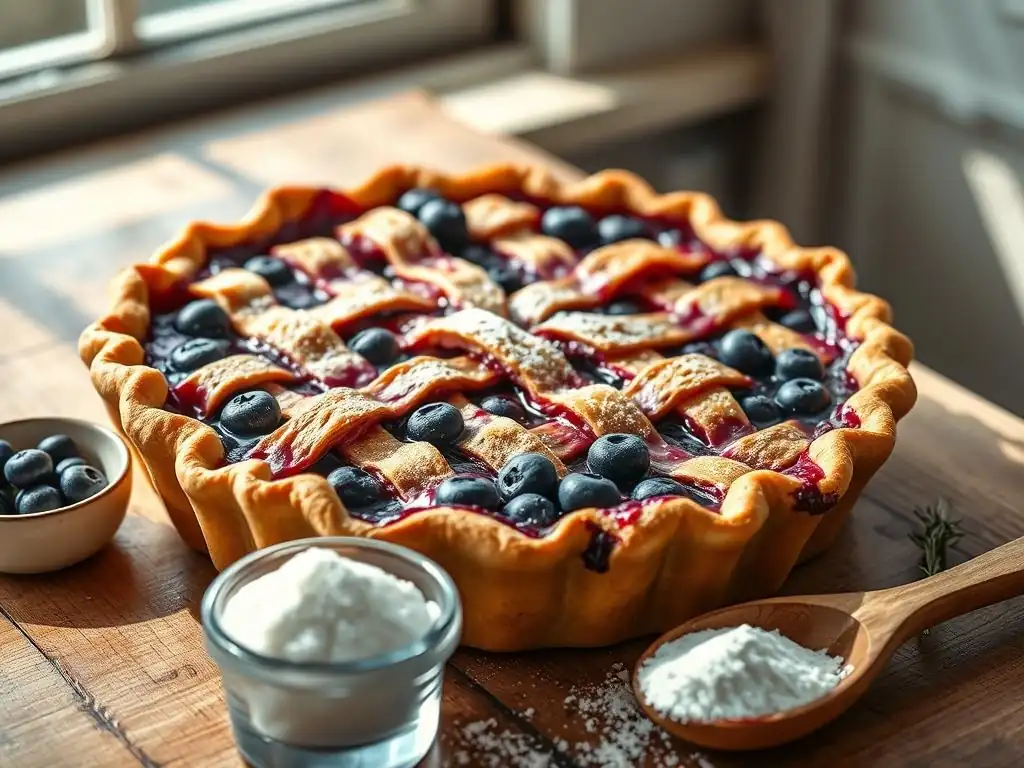
Here are a few examples of how BakeWithEase approaches thickening fresh fruit fillings in some beloved recipes.
Classic BakeWithEase Apple Pie
Our classic apple pie recipe uses a combination of all-purpose flour and a touch of cornstarch for thickening fresh fruit fillings. For a standard 9-inch pie with about 7 cups of thinly sliced apples (like Granny Smith and Honeycrisp blend), we typically use 1/4 cup of flour mixed with 2 tablespoons of cornstarch, combined with 3/4 cup of sugar and spices.
The flour provides a traditional, slightly opaque sauce, while the cornstarch adds extra insurance for setting, especially with the varying juiciness of apples. We mix the dry ingredients first, then toss them with the prepared apples before mounding them into the pie shell. This ensures the thickeners are evenly distributed to absorb the juices released during the 60-75 minutes of baking time at 400°F (200°C), resulting in a beautifully set filling with tender apples.
Vibrant BakeWithEase Summer Berry Tart
For our vibrant summer berry tart, which features a mix of strawberries, blueberries, raspberries, and blackberries (about 5-6 cups total), we prefer tapioca starch for thickening fresh fruit fillings. Tapioca gives a lovely clear, glossy finish that lets the natural colors of the berries shine through. We use about 1/4 cup of instant tapioca starch mixed with 1/2 cup of sugar and a squeeze of lemon juice.
We gently toss the berries with the tapioca-sugar mixture and let it sit for about 15-20 minutes before filling the pre-baked tart shell. This brief resting period allows the tapioca to begin absorbing some of the berry juices. The tart then bakes for about 30-40 minutes at 375°F (190°C) until the filling is bubbly and set. The tapioca ensures the filling remains firm enough to slice beautifully without being gummy, even with the high water content of the mixed berries.
Cozy BakeWithEase Peach Cobbler
Our cozy peach cobbler recipe relies on cornstarch for thickening fresh fruit fillings. Using about 6-7 cups of sliced ripe peaches, we combine them with 1/2 cup of brown sugar, 3 tablespoons of cornstarch (slurried with a little peach juice or water), vanilla extract, and a pinch of cinnamon.
We often choose a slight pre-cook method here, simmering the peaches with the sugar and spices for about 5 minutes before adding the cornstarch slurry and cooking for another 2-3 minutes until slightly thickened. This helps concentrate the peach flavor and ensures a good set. The thickened filling is then poured into a baking dish, topped with the cobbler topping, and baked at 375°F (190°C) for 30-40 minutes until the topping is golden and the filling is bubbly and thick. This method guarantees the cobbler isn't watery, a common issue with juicy peaches.
Conclusion: Elevate Your Baking with Expert Fruit Filling Techniques
Achieving Baking Success with Consistent Fruit Fillings
Mastering the art of thickening fresh fruit fillings is a game-changer for any baker. It transforms potentially messy, disappointing outcomes into reliably beautiful and delicious baked goods. By understanding the nature of fresh fruit, selecting the appropriate thickener for your specific needs, measuring accurately, and employing proper techniques, you can confidently achieve the ideal filling consistency every time.
Remember that the key is not just adding a thickener, but understanding which thickener to use and how much based on the type and quantity of fruit, the desired texture, and the baking method. Practice and observation are your best teachers. Don't be afraid to experiment slightly with quantities based on the juiciness of your specific batch of fruit.
BakeWithEase: Your Partner in Baking Perfection.
At BakeWithEase, we are passionate about helping you succeed in the kitchen. We hope this comprehensive guide to thickening fresh fruit fillings empowers you to tackle your next fruit pie, tart, or cobbler with confidence. From selecting the right starch to troubleshooting common issues, we're here to provide the knowledge you need.
Keep exploring our site for more detailed recipes, ingredient deep dives, and step-by-step guides designed to make baking easy, enjoyable, and consistently successful. Happy Baking!
Frequently Asked Questions
How do I thicken fresh fruit fillings to prevent a soggy pie crust?
You can use various thickening agents like cornstarch, tapioca starch, or flour. These absorb excess moisture released during baking, preventing a soggy crust.
What are the best thickening agents to use for different types of fruit?
For juicy fruits like berries, tapioca starch or cornstarch are often preferred. For less watery fruits like apples, flour can be a suitable option. The key is to adjust the amount used based on the fruit's moisture content.
How much thickening agent should I add to my fruit filling?
It depends on the fruit and the desired consistency, but start with 1-2 tablespoons per 4 cups of fruit. You can always add more if needed, but adding too much can result in a gummy texture.
Can I use pre-made pie filling thickeners?
Yes, you can. These usually contain a blend of starches and other ingredients designed to quickly thicken fruit fillings. Just follow the instructions on the package for best results.
What are some tips for ensuring the thickening agent is evenly distributed in the fruit filling?
Before adding the thickening agent, mix it with a little bit of sugar from the recipe. This helps prevent clumping and ensures even distribution throughout the fruit.
Final Reflection: The Enduring Sweetness of Perfectly Thickened Fruit
The art of thickening fresh fruit fillings isn't just about achieving the perfect consistency; it's about preserving the vibrant essence of summer's bounty for enjoyment year-round. This guide has explored various methods, from classic cornstarch approaches to the nuanced use of pectin and chia seeds, highlighting the importance of understanding fruit's natural properties to achieve optimal results. The ability to transform delicate berries or juicy peaches into a luscious, spoonable filling remains a skill cherished by bakers and home cooks alike.
The journey of perfecting a fruit filling is a testament to the enduring human desire to capture and preserve the fleeting beauty of nature. It's a connection to generations past, a reflection of our innate creativity, and a celebration of simple pleasures. The best things in life are simple,
a sentiment often echoed, rings especially true when savoring a perfectly thickened fruit filling nestled within a warm pastry or atop a creamy dessert. This seemingly small culinary skill holds a significant place in our cultural heritage, connecting us to traditions of preserving food and sharing delicious creations with loved ones.
Now, consider your own culinary journey. What fresh fruit filling are you eager to perfect? Perhaps it's a classic strawberry jam, a vibrant raspberry coulis, or an exotic mango chutney. Don't be afraid to experiment, to embrace the occasional mishap, and to savor the sweet reward of a perfectly thickened creation. The techniques outlined in this guide are your starting point; let your creativity and passion guide you as you embark on your own delicious adventure in fruit-filled perfection.
Unlock the Secrets to Perfect Fruit Fillings!
Thanks for joining us on this delicious journey into the world of thick and luscious fruit fillings! We hope you've gained the confidence to create truly exceptional baked goods. Ready to put your newfound knowledge into action?
- Master your first perfectly thickened fruit filling today! Experiment with one of the techniques we explored—whether it's using cornstarch, tapioca, or a unique fruit-based method. Record your results for future reference!
- Share your baking triumphs (and challenges!) with our community. Let's inspire each other with tips, tricks, and mouthwatering photos of your creations.
- Explore other amazing BakeWithEase recipes and techniques to expand your baking horizons.
What delicious fruit filling will you create first?