
Why Adding Honey or Molasses Improves Whole Wheat Bread

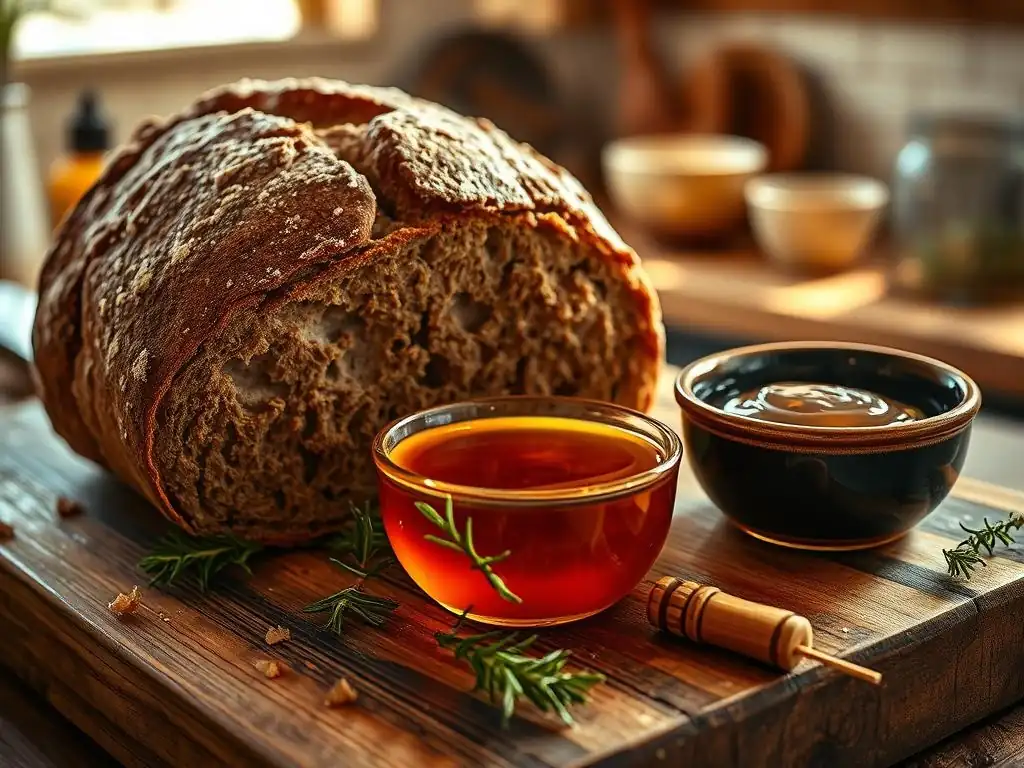
Welcome to BakeWithEase, where baking becomes a joy, not a chore! Ever wondered why some whole wheat bread recipes fall flat? Prepare to unlock the secrets to achieving bakery-worthy results with our simple techniques. Today, we're diving deep into how the magic of honey molasses transforms whole wheat bread into a tender, flavorful masterpiece. Discover the science behind this delicious duo and why it's a game-changer for your next loaf. Curious to learn more? Let's get baking!
- Enhancing Whole Wheat Bread with Honey and Molasses
- Understanding Whole Wheat Bread Baking
- Challenges of Baking with Whole Wheat Flour
- Honey and Molasses: Natural Sweeteners
- The Science Behind Sweeteners in Whole Wheat Bread
- Honey's Role in Baking
- Molasses' Contribution
- Honey and Molasses: Comparison
- Recipes Using Honey or Molasses
- Troubleshooting: Common Issues and Solutions
- Tips and Tricks
- Conclusion: Elevating Your Bread
-
Frequently Asked Questions
- What makes honey or molasses beneficial for whole wheat bread?
- Can I substitute honey for molasses, or vice versa, in a whole wheat bread recipe?
- Does adding honey or molasses impact the rise of whole wheat bread?
- What type of honey or molasses is best for baking whole wheat bread?
- How much honey or molasses should I add to my whole wheat bread recipe?
- Final Reflection: The Sweet Science of Better Whole Wheat Bread
- Unlock the Secrets to Perfectly Moist Whole Wheat Bread!
Enhancing Whole Wheat Bread with Honey and Molasses
Understanding Whole Wheat Bread Baking
Baking with whole wheat flour offers a wonderful depth of flavor and nutritional benefits compared to using refined white flour. Whole wheat flour includes the entire grain kernel – the bran, germ, and endosperm. This inclusion provides more fiber, vitamins, and minerals, resulting in a heartier and often denser loaf. The bran and germ also contain oils and enzymes that can affect gluten development and fermentation, making the process slightly different from baking with all-purpose flour. Understanding these characteristics is the first step to mastering delicious whole wheat bread.
The structure and texture of bread primarily depend on gluten development. When you mix flour and water, proteins in the flour (glutenin and gliadin) form a network called gluten as you knead. This network traps the carbon dioxide produced by yeast during fermentation, causing the dough to rise. In whole wheat flour, the sharp edges of the bran particles can cut the developing gluten strands, inhibiting the formation of a strong, elastic network. This is one reason why 100% whole wheat loaves can sometimes be heavier or denser than those made with white flour.
Challenges of Baking with Whole Wheat Flour
Baking a light, airy, and flavorful loaf using 100% whole wheat flour can present unique challenges. Unlike refined flour, whole wheat contains more fiber and protein, which absorb more liquid. This often results in a dough that feels thirstier and can be less extensible. The presence of bran also interferes with gluten development, potentially leading to a crumb structure that is tighter and less open than expected in a white loaf.
Furthermore, the natural oils in the germ can sometimes affect the bread's keeping qualities, potentially leading to quicker staling or even off-flavors if the flour isn't fresh. Yeast activity can also be slightly different due to the composition of whole wheat flour. Bakers often find they need to adjust hydration levels, kneading times, and fermentation periods to achieve the desired results. Overcoming these hurdles is key to baking truly exceptional whole wheat bread.
Impact on Texture and Flavor
The texture of whole wheat bread is often described as dense or hearty. This is largely due to the bran and germ interrupting the gluten network. While this contributes to the characteristic chewiness, it can also result in a loaf that doesn't rise as high or have as open a crumb structure as white bread. A typical 100% whole wheat loaf might have a volume that is 15-20% less than a comparable white loaf using the same amount of flour by weight.
Flavor-wise, whole wheat flour imparts a nutty, sometimes slightly bitter taste from the bran and germ. While many appreciate this complex flavor profile, it can sometimes dominate or feel a bit flat on its own. Balancing this robust flavor and improving the bread's texture are common goals for bakers seeking to perfect their whole wheat recipes.
Addressing Common Problems
Several techniques are commonly employed to mitigate the challenges of whole wheat baking. Increasing hydration slightly (using perhaps 5-10% more water by weight than you would for white flour) helps the flour absorb enough liquid and makes the dough more manageable. Autolysing (mixing flour and water and letting it rest before adding yeast and salt) is another effective method, allowing the flour to fully hydrate and enzymes to start breaking down starches, which aids in gluten development without extensive kneading.
Using dough conditioners, vital wheat gluten, or combining whole wheat with a percentage of white bread flour are also common approaches to improve structure and rise. However, many bakers prefer to stick to 100% whole wheat for nutritional reasons and seek natural ways to enhance their loaves. This is where natural sweeteners like honey and molasses come into play, offering solutions beyond just adding sweetness.
Honey and Molasses: Natural Sweeteners
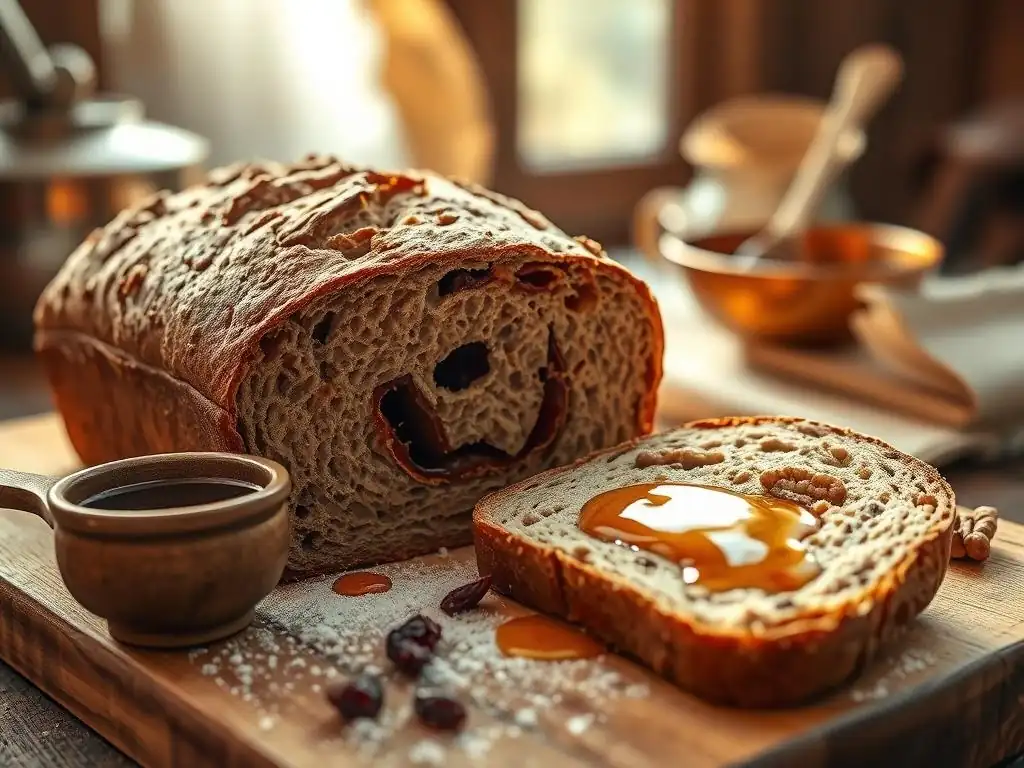
Honey and molasses are more than just alternatives to granulated sugar in baking. These natural sweeteners bring unique properties to the dough, affecting everything from fermentation and crust color to texture and shelf life. Their complex compositions, containing varying levels of sugars, water, minerals, and enzymes, interact with the other ingredients in ways that refined sugar simply cannot.
Choosing between honey and molasses, or even using a combination, depends on the desired outcome for your whole wheat bread. Each imparts a distinct flavor profile and contributes differently to the bread's characteristics. Understanding these differences helps bakers make informed decisions to achieve their ideal honey molasses whole wheat bread.
Multifaceted Benefits
Beyond providing sweetness, honey and molasses offer several functional benefits in bread baking. They serve as readily available food for the yeast, promoting vigorous fermentation. Their hygroscopic nature (ability to attract and retain moisture) helps keep the bread soft and moist, extending its freshness. They also contribute to crust browning through the Maillard reaction and caramelization during baking.
Furthermore, these sweeteners can influence the overall flavor complexity. Honey adds a subtle floral or fruity note, depending on its source, while molasses provides a deeper, richer, almost malty or smoky undertone. These flavors pair exceptionally well with the inherent nuttiness of whole wheat flour, creating a more balanced and appealing taste profile in honey molasses whole wheat bread.
Choosing the Right Sweetener
The choice between honey and molasses often comes down to the desired flavor and color of the final loaf. For a lighter color and a sweet, slightly floral or fruity note, honey is an excellent choice. It provides sweetness without overpowering the whole wheat flavor and contributes to a soft crust.
Molasses, on the other hand, is perfect when you want a richer, darker loaf with a more pronounced, slightly bitter or smoky depth of flavor. It gives whole wheat bread a characteristic dark hue and a robust taste that stands up well to the heartiness of the flour. Some recipes for honey molasses whole wheat bread even use a blend of both to capture the benefits and flavors of each.
The Science Behind Sweeteners in Whole Wheat Bread
The impact of honey and molasses on whole wheat bread goes beyond simple sweetness. Their chemical composition and physical properties play a crucial role in the dough's behavior and the final bread's characteristics. Both contain a mix of sugars, primarily fructose and glucose, which are easily metabolized by yeast, unlike sucrose (table sugar) which requires an initial enzymatic breakdown.
However, the presence of other compounds, such as enzymes in raw honey or minerals and non-sugar solids in molasses, adds complexity. These components interact with proteins and starches in the flour, influencing dough development, fermentation rate, and the bread's structure and keeping quality.
Honey: Moisture and Extensibility
Honey is a natural humectant, meaning it excels at attracting and holding onto water molecules. In whole wheat bread dough, this property helps increase the overall hydration level available to the flour and yeast, even if the initial water content isn't significantly higher. This improved hydration contributes to a more extensible dough, which can stretch better to accommodate the gas produced during fermentation, potentially leading to a better rise despite the bran's interference.
During baking and cooling, honey continues to hold onto moisture, which is critical for preventing the bread from drying out and staling quickly. A loaf of honey whole wheat bread will typically remain soft and fresh for a longer period compared to one made without a humectant or only with refined sugar.
Molasses: Depth of Flavor and Color
Molasses is a byproduct of sugar refining and contains not only sugars but also significant amounts of minerals, particularly iron, calcium, and potassium, as well as other non-sugar solids. These compounds contribute to its distinctive dark color and robust flavor profile. The minerals can also subtly affect yeast activity and gluten development.
The sugars in molasses, combined with the presence of amino acids (from the wheat flour and yeast), participate actively in the Maillard reaction during baking. This complex chemical process is responsible for the browning of the crust and the development of many desirable flavor compounds, giving molasses whole wheat bread its characteristic deep color and rich taste.
Honey's Role in Baking
Honey is a versatile ingredient in whole wheat bread, contributing significantly to several key aspects of the baking process and the final product. Its unique composition makes it more than just a sweetener; it's a functional ingredient that enhances both the dough and the baked loaf.
Using honey in whole wheat bread can lead to a more tender crumb, a softer crust, and improved moisture retention. Approximately 2-4% honey by weight of the flour is a common starting point in many recipes, offering noticeable benefits without making the bread overly sweet.
Impact on Yeast Activity and Fermentation
Honey is an excellent food source for yeast. Its primary sugars, fructose and glucose, are simple monosaccharides that yeast can consume directly and quickly to produce carbon dioxide and alcohol. This rapid availability of food can lead to a more vigorous and efficient fermentation process, helping the whole wheat dough rise effectively.
While too much sugar can inhibit yeast activity due to osmotic pressure, honey in moderate amounts (typically within the 2-8% range of flour weight) provides a steady supply of energy, resulting in consistent and reliable dough development. This is particularly helpful with whole wheat flour, where other factors might slow down the rise.
Softer Crust with Honey
The sugars in honey contribute to crust browning through caramelization and the Maillard reaction. However, honey also contains enzymes and other compounds that can influence the dough's structure near the surface. Additionally, its humectant properties help keep the crust from becoming excessively hard or brittle upon cooling.
Breads made with honey often develop a beautifully golden-brown crust that is softer and more pliable than crusts on loaves made with only refined sugar or no sweetener. This softer crust is a desirable trait for many, especially in sandwich loaves.
Improved Shelf Life
One of the most significant benefits of using honey in whole wheat bread is its ability to extend shelf life. As a powerful humectant, honey draws moisture from the atmosphere into the bread and prevents the bread's own moisture from evaporating. This inhibition of moisture loss directly combats the staling process, which is largely caused by the retrogradation of starch molecules as the bread dries out.
A loaf of honey whole wheat bread can often remain soft and fresh-tasting for several days longer than a similar loaf made without honey. This property makes it particularly valuable for home bakers who may not consume a whole loaf immediately.
Molasses' Contribution
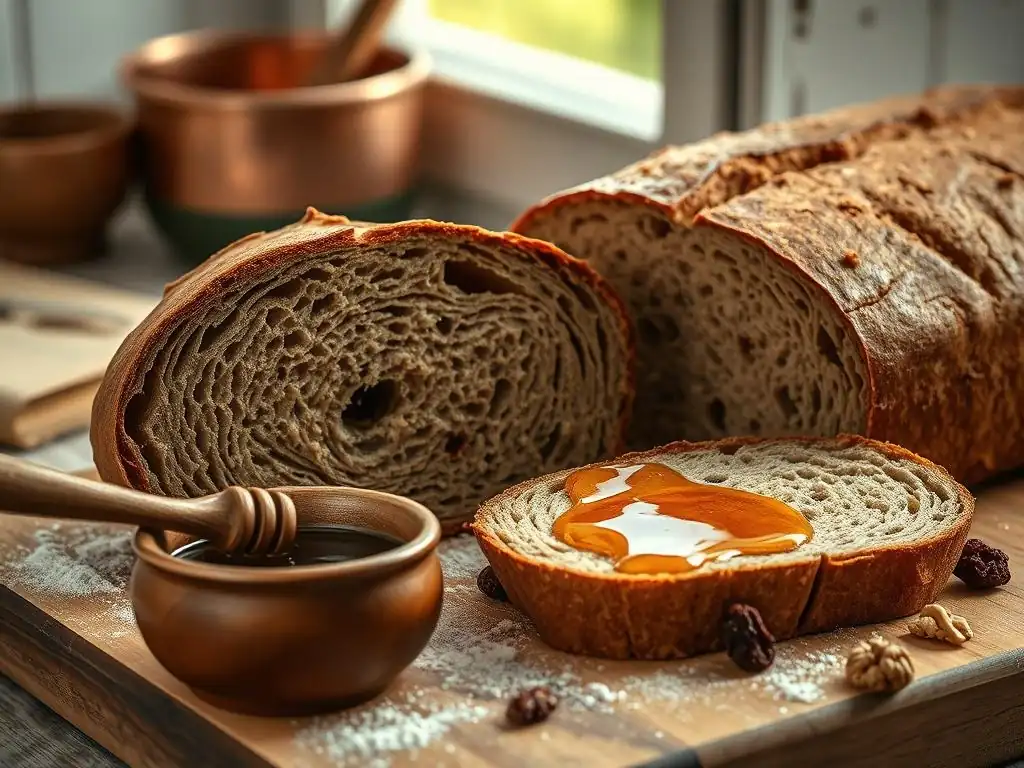
Molasses brings its own set of unique contributions to whole wheat bread, distinct from honey. Its robust flavor, dark color, and composition containing minerals and non-sugar solids make it a powerful ingredient for achieving specific results.
Often used in amounts similar to honey (around 2-5% of flour weight), molasses imparts a characteristic richness and depth that pairs wonderfully with the nuttiness of whole wheat. It's a staple in many traditional whole grain and rye bread recipes for these reasons.
Natural Dough Conditioner
Molasses contains compounds, including minerals, that can interact with the gluten structure in the dough. While not a primary dough conditioner like vital wheat gluten, these substances can subtly influence the dough's handling properties, sometimes making it slightly more pliable.
Anecdotally, some bakers find that molasses contributes to a slightly firmer yet tender crumb structure in whole wheat bread, providing a pleasing contrast to the potentially dense nature of the flour. Its impact on dough rheology is less pronounced than its flavor and color contributions, but it is part of its overall effect on the finished loaf.
Rich Flavor Profile
The most notable contribution of molasses is its complex, rich flavor. Depending on the type (light, dark, or blackstrap), molasses can range from mildly sweet with caramel notes to intensely strong, slightly bitter, and smoky. This robust flavor stands up well to the hearty taste of whole wheat flour, preventing the bread from tasting bland.
Molasses adds layers of flavor that refined sugar cannot replicate, creating a more sophisticated taste experience. It is a key ingredient in classic dark breads and adds a comforting, old-fashioned quality to molasses whole wheat bread.
Dark vs. Light Molasses: Color and Taste
The type of molasses used significantly impacts the bread's final color and taste. Light molasses, a result of the first boiling of the sugar syrup, is the sweetest and mildest in flavor with a lighter color. It imparts a gentle richness.
Dark molasses, from the second boiling, is less sweet, darker, and has a more pronounced, slightly bitter flavor. Blackstrap molasses, from the third boiling, is the darkest, least sweet, and most bitter, with the highest concentration of minerals. For molasses whole wheat bread, light or dark molasses is typically preferred to avoid an overly bitter taste, with dark molasses providing a richer color and stronger flavor.
Honey and Molasses: Comparison
While both honey and molasses are natural sweeteners that enhance whole wheat bread, they do so in different ways.
- Flavor: Honey offers a sweeter, often floral or fruity flavor; molasses provides a richer, deeper, sometimes slightly bitter or smoky taste.
- Color: Honey contributes to golden-brown crusts; molasses results in a darker crumb and crust.
- Texture: Both improve softness and moisture retention (humectant properties), but honey's impact on overall crumb softness might be slightly more pronounced due to its specific sugar composition and enzymes. Molasses can contribute to a slightly firmer crumb structure.
- Nutrients: Molasses, especially blackstrap, is significantly higher in minerals like iron and calcium than honey. Honey contains enzymes and antioxidants not found in molasses.
- Impact on Yeast: Both feed yeast efficiently, but honey's simpler sugars might provide a slightly faster initial boost.
Choosing between them depends on whether you prioritize a lighter, sweeter, softer loaf (honey) or a darker, richer, more robust loaf (molasses). Many bakers experiment with combinations to find their perfect balance in a honey molasses whole wheat bread.
Recipes Using Honey or Molasses
While specific recipes vary, here are general outlines illustrating how honey and molasses are incorporated into whole wheat bread. These examples highlight the typical ratios and methods used.
Honey Whole Wheat Bread Recipe
A standard recipe for honey whole wheat bread might use 100% whole wheat flour, water, yeast, salt, and honey. A common ratio could be around 500g whole wheat flour, 350-375g water (70-75% hydration), 7g instant yeast, 10g salt, and 20-30g honey (4-6% of flour weight). The honey is typically dissolved with the water before being added to the dry ingredients.
Ingredients:
- 500g Whole Wheat Flour
- 360g Warm Water (approx. 72% hydration)
- 7g Instant Yeast
- 10g Salt
- 25g Honey

Instructions:
1. Dissolve honey in warm water.
2. Combine flour, salt, and yeast in a bowl.
3. Add the liquid mixture to the dry ingredients.
4. Mix and knead until dough is developed (approx. 8-10 mins).
5. Ferment until doubled (approx. 1-1.5 hours).
6. Shape and proof (approx. 45-60 mins).
7. Bake at 375°F (190°C) for 30-40 mins.
This approach results in a loaf with a characteristic golden crust, a tender crumb, and a subtle sweetness that complements the whole wheat flavor.
Molasses Whole Wheat Bread Recipe
A molasses whole wheat bread recipe would follow a similar structure but substitute molasses for honey. Using dark molasses will yield a more pronounced flavor and darker color. A possible ingredient ratio might be 500g whole wheat flour, 350-375g water, 7g instant yeast, 10g salt, and 25g dark molasses.
Ingredients:
- 500g Whole Wheat Flour
- 360g Warm Water (approx. 72% hydration)
- 7g Instant Yeast
- 10g Salt
- 25g Dark Molasses

Instructions:
1. Dissolve molasses in warm water.
2. Combine flour, salt, and yeast in a bowl.
3. Add the liquid mixture to the dry ingredients.
4. Mix and knead until dough is developed (approx. 8-10 mins).
5. Ferment until doubled (approx. 1-1.5 hours).
6. Shape and proof (approx. 45-60 mins).
7. Bake at 375°F (190°C) for 30-40 mins.
This recipe produces a loaf with a deeper brown color, a richer, slightly malty flavor, and a satisfyingly hearty texture that stands up well to spreads or toppings.
Troubleshooting: Common Issues and Solutions
Even with the benefits of honey and molasses, baking whole wheat bread can sometimes present challenges. Here are a few common issues and how to address them when baking honey molasses whole wheat bread.
Dealing with Sticky Dough
Whole wheat dough, especially with added sweeteners which are hygroscopic, can sometimes be stickier than white dough. This is normal due to the flour's absorption properties and the nature of the sweeteners.
Solutions:
- Ensure you've measured accurately. Adding too much liquid is a common cause of sticky dough.
- Resist adding too much extra flour during kneading. A slightly sticky dough is often well-hydrated and will result in a moister bread.
- Use wet hands or a dough scraper during kneading.
- Allow for a proper autolyse period (20-30 minutes) before adding yeast and salt; this helps the flour absorb liquid and makes the dough less shaggy and easier to handle.
Adjusting Baking Time and Temperature
Because honey and molasses contribute to faster browning, the crust of honey molasses whole wheat bread may darken more quickly than loaves without these sweeteners. This can sometimes lead to a dark crust before the interior is fully baked.
Solutions:
- Monitor the bread's crust color during baking. If it's browning too quickly, loosely tent the loaf with aluminum foil for the remaining bake time.
- Use an internal thermometer to check for doneness. Whole wheat bread is typically done when the internal temperature reaches 195-205°F (90-96°C).
- Consider slightly lowering the oven temperature (by 10-15°F or 5-8°C) after the initial 15-20 minutes of baking, especially if you notice rapid browning.
Achieving the Perfect Rise
Whole wheat flour can sometimes result in a denser loaf with less volume. While honey and molasses help feed the yeast, other factors can impede a good rise.
Solutions:
- Ensure your yeast is active. Test it in warm water (around 105-115°F or 40-46°C) with a pinch of the sweetener; it should become frothy within 5-10 minutes.
- Allow sufficient fermentation time. Whole wheat dough can sometimes ferment slower than white dough. Watch the dough itself, not just the clock – it should roughly double in size during the first rise.
- Ensure proper kneading to develop enough gluten structure to support the rise, even with the bran present.
- Don't over-proof the dough during the final rise. If the dough proofs too long, the structure can collapse in the oven. The dough should look puffy but still spring back slowly when gently poked.
Tips and Tricks
Incorporating honey or molasses into your whole wheat bread can be simple, but a few tips can help ensure the best results.
Measuring Accurately
Liquid sweeteners like honey and molasses are viscous and can be tricky to measure accurately. They also weigh more per volume than dry ingredients.
Tips:
- Use measuring cups designed for liquids, placed on a flat surface.
- For greater accuracy, especially for larger batches, measure by weight using a kitchen scale. Honey weighs approximately 12 oz per standard cup (about 340g), and molasses weighs around 11.5 oz per standard cup (about 325g).
- Lightly oil or spray your measuring spoon or cup before measuring sticky liquids like honey or molasses to help them slide out easily.
Incorporating Evenly
Ensuring the sweetener is evenly distributed throughout the dough is crucial for consistent fermentation and flavor.
Tips:
- Always dissolve honey or molasses in the liquid portion (water or milk) of your recipe before adding it to the dry ingredients. This disperses the sugars and makes them immediately available to the yeast.
- Mix the liquid and sweetener thoroughly until fully combined before adding to the flour mixture.
- Ensure the dough is kneaded adequately to distribute all ingredients evenly.
Storing for Freshness
Honey and molasses improve the shelf life of whole wheat bread, but proper storage is still key to maintaining freshness and preventing mold.
Tips:
- Allow the bread to cool completely on a wire rack before storing. Storing warm bread creates moisture inside the storage container, promoting mold growth.
- Store honey molasses whole wheat bread at room temperature in a bread box, a clean paper bag inside a plastic bag, or a breathable cloth bag. Avoid refrigerating bread, as this can actually speed up the staling process.
- For longer storage, slice the cooled loaf and freeze the slices in an airtight bag or container. Thaw slices as needed.
Conclusion: Elevating Your Bread
Incorporating honey or molasses into your whole wheat bread is a simple yet effective way to overcome some of the challenges of baking with whole grain flour. These natural sweeteners do more than just add sweetness; they improve texture, enhance flavor, contribute to a beautiful crust color, and significantly extend the shelf life of your loaf.
Whether you choose the golden sweetness of honey or the rich depth of molasses for your honey molasses whole wheat bread, you are adding functional ingredients that nourish the yeast, retain moisture, and build complexity. Experiment with both to discover which best suits your taste and enjoy the rewarding process of baking truly exceptional whole wheat bread that is moist, flavorful, and stays fresh longer.
Frequently Asked Questions
What makes honey or molasses beneficial for whole wheat bread?
Honey and molasses add moisture and sweetness to whole wheat bread, which can often be dry and slightly bitter. They also contribute to a softer crumb and improved texture.
Can I substitute honey for molasses, or vice versa, in a whole wheat bread recipe?
Yes, you can usually substitute them in equal amounts, but be aware that molasses has a stronger flavor than honey. This will affect the final taste of the bread.
Does adding honey or molasses impact the rise of whole wheat bread?
Yes, both honey and molasses can feed the yeast, potentially resulting in a better rise. However, too much molasses can inhibit yeast activity due to its acidity.
What type of honey or molasses is best for baking whole wheat bread?
For honey, a mild-flavored honey like clover or wildflower is a good choice. For molasses, unsulfured molasses is preferred, with light or dark varieties offering different flavor intensities.
How much honey or molasses should I add to my whole wheat bread recipe?
Start with a small amount, about 1-2 tablespoons per loaf, and adjust to your preference. Adding too much can make the bread too sweet or dense, especially with molasses.
Final Reflection: The Sweet Science of Better Whole Wheat Bread
The subtle alchemy of adding honey or molasses to whole wheat bread isn't just about enhancing flavor; it's about unlocking the full potential of this nutritious staple. These simple additions dramatically improve texture, moisture retention, and overall eating experience, making whole wheat bread a truly enjoyable and accessible part of a healthy diet. This is particularly relevant today, as consumers increasingly seek out wholesome, flavorful alternatives to processed foods.
The impact of these seemingly small additions extends beyond the individual loaf. The rise in popularity of artisan baking and the renewed focus on natural ingredients reflect a broader cultural shift towards appreciating the nuances of food production. Bread is the staff of life,
a common saying reminds us of its fundamental role in human sustenance and culture. By understanding the science behind improving whole wheat bread, we gain a deeper appreciation for the craft and the simple pleasures it provides. This understanding allows us to move beyond simply consuming bread, to actively participating in its creation and enjoying the results.
Now, consider your own baking journey. Will you experiment with different ratios of honey or molasses in your next loaf? Will you explore other natural sweeteners or additions to further enhance the flavor and texture? The possibilities are endless, and the reward is a delicious, wholesome bread that nourishes both body and soul. Embrace the process, savor the results, and discover the joy of creating something truly special from simple ingredients.
Unlock the Secrets to Perfectly Moist Whole Wheat Bread!
Thanks for taking the time to explore the wonders of adding honey or molasses to your whole wheat bread! You've now learned how these simple additions can dramatically improve texture and flavor. Ready to put your new knowledge into action?
- Bake a batch of delicious, moist whole wheat bread today! Experiment with different amounts of honey or molasses to find your perfect recipe. Don't be afraid to get creative!
- Share your baking triumphs (or challenges!) with our community on social media using #BakeWithEaseHoneyWheat. We love seeing your creations!
- Try substituting other sweeteners like maple syrup or brown sugar for a unique twist. What will you discover?
Have you ever experimented with adding other unexpected ingredients to improve your whole wheat bread? Let's hear your tips and tricks in the comments below!