
Sicilian Pastries Made Simple: A Home Baker's Guide

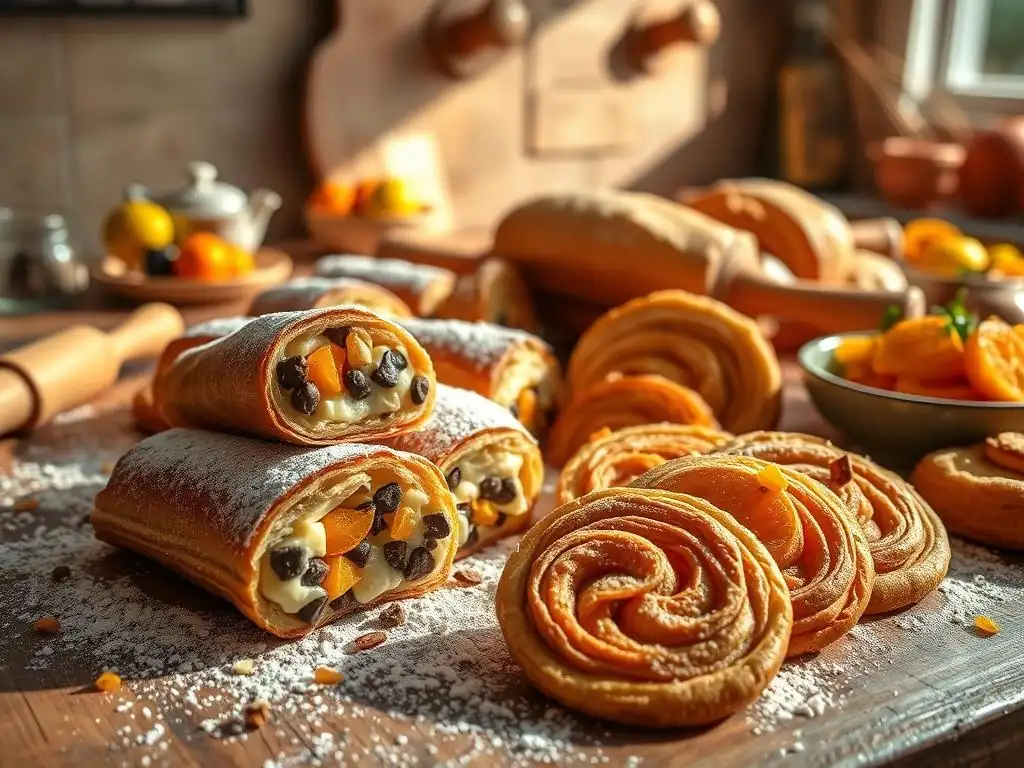
Welcome to BakeWithEase!
Ever dreamt of recreating the sun-drenched flavors of Sicily in your own kitchen? You're in the right place! Discover the secrets to crafting authentic, mouthwatering treats with our collection of easy Sicilian pastry recipes. Prepare to be amazed at how simple it can be to bring a taste of Italy to your table. Intrigued? Let's unlock the secrets of these delightful regional delicacies together!
- Introduction to Easy Sicilian Pastry Recipes
- Understanding Sicilian Pastry Essentials
- Easy Sicilian Pastry Recipes: Step-by-Step Guides
- Tips and Tricks for Perfect Sicilian Pastries
- Variations and Adaptations of Sicilian Pastry Recipes
- Conclusion: Enjoying the Taste of Sicily at Home
-
Frequently Asked Questions
- How easy are the Sicilian pastry recipes on BakeWithEase.com?
- What types of Sicilian pastries can I find on BakeWithEase.com?
- Do I need special equipment to make Sicilian pastries using BakeWithEase.com recipes?
- Where can I find the ingredients for the Sicilian pastry recipes?
- Are the Sicilian pastry recipes suitable for beginner bakers?
- Final Reflection: The Sweet Legacy of Sicily, Baked at Home
- Unleash Your Inner Pastry Chef!
Introduction to Easy Sicilian Pastry Recipes
BakeWithEase Welcomes You to the World of Sicilian Baking
Welcome, fellow baking enthusiasts, to a journey into the vibrant and delicious world of Sicilian pastries! At BakeWithEase, we believe that mastering delightful desserts shouldn't require a plane ticket to Italy or years of culinary school. Sicily, the largest island in the Mediterranean, boasts a rich history and a culinary heritage deeply intertwined with its diverse influences, from Greek and Arab to Norman and Spanish.
This fusion has resulted in a unique array of sweets, known for their vibrant flavors, beautiful presentation, and often, surprising simplicity. Our goal is to demystify these treats, proving that crafting authentic-tasting Easy Sicilian pastry recipes is well within your reach, right in your own kitchen.
Forget the intimidation factor often associated with elaborate European desserts. Many traditional Sicilian sweets are surprisingly accessible for home bakers, relying on staple ingredients and straightforward techniques. Think creamy ricotta, fragrant citrus zest, crunchy almonds, and sweet candied fruits. These foundational elements come together to create iconic treats that are not only delicious but also tell a story of the island's history and culture. This guide will walk you through some beloved classics, breaking them down into manageable steps so you can confidently recreate the magic of Sicilian baking.
Why Sicilian Pastries Are Perfect for Home Bakers
Sicilian pastries offer a fantastic entry point into regional Italian baking for several compelling reasons. Firstly, many of the most famous items, like cannoli or almond cookies, rely on relatively few core ingredients. This makes shopping simpler and reduces complexity. For instance, a classic cannolo filling is primarily ricotta, sugar, and perhaps a touch of vanilla or citrus zest – ingredients commonly found in most kitchens. This focus on quality, simple components allows the natural flavors to shine through, which is a hallmark of excellent baking.
Secondly, the techniques involved in many Easy Sicilian pastry recipes are quite approachable. Frying cannoli shells, while it might sound daunting, is a skill easily acquired with a little practice and care. Baking almond cookies is often as simple as mixing, shaping, and baking. Even a more complex item like cassata can be simplified for the home kitchen without sacrificing its essential character. These recipes provide wonderful opportunities to learn fundamental baking skills – from making basic doughs and creams to simple assembly and decoration – building your confidence with each successful batch.
Understanding Sicilian Pastry Essentials
Key Ingredients in Authentic Sicilian Pastries
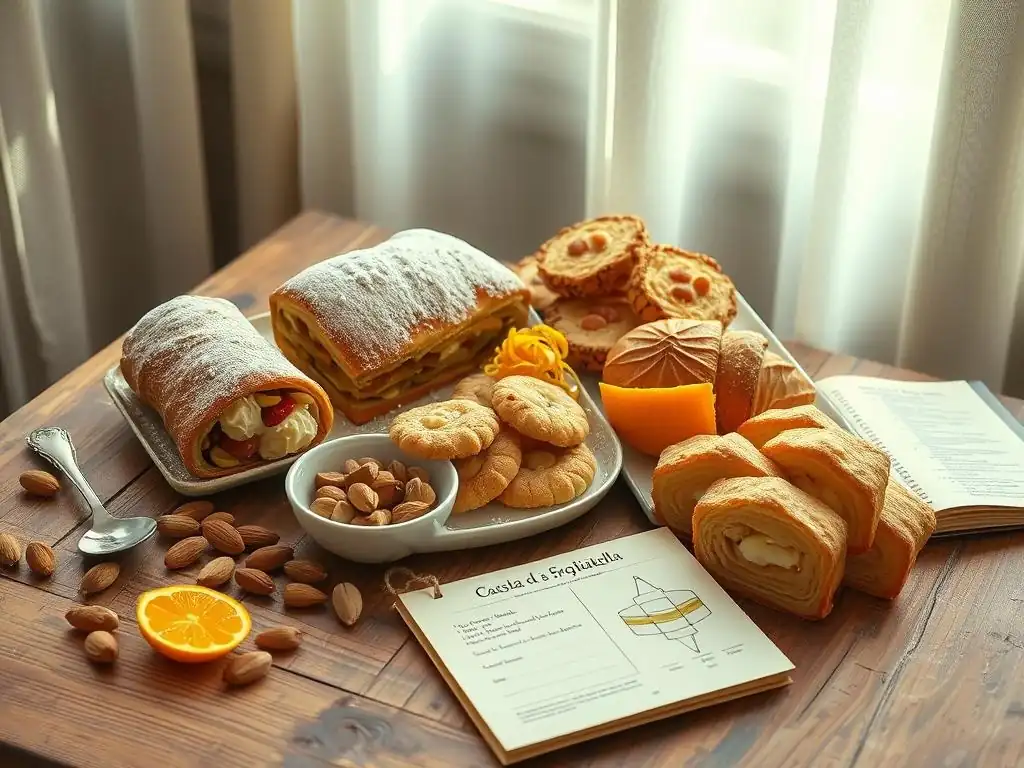
The heart of many authentic Sicilian pastries lies in a few star ingredients that capture the essence of the island's bounty. Ricotta cheese is perhaps the most ubiquitous, particularly in its sweet, creamy form used for fillings in cannoli and cassata. Ideally, fresh sheep's milk ricotta is preferred for its richer flavor and finer texture, though good quality cow's milk ricotta, drained properly, works well for home baking.
Another cornerstone is the almond, a major crop in Sicily. Almond flour, ground almonds, and whole blanched almonds feature prominently in cookies (like paste di mandorla) and cakes, lending a distinctive nutty aroma and texture. Sicily produces some of the finest almonds, known for their intense flavor.
Citrus fruits, especially lemons and oranges, are also indispensable. Their zest and juice provide brightness and balance to rich, sweet flavors, often incorporated into creams, doughs, or used as garnishes. Candied fruits ( frutta candita), particularly candied orange peel and citron, are classic additions, bringing pops of color and intense sweetness to items like cassata. Other common elements include honey, pistachios (especially from Bronte), chocolate (often in chip form), and various spices like cinnamon and vanilla, used to enhance the core flavors. Using high-quality versions of these ingredients will significantly elevate your Easy Sicilian pastry recipes.
Essential Tools for Making Sicilian Treats at Home
While you don't need a professional pastry kitchen to make Easy Sicilian pastry recipes, having a few key tools can make the process smoother and more enjoyable. For cannoli, cannoli tubes (metal cylinders) are essential for shaping the shells during frying. A deep fryer or a heavy-bottomed pot for frying is also necessary, along with a slotted spoon or spider strainer to safely remove the shells. A pastry bag fitted with a large round tip is invaluable for cleanly filling cannoli and decorating other pastries with creams.
For recipes involving dough, a stand mixer with a dough hook can be helpful, though mixing by hand is often perfectly feasible. Baking sheets lined with parchment paper are standard for cookies and cake layers. A fine-mesh sieve is useful for sifting powdered sugar or draining ricotta.
For granita, while a professional ice cream maker isn't required, a shallow metal pan (like a baking pan) and a fork for scraping are crucial for achieving the desired icy texture. Having accurate measuring cups and spoons, along with a kitchen scale for more precise recipes, will ensure consistent results when tackling your favorite Easy Sicilian pastry recipes.
Easy Sicilian Pastry Recipes: Step-by-Step Guides
Recipe 1: Cannoli - The Iconic Sicilian Pastry Made Easy
Cannoli are perhaps the most recognizable Sicilian pastry, famous for their crisp shells and creamy ricotta filling. Making them at home is a rewarding experience, and this simplified approach focuses on achievable steps for home bakers. The shells are typically made from a dough containing flour, sugar, a little fat (like lard or butter), egg, and often a splash of wine or vinegar, which helps create those signature bubbles and crispness when fried. Rolling the dough thinly is key, usually to about 1-2mm thickness.
Once the dough is rolled, it's cut into ovals or circles. These shapes are then wrapped around metal cannoli tubes, sealing the edge with a little egg white or water to prevent them from opening during frying. The tubes with the wrapped dough are carefully submerged in hot oil (around 350-375°F or 175-190°C) and fried until golden brown and bubbly, which usually takes only a minute or two per batch. After frying, the hot shells are carefully slid off the tubes and left to cool completely on a wire rack before filling.
Preparing the Cannoli Shells: A Beginner's Guide
Creating the perfect cannoli shell requires a bit of technique, but it's entirely manageable. Start by whisking together your dry ingredients: typically 2 cups of all-purpose flour, 2 tablespoons of granulated sugar, and a pinch of salt. Cut in about 2 tablespoons of cold butter or lard until the mixture resembles coarse crumbs. In a separate bowl, whisk together 1 large egg, 1-2 tablespoons of dry Marsala wine (or white wine/vinegar), and maybe a teaspoon of vanilla extract.
Gradually add the wet ingredients to the dry, mixing until a dough forms. Knead briefly on a floured surface until smooth, about 5-7 minutes. Wrap the dough tightly in plastic wrap and let it rest in the refrigerator for at least 30 minutes, or up to several hours.
After resting, divide the dough into smaller portions for easier handling. Roll each portion out very thinly, either with a rolling pin or a pasta machine set to a thin setting (like setting 5 or 6 on a standard machine). The thinner the dough, the crispier the shell.
Cut out shapes using a round or oval cutter (about 4-5 inches in diameter). Wrap each piece of dough around a greased cannoli tube, sealing the overlapping edge firmly with a dab of egg white or water. Heat about 2-3 inches of vegetable oil in a heavy pot to 350-375°F (175-190°C).
Carefully lower 2-3 tubes into the hot oil, frying for 1-2 minutes per side, until golden brown and covered in small blisters. Remove with a slotted spoon and place on paper towels to drain briefly before carefully sliding the hot shells off the tubes. Let shells cool completely on a wire rack before filling.
Making the Sweet Ricotta Filling for Cannoli
The classic cannoli filling is a simple, luscious sweet ricotta cream. The key is starting with good quality ricotta and draining it thoroughly to remove excess moisture. Place 2-3 cups of whole milk ricotta in a fine-mesh sieve lined with cheesecloth (if you have it) set over a bowl. Let it drain in the refrigerator for several hours, or even overnight. This step is crucial for preventing a watery filling.
Once drained, transfer the ricotta to a bowl. Add powdered sugar to taste – typically starting with about 1/2 cup for 2 cups of drained ricotta, and adding more as needed until your desired sweetness is reached. You can also add flavorings like 1 teaspoon of vanilla extract, the zest of half a lemon or orange, or a pinch of cinnamon.
For a smoother texture, some people like to press the mixture through a sieve or process it briefly in a food processor, though a simple whisking will also work. Gently fold in optional additions like mini chocolate chips, chopped candied orange peel, or chopped pistachios. Cover and refrigerate the filling until ready to use.
Assembling and Decorating Your Homemade Cannoli
Assembling cannoli is best done just before serving to ensure the shells remain crisp. If the filling sits in the shells for too long, the moisture will make them soggy. Transfer the chilled ricotta filling to a pastry bag fitted with a large round tip. Take a cooled cannoli shell and pipe the filling into one end, pushing it gently to ensure it fills the entire shell. Then, pipe filling into the other end until it meets in the middle and both ends are full and flush with the shell opening.
Once filled, you can decorate the ends of the cannoli. Classic decorations include dipping the ends in mini chocolate chips, chopped pistachios, or chopped candied orange peel. A light dusting of powdered sugar over the entire cannolo is also a traditional and beautiful finishing touch. Arrange the finished cannoli on a serving platter and enjoy immediately. These Easy Sicilian pastry recipes bring the authentic taste of Italy straight to your table.
Recipe 2: Cassata Siciliana - A Simplified Version for Home Baking
Cassata Siciliana is a showstopper of a cake, traditionally quite elaborate with its marzipan coating, ricotta filling, and vibrant candied fruit decoration. This simplified version focuses on capturing the essential flavors and textures without requiring expert confectionery skills, making it an accessible project for home bakers exploring Easy Sicilian pastry recipes. The core components are a light sponge cake, a creamy sweet ricotta filling, and candied fruit.
Instead of a classic Genoise sponge (which can be tricky), we'll use a simple, reliable sponge cake recipe. The ricotta filling is similar to the cannoli filling but often includes more candied fruit and sometimes chocolate. The traditional marzipan exterior is often replaced in home versions with a simple dusting of powdered sugar or a light glaze, focusing the effort on the delicious interior. Assembling involves layering cake slices, ricotta cream, and letting it set before decorating.
Baking the Sponge Cake for Cassata
A light, airy sponge cake is the foundation of cassata. For this simplified version, you can use a basic recipe that yields a tender crumb. Preheat your oven to 350°F (175°C). Grease and flour a 9-inch round cake pan. In a large bowl, whisk together 1 1/2 cups all-purpose flour and 1 1/2 teaspoons baking powder. In a separate bowl, whisk together 4 large eggs and 1 cup granulated sugar until light and fluffy, about 3-5 minutes with an electric mixer. Beat in 1/2 cup milk and 1/4 cup melted butter or vegetable oil, and 1 teaspoon vanilla extract.
Gradually add the dry ingredients to the wet ingredients, mixing on low speed or by hand until just combined and no dry streaks remain. Pour the batter into the prepared pan and bake for 25-30 minutes, or until a toothpick inserted into the center comes out clean. Let the cake cool in the pan for 10 minutes before inverting it onto a wire rack to cool completely. Once cooled, the cake will be sliced horizontally into two or three layers, or cut into strips or cubes, depending on your assembly method.
Preparing the Ricotta Cream and Candied Fruit
The ricotta cream for cassata is a key element, providing the signature richness. Start with 3-4 cups of well-drained whole milk ricotta (follow the draining process described for cannoli). Transfer the drained ricotta to a bowl and add 1 cup of powdered sugar, or to taste. Stir in 1 teaspoon of vanilla extract and the zest of one orange. For a smoother cream, you can press it through a sieve or briefly process it.
Now, incorporate the classic cassata additions: candied fruit and chocolate. Chop 1/2 cup of mixed candied fruit (citron, orange peel, cherries are traditional) and 1/4 cup of mini chocolate chips. Gently fold these into the sweetened ricotta cream. Some recipes also call for a splash of Marsala wine or a liqueur like Strega stirred into the cream for extra flavor. Cover the cream and refrigerate for at least 30 minutes to allow the flavors to meld.
Assembling and Decorating the Cassata Siciliana
There are several ways to assemble a simplified cassata, but a common method involves lining a bowl or springform pan with slices or cubes of sponge cake, then filling the center with the ricotta cream, and finally topping with more cake. For a classic dome shape, line a round-bottomed bowl (about 8-9 inches in diameter) with plastic wrap, leaving plenty of overhang. Cut the cooled sponge cake into slices about 1/2 inch thick.
Line the inside of the bowl with the cake slices, fitting them snugly. You can brush the cake lightly with a simple syrup (equal parts sugar and water, boiled and cooled) or a little liqueur if desired, though it's not strictly necessary for a moist cake.
Spoon the prepared ricotta cream into the cake-lined bowl, spreading it evenly. Cover the top of the cream with more cake slices to form the base of the cake when inverted. Fold the overhanging plastic wrap over the top, then cover the bowl with a plate or plastic wrap. Refrigerate the cassata for at least 4-6 hours, or preferably overnight, to allow it to set firmly.
To serve, unwrap the plastic wrap and invert the bowl onto a serving plate. Carefully remove the plastic wrap. Decorate the top simply with a dusting of powdered sugar, or arrange a few pieces of candied fruit or chocolate curls on top. This simplified approach still delivers the iconic taste of Easy Sicilian pastry recipes like cassata.
Recipe 3: Granita - Sicilian Frozen Dessert Made Simple
Granita is the ultimate simple Sicilian treat, perfect for cooling down on a warm day. It's a semi-frozen dessert made from sugar, water, and flavorings, characterized by its crystalline, icy texture, distinct from sorbet or ice cream. The beauty of granita is its minimal ingredient list and the fact that it doesn't require special equipment like an ice cream maker to achieve the desired consistency. It's a prime example of how Easy Sicilian pastry recipes can be refreshing and effortlessly delicious.
Traditional Sicilian granita flavors are often based on local produce: lemon (Granita al Limone), almond (Granita alla Mandorla), coffee (Granita al Caffè), and fruits like strawberry or mulberry. The process involves freezing the mixture and regularly scraping it with a fork as it freezes to create the signature icy crystals. This manual scraping is what gives granita its unique texture – not smooth like sorbet, but delightfully granular and refreshing.
Choosing Your Granita Flavor: Lemon, Almond, Coffee, and More
The foundation of most granitas is a simple syrup (sugar dissolved in water) combined with a flavoring agent. The choice of flavor is where you can truly explore the taste of Sicily. Granita al Limone is perhaps the most classic and incredibly refreshing. It's made with fresh lemon juice and zest, sugar, and water. For an authentic taste, use fresh, good-quality lemons.
Granita alla Mandorla uses almond milk or a mixture of water and finely ground almonds, sweetened with sugar. It has a delicate, nutty flavor. Granita al Caffè is made with strong brewed coffee, sugar, and water, often served with a dollop of whipped cream. Other fruit-based options like strawberry, peach, or mulberry granita are made by pureeing fresh fruit and combining it with the simple syrup. Experimenting with seasonal fruits allows you to create your own Easy Sicilian pastry recipes in granita form.
Making Granita at Home Without an Ice Cream Maker
Making granita at home is surprisingly easy. Start by making a simple syrup: combine 1 cup of sugar with 2 cups of water in a saucepan and heat, stirring, until the sugar is completely dissolved. Let the syrup cool slightly. Now, add your flavoring.
For lemon, stir in 1 cup of fresh lemon juice and the zest of two lemons. For coffee, stir in 2 cups of strong brewed coffee. For almond, use 2 cups of good quality almond milk and perhaps a few drops of almond extract, adjusting sugar to taste. For fruit, blend about 2 cups of ripe fruit puree with the simple syrup.
Pour the mixture into a shallow metal pan (like a 9x13 inch baking pan). Place the pan in the freezer. After about 30-45 minutes, check the mixture. Ice crystals will start forming around the edges. Using a fork, scrape the frozen edges towards the center. Return the pan to the freezer. Continue this process of checking and scraping every 30-45 minutes for about 2-3 hours, or until the entire mixture is frozen and has a fluffy, crystalline texture. The scraping breaks up the ice crystals as they form, creating the desired granita consistency.
Serving and Enjoying Your Homemade Granita
Once your granita has reached the perfect flaky, icy texture, it's ready to be served. Use a fork to give it one last scrape before scooping it into chilled glasses or bowls. Granita is traditionally served with a brioche bun ( brioscia con il tuppo), which is often dipped into the granita – a delightful combination of cold and sweet with soft bread.
For Granita al Caffè, a traditional topping is a generous dollop of whipped cream. Lemon granita is often served simply as is, or with a sprig of mint. Almond granita is delicious on its own or sometimes garnished with a few toasted almond slivers. Enjoying granita is about savoring the simple, intense flavor and the refreshing icy texture – a true taste of Sicilian summer and a highlight of Easy Sicilian pastry recipes.
Paste di Mandorla, or Sicilian almond paste cookies, are incredibly popular and wonderfully easy to make. They are soft, chewy cookies made primarily from almond flour or ground almonds, sugar, and egg whites, often flavored with lemon or orange zest. Their simplicity makes them a perfect candidate for anyone looking for Easy Sicilian pastry recipes that deliver big on flavor with minimal effort.
These cookies require no chilling time and bake relatively quickly. The dough is typically mixed by hand or with a mixer, then shaped into small balls or traditional shapes, sometimes adorned with a blanched almond or candied cherry. They bake to a slightly crisp exterior and a wonderfully soft, moist interior.
Preparing the Almond Paste Dough
The dough for Paste di Mandorla is straightforward. You'll need fine almond flour (or finely ground blanched almonds), granulated sugar, and egg whites. In a bowl, whisk together 2 cups of fine almond flour and 1 1/2 cups of granulated sugar. Add the zest of one lemon or half an orange for classic Sicilian flavor. In a separate bowl, lightly whisk 2 large egg whites until slightly frothy – you don't need to beat them to stiff peaks.
Add the whisked egg whites to the dry ingredients. Mix together using a wooden spoon or spatula, or with a stand mixer fitted with the paddle attachment, until a cohesive, slightly sticky dough forms. The dough should be firm enough to shape but still moist. If it seems too dry, you can add another half egg white; if too wet, add a tablespoon or two more almond flour. The goal is a pliable dough that holds its shape.
Shaping and Baking the Paste di Mandorla
Preheat your oven to 350°F (175°C). Line baking sheets with parchment paper. Scoop spoonfuls of the dough (about 1 tablespoon each) and roll them into small balls between your palms. You can leave them as simple balls, or gently press them slightly flat. For a traditional look, you can press a blanched almond or a small piece of candied cherry into the center of each cookie.
Place the shaped cookies on the prepared baking sheets, leaving about 1-2 inches between them as they will spread slightly. Bake for 12-15 minutes, or until the edges are lightly golden and the tops look set and slightly cracked. Be careful not to overbake them, as this will make them dry. They should remain soft in the center.
Decorating Your Sicilian Almond Cookies
Paste di Mandorla are often served simply as they are, showcasing their natural beauty and the subtle crackling on the surface from baking. However, a light dusting of powdered sugar once they are completely cool is a common and lovely finishing touch. This enhances their visual appeal and adds a touch more sweetness.
Another simple decoration is to place a blanched almond or a small piece of candied cherry on top before baking, as mentioned earlier. Some bakers also like to drizzle cooled cookies with a little melted chocolate or a simple lemon glaze after they've cooled. For an extra touch of elegance, you can press the tops of the dough balls with a fork before baking to create a pattern. These simple steps highlight the natural beauty and ease of these Easy Sicilian pastry recipes.
Tips and Tricks for Perfect Sicilian Pastries
Mastering the Art of Frying Cannoli Shells
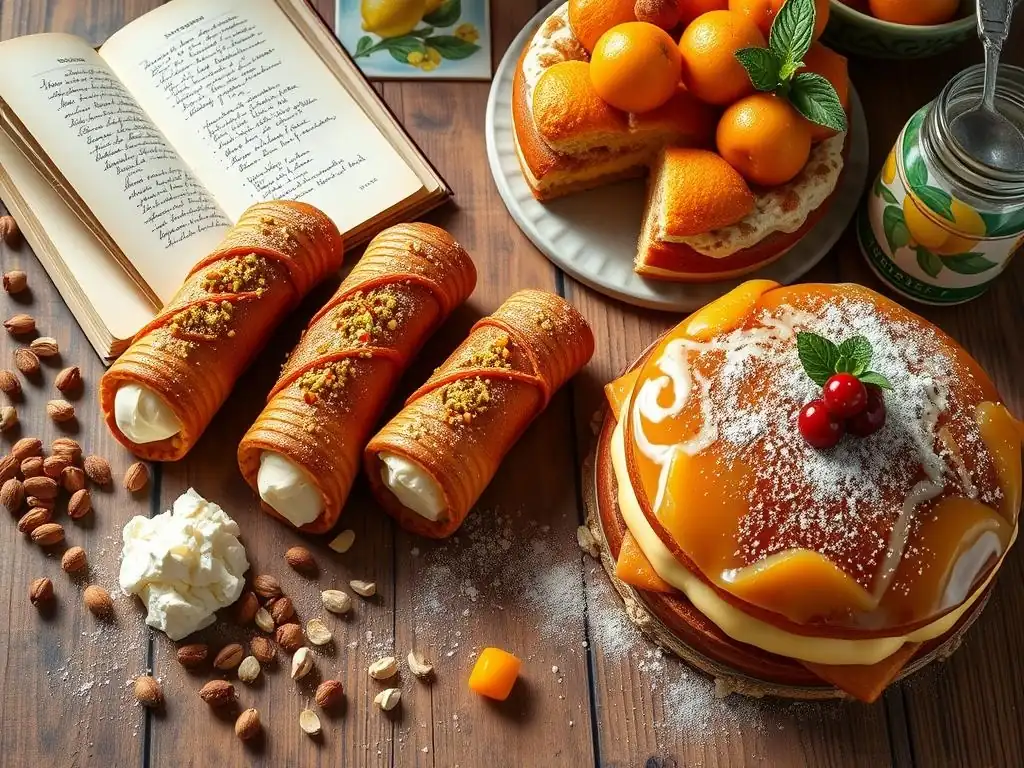
Frying can seem intimidating, but with a few tips, you can achieve perfectly crisp cannoli shells at home. Firstly, ensure your oil is at the correct temperature, ideally between 350°F and 375°F (175-190°C). Use a kitchen thermometer to monitor this. If the oil is too cool, the shells will absorb too much grease and become heavy; if too hot, they will burn before cooking through. Use a neutral oil with a high smoke point, like vegetable or canola oil.
Secondly, don't overcrowd the pot. Fry only 2-3 shells at a time to maintain the oil temperature. Carefully lower the tubes with the dough into the hot oil using tongs. Fry until golden brown and bubbly, flipping once if necessary, which usually takes 1-2 minutes per batch. Have a wire rack set over paper towels ready to place the hot tubes on immediately after frying.
This allows excess oil to drain off. Crucially, slide the hot shells off the tubes while they are still hot. If you wait until they cool, they can stick. Handle with care using a towel or oven mitts.
Achieving the Perfect Ricotta Cream Texture
The texture of your ricotta filling is crucial for authentic-tasting Sicilian pastries. The most important step is draining the ricotta thoroughly. Even store-bought "whole milk" ricotta contains a significant amount of water. Place the ricotta in a fine-mesh sieve lined with cheesecloth set over a bowl and let it drain in the refrigerator for several hours or overnight. This removes excess whey, resulting in a thicker, creamier filling that won't make your pastries soggy.
Once drained, the texture can be further refined. For a super smooth cream, you can press the drained ricotta and sugar mixture through a fine-mesh sieve using a spatula. Alternatively, a few pulses in a food processor will also create a very smooth consistency. However, a simple whisking will result in a slightly grainier, more traditional texture, which some prefer. Taste and adjust the sweetness and flavorings (vanilla, citrus zest) after draining, as the flavor becomes more concentrated.
Sourcing Authentic Sicilian Ingredients
While many Easy Sicilian pastry recipes can be made with standard supermarket ingredients, sourcing authentic or high-quality versions of key components can make a noticeable difference. For ricotta, look for whole milk ricotta from a reputable dairy; ideally, find sheep's milk ricotta if available in your area, as it's traditional and richer. For almonds, seek out Marcona almonds or Italian almonds if possible; their flavor is often more intense than standard California almonds.
Candied fruit is a signature element, especially in cassata. Look for high-quality candied orange peel and citron, which have a more natural flavor and vibrant color than cheaper varieties. Italian specialty stores or online retailers are good sources. Similarly, using good quality pistachios (Bronte pistachios are prized) for decoration or inclusion will elevate the flavor. While not always essential, using these premium ingredients when possible will enhance the authenticity and deliciousness of your Easy Sicilian pastry recipes.
Storing Your Homemade Sicilian Pastries
Proper storage is key to keeping your homemade Sicilian pastries fresh and delicious. Cannoli shells, once fried and cooled, should be stored unfilled in an airtight container at room temperature. This keeps them crisp. The ricotta filling should be stored separately in an airtight container in the refrigerator. Fill the shells just before serving to prevent them from becoming soggy. Unfilled shells can last for several days.
Cassata Siciliana, once assembled, needs to be kept refrigerated due to the ricotta cream. Cover it loosely with plastic wrap or store in a cake carrier. It is best consumed within 2-3 days. Granita should be kept in the freezer in its pan. If it freezes solid, you might need to let it sit at room temperature for a few minutes before scraping again with a fork to achieve the correct texture. Paste di Mandorla (almond cookies) are best stored in an airtight container at room temperature. They tend to stay soft and chewy for several days.
Variations and Adaptations of Sicilian Pastry Recipes
Gluten-Free Sicilian Pastry Options
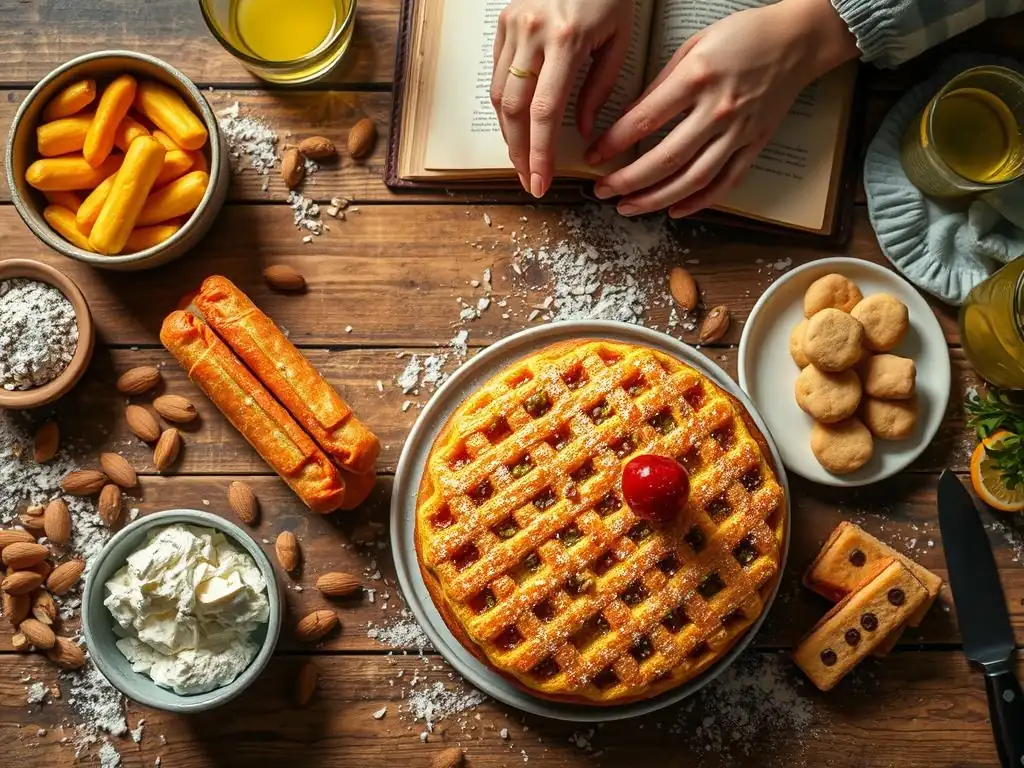
Adapting traditional Sicilian pastries to be gluten-free is often quite feasible, especially for recipes that don't rely heavily on wheat flour. Paste di Mandorla are naturally gluten-free, as they are made primarily from almond flour and egg whites. This makes them an excellent and easy option for gluten-free bakers looking for Easy Sicilian pastry recipes.
For cannoli shells, gluten-free flour blends can be used as a substitute for wheat flour. Experimentation may be needed to find a blend that yields a crisp texture when fried. Some recipes specifically designed for gluten-free cannoli use alternative flours like rice flour, tapioca starch, or a combination. The ricotta filling is naturally gluten-free. For cassata, a gluten-free sponge cake can be baked using a gluten-free flour blend. The ricotta cream and candied fruit components are naturally gluten-free. Always ensure any additional ingredients like chocolate chips or flavorings are certified gluten-free if catering to strict dietary needs.
Vegan Sicilian Pastry Alternatives
Creating vegan versions of Sicilian pastries presents a few challenges, primarily around the use of ricotta and eggs. However, delicious plant-based alternatives can be made. For cannoli filling, a creamy base can be created using soaked and blended cashews, vegan cream cheese, or a combination of plant-based yogurt (strained) and vegan cream cheese, sweetened and flavored as usual.
The shells are more challenging as they traditionally use egg and sometimes lard. Vegan cannoli shell recipes often use a combination of flour, sugar, plant-based butter or oil, and a liquid like plant-based milk or wine, sometimes with a binder like flax egg.
Veganizing cassata involves making a vegan sponge cake using egg substitutes (like applesauce, mashed banana, or commercial egg replacers) and plant-based milk/butter. The ricotta cream can be replaced with a vegan ricotta made from tofu, cashews, or almonds, blended with sweetener and flavorings.
Granita, however, is inherently vegan (unless made with dairy milk), making it a naturally Easy Sicilian pastry recipe for those following a plant-based diet. Paste di Mandorla can potentially be made vegan by replacing the egg whites with a binder like aquafaba (the liquid from canned chickpeas) or a commercial egg replacer, though the texture might vary slightly.
Exploring Different Fillings and Toppings
While traditional recipes are wonderful, feel free to explore variations on fillings and toppings for your Easy Sicilian pastry recipes. For cannoli, beyond the classic ricotta, consider adding different flavors to the cream like espresso powder for coffee cannoli, cocoa powder for chocolate ricotta, or a fruit puree (like strawberry or orange) for a fruity twist. Some bakeries use pastry cream or custard-based fillings, though this is less traditional Sicilian.
For cassata, while the ricotta base is standard, you can vary the candied fruit used or add different types of chocolate or nuts. Consider adding a layer of fruit preserves or a different flavored simple syrup to the cake layers. Granita flavors are endlessly adaptable based on seasonal fruits – try watermelon, peach, or even savory options like tomato or basil.
For Paste di Mandorla, instead of lemon or orange zest, try almond extract for a more intense almond flavor, or dip one end in melted dark chocolate after baking. These simple adaptations allow you to personalize these Easy Sicilian pastry recipes while staying true to their spirit.
Conclusion: Enjoying the Taste of Sicily at Home
Embrace the Simplicity of Easy Sicilian Pastry Recipes
Embarking on the journey of making Sicilian pastries at home can be a deeply satisfying experience. As we've explored, many iconic treats from this beautiful island are surprisingly accessible for home bakers. From the satisfying crunch of a homemade cannolo shell filled with sweet ricotta to the refreshing simplicity of a granita, these Easy Sicilian pastry recipes prove that you don't need to be a professional pasticcere to recreate authentic flavors. The focus on quality ingredients and straightforward techniques makes these recipes perfect for building confidence and bringing a taste of Italian tradition into your kitchen.
We encourage you to dive in and try one of these recipes. Start with something simple like Paste di Mandorla or Granita, and then perhaps tackle the rewarding challenge of cannoli or a simplified cassata. Each recipe offers a chance to learn new skills and connect with the rich culinary history of Sicily.
Remember, the most important ingredient is patience and a willingness to experiment. Don't be discouraged if your first attempt isn't perfect; that's part of the baking process. With a little practice, you'll be whipping up delicious Easy Sicilian pastry recipes that will impress your friends and family.
At BakeWithEase, we love seeing what our community creates! We hope this guide inspires you to try your hand at Easy Sicilian pastry recipes. Baking is a wonderful way to share culture and joy, and sharing your creations is part of the fun.
Whether you've mastered the art of the perfect cannoli shell, found your favorite granita flavor, or baked a beautiful batch of almond cookies, we'd love to hear about it. Share your experiences, photos, and any tips you've discovered along the way. Your successes and even your learning moments can inspire other home bakers on their journey. Let's celebrate the delicious world of Sicilian baking together!
Frequently Asked Questions
How easy are the Sicilian pastry recipes on BakeWithEase.com?
The recipes are designed to be easy and accessible for home bakers of all skill levels. They feature step-by-step instructions and readily available ingredients.
What types of Sicilian pastries can I find on BakeWithEase.com?
You can explore a variety of Sicilian pastries, including options like cannoli, cassata, and other regional specialties. We provide recipes for both classic and simplified versions.
Do I need special equipment to make Sicilian pastries using BakeWithEase.com recipes?
While some traditional recipes might require specialized tools, BakeWithEase focuses on simplified methods using common kitchen equipment. Specific equipment needs are always clearly outlined in each recipe.
Where can I find the ingredients for the Sicilian pastry recipes?
Most ingredients are commonly found in local grocery stores. Any hard-to-find items will have substitution suggestions or online purchasing links provided.
Are the Sicilian pastry recipes suitable for beginner bakers?
Yes! BakeWithEase.com is committed to helping beginners. Our Sicilian pastry recipes include detailed explanations, helpful tips, and troubleshooting advice to ensure success.
Final Reflection: The Sweet Legacy of Sicily, Baked at Home
The accessibility of traditional recipes is revolutionizing home baking, and Sicilian pastries, once perceived as intimidatingly complex, are now within everyone's reach. This guide has demonstrated that recreating the vibrant flavors and textures of Sicily in your own kitchen is not only possible but surprisingly simple. The joy of sharing these treats, born from generations of culinary tradition, is a powerful experience.
The enduring appeal of Sicilian pastries lies not just in their deliciousness, but in their ability to connect us to a rich cultural heritage. These recipes are more than just ingredients and instructions; they are vessels carrying stories, memories, and the warmth of family gatherings. Food is symbolic of love when words are inadequate.
– Alan D. Wolfelt. This quote perfectly encapsulates the emotional depth woven into every bite of a perfectly crafted cannoli or almond biscotti. The act of baking them becomes a meditative practice, a way to honor tradition while expressing personal creativity.
Now, I invite you to roll up your sleeves, gather your ingredients, and embark on your own Sicilian baking adventure. Don't be afraid to experiment, to adapt, and to personalize these recipes to reflect your own unique tastes. The true magic lies not in perfect replication, but in the joy of creation and the sharing of deliciousness with loved ones. Let the sweet legacy of Sicily continue to inspire and delight you in your own kitchen.
Unleash Your Inner Pastry Chef!
Thanks for joining us on this delicious journey into the world of Sicilian pastries! We hope you've gained the confidence and knowledge to tackle these tempting treats. Now it's time to put your newfound skills to the test.
- Bake your own Cannoli! This is your chance to experience the incredible taste and satisfaction of making these iconic pastries from scratch. Follow the recipe again, maybe trying a unique filling this time.
- Share your creations! Post photos of your beautiful pastries on social media using #BakeWithEaseSicilian and tag us – we'd love to see your baking masterpieces!
- Explore other regional Italian pastries on our website – you might discover your next baking adventure.
What exciting Sicilian pastry will you bake next?