
Roman Baking Traditions: Sweet & Savory Delights

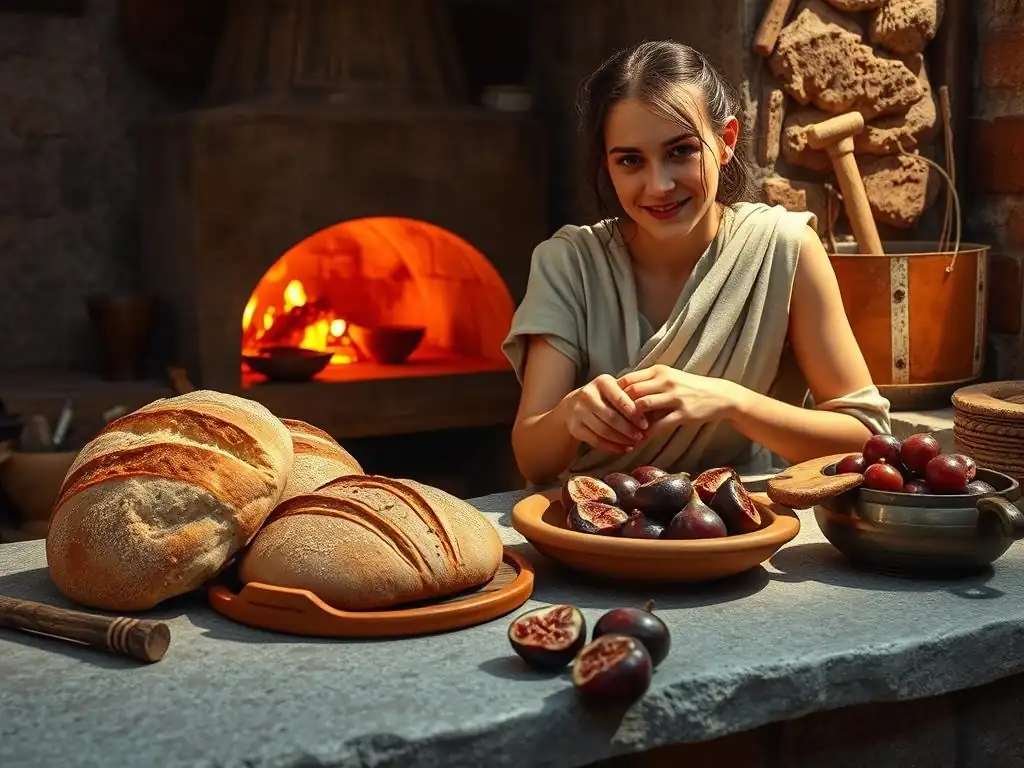
Welcome to BakeWithEase!
Ever wondered how ancient Roman bakers achieved such incredible texture and flavor? Prepare to unlock the secrets with our exploration of Roman Baking Traditions! This week, we're diving deep into the world of Roman sourdough bread recipes, easy enough for any home baker to recreate. Discover the techniques and ingredients that bring these authentic flavors to life, and get ready to impress with your own sweet and savory masterpieces. Ready to embark on a delicious journey through history? Let's get baking!
- BakeWithEase: Exploring Roman Baking Traditions - Sweet & Savory Delights
- Unveiling Ancient Roman Baking: A Culinary Heritage
- Mastering Roman Bread Recipes: An Easy Guide
- Sweet Treats of Ancient Rome: Discovering Roman Desserts
- Savory Roman Bakes: Exploring Roman Flatbreads and More
- Tips and Tricks for Perfect Roman Baking at Home
- The Legacy of Roman Baking: Inspired Baking Today
- Conclusion: Embrace the Flavors of Ancient Rome in Your Kitchen
-
Frequently Asked Questions
- What makes Roman sourdough bread recipes different from other sourdough breads?
- Are "easy" Roman sourdough bread recipes truly beginner-friendly?
- Where can I find "easy" Roman sourdough bread recipes that use readily available ingredients?
- How long does it typically take to make a Roman sourdough bread from start to finish?
- Can I adapt traditional Roman baking recipes to be gluten-free or vegan?
- Final Reflection: The Enduring Legacy of Roman Bread
- Unleash Your Inner Roman Baker!
BakeWithEase: Exploring Roman Baking Traditions - Sweet & Savory Delights
Welcome to Ancient Roman Baking: A Culinary Heritage
Step back in time with us and explore the fascinating world of ancient Roman baking! Far from the simple hardtack often depicted, Roman bakers were skilled artisans who created a diverse range of breads, pastries, and sweet treats using techniques and ingredients that laid the groundwork for modern Italian cuisine.
Imagine the bustling bakeries of Rome, filled with the aroma of freshly baked loaves and honeyed sweets, serving everyone from the common citizen to the emperor himself. This rich culinary history offers a unique perspective on how food was central to daily life, religious rituals, and social status in one of history's most influential empires.
The Romans were particularly innovative in their use of grains and leavening. Wheat, especially durum wheat, was a staple, ground into various grades of flour. While yeast was known, natural leavening, akin to modern sourdough, was widely practiced, especially for everyday bread. Archaeological finds, such as the remarkably preserved loaves from Pompeii, provide tangible evidence of their baking prowess, showcasing specific shapes like the panis quadratus with its distinctive scoring for easy portioning. Exploring Roman baking traditions allows us to connect with the past through the simple, universal act of making bread and sweets.
Unveiling Ancient Roman Baking: A Culinary Heritage
The History of Baking in Ancient Rome: From Grain to Oven
Baking in ancient Rome evolved significantly over centuries, transforming from a primarily domestic task performed by women to a highly specialized trade dominated by professional bakers. Initially, bread was coarse and made from simpler grains like barley or emmer.
However, with the expansion of the Republic and later the Empire, access to better quality wheat, particularly from regions like Sicily and North Africa, led to the production of finer breads. By the Imperial period, Rome had numerous public bakeries, known as pistrina, some quite large, employing many workers and equipped with sophisticated ovens capable of baking hundreds of loaves at once.
The bakers themselves, often freedmen or slaves, formed guilds called collegia pistorum. These guilds held considerable influence, regulating the trade and ensuring the city's grain supply was turned into bread efficiently. Evidence suggests that by the 1st century AD, Rome consumed enormous quantities of bread daily, perhaps millions of pounds, much of it subsidized by the state as part of the cura annonae (grain supply administration) to feed the vast urban population. This infrastructure highlights the critical role baking played not just as a craft, but as a vital component of the empire's social and economic stability.
Key Ingredients in Roman Baking: Local and Seasonal Flavors
The foundation of Roman baking rested on grains, primarily various types of wheat. Durum wheat was highly prized for making finer flours suitable for white bread, while coarser flours, often mixed with bran, were used for more common loaves. Beyond grain, Romans incorporated a wealth of local and seasonal ingredients. Honey was the primary sweetener, used extensively in cakes and pastries, as sugar was unknown in Europe until much later. Fruits like figs, dates, and grapes (both fresh and dried) added sweetness and texture, while nuts such as walnuts and almonds provided richness.
Olive oil was another staple, used not just for cooking but also occasionally in doughs. Cheese, particularly soft or fresh varieties like ricotta-like cheeses, featured in savory and sweet bakes, as seen in recipes like libum. Herbs and spices were also utilized, though perhaps less prominently in everyday baking than in other Roman dishes. Ingredients like poppy seeds, anise, and sometimes even pepper could be found in specialized breads or cakes. This reliance on readily available, seasonal produce gives Roman baking a distinct character, emphasizing natural flavors and the bounty of the Mediterranean region.
Mastering Roman Bread Recipes: An Easy Guide
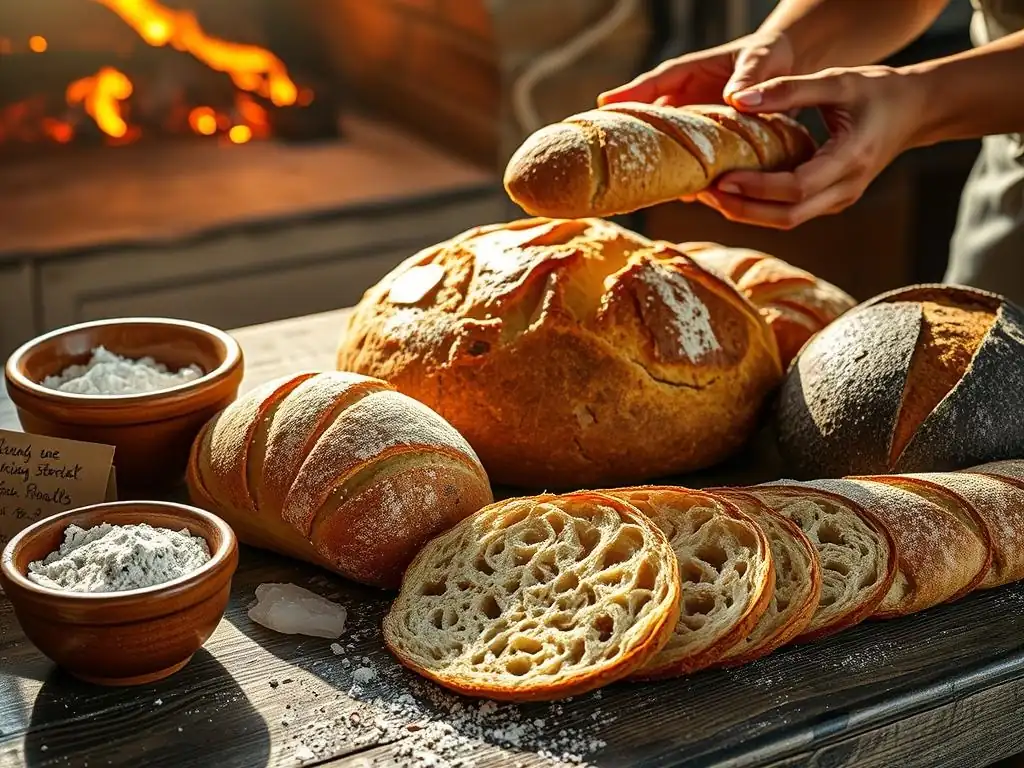
Roman Bread Recipes: A Beginner's Approach
Diving into Roman bread recipes might seem intimidating, but many ancient techniques can be adapted for the modern kitchen, making Roman sourdough bread recipes easy to try. The core idea revolves around simple ingredients – flour, water, salt, and a leavening agent – combined with time and basic shaping. Unlike many modern breads that rely on commercial yeast for a quick rise, traditional Roman methods often used a natural starter, similar to sourdough. This starter not only provides leavening but also imparts a unique depth of flavor characteristic of historical breads.
For beginners, starting with a simple flatbread or a basic leavened loaf using a natural starter is a great entry point. Many Roman breads were less airy and structured than modern artisanal loaves, focusing more on sustenance and flavor derived from the grain and fermentation. The process is more about understanding the dough's feel and respecting the long fermentation times that develop complex flavors, rather than mastering intricate kneading or shaping techniques right away. Think of it as a journey back to the roots of bread-making, where patience is a key ingredient.
The Secret to Authentic Roman Bread: The Starter
The true soul of authentic Roman bread, particularly the kind that leads to delicious Roman sourdough bread recipes easy to replicate, lies in the use of a natural starter, or fermentum. This is essentially a living culture of wild yeast and bacteria cultivated from flour and water.
Unlike commercial yeast, which provides a rapid, uniform rise, a natural starter works more slowly, breaking down the flour and producing organic acids that contribute to the bread's texture, keeping quality, and that signature tangy flavor associated with sourdough. Historical texts, like those by Pliny the Elder, describe bakers using a portion of old dough left over from the previous day's bake as the leavening for the new batch, a clear indication of using a natural starter method.
Maintaining a healthy starter requires regular feeding with fresh flour and water, much like caring for a pet. While the process demands consistency, it's surprisingly straightforward. A well-maintained starter can last for years, becoming stronger and more characterful over time. This method was not unique to Rome but was a common practice across many ancient cultures before the advent of commercial yeast. Using a starter connects you directly to the ancient baking tradition, allowing you to experience flavors that have been enjoyed for millennia, making your Roman sourdough bread recipes genuinely authentic.
Step-by-Step: Creating Your Roman Bread Starter
Creating a Roman-style natural starter (or sourdough starter) is a simple process requiring just flour, water, and patience. Start with equal parts by weight of flour (whole wheat or rye often work well initially, about 50 grams) and lukewarm water (50 grams) in a clean jar. Mix them until well combined, cover loosely (allowing air to escape but keeping pests out), and leave at room temperature (ideally between 70-80°F or 21-27°C). For the first 2-3 days, you might see little activity, perhaps just a few bubbles.
On day 3 or 4, you should start seeing more bubbles and perhaps a slight sour smell. This is when you begin the feeding process. Discard about half of the starter (around 50 grams) and feed the remainder with fresh flour (50 grams) and water (50 grams). Repeat this feeding process daily. Within 7-10 days, your starter should be consistently doubling in size within 6-8 hours after feeding, smell pleasantly tangy, and have a bubbly, active appearance. At this point, it's ready to use in your Roman sourdough bread recipes easy to make at home.
Mixing and Kneading: The Art of Roman Bread Dough
Mixing and kneading Roman bread dough, especially for Roman sourdough bread recipes easy to manage, focuses on developing enough gluten structure to hold the shape and trap gases produced by the starter, without necessarily aiming for the extremely smooth, elastic dough sought in some modern breads. The initial mixing involves combining the active starter, flour, water, and salt.
Many historical methods involved less intensive kneading compared to modern techniques, sometimes relying more on longer fermentation times to develop gluten naturally. A simple method is the "stretch and fold" technique, where the dough is gently stretched and folded over itself several times during the bulk fermentation period, usually every 30-60 minutes for the first few hours.
Alternatively, a moderate amount of traditional kneading (5-10 minutes) can be used until the dough comes together and feels slightly elastic. The hydration level (ratio of water to flour) in Roman breads likely varied, but many everyday loaves might have been moderately hydrated, resulting in a dough that is manageable but not overly sticky. The key is to listen to the dough – it will tell you when it's ready through its texture and elasticity. Properly mixed and kneaded dough will hold its shape better during proofing and baking, contributing to a more satisfying final loaf.
Shaping Techniques for Roman Bread Loaves
Shaping Roman bread loaves offers a connection to history, as specific forms were common. One of the most iconic is the panis quadratus (square bread), frequently depicted in art and found preserved in Pompeii. This loaf was round, deeply scored into eight wedges before baking, making it easy to break apart.
To shape this, form the dough into a taut round ball (boule), then use a tool (like a dowel or even the side of your hand) to press deep lines across the top, dividing it into segments, being careful not to cut all the way through. A cord might also have been tied around the waist of the loaf before baking to create a distinct division, as seen in some Pompeii examples.
Other shapes likely included simpler rounds, ovals, or even flat disks. Military bread ( panis militaris) was often a practical, dense loaf designed for durability. When shaping your Roman sourdough bread recipes easy loaves, focus on creating tension on the surface of the dough to help it hold its structure in the oven. Simple boule or batard (oval) shapes are easy to master. The goal is to create a loaf that is both functional and aesthetically pleasing, reflecting the practical artistry of ancient Roman bakers.
Baking Your Roman Bread: Achieving the Perfect Crust
Baking Roman bread, especially Roman sourdough bread recipes easy to adapt for home ovens, requires high heat to achieve a good crust, similar to how ancient ovens would have operated. Roman pistrina used large, wood-fired ovens that reached high temperatures, often heated by burning wood inside the chamber and then raking out the coals before loading the bread. At home, you can mimic this by preheating your oven to a high temperature (around 450-500°F or 230-260°C) with a baking stone or Dutch oven inside.
For the best crust, steam is crucial in the initial phase of baking. This keeps the surface of the dough moist, allowing it to expand fully before the crust sets. In ancient ovens, residual moisture from the wood fire or even deliberate introduction of water might have provided steam.
At home, you can create steam by placing a tray of hot water at the bottom of the oven when you load the bread, or by baking the loaf inside a preheated Dutch oven with the lid on for the first 15-20 minutes. Baking times will vary depending on the size and shape of the loaf, but typically range from 30-50 minutes. The result should be a loaf with a satisfyingly firm, flavorful crust and a well-cooked interior.
Sweet Treats of Ancient Rome: Discovering Roman Desserts
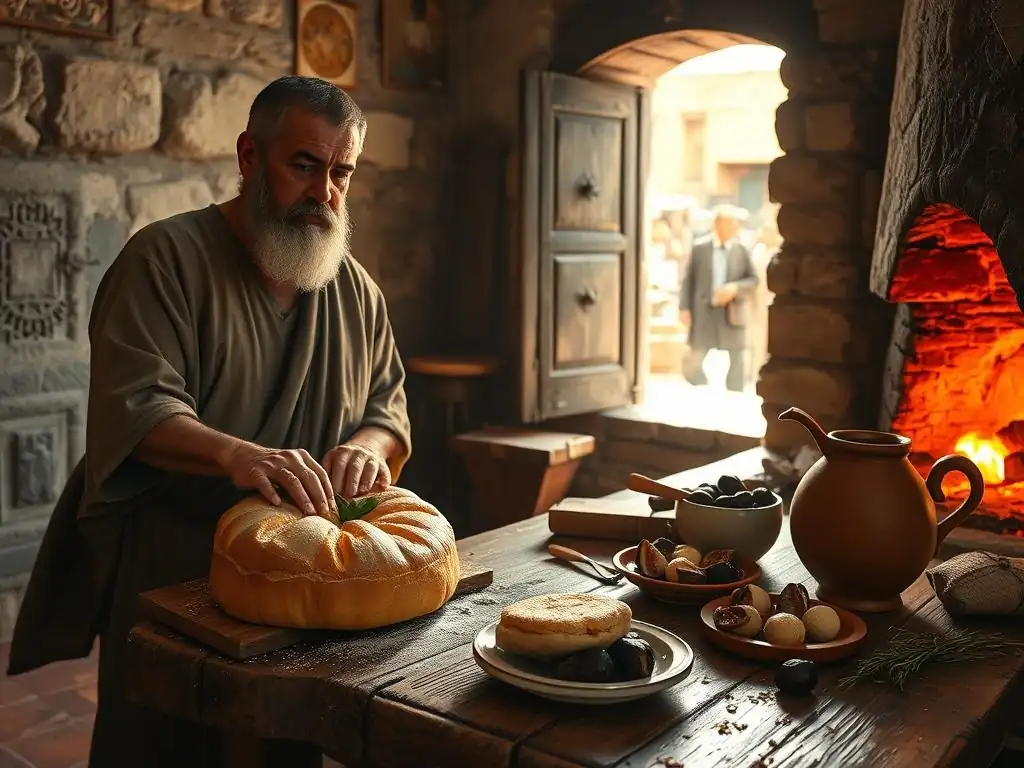
Honey Cakes and Sweet Breads: Roman Dessert Traditions
Roman sweet treats leaned heavily on honey as the primary sweetener, creating a range of cakes, pastries, and fritters that were often less refined than modern desserts but rich in natural flavors. Unlike contemporary desserts that might feature complex layered cakes or creamy fillings, Roman sweets were simpler, frequently based on sweetened doughs, fried batters, or combinations of cheese, honey, and grains. These were enjoyed on various occasions, from everyday snacks to offerings during religious festivals.
One popular type of sweet was a honeyed bread or cake, often enriched with ingredients like cheese, eggs, nuts, or dried fruit. These weren't necessarily light and fluffy but could be dense and moist, similar to modern fruitcakes or dense muffins. The inclusion of ingredients like poppy seeds or anise could add subtle layers of flavor. These sweet bakes highlight the Roman ingenuity in transforming basic agricultural products into satisfying and flavorful treats using the limited sweeteners available to them.
Globuli Recipe: Ancient Roman Honey Fritters
Globuli were a popular ancient Roman sweet, essentially small fritters made from a simple dough, fried, and then coated generously in honey and often poppy seeds. The recipe, recorded by the Roman writer Cato the Elder, is remarkably straightforward, making it an accessible taste of history. The basic dough was made from puls, a thick porridge made from farro or semolina, mixed with cheese (like a fresh ricotta or farmer's cheese). This mixture was then rolled into small balls.
These little cheese and grain balls were deep-fried until golden brown. Immediately after frying, while still hot, they were rolled or dipped in warm honey, ensuring a thick, sweet coating. A final flourish might involve sprinkling them with toasted poppy seeds, adding a slight crunch and nutty flavor. Globuli were likely eaten warm and fresh, a simple yet incredibly satisfying sweet snack that combined readily available ingredients into a delightful treat.
Enkythoi Recipe: Sweet Cheese and Honey Cakes
Enkythoi (a name derived from Greek, suggesting cultural exchange in culinary practices) were another type of Roman sweet cake, often described as being made with cheese, honey, and sometimes wine. While specific recipes vary in historical interpretation, they generally point to a baked item rather than a fried one like globuli. These cakes highlight the Roman use of cheese in sweet applications, a practice less common in many modern Western desserts but found in traditions like Italian cheesecakes or pastries.
The preparation likely involved mixing fresh cheese (like a soft curd cheese), flour (or semolina), eggs, and a significant amount of honey. Some versions might have included a little wine or other flavorings. The mixture would be formed into cakes or poured into molds and baked until set and golden. The resulting enkythoi would be moist and dense, with the tang of the cheese balancing the sweetness of the honey, offering a more substantial sweet treat compared to the light fritters.
Savory Roman Bakes: Exploring Roman Flatbreads and More
Roman Flatbreads: Pizza's Ancient Ancestors
Before the Neapolitan pizza we know and love, Romans were making various forms of flatbreads that can be seen as ancient ancestors. These weren't topped with tomato sauce (as tomatoes are a New World plant) but served as a versatile staple, often flavored simply with olive oil, herbs, or cheese. These flatbreads were quick to bake on hot stones or in ovens and provided a convenient way to consume grains. They could serve as a base for other foods, used like edible plates, or eaten plain.
These Roman flatbreads were typically made from simple doughs, perhaps unleavened or only slightly leavened using a small amount of starter or old dough. Grains like farro or wheat were used, mixed with water and sometimes a little oil or salt. The dough would be rolled or patted into thin disks and baked until crisp or slightly chewy, depending on the desired texture. This tradition of simple, versatile flatbreads persists in various forms throughout the Mediterranean today.
Panis Quadratus Recipe: Ancient Roman Military Bread
Panis quadratus was a common and practical bread in ancient Rome, famously preserved in the ash of Pompeii. Its distinctive shape – a round loaf deeply scored into eight sections – wasn't just decorative; it made the bread easy to portion and share. This type of bread was likely a staple, possibly even part of the military ration ( panis militaris), designed to be sturdy and transportable. While specific detailed recipes are scarce, the ingredients were likely simple: flour, water, salt, and a natural starter (sourdough).
The process would involve mixing the ingredients to form a moderately stiff dough, allowing it to ferment (rise) using the sourdough starter, shaping it into a round, and then making deep indentations across the top to divide it into wedges. A rope might have been tied around the circumference to help maintain the shape during baking. Baked in hot ovens, panis quadratus would develop a thick, sturdy crust and a relatively dense interior, perfect for dipping into stews or accompanying other foods, embodying the practicality of Roman sourdough bread recipes.
Libum Recipe: Roman Cheese Flatbread
Libum was a small, savory (or sometimes slightly sweet) cake or flatbread frequently used as a religious offering, particularly to the gods during ceremonies, as described by Cato the Elder. It was a simple preparation, primarily consisting of cheese, flour, and egg, often baked on laurel leaves. The cheese used was typically a soft, fresh cheese, similar to ricotta or farmer's cheese, providing moisture and tang.
The recipe involves mixing the fresh cheese with wheat flour and an egg to form a dough or batter. This mixture was then formed into small cakes or disks. Baking them on laurel leaves imparted a subtle aroma and prevented sticking. The resulting libum was a simple, rustic bake – a small, dense, cheese-rich cake that was both easy to prepare and held cultural significance, showcasing the Roman use of dairy in baking beyond just milk.
Tips and Tricks for Perfect Roman Baking at Home
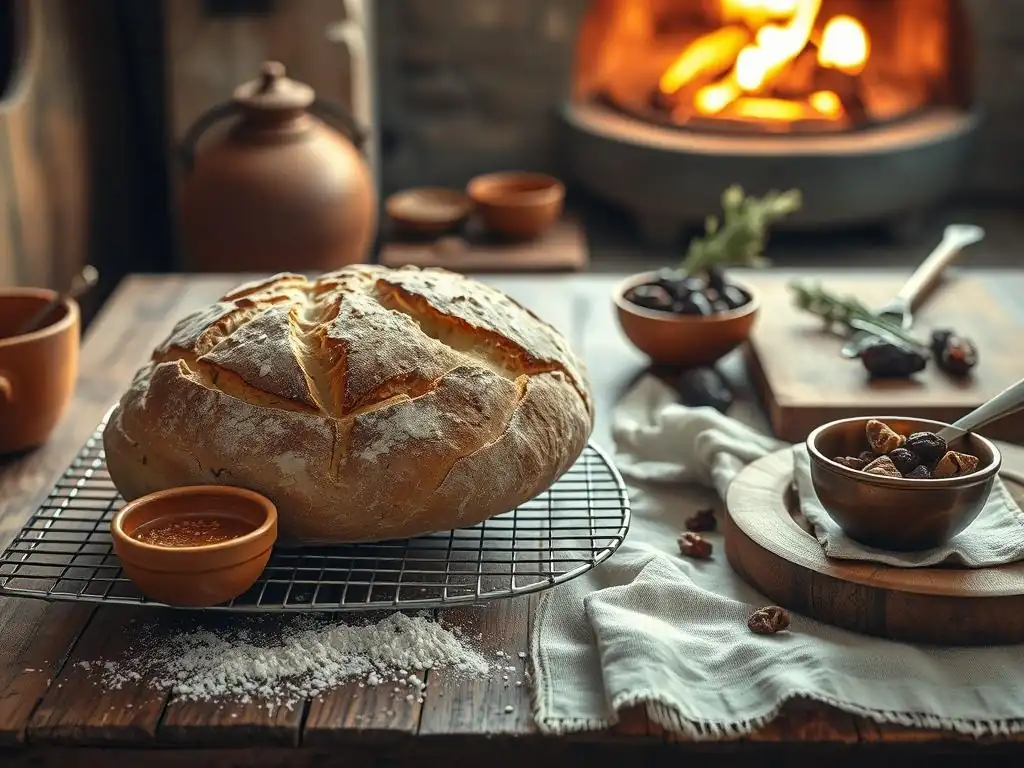
Achieving Authentic Flavors: Sourcing Roman Baking Ingredients
To truly capture the authentic flavors of Roman baking, especially when trying Roman sourdough bread recipes easy for home bakers, focus on sourcing ingredients similar to those available in antiquity. Start with the flour: seek out ancient grains like farro (emmer wheat), spelt, or even Khorasan wheat (Kamut) alongside modern stone-ground whole wheat and white bread flours. These grains offer different textures and nutty, earthy flavors compared to modern roller-milled flours. If using a natural starter, consider feeding it with some of these ancient grain flours to infuse those flavors from the beginning.
Honey quality matters significantly since it's the primary sweetener. Opt for good quality, perhaps local or artisanal honey, which will have more complex flavor profiles than highly processed varieties. For recipes calling for cheese, use fresh, unsalted cheeses like ricotta or farmer's cheese, draining them well if necessary. When using herbs or seeds, choose common Mediterranean varieties like poppy seeds, anise seeds, or dried herbs like savory or oregano sparingly, as they were likely used as subtle additions rather than dominant flavors in most bakes.
Modern Adaptations: Roman Baking with Contemporary Twists
Adapting Roman baking for the modern kitchen allows for creativity while respecting tradition. While sticking strictly to ancient methods can be a fun experiment, modifying aspects can make Roman sourdough bread recipes easy and more appealing to modern tastes. For instance, instead of a purely natural starter, a small amount of commercial yeast can be added to a starter-based dough to ensure a more predictable rise, especially if you're new to sourdough. Oven temperatures and baking vessels (like Dutch ovens) can be optimized for consistent results that ancient bakers might envy.
You can also play with ingredient ratios or additions. While ancient recipes were simple, you might incorporate ingredients that complement the core flavors but weren't strictly Roman, such as a touch of olive oil in a sweet dough for richness, or different nuts and dried fruits. The key is to understand the spirit of Roman baking – simple, ingredient-focused, often naturally leavened – and apply those principles using the tools and ingredients available today to create delicious and accessible bakes.
Troubleshooting Common Baking Problems in Roman Recipes
Even with Roman sourdough bread recipes easy to follow, baking can present challenges. If your Roman bread dough isn't rising, the issue is likely with your starter – ensure it's active and bubbly before using it. Room temperature also affects rise time; colder kitchens slow fermentation significantly. If your bread spreads wide instead of rising up in the oven, it might be under-proofed or lack sufficient surface tension from shaping; ensure your final proof isn't too long and practice creating a taut surface on your loaf.
Sweet bakes, particularly those with cheese and honey, can sometimes be too dense or not cook through properly. Ensure your oven temperature is accurate and bake until a skewer inserted comes out clean. If a recipe seems too dry, you might need to adjust the flour-to-liquid ratio slightly, as ancient grain flours can absorb moisture differently than modern all-purpose flour. Don't be discouraged by initial setbacks; each bake is a learning opportunity, and mastering Roman baking, like any baking skill, comes with practice.
The Legacy of Roman Baking: Inspired Baking Today
How Roman Baking Influenced Modern Italian Baking
The legacy of Roman baking is profoundly evident in modern Italian baking traditions. The fundamental reliance on wheat, the use of natural leavening (sourdough cultures remain popular, particularly in Southern Italy), and the importance of regional variations all trace back to Roman practices. The Roman emphasis on simple, high-quality ingredients and techniques laid the foundation for the diverse array of regional breads found across Italy today, from the pane Pugliese to the pane Toscano.
While the Romans didn't invent pizza as we know it, their various flatbreads were direct precursors, demonstrating the concept of using a simple dough base as a vehicle for flavors. The use of olive oil, herbs, and sometimes cheese on these flatbreads mirrors the minimalist toppings found on some traditional Italian focaccia or schiacciata. Furthermore, the Roman tradition of honey-sweetened pastries and fritters can be seen as early forms of Italian dolci, influencing later developments as new ingredients like sugar became available.
Exploring Other Regional Italian Baking Traditions
Italy boasts an incredible diversity of regional baking traditions, each with its own unique history, ingredients, and techniques, many echoing ancient practices. Beyond the generalized Roman influence, exploring areas like the hard durum wheat breads of Puglia, the salt-free loaves of Tuscany, the sweet pastries of Sicily influenced by Arab and Norman rule, or the hearty rye breads of the Alpine regions reveals a fascinating tapestry of culinary heritage.
Each region's baking reflects its local agriculture and history – coastal areas might feature seafood-based savory bakes, while inland areas rely on grains, nuts, and local cheeses. Studying these regional variations provides deeper insight into how historical practices, including those originating in Roman times, evolved and adapted over centuries, resulting in the rich and varied landscape of Italian bread and pastry we enjoy today.
Conclusion: Embrace the Flavors of Ancient Rome in Your Kitchen
Embarking on a journey into Roman baking traditions is more than just following old recipes; it's connecting with a culinary past that shaped much of Western cuisine. From mastering Roman sourdough bread recipes easy enough for home bakers to recreating ancient honey cakes and savory flatbreads, you're exploring the foundational elements of bread-making and pastry that have sustained and delighted people for millennia. The simplicity of the ingredients and the focus on natural processes offer a refreshing perspective in our often complex modern food world.
Whether you perfect a loaf of panis quadratus with your own active starter or enjoy the rustic sweetness of globuli, you're keeping these ancient flavors alive. We hope this guide inspires you to experiment with Roman-style baking. By bringing these historical techniques and tastes into your kitchen, you not only learn a little history but also discover delicious, authentic bakes that are truly timeless. Happy baking, and may your kitchen be filled with the wonderful aromas of ancient Rome!
Frequently Asked Questions
What makes Roman sourdough bread recipes different from other sourdough breads?
Roman sourdough bread often features simpler ingredient lists and focuses on achieving a specific texture, like a crispy crust and airy interior. The hydration levels can also differ slightly.
Are "easy" Roman sourdough bread recipes truly beginner-friendly?
While some Roman sourdough recipes simplify the process, the sourdough starter itself requires initial care. Look for recipes that offer detailed instructions and troubleshooting tips for beginners.
Where can I find "easy" Roman sourdough bread recipes that use readily available ingredients?
Websites like BakeWithEase.com are a great starting point. They often curate recipes that prioritize simple ingredients and provide step-by-step instructions for home bakers.
How long does it typically take to make a Roman sourdough bread from start to finish?
The entire process, including starter activation, dough proofing, and baking, can take 24-48 hours. Most of the time is spent in proofing and resting, requiring minimal active involvement.
Can I adapt traditional Roman baking recipes to be gluten-free or vegan?
Yes, but expect some adjustments to the texture and flavor. Gluten-free flours and vegan substitutes may require experimentation to achieve optimal results in Roman sourdough bread.
Final Reflection: The Enduring Legacy of Roman Bread
The simple act of baking sourdough bread connects us directly to the culinary traditions of ancient Rome, a practice surprisingly relevant in our modern world. While we may use different ovens and tools, the fundamental principles of fermentation, flour, water, and time remain unchanged, offering a tangible link to history and a testament to the enduring power of simple, wholesome food. The ease with which we can recreate these ancient recipes today underscores their inherent practicality and enduring appeal.
The influence of Roman baking extends far beyond the simple act of making bread; it shaped social structures, economic practices, and even cultural identity. The importance of bread in Roman society, its role in daily life and religious ceremonies, is echoed in our own relationship with food today. We still gather around tables to share meals, and bread remains a staple in countless cultures. Bread is the staff of life,
a proverb that transcends time and speaks to the fundamental importance of this simple food. This enduring legacy reminds us of the deep connection between our past and present, and the power of food to unite us across millennia.
Consider the simplicity of the Roman sourdough recipes presented in this article. You, too, can participate in this ancient tradition. Try your hand at making your own Roman sourdough bread; experience the satisfaction of creating something delicious and deeply connected to history. Let the aroma of freshly baked bread transport you back in time, and reflect on the enduring power of culinary traditions to connect us to our past and enrich our present. The journey from grain to loaf is a journey through time, and it's a journey you can embark on today.
Unleash Your Inner Roman Baker!
Thanks for joining us on this delicious journey through Roman baking traditions! We hope you've discovered some inspiring new recipes and techniques. Ready to put your newfound knowledge to the test?
- Bake your own Roman focaccia: This is your chance to experience the authentic taste and texture described in the article. Find a recipe online and get baking!
- Share your creations: Post pictures of your Roman-inspired bakes on social media and tag #BakeWithEaseRomanBaking – let's see those culinary masterpieces!
- Explore further: Delve deeper into ancient Roman cuisine by researching other traditional dishes. You might be surprised by what you discover!
What Roman-inspired baking adventure will you embark on first?