
Baking with Olive Oil: Italian Secrets for Moist Bakes

Welcome to BakeWithEase!
Discover the Italian secret to incredibly moist and flavorful cakes! Did you know that olive oil, a staple in Mediterranean kitchens, can transform your baking? This week, we're diving into olive oil cake recipes, uncovering the nuances that make them a delightful and surprisingly simple addition to your baking repertoire. Get ready to experience a lighter, healthier, and utterly irresistible cake. Intrigued? Let's get baking!
- Baking with Olive Oil: Mediterranean Secrets for Moist Bakes
- BakeWithEase Presents: The Art of Olive Oil in Mediterranean Baking
- Why Bake with Olive Oil? Unveiling the Benefits
- The Ultimate Orange Olive Oil Cake Recipe: A Step-by-Step Guide
- Beyond Cake: Olive Oil in Other Mediterranean Baked Goods
- Choosing the Right Olive Oil for Baking: A Baker's Guide
- Troubleshooting Your Olive Oil Bakes: Common Mistakes and Solutions
- Variations and Adaptations: Experimenting with Olive Oil Cake Flavors
- Storing Your Olive Oil Bakes for Lasting Freshness
- Conclusion: Embrace the Mediterranean Secret to Moist and Delicious Bakes with Olive Oil
- Frequently Asked Questions
- Final Reflection: The Enduring Allure of Olive Oil Cakes
- Unlock the Flavor: Elevate Your Baking with Olive Oil!
Baking with Olive Oil: Mediterranean Secrets for Moist Bakes
BakeWithEase Presents: The Art of Olive Oil in Mediterranean Baking
Discover the Nuances of Olive Oil in Traditional Mediterranean Desserts
The use of olive oil in baking is a time-honored tradition throughout the Mediterranean, particularly in Italian kitchens. Unlike butter or other fats common in Northern European baking, olive oil lends a unique depth of flavor and incredible moisture to baked goods. This practice dates back centuries, deeply intertwined with the agricultural bounty of the region where olive trees flourish. From simple cakes and rustic breads to delicate cookies and pastries, olive oil is not just an ingredient; it's a cornerstone of flavor and texture, embodying the sun-drenched essence of Mediterranean cuisine.
This tradition isn't just about taste; it's also about texture. Olive oil creates a tender crumb in cakes and a wonderful chewiness in breads, often resulting in bakes that stay moist longer than those made with solid fats. Learning to bake with olive oil opens up a new world of possibilities, bringing a touch of Italian authenticity to your kitchen. Whether you're aiming for a classic ciambellone or a simple olive oil cake recipe, understanding the role and types of olive oil is key to unlocking these delicious secrets.
Why Bake with Olive Oil? Unveiling the Benefits
Healthier Baking: Olive Oil vs. Butter and Vegetable Oil
Choosing olive oil for baking offers significant health advantages compared to traditional fats like butter or many vegetable oils. Olive oil, particularly extra virgin olive oil, is rich in monounsaturated fats, which are considered heart-healthy and can help lower bad cholesterol levels. In contrast, butter is high in saturated fats, and many common vegetable oils are high in polyunsaturated fats or even trans fats (though the latter is less common now). Baking with olive oil allows you to reduce the saturated fat content of your treats while still achieving delicious results.
Beyond fat composition, olive oil also contains antioxidants and polyphenols, beneficial compounds not found in butter or refined vegetable oils. These compounds contribute to the overall nutritional profile and may offer anti-inflammatory benefits. While baking at high temperatures can reduce some of these benefits compared to using olive oil raw, a significant portion often remains, adding nutritional value to your baked goods. This makes baking with olive oil a smart choice for those seeking a slightly healthier approach to their favorite olive oil cake recipe or other sweet treats.
Achieving Exceptional Moisture: The Secret to Soft Olive Oil Cakes
One of the most celebrated qualities of olive oil in baking is its ability to impart exceptional moisture. Because olive oil is liquid at room temperature, it distributes differently throughout the batter or dough compared to solid fats like butter, which need to be creamed. This liquid state helps create a tender, moist crumb that often feels richer and less dry than bakes made with butter. The monounsaturated fats in olive oil also contribute to this effect, helping the cake or bread retain moisture over time.
This inherent moistness is why recipes like the classic olive oil cake recipe are renowned for their tender texture. Unlike butter-based cakes that can dry out quickly, olive oil cakes tend to remain soft and delicious for several days. This makes them ideal for making ahead or for enjoying leisurely with a cup of coffee or tea. The unique structure created by olive oil's liquid fat content is the secret behind bakes that are not just flavorful, but delightfully moist and tender.
Enhancing Flavor: How Olive Oil Elevates Your Bakes
Using olive oil in baking isn't just about texture and health; it's also a powerful flavor enhancer. Depending on the type of olive oil used, it can add subtle fruity, peppery, or herbaceous notes that complement both sweet and savory ingredients. A good quality extra virgin olive oil can bring a complex layer of flavor that butter simply cannot replicate, adding sophistication to even the simplest olive oil cake recipe.
For example, a mild, fruity olive oil can enhance the natural sweetness of citrus in an orange olive oil cake, while a more peppery variety might add an intriguing counterpoint to chocolate or spice-based bakes. This ability to add nuanced flavor dimensions allows bakers to create more complex and interesting profiles. Experimenting with different types of olive oil is part of the fun, revealing how this single ingredient can transform a standard recipe into something truly special and distinctly Mediterranean.
The Ultimate Orange Olive Oil Cake Recipe: A Step-by-Step Guide
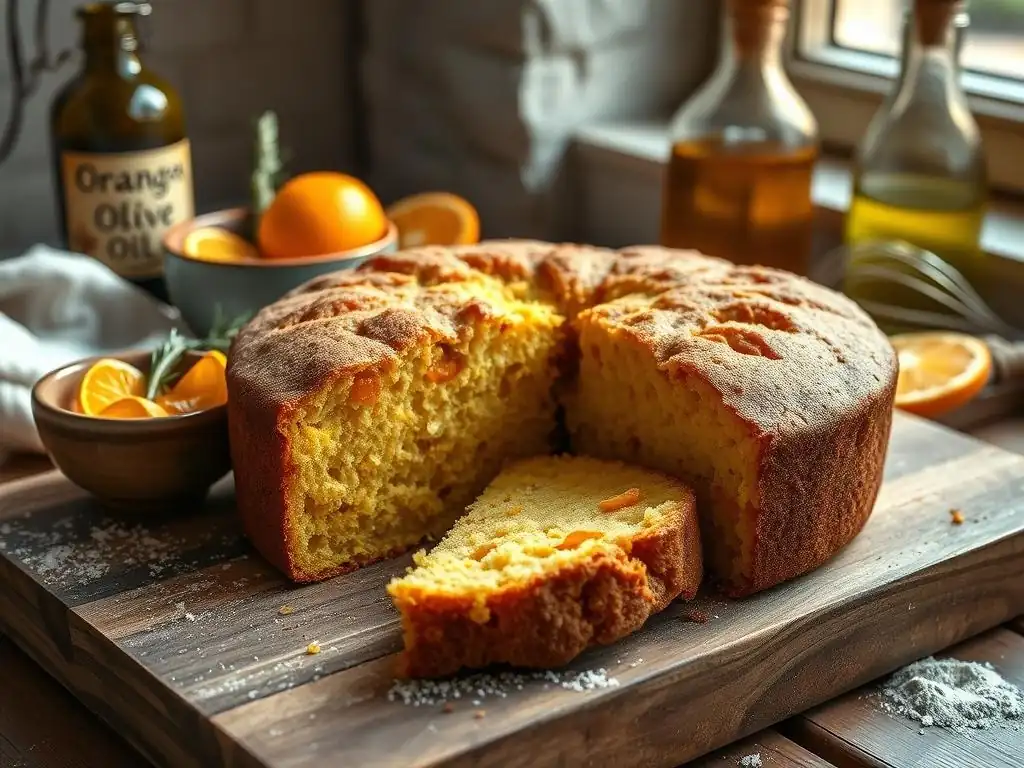
Ingredients for a Perfect Orange Olive Oil Cake
To bake a truly spectacular orange olive oil cake recipe, you'll need the right ingredients. This recipe yields one moist and flavorful loaf cake, perfect for sharing or enjoying over several days.
- Dry Ingredients:
1 ¾ cups (approx. 220g) all-purpose flour1 tsp baking powder½ tsp baking soda¼ tsp salt
- Wet Ingredients:
1 cup (approx. 200g) granulated sugar⅓ cup (approx. 80ml) fresh orange juice¼ cup (approx. 60ml) whole milk or buttermilk2 large eggs½ cup (approx. 120ml) good quality extra virgin or light olive oil1 tbsp orange zest (from 1 large orange)1 tsp vanilla extract
These simple ingredients combine to create a cake that is both easy to make and impressive in flavor and texture. Ensure your ingredients are at room temperature, especially the eggs and milk, for better emulsion and a smoother batter.
Baking Tools and Equipment You'll Need
Having the right tools makes baking this olive oil cake recipe a breeze. You don't need much specialized equipment, just standard kitchen items.
- Mixing bowls: You'll need at least two – one for dry ingredients and one larger one for wet ingredients.
- Whisk: For combining dry ingredients and whisking wet ones.
- Rubber spatula or wooden spoon: For folding the dry ingredients into the wet.
- Measuring cups and spoons: For accurate ingredient measurements.
- Loaf pan: A standard 9x5 inch (approx. 23x13 cm) loaf pan is perfect for this recipe.
- Parchment paper: To line the loaf pan for easy removal.
- Wire cooling rack: For cooling the cake completely.
- Optional: Electric mixer (handheld or stand mixer) for whisking wet ingredients, though a whisk works just fine.
Preparing your tools and ingredients before you start mixing ensures a smooth baking process. Line your loaf pan with parchment paper, leaving some overhang on the sides to lift the finished cake out easily.
Detailed Orange Olive Oil Cake Baking Instructions
Follow these steps carefully to bake a moist and delicious orange olive oil cake. Precision is key, but don't be afraid to trust your instincts too!
Step 1: Preparing the Batter
Preheat your oven to 350°F (175°C). Line a 9x5 inch loaf pan with parchment paper and lightly grease any exposed parts of the pan. In a medium bowl, whisk together the flour, baking powder, baking soda, and salt. Set aside. In a large bowl, whisk together the granulated sugar, orange juice, milk, eggs, olive oil, orange zest, and vanilla extract until well combined and slightly frothy. This is where the liquid olive oil integrates beautifully.
Step 2: Choosing the Right Olive Oil
For this specific olive oil cake recipe, we recommend using a good quality extra virgin olive oil for a pronounced fruity flavor, or a light olive oil if you prefer a milder taste that lets the orange shine. Pour the chosen olive oil into the wet ingredients mixture as specified in Step 1. Whisk thoroughly to emulsify the oil with the other liquids.
Step 3: Baking to Golden Perfection
Gradually add the dry ingredients to the wet ingredients, folding gently with a rubber spatula or wooden spoon until just combined. Be careful not to overmix, as this can result in a tough cake. Pour the batter into the prepared loaf pan, smoothing the top. Bake for 45-55 minutes, or until a wooden skewer inserted into the center comes out clean. The top should be golden brown and the cake should spring back slightly when gently pressed.
Tips for a Flawless Orange Olive Oil Cake
- Room Temperature Ingredients: Ensure eggs and milk are at room temperature for better emulsification with the olive oil.
- Don't Overmix: Overmixing develops gluten, leading to a tough cake. Stop mixing as soon as the dry ingredients are incorporated.
- Quality Olive Oil: The flavor of your olive oil will come through, so choose one you enjoy the taste of.
- Zest First, Then Juice: Zest the orange before juicing it; it's much easier!
- Cooling: Let the cake cool in the pan for 10-15 minutes before transferring to a wire rack to cool completely. This prevents it from breaking.
- Task List:
- [ ] Preheat oven.
- [ ] Prepare loaf pan.
- [ ] Whisk dry ingredients.
- [ ] Whisk wet ingredients (including olive oil).
- [ ] Combine wet and dry ingredients (do not overmix).
- [ ] Pour batter into pan.
- [ ] Bake until skewer comes out clean.
- [ ] Cool in pan, then on rack.
Beyond Cake: Olive Oil in Other Mediterranean Baked Goods
Olive Oil Bread Recipes: A Rustic Delight
Olive oil is a staple in Mediterranean bread making, contributing to a soft interior crumb and a wonderfully crisp crust. Many traditional Italian breads, like focaccia or ciabatta, rely heavily on olive oil not only in the dough but also as a finishing drizzle before baking. The oil helps create those signature air pockets and adds a depth of flavor that is distinctly different from butter-based breads.
Using olive oil in your bread dough, typically around 2 to 4 tablespoons per loaf, enhances the dough's elasticity and helps keep the finished bread moist for longer. A classic method involves incorporating the oil towards the end of the kneading process, allowing it to be fully absorbed. This technique is essential for achieving the desired texture in many rustic olive oil bread recipes, offering a delicious alternative to butter or lard.
While butter is common in many cookie recipes, olive oil offers a fascinating alternative for Mediterranean-style cookies. It tends to produce a crispier texture compared to butter, which can result in a more tender or chewy cookie. Olive oil also imparts a unique flavor profile, ranging from subtly fruity to slightly peppery, which pairs wonderfully with ingredients like citrus zest, nuts, or spices like anise.
Many traditional Italian cookies, such as cantucci (biscotti) or taralli, utilize olive oil. The fat content of olive oil (100%) is higher than butter (around 80-82% fat, plus water), which affects the dough consistency and the final bake. When adapting a butter cookie recipe to olive oil, you might need to adjust the liquid slightly to achieve the right dough texture, typically using about 75-80% of the weight of butter called for. An Anise Olive Oil Biscotti Recipe is a perfect example of how olive oil creates a delightful crunch and carries aromatic flavors beautifully.
Anise Olive Oil Biscotti Recipe
Here is a simple structure for an Anise Olive Oil Biscotti Recipe, highlighting the use of olive oil for texture and flavor.
- Ingredients:
2 cups flour¾ cup sugar1 tsp baking powder½ tsp salt2 large eggs⅓ cup mild olive oil1 tbsp anise seeds1 tsp vanilla extractOptional: 1 tbsp anise liqueur
- Instructions:
- Combine dry ingredients.
- Whisk wet ingredients (including olive oil, anise seeds, vanilla, and liqueur if using).
- Add wet to dry, mix to form a dough.
- Form logs on a baking sheet.
- Bake logs at
350°F (175°C)for20-25 minutes. - Remove, cool slightly, slice into cookies.
- Return slices to oven, bake for another
10-15 minutesuntil crisp.
This simple recipe demonstrates how olive oil creates that characteristic biscotti crunch while allowing the anise flavor to shine.
Choosing the Right Olive Oil for Baking: A Baker's Guide
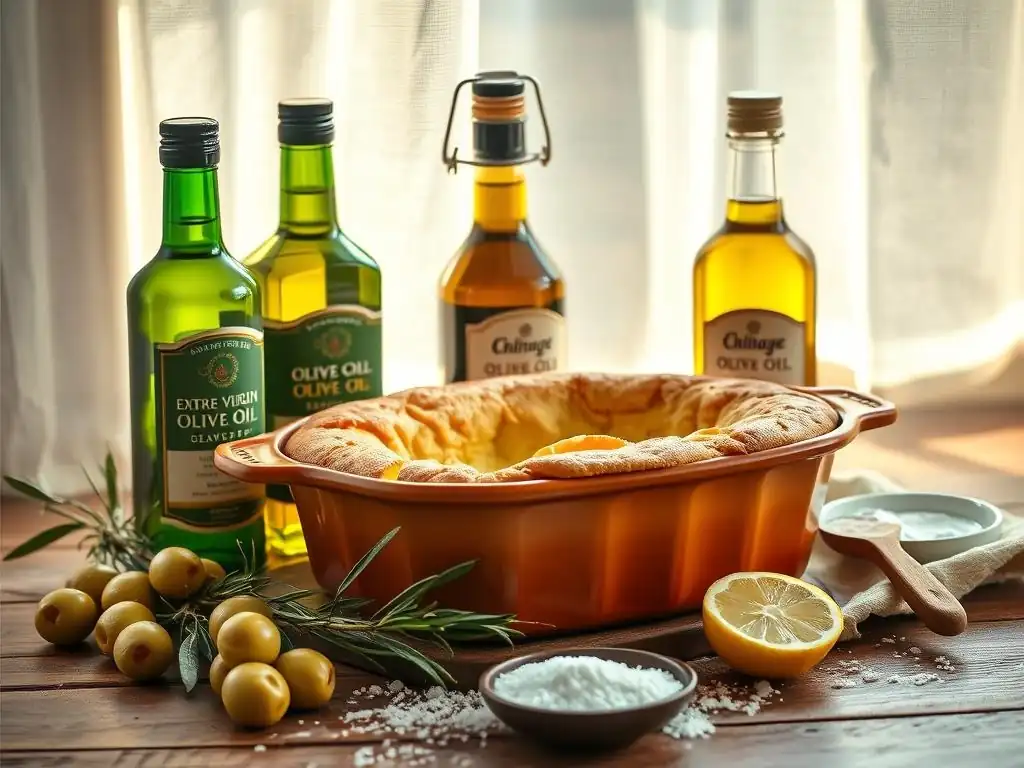
Selecting the appropriate olive oil is crucial for successful olive oil bakes. Different types of olive oil have varying flavor intensities, smoke points, and compositions, all of which impact the final product. The common distinction is between extra virgin and lighter varieties.
Extra Virgin Olive Oil: When to Use It
Extra virgin olive oil (EVOO) is the highest quality olive oil, produced from the first cold pressing of olives. It retains the most flavor and aroma, ranging from mild and fruity to robust and peppery. EVOO is excellent for baking when you want the distinct flavor of the oil to be a prominent part of the finished product, such as in a simple olive oil cake recipe where the oil is a star ingredient, or in rustic breads.
However, EVOO has a lower smoke point (typically around 375-405°F or 190-207°C) compared to refined oils. While most cakes bake below this temperature ( 325-350°F), very high-temperature baking or frying is not ideal for EVOO. For recipes where a strong olive flavor might clash or where the baking temperature is exceptionally high, a lighter olive oil might be preferable. In our Orange Olive Oil Cake Recipe, a fruity EVOO works beautifully.
Light Olive Oil: A Versatile Baking Option
Despite its name, "light" olive oil does not mean lower in calories or fat; it refers to its lighter color and milder flavor profile. Light olive oil is a refined oil that may contain a small percentage of virgin olive oil. It has a more neutral taste and a higher smoke point (around 400-470°F or 204-243°C) than EVOO.
Light olive oil is a versatile option for baking when you want the benefits of olive oil's texture and moisture without a strong olive flavor. It's a good substitute for other vegetable oils in almost any baking recipe, from muffins and quick breads to cookies and cakes where the primary flavor comes from other ingredients like chocolate, spices, or vanilla. If you're trying an olive oil cake recipe but are hesitant about a strong olive taste, starting with a light olive oil is a great approach.
Understanding Olive Oil Flavor Profiles for Baking
Olive oil flavors are incredibly diverse and can be broadly categorized as delicate, medium, or robust. Delicate oils are mild and buttery, medium oils have more prominent fruitiness or nuttiness, and robust oils are intensely fruity and often have a peppery finish (pungency).
For baking, pairing the flavor profile with your recipe is key. Delicate or medium fruity olive oils are excellent for sweet bakes like cakes, muffins, and cookies, as they complement flavors like citrus, vanilla, and fruit without overpowering them. Robust, peppery oils can be interesting in savory bakes or paired with strong flavors like chocolate, rosemary, or certain spices. Experimenting with different oils in a basic olive oil cake recipe can reveal how much the oil choice impacts the final taste.
Troubleshooting Your Olive Oil Bakes: Common Mistakes and Solutions
Baking with olive oil is generally straightforward, but sometimes issues can arise. Understanding common problems and their solutions will help you achieve perfect results every time.
Cake Too Dense? Adjusting Olive Oil Ratios
A common issue when starting with an olive oil cake recipe is ending up with a cake that is too dense or heavy. This can often be attributed to using too much olive oil or improper mixing. Because olive oil is 100% fat (compared to butter's ~80%), using a direct 1:1 substitution by volume from a butter recipe can sometimes result in an overly wet or oily batter that bakes up dense.
If your cake is consistently dense, try slightly reducing the amount of olive oil in the recipe, perhaps by 10-15%. For example, if a recipe calls for 1 cup of olive oil, try using ¾ cup plus 2 tablespoons (approx. 180ml). Also, ensure you are not overmixing the batter once the dry ingredients are added, as this develops gluten and leads to toughness and density. Gently folding until just combined is crucial for a tender crumb.
Avoiding a Greasy Texture: Proper Mixing Techniques
Another potential pitfall is a cake that feels greasy or oily, particularly around the edges or bottom. This is often related to how the olive oil is incorporated into the batter. Unlike butter, which is often creamed with sugar to create air pockets, olive oil is a liquid and doesn't contribute to leavening in the same way. It needs to be properly emulsified with the other wet ingredients.
Ensure you are whisking the olive oil thoroughly with the eggs, sugar, and other liquids until the mixture looks homogenous and slightly thickened before adding the dry ingredients. This helps distribute the oil evenly throughout the batter. Using good quality room temperature ingredients also aids in proper emulsification. If you find the bottom crust is greasy, double-check your pan preparation – sometimes excess grease in the pan itself can contribute to this.
Specific Troubleshooting Scenario: Cake Sinking in the Middle
If your olive oil cake recipe consistently sinks in the middle, several factors could be at play. One common cause is underbaking. The center hasn't had enough time to set and support itself, causing it to collapse as it cools. Ensure you are baking for the full recommended time and testing for doneness with a skewer in the center.
Another reason could be the oven temperature being too high, causing the outside to set too quickly while the inside is still raw. Calibrate your oven if necessary. Overmixing the batter can also contribute, creating a structure that is unstable during baking. Finally, opening the oven door too early in the baking process can cause a sudden temperature drop, leading to sinking. Avoid checking the cake until at least three-quarters of the way through the baking time.
Variations and Adaptations: Experimenting with Olive Oil Cake Flavors
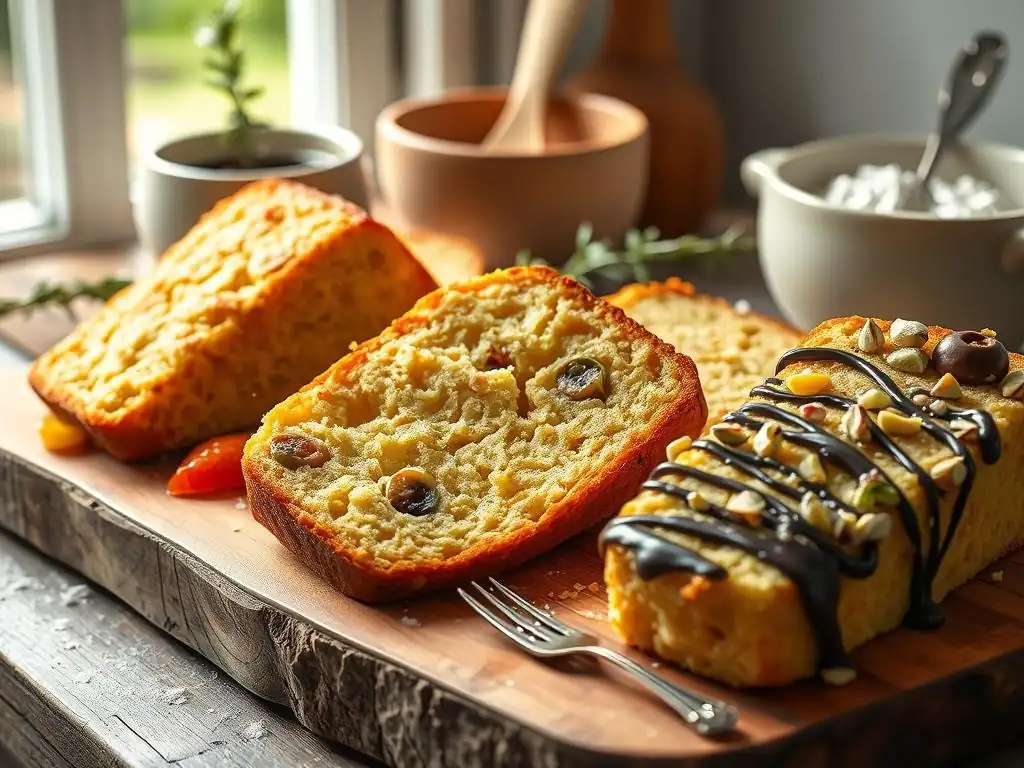
The basic olive oil cake recipe is incredibly versatile and serves as a fantastic canvas for adding different flavors and textures. Once you've mastered the basic technique, feel free to experiment and make it your own.
Adding Citrus Zest: Lemon, Orange, and Grapefruit
Citrus and olive oil are a classic Mediterranean pairing, and they work beautifully in cakes. While our featured recipe uses orange, you can easily swap or combine citrus zests. Lemon zest adds a bright, tangy note, grapefruit zest brings a slightly bitter, sophisticated flavor, and lime zest offers a tropical twist.
Simply replace the orange zest in the recipe with the zest of your chosen citrus. You can also use a combination, like lemon and orange. The oils in the zest infuse the cake with intense aroma and flavor, complementing the fruity notes of the olive oil. Approximately 1 tablespoon of fresh zest is usually sufficient for a loaf cake, but feel free to add a little more for an extra citrusy punch.
Incorporating Nuts and Seeds: Almonds, Walnuts, and Poppy Seeds
Adding nuts or seeds provides wonderful texture and complementary flavors to an olive oil cake. Almonds, either slivered, chopped, or ground into almond flour, are a natural fit, enhancing the Mediterranean theme. Walnuts offer a richer, slightly bitter counterpoint, while poppy seeds provide a delicate crunch and visual appeal.
Fold about ½ cup of chopped nuts or 2 tablespoons of poppy seeds into the batter along with the dry ingredients. For an extra nutty flavor, you can lightly toast the nuts before adding them. Consider topping the cake with a sprinkle of nuts or seeds before baking for a beautiful finish. An Olive Oil Cake with Rosemary and Pine Nuts is a classic example, combining savory herbs with crunchy nuts.
Olive Oil Cake with Rosemary and Pine Nuts
This variation takes the basic olive oil cake recipe in a more savory direction, perfect for pairing with cheese or enjoying as a unique snack.
- Adaptation:
- Reduce sugar slightly (e.g., to
¾ cup). - Add
1-2 tsp finely chopped fresh rosemaryto the wet ingredients. - Fold in
½ cup pine nutswith the dry ingredients. - Optional: Add
¼ cup grated Parmesan cheeseto the dry ingredients.
- Reduce sugar slightly (e.g., to
Bake as directed. The combination of fragrant rosemary, buttery pine nuts, and fruity olive oil creates a sophisticated and unexpectedly delicious cake.
Storing Your Olive Oil Bakes for Lasting Freshness
One of the great benefits of baking with olive oil is the extended shelf life and moisture it provides compared to butter-based bakes. Proper storage will ensure your olive oil cake recipe creations stay delicious for as long as possible.
Proper Cooling Techniques
Allowing your cake to cool properly is the first step to good storage. After removing the cake from the oven, let it cool in the pan on a wire rack for about 10-15 minutes. This allows the cake to firm up slightly before handling. Then, carefully invert the cake onto the wire rack to cool completely.
Cooling on a wire rack allows air circulation around the entire cake, preventing moisture from accumulating on the bottom, which can lead to a soggy texture. Ensure the cake is completely cool before storing it. Storing a warm cake will create condensation inside the storage container, making the cake damp and potentially leading to spoilage.
Best Storage Containers and Methods
For short-term storage (1-3 days), an olive oil cake can be stored at room temperature. The best method is to wrap the cooled cake tightly in plastic wrap or aluminum foil, or place it in an airtight container. This prevents air from drying out the cake and keeps it moist. Storing it as a whole loaf or in large pieces is better than slicing the entire cake at once, as exposed surfaces dry out faster.
For longer storage (up to a week) or in warmer climates, storing the cake in the refrigerator is advisable. Again, wrap it tightly or use an airtight container. To enjoy refrigerated cake, allow individual slices to come to room temperature for about 15-20 minutes before eating for the best texture and flavor. Olive oil cakes also freeze exceptionally well. Wrap cooled cake slices or the whole loaf tightly in plastic wrap, then in aluminum foil or place in a freezer-safe bag. It can be frozen for 2-3 months. Thaw at room temperature or in the refrigerator.
Conclusion: Embrace the Mediterranean Secret to Moist and Delicious Bakes with Olive Oil
Baking with olive oil is a delightful journey into the heart of Mediterranean culinary traditions. It offers a world of benefits, from creating exceptionally moist textures and enhancing flavors to providing a healthier alternative to other fats. Whether you're perfecting a simple olive oil cake recipe, trying your hand at rustic olive oil bread, or experimenting with crisp olive oil cookies, you're tapping into centuries of delicious history.
Embracing olive oil in your baking repertoire opens up new possibilities for flavor pairing and texture creation. It's a simple swap that can dramatically elevate your bakes, bringing a touch of Italian warmth and sunshine to your kitchen. So, grab a good bottle of olive oil, choose your favorite recipe – perhaps starting with that delicious orange olive oil cake – and discover the incredible moisture and taste that this golden liquid brings to your baked goods. Happy baking!
Frequently Asked Questions
What makes olive oil cake different from other cakes?
Olive oil cake uses olive oil instead of butter, resulting in a cake that's often moister and has a unique flavor profile. It also tends to have a lighter texture.
Can I substitute other oils for olive oil in the recipe?
While you can substitute other oils, the distinct flavor of olive oil is a key characteristic. Using a neutral oil will alter the taste significantly.
What type of olive oil is best for baking an olive oil cake?
Use a good quality extra virgin olive oil for the best flavor. However, avoid using overly pungent or bitter oils. A fruity and mild olive oil is ideal.
How do I store olive oil cake to keep it moist?
Store olive oil cake in an airtight container at room temperature for up to 3 days. The oil helps keep it moist, but proper storage is still important.
Is olive oil cake difficult to make?
No, olive oil cake is generally very easy to make. Many recipes are one-bowl recipes and require simple ingredients, making it perfect for beginner bakers.
Final Reflection: The Enduring Allure of Olive Oil Cakes
The subtle, fruity notes of olive oil elevate baking beyond the ordinary, offering a unique and intensely flavorful experience that resonates deeply with today's discerning palates. This isn't just about a recipe; it's about embracing a tradition, a history woven into the very fabric of Italian cuisine and now, increasingly, into modern baking worldwide. The demand for healthier, more nuanced flavors is driving a renewed interest in olive oil's versatility, making this ancient ingredient a star in contemporary kitchens.
The journey through these Italian-inspired olive oil cake recipes has been a personal exploration, not just of culinary techniques, but of the cultural significance embedded within each ingredient. The simple act of baking with olive oil connects us to generations past, to sun-drenched groves and the age-old practice of transforming nature's bounty into something delicious and nourishing. As Marcel Proust so eloquently wrote, The only paradise I can imagine is one where there are many tables of food with people who like to eat.
This sentiment perfectly captures the joy and connection found in sharing these cakes, in experiencing the rich tapestry of flavors and the warmth of shared meals.
Now, consider your own kitchen. Imagine the aroma of olive oil cake filling your home, the satisfaction of creating something beautiful and delicious from simple ingredients. Don't just bake a cake; bake a story. Experiment with different olive oils, explore variations on the recipes, and most importantly, share your creations with loved ones. Let the legacy of olive oil baking continue, enriched by your own unique touch and the memories you create around the table.
Unlock the Flavor: Elevate Your Baking with Olive Oil!
Thanks for joining us on this flavorful journey into the world of olive oil baking! We hope you've discovered new ways to create moist, delicious treats. Ready to put your newfound knowledge to the test?
- Bake your masterpiece: Try one of the olive oil recipes featured in this article—or experiment with your own! Let us know how it turns out.
- Share your creations: Show off your olive oil baking skills on social media and tag us! Let's inspire each other.
- Explore further: Dive deeper into the world of Mediterranean baking by searching for "olive oil cake recipes" online. You might be surprised by what you find!
What surprising flavor combinations will you create with olive oil next?