
Easy Zeppole Recipe for Delicious Italian Doughnuts

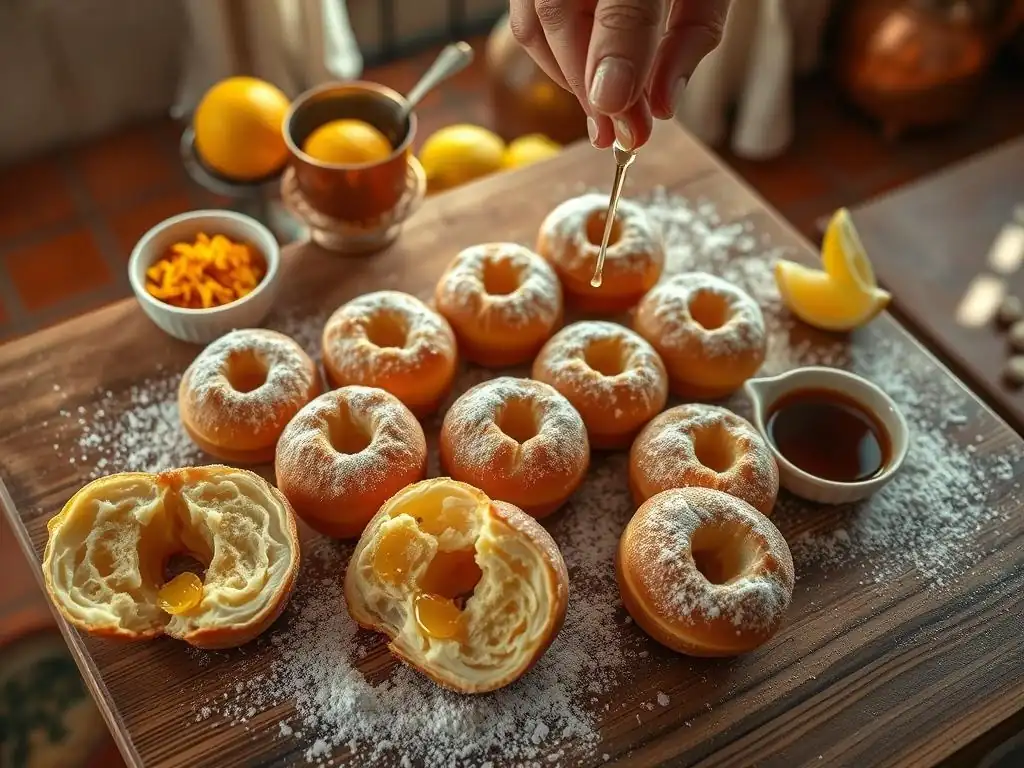
Welcome to BakeWithEase, your companion in the delightful world of baking! Ever dreamt of effortlessly creating authentic Italian treats? Get ready to amaze your friends and family because today, we're unlocking the secrets to a truly irresistible dessert. Dive in and discover our Easy Italian Zeppole recipe – a surprisingly simple way to conjure up light, airy, and utterly delicious doughnuts. Curious how to achieve that perfect golden crisp? Let's get baking!
- Classic Neapolitan Zeppole Recipe
- Discover the Authentic Taste of Homemade Zeppole
- What are Zeppole? Exploring Italian Cream Puffs
- Classic Neapolitan Zeppole Recipe: Step-by-Step Guide
- Making the Zeppole Dough: A Simple Process
- Frying Zeppole: Achieving Golden Perfection
- Baking Zeppole: A Healthier Alternative (Optional)
- Zeppole Toppings and Variations: Unleash Your Creativity
- Tips for Baking the Best Zeppole at Home
- Enjoy Your Homemade Zeppole: A Taste of Naples
- Frequently Asked Questions
- Final Reflection: The Sweet Simplicity of Tradition
- Unleash Your Inner Pastry Chef!
Classic Neapolitan Zeppole Recipe
Discover the Authentic Taste of Homemade Zeppole
Embark on a culinary journey to Naples right from your kitchen with this straightforward guide to making classic Italian Zeppole. Often described as delicate fried or baked pastries, these delightful treats are a staple of Italian celebrations, particularly around Saint Joseph's Day. While they might look intricate, mastering an easy Italian Zeppole recipe is absolutely achievable for home bakers of all skill levels.
This article will walk you through the steps to create light, airy Zeppole, traditionally filled with rich pastry cream and topped with a vibrant Amarena cherry. We'll cover everything from preparing the simple dough (a type of choux pastry) to achieving that perfect golden exterior, whether you choose to fry or bake them. Get ready to fill your home with the sweet aroma of Italy and share these delicious homemade zeppole with family and friends.
What are Zeppole? Exploring Italian Cream Puffs
Zeppole: A Traditional Neapolitan Pastry
Zeppole are essentially Italian doughnuts, but they are distinct from the yeasted varieties found elsewhere. Hailing from Naples, in the Campania region of Southern Italy, these pastries are crafted from choux dough ( pasta choux), the same base used for French éclairs or profiteroles. This dough, made from water, butter, flour, and eggs, puffs up dramatically when cooked, creating a hollow interior perfect for filling.
The classic Neapolitan Zeppole, known as Zeppole di San Giuseppe, are typically ring-shaped, fried until golden and slightly crisp on the outside, and then filled generously with crema pasticcera (pastry cream) and adorned with a syrupy Amarena cherry. Their light texture and rich filling make them an incredibly popular dessert, particularly during specific festive periods. While the ring shape is traditional in Naples, variations exist across Italy, sometimes appearing as simple fried balls or fritters.
The History Behind Neapolitan Zeppole and Saint Joseph's Day
The origins of the Zeppole di San Giuseppe are deeply rooted in Neapolitan tradition and religious observance. While the exact history is debated, some accounts trace them back to ancient Roman celebrations, possibly evolving from fritters made during springtime festivals. However, their strong association with Saint Joseph's Day (Festa di San Giuseppe) on March 19th solidified their place in modern Italian culture, particularly in Southern Italy.
Saint Joseph's Day coincides with the arrival of spring and has historically been celebrated with special foods. Zeppole became the quintessential pastry for this day in Naples and surrounding areas, symbolizing abundance and sweetness. Monasteries and convents are credited by some with popularizing the recipe centuries ago. By the 18th or 19th century, the tradition of making and sharing Zeppole on March 19th was firmly established, becoming a beloved annual event that continues to this day.
Classic Neapolitan Zeppole Recipe: Step-by-Step Guide

Making delicious homemade zeppole involves a few key steps, but with careful attention, the process is quite manageable. This easy Italian Zeppole recipe focuses on the classic Neapolitan style, guiding you from simple pantry staples to delightful pastries. The foundation is a well-made choux dough, followed by the cooking method (frying or baking) and finally, the traditional finishing touches.
We will break down each part of the process, providing clear instructions for creating the dough, preparing it for cooking, and finishing your zeppole. While precision is helpful in baking, this recipe is forgiving enough for beginners to achieve excellent results. Get ready to experience the satisfaction of making these iconic Italian treats from scratch.
Ingredients for Authentic Zeppole Dough
Creating the perfect choux dough for your zeppole requires just a few basic ingredients, readily available in most kitchens. The magic happens through the interaction of these simple components when heated. Water provides the necessary moisture, butter adds richness and helps with structure, flour creates the base, and eggs are crucial for leavening and binding the dough as it cooks and cools.
Using fresh, quality ingredients will always yield the best results. For instance, using unsalted butter allows you to control the salt level precisely. All-purpose flour works well for this recipe, providing the right balance of gluten for structure without making the dough tough. Ensure your eggs are at room temperature, as this helps them incorporate more smoothly into the dough.
Zeppole Dough Ingredients List: A Quick Glance
Here's a list of the core ingredients you'll need for this easy Italian Zeppole recipe:
- 1 cup (240ml) Water
- ½ cup (115g) Unsalted butter, cut into cubes
- ¼ teaspoon Salt
- 1 cup (120g) All-purpose flour
- 3-4 large Eggs, at room temperature
Equipment Needed for Making Zeppole
Having the right tools can make the process of making zeppole much smoother and more enjoyable. While you don't need highly specialized equipment, a few standard kitchen items are essential for success. A sturdy saucepan is needed to cook the dough mixture on the stovetop, and a wooden spoon or heatproof spatula is ideal for stirring.
For shaping the zeppole, a piping bag fitted with a large star tip (like an Ateco 826 or 827) is highly recommended. This allows you to create the classic ring shape neatly. If you plan to fry, you'll need a deep pot for the oil and a slotted spoon or spider for safely handling the zeppole. Parchment paper is also invaluable for piping the dough before cooking.
Essential Baking Tools for Perfect Zeppole
Gather these essential items before you begin making your easy Italian Zeppole recipe:
- Medium saucepan
- Wooden spoon or heatproof spatula
- Measuring cups and spoons
- Piping bag
- Large star piping tip (e.g., Ateco 826, 827)
- Parchment paper
- Sharp knife or scissors (for cutting dough after piping)
- Deep pot (for frying) or baking sheets (for baking)
- Slotted spoon or spider (for frying)
- Wire rack (for draining/cooling)
- Stand mixer with paddle attachment (optional, but helpful for incorporating eggs)
Making the Zeppole Dough: A Simple Process
The foundation of this easy Italian Zeppole recipe is a classic choux pastry, known as pasta choux. The process involves cooking the initial ingredients on the stovetop to create a thick paste, which is then enriched with eggs. This method is crucial for developing the dough's structure and ensuring it puffs up properly during cooking.
While it might seem intimidating at first, making choux dough is quite straightforward once you understand the basic steps. The key is to cook out enough moisture from the flour mixture before adding the eggs. This creates a stable base that can hold the steam generated during frying or baking, resulting in that characteristic hollow interior.
Step 1: Preparing the Water, Butter, and Salt Mixture
Begin by combining the water, cubed unsalted butter, and salt in your medium saucepan. Place the saucepan over medium heat. Your goal here is to melt the butter completely and bring the mixture to a rolling boil.
Stir occasionally as the butter melts to ensure it doesn't scorch. Once the mixture reaches a vigorous boil, you are ready for the next step. This boiling liquid will hydrate the flour and start the cooking process for the dough base.
Step 2: Cooking the Mixture on the Stovetop and Adding Flour
As soon as the water and butter mixture reaches a rolling boil, remove the saucepan from the heat immediately. Add the measured all-purpose flour all at once into the hot liquid. Using your wooden spoon or heatproof spatula, stir vigorously.
Stir continuously until the mixture comes together to form a thick, smooth ball of dough that pulls away from the sides of the pan. Return the pan to low heat and continue to cook and stir the dough for about 1-2 minutes. This step, sometimes called "drying out" the dough, is critical as it cooks out excess moisture, which helps the dough absorb the eggs properly later and ensures a good puff. You should see a thin film form on the bottom of the pan.
Step 3: Cooling the Cooked Dough Slightly
Once the dough has formed a ball and you've cooked it on low heat for a minute or two, transfer the dough ball to a clean bowl. This allows the dough to cool down slightly before you add the eggs. If the dough is too hot, it will cook the eggs prematurely, resulting in a dense, flat zeppole.
Allow the dough to cool for about 5-10 minutes. You can spread it out slightly in the bowl to speed up the cooling process. The dough should still be warm, but cool enough that you can comfortably touch it without burning yourself. If using a stand mixer, you can transfer the dough to the mixer bowl and let it cool there.
Step 4: Incorporating Eggs into the Dough
This is arguably the most crucial step in making choux dough. Add the eggs one at a time to the slightly cooled dough. If using a stand mixer with a paddle attachment, mix on medium speed after adding each egg, waiting until the egg is fully incorporated before adding the next. If mixing by hand, beat the eggs in with a sturdy spoon or spatula until fully combined.
The dough will look like a lumpy mess at first with each egg addition, but keep mixing – it will come together to a smooth, thick paste. The final dough should be glossy and smooth, thick enough to hold its shape but soft enough to pipe. You'll know it's ready when it forms a "V" or "beak" shape when you lift the spatula or paddle, and a piece of dough dropped from the spoon holds its shape but slowly softens. You might not need all 4 eggs; stop adding when the dough reaches this consistency.
Step 5: Piping the Dough onto Parchment Paper
Once your choux dough is ready and has the correct consistency, transfer it to a piping bag fitted with a large star tip. Prepare baking sheets by lining them with parchment paper. Piping onto parchment paper is helpful because you can pipe the shapes first and then easily transfer them to the hot oil or baking sheet.
Carefully pipe the dough into ring shapes, approximately 3-4 inches in diameter, onto the parchment paper. Leave enough space between each ring as they will expand significantly during cooking. You can use a small amount of water to smooth any peaks or edges on the piped rings. If you don't have a piping bag, you can try shaping them with two spoons, though the star shape won't be achieved.
Frying Zeppole: Achieving Golden Perfection
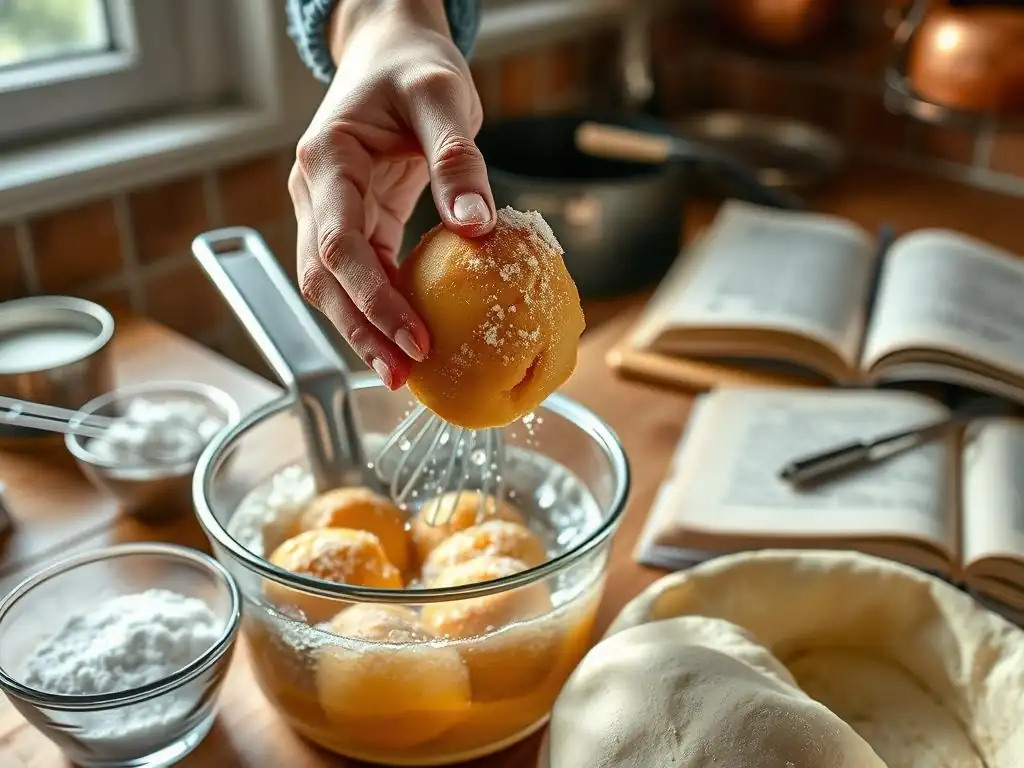
Traditionally, Neapolitan zeppole are fried, which gives them a wonderfully crispy exterior and a light, airy interior. Frying requires careful temperature control to ensure the zeppole cook through without burning on the outside or becoming greasy. Using a neutral oil with a high smoke point is recommended.
The key to successful frying is maintaining a consistent oil temperature. If the oil is too hot, the outside will brown too quickly while the inside remains raw. If it's too cool, the zeppole will absorb too much oil and become heavy and greasy. A thermometer is a valuable tool here.
Preparing the Frying Oil for Zeppole
Choose a deep pot and fill it with about 2-3 inches of neutral frying oil, such as vegetable, canola, or peanut oil. These oils have high smoke points suitable for deep frying. Place the pot over medium-high heat and heat the oil to approximately 350°F (175°C).
It's essential to monitor the temperature closely using a kitchen thermometer. While the oil heats, carefully cut the parchment paper around each piped zeppole ring, leaving a small border. This allows you to easily transfer the delicate dough into the hot oil.
Frying Zeppole for Crispy Results
Once the oil reaches the correct temperature (around 350°F/175°C), carefully slide 1-2 zeppole (still attached to their small parchment squares) into the hot oil. Be careful not to overcrowd the pot, as this will lower the oil temperature and result in greasy zeppole. The parchment paper will likely detach on its own after a few seconds; you can then carefully remove it with tongs.
Fry the zeppole for about 3-5 minutes per side, or until they are puffed up, golden brown, and cooked through. Use a slotted spoon or spider to gently turn them halfway through the frying time. Once golden brown and cooked, remove the zeppole from the oil and place them on a wire rack set over paper towels to drain excess oil. This step is crucial for preventing them from becoming soggy.
Baking Zeppole: A Healthier Alternative (Optional)
While frying is traditional, baking is a fantastic alternative for those seeking a lighter version of this easy Italian Zeppole recipe. Baked zeppole will have a slightly different texture – less crispy on the outside compared to fried ones – but they still puff up beautifully and retain that signature airy interior perfect for filling.
Baking is also less messy than frying and requires less active monitoring once the zeppole are in the oven. This makes the clean-up process much simpler. If you choose the baking route, you'll still use the same choux dough and piping method.
Baking Zeppole for a Lighter Treat
To bake your zeppole, preheat your oven to 400°F (200°C). Line a baking sheet with parchment paper. Pipe the zeppole rings onto the parchment paper as described in the frying section. You can brush the tops of the piped dough lightly with an egg wash (one egg beaten with a tablespoon of water) for a slightly glossier finish, though this is optional.
Bake the zeppole for 20-25 minutes, or until they are puffed, golden brown, and feel light when lifted. It's important not to open the oven door during the first 15-20 minutes of baking, as this can cause the zeppole to collapse. Once baked, remove them from the oven and let them cool completely on the baking sheet before filling.
Zeppole Toppings and Variations: Unleash Your Creativity

The beauty of this easy Italian Zeppole recipe lies not just in the dough, but also in the possibilities for filling and decorating. While the classic Neapolitan version is beloved, you can easily customize your homemade zeppole with various creams and toppings to suit your taste or what you have on hand.
Experimenting with different fillings and presentations allows you to put your own spin on this traditional pastry. Whether you stick to the tried-and-true or venture into new flavor combinations, the result is sure to be a delightful treat.
Classic Zeppole Toppings: Pastry Cream and Amarena Cherries
The quintessential way to finish a Zeppole di San Giuseppe is with a generous dollop of smooth crema pasticcera (pastry cream) and one or two glistening Amarena cherries. Pastry cream is a rich, thick custard made from milk, egg yolks, sugar, and flour or cornstarch, often flavored with vanilla or lemon zest.
To assemble, once the zeppole are cooled (whether fried or baked), slice them horizontally or pipe the cream directly into the center cavity. Then, pipe or spoon a mound of pastry cream onto the top of each zeppole ring. Crown each with a dark, syrupy Amarena cherry, typically imported from Italy, which provides a lovely tart counterpoint to the sweet cream.
Zeppole Filling Ideas: Ricotta Cream, Chocolate Pastry Cream
Beyond the classic pastry cream, there are many other delicious ways to fill your homemade zeppole. A popular alternative, especially in other parts of Italy or among Italian-American communities, is a sweet ricotta filling. This is often made by combining fresh ricotta cheese with powdered sugar, vanilla, and sometimes a touch of cinnamon or citrus zest.
For chocolate lovers, a chocolate pastry cream or a rich ganache makes a decadent filling. You could also use whipped cream, diplomat cream (pastry cream lightened with whipped cream), or even a simple fruit compote. The key is to use a filling that is thick enough to hold its shape when piped or spooned into the zeppole.
Creative Zeppole Variations: Mini Zeppole, Chocolate Zeppole
You aren't limited to the traditional large ring shape when making this easy Italian Zeppole recipe. You can easily make smaller, bite-sized mini zeppole by piping smaller rings or even simple mounds of dough. These mini versions are perfect for parties or tasting platters.
For a chocolatey twist, you can incorporate cocoa powder into the choux dough itself or add melted chocolate to the pastry cream filling. Other creative variations include dusting the finished zeppole with powdered sugar instead of using cream, or rolling fried dough balls in cinnamon sugar, similar to churros or other types of fritters. The adaptable nature of the choux dough allows for plenty of innovation.
Tips for Baking the Best Zeppole at Home
Achieving perfect zeppole involves more than just following the steps; a few key tips can significantly improve your results. Paying attention to dough consistency, cooking temperatures, and cooling methods will help you avoid common pitfalls and produce light, airy pastries every time you attempt this easy Italian Zeppole recipe.
Don't be discouraged if your first batch isn't absolutely perfect. Choux pastry can be a bit finicky initially, but with practice, you'll get a feel for the right dough consistency and cooking times. These tips aim to set you up for success from the start.
Achieving the Perfect Zeppole Texture
The ideal zeppole should be light and airy with a hollow interior, whether fried or baked. This texture is primarily determined by the choux dough consistency and the cooking process. Ensure your dough is not too stiff (needs enough eggs) or too wet (needs proper cooking on the stovetop). The "V" test mentioned earlier is a good indicator.
When frying, make sure the oil temperature is consistent (around 350°F/175°C) and avoid overcrowding the pot. For baking, ensure the oven is fully preheated and resist the urge to open the door during the initial baking time, as the steam inside is crucial for puffing. Baking at a slightly higher temperature initially (like 400°F/200°C) and then potentially reducing it can also help achieve a good puff and thorough cooking.
Preventing Common Zeppole Baking Mistakes
One common mistake is adding too many or too few eggs to the dough, leading to a dough that is either too runny or too stiff. Follow the visual cues (the "V" test) rather than relying solely on the number of eggs, as egg sizes vary. Another issue is not cooking the dough on the stovetop long enough, leaving too much moisture, which prevents proper puffing.
When frying, oil that is too cool results in greasy zeppole, while oil that is too hot causes the outside to burn before the inside cooks. Use a thermometer! For baked zeppole, opening the oven door too early is a major culprit for deflated pastries. Also, ensure the zeppole are cooled completely before filling, especially with wet fillings like pastry cream, to prevent them from becoming soggy.
Storing and Reheating Zeppole for Later Enjoyment
Zeppole are best enjoyed fresh, ideally within a few hours of being filled. The longer they sit with a moist filling, the softer the pastry becomes. However, you can store unfilled, cooked zeppole for later. Allow them to cool completely on a wire rack.
Store unfilled fried or baked zeppole in an airtight container at room temperature for 1-2 days, or in the refrigerator for up to 3-4 days. If they lose some crispness, you can try reheating them briefly in a toaster oven or a regular oven at around 300°F (150°C) for 5-10 minutes before filling. Filled zeppole should be stored in the refrigerator and are best consumed within 1-2 days.
Enjoy Your Homemade Zeppole: A Taste of Naples
Frequently Asked Questions
What exactly are Zeppole?
Zeppole are Italian doughnuts, traditionally served during the Feast of Saint Joseph. They are typically deep-fried or baked and often topped with powdered sugar and a cherry.
Is this Zeppole recipe truly easy for beginners?
Yes, our recipe focuses on simple steps and easily accessible ingredients. We provide clear instructions and troubleshooting tips to ensure a successful outcome, even for novice bakers.
Can I bake these Zeppole instead of frying them?
Absolutely! While traditionally fried, our recipe includes instructions for baking the Zeppole as a healthier alternative. The baking time may vary slightly.
What kind of filling or toppings can I use for my Zeppole?
Beyond the classic powdered sugar and cherry, you can use pastry cream, chocolate ganache, or even a simple dusting of cinnamon. Get creative!
What makes this "Easy Italian Zeppole recipe" different from other Zeppole recipes?
Our recipe prioritizes simplicity and clarity, breaking down the process into manageable steps. We also focus on using common pantry staples and providing alternative methods.
Final Reflection: The Sweet Simplicity of Tradition
The enduring appeal of the zeppole lies not just in its delightful taste, but in its ability to connect us to a rich culinary heritage, a heritage readily accessible through a simple recipe. These light and airy doughnuts, fried to golden perfection, are a testament to the power of uncomplicated ingredients transformed into something truly special. Their ease of preparation makes them a perfect gateway to exploring Italian cooking, even for the most novice home baker.
The zeppole's influence extends beyond the simple act of eating; it's a symbol of shared moments, family gatherings, and the comforting embrace of tradition. It's a recipe passed down through generations, each iteration carrying with it a whisper of family history and personal touch. Food is symbolic of love when words are inadequate.
- Alan D. Wolfelt. This quote perfectly encapsulates the emotional resonance of sharing these delicious treats with loved ones, creating memories as sweet as the zeppole themselves.
Now, I invite you to embrace the simplicity of this recipe. Don't just follow the instructions; feel the rhythm of the process, the warmth of the oil, the satisfying sizzle of the dough. Let the aroma fill your kitchen, transporting you to a sun-drenched Italian piazza. More than just a recipe, this is an invitation to connect with a culinary tradition, to create something beautiful, and to share the joy of homemade goodness with those you cherish. Make your own zeppole, and savor the sweet taste of heritage.
Unleash Your Inner Pastry Chef!
Thanks for joining us on this delicious journey into the world of zéppoles! We hope you've gained the confidence to tackle this classic Italian treat. Now it's time to put your newfound skills to the test.
- Bake a batch of zéppoles today! Use our recipe as a springboard – experiment with different fillings or glazes to personalize your creations.
- Share your zéppole success (or even your baking mishaps!) with us on social media using #BakeWithEaseZeppole. We love seeing your culinary adventures!
- Challenge a friend to a zéppole-making showdown – may the best baker win!
What innovative twist will you add to your next batch of zéppoles? Let's hear your ideas in the comments below!