
Get Inspired: Books Featuring Incredible Cake Designs and How to Recreate Them

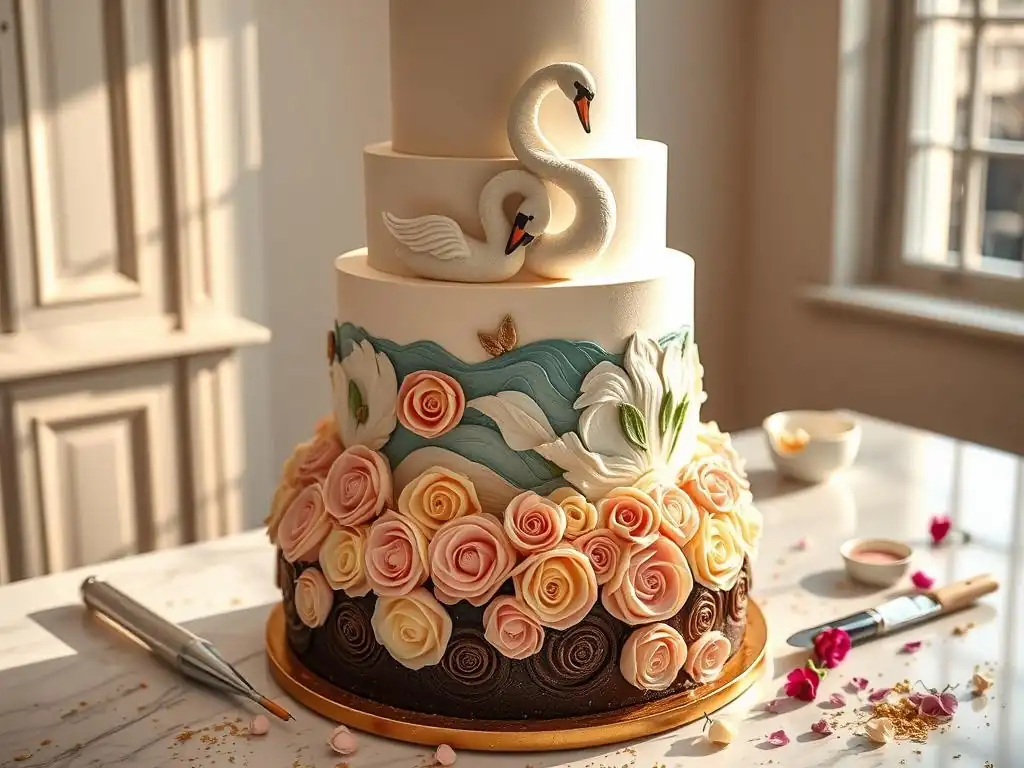
Welcome to BakeWithEase, your trusted guide to the delightful world of baking! Ever been mesmerized by those stunning cake designs you see in books and wondered if you could actually recreate them? This is where your journey begins. We're diving deep into the world of baking inspiration, exploring the best books showcasing incredible cake artistry and, most importantly, revealing how to recreate cake designs yourself. Get ready to turn those aspirational images into edible masterpieces – let's get baking!
- Unleash Your Inner Cake Artist: Discovering Inspiring Cake Design Books
- Top Cake Design Books to Spark Your Creativity
- How to Recreate Cake Designs: A Practical Guide
- Monetization Opportunities: Turning Cake Design Skills into Income
- Taking Your Cake Design Skills to the Next Level
- Frequently Asked Questions
- Final Reflection: The Sweet Art of Recreation and Inspiration
- Unleash Your Inner Cake Artist!
Unleash Your Inner Cake Artist: Discovering Inspiring Cake Design Books
Why Cake Decorating Books are Essential for Bakers
Cake decorating books serve as invaluable resources for anyone looking to elevate their baking from simple cakes to edible works of art. They provide structured learning paths, detailed instructions, and visual inspiration that can be difficult to piece together from scattered online sources alone. A good book offers a comprehensive approach, often covering foundational techniques before moving to more complex designs, ensuring a solid understanding of the principles behind beautiful cake creation. They are curated by experienced professionals who have spent years honing their craft, offering insights and tips that come from practical application.
These books act as mentors on paper, guiding you through the process of how to recreate cake designs with precision and confidence. They often include troubleshooting tips for common problems like cracked ganache or sagging buttercream, saving you frustration and wasted ingredients. Furthermore, they expose you to different styles and aesthetics, from classic elegance to modern minimalist or whimsical novelty cakes, helping you find your own artistic voice. Many include hundreds of detailed photos or illustrations, breaking down complex steps into manageable actions, making the goal of recreating intricate designs feel achievable even for beginners.
Exploring the World of Cake Artistry: From Beginner to Advanced Techniques
The journey through cake artistry, guided by books, can take a baker from simple frosting swirls to elaborate sugarpaste sculptures. For beginners, books often start with basic cake construction, leveling, filling, crumb coating, and simple piping techniques like shells or stars using a basic set of tips. They introduce fundamental skills needed to build a stable and smooth canvas before any decoration begins. This foundational knowledge is crucial for anyone wanting to learn how to recreate cake designs effectively.
As skills progress, books delve into more advanced techniques. This might include working with fondant for smooth coverage and sharp edges, creating realistic sugar flowers petal by petal, mastering airbrushing for vibrant colors and gradients, or even tackling structural cakes that defy gravity. Advanced books often feature complex projects that combine multiple techniques, challenging bakers to integrate different skills. They introduce specialized tools and ingredients and provide detailed instructions on achieving professional-level finishes, allowing dedicated individuals to truly explore the depths of cake decoration and successfully recreate complex cake designs.
Top Cake Design Books to Spark Your Creativity
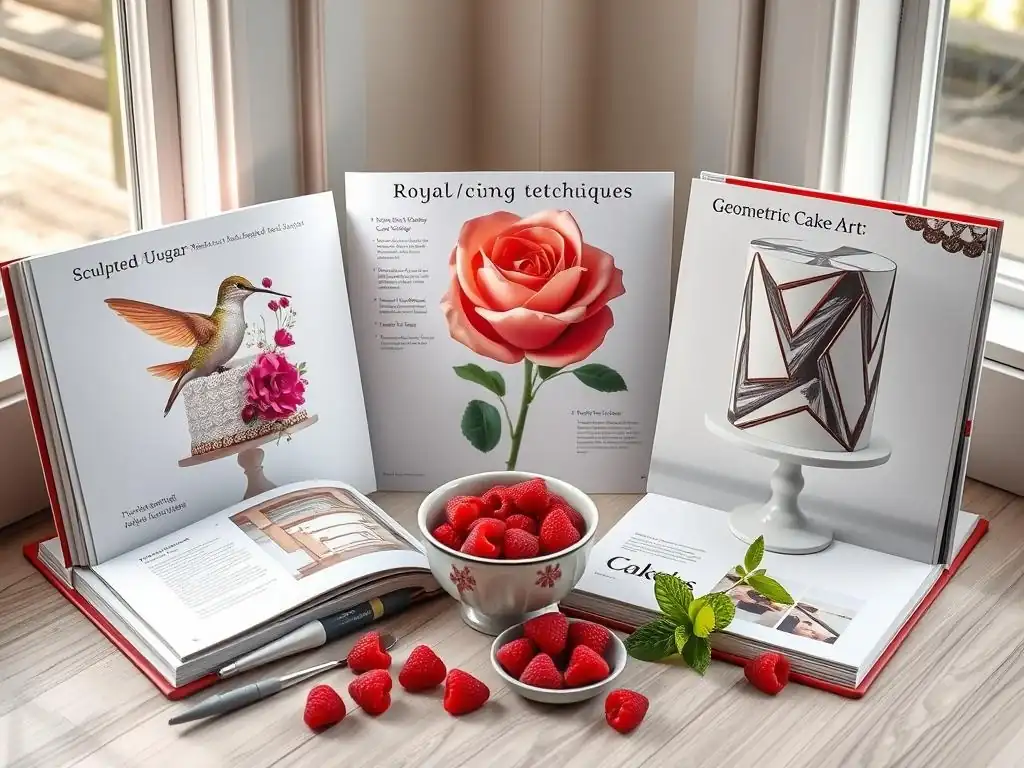
"The Cake Bible" by Rose Levy Beranbaum: Mastering Classic Techniques
"The Cake Bible" by Rose Levy Beranbaum is a legendary resource revered for its scientific approach to baking and classic cake construction. While not solely a decorating book, its emphasis on perfect cake structure and foundational recipes provides the essential base for any successful decoration. Beranbaum's meticulous testing and detailed explanations demystify complex processes, ensuring reliable results. She provides precise measurements and techniques for everything from achieving a tender crumb to creating stable buttercreams and ganaches, which are the building blocks for elegant decoration.
The book covers a wide range of classic cakes, fillings, and frostings, offering a deep understanding of how ingredients interact. For instance, her detailed instructions on emulsification are key to achieving smooth, stable buttercreams that hold their shape beautifully for piping. This foundational knowledge is critical for any baker serious about learning how to recreate cake designs that are not only beautiful but also structurally sound and delicious. Mastering the techniques within this book provides a robust skill set that translates to countless decorating styles.
Learning to Recreate Rose Levy Beranbaum's Signature Cake Designs: A Step-by-Step Guide
Recreating designs inspired by "The Cake Bible" is less about replicating specific visual patterns and more about adopting Rose Levy Beranbaum's philosophy of precision and perfection. The guide involves a meticulous, step-by-step approach starting with accurate measurement – often by weight for maximum consistency. Following her recipes exactly, paying close attention to temperature, mixing times, and ingredient states (like sifting flour multiple times), is paramount. For example, her method for a high-ratio cake involves creaming butter and sugar extensively, sometimes for 5-7 minutes, to incorporate air crucial for texture.
Once the cake is baked to perfection and cooled properly, the focus shifts to her equally precise methods for fillings and frostings. Achieving the correct consistency for her Mousseline Buttercream or a perfectly stable ganache is key.
Applying these smoothly, perhaps achieving sharp edges with a bench scraper, and then adding simple, elegant touches like perfectly piped borders using a basic round or star tip, embodies her style. The steps involve patience and attention to detail at every turn, ensuring that the foundation upon which decoration is built is flawless, making it easier to achieve a professional look when you recreate cake designs based on her principles.
Recommended Tools for Rose Levy Beranbaum's Cake Decorating Style: [Kitchen Scale] and [Stand Mixer]
A [Kitchen Scale] is arguably the most important tool for anyone following Rose Levy Beranbaum's recipes. Her emphasis on precision means that measuring ingredients by weight, rather than volume, yields consistent and reliable results every single time. Flour, sugar, butter – every component is best measured on a scale for the accuracy her methods demand. This removes the variability inherent in scoop-and-level methods, ensuring your cake batter and frostings have the exact ratios needed for the intended texture and structure, which is foundational when learning how to recreate cake designs with her level of quality.
A sturdy [Stand Mixer] is also highly recommended. Many of her recipes, particularly those for buttercreams and some cake batters, require extensive beating or creaming times that would be difficult and tiring to achieve manually. A stand mixer with various attachments (paddle, whisk) ensures ingredients are properly emulsified and aerated, leading to lighter cakes and smoother frostings. For instance, whipping egg whites to specific stages for meringue-based buttercreams is far more controlled and effective with a stand mixer, providing the stable base needed for elegant piping and decoration.
"Modern Baking" by Donna Hay: Building Skills for Stunning Cakes
Donna Hay's "Modern Baking" focuses on achievable elegance and simple sophistication in baking, including cakes. Her style emphasizes fresh, high-quality ingredients and techniques that produce beautiful results without overly complex processes. The book is known for its clean aesthetic, both in the photography and the recipes themselves, making stunning cakes feel accessible to the home baker. It encourages focusing on flavor and texture as primary elements of design, using decoration to enhance rather than mask the cake.
Her cake recipes often feature simple yet effective techniques for moist sponges and smooth, delectable frostings. Decoration often involves minimalist approaches like smooth finishes, textured swirls, simple drizzles, or artful arrangements of fresh fruit, edible flowers, or chocolate shards. This approach is excellent for bakers who want to create impressive-looking cakes relatively quickly, focusing on core baking skills and simple, impactful decorating touches. Learning from her helps you understand how to recreate cake designs that are understated but incredibly beautiful.
Recreating Donna Hay's Minimalist Cake Designs: Focus on Texture and Simplicity
Recreating Donna Hay's minimalist cake designs involves mastering the basics of cake construction and frosting application, then focusing on simple, impactful finishing touches. The process typically involves baking a moist, level cake, then applying a smooth layer of frosting, often a simple buttercream or ganache. Achieving a perfectly smooth finish with sharp edges using tools like a bench scraper is a hallmark of this style. The beauty lies in the clean canvas provided by the smooth frosting.
Decoration is then applied sparingly but thoughtfully. This might involve creating textured swirls in the frosting with an offset spatula, adding a simple chocolate or caramel drizzle down the sides, or arranging fresh berries, herbs, or edible flowers on top. The key is restraint and attention to detail in the placement of these few elements. The focus is on letting the quality of the bake and the frosting shine, using minimal elements to add visual interest and freshness. This approach simplifies the process of how to recreate cake designs while still achieving a visually striking result.
Essential Tools for Minimalist Cake Decorating: [Bench Scraper] and [Piping Bags]
A [Bench Scraper] is an indispensable tool for achieving the smooth, sharp edges often seen in Donna Hay's minimalist cake designs. After applying a generous layer of frosting, holding the bench scraper perpendicular to the cake side and rotating the cake on a turntable allows you to scrape away excess frosting, creating a perfectly smooth surface. The flat edge can also be used on the top of the cake to level the frosting and create a crisp top edge. This simple tool is remarkably effective for achieving a polished, professional finish with buttercream or ganache.
[Piping Bags], used with a few basic tips, are also essential for adding simple, elegant details. While the style is minimalist, piping can be used for creating subtle borders, adding dollops of frosting, or even for filling cake layers efficiently. A simple round tip can create perfect dots or mounds, while a star tip can add a classic border or swirls on top.
Using a piping bag for crumb coating can also help apply an even layer of frosting quickly before the final smooth coat. These tools facilitate clean application and simple decorative elements when you learn how to recreate cake designs in a minimalist style.
"Sweet" by Yotam Ottolenghi and Helen Goh: Mastering Layer Cake Construction and Decoration
"Sweet" by Yotam Ottolenghi and Helen Goh is celebrated for its innovative flavor combinations, often featuring Middle Eastern-inspired ingredients, and its stunning, yet often approachable, cake designs. While the recipes are sometimes complex in terms of ingredients, the decorating style tends towards elegant, slightly rustic finishes that highlight texture and the natural beauty of the components. The book is particularly strong on layer cakes, providing recipes and techniques for creating tall, impressive bakes filled with delicious curds, creams, and ganaches.
The decoration in "Sweet" cakes often involves luscious frostings applied generously, sometimes with intentional swirls or textures left by an offset spatula. Garnishes frequently feature fresh fruit, nuts, seeds, or edible flowers that complement the unique flavor profiles. The focus is on creating a sensory experience that is as visually appealing as it is delicious. The book encourages bakers to embrace a less formal, more organic look compared to hyper-perfected fondant cakes, making their beautiful creations feel attainable to recreate cake designs with personality.
How to Recreate Yotam Ottolenghi and Helen Goh's Elegant Layer Cake Designs: Precision and Flavor Combinations
Recreating the elegant layer cake designs from "Sweet" requires attention to both precise baking and thoughtful flavor pairing, followed by a relaxed yet deliberate decorating approach. Start by meticulously following the recipes for the cake layers, fillings, and frostings, as the unique flavors (like saffron, pistachios, or rosewater) are central to their appeal. Ensuring cake layers are level and cooled completely is crucial for stable stacking. Their approach often involves generous amounts of frosting or filling between layers, sometimes up to an inch thick, requiring a sturdy cake structure.
Decoration involves applying a generous amount of frosting, often a rich buttercream or cream cheese frosting, with an offset spatula. Instead of striving for absolute smoothness, the style embraces visible strokes and textures, giving the cake a handmade, inviting look. The final touch is the arrangement of garnishes, which are carefully chosen to echo the flavors within the cake.
This might include scattering toasted nuts, arranging fresh figs or berries, sprinkling seeds, or scattering edible flower petals. The key is combining precise baking with an artistic, slightly informal application of frosting and garnishes when you recreate cake designs in their signature style.
Key Tools for Layer Cake Perfection: [Cake Bands] and [Offset Spatula]
[Cake Bands], also known as baking strips, are incredibly helpful when baking cake layers for tall, elegant cakes like those in "Sweet." These fabric strips are soaked in water and wrapped around the outside of the cake pan. As the cake bakes, the moisture from the bands helps the edges bake more slowly, allowing the center to rise evenly. This results in flat-topped cake layers that require minimal leveling, making stacking much easier and ensuring a more consistent height for your finished layer cake when you recreate cake designs requiring multiple tiers.
An [Offset Spatula] is indispensable for applying and spreading frostings and fillings smoothly and evenly between layers and around the cake's exterior. Its angled blade allows you to spread frosting without your hand dragging through it. For the "Sweet" style, an offset spatula is used not only for smoothing but also for creating intentional textures and swirls in the final frosting layer.
Different sizes are useful; a smaller one for filling between layers and a larger one for frosting the outside. This tool is fundamental for achieving both smooth finishes and textured looks when learning how to recreate cake designs.
How to Recreate Cake Designs: A Practical Guide
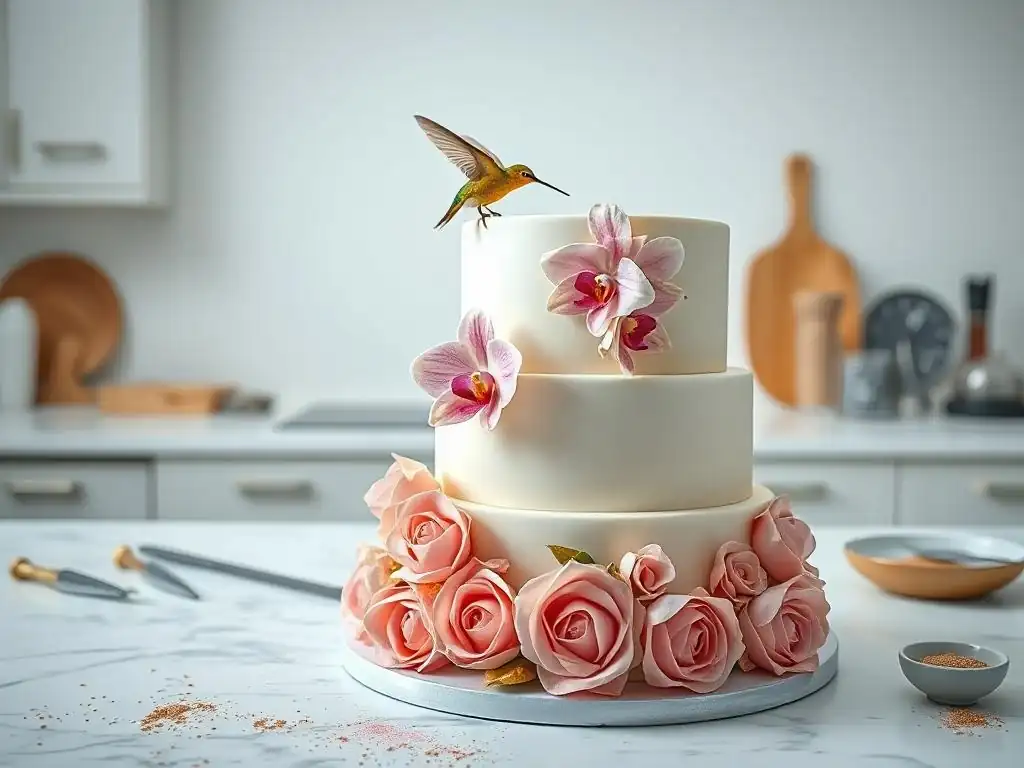
Step 1: Choosing the Right Cake Design Book for Your Skill Level
The first step in learning how to recreate cake designs from books is selecting a book appropriate for your current skill level. If you're a beginner, look for books specifically marketed towards novices, which often feature simpler designs, foundational techniques explained in detail, and clear, step-by-step photos. These books might focus on basic buttercream piping, simple fondant techniques, or easy assembly. Trying to start with a book aimed at advanced decorators, featuring complex sugar flowers or gravity-defying structures, can be overwhelming and discouraging.
Conversely, if you have some baking experience and are comfortable with basic frosting and piping, you might look for intermediate-level books that introduce new materials like ganache or delve deeper into specific techniques like working with chocolate or creating sculpted elements. Advanced bakers can seek out books that push the boundaries of cake artistry, exploring intricate details, complex structures, or highly specialized techniques. Reading reviews and looking through sample pages online can help gauge if a book's content aligns with your experience and the type of cake designs you aspire to recreate.
Step 2: Gathering the Necessary Cake Decorating Tools and Ingredients
Once you've chosen a design to recreate, the next crucial step is to gather all the required tools and ingredients before you begin. A thorough reading of the recipe and decorating instructions will list everything you need. This might range from basic items like mixing bowls and whisks to specialized tools like piping tips, pastry bags, spatulas, turntables, or specific cutters. Ensure you have the correct sizes and types of pans specified in the recipe, as this impacts baking time and cake dimensions.
For ingredients, check the list carefully and ensure you have fresh supplies. This includes not just the basics like flour, sugar, eggs, and butter, but also specific items for decoration like food coloring (paste or gel colors are often preferred for intensity), fondant, gum paste, sprinkles, edible glitter, or specific flavorings or extracts. Having everything prepped and ready in your workspace before you start mixing or decorating prevents interruptions and ensures you can follow the steps smoothly, making the process of how to recreate cake designs much more efficient and enjoyable.
Investing in High-Quality Cake Decorating Supplies: A Worthwhile Investment
While it's possible to start with basic tools, investing in high-quality cake decorating supplies can significantly improve your results and make the process more enjoyable. Good quality piping tips, made from seamless stainless steel, produce cleaner lines and last longer than cheaper alternatives. A sturdy turntable spins smoothly, allowing for easier frosting application and detail work. Silicone spatulas that are heat-resistant and flexible are essential for scraping bowls thoroughly and folding ingredients gently.
While initial costs might seem higher, durable tools pay off in the long run. For example, a reliable stand mixer can handle thick batters and large batches of frosting with ease, saving time and effort. Precise measuring cups and spoons, or better yet, a digital kitchen scale, ensure accuracy vital for consistent results when you recreate cake designs.
Even seemingly small things, like good quality parchment paper or cake release spray, can prevent frustration by ensuring cakes don't stick to pans. Expect to spend anywhere from a few dollars on basic spatulas to several hundred on a high-end stand mixer, but building your collection over time with quality pieces is a smart approach.
Essential Ingredients for Stunning Cake Designs: [Vanilla Extract], [Cocoa Powder], and [Fresh Fruit]
Beyond the basic cake components, certain ingredients are essential for both the flavor and visual appeal of stunning cake designs. High-quality [Vanilla Extract] is fundamental, providing a warm, classic flavor that forms the base of many cakes and buttercreams. Using a pure extract rather than imitation vanilla makes a noticeable difference in taste, which is a key part of the overall cake experience, even when the focus is on decoration. A good vanilla flavor complements almost any other ingredient used in fillings or decorations.
[Cocoa Powder] is vital for chocolate cakes and frostings, and its quality significantly impacts both color and flavor. A rich, dark cocoa powder provides a deep chocolate flavor and a beautiful, intense brown color that serves as a fantastic base for various decorations. Whether using natural or Dutch-processed cocoa depends on the recipe and desired outcome, but a good quality powder ensures vibrant color and robust flavor, crucial for visually appealing chocolate cake designs.
[Fresh Fruit] is frequently used for decoration, adding vibrant color, natural beauty, and a burst of flavor that can balance the sweetness of frosting. Bright red strawberries, jewel-toned raspberries, sliced citrus, or vibrant kiwi can transform a simple frosted cake into something visually spectacular. Arranging fruit artfully on top or around the base is a simple yet effective way to add natural elegance and a touch of freshness. The quality and ripeness of the fruit directly impact its appearance and taste, making it an essential ingredient for many beautiful and delicious cake designs.
Step 3: Understanding Cake Decorating Techniques: From Fondant to Buttercream
Successfully recreating cake designs requires a solid understanding of various decorating techniques. The two most common mediums are fondant and buttercream, each with its own properties and applications. Fondant is a pliable sugar paste primarily used for creating smooth, flawless coverings and sculpted elements. Mastering fondant involves learning how to knead it until smooth and elastic, roll it to an even thickness (typically around 1/8 inch), and carefully drape and smooth it over a cake without wrinkles or tears. Techniques also include cutting shapes, creating simple models, or using impression mats for texture.
Buttercream, on the other hand, is a versatile frosting used for filling, coating, and piping intricate details. There are various types, including American buttercream (butter and powdered sugar), Swiss or Italian meringue buttercreams (made with egg whites and cooked sugar syrup), and French buttercream (made with egg yolks and sugar syrup).
Each has a different consistency and flavor profile. Learning buttercream techniques involves achieving the right consistency for smoothing versus piping, using an offset spatula or bench scraper for smooth finishes, and mastering various piping tips (like star, round, leaf, or petal tips) to create borders, rosettes, flowers, and other decorative elements.
Mastering Fondant Techniques: Rolling, Covering, and Sculpting
Working with fondant requires patience and practice to achieve professional-looking results when you recreate cake designs that utilize this medium. The first step is proper preparation: kneading the fondant until it's soft and pliable, often incorporating a little shortening or cornstarch to prevent sticking. Rolling it out requires a large, clean surface, ideally non-stick or lightly dusted with cornstarch or powdered sugar. Rolling to an even thickness, usually about 1/8 inch, is crucial for a smooth finish and preventing tears.
Covering a cake involves carefully lifting the rolled fondant (often using a rolling pin or by hand) and draping it over a crumb-coated, chilled cake. Then, using fondant smoothers, you gently press and smooth the fondant onto the sides and top of the cake, working out any air bubbles and creating sharp edges. Trimming the excess neatly around the base finishes the covering process. Sculpting involves using fondant (often mixed with gum paste for structure) to create figures, flowers, or other 3D elements, using basic shaping tools and techniques.
Perfecting Buttercream Techniques: Piping, Smoothing, and Creating Textures
Perfecting buttercream techniques is fundamental for creating many beautiful cake designs. The first step is ensuring your buttercream has the correct consistency – stiff enough to hold shape for piping but soft enough to spread smoothly. This often involves adjusting with milk or powdered sugar. Smoothing buttercream onto a cake can be achieved using an offset spatula, rotating the cake on a turntable, and then using a bench scraper held perpendicular to the side to create a flat, smooth surface. For sharp edges, chilling the cake slightly after smoothing helps.
Piping techniques involve filling a piping bag fitted with a specific tip and applying controlled pressure to create various shapes. Basic techniques include piping shells, stars, rosettes (using a 1M or similar open star tip), dots, and lines. More advanced piping includes creating ruffles, basketweave patterns, or intricate lacework. Buttercream can also be used to create textures directly on the cake surface using spatulas, combs, or even forks, from rustic swirls to modern textured patterns. Mastering these techniques provides immense versatility when you want to recreate cake designs with buttercream.
Step 4: Practicing and Perfecting Your Cake Design Skills
Like any art form, perfecting cake design skills requires consistent practice. Start with simpler designs from your chosen book and gradually work your way up to more complex ones. Don't expect perfection on your first try. Practice specific techniques, like piping a consistent shell border or covering a dummy cake with fondant, before attempting them on a real cake. Using dummy cakes (styrofoam forms) is an excellent way to practice frosting and fondant techniques without the pressure of baking and potentially wasting edible ingredients.
Regular practice builds muscle memory and confidence. Try recreating a design from your book once a week or even just practicing a specific technique for 15-30 minutes daily. Keep a log of what worked and what didn't, noting adjustments you made. This systematic approach helps identify areas for improvement and track your progress. Remember that every successful cake artist started with basic skills and honed them through repetition and dedication.
Learning from Your Mistakes: Embrace the Learning Process
Mistakes are an inevitable part of learning how to recreate cake designs, and they are valuable learning opportunities. Did your fondant tear? Was your buttercream grainy? Did your cake layers dome excessively? Analyze what went wrong by reviewing the recipe steps and your process. Often, issues stem from incorrect measurements, ingredient temperature, mixing techniques, or oven temperature. For instance, grainy buttercream might be due to sugar not fully dissolving, while a torn fondant might be rolled too thin or not kneaded enough.
Instead of getting discouraged, view each mistake as a chance to refine your technique. Consult your cake design book's troubleshooting section, search for specific solutions (while adhering to the no-link rule, think about consulting reliable baking forums or guides), or ask for advice from more experienced bakers. Embrace the learning process; it's through identifying and correcting these errors that you truly improve and gain the expertise needed to consistently recreate beautiful cake designs.
Sharing Your Creations and Getting Feedback: Building a Community
Sharing your finished cake designs with others is a great way to get feedback and build confidence. This could be as simple as showing photos to friends and family or sharing them on social media platforms (again, think about the concept of sharing online without explicitly mentioning specific sites due to the no-link rule). Constructive criticism from fellow bakers or even observant non-bakers can provide valuable insights into areas you might not notice yourself, such as uneven frosting or slightly off-center elements.
Engaging with other bakers, perhaps through local classes or online communities (conceptually), can also provide support and inspiration. Seeing others' work and hearing about their challenges and successes can motivate you. Sharing your journey and the cake designs you recreate from books not only helps you improve but also allows you to inspire others who are just starting out. It fosters a sense of community around the shared passion for baking and decorating.
Monetization Opportunities: Turning Cake Design Skills into Income
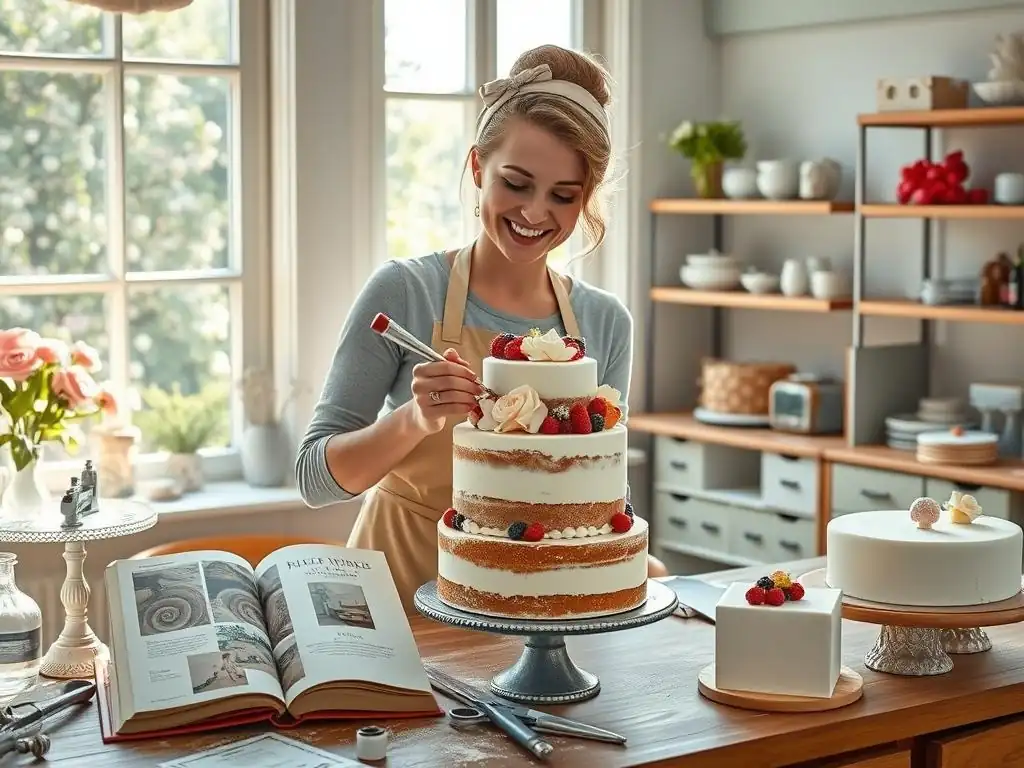
Affiliate Marketing: Recommending Your Favorite Cake Decorating Books and Tools
Once you've gained experience in cake design and found tools and books that you genuinely love and use, affiliate marketing offers a potential way to monetize your skills. This involves partnering with retailers or companies that sell baking supplies, including cake decorating books and tools. When you recommend a specific product, and someone purchases it through your unique affiliate link (conceptually, as links are not allowed), you earn a small commission on that sale.
For a website focused on baking, recommending the very cake design books you've learned from, or the specific spatulas, piping tips, or scales you rely on to recreate cake designs, is a natural fit. You can write reviews of books, create tutorials showing how to use a specific tool, or simply mention your favorite products within your content. Transparency is key; always disclose that you may earn a commission. This approach allows you to provide valuable recommendations to your audience while generating a modest income stream.
Earning Commissions on Cake Decorating Supplies: A Lucrative Opportunity
Earning commissions through recommending cake decorating supplies can be a surprisingly lucrative opportunity, especially as your audience grows. Commission rates vary depending on the affiliate program, but they can range from a few percent up to 10-15% or even more for certain products or programs. For example, recommending a popular stand mixer priced at $300 with a 5% commission could earn you $15 per sale. While individual commissions might seem small, they can add up over time, particularly if you consistently recommend products that your audience finds useful and purchases frequently.
Focusing on recommending products that directly help others learn how to recreate cake designs – whether it's a specific piping set, a reliable oven thermometer, or a highly-rated cake pan – aligns perfectly with the content of a baking website. This makes your recommendations authentic and valuable to your readers, increasing the likelihood of conversions. Building trust with your audience is paramount; only recommend products you genuinely believe in and use yourself.
Creating and Selling Your Own Cake Design Tutorials
If you develop expertise in specific cake decorating techniques or styles, creating and selling your own tutorials is another excellent way to monetize your skills. This involves packaging your knowledge into digital products that others can purchase and learn from. Tutorials can take various forms, such as detailed PDF guides with step-by-step photos, video demonstrations of specific techniques (like achieving sharp buttercream edges or making a specific sugar flower), or even comprehensive online courses covering the entire process of how to recreate cake designs from start to finish.
Platforms exist (conceptually, without naming them) that allow you to host and sell these digital products directly to your audience. This offers a way to earn passive income, as you create the content once and can sell it repeatedly. Sharing your unique approach, tips, and tricks for recreating specific cake designs or mastering challenging techniques can be highly valuable to aspiring bakers. This positions you as an expert and provides a direct revenue stream based on your accumulated knowledge and skill.
Sharing Your Expertise and Earning Passive Income
Sharing your expertise through tutorials allows you to leverage the skills you've developed by learning how to recreate cake designs and turn them into a source of income. Once a tutorial is created and uploaded to a selling platform (conceptually), it can be purchased by customers around the clock, generating income without requiring active work for each sale. This is the essence of passive income – earning money from work you've already completed.
Consider creating tutorials based on techniques you've mastered or popular cake designs you frequently recreate. For example, a step-by-step video on making and applying flawless ganache, or a PDF guide to piping perfect rosettes, could be in high demand. Promoting these tutorials through your website content, social media (conceptually), or an email list can drive sales. This method not only provides income but also helps establish you as a knowledgeable authority in the cake decorating niche.
Offering Cake Decorating Classes and Workshops
A more interactive way to monetize your cake design skills is by offering in-person or online classes and workshops. This allows you to teach techniques directly to students and provides a hands-on learning experience that many people prefer. Classes can range from basic cake leveling and frosting for beginners to specialized workshops on specific topics like working with isomalt, advanced sugar flower creation, or themed cake decoration.
Hosting workshops allows you to charge a fee per student, based on the complexity of the class, the materials provided, and the duration. You could host small groups of 5-10 people in your home kitchen (if suitable), rent space in a community center or commercial kitchen, or teach live online sessions using video conferencing tools (conceptually). This method not only generates income but also helps build a loyal customer base and a community of students eager to learn how to recreate cake designs under your guidance.
Teaching Others and Building a Loyal Customer Base
Teaching cake decorating classes allows you to share your passion and skills directly, providing immediate value to your students. This personal interaction can foster strong relationships and build a loyal customer base. Satisfied students are likely to return for more advanced classes, recommend you to friends, and follow your work online. This creates a positive feedback loop, where teaching enhances your reputation and brings in more business.
Structuring classes to cover specific skills needed to recreate cake designs from books or popular trends can attract students with clear learning goals. For instance, a workshop focused on "Buttercream Basics: Smooth Finish and Piping" or "Introduction to Fondant: Covering and Simple Decorations" directly addresses common interests. Providing clear instructions, hands-on practice time, and helpful feedback during the class ensures students leave feeling more confident and capable, solidifying your reputation as an effective instructor.
Taking Your Cake Design Skills to the Next Level
Exploring Advanced Cake Decorating Techniques
Once you've mastered the fundamentals learned from various books, the next step in learning how to recreate cake designs at a higher level is to explore advanced techniques. This includes venturing into areas like sculpted cakes (carving cake into specific shapes), structural cakes (using internal supports to create gravity-defying designs), airbrushing for seamless color blending and special effects, working with pulled or blown sugar for intricate edible art, or creating highly realistic sugar flowers using detailed veiners and dusts.
These techniques often require specialized tools and materials, as well as significant practice. Seeking out advanced books or tutorials focused specifically on these niches can provide the detailed guidance needed. For example, a book dedicated solely to sugar flower artistry will offer much deeper insight than a general cake design book. Expanding your repertoire with these complex skills allows you to tackle more challenging and impressive cake designs, pushing the boundaries of your creativity and technical ability.
Staying Updated with the Latest Cake Design Trends
The world of cake design is constantly evolving, with new trends emerging regularly in colors, textures, materials, and themes. Staying updated is crucial if you want to keep your skills relevant and continue to recreate cake designs that are modern and appealing. Follow prominent cake artists (conceptually, without naming specific individuals or social media platforms), look at publications (conceptually) showcasing current trends, and observe what is popular in bakeries and at events.
Current trends might include techniques like fault line cakes, geode cakes, watercolor effects with buttercream, or the use of specific color palettes like muted pastels or bold metallics. Understanding these trends allows you to incorporate them into your own designs or offer clients cakes that are contemporary. It also provides fresh inspiration, encouraging you to try new techniques and adapt your existing skills to fit current aesthetics.
Consider a Masterclass in Cake Decorating
For those truly dedicated to reaching the pinnacle of cake artistry and mastering how to recreate complex cake designs, considering a masterclass is a significant step. Masterclasses are typically intensive training sessions led by highly renowned cake artists or industry experts. They often focus on very specific, high-level techniques or complete project builds that demonstrate intricate processes.
While potentially a significant investment of time and money, a masterclass offers unparalleled learning opportunities. You gain direct insight from a master of the craft, often learning their signature techniques, tips, and approaches that aren't readily available in books or standard tutorials. This immersive experience provides hands-on learning, personalized feedback, and the chance to network with other serious cake decorators. It's an opportunity to refine existing skills and acquire advanced knowledge that can truly take your cake design abilities to the highest level.
Frequently Asked Questions
What types of cake designs can I find in the recommended books?
You can discover incredible cake designs ranging from elegant wedding cakes to whimsical birthday cakes, catering to various styles and occasions.
Are the recipes in these books suitable for beginners?
Yes, many recipes are designed for bakers of all levels, with step-by-step guides that make it easy for beginners to follow along.
Where can I find the ingredients needed for these cake designs?
The books emphasize using easy-to-find ingredients, ensuring that you can source everything you need at your local grocery store.
Do the books include tips for perfecting cake decoration techniques?
Absolutely! Each book provides valuable techniques and tips to help you master the art of decoration, making your cakes look professional.
Can I use these designs for custom occasions?
Yes, the designs are versatile and can be recreated for various events, allowing you to customize them to fit your specific celebration or theme.
Final Reflection: The Sweet Art of Recreation and Inspiration
The artistry of cake design isn't just about deliciousness; it's a powerful form of visual storytelling, and recreating these masterpieces is a journey of both skill and self-discovery. The ability to translate a stunning image into a tangible, edible creation is a testament to human creativity and the enduring power of inspiration. This exploration into incredible cake designs and the methods to recreate them highlights the potential for personal growth and artistic expression found within the seemingly simple act of baking.
The impact of visually stunning cakes extends far beyond the plate; they're a source of joy, wonder, and even aspiration. They inspire us to push our creative boundaries, to experiment with new techniques, and to find beauty in the meticulous detail. As the renowned pastry chef, Pierre Hermé, once said, Pastry is a form of art, and like all art, it should be approached with passion and precision.
This quote perfectly encapsulates the spirit of this article – a celebration of the passion and precision required to bring these breathtaking cake designs to life.
Now, it's your turn. Don't just admire these incredible creations; embrace the challenge of recreating them. Pick a design that sparks your imagination, gather your ingredients, and allow yourself to be guided by the process. The journey might be challenging, but the satisfaction of transforming inspiration into reality, the pride in your own creation, will be a truly rewarding experience. Let the sweet art of cake design inspire you to unlock your own creative potential.
Unleash Your Inner Cake Artist!
Thanks for joining us on this delicious journey through the world of incredible cake designs! We hope you've found inspiration and maybe even a few new techniques to try. Ready to take your baking skills to the next level?
- Dive into our exclusive cake decorating tutorials: We've compiled a selection of step-by-step guides to help you recreate some of the amazing designs you just saw. This is your chance to master those intricate details!
- Share your baking creations: Tag us on social media – we can't wait to see your masterpieces! Let's build a community of passionate bakers.
- Experiment with new flavor combinations: Don't be afraid to get creative! Try adapting the designs you've seen to your favorite cake flavors.
What unique cake design will you tackle first? Let us know in the comments below!