
The BakeWithEase Approach to French Pastry Perfection

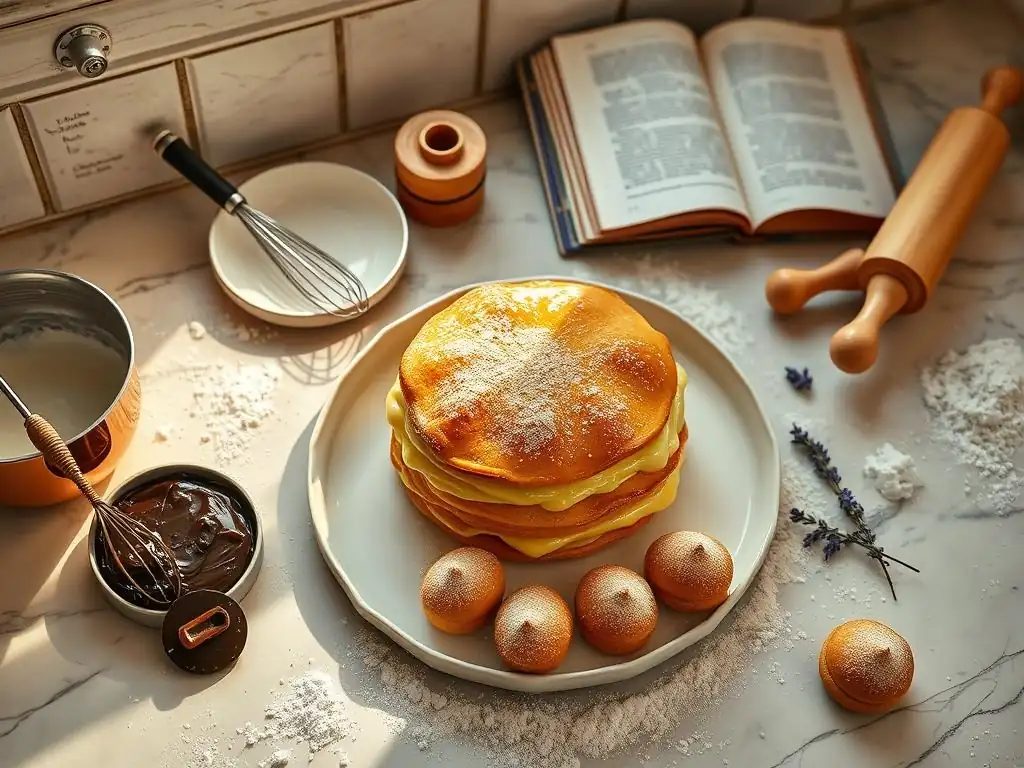
Welcome to BakeWithEase!
Ever dreamt of creating flawless éclairs or mastering the art of a perfectly laminated croissant? Then you've come to the right place. Dive into our world of simple baking solutions and unlock the secrets behind French pastry baking techniques. Discover how to achieve patisserie-level results in your own kitchen, with easy-to-follow guides and expert tips. Ready to elevate your baking game? Let's get started!
- Mastering French Pastry Baking Techniques with BakeWithEase
- Understanding the Fundamentals of French Pastry for Beginners
- Demystifying Classic French Pastry Types
- Advanced French Pastry Baking Techniques for the Confident Baker
- Troubleshooting Common French Pastry Problems
- Elevating Your French Pastry Skills
- BakeWithEase's Top Tips for French Pastry Success
-
Frequently Asked Questions
- How does BakeWithEase simplify French pastry baking techniques?
- What types of French pastries can I learn to bake with BakeWithEase?
- Is BakeWithEase suitable for beginner bakers interested in French pastry?
- What makes BakeWithEase different from other baking resources?
- How can I improve my French pastry baking skills using BakeWithEase?
- Final Reflection: Mastering the Art of French Pastry, One Step at a Time
- Unlock Your Inner Pâtissier: Master French Pastry Today!
Mastering French Pastry Baking Techniques with BakeWithEase
French pastry holds a revered place in the culinary world, celebrated for its delicate textures, complex flavors, and exquisite presentation. Mastering French pastry baking techniques is a journey that requires precision, patience, and a deep understanding of ingredients and processes. At BakeWithEase, we believe anyone can achieve this level of artistry with the right guidance and practice. This guide explores fundamental and advanced techniques, offering insights into creating classic and contemporary French delights.
Embarking on the path to perfect French pastries involves more than just following a recipe; it's about understanding the 'why' behind each step. From achieving flaky layers in croissants to the delicate crispness of macarons, each pastry demands specific handling. We'll break down these essential French pastry baking techniques, providing you with the knowledge to confidently tackle even the most challenging recipes and elevate your baking from simple treats to stunning edible art.
Understanding the Fundamentals of French Pastry for Beginners
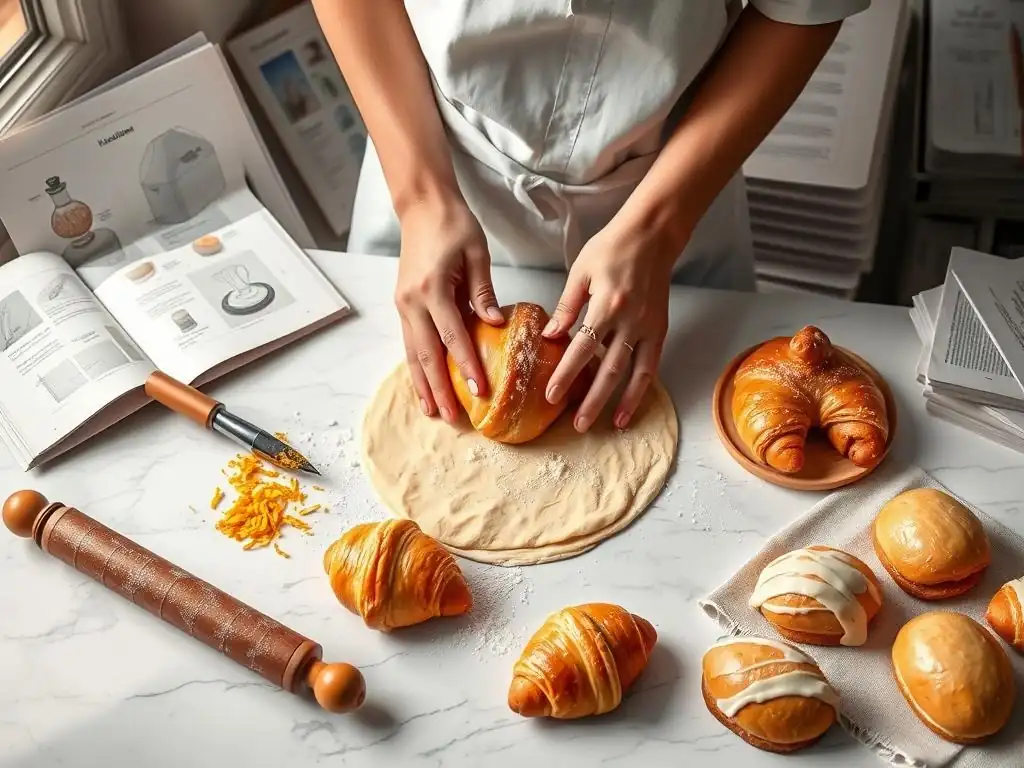
Grasping the basics is crucial before diving into complex French pastry baking techniques. This involves familiarizing yourself with core ingredients and essential tools that form the backbone of French patisserie. Think of these as your foundation – without a solid understanding here, building more intricate skills becomes significantly harder. We'll cover the indispensable components and equipment needed to start your journey.
Success in French pastry often hinges on precision and control. Unlike some forms of baking that allow for more improvisation, French techniques demand accuracy in measurements, temperatures, and timings. Developing a keen eye for detail and a feel for dough consistency are fundamental skills that will serve you well as you learn and apply various French pastry baking techniques.
Essential Ingredients for a Versatile Pastry Pantry
High-quality ingredients are non-negotiable when mastering French pastry baking techniques. French butter, often with a higher fat content (around 82% compared to standard 80%), is prized for creating flakier doughs like puff pastry and croissants. Using cold, good-quality butter is paramount for techniques like laminating dough, where distinct layers of fat and dough are built up, resulting in the characteristic airy texture. Flour type also matters; using a lower protein flour (around 8-10%) is often preferred for delicate pastries like pâte à choux (used for éclairs and cream puffs) to ensure a tender crumb.
Beyond flour and butter, staples include fine granulated sugar or superfine sugar for meringues and delicate creams, fresh large eggs, and high-quality chocolate (typically 60-70% cacao for rich flavor). Other essential ingredients like heavy cream (at least 30% fat), vanilla beans or extract, and fresh fruits will frequently appear in French pastry recipes. Having these readily available and understanding how their properties affect the final product is a key step in mastering French pastry baking techniques.
Key Equipment for French Pastry Success
Having the right tools can significantly impact your success with French pastry baking techniques. A reliable kitchen scale is essential for accurate ingredient measurements, as French recipes are traditionally weight-based for precision. Stand mixers with dough hook, paddle, and whisk attachments are invaluable for tasks like kneading brioche dough or whipping meringue to stiff peaks. Specific pastry tools like rolling pins (preferably a French tapered pin for better control), pastry brushes, and bench scrapers are fundamental for handling and shaping doughs.
Specialized equipment becomes important as you delve into specific French pastry baking techniques. For macarons, silicone baking mats or parchment paper with template guides and piping bags with various tips (like a round tip for macaron shells or a star tip for choux pastry) are necessary. A good quality oven thermometer is also crucial to ensure accurate oven temperature, which is vital for consistent results, especially for delicate items like soufflés or achieving the perfect golden-brown on croissants.
Demystifying Classic French Pastry Types
Exploring classic French pastries is an excellent way to apply fundamental French pastry baking techniques. Each type presents a unique set of challenges and rewards, offering a deeper understanding of doughs, fillings, and finishes. From the buttery layers of viennoiseries to the delicate structure of choux, mastering these classics builds a robust skill set applicable to countless other desserts.
Understanding the history and structure of these iconic pastries provides context for the techniques involved. Why is puff pastry folded multiple times? Why must choux dough be cooked on the stovetop? Answering these questions illuminates the purpose behind each technique, making the learning process more intuitive and effective as you practice French pastry baking techniques.
The Art of the Classic Croissant: A Step-by-Step Guide
Creating the perfect croissant is a hallmark of mastering lamination, a core French pastry baking technique. It begins with a lean dough made from flour, water, yeast, a little sugar, and salt. This dough is then encased in a large block of cold butter. The critical steps involve repeated rolling and folding (typically three "turns" or folds), creating hundreds of alternating layers of dough and butter. As the croissant bakes, the butter melts, creating steam that forces the dough layers apart, resulting in the characteristic airy, flaky interior.
The process is time-consuming, involving chilling periods between each fold (often 30-60 minutes) to keep the butter cold and firm. Shaping the dough into crescent rolls requires careful handling to maintain the layers. Baking at the correct temperature (often starting high, around 400°F/200°C, then reducing) is vital for proper puff and browning. A successful croissant should be golden brown, light, and shatteringly crisp on the outside, with a soft, honeycomb-like interior structure – a true testament to precise French pastry baking techniques.
Mastering Presentation: The BakeWithEase Approach to Plating
While not strictly a baking technique, mastering the presentation of French pastries is crucial, as aesthetics are a significant part of their appeal. Think of plating as the final flourish, showcasing the care and skill applied through all the French pastry baking techniques used. A beautifully crafted pastry deserves a thoughtful presentation, whether it's a single eclair on a simple plate or an arrangement of mini tarts for a special occasion.
Consider color, texture, and height when plating. A vibrant fruit coulis can add a pop of color and moisture next to a rich chocolate tart. A dusting of powdered sugar or cocoa powder can add elegance. Garnishes like fresh berries, edible flowers, or chocolate shavings can enhance visual appeal. The goal is to create a balanced, appealing composition that invites the viewer to indulge, demonstrating that attention to detail extends beyond the oven.
Decorating Techniques: Achieving Lifelike Representations (Pastry Edition)
Decorating French pastries often involves techniques that add intricate detail and finish. For tarts and entremets (layered mousse cakes), mirror glazes (glacage miroir) are a popular French pastry baking technique, creating a stunning, reflective surface. This requires precise temperature control of the glaze mixture, typically around 90-95°F (32-35°C), and a steady hand to pour it smoothly over a frozen cake or tart. The result is a flawless, glass-like finish.
Other decorating skills include piping ganache, meringue, or cream to create swirls, rosettes, or borders on cakes and tarts. Tempering chocolate allows for creating delicate chocolate decorations like curls, shards, or molded shapes. Applying techniques like airbrushing with edible colors or using stencils can add complex patterns. These decorative French pastry baking techniques transform simple baked goods into exquisite works of art.
Innovative Pastry Design: From Concept to Execution
While classics are fundamental, French pastry is constantly evolving, incorporating modern design principles and flavor combinations. This involves taking traditional French pastry baking techniques and applying them in novel ways. For instance, deconstructing a classic dessert like a lemon meringue pie into individual components presented in a modern format (e.g., lemon curd spheres, torched meringue kisses, and crisp pastry shards) is a contemporary approach.
Modern pastry chefs experiment with geometric shapes, abstract forms, and unexpected textures. This might involve using silicone molds to create intricate shapes for mousses or using molecular gastronomy techniques like creating gels or spheres to add surprising elements. The conceptualization phase involves sketching designs and planning the execution steps, often requiring a deep understanding of how different textures and flavors interact, building upon a foundation of classic French pastry baking techniques.
Advanced French Pastry Baking Techniques for the Confident Baker
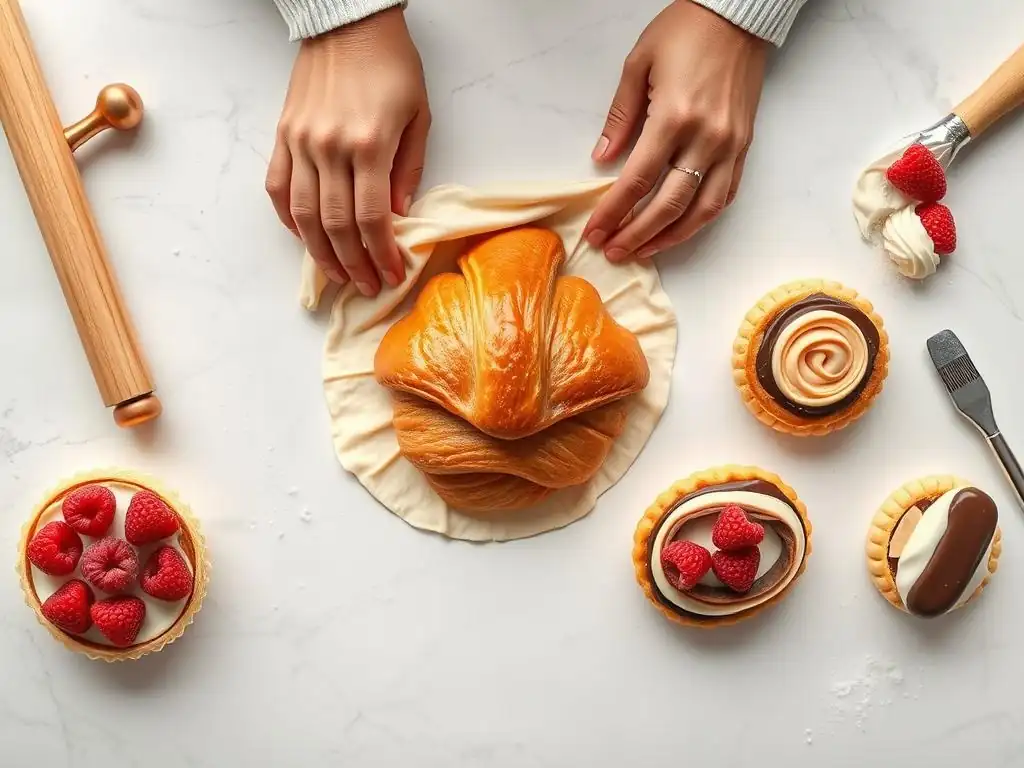
Once you've mastered the fundamentals, you can explore more advanced French pastry baking techniques that add complexity, depth, and refinement to your creations. These techniques often require more practice and a finer touch but unlock the ability to create truly spectacular desserts. This section delves into methods that elevate textures, enhance flavors, and provide stunning visual finishes.
Advanced techniques often involve manipulating temperature, time, and specific ingredient properties in precise ways. Techniques like creating a perfect temper for chocolate, achieving the ideal emulsification for a ganache, or mastering the nuances of sugar work fall into this category. Dedication to practice and a willingness to learn from mistakes are key to success with these complex French pastry baking techniques.
Working with Glazes: Achieving Depth and Luminosity
Glazes are a cornerstone of polished French pastry presentation, adding shine, color, and sometimes flavor. Mirror glaze (glacage miroir), as mentioned, provides a highly reflective surface, typically used on entremets. It's often made with condensed milk, gelatin, sugar, water, and coloring or chocolate. The mixture is heated, cooled to a specific temperature (around 90-95°F), and poured over a perfectly smooth, frozen surface. Any imperfections on the surface beneath the glaze will show, making preparation key.
Another common glaze is a simple syrup or apricot glaze, often brushed over tarts or viennoiseries fresh from the oven. This adds a subtle sheen and helps to preserve moisture. Chocolate ganache can also be used as a glaze, poured or spread smoothly over cakes for a rich, opaque finish. Mastering the temperature and consistency of different glazes is vital for achieving a smooth, professional result using these French pastry baking techniques.
Textural Techniques: Creating Dimension and Interest
Texture is as important as flavor and appearance in French pastry. Achieving varied textures within a single dessert creates a more engaging eating experience. Techniques like creating a crisp streusel topping for a tart, adding a layer of crunchy praline paste inside a cake, or incorporating a soft, airy mousse next to a firm gelee are examples of building textural contrast.
Piping techniques also contribute significantly to texture and appearance. Using different piping tips (like star, round, or ribbon tips) allows you to create swirls, rosettes, or patterns with creams, meringues, or choux paste. Achieving the right consistency of the material being piped is crucial for clean, defined shapes. Learning to handle piping bags and tips effectively is a valuable skill among French pastry baking techniques.
Flavor Pairing: From Basic Theory to Advanced Application
While not a baking technique per se, understanding how to combine flavors is an advanced skill in French pastry. Classic pairings like chocolate and raspberry, lemon and meringue, or coffee and caramel are timeless. However, advanced patisserie explores more complex and sometimes unexpected combinations, such as pear and cardamom, pistachio and cherry, or even savory elements like herbs or cheese in dessert contexts.
Developing a palate for flavor pairing involves tasting widely, understanding flavor profiles (sweet, sour, bitter, salty, umami), and considering how textures and temperatures influence perception. Creating a balanced dessert where no single flavor overpowers others is the goal. This requires experimentation and a willingness to step outside comfort zones, applying your knowledge of French pastry baking techniques to new flavor combinations.
Spreading and Layering: Creating Defined Structures
Techniques like spreading batters evenly, layering different components, and achieving clean lines are fundamental to many French pastries. For instance, creating a multi-layered opera cake requires spreading thin layers of joconde sponge, coffee buttercream, and chocolate ganache precisely. Each layer must be uniform in thickness for a balanced final product.
Similarly, assembling a complex tart often involves layering a crisp pastry shell with frangipane, fruit, and perhaps a streusel or crumb topping. Ensuring each layer is applied neatly and evenly before baking is essential for a professional finish. Mastering the simple act of spreading a filling or batter smoothly is a core skill among French pastry baking techniques.
Troubleshooting Common French Pastry Problems
Even experienced bakers encounter issues when tackling French pastry. Doughs that don't rise, creams that curdle, or macarons that crack are common frustrations. Understanding the potential causes of these problems is the first step to fixing them and improving your French pastry baking techniques. Don't be discouraged by setbacks; they are part of the learning process.
Troubleshooting requires patience and analytical thinking. Reviewing your steps, checking ingredient temperatures, verifying oven accuracy, and considering environmental factors (like humidity) can help diagnose the issue. Keeping notes on what went wrong and what adjustments you made can be invaluable for future baking attempts.
Why is My Pastry Dough Cracking?
Pastry dough, especially shortcrust or pâte sablée used for tarts, can crack if it's too dry or hasn't been rested properly. Overworking the dough can also lead to cracking because it develops the gluten too much, making the dough tough and less pliable. Using very cold butter and minimizing handling are crucial for tender, non-cracking dough. If the dough feels dry, you might need to add a tiny amount of ice-cold water, but be careful not to add too much.
Cracking can also occur during rolling if the dough is too cold and stiff. Allow refrigerated dough to sit at room temperature for 5-10 minutes until it's slightly pliable but still cold. Roll from the center outwards using even pressure. If small cracks appear while rolling, you can often gently press them back together with your fingers or patch them with a small piece of dough, applying your French pastry baking techniques gently.
How to Prevent Discoloration in Meringue and Cream
Achieving bright white meringues or creams is desirable for many French pastries. Meringue can yellow if baked at too high a temperature or for too long. Slow baking at a low temperature (around 200-225°F / 90-100°C) for an extended period helps to dry the meringue without browning it. Using clean, grease-free equipment when whipping egg whites is also essential, as any trace of fat can prevent them from whipping properly and affect their color and structure.
Creams, particularly those containing vanilla extract or egg yolks (like crème pâtissière or pastry cream), can sometimes take on a yellowish hue. While some color is natural, preventing excessive discoloration involves storing creams properly in the refrigerator with plastic wrap pressed directly onto the surface to prevent a skin from forming and oxidation. Using high-quality vanilla extract that doesn't have artificial coloring can also help maintain a lighter color.
Achieving the Right Consistency for Your Doughs and Batters
Consistency is key in French pastry baking techniques. A dough that is too wet will be sticky and hard to handle; one that is too dry will crack. Batters that are too thick or thin won't bake correctly. Achieving the right consistency often comes with practice and recognizing the visual and tactile cues. For yeast doughs like brioche, the 'windowpane test' (stretching a small piece of dough until you can see light through it without it tearing) indicates proper gluten development and consistency.
For batters like financier or madeleine batter, the consistency should be smooth and pourable but not watery. Overmixing batters can develop gluten and lead to tough results, while undermixing can leave lumps of dry ingredients. Following recipes precisely, measuring accurately, and understanding how factors like flour type and humidity affect consistency are vital steps in mastering French pastry baking techniques.
Fixing Off-Flavors or Textures: Tips and Tricks
Sometimes, despite following the recipe, a pastry might develop an off-flavor or undesirable texture. A common issue is a 'floury' taste, which can happen if dry ingredients aren't fully incorporated or if the pastry is underbaked. Ensuring all ingredients are well mixed and baking until properly golden brown can prevent this. Overbaking, conversely, can lead to dry, tough textures.
If a cream or curd tastes bland, it might need a pinch of salt to enhance the other flavors, or perhaps a little more acid (like lemon juice) to brighten sweetness. If a ganache splits or becomes greasy, it's often due to temperature issues or incorrect emulsification; gently warming it and whisking in a tiny amount of milk or cream can sometimes bring it back together. Learning these fixes is part of becoming proficient in French pastry baking techniques.
Elevating Your French Pastry Skills
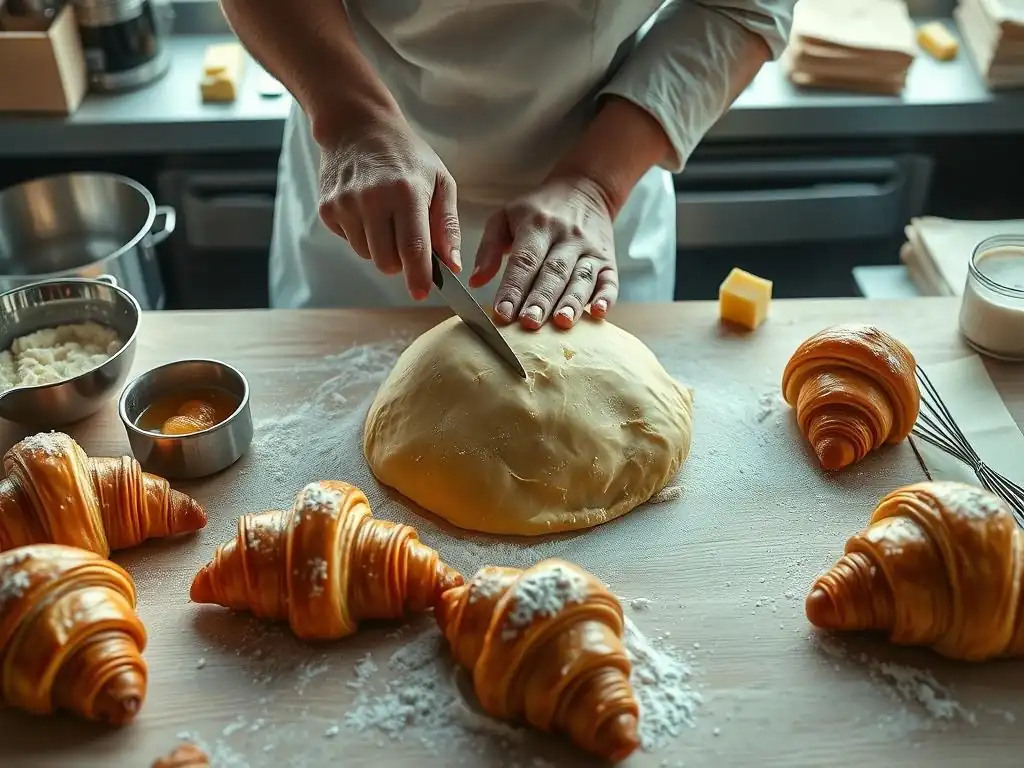
Moving beyond basic recipes involves refining your understanding of flavor, composition, and preservation. Elevating your French pastry skills means paying attention to the details that transform a good pastry into an exceptional one. This includes thoughtful flavor pairings, visually appealing arrangements, and ensuring your creations stay fresh and delicious.
This stage is about applying your learned French pastry baking techniques with artistry and intention. It involves developing your own style, experimenting with combinations, and presenting your work in a way that highlights its quality. It's where technical skill meets creative expression.
Exploring Flavor Palettes in French Pastry
Expanding your repertoire of flavor pairings is a key way to elevate your French pastry skills. Beyond classic combinations, consider regional French specialties or modern trends. For example, exploring the use of different spices (like star anise, cardamom, or ginger) or herbs (like basil or rosemary) in sweet applications. Pairing fruit flavors with unexpected elements, such as strawberry and black pepper or apple and thyme, can create memorable desserts.
Think about balancing sweetness with acidity, bitterness, or saltiness. A touch of sea salt can enhance the richness of caramel or chocolate. Incorporating citrus zest or fruit purees adds brightness and cuts through richness. Experimenting with different types of chocolate, nuts, or liqueurs also broadens your flavor palette and application of French pastry baking techniques.
Composition Techniques for Stunning Visuals
The arrangement of pastries on a plate or within a display case is part of the overall experience. Composition is about creating visual harmony and interest. Consider the rule of thirds, placing key elements off-center for a dynamic feel. Vary heights and shapes if presenting multiple items. Use negative space effectively – sometimes, less is more, allowing a single, perfect pastry to stand out on a clean plate.
Garnishes should complement the pastry both visually and texturally. A few fresh raspberries scattered around a chocolate tart add color and freshness. A delicate dusting of powdered sugar provides a soft finish. Think about the colors on the plate and how they interact. Mastering these compositional elements enhances the impact of your French pastry baking techniques.
Storing French Pastries for Optimal Preservation
Proper storage is crucial for maintaining the quality, texture, and flavor of your finished French pastries. Delicate items like croissants or puff pastry are best eaten fresh, but if storing briefly, an airtight container at room temperature might work, though texture will soften. For longer storage, freezing laminated dough before baking is often recommended; bake from frozen, adding a few minutes to the time.
Creams, custards, and pastries containing them (like eclairs or tarts) must be refrigerated. Store them in airtight containers to prevent drying out or absorbing odors. Meringues and macarons should be stored in airtight containers at room temperature (unless filled with a perishable cream), as refrigeration can make them soft or chewy. Understanding the best storage methods ensures your hard work applying French pastry baking techniques doesn't go to waste.
BakeWithEase's Top Tips for French Pastry Success
Achieving perfection in French pastry requires dedication and attention to detail. These top tips from BakeWithEase consolidate essential advice to help you succeed in applying French pastry baking techniques. Remember that practice is key, and learning from each baking session is part of the journey.
Approaching French pastry with patience and a willingness to learn is paramount. Don't expect flawless results on your first try. Each attempt provides valuable lessons that build your intuition and refine your technique. Embrace the process, and you'll find yourself mastering increasingly complex French pastry baking techniques.
Measuring Ingredients Accurately
Precision in measurement is arguably the most critical step in French pastry baking techniques. French recipes are traditionally developed using weights (grams or ounces) because it is far more accurate than volume measurements (cups). A kitchen scale is an indispensable tool. For instance, just a few grams difference in flour or liquid can significantly alter the consistency of a delicate batter or dough.
Measure all ingredients carefully using the correct tools – a scale for dry ingredients and fats, and liquid measuring cups for liquids (though weighing liquids is even more precise). Sifting dry ingredients like flour and powdered sugar before weighing or measuring can also help ensure accuracy and prevent compaction, contributing to the success of your French pastry baking techniques.
Understanding Baking and Setting Times
Baking time is not just a suggestion; it's a critical factor in achieving the desired texture and doneness in French pastries. Ovens can vary significantly, so relying solely on the recipe time without observing your pastry is risky. Use an oven thermometer to ensure your oven is heating accurately. Learn to recognize visual cues like golden-brown color, puffing, and bubbling fillings.
For items like custards or creams, "setting" time in the refrigerator is just as important as cooking time. Allowing adequate chilling time (often several hours or overnight) ensures they firm up properly, developing the correct texture and allowing flavors to meld. Patience during baking and setting is a vital aspect of mastering French pastry baking techniques.
Practicing Observation and Patience
Baking French pastry is an exercise in patience and keen observation. Doughs need time to rest and chill. Batters need time for flavors to meld. Pastries need time to bake slowly and evenly. Rushing any step often leads to subpar results. Learn to read your dough – how it feels, how it reacts to kneading or rolling. Watch your meringue – does it hold stiff peaks? Observe your pastry in the oven – is it browning too quickly on one side?
Developing these observational skills takes practice. Pay attention to the details described in recipes and compare them to what you see and feel. Be patient through the resting, chilling, and baking periods. This mindful approach to the process is fundamental to successfully applying French pastry baking techniques and achieving truly impressive results.
Frequently Asked Questions
How does BakeWithEase simplify French pastry baking techniques?
BakeWithEase provides step-by-step guides and easy-to-find ingredients, making complex recipes more accessible. We focus on breaking down traditional French techniques into manageable steps for all skill levels.
What types of French pastries can I learn to bake with BakeWithEase?
You can explore a wide range, including croissants, éclairs, and macarons. We offer recipes for classic French pastries and variations, with a focus on perfecting fundamental techniques.
Is BakeWithEase suitable for beginner bakers interested in French pastry?
Absolutely! Our platform is designed for bakers of all levels, including beginners. We provide clear instructions, helpful tips, and visual aids to guide you through each recipe.
What makes BakeWithEase different from other baking resources?
BakeWithEase emphasizes simplicity and accessibility, using easy-to-understand language and readily available ingredients. We focus on mastering fundamental French pastry techniques rather than overly complex recipes.
How can I improve my French pastry baking skills using BakeWithEase?
By following our step-by-step guides, practicing the techniques, and utilizing our troubleshooting tips. Consistent practice and attention to detail, guided by our resources, will lead to significant improvements.
Final Reflection: Mastering the Art of French Pastry, One Step at a Time
The pursuit of French pastry perfection is not merely about achieving technical skill; it's about embracing a journey of continuous learning and unwavering dedication. The techniques detailed in this article, from mastering the perfect pâte à choux to understanding the nuances of lamination, are more than just recipes; they are the building blocks of a rich culinary tradition. This tradition, accessible through the BakeWithEase approach, empowers home bakers to confidently tackle even the most challenging French pastries.
The impact of accessible French pastry techniques extends far beyond the kitchen. It fosters a sense of accomplishment, creativity, and connection to a timeless art form. The joy of creating something beautiful and delicious with your own hands is a powerful experience, one that transcends cultural boundaries. The art of baking is not just about following a recipe; it's about understanding the science and the soul behind it.
– This sentiment perfectly encapsulates the spirit of BakeWithEase and the transformative power of mastering these techniques.
Now, it's your turn. Don't be intimidated by the perceived complexity of French pastry. Take a deep breath, choose a recipe that excites you, and embark on your own culinary adventure. Embrace the challenges, celebrate the successes, and remember that the journey of mastering French pastry is as rewarding as the final, exquisite bite. The BakeWithEase approach is your guide; your passion and dedication are the key ingredients to unlocking your own pastry perfection.
Unlock Your Inner Pâtissier: Master French Pastry Today!
Thanks for taking the time to explore the world of French pastry with BakeWithEase! We hope you've gained valuable insights and inspiration to elevate your baking skills. Now, it's time to put that knowledge into action.
- Start with our recommended recipe: We suggest trying our foolproof recipe for classic French macarons – it’s a delightful starting point for mastering delicate French techniques.
- Share your baking journey: Tag us on social media with your creations using #BakeWithEaseMacarons and let's inspire each other!
- Explore our extensive recipe library: Discover more delicious French pastry recipes, techniques, and helpful tips to continue your baking adventure.
Ready to transform your kitchen into a Parisian patisserie? What's the first French pastry you're eager to conquer?