
Best Sourdough Books Covering Both Theory and Practice

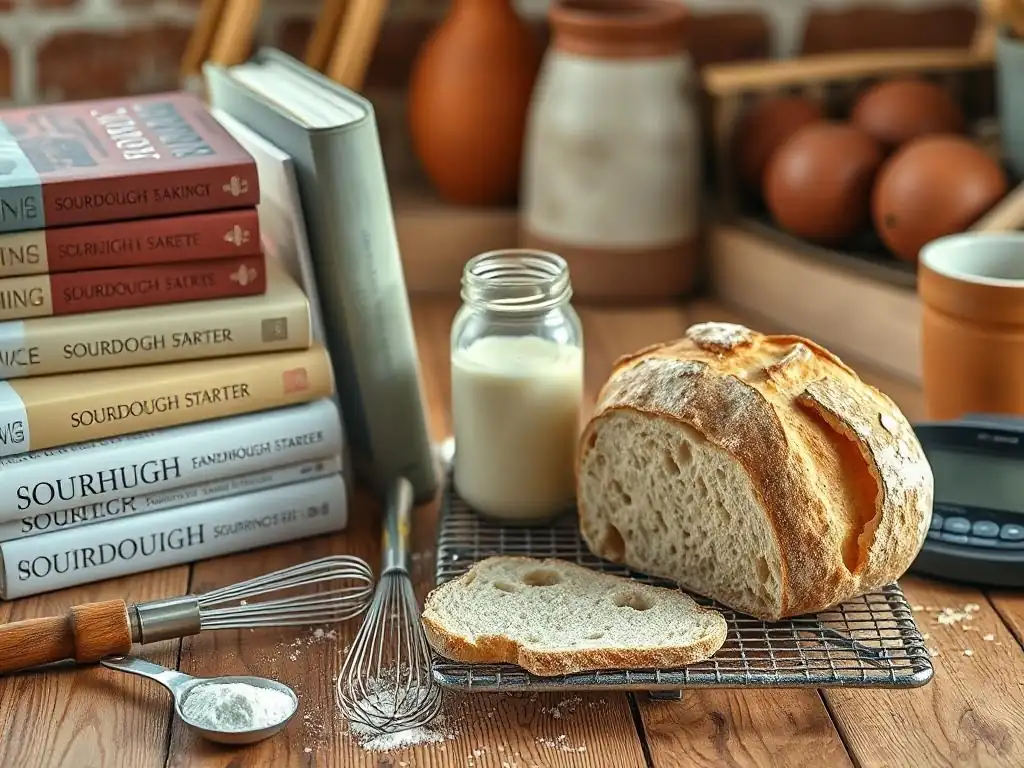
Welcome to BakeWithEase, your baking sanctuary! Ever dreamed of crafting the perfect sourdough loaf? Our passion is to empower you with the knowledge and skills to conquer any baking challenge. Dive into our latest article, a comprehensive Sourdough Baking Books Review, where we uncover the best resources that blend baking theory with practical techniques. Curious which books will truly elevate your sourdough game? Let's explore!
- Best Sourdough Baking Books: A Comprehensive Guide for Bakers of All Levels
- Sourdough Baking Books Review: Finding the Perfect Guide for Your Baking Journey
- Top Sourdough Bread Books: Our Expert Picks
- Comprehensive Sourdough Guides: Theory Meets Practice
- Comparing Sourdough Baking Resources: Which Book is Right for You?
- Beyond Books: Complementary Resources for Sourdough Success
- Mastering Sourdough: Tips and Tricks from the Experts
- Conclusion: Elevate Your Baking with the Best Sourdough Books
-
Frequently Asked Questions
- What makes a sourdough baking book considered "best"?
- Why is it important for a sourdough book to cover both theory and practice?
- Are sourdough baking books only for experienced bakers?
- What type of recipes should I expect to find in a well-rounded sourdough baking book?
- Where can I find reliable reviews of sourdough baking books?
- Final Reflection: The Ever-Rising Crust of Sourdough Knowledge
- Unleash Your Inner Sourdough Baker!
Best Sourdough Baking Books: A Comprehensive Guide for Bakers of All Levels
Sourdough Baking Books Review: Finding the Perfect Guide for Your Baking Journey
Embarking on the sourdough journey is incredibly rewarding, yielding loaves with complex flavors and beautiful textures. However, navigating the nuances of wild yeast can feel daunting without a reliable guide. This is where a well-chosen sourdough baking book becomes your essential companion. With so many options available, from foundational texts to deep dives into advanced techniques, finding the right book is crucial for success. A thorough sourdough baking books review can illuminate the path, helping you select a resource that aligns with your current skills and baking aspirations.
The best sourdough baking books don't just offer recipes; they teach you the why behind the process. They explain the science of fermentation, the role of temperature and hydration, and how to nurture a vibrant starter. Whether you're a complete novice struggling with your first bubbly starter or an experienced baker looking to perfect your crumb structure, there's a book out there tailored for you. Our aim in this sourdough baking books review is to highlight some of the most respected and effective guides available, helping you build confidence and achieve consistently delicious results in your kitchen.
Top Sourdough Bread Books: Our Expert Picks
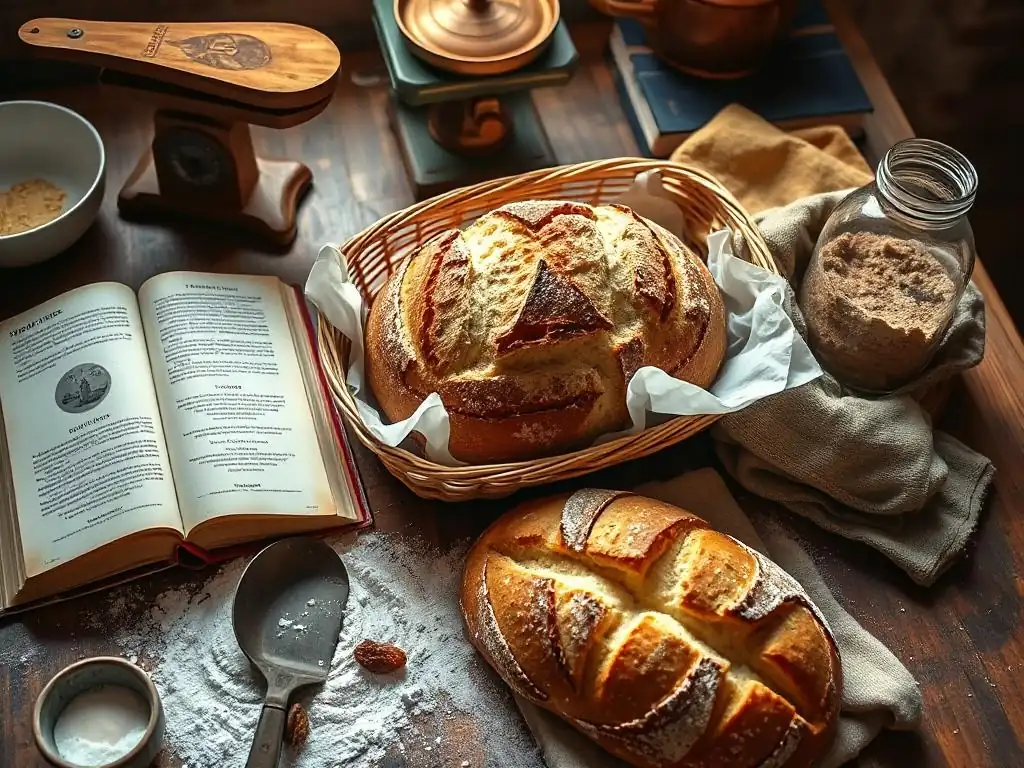
Tartine Bread by Chad Robertson: A Classic for a Reason
Chad Robertson's Tartine Bread is often cited as the book that launched a thousand sourdough starters. Published in 2010, it quickly became a seminal text for serious home bakers and professionals alike. The book centers around Robertson's specific method for baking rustic, naturally leavened bread, particularly his iconic Country Loaf. It provides a detailed, step-by-step guide, focusing heavily on technique, from mixing and folding the dough to shaping and baking in a Dutch oven. While it requires patience and attention to detail, the results are undeniably spectacular.
The book is structured to guide you through the process with clear explanations and beautiful photography. Beyond the foundational Country Loaf, it explores variations using different flours like whole wheat and rye, and delves into other baked goods like pizzas and pastries using sourdough starter. While some might find the initial learning curve steep due to its focus on precise timing and feel, mastering the Tartine method provides a deep understanding of dough handling and fermentation, making it an invaluable resource for those committed to achieving professional-quality sourdough bread. It's a cornerstone in any serious sourdough baking books review.
Flour Water Salt Yeast by Ken Forkish: Mastering the Fundamentals
Ken Forkish's Flour Water Salt Yeast, often abbreviated as FWSY, takes a slightly different, yet equally impactful, approach to teaching bread baking, including several key sourdough recipes. Forkish emphasizes the importance of time and temperature in developing flavor and structure, offering methods that often involve long, slow fermentation, sometimes even overnight or longer at room temperature. The book is lauded for its clear instructions and focus on fundamental techniques that are applicable to various bread types, both yeasted and naturally leavened.
FWSY is particularly strong in building a baker's intuition by explaining how dough should look and feel at different stages. It provides specific schedules and hydration levels for different recipes, such as the Overnight Country Blonde or Pain de Campagne, making it highly practical. While it covers more than just sourdough, its dedicated sections on starter maintenance and naturally leavened loaves are comprehensive and accessible. This book is an excellent choice for bakers who appreciate a methodical approach and want to understand how simple ingredients, combined with time and technique, create incredible bread.
The Perfect Loaf by Maurizio Leo: Delving into Advanced Techniques
Maurizio Leo, through his popular website ThePerfectLoaf.com and subsequent book The Perfect Loaf, offers an incredibly detailed and scientific approach to sourdough baking. His work stands out for its meticulous exploration of variables like hydration, temperature, and fermentation time, often presented with data and observations from extensive testing. The book is ideal for bakers who have some experience with sourdough and want to deepen their understanding of the underlying principles to troubleshoot and refine their process.
Leo's book provides a wide range of recipes, from foundational country loaves to more complex bakes like high-hydration focaccia, whole wheat sourdough, and enriched doughs like babka, all using natural leavening. Each recipe is accompanied by thorough instructions, often including process photos and detailed notes on expected outcomes. He excels at explaining complex concepts in an understandable way, empowering bakers to adapt recipes and develop their own instincts. This is a top contender in any sourdough baking books review for those seeking mastery and a deeper scientific understanding.
Bread Baking for Beginners: An Easy Guide to Baking Kneaded Bread, No-Knead Bread, and More by Bonnie Ohara
For those just starting out, Bonnie Ohara's Bread Baking for Beginners provides a gentle and encouraging introduction to the world of baking, including a dedicated section on sourdough. While it covers various types of bread, its approach to sourdough is designed to be less intimidating than some of the more advanced texts. Ohara focuses on simple, achievable recipes and clear explanations, making the initial steps of creating and using a starter feel manageable.
This book is structured to build confidence gradually. It starts with basic concepts and moves towards slightly more complex techniques, always prioritizing simplicity and success for the novice baker. The sourdough section explains starter creation and maintenance in a straightforward manner and offers easy-to-follow recipes for classic loaves. It's a great resource for anyone feeling overwhelmed by the perceived complexity of sourdough, offering a friendly handhold into this rewarding craft. For a beginner exploring a sourdough baking books review, this title offers a welcoming entry point.
Comprehensive Sourdough Guides: Theory Meets Practice
Understanding Sourdough Fermentation: Essential Knowledge from Top Books
A truly great sourdough baking book goes beyond just listing ingredients and steps; it provides a solid foundation in the theory of fermentation. Books like Tartine Bread, Flour Water Salt Yeast, and The Perfect Loaf dedicate significant sections to explaining the complex microbial ecosystem within a sourdough starter. They detail the roles of wild yeast (primarily Saccharomyces cerevisiae and others) and lactic acid bacteria (LAB), such as Lactobacillus sanfranciscensis, in consuming sugars and producing carbon dioxide, alcohol, and organic acids. This theoretical understanding is crucial for troubleshooting common issues like a sluggish starter or a dense crumb.
These comprehensive guides explain how factors like temperature, hydration level, and feeding ratio impact the activity and balance of microbes in your starter. They discuss the difference between active acidity (pH) and total acidity, explaining how these affect dough strength, flavor development, and crust formation. By understanding these principles, bakers can learn to manipulate fermentation to achieve specific outcomes, whether it's a tangier loaf, a more open crumb, or a darker crust. This theoretical depth is a hallmark of the best sourdough baking books and transforms baking from following instructions to truly understanding the craft.
Putting Theory into Practice: Recipes from the Best Sourdough Books
Understanding the theory of sourdough fermentation is invaluable, but it's the practical application through well-tested recipes that brings that knowledge to life. The top sourdough baking books seamlessly integrate theory and practice by providing recipes that demonstrate the principles they teach. For example, a book explaining the importance of dough temperature will offer recipes with specific temperature targets for bulk fermentation and proofing, guiding the baker through the practical steps to achieve this.
Recipes in these comprehensive guides often include detailed timelines, hydration percentages, and specific instructions for mixing, folding, shaping, and baking. The Perfect Loaf, for instance, might provide precise temperature recommendations for proofing based on desired fermentation speed. Flour Water Salt Yeast offers specific timing schedules optimized for different fermentation lengths. These practical examples allow bakers to see how theoretical concepts translate into tangible actions and results in the kitchen. By working through these recipes, bakers not only produce delicious bread but also solidify their understanding of the sourdough process.
Comparing Sourdough Baking Resources: Which Book is Right for You?
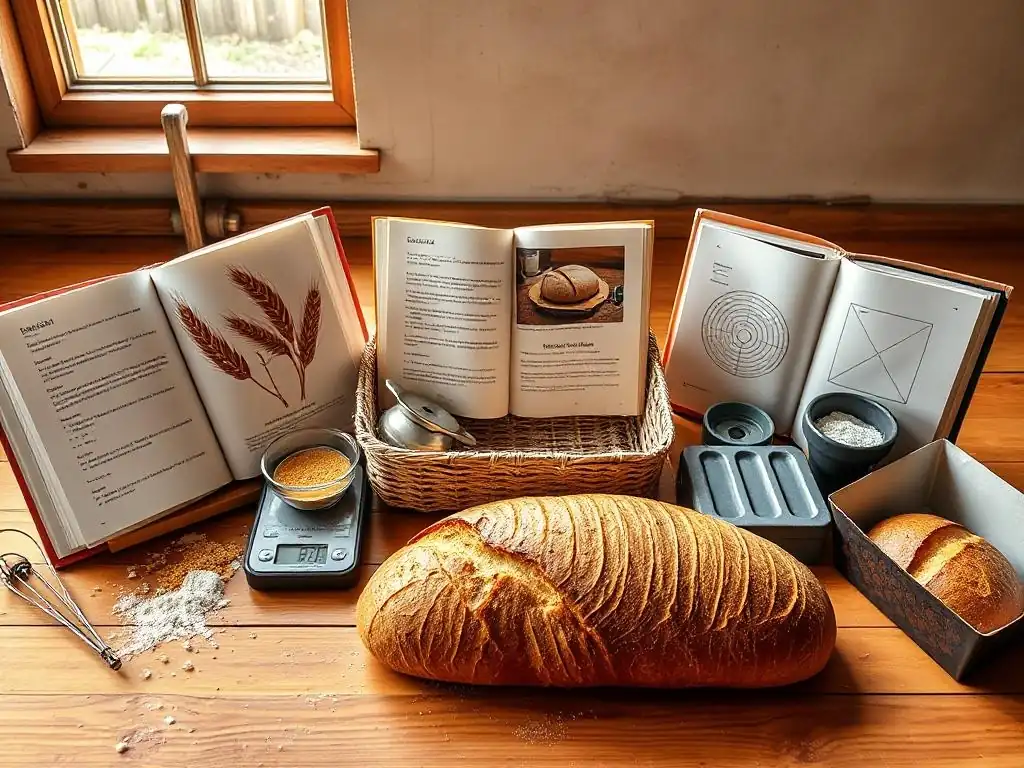
Sourdough Book Comparison Chart: Features, Benefits, and Skill Level
Choosing the right sourdough baking book depends heavily on your current skill level, learning style, and baking goals. While we can't create an interactive chart here, think of a comparison across several key factors you'd find in a detailed sourdough baking books review.
Consider the Skill Level addressed: Are you a complete beginner needing simple steps (like with Bonnie Ohara's book) or an experienced baker seeking advanced techniques and deep theory (like with Maurizio Leo's The Perfect Loaf)? Look at the Focus: Does the book concentrate solely on basic country loaves ( Tartine Bread), cover a range of breads including yeasted ( Flour Water Salt Yeast), or explore a wide variety of naturally leavened goods from simple loaves to enriched doughs?
Another factor is the Depth of Theory: Some books provide extensive scientific explanations, while others keep the theory minimal to focus on practical steps. Consider the Recipe Style: Are the recipes highly detailed with specific timings and temperatures, or are they more intuitive, relying on feel? Evaluate the Learning Style: Do you prefer lots of process photos, detailed explanations, or a more concise approach? By considering these features and benefits across different titles, you can identify the book that best matches your needs, ensuring you invest in a resource that will truly help you grow as a sourdough baker.
Choosing the Best Sourdough Baking Book Based on Your Needs
Selecting the best sourdough baking book is a personal decision. If you are a total beginner and feel intimidated by multi-day processes and complex terminology, a book specifically designed for novices, like Bread Baking for Beginners, might be the perfect starting point. It will help you build confidence with simple recipes before tackling more challenging loaves. If you're someone who learns by doing and wants to master fundamental techniques through repetition of core recipes, Flour Water Salt Yeast offers clear methods and schedules.
For those who are already comfortable with basic sourdough and want to understand the science behind every step, troubleshoot issues, and explore a wider range of advanced recipes, The Perfect Loaf provides unparalleled depth. If you are inspired by the artisanal movement and want to learn a specific, highly-regarded method that has influenced countless bakers, Tartine Bread is the classic choice, though it requires dedication.
Consider what you hope to achieve – consistently good basic loaves, a deep scientific understanding, or the ability to bake a variety of naturally leavened goods – and let that guide your selection from this sourdough baking books review.
Beyond Books: Complementary Resources for Sourdough Success
Sourdough Starter Kits: A Head Start to Baking
While the best sourdough baking books will teach you how to create and maintain a starter from scratch using just flour and water, some bakers prefer a head start. Sourdough starter kits often include a dehydrated or active starter culture, along with basic instructions and sometimes even a jar or feeding flour. Using a kit can shorten the initial waiting period to get a starter active enough for baking, allowing you to jump into recipes sooner.
These kits typically come with instructions on how to rehydrate and feed the starter to bring it to full vigor. While not strictly necessary if you have a good book explaining starter creation, a kit can be a convenient option for those eager to begin baking loaves quickly. However, remember that consistent feeding and care, as taught in comprehensive sourdough baking books, are still essential for maintaining a healthy and active starter in the long run.
Baking Equipment Essentials: Enhance Your Sourdough Baking
Having the right tools can significantly enhance your sourdough baking experience and improve your results. While you can start with minimal equipment, certain items are highly recommended and often discussed in sourdough baking books. A digital kitchen scale is arguably the most important tool, as precise measurements by weight (not volume) are crucial for consistent sourdough results. A Dutch oven is essential for achieving a great crust at home, trapping steam around the loaf as it bakes.
Other useful tools include proofing baskets (bannetons) to hold the dough's shape during proofing, a bench scraper for handling dough, a lame or sharp razor for scoring the loaf before baking, and an oven thermometer to ensure your oven reaches the correct temperature. While a good sourdough baking book provides the knowledge and recipes, these complementary tools help you execute the techniques effectively, leading to better crumb structure, oven spring, and overall loaf quality.
Mastering Sourdough: Tips and Tricks from the Experts
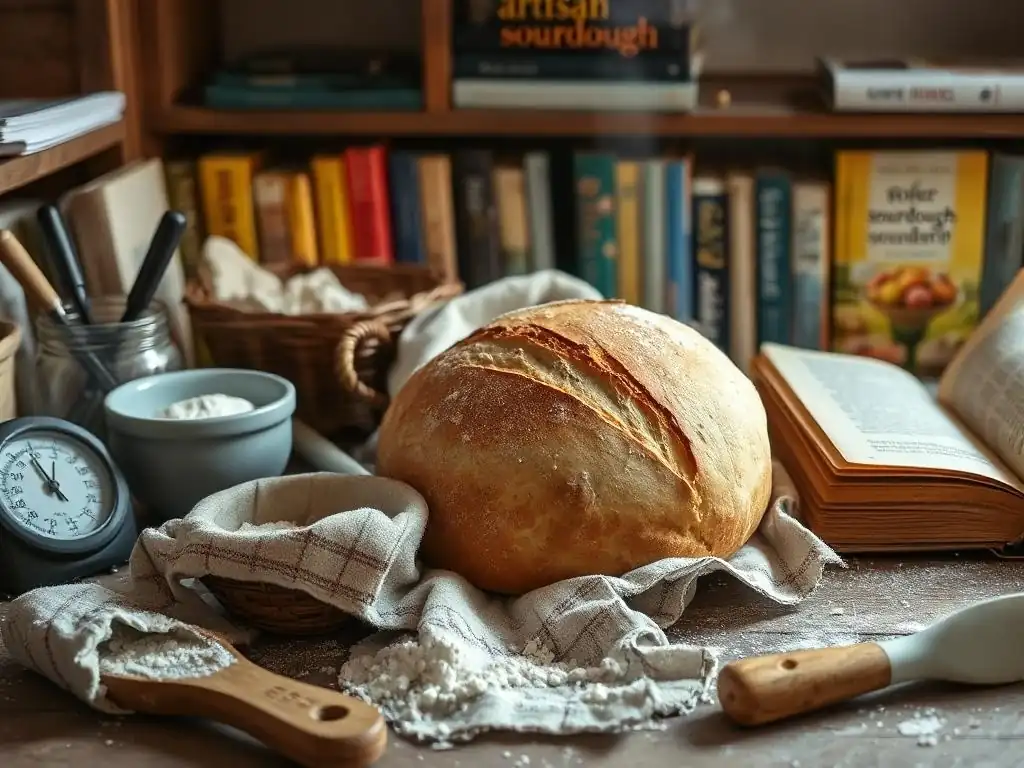
Mastering sourdough is a journey that involves patience, observation, and continuous learning. Experts emphasize the importance of understanding your starter – its behavior varies based on temperature, hydration, and feeding schedule. Learn to recognize when your starter is at its peak activity, often doubling or tripling in volume after feeding, as this is the ideal time to use it in your dough. Pay close attention to dough temperature throughout the process; even small variations can significantly impact fermentation speed.
Another key tip found across sourdough baking books is to learn to read your dough. Feel its texture, observe how it responds to stretching and folding, and look for signs of proper fermentation, such as increased volume and the development of gas bubbles. Don't be afraid to experiment with different hydration levels or flour types, as this helps you understand how these variables affect the final loaf.
Finally, embrace imperfection – every loaf offers a learning opportunity. Consistency comes with practice, and applying the knowledge from a great sourdough baking books review is the best way to accelerate your progress.
Conclusion: Elevate Your Baking with the Best Sourdough Books
Choosing the right sourdough baking book is perhaps the most significant step you can take to improve your sourdough skills. Whether you're a beginner seeking clear, simple guidance or an experienced baker hungry for scientific detail and advanced techniques, there's a perfect guide waiting for you. A thorough sourdough baking books review reveals the strengths of different titles, helping you find a resource that educates, inspires, and challenges you.
Investing in a quality sourdough baking book provides a structured path to mastering the art of natural leavening. It offers not just recipes, but the foundational knowledge of fermentation science and practical techniques needed for consistent success. By combining theoretical understanding with hands-on practice guided by experts, you can unlock the secrets to baking beautiful, delicious sourdough bread right in your own kitchen. So, pick a book, feed your starter, and get ready to bake your best loaves yet!
Frequently Asked Questions
What makes a sourdough baking book considered "best"?
A "best" sourdough book generally combines clear explanations of sourdough theory with practical, easy-to-follow recipes. It should cater to different skill levels and offer solutions to common baking problems.
Why is it important for a sourdough book to cover both theory and practice?
Understanding the science behind sourdough, like fermentation, allows bakers to troubleshoot issues and adapt recipes. Practical recipes then put this knowledge into action, solidifying the learning process.
Are sourdough baking books only for experienced bakers?
No, many sourdough books are written for beginners with step-by-step instructions. These books often include simplified recipes and explanations to ease new bakers into the craft.
What type of recipes should I expect to find in a well-rounded sourdough baking book?
Expect a variety of recipes, from basic sourdough loaves to more advanced options like sourdough pastries, pizza dough, and enriched breads. Good books also offer variations and customization tips.
Where can I find reliable reviews of sourdough baking books?
Besides BakeWithEase.com, you can find reviews on sites like Amazon, Goodreads, and baking forums. Look for reviews from experienced bakers who assess the book's clarity, accuracy, and recipe quality.
Final Reflection: The Ever-Rising Crust of Sourdough Knowledge
The pursuit of the perfect sourdough loaf is a journey, not a destination, and the right guide can significantly impact that journey. This exploration of the best sourdough baking books highlights the crucial intersection of theoretical understanding and practical application. The sheer variety of approaches and techniques underscores the enduring appeal and complexity of this ancient craft.
The impact of sourdough baking extends far beyond the kitchen; it's a testament to the enduring power of tradition and the rewarding nature of slow, mindful creation. It's a practice that connects us to generations past, fostering a sense of community and shared experience. Bread is the staff of life,
a simple phrase, yet it encapsulates the profound significance of this fundamental food. The books reviewed here offer a pathway to mastering this craft, but more importantly, they illuminate the rich cultural heritage embedded within each perfectly risen loaf.
Now, consider your own journey. Will you embrace the challenge of nurturing a starter, patiently waiting for its transformation? Will you delve into the science behind the fermentation process, or will you focus on the intuitive art of shaping and baking? The choice is yours, but remember the lessons learned: patience, precision, and a deep appreciation for the process are the true ingredients for success. Pick up a book, start your starter, and embark on your own delicious adventure in the world of sourdough.
Unleash Your Inner Sourdough Baker!
Thanks for diving deep into the world of sourdough with us! We hope you've gained valuable insights and inspiration to elevate your baking game. Now it's time to put that knowledge into practice.
Here's how you can take the next step:
- Start your sourdough journey today! Choose one of the recommended books and begin your baking adventure. Don't be afraid to experiment – that's where the real magic happens.
- Share your sourdough successes (and even your stumbles!) with our BakeWithEase community on social media. Use #BakeWithEaseSourdough to connect with fellow bakers.
- Explore the vast world of sourdough recipes beyond the books – try experimenting with different flours and techniques to discover your unique sourdough style.
Ready to create your perfect loaf? What unique ingredient are you excited to try in your next sourdough bake?