
Festive Italian Baking: Traditions Made Easy

Welcome to BakeWithEase!
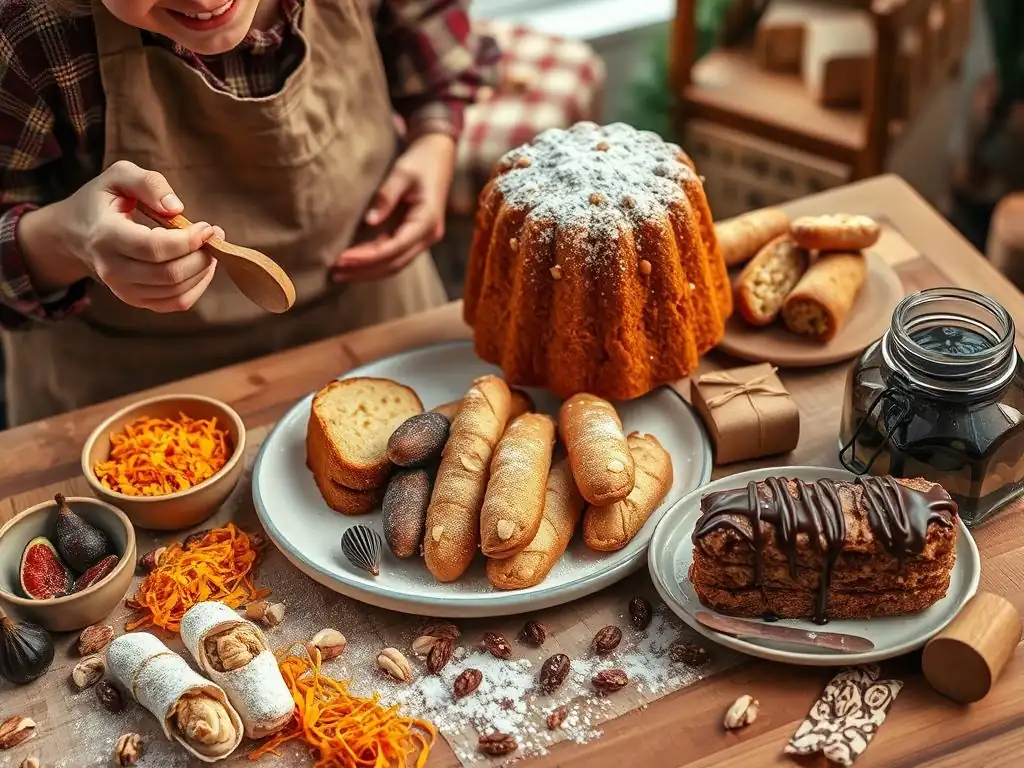
Unwrap the magic of the holidays with Festive Italian Baking: Traditions Made Easy. Ever wondered how to bring the warmth and aroma of an Italian Nonna's kitchen to your own home this season? Discover our collection of easy festive Italian recipes that will transform your holiday gatherings. From classic panettone to delightful biscotti, we'll guide you step-by-step. Get ready to impress your loved ones with authentic flavors and create unforgettable memories. Let's bake!
- Festive Baking: Holiday Traditions Made Easy
- Discover Festive Recipes for Home Bakers
- Understanding Holiday Baking Traditions
- Must-Try Festive Recipes
- Baking with Ease: Tips for Success with Holiday Recipes
- Make This Holiday Season Special with Easy Festive Recipes
-
Frequently Asked Questions
- What defines a recipe as an "easy" festive Italian recipe?
- What types of baked goods are typically included in "Festive Italian Baking"?
- Where can I find the ingredients needed for these "Easy festive Italian recipes"?
- Are there beginner-friendly resources available for learning basic baking techniques?
- How can I adapt these recipes if I have dietary restrictions or preferences?
- Final Reflection: The Enduring Sweetness of Tradition
- Unleash Your Inner Pastry Chef!
Festive Baking: Holiday Traditions Made Easy
Discover Festive Recipes for Home Bakers
The holiday season is a time for warmth, family, and, of course, delicious baked goods. Filling your home with the aroma of spices, chocolate, and sugar is a cherished tradition for many. Whether you're a complete beginner or looking to expand your repertoire, diving into festive baking can be incredibly rewarding. It's about creating edible memories and sharing joy, one treat at a time. This article will guide you through some popular holiday bakes, focusing on making them accessible and enjoyable, highlighting that mastering even seemingly complex treats is possible with easy-to-follow recipes and techniques.
Embracing festive baking also opens the door to exploring diverse cultural traditions. While many associate holiday baking with classic cookies and cakes, the world offers a rich tapestry of festive treats. For instance, discovering easy festive Italian recipes allows you to bring centuries of delicious history into your kitchen. These recipes often feature simple ingredients like flour, sugar, eggs, nuts, and dried fruit, transformed into celebratory delights like biscotti, struffoli, or simple almond pastries, proving that festive baking can be both traditional and easy.
Understanding Holiday Baking Traditions
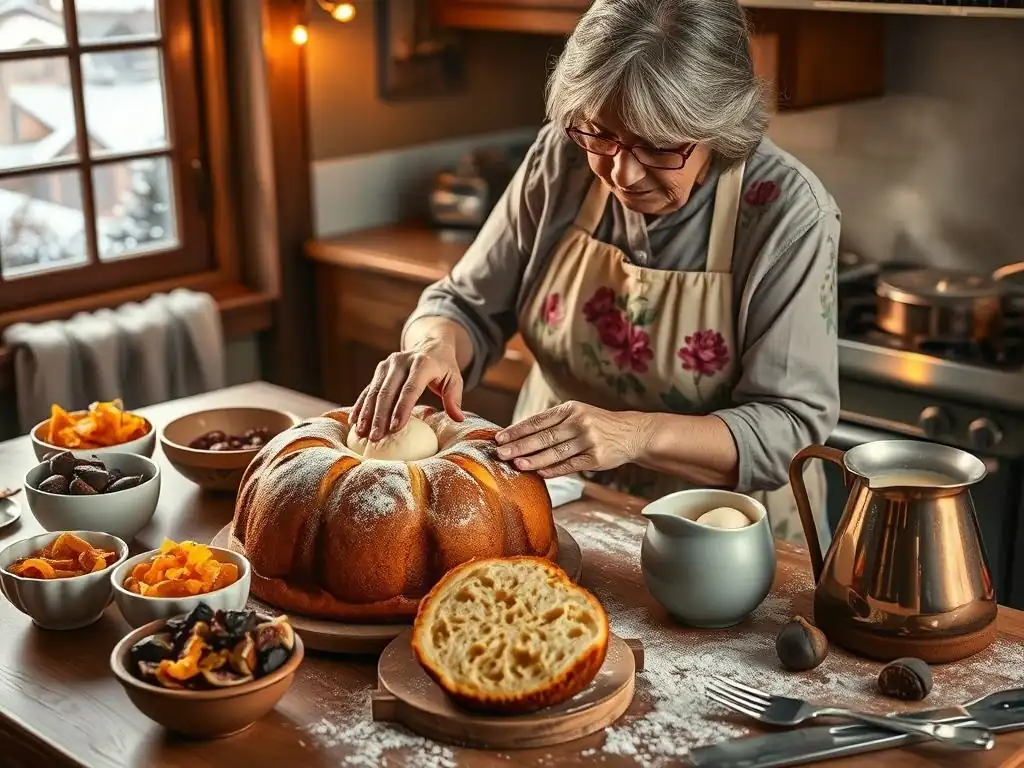
Holiday baking traditions are deeply rooted in history and culture, often tied to religious celebrations, harvest festivals, or the simple need for comforting, calorie-rich foods during colder months. These traditions vary widely across regions and countries, reflecting local ingredients, historical events, and cultural values. Sharing baked goods during the holidays symbolizes generosity, community, and the sweetness of togetherness.
The act of baking itself becomes a ritual, passed down through generations. From mixing dough to decorating cookies, these activities provide a sense of continuity and connection to the past. Exploring these traditions, whether they involve elaborate fruitcakes, delicate pastries, or simple loaves of bread, reveals fascinating stories about how people have celebrated and created joy through food for centuries. Understanding the origins adds a layer of appreciation to the delicious results.
The Significance of Festive Breads
Festive breads hold a special place in many holiday traditions around the world. Often enriched with butter, eggs, sugar, and spices, or studded with fruits and nuts, these breads are more than just food; they are symbolic centerpieces of holiday meals and celebrations. In many cultures, breaking and sharing festive bread signifies unity, hope, and blessings for the coming year. The process of making them, which involves kneading, rising, and baking, is often seen as a metaphor for growth and abundance.
Consider the Italian Panettone, a tall, dome-shaped bread originating from Milan, traditionally eaten during Christmas and New Year. Made with a rich, yeasted dough, candied orange peel, and raisins, it requires a long fermentation process, often taking several days. While traditional Panettone can be complex, variations for easy festive Italian recipes exist that simplify the process for the home baker, allowing more people to enjoy this iconic sweet bread. These breads embody the spirit of the holidays, transforming simple ingredients into something extraordinary through care and time.
Regional Variations in Holiday Desserts
Holiday desserts showcase incredible regional diversity, each place offering unique flavors and forms that tell a story about its people and history. In France, the Bûche de Noël (Yule Log) is a classic, a rolled sponge cake decorated to resemble a log, often flavored with chocolate or coffee. In Germany, Christmas markets are filled with Lebkuchen (gingerbread) and Stollen, a bread-like cake with dried fruit, nuts, and marzipan, dusted with powdered sugar.
Italy alone boasts a vast array of regional holiday sweets beyond Panettone. From the Struffoli of Naples (small fried dough balls coated in honey) to the Ricciarelli of Siena (soft almond cookies), and the Torrone (nougat) found throughout the country, each region contributes its distinct easy festive Italian recipes to the holiday table. These variations highlight the use of local ingredients – citrus from the south, nuts from various regions, specific cheeses or wines – and reflect centuries of culinary evolution, offering a delightful journey for any baker eager to explore global traditions.
Must-Try Festive Recipes
The holiday season is the perfect time to fill your kitchen with the inviting aromas of baking. From classic cookies to rich fudges, these recipes are designed to be approachable for home bakers, allowing you to create impressive treats with ease. Getting started is often the hardest part, but with simple steps and common ingredients, you can whip up festive delights that will impress your family and friends.
Making these treats at home not only saves money compared to store-bought options but also allows you to control the quality of ingredients and customize flavors. Many popular festive recipes can be adapted into easy festive Italian recipes by swapping in specific ingredients like almond flour, olive oil, or regional flavorings like anise or citrus zest, showing the versatility of basic baking techniques.
Gingerbread: A Simplified Recipe for the Iconic Holiday Bread
Gingerbread, in its many forms from soft loaves to crisp cookies, is a quintessential holiday bake, loved for its warm, spicy flavor and comforting aroma. While traditional gingerbread recipes can sometimes involve complex steps, a simplified approach makes this holiday favorite accessible to everyone. This version focuses on straightforward mixing and baking, ensuring a delicious result without unnecessary fuss.
A basic simplified gingerbread recipe typically involves creaming together butter and sugar, beating in eggs and molasses, then gradually adding a mixture of flour, baking soda, ginger, cinnamon, cloves, and sometimes nutmeg or allspice. The wet and dry ingredients are combined just until incorporated. The batter is then poured into a prepared loaf pan and baked until a toothpick inserted into the center comes out clean. This method minimizes the steps while maximizing that classic gingerbread taste.
Tips for a Light and Flavorful Homemade Gingerbread
Achieving a light texture in gingerbread often comes down to careful mixing and ingredient temperature. Ensure your butter is softened but not melted, and cream it thoroughly with the sugar to incorporate air – this is crucial for lift. Don't overmix the batter once the flour is added; mixing too much develops gluten, which can lead to a tougher texture. Stop mixing as soon as the dry ingredients are just combined.
For maximum flavor, don't skimp on the spices. Use fresh, high-quality ground ginger, cinnamon, cloves, and any other spices your recipe calls for. Molasses is key for that signature deep color and rich, slightly smoky flavor; dark molasses provides the most intense taste. Using boiling water or hot coffee in the batter, as some recipes suggest, can also help bloom the spices and activate the baking soda more effectively, contributing to both flavor and texture.
Variations: Spiced and Decorated Gingerbread
Once you have a solid base recipe, gingerbread offers endless possibilities for variation. Increase the spice levels for a bolder flavor, or add a pinch of black pepper or a dash of cayenne for a surprising kick. Incorporating finely grated orange or lemon zest can add a bright, citrusy note that complements the warm spices beautifully. Adding chopped crystallized ginger pieces provides bursts of intense ginger flavor and chewy texture.
Decorating gingerbread is a beloved holiday activity, especially when making cookies. Simple glazes made from powdered sugar and milk or lemon juice are easy to mix up. Royal icing, while slightly more involved, offers a smooth finish and holds its shape well for piping intricate designs. Edible glitter, sprinkles, and small candies can transform simple gingerbread shapes into festive works of art. For a touch related to easy festive Italian recipes, consider adding a small amount of ground anise or using a simple lemon glaze traditional in some Italian cookies.
Sugar cookies are a holiday classic, cherished for their simple, sweet flavor and their adaptability for cutting into festive shapes and decorating. They are among the easiest cookies to make, making them perfect for baking with kids or for those new to cookie making. The basic recipe uses minimal ingredients: butter, sugar, eggs, vanilla, flour, baking powder (or soda), and salt.
The process typically involves creaming softened butter with sugar until light and fluffy, beating in eggs and vanilla, then gradually adding the dry ingredients. The dough is often chilled before rolling and cutting, which helps prevent spreading during baking and makes handling easier. Baked until the edges are just lightly golden, these cookies provide a perfect canvas for all sorts of festive fun.
Achieving the Perfect Sugar Cookie Texture
The ideal sugar cookie is often debated – some prefer them soft and chewy, while others love a crisp, snappy cookie. The key to achieving your desired texture lies in the ratio of ingredients and baking time. For a softer cookie, use slightly less flour or add an extra egg yolk. Using baking powder tends to produce a softer, puffier cookie, while baking soda results in a crisper, flatter cookie.
Creaming the butter and sugar sufficiently is vital for texture, incorporating air that contributes to a lighter crumb. Chilling the dough is non-negotiable for cut-out cookies; it solidifies the fat, which prevents excessive spreading in the oven, helping cookies maintain their shape and thickness. Baking time is also critical: bake just until the edges are set and lightly golden; overbaking will result in a harder, drier cookie.
Serving Suggestions: Royal Icing and Sprinkles
Sugar cookies are often served plain, but decorating them is a major part of their holiday appeal. Royal icing is the classic choice for decorating cut-out sugar cookies because it dries hard and smooth, allowing for stacking and intricate designs. It's made from powdered sugar, meringue powder (or egg whites), and water, mixed to various consistencies for outlining and flooding.
For an easier decorating option, a simple glaze (powdered sugar mixed with milk, water, or lemon juice) works well for a translucent finish that hardens slightly. Sprinkles, colored sugars, edible glitter, and small candies can be added to wet icing or pressed directly into the dough before baking. Arranging a platter of beautifully decorated sugar cookies is a delightful way to share holiday cheer. For an easy festive Italian recipes twist, try flavoring the dough with lemon zest or a hint of almond extract, common in Italian cookie variations.
Shortbread is a wonderfully simple yet elegant cookie, known for its rich, buttery flavor and tender, crumbly texture. Originating in Scotland, its minimal ingredient list (typically just butter, sugar, and flour) makes it one of the most straightforward holiday cookies to master, fitting perfectly into the category of easy festive recipes. The high butter content is key to its characteristic melt-in-your-mouth quality.
Traditional shortbread recipes often use a ratio of 1 part sugar, 2 parts butter, and 3 parts flour by weight, though variations exist. The ingredients are typically mixed until they form a dough, pressed into a pan or shaped, and baked at a relatively low temperature. Unlike many cookies, shortbread contains no leavening agent like baking powder or soda; its texture comes solely from the fat and the way it's handled and baked.
Classic Shortbread Recipe
A classic shortbread recipe is deceptively simple. Start with high-quality butter at room temperature; this is essential for flavor and texture. Cream the butter with sugar (caster sugar or superfine sugar dissolves best and contributes to a tender crumb). Gradually add the flour, mixing only until the dough just comes together. Overmixing will develop gluten, making the shortbread tough.
The dough is then traditionally pressed into a round or square pan, pricked with a fork (which helps steam escape and ensures even baking), and scored into wedges or fingers before baking. Baking at a low temperature (around 300-325°F or 150-160°C) for a longer time helps the shortbread cook through without browning too much, preserving its pale color and delicate texture. Once baked, it's cut along the score lines while still warm.
Chocolate and Nut Variations for Festive Shortbread
While classic shortbread is perfect on its own, it's also an excellent base for variations. Adding finely chopped nuts like almonds, pecans, or walnuts introduces a lovely crunch and nutty flavor. Almond shortbread is particularly popular and aligns well with flavors found in many easy festive Italian recipes. Simply fold the chopped nuts into the dough after combining the flour.
Dipping shortbread fingers in melted chocolate or drizzling chocolate over the top adds a layer of indulgence. Dark, milk, or white chocolate can be used depending on preference. You can also incorporate cocoa powder into the dough for chocolate shortbread or add spices like cardamom or a touch of orange zest for a fragrant twist. These simple additions transform the basic shortbread into a more complex festive treat without adding significant difficulty.
Fudge: A Holiday Delight
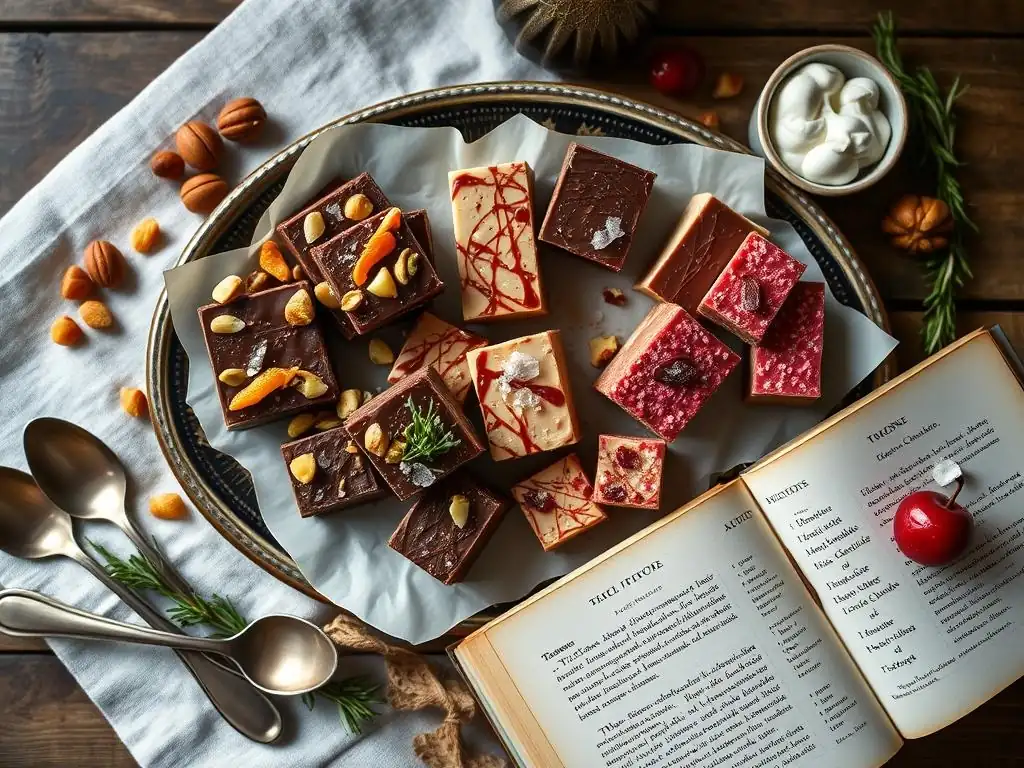
Fudge, with its rich, dense, and creamy texture, is a beloved holiday confection that feels luxurious but can be surprisingly simple to make. Unlike traditional candies that require precise temperature monitoring with a candy thermometer, many modern fudge recipes rely on condensed milk or marshmallow cream, making them much more approachable for the home cook looking for easy festive recipes.
The basic process for this type of easy fudge involves melting chocolate (chips or chopped bars) with sweetened condensed milk and often a little butter or vanilla extract. This mixture is heated gently until smooth and glossy, then quickly poured into a prepared pan to set. The speed and simplicity make it an ideal last-minute holiday treat.
Making Fudge: A Step-by-Step Guide
Making easy fudge typically follows a few simple steps. First, prepare your pan by lining it with parchment paper, leaving an overhang on the sides to make lifting the set fudge out easier. Measure out your ingredients – chocolate chips (about 12-16 ounces for an 8x8 inch pan), a can of sweetened condensed milk (usually 14 ounces), and any flavorings like vanilla extract.
Combine the chocolate and condensed milk in a heavy-bottomed saucepan over low heat. Stir continuously until the chocolate is completely melted and the mixture is smooth and uniform. Be careful not to scorch the chocolate. Once smooth, remove from heat, stir in vanilla or other flavorings, and immediately pour the mixture into the prepared pan. Spread evenly and let it cool completely at room temperature or in the refrigerator until firm. Once set, lift it out using the parchment paper and cut into squares.
Tips for Perfectly Smooth Fudge
Achieving perfectly smooth fudge is the goal. The primary tip for the condensed milk method is to heat the mixture gently and stir constantly. High heat can cause the chocolate to seize or burn, resulting in a grainy texture. Using high-quality chocolate chips or finely chopped chocolate bars can also contribute to a smoother melt and better final texture.
Ensure you stir only until the mixture is smooth. Excessive stirring after removing from the heat can introduce air and affect the texture. Pouring the fudge into the pan and allowing it to set undisturbed is also important. If you choose a more traditional fudge recipe involving boiling sugar, using a clean pan, not stirring while the sugar boils, and beating it only after it cools slightly are critical steps for preventing crystallization and ensuring smoothness.
Peppermint Bark: A Festive Holiday Treat
Peppermint bark is a festive confection that is incredibly easy to make, requiring no baking and minimal ingredients. Its striking layers of dark and white chocolate studded with crushed candy canes make it visually appealing and delightfully minty – a perfect easy festive recipe for gifting or sharing.
The basic idea is simple: melt chocolate, spread it out, sprinkle with crushed candy canes, and let it set. While often made with two layers (dark chocolate on the bottom, white chocolate on top), variations using different types of chocolate or adding other mix-ins are also popular. Its simplicity makes it ideal for busy holiday schedules.
Easy Peppermint Bark Recipe
Making easy peppermint bark requires just three main ingredients: dark chocolate, white chocolate, and candy canes. You'll need about equal amounts of dark and white chocolate (e.g., 12 ounces of each) and about 1 cup of crushed candy canes. Line a baking sheet with parchment paper or wax paper.
Melt the dark chocolate first. This can be done gently in a microwave (heating in 30-second intervals, stirring after each) or over a double boiler. Pour the melted dark chocolate onto the prepared baking sheet and spread it into a thin, even layer, about 1/8 to 1/4 inch thick. Let this layer set until firm, either at room temperature or in the refrigerator (about 15-30 minutes). Once the dark layer is set, melt the white chocolate using the same method.
Pour the melted white chocolate over the set dark chocolate layer and spread it evenly. Immediately sprinkle the crushed candy canes generously over the white chocolate before it sets. Gently press them down slightly. Let the entire bark set completely before breaking it into pieces.
Chocolate Swirls: Achieving the Perfect Look and Texture
For a visually appealing variation, instead of two distinct layers, you can create chocolate swirls. Melt both the dark and white chocolate separately. Pour the melted dark chocolate onto the prepared baking sheet and spread it out. While the dark chocolate is still wet, dollop spoonfuls of the melted white chocolate over the dark chocolate.
Using a skewer, toothpick, or knife, gently swirl the white chocolate into the dark chocolate to create marbled patterns. Be careful not to over-swirl, which can muddy the colors. Once you've achieved your desired pattern, sprinkle with crushed candy canes. This swirling technique adds an extra touch of elegance to this already easy festive treat.
Baking with Ease: Tips for Success with Holiday Recipes
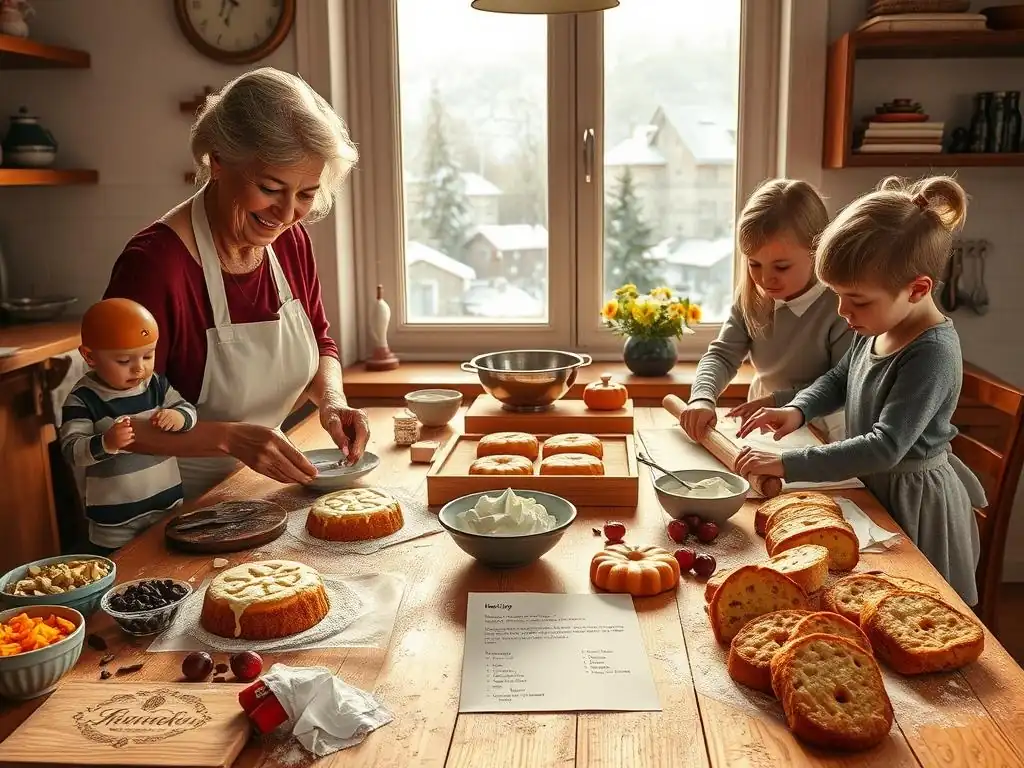
Making holiday baking easy and enjoyable is all about preparation and having the right approach. Whether you're tackling classic cookies or trying your hand at easy festive Italian recipes, a few key tips can make the process smoother and more successful. Focusing on simple techniques and understanding your ingredients will boost your confidence and lead to delicious results every time.
Successful baking isn't just about following a recipe; it's also about understanding the fundamentals. From measuring ingredients correctly to knowing your oven, mastering these basics will significantly improve your baking outcomes. This is especially true when adapting recipes or trying something new, like exploring the variety of easy festive Italian recipes available.
Ingredient Tips for Easy Holiday Baking
Using the right ingredients, prepared correctly, is fundamental to successful baking. Always use ingredients that are at the temperature specified in the recipe – for example, softened butter is crucial for creaming, while cold butter is needed for flaky pastries or some cookie doughs. Measure your flour correctly, typically by spooning it lightly into a measuring cup and leveling it off, rather than scooping directly from the bag, which can compact the flour and result in too much.
For holiday baking, using high-quality flavorings like pure vanilla extract, fresh spices, and good chocolate makes a noticeable difference in the final taste. If a recipe calls for nuts or dried fruit, ensure they are fresh; stale ingredients can impart off-flavors. When exploring easy festive Italian recipes, look for specific ingredients like Italian "00" flour for a finer texture in some doughs, or high-quality olive oil if called for, which imparts a distinct flavor profile different from butter.
Essential Tools for Festive Baking
Having a few essential tools on hand can make holiday baking significantly easier. A good set of measuring cups and spoons is non-negotiable for accuracy. An electric mixer (either hand-held or stand mixer) is invaluable for creaming butter and sugar, whipping eggs, or mixing doughs, saving time and effort. Baking sheets, cooling racks, and parchment paper are also standard necessities.
For festive shapes and decorations, cookie cutters in various holiday themes are fun and easy to use. Piping bags and tips are useful for decorating with icing, though a simple zip-top bag with a corner snipped off can work in a pinch. A sturdy rolling pin is needed for rolling out cookie dough or pastry. While some easy festive Italian recipes might require specialized pans (like a Panettone mold), many simple Italian cookies or cakes can be made with standard bakeware.
Troubleshooting Common Baking Problems
Even experienced bakers encounter issues sometimes. One common problem is cookies spreading too much; this is often due to butter being too soft, not chilling the dough sufficiently, or the oven temperature being too low. Ensure butter is softened not melted, chill dough as directed, and check your oven temperature with an oven thermometer.
Cakes or breads sinking in the middle can be caused by opening the oven door too early, overmixing the batter, or incorrect leavening. Avoid opening the oven door until the bake is nearly done. Overmixing develops gluten, which can cause the structure to collapse. Ensure your baking powder or soda is fresh. If a recipe for easy festive Italian recipes involving yeast isn't rising, check the yeast's expiration date and ensure your water temperature is correct (usually lukewarm). With a little practice and attention to detail, most common baking problems can be avoided or corrected.
Make This Holiday Season Special with Easy Festive Recipes
Holiday baking offers a wonderful opportunity to engage with traditions, create delicious treats, and share joy with loved ones. By focusing on easy festive recipes, you can reduce stress and increase the fun, even if you're new to baking. From classic American cookies and fudge to exploring easy festive Italian recipes like simple biscotti or almond pastries, there's a world of flavor waiting to be discovered in your own kitchen.
Remember that the most important ingredient is the love and care you put into it. Don't strive for perfection, especially if you're just starting out. Embrace the process, enjoy the aromas filling your home, and savor the moments of sharing your homemade goodies. These easy-to-follow recipes are designed to help you build confidence and create memorable holiday moments.
One of the greatest joys of holiday baking is sharing the results. Package up your cookies, fudge, or easy festive Italian recipes like simple almond cookies into decorative boxes or bags for thoughtful homemade gifts. Bring a plate of treats to holiday gatherings, or simply enjoy them at home with a cup of tea or coffee.
We encourage you to share photos of your festive baking creations! Connecting with other bakers provides inspiration and allows you to show off your hard work. Whether it's a perfectly swirled peppermint bark, a batch of beautifully decorated sugar cookies, or your first attempt at easy festive Italian recipes, celebrate your accomplishments and inspire others to start their own baking adventures this holiday season.
Frequently Asked Questions
What defines a recipe as an "easy" festive Italian recipe?
An "easy" recipe, in this context, prioritizes simple techniques and readily available ingredients, making it accessible to bakers of all skill levels, even during the busy holiday season.
What types of baked goods are typically included in "Festive Italian Baking"?
Festive Italian baking often includes items like panettone, pandoro, biscotti (such as cantucci), and regional variations of sweet breads and cakes that are traditionally enjoyed during Italian holidays.
Where can I find the ingredients needed for these "Easy festive Italian recipes"?
BakeWithEase focuses on recipes using ingredients that are easy to find at most grocery stores. Specialty items, if required, will have clear alternatives suggested in the recipe.
Are there beginner-friendly resources available for learning basic baking techniques?
Yes, BakeWithEase provides step-by-step guides and helpful tips for beginners, covering fundamental baking techniques needed to successfully execute these festive recipes.
How can I adapt these recipes if I have dietary restrictions or preferences?
While the recipes are presented as traditional Italian bakes, BakeWithEase encourages experimentation. Adaptations for gluten-free, dairy-free, or vegan options will be explored within the articles and recipe notes where possible.
Final Reflection: The Enduring Sweetness of Tradition
The simple act of baking, especially during the holidays, transcends mere culinary creation; it becomes a powerful connection to heritage and a celebration of shared joy. Festive Italian baking, with its rich history and seemingly complex techniques, often feels intimidating. However, as this article has demonstrated, many cherished recipes are surprisingly accessible, requiring only a willingness to embrace the process and savor the results.
The enduring appeal of these traditional recipes lies not just in their deliciousness, but in their ability to transport us to another time and place. They evoke memories of family gatherings, the warmth of a crackling oven, and the comforting aroma of spices filling the air. Food is symbolic of love when words are inadequate.
– Alan D. Wolfelt. This quote perfectly encapsulates the emotional resonance of these recipes, allowing us to express affection and connection through the shared experience of baking and eating.
Now, I invite you to consider your own culinary traditions. Perhaps you'll try your hand at one of the recipes featured here, or perhaps you'll be inspired to explore your own family's heritage through the lens of its unique baking customs. Don't be afraid to experiment, to adapt, and to share the joy of creating something delicious and meaningful with those you love. Let the spirit of festive Italian baking – its simplicity, its warmth, and its enduring power – inspire you to create your own sweet memories this holiday season and beyond.
Unleash Your Inner Pastry Chef!
Thanks for joining us on this delicious journey through the world of festive Italian baking! We hope you've gained some inspiration and practical tips to create unforgettable treats. Now it's time to put your newfound knowledge to the test!
- Bake your favorite recipe from the article: Choose one recipe that excites you and get baking! Don't forget to savor every moment of the process.
- Share your creations: Post a picture of your finished masterpiece on social media and tag us—we’d love to see what you’ve made!
- Explore other Italian baking traditions: Dive deeper into our website for even more recipes and tips!
So, what festive Italian treat will you be making first?