
Cracking the Code: Emulsification Secrets in Cake Batter

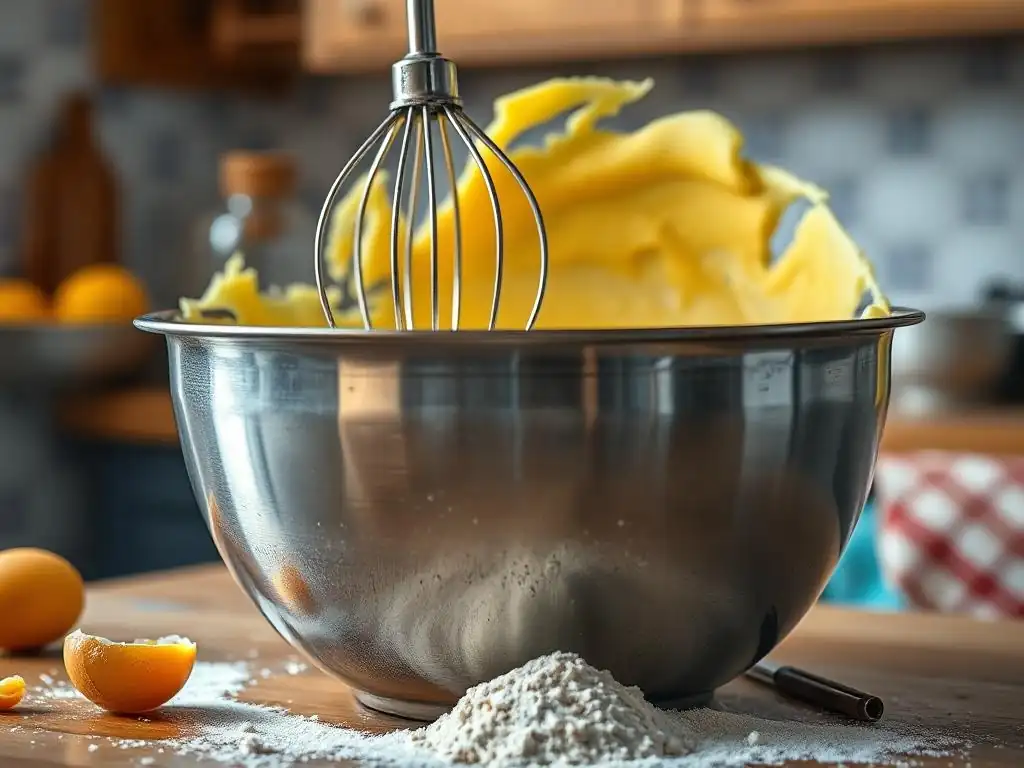
Welcome to BakeWithEase, your trusted guide to unlocking baking brilliance! Ever wondered how to achieve that perfectly smooth and stable cake batter? You're in the right place. Today, we're diving deep into the science behind easy cake emulsification techniques, uncovering the secrets to a consistently light and airy crumb. Intrigued? Let's unravel the mysteries and transform your cakes from good to unforgettable!
- BakeWithEase: Mastering Cake Emulsification Techniques
- Understanding Emulsification in Cake Baking
- Key Ingredients for Successful Cake Emulsions
- Cake Emulsification Techniques
- Troubleshooting Common Cake Emulsification Problems
- Achieving Perfect Cake Texture Through Emulsification
- Advanced Cake Emulsification Strategies
- Mastering Emulsification: Your Key to Baking Success
-
Frequently Asked Questions
- What is emulsification and why is it important in cake baking?
- What are some easy cake emulsification techniques that I can use at home?
- What happens if I don't properly emulsify my cake batter?
- Can I use a hand mixer for easy cake emulsification techniques, or is a stand mixer necessary?
- What ingredients can help with emulsification in cake recipes?
- Final Reflection: The Sweet Science of Effortless Cakes
- Unlock Your Baking Potential: Master Emulsification Today!
BakeWithEase: Mastering Cake Emulsification Techniques
Welcome to BakeWithEase! We're here to help you unlock the mysteries of baking, and today we're diving into a fundamental concept that makes cakes wonderfully moist and tender: emulsification. Understanding how to achieve stable emulsions is one of the most valuable easy cake emulsification techniques you can add to your baking repertoire, transforming good cakes into truly great ones.
Mastering the art of emulsification in your cake batter is less about complex chemistry and more about careful technique and ingredient interaction. Whether you're tackling a simple vanilla cake or a rich chocolate layer cake, applying sound emulsification principles ensures your finished product has a smooth, even crumb and doesn't separate during baking. Let's break down exactly what emulsification means for your cakes and how you can achieve it consistently.
Understanding Emulsification in Cake Baking
What is Emulsification and Why is it Crucial for Cake?
Emulsification is essentially the process of mixing two liquids that don't naturally mix, like oil and water, into a stable, homogeneous blend. Think of vinaigrette dressing – without shaking, the oil and vinegar separate. In cake batter, you have water-based ingredients (like milk, eggs, and sugar dissolved in liquid) and fat-based ingredients (like butter or oil). Getting these to combine smoothly and stay combined is emulsification.
For cakes, a well-emulsified batter is crucial because it directly impacts the final texture, moisture, and structure. A stable emulsion ensures that fat is evenly distributed throughout the batter, coating the flour particles and preventing excessive gluten development, which leads to a tender cake. It also helps trap air bubbles created during mixing, contributing to a light and airy crumb. Without proper emulsification, your cake might turn out dense, greasy, or have an uneven texture.
The Science Behind Perfect Cake Emulsions
At a chemical level, emulsification relies on molecules called emulsifiers, which have a unique structure: one part of the molecule is attracted to water (hydrophilic), and the other part is attracted to fat (lipophilic or hydrophobic). These molecules act as intermediaries, surrounding tiny droplets of one liquid and suspending them within the other liquid, preventing them from coalescing and separating.
In cake batter, natural emulsifiers are present in ingredients like egg yolks (lecithin is a key player) and sometimes added intentionally (like mono- and diglycerides in commercial shortenings or certain cake flours). Mechanical action, like vigorous whisking or beating, also plays a vital role by breaking down the fat and water into smaller droplets, allowing the emulsifiers to do their job more effectively and create a stable mixture.
The Role of Fat and Water in Cake Batter Emulsification
Fat and water are the primary components that need to be emulsified in cake batter, and their ratio and state are critical. Fat, whether from butter, oil, or shortening, provides tenderness and moisture. Water, from milk, eggs, or other liquids, hydrates the flour and sugar and helps activate leavening agents. These two substances are naturally antagonistic, meaning they repel each other.
Achieving successful emulsification means getting tiny droplets of fat dispersed throughout the water-based mixture (an oil-in-water emulsion, common in liquid batters) or vice versa (a water-in-oil emulsion, seen in butter before liquids are added). The type of fat used, its temperature, and how it's incorporated with the liquid ingredients significantly influence the ease and stability of the emulsion. Too much fat for the amount of liquid, or adding liquids too quickly, can easily break the emulsion.
Key Ingredients for Successful Cake Emulsions
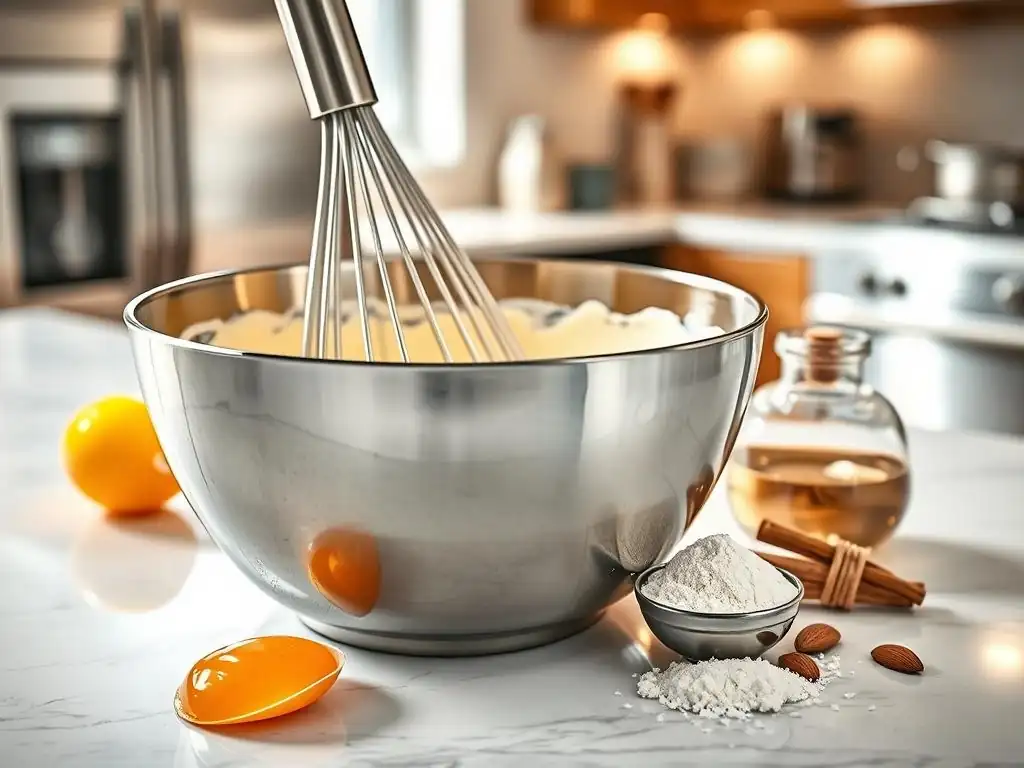
The Emulsifying Power of Eggs in Cake Recipes
Eggs are powerhouse ingredients in baking, contributing structure, moisture, flavor, and significantly, emulsification. A large egg contains roughly 1.5 grams of fat, concentrated in the yolk, and about 10.5 grams of water, mostly in the white. This unique composition makes them essential for binding fat and water components in cake batter.
The phospholipids, particularly lecithin, found abundantly in egg yolks, are potent natural emulsifiers. They wrap around fat droplets, allowing them to disperse evenly throughout the water-based parts of the batter. This action is vital for creating a smooth, stable batter that bakes up into a tender, moist cake with a fine crumb structure.
Egg Yolks: Nature's Emulsifiers for Cakes
Egg yolks are the primary source of lecithin, the most well-known natural emulsifier in baking. A single egg yolk contains approximately 2.8 grams of fat, a significant portion of which is lecithin. When egg yolks are incorporated into cake batter, the lecithin molecules go to work, bridging the gap between the fat (like butter or oil) and the liquid (like milk or water).
This emulsifying action of egg yolks is particularly noticeable in recipes that rely heavily on fat and liquids, such as rich pound cakes or moist butter cakes. By helping to create a stable fat-in-water emulsion, egg yolks ensure that the fat is evenly distributed, leading to a consistently tender and moist crumb rather than a greasy or separated texture.
Egg Whites: Contributing to Cake Structure and Emulsification
While egg yolks are the stars of emulsification due to their lecithin content, egg whites also play a supporting role. Composed of about 90% water and 10% protein (primarily albumin), egg whites contribute significantly to the liquid content of the batter. Although they contain minimal fat and lecithin compared to yolks, the proteins in egg whites can act as mild emulsifiers and stabilizers.
More importantly, whipped egg whites contribute aeration and structure through protein coagulation during baking. In batters where whipped whites are folded in (like sponge cakes or some chiffon cakes), the proteins help stabilize the overall batter structure, indirectly supporting the emulsion by providing a framework that prevents the fat and water from separating during the delicate folding process and subsequent baking.
Fats and Oils: Choosing the Right Fat for Optimal Emulsification
The type of fat used in a cake recipe has a profound impact on its texture, flavor, and how easily the batter emulsifies. Solid fats like butter and shortening behave differently than liquid oils, especially when it comes to their interaction with other ingredients during the mixing process. Understanding these differences is key to achieving a stable emulsion.
Solid fats, particularly butter, require creaming with sugar to incorporate air and begin the emulsification process by creating tiny pockets where liquid can later be integrated. Oils, being liquid at room temperature, are often easier to disperse initially but lack the structure that solid fats provide when creamed. The choice of fat dictates which easy cake emulsification techniques will be most effective.
Butter vs. Oil: Impact on Cake Texture and Emulsification
Butter, a solid fat at room temperature, is about 80-82% fat, 16-18% water, and 1-2% milk solids. Its water content and crystalline structure influence how it creams with sugar and incorporates other liquids. Creaming butter and sugar creates a water-in-oil emulsion, trapping air bubbles essential for leavening and providing sites for later liquid incorporation. However, adding liquids too quickly to creamed butter can break this initial emulsion, resulting in a curdled appearance.
Oils, being 100% fat, are easier to blend initially but don't trap air during mixing in the same way butter does. Cakes made with oil often rely more on chemical leaveners (baking powder, soda) and egg aeration for lift. Emulsification with oil is often achieved by gradually whisking liquids into the oil or by using methods that incorporate the oil into the dry ingredients first (like the reverse creaming method), which helps coat flour particles and facilitates smoother liquid incorporation later.
Emulsifiers in Baking: Soy Lecithin and Mono- and Diglycerides
Beyond the natural emulsifiers found in eggs, commercial baking often utilizes added emulsifiers to improve batter stability, texture, and shelf life. Soy lecithin is a common plant-based emulsifier, similar in function to egg lecithin, often used in packaged cake mixes and frostings to ensure smooth consistency and prevent separation.
Mono- and diglycerides are another class of emulsifiers widely used, particularly in shortenings designed for baking ("high-ratio" shortenings). These molecules are even more effective at stabilizing fat-water emulsions than lecithin, allowing batters to hold a higher ratio of sugar and liquid relative to flour and fat. This results in cakes with a very fine, even crumb, increased moisture retention, and a tender texture, making them popular for commercial cakes and certain home recipes aiming for a specific texture.
Cake Emulsification Techniques
The Creaming Method: Achieving Emulsification Through Mixing
The creaming method is one of the most classic easy cake emulsification techniques, particularly for butter-based cakes. It starts by beating softened butter with sugar until light and fluffy. This process incorporates air and creates a preliminary emulsion where the sugar dissolves into the small amount of water present in the butter, forming a matrix that will later accept other liquid ingredients.
Eggs are typically added one at a time during the creaming method, allowing the natural emulsifiers in the yolks to work their magic and stabilize the mixture as the liquid from the eggs is incorporated into the creamed butter and sugar. Alternating additions of dry and wet ingredients further helps maintain the emulsion, as the flour absorbs some liquid and provides structure, preventing the batter from becoming too liquid too quickly and separating.
Tips for Properly Creaming Butter and Sugar for Cake
Achieving a stable emulsion with the creaming method starts with properly softened butter – it should yield to gentle pressure but not be greasy or melted. Cream the butter and sugar on medium speed for a sufficient time, often 3-5 minutes, until the mixture is noticeably lighter in color and fluffy in texture. This ensures maximum air incorporation and sugar dissolution, creating a robust base for the emulsion.
When adding eggs, incorporate them one at a time, beating well after each addition until fully combined before adding the next. Scrape down the sides and bottom of the bowl frequently to ensure all ingredients are evenly incorporated. Adding dry and wet ingredients in alternating portions (e.g., 1/3 dry, 1/2 wet, 1/3 dry, 1/2 wet, 1/3 dry) starting and ending with dry helps maintain the emulsion by gradually incorporating liquids and providing structure from the flour.
The Two-Stage Mixing Method: A Reliable Emulsification Technique
The two-stage mixing method, sometimes called the "quick mix" or "blender method" (though it uses a mixer), is another effective way to achieve a stable cake emulsion, particularly favored for recipes using oil or high-ratio shortening. This method focuses on coating the dry ingredients with fat first before adding liquids.
In the first stage, all dry ingredients (flour, sugar, leaveners, salt) are combined with the fat and sometimes a portion of the liquid. The mixture is beaten until the dry particles are coated with fat, resembling wet sand. This fat coating helps prevent gluten development when the remaining liquids are added. The second stage involves gradually adding the remaining liquids, often containing eggs and flavorings, which are then easily emulsified into the fat-coated dry mixture.
Step-by-Step Guide to the Two-Stage Mixing Method for Cake Batter
- Combine Dry Ingredients and Fat: In a large mixing bowl, whisk together all dry ingredients (flour, sugar, baking powder/soda, salt). Add all of the fat (softened butter, shortening, or oil) and usually about half or two-thirds of the total liquid (often milk or buttermilk).
- Mix to Coat: Beat on low speed until the ingredients are just combined, then increase speed to medium and beat for about 1-2 minutes. The mixture should look crumbly but evenly moistened, resembling wet sand, ensuring the fat has coated the flour particles.
- Add Remaining Liquids: In a separate bowl, whisk together the remaining liquid ingredients, including eggs and any extracts. Gradually add this mixture to the batter in 2-3 additions, beating on medium speed for about 30-45 seconds after each addition until smooth and well-emulsified. Scrape the bowl down as needed.
- Final Mix: Beat for a final 30 seconds on medium speed to ensure everything is fully incorporated and the batter is smooth. Avoid overmixing after adding the liquids, as this can develop too much gluten.
Reverse Creaming Method: Another Approach to Cake Emulsification
The reverse creaming method is a variation that also begins by combining dry ingredients with fat, similar to the two-stage method, but typically uses softened butter or shortening. This technique is excellent for creating cakes with an exceptionally fine, velvety crumb and is often preferred for layer cakes where a tender, stable structure is desired.
Instead of creaming butter and sugar first, the dry ingredients (flour, sugar, leaveners, salt) are whisked together, and then softened butter is added and mixed until the mixture resembles coarse crumbs or wet sand. This coats the flour particles with fat, inhibiting gluten development. Liquids, including eggs, are then gradually mixed in, emulsifying into the fat-coated dry mixture.
When to Use the Reverse Creaming Method for Cakes
The reverse creaming method is particularly effective for recipes that use a higher ratio of sugar to flour or fat, as it helps manage the liquid incorporation and prevents curdling. It's ideal for butter-based layer cakes where a very tender, fine crumb is desired, such as classic vanilla or chocolate layer cakes.
This method is less prone to curdling than the traditional creaming method because the fat is already distributed throughout the dry ingredients when the liquids are added. It results in a batter that is often smoother and less likely to separate. While it might not incorporate as much initial air as traditional creaming, the fine crumb structure it produces is a hallmark of this technique.
Troubleshooting Common Cake Emulsification Problems
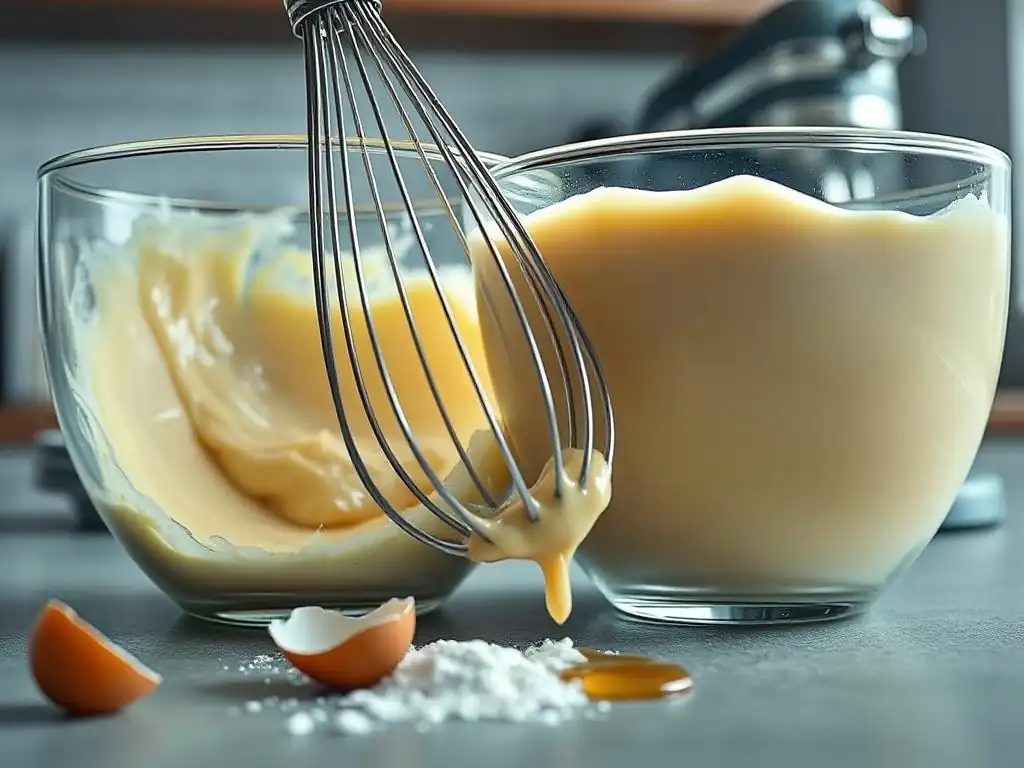
Even with the best intentions, cake batter can sometimes show signs of poor emulsification. Recognizing these issues and knowing how to fix them is part of mastering easy cake emulsification techniques. Common problems include batter that looks curdled or appears oily and separated.
These issues often stem from temperature differences between ingredients, adding liquids too quickly, or simply not mixing enough (or mixing too much after liquids are added). Understanding the causes allows you to take corrective action or prevent the problem from occurring in the first place, ensuring your cake bakes up beautifully.
Identifying Signs of Poor Emulsification in Cake Batter
A well-emulsified cake batter should look smooth, homogeneous, and slightly thickened, like a milkshake or a thick smoothie. It should hold together without visible pockets of fat or streaks of liquid. When emulsification fails, the batter will look broken or separated.
Signs of poor emulsification include a curdled appearance, where the mixture looks lumpy and grainy, or an oily look, where liquid or fat seems to be pooling or separating from the rest of the batter. These visual cues indicate that the fat and water components are not properly bound together.
Curdled Cake Batter: Causes and Solutions
Curdled batter is a common sign of a broken emulsion, especially in recipes using the creaming method. It usually happens when adding eggs or other liquids to the creamed butter and sugar. The most frequent causes are:
- Cold Ingredients: If eggs or milk are too cold, they can shock the creamed butter, causing the fat to seize and separate from the liquid. Ensure all ingredients, especially butter, eggs, and milk, are at room temperature (around 68-72°F or 20-22°C).
- Adding Liquids Too Quickly: Dumping in a large amount of liquid at once overwhelms the emulsifying capacity of the batter. Liquids should be added gradually, especially eggs (one at a time) and alternating wet/dry ingredients.
- Low-Fat Butter: Butter with a lower fat percentage and higher water content (like some European butters can vary, but standard US butter is ~80% fat) can sometimes make emulsions less stable. Using butter with at least 80% fat is generally recommended.
If your batter curdles slightly, try mixing on medium-high speed for another 30-60 seconds to see if it comes back together. If it's severely curdled, you can try gently warming the outside of the bowl with a warm towel or a quick dip in warm water for just a few seconds, then beat again. Adding a tablespoon or two of the dry ingredients (flour mixture) can also sometimes help stabilize the emulsion by absorbing some excess liquid.
Oily or Separated Cake Batter: How to Fix It
An oily or separated batter, where liquid seems to have leached out or fat is pooling, can also occur. This might happen if:
- Overmixing After Adding Liquids: While initial mixing is needed for emulsification, overmixing once the batter is combined can break down the emulsion structure.
- Incorrect Ingredient Ratio: Too much fat or liquid relative to the emulsifiers (like eggs) and stabilizers (like flour) can lead to separation.
- Temperature Extremes: If the batter gets too warm during mixing, the fat can melt and separate.
If your batter looks oily or separated, stop mixing immediately. If it's just a slight separation, gently folding in a tablespoon or two of flour might help. If it's more severe, it might be difficult to fully recover. Ensure your ingredients are at the correct temperature before starting, and follow the mixing instructions carefully, avoiding overmixing, are the best preventive measures.
Preventing Emulsification Breakdowns in Cake Recipes
Prevention is often easier than fixing a broken emulsion. By implementing a few simple practices, you can significantly improve your chances of achieving a smooth, stable batter every time, making easy cake emulsification techniques truly effortless.
Focusing on ingredient temperature, proper mixing speed, and gradual ingredient addition are key steps. These practices ensure that the fat and water components have the best possible environment to combine and stay combined throughout the mixing process.
Maintaining Proper Temperature for Ingredients
One of the most critical factors for successful emulsification is using ingredients at the correct temperature, usually room temperature (around 68-72°F or 20-22°C). Room temperature butter is pliable and creams easily, incorporating air and sugar effectively. Room temperature eggs and liquids incorporate smoothly into the creamed mixture without causing the fat to seize or separate.
Cold ingredients, when added to warmer, creamed butter, can cause the fat to firm up suddenly, squeezing out the liquid and leading to a curdled appearance. Take your butter, eggs, and milk out of the refrigerator at least 30-60 minutes before you plan to start mixing (longer if your kitchen is cool).
Adding Ingredients Gradually for Better Emulsification
Adding ingredients, especially liquids like eggs and milk, gradually is essential for allowing the emulsifiers time to work and preventing the batter from becoming too wet too quickly. In the creaming method, add eggs one at a time, beating well after each addition. When adding dry and wet ingredients, alternate small portions (e.g., adding the dry mixture in three parts and the wet mixture in two parts, starting and ending with dry).
This gradual process allows the batter to absorb and emulsify each addition before the next one is added. It maintains a better balance between the fat, water, and solids, creating a stronger, more stable emulsion that is less likely to break down during mixing or baking.
Achieving Perfect Cake Texture Through Emulsification
Ultimately, the goal of mastering easy cake emulsification techniques is to bake cakes with superior texture – moist, tender, and with a fine, even crumb. Emulsification is not just about preventing separation; it's about optimizing how the fat and water interact with the other ingredients, especially flour and sugar.
A stable emulsion ensures that fat is distributed evenly, coating the flour particles. This coating acts as a barrier, inhibiting excessive gluten development when liquid is added. Less gluten development means a more tender cake. The even distribution of fat also contributes to a moist mouthfeel and helps keep the cake fresh longer.
How Emulsification Impacts Cake Tenderness and Moisture
A well-emulsified batter leads to a finer, more consistent crumb structure. The tiny fat droplets dispersed throughout the batter shorten the gluten strands that form when flour is hydrated. This "shortening" effect is why fat is called a shortening – it makes the cake tender.
Furthermore, the even distribution of moisture, facilitated by emulsification, prevents dry spots and ensures that the cake remains moist throughout. The emulsifiers themselves can also help retain moisture over time. For instance, cakes made with high-ratio shortening containing mono- and diglycerides are known for their exceptional tenderness and moistness, often staying soft for several days.
Optimizing Emulsification for Different Types of Cakes
Different cake types utilize different mixing methods and ingredient ratios, which influence how emulsification is achieved and optimized. Understanding these variations helps tailor your technique.
From the rich, dense structure of a pound cake to the airy lightness of a sponge, the approach to emulsification varies. Adjusting your method based on the specific cake recipe is key to achieving its intended texture.
Emulsification for Pound Cakes
Traditional pound cakes often use the creaming method with a high ratio of butter, sugar, eggs, and flour (historically, one pound of each). The emulsification here relies heavily on the initial creaming of butter and sugar for aeration and the gradual addition of eggs to incorporate their emulsifying power.
Achieving a stable emulsion in a pound cake batter, which is quite rich in fat and eggs, is crucial to prevent a greasy or separated texture. Using room temperature ingredients and adding eggs slowly, ensuring each is fully incorporated before adding the next, are paramount for success in these dense, moist cakes.
Emulsification for Sponge Cakes
Sponge cakes (like génoise) typically contain little to no added fat (except sometimes melted butter folded in at the end). The structure and lift come primarily from whipped eggs (whole eggs, yolks, or whites). Emulsification in sponge cakes is less about binding added fat and more about maintaining the delicate foam structure of the whipped eggs while incorporating dry ingredients.
The proteins in the whipped eggs act as stabilizers. When melted butter is added, the lecithin in the yolk (if using whole eggs or yolks) helps emulsify the butter into the airy foam. Gentle folding techniques are critical to avoid deflating the foam and breaking the fragile emulsion/structure.
Emulsification for Layer Cakes
Layer cakes, often made using the creaming method or the two-stage method, benefit significantly from proper emulsification for a tender, even crumb ideal for stacking and frosting. Recipes often have a balanced ratio of fat, sugar, liquids, and flour.
Using the creaming method with careful, gradual additions prevents curdling, while the two-stage method excels at creating a fine, velvety crumb by coating flour in fat first. Both methods aim for a stable, smooth batter that spreads evenly in the pan and bakes up flat with a consistent texture, making them perfect candidates for practicing easy cake emulsification techniques.
Advanced Cake Emulsification Strategies
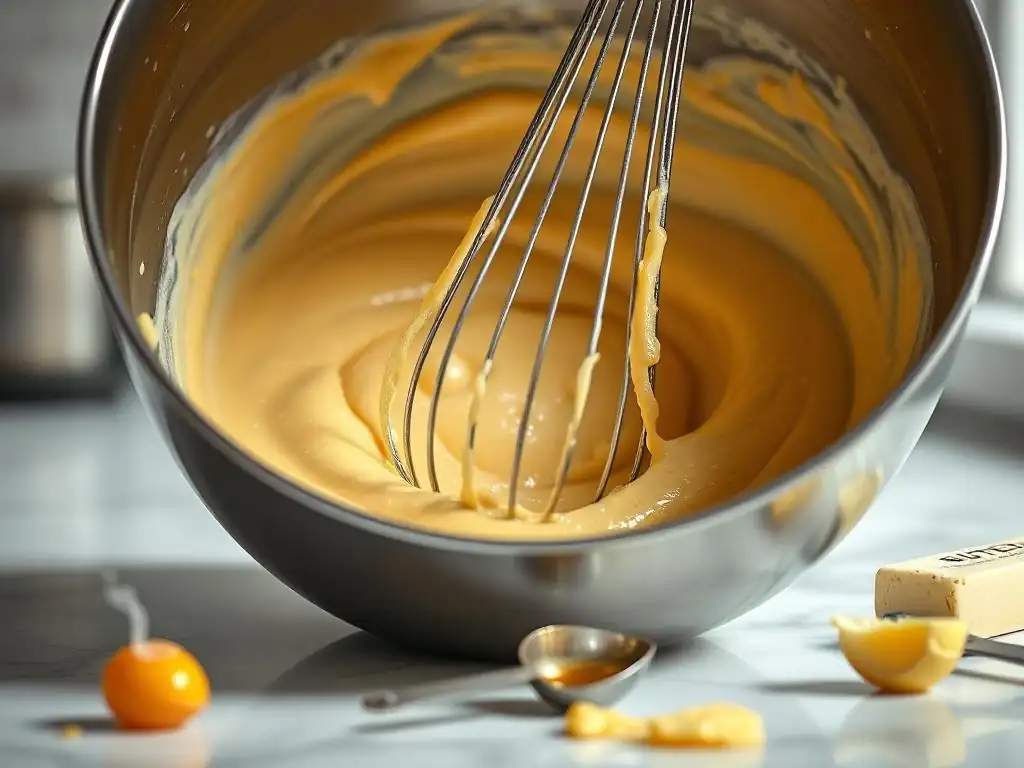
For those looking to delve deeper, there are more advanced ways to enhance cake emulsification, whether through specialized ingredients or adapting to challenging conditions like high altitude. These strategies can further refine texture and consistency.
Exploring the use of commercial emulsifiers or understanding how environmental factors impact batter stability allows for greater control over the final cake outcome, pushing beyond basic easy cake emulsification techniques.
Using Specialized Emulsifiers for Enhanced Results: Polysorbate 60 and Sorbitan Monostearate
Beyond common emulsifiers like lecithin and mono- and diglycerides, some bakers experiment with food-grade polysorbate 60 and sorbitan monostearate. These are highly effective synthetic emulsifiers often found in commercial baked goods.
Polysorbate 60 is particularly good at stabilizing oil-in-water emulsions, helping to keep fat dispersed in liquid batters. Sorbitan monostearate is more effective in water-in-oil systems and can help manage fat crystallization. While not typically needed for standard home baking, their use can significantly improve batter stability, increase volume, and extend shelf life, allowing for formulations with very high sugar and liquid levels relative to flour. A common usage rate might be a fraction of a percent of the batter weight, often less than 0.5%.
Adjusting Recipes for Different Altitude Emulsification Challenges
Baking at high altitude presents unique challenges due to lower atmospheric pressure, which affects leavening, moisture evaporation, and sugar concentration. These factors can indirectly impact emulsification stability. Faster leavening can cause batters to rise and collapse before the structure is set, potentially breaking the emulsion. Increased evaporation can concentrate sugar, affecting its interaction with other ingredients.
High-altitude adjustments often involve reducing leaveners, decreasing sugar slightly, increasing liquid slightly, and sometimes increasing flour or adding an extra egg for structure. These adjustments help create a more stable batter that can withstand the faster rise and increased evaporation, indirectly supporting a stable emulsion by balancing ingredients for the environment. For example, a cake recipe at 5,000 feet might use 10-15% less sugar and leavening than at sea level.
Experimenting with Flavor Infusions While Maintaining Emulsification
Adding flavor extracts, zests, or liquid infusions (like coffee or fruit purées) can introduce additional liquids or oils that might challenge the batter's emulsification. Extracts are typically alcohol-based, while zests contain oils, and purées add water and solids.
When adding flavorings, incorporate them carefully with the liquids or eggs to ensure they are fully dispersed and emulsified into the batter. For liquid infusions, account for the extra liquid volume and adjust the recipe slightly if necessary to maintain the correct fat-to-liquid-to-dry ingredient ratio. Adding a small amount of flour (a tablespoon or two) with the liquid infusion can sometimes help absorb the extra moisture and maintain stability.
Mastering Emulsification: Your Key to Baking Success
Understanding and applying easy cake emulsification techniques is a fundamental skill that elevates your baking from good to consistently great. It's the secret behind cakes that are not only beautiful but also wonderfully tender, moist, and flavorful.
By paying attention to ingredient temperatures, using proper mixing methods, and adding ingredients gradually, you can confidently create stable emulsions that lead to perfect cake textures every time. Don't be discouraged by a less-than-perfect batter occasionally; troubleshooting is part of the baking journey!
Recap of Cake Emulsification Techniques
- Emulsification is binding fat and water, crucial for cake texture and moisture.
- Key Ingredients: Eggs (especially yolks), fats (butter, oil), and sometimes added emulsifiers (lecithin, mono-/diglycerides) are vital.
- Common Methods:
- Creaming Method: Creaming butter/sugar, adding eggs one by one, alternating dry/wet.
- Two-Stage Method: Coating dry ingredients with fat first, then adding liquids gradually.
- Reverse Creaming: Mixing dry ingredients with fat first, then adding liquids.
- Troubleshooting: Curdling often due to cold ingredients or adding liquids too fast; fix by warming gently or adding a little flour. Oily batter can be from overmixing or incorrect ratios.
- Prevention: Use room temperature ingredients and add liquids gradually.
- Impact: Proper emulsification leads to tender, moist cakes with a fine crumb by controlling gluten development and distributing fat and moisture evenly.
Resources for Further Learning about Baking Science and Emulsification
To deepen your understanding of baking science, including emulsification, consider exploring reputable baking books that delve into the science behind ingredients and techniques. Online resources from culinary schools or food science websites can also provide detailed explanations. Experimenting with different recipes and noting how ingredient changes or mixing methods affect the batter and final cake texture is also an invaluable learning experience. Keep baking, experimenting, and observing!
Frequently Asked Questions
What is emulsification and why is it important in cake baking?
Emulsification is the process of combining two liquids that don't normally mix well, like oil and water. It's important in cake baking because it creates a stable batter, leading to a moister and more tender cake.
What are some easy cake emulsification techniques that I can use at home?
Some easy techniques include adding eggs gradually, ensuring ingredients are at room temperature, and using a high-speed mixer to properly combine the fats and liquids.
What happens if I don't properly emulsify my cake batter?
If your cake batter isn't properly emulsified, it can result in a greasy texture, uneven baking, and a cake that is dense and doesn't rise well due to the separation of fats and liquids.
Can I use a hand mixer for easy cake emulsification techniques, or is a stand mixer necessary?
While a stand mixer can be helpful, a hand mixer can absolutely be used. Just be sure to mix thoroughly and gradually, scraping down the sides of the bowl frequently to ensure even emulsification.
What ingredients can help with emulsification in cake recipes?
Eggs are a natural emulsifier due to their lecithin content. Other helpful ingredients include buttermilk and sour cream, which contribute to a stable emulsion and a moist cake.
Final Reflection: The Sweet Science of Effortless Cakes
The quest for the perfect cake often hinges on a seemingly simple process: emulsification. Understanding the delicate dance between fats, liquids, and air is not just about achieving a smooth batter; it's about unlocking the potential for a consistently light, fluffy, and delicious final product. This knowledge, once considered the domain of expert bakers, is now readily accessible, empowering home cooks to achieve professional results with ease.
The impact of mastering emulsification techniques extends far beyond the individual cake. It represents a shift in how we approach baking, moving away from reliance on pre-packaged mixes and towards a deeper understanding of the fundamental principles at play. This empowers us to experiment, to innovate, and to truly personalize our baking experiences. As Julia Child famously said, Find something you're passionate about and keep tremendously interested in it.
For me, that passion lies in demystifying the science behind baking, making it accessible and enjoyable for everyone.
Now, it's your turn. Consider the next time you bake a cake – don't just follow a recipe, but understand the process. Experiment with different fats, liquids, and mixing techniques. Embrace the science behind the sweetness, and watch as your cakes transform from simply good to truly exceptional. The journey of mastering emulsification is a rewarding one, filled with delicious discoveries and the satisfaction of creating something truly special.
Unlock Your Baking Potential: Master Emulsification Today!
Thanks for diving deep into the world of emulsification with us! You now possess the knowledge to create incredibly light and airy cakes. Ready to put your new skills to the test?
- Bake a test cake using your new emulsification knowledge. Experiment with different fat-to-liquid ratios and see the results for yourself. This is the key step to mastering this technique!
- Share your baking triumph (or even your learning curve!) on social media using #BakeWithEaseEmulsification – let’s inspire others!
- Explore more advanced emulsification techniques on our site for even more baking mastery – discover the secrets to perfect mousses and sauces!
Ready to create your masterpiece? What unique flavour combination will you try first?