
Indulge Your Sweet Tooth: Essential Stops on a French Pastry Tour

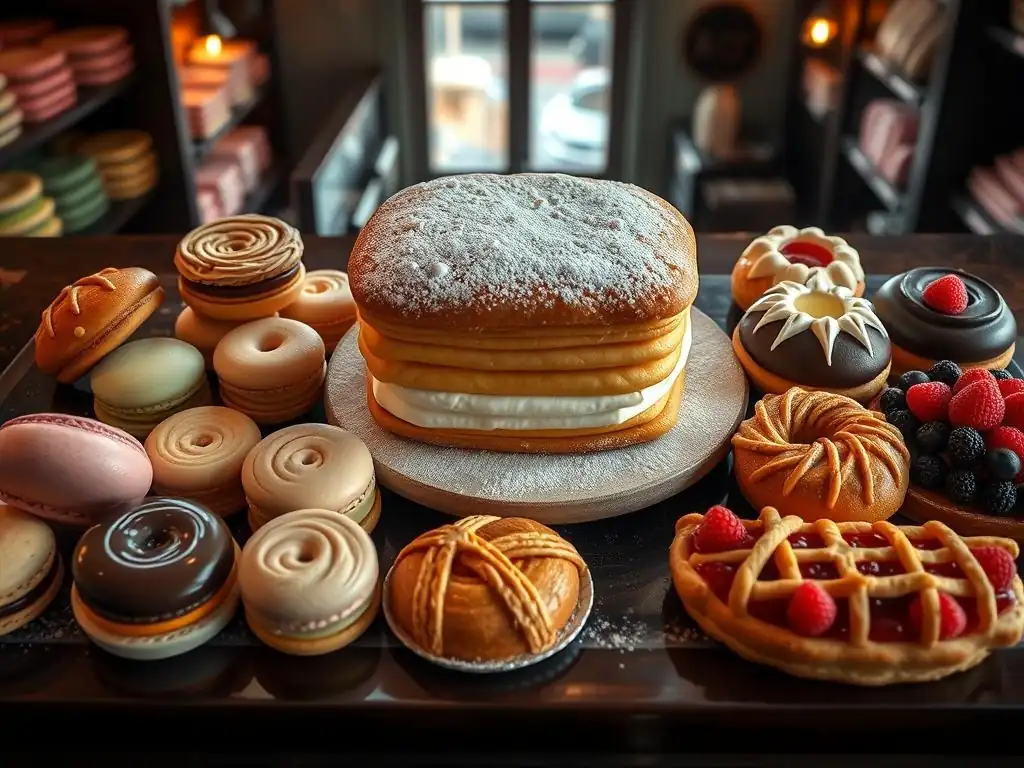
Welcome to BakeWithEase!
Embark on a delectable journey into the heart of French pastry. Ever wondered what secrets lie behind the flaky perfection of a croissant or the melt-in-your-mouth texture of a macaron? Our essential guide to French pastry baking techniques unveils the time-honored methods and insider tips that elevate these iconic treats. Prepare to be inspired as we explore these techniques and discover how you can bring a touch of Parisian elegance to your own kitchen. Your sweet adventure starts now!
France is globally synonymous with exquisite pastries. From delicate croissants to intricate entremets, the nation has perfected the art of transforming simple ingredients into edible masterpieces. Embarking on a French pastry tour isn't just about tasting delicious treats; it's an immersive journey into centuries of culinary history, a chance to witness firsthand the precision and passion behind renowned French pastry baking techniques. It's an education for the palate and the baker's mind.
For anyone passionate about baking, a pilgrimage through France's most celebrated pastry hubs is a dream come true. Imagine strolling Parisian streets, the aroma of freshly baked bread and sugar-laden delights filling the air, or discovering regional specialties in charming provincial towns. This guide highlights essential stops on an ultimate French pastry tour, offering insights into legendary establishments and the foundational French pastry baking techniques that define their creations. Prepare to be inspired and perhaps even pick up some valuable tips for your own kitchen adventures.
Why France is the Epicenter of Pastry Excellence: Understanding French Baking Heritage
France's reputation as a pastry powerhouse isn't accidental; it's built on a rich history spanning centuries, deeply intertwined with royal courts, cultural shifts, and a relentless pursuit of perfection. The foundations of modern French pastry were largely laid during the 17th and 18th centuries, influenced by figures like Marie-Antoine Carême, often considered the "king of chefs and the chef of kings," who codified many classic French pastry baking techniques and elevated the craft to a high art form.
This era saw the refinement of basic doughs like pâte feuilletée (puff pastry) and the development of complex layered and filled creations that required immense skill and precision.
The heritage continues today through rigorous training and a deep respect for tradition, combined with innovation. Culinary schools across France maintain high standards, passing down intricate French pastry baking techniques from one generation to the next. This dedication to craftsmanship ensures that whether you're biting into a simple pain au chocolat or a complex Opéra cake, you're experiencing the culmination of hundreds of years of expertise. The emphasis on quality ingredients—from regional butter and cream to fine chocolates and fruits—also plays a crucial role, providing the perfect canvas for these masterful techniques.
Planning Your Pastry Pilgrimage: Essential Tools and Resources
Embarking on a French pastry tour requires a little planning to maximize your experience and perhaps even learn a few French pastry baking techniques along the way. Start by identifying the regions and cities renowned for their pastries; Paris is a must, but Lyon, Alsace, and even smaller towns like Saint-Tropez (for the Tarte Tropézienne) offer unique delights. Research specific patisseries known for particular specialties – some excel at viennoiseries, others at pâtisserie fine, and many offer baking classes or workshops that provide hands-on experience with authentic methods.
Consider investing in a good guidebook focused on French food or patisseries, or utilize food blogs and online resources that offer up-to-date recommendations and opening hours. Learning a few basic French phrases, especially related to ordering food and expressing appreciation, can greatly enhance your interactions. While you won't need baking tools for the tour itself, bringing a small notebook to jot down observations, flavor combinations, and perhaps even sketching pastry structures can be invaluable. Many travelers also find a good camera essential to capture the stunning visual artistry of the pastries.
- Why France is the Epicenter of Pastry Excellence: Understanding French Baking Heritage
- Planning Your Pastry Pilgrimage: Essential Tools and Resources
- What are some essential French pastry baking techniques a beginner should learn first?
- Where can I find the easiest French pastry recipes to begin my baking journey?
- What makes French pastry baking different from other types of baking?
- What are some common mistakes to avoid when using French pastry baking techniques?
- Does BakeWithEase offer resources for more advanced French pastry baking techniques, like sourdough pastries?
Stop 1: Paris - The Heart of French Pastry Perfection
Paris is undeniably the global capital of pastry, a city where historic institutions stand alongside cutting-edge boutiques, all dedicated to the pursuit of sweet perfection. A tour here offers an unparalleled opportunity to witness the diversity and mastery of French pastry baking techniques. From classic tarts and eclairs to revolutionary macaron flavors and innovative entremets, Paris provides a comprehensive education for the palate. Be prepared to walk – exploring the different arrondissements reveals distinct pastry cultures and hidden gems, each with its own take on traditional and modern methods.
The sheer density of world-class patisseries in Paris means you could spend weeks just exploring this city. Each stop offers a chance to taste history and innovation side-by-side. Pay attention to the details: the flakiness of the croissant, the intensity of the chocolate ganache, the delicate balance of flavors in a fruit tart.
These sensory experiences are key to understanding the high standards of French pastry and can inspire your own attempts at French pastry baking techniques back home. Don't be afraid to ask (politely, in French if possible!) about ingredients or methods – some bakers are happy to share insights.
Patisserie Stohrer: A Parisian Institution for Traditional French Sweets
Established in 1730 by Nicolas Stohrer, the pastry chef to Louis XV's wife, Marie Leszczyńska, Patisserie Stohrer is the oldest patisserie in Paris and a living museum of French pastry history. Located on Rue Montorgueil, its opulent interior alone is worth the visit. Stohrer is credited with inventing the Baba au Rhum and perfecting the Puit d'Amour. Tasting a pastry here is like stepping back in time, experiencing recipes and French pastry baking techniques that have been refined over nearly three centuries.
Their selection includes many classics rarely found elsewhere, such as Vol-au-vents and elaborate religious cakes. The quality of ingredients and the adherence to traditional methods are paramount. A Baba au Rhum from Stohrer, soaked just right and topped with delicate cream, exemplifies their mastery of texture and flavor balance. Visiting Stohrer provides a foundational understanding of where many modern French pastry baking techniques originated and the enduring appeal of traditional craftsmanship.
Pierre Hermé: The Modern Master of Macarons
Pierre Hermé is often hailed as the Picasso of Pastry, renowned for his innovative approach and bold flavor combinations. While he excels at many pastries, he is arguably most famous for revolutionizing the macaron. Moving beyond traditional flavors, Hermé introduced daring pairings like Ispahan (rose, raspberry, and litchi), Mogador (passion fruit and milk chocolate), and countless seasonal creations that push the boundaries of what a macaron can be. His boutiques are sleek, modern temples to these colorful, delicate cookies.
A visit to Pierre Hermé is essential for anyone interested in the evolution of French pastry baking techniques. His macarons are characterized by their perfect coque (shell) – crisp yet yielding – and intensely flavored, often surprising fillings. Tasting his creations demonstrates how foundational techniques can be combined with creativity and high-quality ingredients to produce entirely new sensory experiences. His influence on contemporary pastry chefs worldwide is immense, making him a crucial stop for inspiration.
Du Pain et des Idées: Rustic Breads and Exquisite Escargots
While technically a boulangerie (bakery) and not strictly a patisserie, Du Pain et des Idées is a must-visit for its exceptional viennoiseries and breads, showcasing essential French pastry baking techniques related to laminated doughs. Located near the Canal Saint-Martin, this bakery is celebrated for its traditional methods, using natural leavens and focusing on quality flour. Their Pain des Amis, a large country loaf, is legendary, but their sweet offerings are equally compelling.
Their "escargots" (snail-shaped pastries) are particularly famous, filled with everything from pistachio and chocolate to seasonal fruits. Unlike the delicate pâtisserie fine, these pastries are rustic yet refined, highlighting the mastery of puff pastry ( pâte feuilletée) and leavened doughs ( pâte levée feuilletée). The perfect flakiness and rich butter flavor of their croissants and pain au chocolat offer a masterclass in laminated dough techniques. A visit here provides insight into the bread-making side of French baking, which shares many fundamental techniques with pastry.
Stop 2: Lyon - A Gastronomic Paradise for Pastry Lovers
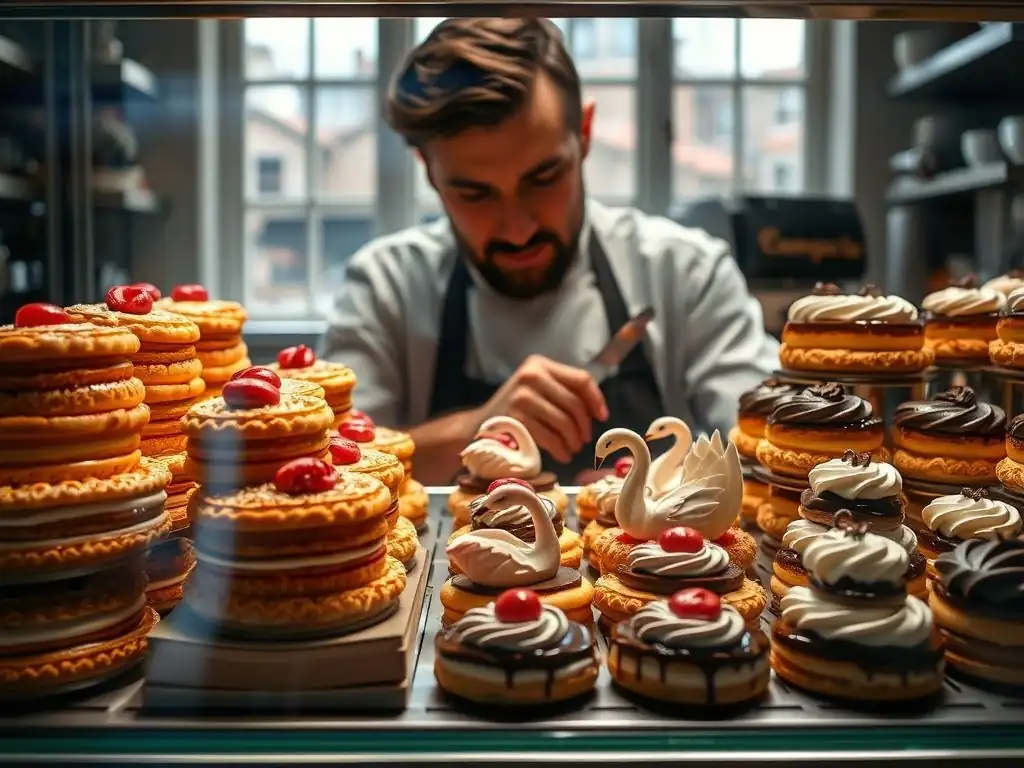
Lyon, the gastronomic heart of France, offers a pastry scene that is both deeply traditional and increasingly innovative. While perhaps less globally hyped than Paris, Lyon boasts a concentration of talented chefs and patissiers who uphold classic techniques while adding their own creative flair. The city's focus on high-quality regional produce translates into pastries that are rich, flavorful, and often showcase local ingredients. Exploring Lyon's patisseries is a delightful journey into authentic French flavors and skilled craftsmanship.
Lyon's pastry scene is characterized by a strong sense of regional identity and a commitment to excellence. You'll find classic French pastry baking techniques applied to local specialties, creating a unique blend of tradition and place. The pace might feel slightly less frenetic than in Paris, allowing for a more relaxed exploration of shops and perhaps more opportunities to chat with the bakers themselves. Don't miss trying the local pralines, a sweet almond candy that finds its way into many Lyonnaise pastries.
Pâtisserie Bouillet: Chocolate Heaven and Creative Confections
Sébastien Bouillet is a prominent figure in Lyon's pastry scene, known for his expertise in chocolate and his playful, creative approach to classic pastries. With multiple locations, including a dedicated chocolate shop (Chokola), his establishments are a paradise for anyone who loves cocoa. Bouillet's pastries range from perfectly executed tarts and eclairs to whimsical chocolate sculptures and modern entremets that are as visually stunning as they are delicious.
Bouillet's work demonstrates a mastery of complex French pastry baking techniques, particularly those involving chocolate tempering, ganache making, and assembly of multi-layered cakes. His dedication to using high-quality chocolate is evident in the depth and richness of his creations. Visiting Pâtisserie Bouillet provides a great example of how traditional skills can be combined with artistic vision and a focus on a specific ingredient (like chocolate) to create a distinctive and exciting range of pastries.
Sébastien Bouillet: A Lyonnaise Institution for Traditional Pastries
Sébastien Bouillet also upholds the tradition of classic French and Lyonnaise pastries. Beyond his celebrated chocolate work and modern creations, his shops offer impeccable versions of staples like Tarte aux Pralines (a Lyonnaise specialty made with pink pralines), Paris-Brest, and classic fruit tarts. His commitment to using fresh, seasonal ingredients and applying precise French pastry baking techniques ensures that these traditional treats are executed to the highest standard.
Exploring Bouillet's range of traditional pastries provides insight into the enduring appeal of these classic recipes when made with skill and care. His Tarte aux Pralines, for instance, is a perfect example of a regional specialty elevated by expert technique – the balance of the sweet praline filling with the crisp pastry crust is key. This aspect of his work highlights the importance of mastering fundamental French pastry baking techniques before venturing into more innovative territory, showcasing why he is considered a Lyonnaise institution.
Stop 3: Alsace - A Blend of French and German Baking Traditions
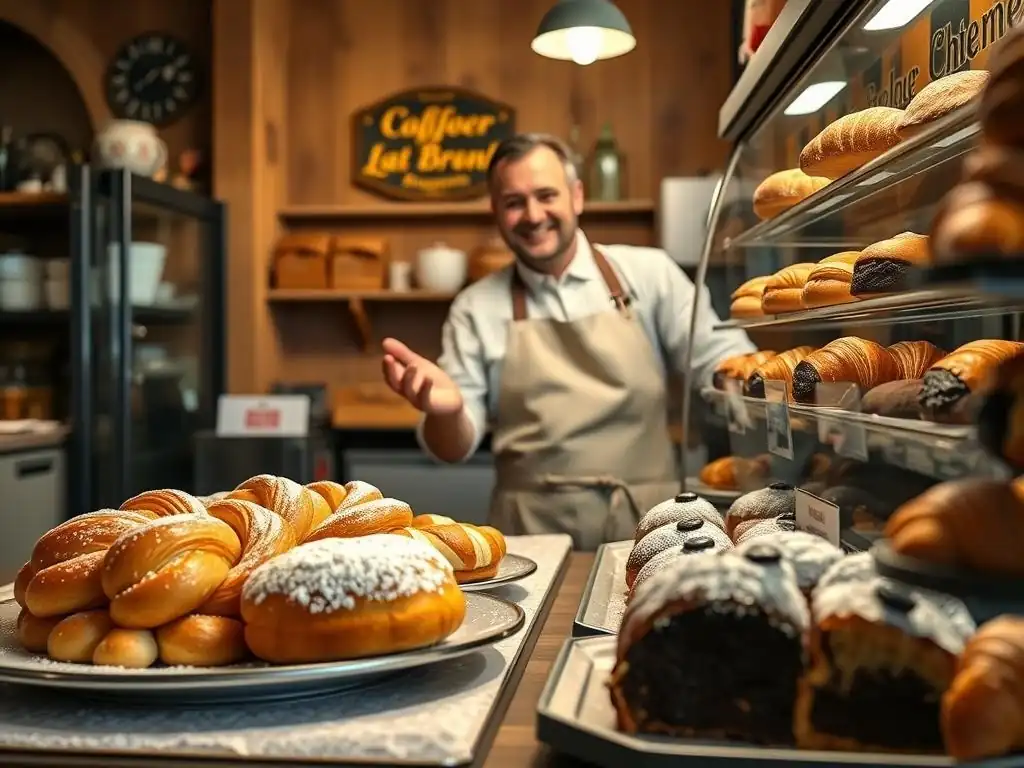
The Alsace region, nestled between France and Germany, offers a unique culinary landscape shaped by both cultures. This duality is evident in its baking traditions, which blend French elegance with German heartiness. While you'll find classic French pastries, Alsace is also famous for its own regional specialties, often featuring fruit, spices, and a slightly different approach to doughs and fillings. A pastry tour in Alsace provides a fascinating look at how cultural exchange influences French pastry baking techniques.
Alsatian baking is characterized by rich brioches, fruit tarts often made with a streusel topping ( crumble), and spiced cakes, particularly around the Christmas season. The influence of German baking is visible in the use of ingredients like quark cheese, poppy seeds, and a preference for denser, more substantial cakes alongside delicate French creations. Exploring patisseries here offers a chance to see how classic French pastry baking techniques are adapted and combined with regional ingredients and traditions, creating a distinct and delicious style.
Thierry Mulhaupt: A World of Flavors
Thierry Mulhaupt, based in Strasbourg and other Alsatian locations, is a renowned patissier celebrated for his exquisite pastries, chocolates, and breads that reflect the region's unique identity. Mulhaupt expertly blends French precision with Alsatian flavors, creating a range of products that are both sophisticated and comforting. He is particularly known for his fruit tarts, Kouglof (a traditional Alsatian brioche-like cake), and his creative chocolate work.
Visiting a Thierry Mulhaupt shop is an experience in flavor and artistry. His Kouglof is a masterclass in brioche dough, light and airy with just the right sweetness. His fruit tarts demonstrate impeccable pastry crusts and perfectly balanced fillings, often featuring local produce. Mulhaupt's success lies in his ability to apply rigorous French pastry baking techniques to regional recipes and ingredients, showing how tradition and innovation can coexist beautifully. His work is a testament to the rich baking heritage of Alsace.
Elevate Your Home Baking with French Pastry Baking Techniques
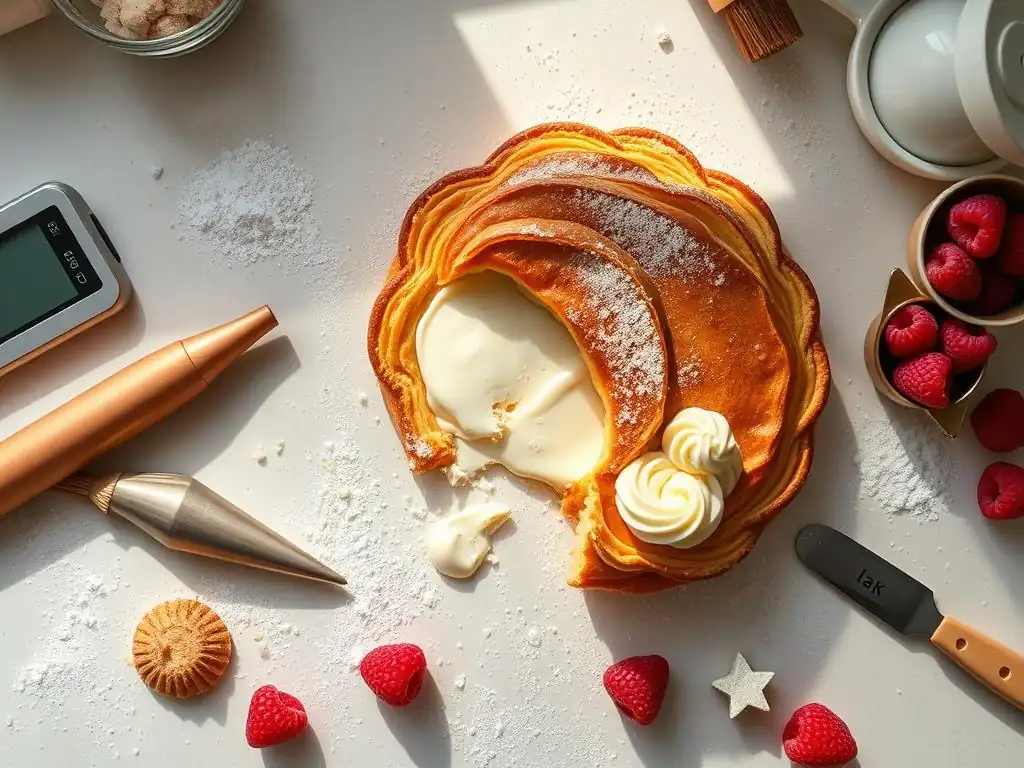
Inspired by your French pastry tour? You can bring a taste of France into your own kitchen by practicing essential French pastry baking techniques. Mastering these fundamental skills is the key to recreating those delicate textures, rich flavors, and beautiful presentations you admired abroad. It requires patience, precision, and a willingness to understand the science behind the art, but the rewards are truly sweet.
Applying French pastry baking techniques at home starts with understanding the basics: the role of ingredients, the importance of temperature, and the proper handling of doughs. Don't expect perfection on your first try; even professional bakers spend years honing their skills. Start with simpler recipes and gradually work your way up to more complex creations. This journey allows you to appreciate the craftsmanship involved and brings the joy of French baking right to your doorstep.
Essential Tools for Mastering French Pastry
Having the right tools is crucial when tackling French pastry baking techniques. While you don't need a professional kitchen setup, certain items will make your baking significantly easier and more successful. A good quality digital scale is essential for accurate ingredient measurements, as French recipes often rely on weights rather than volumes. A stand mixer can be a lifesaver for kneading brioche or making meringue.
Other useful tools include a fine-mesh sieve for sifting flour and powdered sugar, a pastry blender or cold butter cutter for making flaky crusts, various sizes of piping bags and tips for decorating and filling, and tart pans with removable bottoms. A good quality rolling pin, parchment paper, and silicone mats are also indispensable. Investing in a few key tools that facilitate precise technique will significantly improve your results when practicing French pastry baking techniques.
Mastering Basic French Pastry Doughs: Pâte Brisée, Pâte Sucrée, and Pâte à Choux
Understanding and mastering basic doughs is fundamental to French pastry baking techniques. Pâte Brisée, or shortcrust pastry, is a simple, buttery dough used for savory tarts and some sweet applications. It's made by cutting cold butter into flour, resulting in a tender, crumbly crust. The key is to handle it minimally to avoid developing gluten.
Pâte Sucrée is a sweet shortcrust pastry, similar to Pâte Brisée but often including egg yolk and powdered sugar, which gives it a richer, more cookie-like texture. It's perfect for fruit tarts and dessert shells. Mastering Pâte Sucrée involves creaming butter and sugar, then incorporating eggs and flour, ensuring a smooth, workable dough that bakes up crisp and flavorful.
Pâte à Choux, or choux pastry, is a unique cooked dough used for eclairs, cream puffs (chouxquettes or profiteroles), and gougères. It's made by cooking flour, butter, and liquid together before beating in eggs. The high moisture content creates steam during baking, causing the pastries to puff up and become hollow inside. Mastering Pâte à Choux requires careful cooking of the panade and gradual incorporation of eggs to achieve the correct consistency for piping and proper leavening in the oven. These three doughs are building blocks for countless French pastries.
Conclusion: Your French Pastry Adventure Awaits
Embarking on a French pastry tour is more than just a vacation; it's an educational experience that deepens your appreciation for the artistry and dedication behind world-class baking. From the historic streets of Paris to the gastronomic delights of Lyon and the unique traditions of Alsace, each stop offers a piece of the puzzle that makes France the undisputed leader in pastry excellence. Witnessing expert French pastry baking techniques firsthand provides invaluable inspiration and insight.
Whether you dream of recreating a perfect croissant, mastering the delicate macaron, or simply enjoying the finest sweets the world has to offer, this journey is a feast for the senses and the soul. Use the inspiration gained from these essential stops to fuel your own baking adventures back home, practicing the fundamental French pastry baking techniques you've encountered. Your delicious French pastry adventure, both abroad and in your own kitchen, is just beginning.
Frequently Asked Questions
What are some essential French pastry baking techniques a beginner should learn first?
Start with mastering the basics: making pâte sucrée (sweet shortcrust pastry), crème pâtissière (pastry cream), and meringue. These are foundational for many classic French pastries.
Where can I find the easiest French pastry recipes to begin my baking journey?
BakeWithEase.com offers a range of simple, step-by-step recipes perfect for beginners. Look for recipes featuring easy-to-find ingredients and clear instructions.
What makes French pastry baking different from other types of baking?
French pastry baking often emphasizes precision, technique, and high-quality ingredients. It can involve more intricate steps and a focus on achieving specific textures.
What are some common mistakes to avoid when using French pastry baking techniques?
Avoid overmixing doughs, using ingredients that are not at the correct temperature, and not following recipes precisely. Pay attention to detail for best results.
Does BakeWithEase offer resources for more advanced French pastry baking techniques, like sourdough pastries?
Yes, BakeWithEase offers content for all levels, including those perfecting their skills with advanced techniques and sourdough recipes. Explore the website for various guides.
Final Reflection: The Enduring Allure of French Pastry
The art of French pastry baking isn't merely a culinary pursuit; it's a testament to precision, patience, and the enduring power of tradition. From the delicate layers of a mille-feuille to the rich, buttery heart of a croissant, these techniques represent a legacy passed down through generations, a legacy that continues to captivate and inspire bakers worldwide. The techniques discussed in this article remain highly relevant today, as evidenced by the booming popularity of artisan bakeries and the ever-growing demand for authentic French pastries.
The influence of French pastry techniques extends far beyond the confines of the kitchen; it's woven into the fabric of French culture, representing a deep connection to history and craftsmanship. These techniques are a source of national pride, a symbol of excellence, and a testament to the enduring power of culinary artistry. As Julia Child once wisely said, Find something you're passionate about and keep tremendously interested in it.
This passion, this dedication to perfecting the craft, is palpable in every perfectly formed éclair and every flawlessly layered pain au chocolat.
Now, consider your own approach to baking. Perhaps you've been inspired to try a new technique, or maybe you've gained a deeper appreciation for the intricate processes involved in creating these masterpieces. I encourage you to embrace the challenge, to experiment with these techniques, and to discover the joy of creating something beautiful and delicious.
Let the legacy of French pastry inspire you to explore your own creativity and to share the fruits of your labor with those you love. The journey of mastering these techniques is a rewarding one, filled with both challenges and triumphs, and the final product is a testament to your dedication and skill.
Unleash Your Inner Pâtissier: Start Your French Pastry Adventure!
Thanks for joining us on this delicious journey through the world of French pastries! We hope you've discovered some new favorites and gained inspiration for your next baking project. Ready to take the next step?
- Bake your own masterpiece: Try recreating one of the pastries we featured – the recipe for classic croissants is surprisingly achievable! Let us know how it goes!
- Share your pastry passion: Tag us on social media with your baking creations using #BakeWithEaseFrenchPastries. We'd love to see your delightful results!
- Explore further: Delve into our extensive archive of French baking recipes and techniques. You might just find your new signature treat!
So, what delectable French pastry will you conquer first?