
Simple Way to Test Fruit Pie Doneness

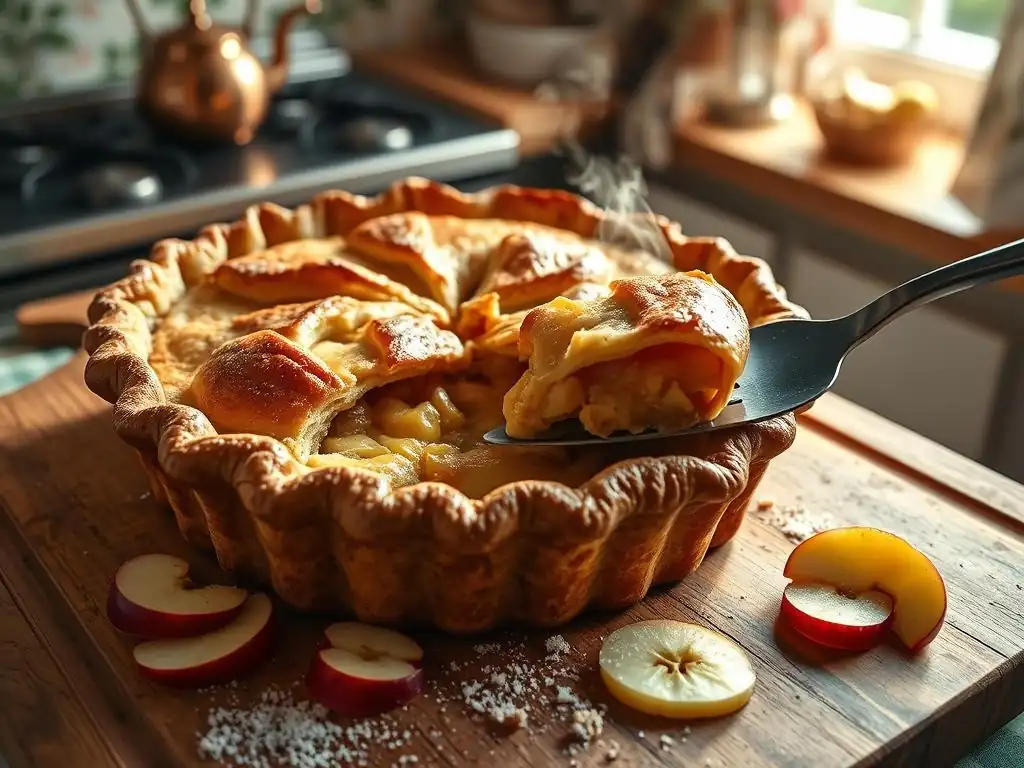
Welcome to BakeWithEase, your trusted guide to baking bliss! Ever wondered if there's a foolproof secret to achieving that perfectly cooked fruit pie? Beyond just visual cues, we're diving into the simple, yet crucial timing and techniques that guarantee a golden crust and a bubbly, flavorful filling, every single time. Get ready to unlock the secrets to fruit pie perfection and say goodbye to soggy bottoms forever!
- The Internal Temperature Test: Ensuring Thorough Cooking
-
Frequently Asked Questions
- How can I tell if my fruit pie is perfectly cooked?
- What happens if I take my fruit pie out of the oven too early?
- Is there a specific temperature I should aim for inside the fruit pie?
- How does the type of fruit used affect the cooking time of a fruit pie?
- What if the crust is browning too quickly, but the filling isn't cooked yet?
- Final Reflection: The Sweet Science of a Perfectly Cooked Pie
- Unlock Your Perfect Pie: Test & Share Your Baking Triumph!
The Internal Temperature Test: Ensuring Thorough Cooking
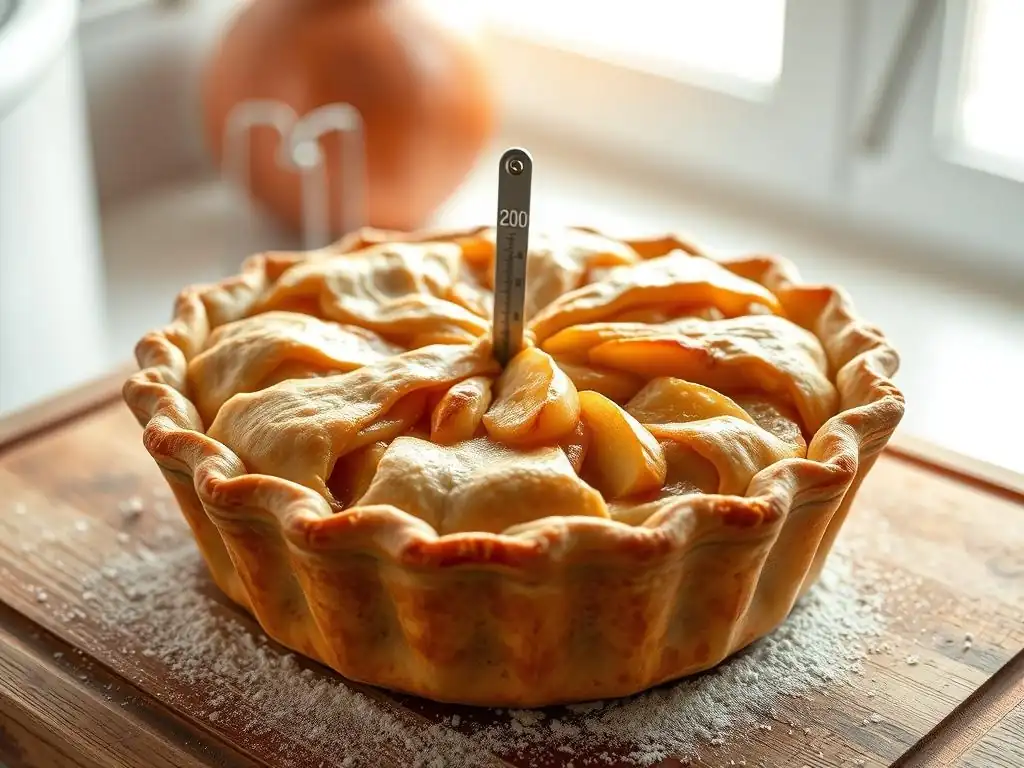
Using a Thermometer to Check Doneness
While visual cues like a golden crust and bubbling filling are excellent indicators, the most reliable way to confirm your fruit pie has reached its "Fruit pie perfectly cooked timing" is by checking its internal temperature. Using an instant-read thermometer takes the guesswork out of baking, especially for pies with thicker fillings or those baked in deep dishes where heat penetration can be slower. It provides a precise measurement of the filling's core temperature, telling you definitively if it has heated through sufficiently for starches to thicken and fruits to soften properly.
To perform this test accurately, insert the probe of your instant-read thermometer into the center of the pie's filling. Be careful not to poke through the bottom crust, as this will give you a false reading based on the hot pan rather than the filling itself. Angle the thermometer slightly if needed to reach the true center.
The temperature should stabilize within a few seconds, giving you a clear number to compare against ideal temperatures for your specific type of fruit pie. This method is invaluable for ensuring consistent results and achieving that desired "Fruit pie perfectly cooked timing" every time.
Ideal Internal Temperatures for Common Fruit Pies
Different fruit pies benefit from reaching specific internal temperatures to ensure optimal texture and flavor. While exact temperatures can vary slightly based on the recipe and the type of thickening agent used, a common range for most fruit pies to achieve the "Fruit pie perfectly cooked timing" is between 195°F and 210°F ( 90°C to 99°C). For instance, apple pies often benefit from reaching the higher end of this range, perhaps 205-210°F ( 96-99°C), as the starches in apples and the thickeners require significant heat to fully gelatinize and create a stable, non-runny filling.
Cherry and berry pies, while also needing to reach a high temperature, might be perfectly done slightly lower in the range, perhaps around 195-205°F ( 90-96°C). Reaching these temperatures ensures that the fruit has softened appropriately, the juices have thickened, and any starch-based thickeners have activated. Checking the internal temperature is a foolproof way to confirm that your pie has not only developed a beautiful crust and bubbly top but also has a perfectly set filling underneath, truly marking its "Fruit pie perfectly cooked timing."
Frequently Asked Questions
How can I tell if my fruit pie is perfectly cooked?
The best way is to look for a golden brown crust and check the filling's consistency. The filling should be bubbling vigorously in the center.
What happens if I take my fruit pie out of the oven too early?
Taking a fruit pie out too early can result in a soggy crust and a runny filling. The internal temperature won't be high enough to properly set the fruit.
Is there a specific temperature I should aim for inside the fruit pie?
While not always necessary, aiming for an internal temperature of around 200-205°F can ensure doneness. Use a digital thermometer to check in the center.
How does the type of fruit used affect the cooking time of a fruit pie?
Different fruits contain varying amounts of moisture. Fruits with higher water content, like berries, may require longer baking times than fruits like apples.
What if the crust is browning too quickly, but the filling isn't cooked yet?
Cover the edges of the crust with foil or a pie shield to prevent burning. This allows the filling to cook thoroughly without over-browning the crust.
Final Reflection: The Sweet Science of a Perfectly Cooked Pie
The quest for the perfectly cooked fruit pie transcends mere culinary skill; it's a journey into the heart of baking precision. Knowing precisely when your fruit pie is done is more than just avoiding a soggy bottom or burnt crust; it's about achieving that perfect balance of juicy fruit and flaky pastry, a testament to patience and understanding. This article has explored several simple methods to achieve this, empowering home bakers to confidently navigate the often-tricky world of pie-making.
The pursuit of the perfect pie speaks to a deeper human desire for mastery and creation. It's a small act, baking a pie, yet it carries within it the weight of tradition, the joy of sharing, and the satisfaction of a job well done. The simple act of testing for doneness, as we've discussed, becomes a ritual, a connection to generations of bakers who have come before us. The best things in life are simple,
a saying often heard, rings particularly true when considering the humble, yet deeply satisfying, achievement of a perfectly baked fruit pie.
Now, consider your own baking journey. What methods resonate most with you? Will you try the jiggle test, the toothpick method, or perhaps rely on your intuition, honed by experience? The next time you bake a fruit pie, remember the lessons learned here, and approach the process with confidence and a touch of culinary curiosity. Embrace the subtle nuances of baking, and savor the sweet reward of a pie baked to perfection. The journey to mastering the perfect fruit pie is ongoing, and each pie you bake is a step closer to that delicious goal.
Thanks for joining us on this baking adventure! You've now learned the simple secrets to perfectly testing your fruit pie's doneness. Let's put that knowledge to delicious use!
- Bake your dream pie today! Grab your favorite recipe and put those new testing skills to work. The perfect pie awaits!
- Share your baking journey: Post a picture of your masterpiece on social media using #BakeWithEasePiePerfection – let's inspire each other!
- Consider trying a new fruit filling. Explore the diverse flavors and textures that await!
Now, tell us: What's your favorite fruit pie filling, and what's your go-to method for checking doneness (before you read this, of course)?